Fix Lingering Garlic Odors on Dishes Fast
Garlic odor on dishes after washing usually means grease film or porous surfaces. Step-by-step fixes for ceramic, steel, plastic, wood, and cast iron.
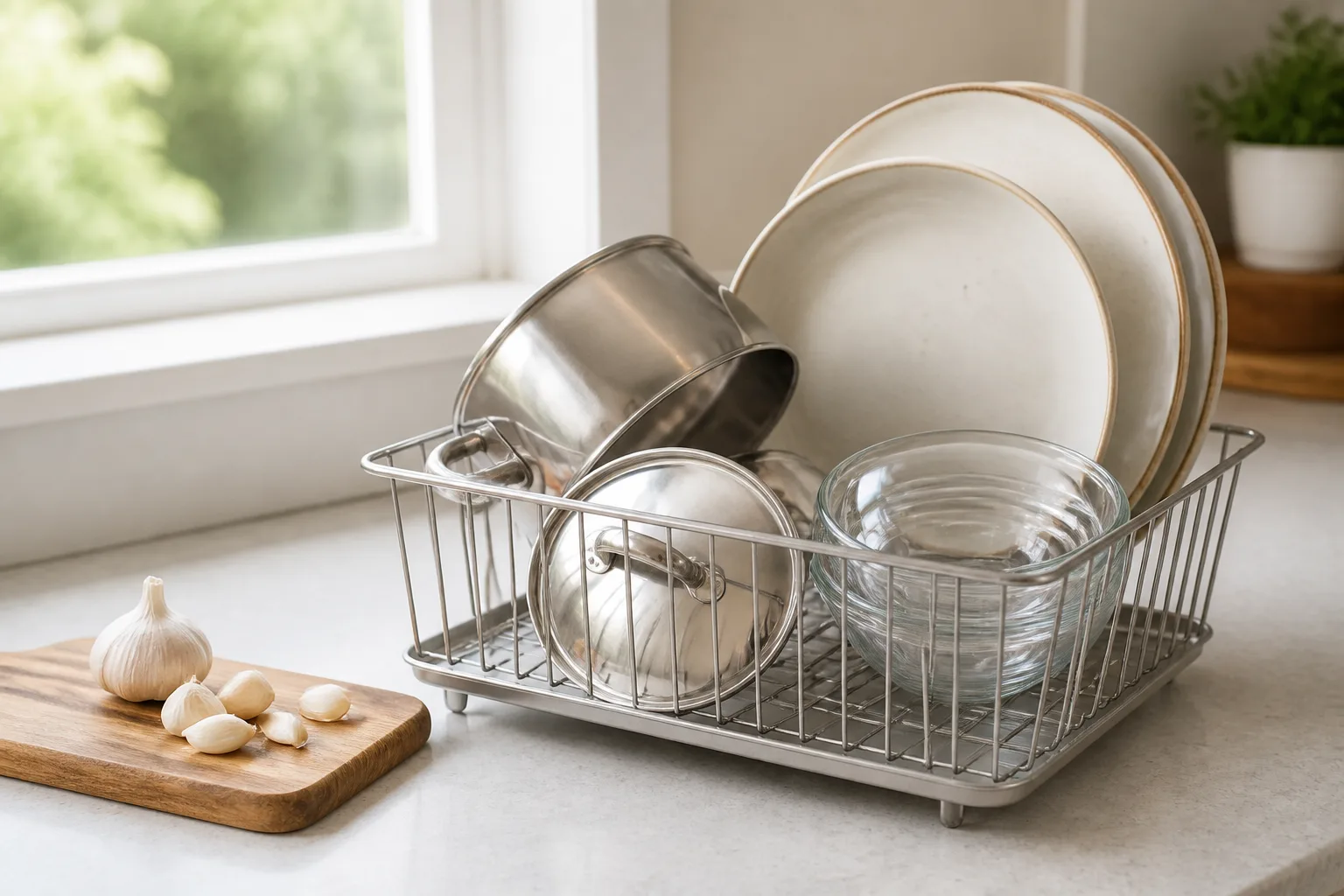
You pulled a cereal bowl from the cabinet, filled it with milk, and got a hit of last night’s garlic bread instead of neutral ceramic. The dishes look clean. They passed the visual test. The lingering garlic odor means something invisible survived the wash — usually a thin grease film holding sulfur compounds on the surface or inside microscopic scratches. Fixing it is less about stronger perfume and more about breaking the lipid layer that traps the smell, using the right method for each material, and stopping the habits that redeposit garlic oil in the first place.
If you cook from the garden — crushing fresh cloves for pesto, sautéing harvest garlic scapes, or batching tomato sauce — this problem shows up on shared cutting boards, storage tubs, and the one good skillet everyone fights over. The fixes below work for everyday kitchenware and for the heavy-use gear that sees garlic every week.
Why Clean Dishes Still Smell Like Garlic
A normal wash removes visible food. Garlic odor is different. Crushing or chopping garlic triggers an enzyme reaction that forms allicin and then breaks down into volatile sulfur molecules such as diallyl disulfide and allyl mercaptan — the compounds your nose recognizes instantly (Compound Interest). These molecules are oil-soluble, not water-soluble. They dissolve into the same cooking fats and pan oils that garlic was cooked in, then cling to dish surfaces when rinse water is too cool, soap too weak, or contact time too short.
That is why a quick rinse with lukewarm water can leave dishes looking spotless while still smelling like a trattoria. The smell is not imaginary — it is chemistry sitting on a hydrophobic film.
Hydrophobic Sulfur Compounds and Grease Films
Think of the dish surface as a plate with an invisible layer of lipid residue. Sulfur volatiles embed in that layer the way perfume clings to skin. Degreasing is the unlock: you need surfactants that emulsify fat plus enough heat and mechanical scrubbing to lift the film entirely. Plain water — especially cold water — spreads the film without removing it.
The worst offenders are tight corners: fork tines, lid gasket grooves, rivets where handles meet pans, and the knife edge near the bolster. Anywhere water sheets off instead of flowing through, garlic oil can remain.
When the Smell Signals Bacteria vs Simple Absorption
A garlic smell on its own usually means incomplete degreasing, not automatic food poisoning. That said, the same grease films that trap odor can also harbor bacteria if food sat on the surface too long before washing. The CDC’s food-safety guidance emphasizes washing hands, utensils, and countertops with hot, soapy water after handling raw ingredients and before touching ready-to-eat food (CDC). If dishes smelled garlicky and sat unwashed overnight with visible food debris, treat them as a full re-clean job — not a quick sniff test.
Simple absorption is different: porous plastic, scratched polyethylene, and unsealed wood can hold odor inside the material, not just on top. In those cases, surface scrubbing alone may never fully work. You will need deeper paste treatments, sun-and-air drying, or honest retirement of the piece.
First Step: Match the Fix to Your Material
Before you reach for vinegar on everything, identify what you are cleaning. The same acid soak that deodorizes a glass storage dish can strip seasoning from cast iron or pit aluminum. Use this order: correct re-wash with hot degreasing soap → baking soda paste → material-appropriate soak → prevention changes. Skip straight to vinegar on reactive metals.
Ceramic, Glass, and Everyday Dishware
Glazed ceramic and glass are non-porous when the glaze is intact. Odor here is almost always surface film. Fill a basin with the hottest water your hands can tolerate — or use dishwasher heat — add a degreasing dish soap, and scrub every surface with a brush that reaches grooves. Rinse in hot water. Air-dry completely before stacking; trapped moisture between nested bowls can hold a faint smell even after the grease is gone.
Chipped glaze or crazing (hairline cracks) changes the equation. Bacteria and oil can sit in those cracks. If a favorite bowl still smells after two full treatments, the glaze may be compromised — see the retirement section below.
Stainless Steel Pots, Pans, and Utensils
Stainless steel handles high heat and alkaline baking soda well. Garlic odor on steel usually means polymerized oil on the cooking surface or around rivets. Scrub the interior with hot soapy water and a non-scratch pad, then tackle the exterior and handle joints where fingers and splatter deposit oil.
For stubborn pans, make a baking soda paste (three parts soda to one part water), coat the smelly areas, let it sit 15–30 minutes, scrub, and rinse hot. Steel wool is rarely necessary and can scratch brushed finishes.
Plastic Containers and Storage Lids
Plastic is the repeat offender in meal-prep kitchens. Polyethylene and polypropylene are slightly porous, especially once clouded from microwave heat or scratched by forks. Wash with degreasing soap and hot water — not boiling water, which can warp lids and open micro-scratches that trap more odor.
If smell persists, coat the interior with baking soda paste, let it dry completely (up to an hour), rinse, and air-dry in sunlight when possible. UV and airflow help volatilize trapped sulfur compounds. Tomato-sauce stains and garlic odor often travel together; treat both with the same paste cycle. Deeply scored containers may never fully clear — assign them to non-garlic duty or recycle.
Wood Cutting Boards and Bamboo Tools
Wood absorbs odor. After garlic prep, wash the board with hot soapy water immediately — do not soak submerged overnight, which warps wood. Scrub with a stiff brush across the grain, rinse, and stand the board on edge to dry.
For lingering smell, sprinkle coarse salt or baking soda, scrub with half a lemon, let sit five minutes, rinse, and dry thoroughly (NDTV Food). Repeat once. If odor remains after two cycles, the board has absorbed sulfur deep into fibers — designate it for allium prep only, or sand and re-oil a thick hardwood board if you have the tools. Never run wood through the dishwasher.
Cast Iron and Carbon Steel: What Not to Use
Cast iron is the material most people damage while chasing odor. Do not soak cast iron in vinegar. Acetic acid attacks seasoning and can reach bare metal. Food Network Kitchen testing found that even small amounts of soap strip polymerized seasoning from cast iron; their recommended routine is hot water and a firm scrub while the pan is still warm, using a cast-iron scrubber or chain-mail pad, then thorough drying and a light oil rub (Food Network).
For garlic odor on seasoned cast iron: scrub with hot water immediately after cooking, optionally with coarse salt as a gentle abrasive, rinse, dry on a low burner, and oil lightly. If smell persists, wipe the cooking surface with a thin layer of neutral oil, heat gently for ten minutes, cool, and wipe — the heat helps release trapped volatiles without destroying seasoning. Reserve vinegar and long baking-soda soaks for enameled cast iron only, where the enamel coating protects the metal.
Carbon steel woks and paella pans follow the same rules: hot water, fast drying, re-season if the surface looks dull or smells metallic.
The Correct Re-Wash That Actually Removes the Film
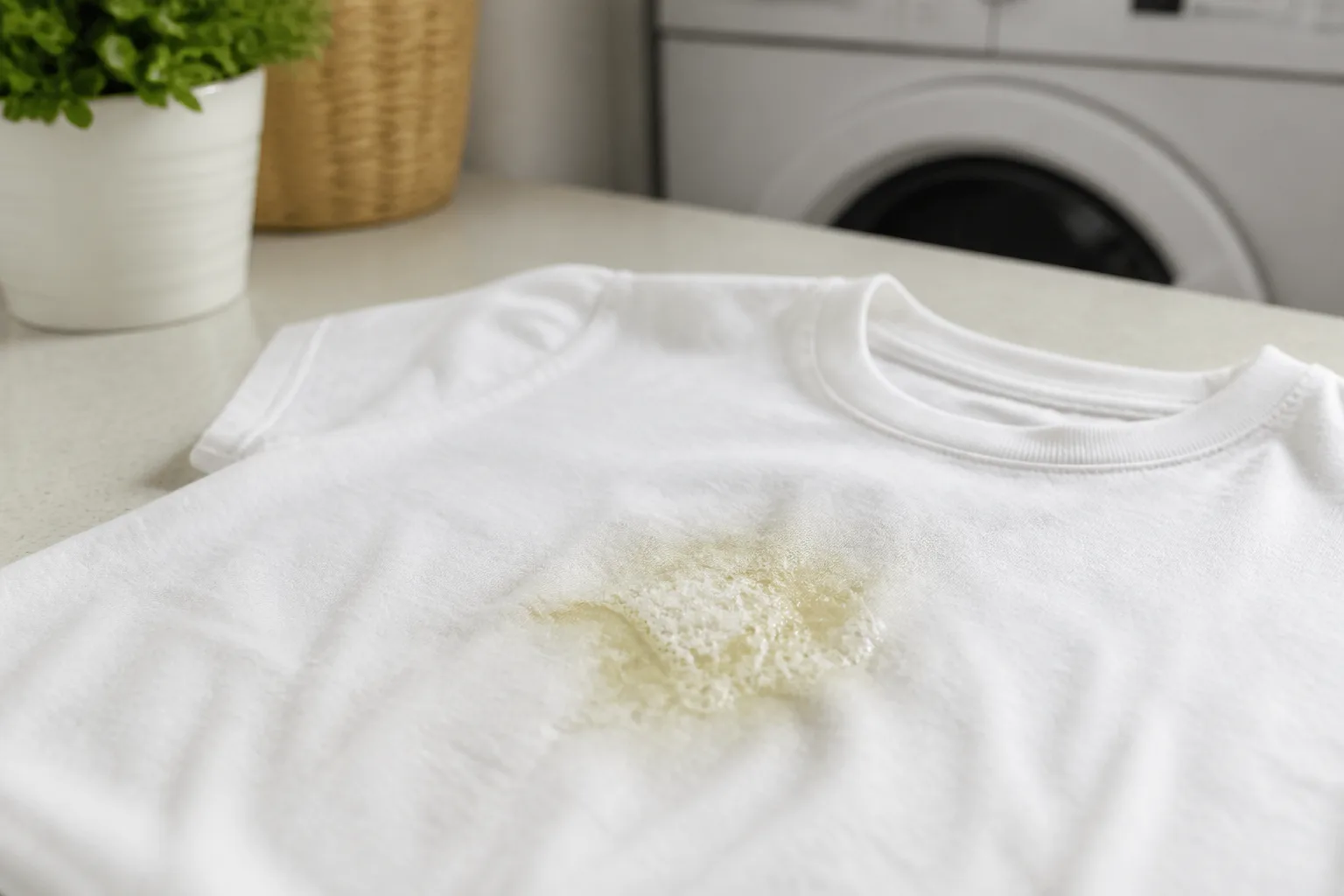
Most garlic odor cases end here if you slow down and degrease properly. This is the step to try before any soak.
Hot Water, Degreasing Soap, and Contact Time
Fill a sink or tub with hot water — not scalding enough to crack cold glass, but hot enough that grease softens. Add a degreasing dish soap (look for labels mentioning grease-cutting; avoid lotion-heavy formulas that leave their own film). Submerge items for two to three minutes so heat loosens lipids.
Scrub every surface: backs of plates, underside of rims, lid seals, and fork tines. Pay the same attention the CDC recommends for post-prep cleanup: utensils and boards that touched raw aromatics need full contact with soapy water, not a casual rinse (CDC). Rinse in hot running water until no soap slick remains. Air-dry on a rack with spacing — nested wet dishes trap odor.
If you hand-wash but still smell garlic, check the sponge, brush, and dishcloth. They may be redepositing old grease. Wash tools in hot soapy water after each session and replace sponges every one to two weeks.
Baking Soda Paste for Stubborn Garlic Odors
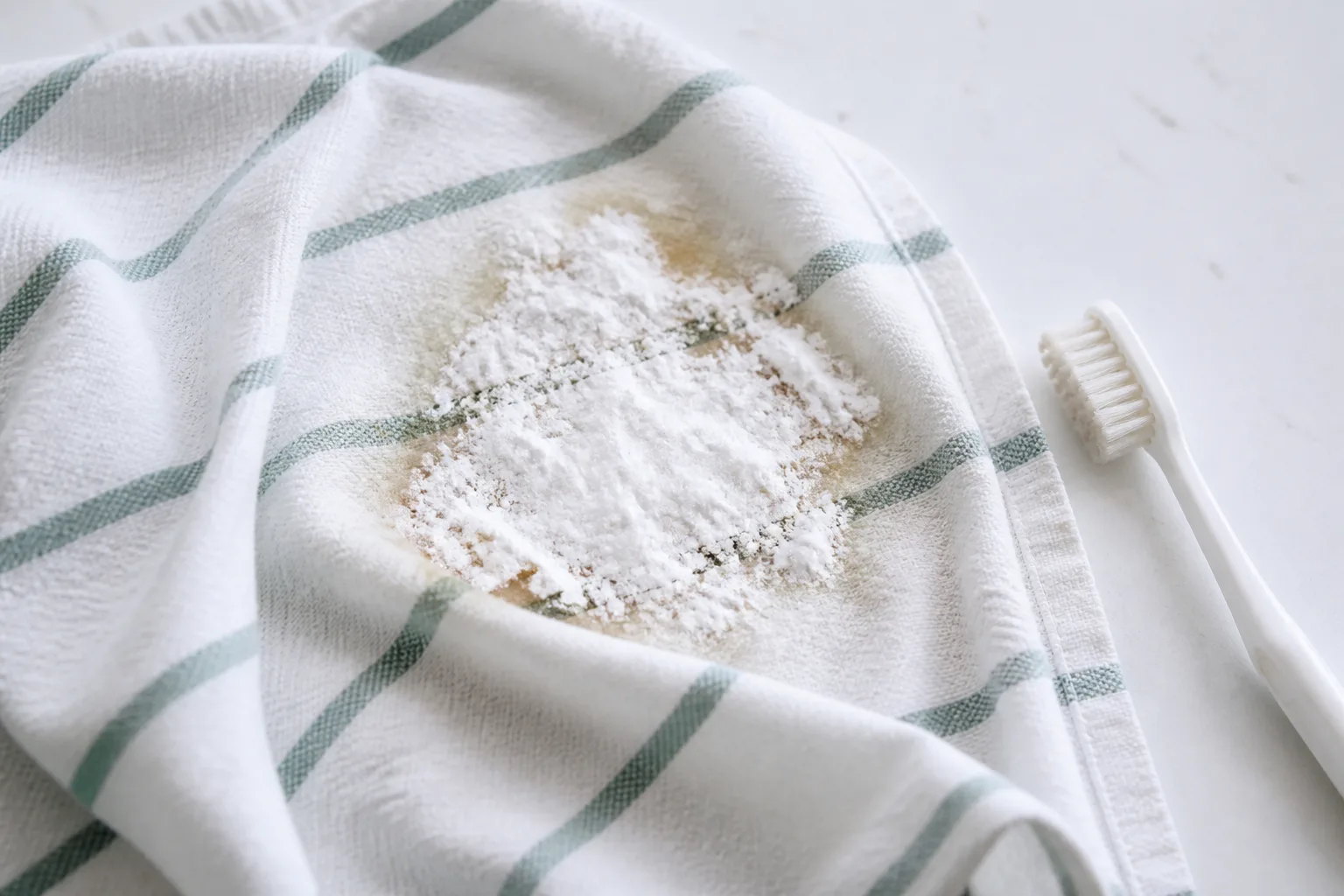
When a proper re-wash fails, sodium bicarbonate is your next move on ceramic, glass, stainless, silicone, and plastic — not raw cast iron.
Mix Ratio, Dwell Time, and Rinse Rules
Mix ½ cup baking soda with 2 tablespoons water to form a spreadable paste. Coat the smelly surfaces with a soft brush or cloth. Let the paste sit 15 minutes to one hour — longer on plastic, shorter on fine china. Baking soda is mildly abrasive and alkaline; it breaks down fatty acids and absorbs odor molecules physically.
Scrub again, rinse thoroughly in hot water, and air-dry. For knives and cutting boards, the same paste works on steel blades and plastic handles. On wood, use a thinner paste and shorter dwell time to avoid raising grain.
If one round is not enough, repeat. Two cycles solve most household cases. Persistent smell after two paste treatments on non-porous items points to scratches or dishwasher redeposit — not weak baking soda.
Vinegar Soak: Where It Helps and Where It Hurts
Distilled white vinegar is acidic enough to neutralize alkaline residue and release some bound odors. It works well on glass, glazed ceramic, and hard plastic when a long soak is safe.
Safe Materials vs Metals You Should Skip
For safe items, mix equal parts vinegar and warm water in a basin, submerge dishes for one hour, drain, scrub lightly, rinse hot, and air-dry. The vinegar smell fades as the item dries.
Never use vinegar soaks on:
- Cast iron or carbon steel (strip seasoning, promote rust)
- Aluminum and copper (corrosion and pitting)
- Untreated wood (swelling, warping)
- Damaged nonstick where acid could reach aluminum beneath the coating
Stainless steel can tolerate a brief dilute vinegar rinse if rinsed and dried immediately, but baking soda is usually safer for steel cookware. When in doubt, stick to hot soap and soda on metals.
Dishwasher Fixes When Hand-Washing Failed
If dishes smell garlicky only after the dishwasher, the machine — not your technique — is likely redepositing food soil.
Filters, Loading, and Inlet Water Temperature
Work through this checklist before blaming the detergent:
- Clean the filter and drain area per your owner’s manual. Trapped garlic bits and grease recirculate onto clean dishes.
- Do not overload racks. Water and detergent must reach every surface; nested bowls and crowded utensil baskets block spray arms.
- Confirm inlet hot water. Most dishwasher manuals specify 120°F (49°C) minimum at the appliance. Run the kitchen tap until hot before starting a cycle so the first fill is not cold.
- Use a full detergent dose for heavy soil cycles. MSU’s Center for Research on Ingredient Safety notes that dishwasher detergents are safe and effective when used as directed — the issue with odor is usually mechanical redeposit, not detergent chemistry (MSU CRIS).
- Run an empty hot cycle with a dishwasher cleaner or a cup of vinegar on the top rack (machine only — not your cast iron) monthly if you cook with garlic often.
After maintenance, rewash the smelliest items by hand once, then run a normal load with proper spacing. Smell should not return.
Odor-Proof Storage and Daily Prevention Habits
Fixing today’s garlicky bowl is half the job. Prevention keeps clean dishes from picking up odor in the cabinet.
Boards, Sponges, Sinks, and Cabinet Grease
- Wash promptly after garlic-heavy meals. The longer oil sits, the more polymerized and harder to remove it becomes.
- Use separate boards for alliums and for produce or bread when possible. Color-coded boards make the habit stick.
- Dry completely before stacking or nesting. Damp storage grows musty notes on top of garlic.
- Clean the sink and disposal daily when you cook with garlic. A greasy sink redeposits film on the next rinse.
- Wipe cabinet shelves near the stove yearly. Airborne cooking grease settles on stored dishes and traps odor over time.
- Store garlic prep tools together — designated knife, board, and spatula — so everyday flatware does not cross-absorb sulfur volatiles.
Gardeners batch-processing harvest garlic should set aside one “allium kit” of gear and accept that those pieces may always carry a faint smell — better than contaminating everything in the kitchen.
When to Retire Chipped or Deeply Scored Cookware
Some items will not fully deodorize. Retire or repurpose when you see:
- Cracked or crazed ceramic with odor after three treatment cycles
- Clouded, deeply scratched plastic that holds tomato and garlic smell together
- Split wooden boards with black staining in knife grooves
- Loose nonstick coating where food and oil sit under the surface
Chips and cracks harbor bacteria and odor in places brushes cannot reach. Keeping them for “garlic only” is a valid compromise — just label them so a guest does not grab the garlicky storage tub for fruit salad.
Conclusion
Lingering garlic odor on cookware is almost always a grease-and-sulfur problem, not a mystery haunting your cabinets. Match the fix to the material: hot degreasing wash first, baking soda paste second, vinegar soak only where safe, and cast-iron care that protects seasoning instead of stripping it. If the dishwasher is the source, clean the filter, check water temperature, and stop overcrowding racks. Prompt washing, dry storage, and dedicated allium boards keep the problem from returning — especially during harvest season when garlic hits the cutting board every night. When a piece stays smelly through multiple proper treatments, believe it and retire the item rather than fighting porous plastic or cracked glaze forever.