Mold on Plant Soil: Causes, Removal, and Prevention
Mold on potting soil is common in indoor setups where moisture lingers and air movement is limited. In many cases it is a surface saprophytic fungus feeding on organic matter, not directly infecting the plant. Even so, recurring mold signals a care imbalance that can increase risk of root stress, fungus gnats, and unpleasant indoor air quality. Treat it as an environmental warning sign rather than only a cosmetic issue. Long-term control comes from changing conditions that support fungal growth. Letting the top layer dry appropriately, improving drainage, and increasing airflow are more effective than scraping mold alone. Replacing the upper layer of old, decomposed media often helps. If mold repeatedly returns, review pot size, watering frequency, and substrate composition. Healthy roots and balanced drying cycles usually eliminate chronic surface mold pressure.
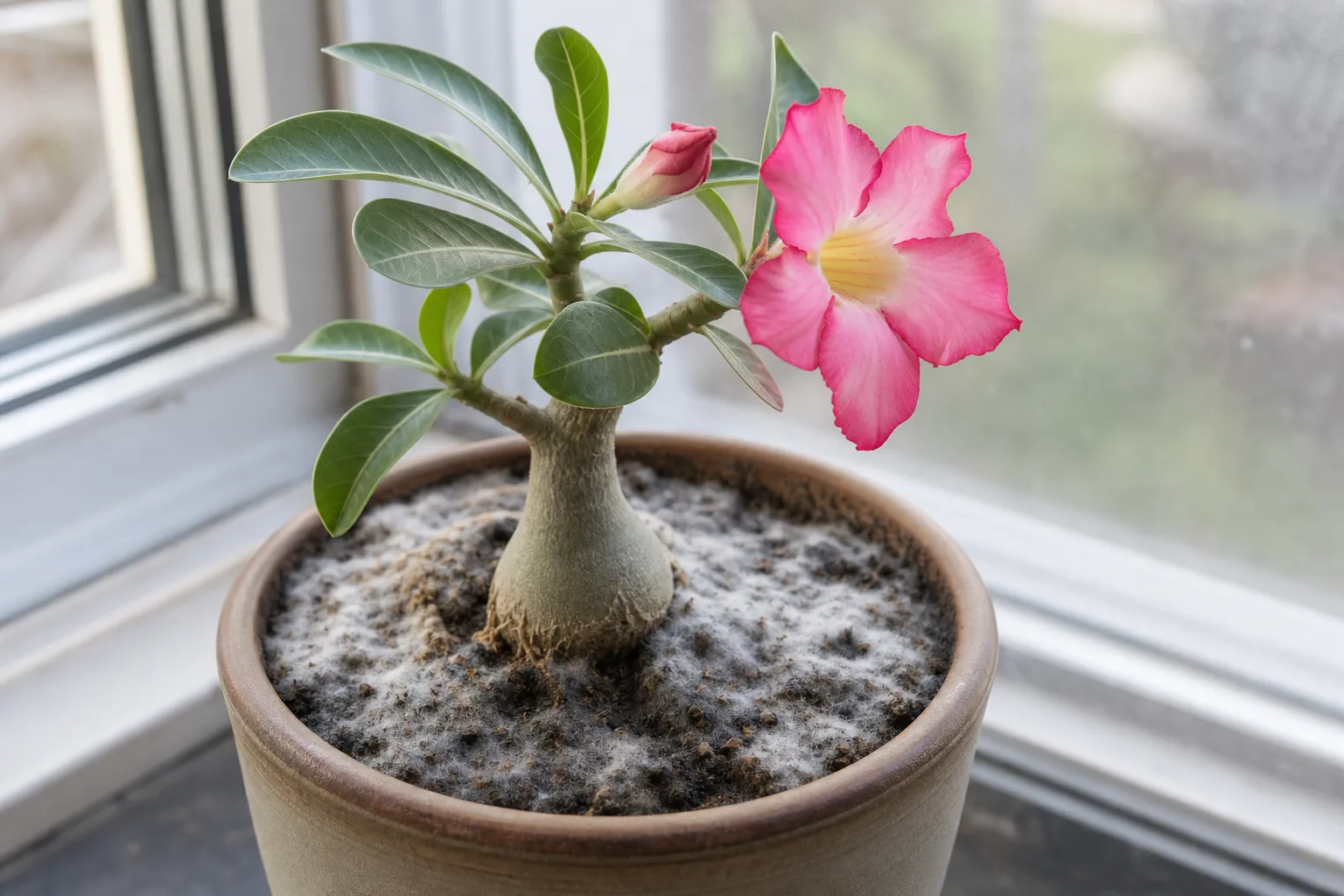
Mold on Soil on Houseplants
Still unsure?Match your symptoms to the most likely problems in under a minute.Run diagnosis →Understand and fix mold on soil
White, gray, or fuzzy growth on potting soil usually indicates excess surface moisture and low airflow, not immediate lethal disease in the plant itself.
Overview
Mold on potting soil is common in indoor setups where moisture lingers and air movement is limited. In many cases it is a surface saprophytic fungus feeding on organic matter, not directly infecting the plant. Even so, recurring mold signals a care imbalance that can increase risk of root stress, fungus gnats, and unpleasant indoor air quality. Treat it as an environmental warning sign rather than only a cosmetic issue.
Long-term control comes from changing conditions that support fungal growth. Letting the top layer dry appropriately, improving drainage, and increasing airflow are more effective than scraping mold alone. Replacing the upper layer of old, decomposed media often helps. If mold repeatedly returns, review pot size, watering frequency, and substrate composition. Healthy roots and balanced drying cycles usually eliminate chronic surface mold pressure.
Mold on Soil patterns: what you see vs. likely cause
Match your plant to the closest pattern, then start with the first step before trying other fixes.
| What you see | Likely cause | First step |
|---|---|---|
| White fuzzy film on wet soil surface | Harmless saprophytic mold on organic mix | Scrape surface; let soil dry between waterings |
| Green algae on soil and pot rim | Constant surface moisture and low light | Reduce watering frequency; brighten indirect light slightly |
| Mold returns within days of scraping | Soil staying too wet too long | Repot top inch or switch to chunkier, faster-draining mix |
| Mold with fungus gnats flying around | Shared wet-soil habitat | Dry topsoil, add traps, and fix watering together |
How to identify it
- White or gray fuzzy layer appears on topsoil.
- Surface stays damp for days after watering.
- Musty smell may be present near pots.
- Organic debris is visible on soil surface.
- Fungus gnats often appear in the same pots.
- Plant may still look healthy in early stages.
When to worry
Escalate if mold returns quickly after removal, smells strongly musty, or accompanies root decline, fungus gnats, and persistent wet substrate.
Common causes
Overly wet surface conditions
Frequent watering keeps topsoil damp, enabling fungal colonies to establish and spread.
Low airflow
Stagnant indoor air slows evaporation and allows spores to persist on moist substrate.
Decomposing organic matter
Fallen leaves and rich organic particles provide a food source for saprophytic mold.
Dense water-retentive mix
Compacted media holds moisture too long, especially near the surface in oversized pots.
Cool, low-light placement
Reduced growth and evaporation in dim cool spots increases chronic wetness and mold recurrence.
Step-by-step fix
Remove visible surface mold
Scrape off the top 1-2 cm of affected mix and discard safely to reduce active spore load.
Refresh top layer with clean media
Add fresh, dry potting mix to replace removed soil and improve surface hygiene.
Adjust watering intervals
Wait for topsoil dryness before watering again, while still meeting species-specific moisture needs.
Increase airflow and light
Place plants in brighter indirect light with better circulation to speed balanced drying.
Clean debris promptly
Remove dead leaves and organic matter from pot surfaces to limit fungal food sources.
Repot chronic cases
If mold keeps returning, repot with a better-draining mix and right-sized container.
Prevention tips
- Let topsoil dry between waterings where appropriate.
- Use airy substrate and drainage-friendly pots.
- Maintain gentle airflow around plant groupings.
- Keep pot surfaces free of decaying debris.
- Avoid oversized containers that stay wet too long.
Common mistakes
- Scraping mold repeatedly without fixing moisture habits.
- Using decorative covers that trap humidity around pots.
- Assuming mold is harmless even with recurring gnats and odor.
- Overusing chemical sprays as a first response.
Related care topics
These care guides help prevent repeat issues once you have treated the immediate problem.
A white or gray layer on potting mix can look alarming, yet appearance alone does not tell you whether a plant is in danger. Many surface fungi live on dead organic material in the mix rather than attacking healthy leaves or roots. The growth still deserves attention because the same long-lasting moisture that supports it can also favor fungus gnats, low-oxygen root conditions, and some root diseases.
The best response is therefore diagnostic, not theatrical. Confirm that the patch is biological growth, check how long the root ball stays wet, inspect the plant for decline, and correct the environment that allowed the growth. Sprinkling a kitchen ingredient over the surface may hide the symptom; changing the moisture pattern addresses the cause.
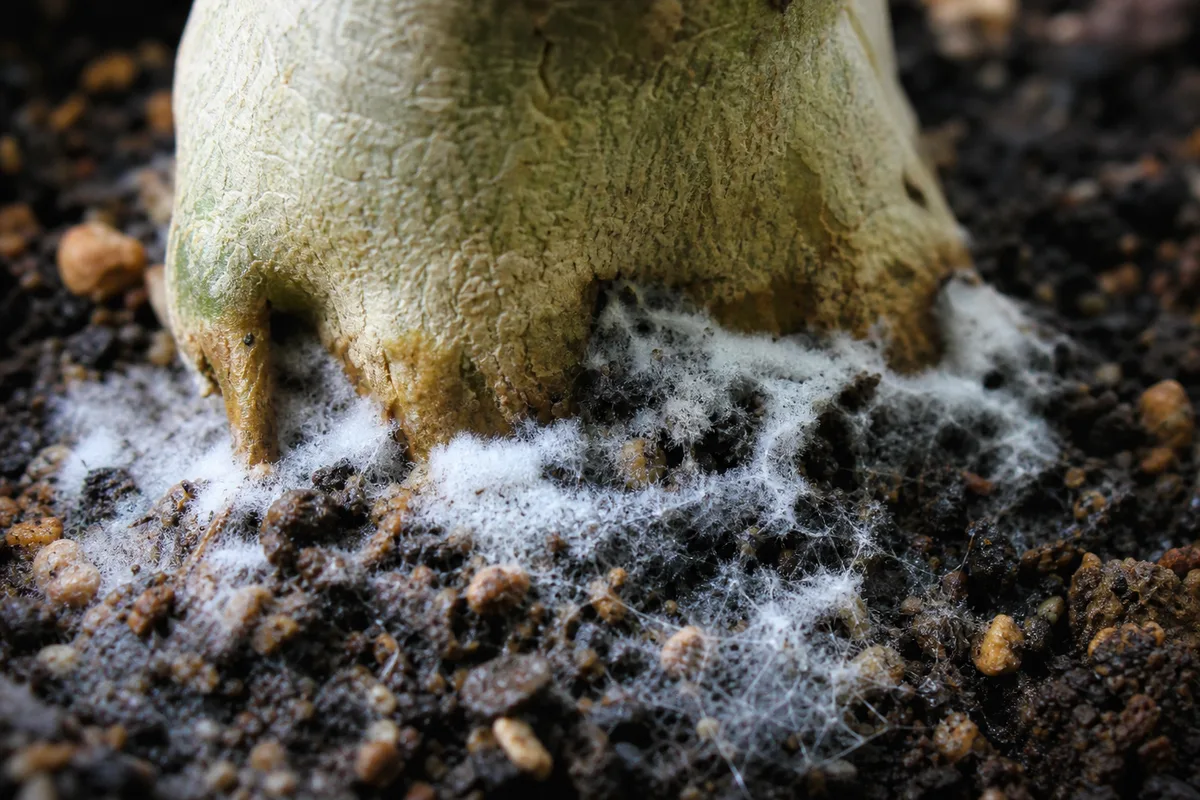
This guide is an evidence synthesis for home growers, not a laboratory identification key or a report of a controlled treatment trial. Its recommendations prioritize extension guidance on indoor-plant watering and disease, public-health moisture guidance, and pesticide-label compliance. The photographs show examples of surface growth, but neither image can identify a fungal species or prove that roots are diseased.
Quick Diagnosis: What the Growth Usually Means
Surface mold is often a decomposer feeding on bark, peat, compost, fallen leaves, or other organic material. It tends to appear as soft, fuzzy, web-like, or powdery growth that can be lifted or disturbed. A plant can remain healthy while this community grows on the mix, so the mere presence of a patch is not proof of infection.
Treat it as an environmental indicator. If the surface stays damp for many days, the pot feels heavy long after watering, or runoff sits inside a cachepot, investigate the root zone. University of Maryland Extension recommends checking the potting medium rather than watering by a rigid calendar and watering thoroughly only when the plant needs it in its indoor-plant watering guidance.
A mild case is localized surface growth on an otherwise vigorous plant with firm stems, normal new leaves, no sour odor, and roots that are pale or tan and firm. A concerning case combines recurring growth with yellowing, wilting in wet mix, soft stems, dark mushy roots, or rapid collapse. Those additional signs—not the fuzz alone—justify a deeper inspection.
Use the evidence together:
| What you find | Most proportionate next step | Why |
|---|---|---|
| A small surface patch; plant firm; mix drying normally | Remove the patch and debris, then monitor | The evidence supports a surface-decomposer problem, not an automatic repot |
| Repeated surface growth; pot stays heavy; roots still firm | Correct watering, drainage, light, and airflow; consider a surface refresh | Recurrence indicates a moisture-duration problem even without root decay |
| Wet mix plus soft roots, sour odor, crown softness, or fast decline | Isolate and inspect; repot or seek diagnosis according to root condition | Root-zone failure requires more than cosmetic removal |
| Growth beyond the pot or respiratory symptoms during cleanup | Stop disturbing it and address the indoor-moisture or medical concern separately | A houseplant article cannot diagnose building mold or personal health effects |
Identify Mold Before You Treat It
Start with observation under bright light. Photograph the patch, note whether it changes after watering, and use a disposable spoon or wooden stick to test its texture. Avoid putting your face close to the pot or deliberately smelling the material; visible structure and root-zone evidence are more useful than inhaling an unknown growth.
Look across the entire setup. Check the soil surface, drainage holes, saucer, decorative cachepot, nearby fallen foliage, and the undersides of lower leaves. Mold restricted to damp debris tells a different story from lesions spreading through living stems or a cottony insect colony attached to leaf axils.
Mold, Mineral Crust, Algae, and Mycelium
White mineral deposits are usually hard, gritty, or crystalline. They often form a ring on the pot rim or a crust where water evaporates and do not develop soft threads. Soluble salts can also cause root injury and leaf-tip burn; University of Maryland describes white surface deposits and brown tips among signs of high soluble salts. If the deposit dissolves or smears after wetting but never grows fuzzy, investigate water and fertilizer rather than mold.
Green, slick, or moss-like coverage usually indicates algae or bryophyte growth supported by persistent surface moisture and light. It is still a clue that drying is slow, but it is not the same organism as a white fungus. Yellow or tan spheres may be controlled-release fertilizer prills; translucent clusters can be insect or slug eggs; pale perlite particles remain rigid and evenly distributed.
Mycelium is the thread-like vegetative body of a fungus, so calling a web-like patch “mycelium” does not identify a species or establish whether it is harmful. Fruiting bodies such as small mushrooms confirm fungal activity but do not by themselves prove root disease. Laboratory examination is needed for species-level identification when the distinction has commercial, legal, or medical importance.
Check the Plant and Root Zone
Slide a manageable plant from its pot while supporting the root ball. Healthy roots vary by species, but they are generally firm; rotten roots are often dark, soft, and easy to pull apart. University of Maryland’s guidance on root rots in indoor plants links prolonged wetness and poor drainage with root decline and recommends prevention through appropriate watering and media.
Do not strip healthy roots merely to satisfy curiosity. If the plant is growing, the root ball smells earthy rather than sour, and the mix is approaching the appropriate dryness, return it to the pot. If roots are collapsing, the crown is soft, or wet mix surrounds a small root system, the problem has moved beyond a cosmetic surface layer.
Also inspect leaf axils and stems for mealybugs. Their waxy, cotton-like coverings occur on plant tissue rather than spreading as a flat colony across the mix. A hand lens helps separate insects from fungal threads and prevents an unnecessary soil treatment when the actual problem is a pest.
Why Mold Grows on Potting Mix
Fungal spores are common in air and organic materials. Growth becomes visible when a compatible food source, moisture, temperature, and time coincide. Trying to create a sterile household pot is unrealistic; managing the conditions is more reliable than attempting to eliminate every spore.
Fresh commercial mix can develop surface growth because it contains organic components, not necessarily because the bag was defective. A sealed, waterlogged, foul-smelling bag is a different matter and should be returned or discarded. Store unused mix closed, dry, and off a damp floor.
Moisture Duration, Airflow, and Organic Debris
Frequent small drinks can keep only the upper layer continuously damp. Watering again before the root ball needs it produces the same problem, especially in cool rooms where evaporation and plant water use are low. The useful variable is not simply how much water was poured; it is how long the mix remains wet.
Still air slows surface evaporation, while crowded foliage can create a sheltered humid pocket around pots. Gentle room circulation can help, but a fan should not blast fragile leaves or rapidly dehydrate a moisture-sensitive plant. Air movement is an adjustment, not a substitute for drainage and appropriate watering.
Fallen petals, leaf pieces, spilled fertilizer, wooden labels, and decorative moss add food and moisture-holding surfaces. Remove debris promptly. If a decorative top dressing prevents you from seeing or feeling the medium, temporarily remove it while diagnosing the problem.
Pot Size, Drainage, Light, and Season
An oversized pot contains more wet medium than a small root system can explore. A pot without an open drainage route can retain a saturated zone, and a nursery pot left standing in collected runoff can behave like a container without drainage. Empty saucers and cachepots after watering unless the plant is intentionally grown under a specialized aquatic system.
Lower light often reduces photosynthesis and plant water use, so a schedule that worked in summer may keep the mix wet in winter. The Royal Horticultural Society notes that houseplant problems commonly arise from environmental conditions and advises diagnosing watering, light, and temperature together in its guide to helping a poorly houseplant. Increase light only within the species’ tolerance and acclimate plants to stronger exposure.
Dense or decomposed media can lose useful pore space. Fine particles settle, peat can remain saturated, and roots may occupy less of the pot after stress. Conversely, a hydrophobic root ball can send water down a gap at the pot wall, leaving the center dry while the visible surface stays damp; test more than one location.
Is Soil Mold Harmful?
For the plant, many surface colonies are primarily saprophytic and do not invade living tissue. The practical risk is indirect: recurring mold can reveal moisture management that also stresses roots. It can also coincide with decaying roots, but coincidence is not proof that the surface organism caused the decay.
For people, sensitivity differs. Do not cultivate or aerosolize an unknown mold indoors, and take extra care in homes with asthma, mold allergy, immune suppression, or medical advice to avoid mold exposure. The U.S. EPA advises controlling indoor mold by controlling moisture and using suitable protection during cleanup in its mold guidance.
Move the pot outdoors or to a ventilated work area before disturbing a large colony, when weather and plant tolerance allow. Wear gloves, avoid dry brushing, bag removed material, and wash tools. If growth covers more than the pot, recurs across the room, or accompanies building dampness, the houseplant is no longer the only issue.
This is exposure-reduction advice, not medical guidance. If handling the pot triggers wheezing, breathing difficulty, or another acute symptom, leave the area and seek advice from an appropriate health professional. Do not ask a plant forum to identify a health risk from a photograph.
Pets and children may investigate disturbed soil or runoff. Keep them away during cleanup, do not leave chemical solutions accessible, and check the toxicity of the plant species separately. Soil mold does not change a plant’s inherent toxicity profile.
Immediate Response for a Mild Case
Isolate the pot temporarily so you can monitor recurrence and avoid transferring loose debris. Remove fallen material, then scoop off the visibly affected surface layer plus a small margin with a clean disposable tool. Place it directly into a bag rather than blowing or brushing spores into the room.
Replace the removed layer with compatible, clean potting medium only if doing so will not bury the crown. Do not add a thick cap solely to conceal the problem. Leave enough headspace for thorough watering and keep stems at their original depth.
Check the drainage hole and empty standing runoff. Move the plant to the brightest appropriate indirect light for its species and improve gentle air circulation. Then wait until the plant-specific portion of the root zone is dry enough before watering again; succulents, ferns, aroids, seedlings, and carnivorous plants do not share one dryness rule.
Document the pot’s weight and moisture at treatment. Recheck in two or three days, then weekly. If the surface stays clean and the plant continues growing, no stronger intervention is necessary.
Record what changed rather than changing everything at once: watering date, pot weight, runoff removed, light position, and whether new growth appeared. A single-variable record makes recurrence more informative and reduces the temptation to add an unnecessary chemical treatment.
Correct Watering Without Dehydrating the Plant
Reject the universal instruction to “let the soil dry completely.” It may be appropriate for some drought-adapted plants and harmful to species that need evenly moist media. Instead, identify the plant and learn how much of its root zone should dry between waterings.
Test with more than the surface color. Lift the pot, insert a clean wooden skewer toward the root zone, or feel the medium through a drainage hole. Moisture meters can be comparative aids, but salts, texture, and poor contact can distort readings; calibrate any reading against touch and pot weight.
When watering is due, apply water evenly over the surface until excess exits the drainage holes. Discard drainage rather than letting the pot reabsorb it indefinitely. Repeated tiny sips may leave part of the root ball dry while maintaining a damp mold-friendly surface.
Record how long drainage takes and when the pot becomes lighter. If an appropriate watering still leaves the medium saturated for an unusually long period, investigate pot size, blocked drainage, and media structure rather than merely stretching the calendar.
Decide Whether to Refresh or Repot
Surface refresh is enough when roots are healthy, the mix still drains, and the problem followed an isolated mistake such as fallen flowers or a temporary period of low light. Full repotting introduces root disturbance, so it should solve a documented root-zone problem rather than serve as an automatic response to one patch.
Repot when the medium is sour, structurally collapsed, persistently saturated, heavily colonized through its depth, or surrounding decayed roots. Also repot when a drainage-free container cannot be safely managed or when the pot is dramatically larger than the healthy root mass.
Delay an elective repot if the plant is otherwise stable and conditions can be corrected in place. A flowering plant, a recently moved specimen, or a species sensitive to root disturbance may recover better from a conservative environmental correction.
How to Repot a Chronic or Severe Case
Prepare a clean container with open drainage and a fresh mix suited to the species. Wear gloves, work in ventilation, and keep the new pot close to the size of the remaining healthy root system. Moving a damaged plant into a much larger volume of wet mix recreates the original risk.
Remove loose, degraded medium without tearing firm roots. Trim only roots that are clearly soft, hollow, or collapsing, using disinfected tools. Do not wash or prune every root merely because the surface had mold.
Set the plant at its original depth, water enough to settle the medium, and allow complete drainage. Avoid fertilizer until the plant resumes active growth and the roots are functioning. A weak plant cannot use concentrated feed as a cure for root damage.
Clean the old pot before reuse and discard the compromised mix rather than blending it into fresh indoor potting media. Monitor moisture deeper in the new root ball because fresh mix can behave differently from the old mix.
Mold and Fungus Gnats
Adult fungus gnats are small, dark flies that often run over soil or rise when a pot is disturbed. Their larvae develop in moist organic media and feed mainly on fungi and decaying material, though some can injure fine roots, especially in seedlings and heavily infested pots. Colorado State University Extension describes moist growing media as central to fungus gnat development and management.
Mold does not magically create gnats, and killing visible mold does not remove every egg or larva. Both often respond to the same correction: reduce unnecessary surface moisture while keeping the plant within its proper moisture range. Wisconsin Horticulture Extension recommends allowing the medium surface to dry where plant tolerance permits and using sticky cards to monitor fungus gnats on houseplants.
Use yellow sticky cards for adults as a monitoring tool, not as proof that the larval population is gone. For persistent infestations, consider a labeled biological control such as Bacillus thuringiensis subsp. israelensis or beneficial nematodes according to product directions and local availability. Treat every affected pot in the shared area because adults move.
Home Remedies and Fungicides
Cinnamon is frequently recommended online, but household spice is not a dependable correction for a wet, compacted root zone. Even if it suppresses some surface growth, recurrence remains likely while moisture and debris persist. Cinnamon dust can also become airborne and should not replace basic sanitation.
Hydrogen peroxide can injure roots and beneficial organisms at unsuitable concentrations. There is no universal household dilution supported for every plant, medium, and fungal organism. Do not pour it routinely through a pot simply because the surface looks white.
Household vinegar, bleach, baking soda, dish detergent, essential oils, and alcohol can alter pH or damage roots and leaves. Never combine cleaners. If a pesticide or fungicide is genuinely warranted for a diagnosed plant disease, the EPA emphasizes that the label is the law: use only a product labeled for the plant, site, and target, and follow all precautions.
Most isolated surface growth does not justify a fungicide. Environmental correction, debris removal, and compatible fresh medium usually address the household problem with less risk. If living stems or roots are diseased, obtain a diagnosis before choosing chemistry.
Special Cases and Household Safety
Seedlings deserve faster action because their small root systems and tender stems are vulnerable to damping-off organisms. If stems constrict or collapse at the soil line, discard affected seedlings and contaminated medium, improve sanitation, and avoid crowding. Do not assume the fuzzy surface alone identifies the pathogen.
Closed terrariums intentionally retain humidity and may support decomposer fungi. Remove dead material, reduce standing condensation, and increase ventilation within the design’s limits. A tiny mushroom can be compatible with an active miniature ecosystem, while spreading rot in live plant tissue is not.
Orchids and other epiphytes grown in bark can show fungal growth on decomposing media as the bark ages. Judge bark firmness, drainage, odor, and root health rather than applying a standard peat-based houseplant schedule. Replace broken-down bark when root-zone structure has failed.
For valuable, rare, or rapidly declining plants, contact a local extension diagnostic service or qualified plant pathologist. A culture or microscopic examination can distinguish organisms that photographs cannot. If anyone experiences respiratory symptoms during exposure, leave the area and seek medical advice appropriate to the symptoms.
Monitor Recovery and Prevent Recurrence
The old patch may not disappear on its own, which is why physical removal is useful. Success is shown by no new colony, a shortening wet period, healthy root tips, firm stems, and new growth appropriate to the season. Existing yellow or damaged leaves may not recover even after the environment improves.
Review the plant weekly for a month. Record watering dates, pot weight, room temperature, light changes, and gnat counts on sticky cards. Change one major variable at a time when the plant is stable, so you can tell which correction worked.
Prevent recurrence by keeping drainage routes open, emptying runoff, matching pot size to roots, removing dead organic matter, and adjusting watering as light and season change. Group plants only if air can move around them, and quarantine new plants long enough to observe pests and soil conditions.
Replace media when it has physically decomposed, not merely because a calendar says so. Store potting mix dry, clean tools between plants, and avoid bringing garden soil indoors in containers. Most importantly, water from evidence in the root zone rather than from habit.
Conclusion
Mold on plant soil is often a decomposer living on damp organic material, not a diagnosis of plant disease. Its value is as a warning: the surface has stayed moist long enough for visible fungal growth, so drainage, pot size, light, debris, airflow, and watering all deserve a check.
For a mild case, remove the patch, correct moisture conditions, and monitor. Repot only when the medium or roots provide evidence that the problem extends below the surface. If the plant is collapsing, roots are soft, gnats persist, or household exposure is a concern, escalate deliberately—with diagnosis and authoritative guidance rather than stronger improvised chemicals.
Plants commonly affected
These houseplants often struggle with mold on soil. Open a care guide or plant-specific troubleshooting page for tailored fixes.
 Medium
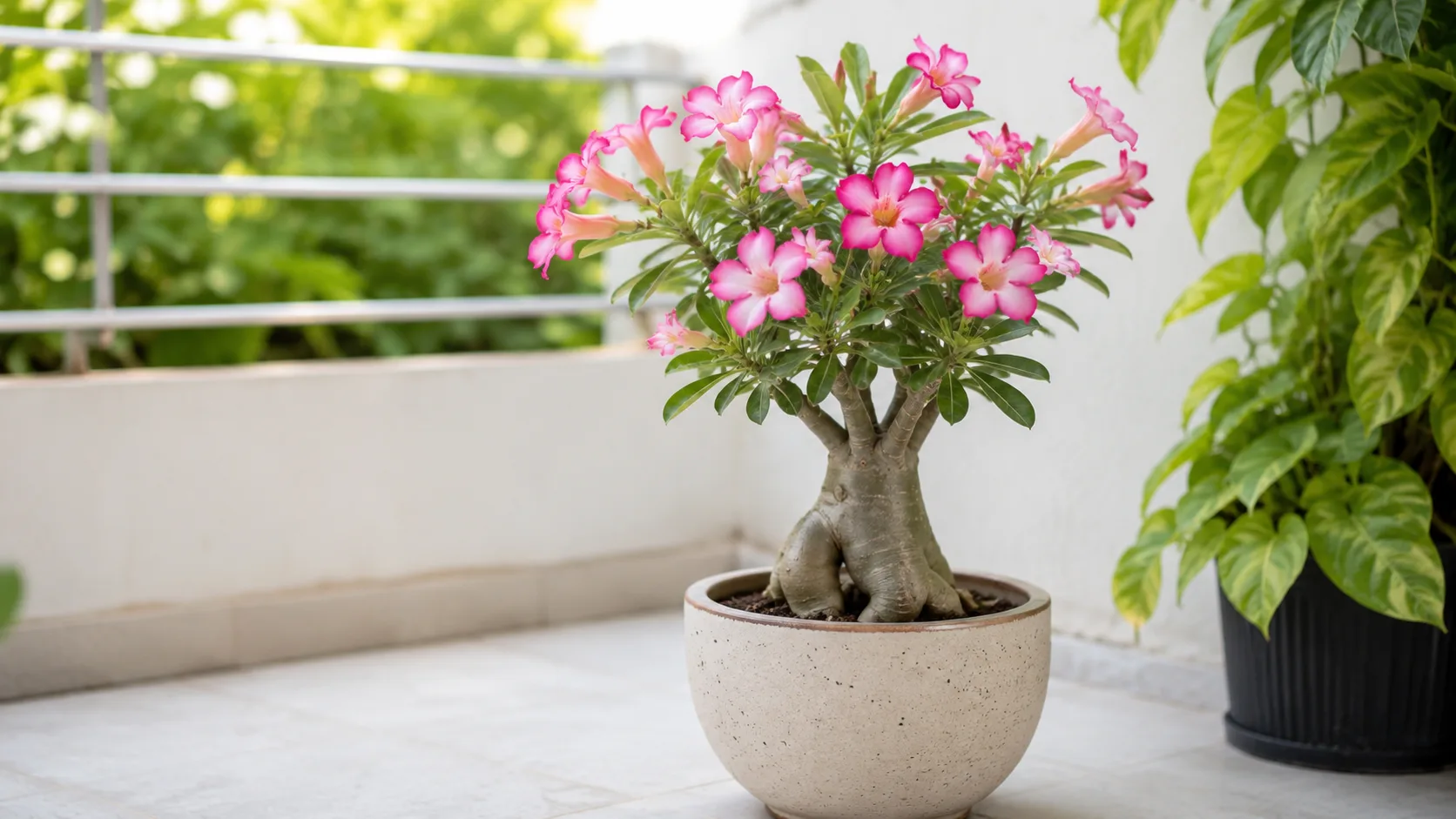
Adenium
Likely causePersistent moisture on the soil surface grows mold—an early sign the pot is staying too wet.
Quick fixScrape moldy top layer, reduce watering, improve airflow, and let the mix dry fully between drinks.
 Medium
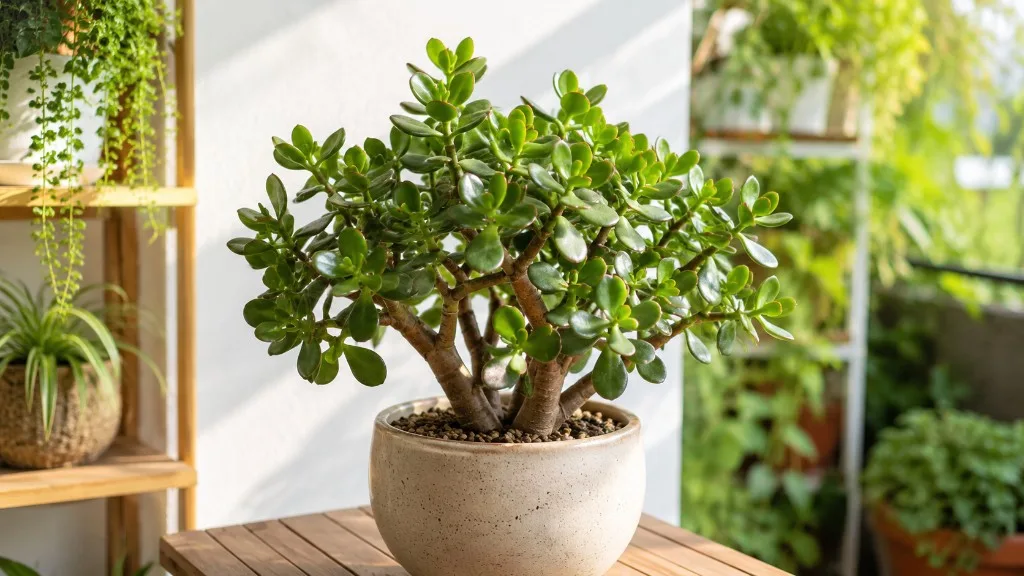
African Milk Tree
Likely causeCommon on this plant type; confirm with recent watering, light, and root checks.
Quick fixInspect the plant and correct the most likely care stressor before stacking treatments.
 Medium
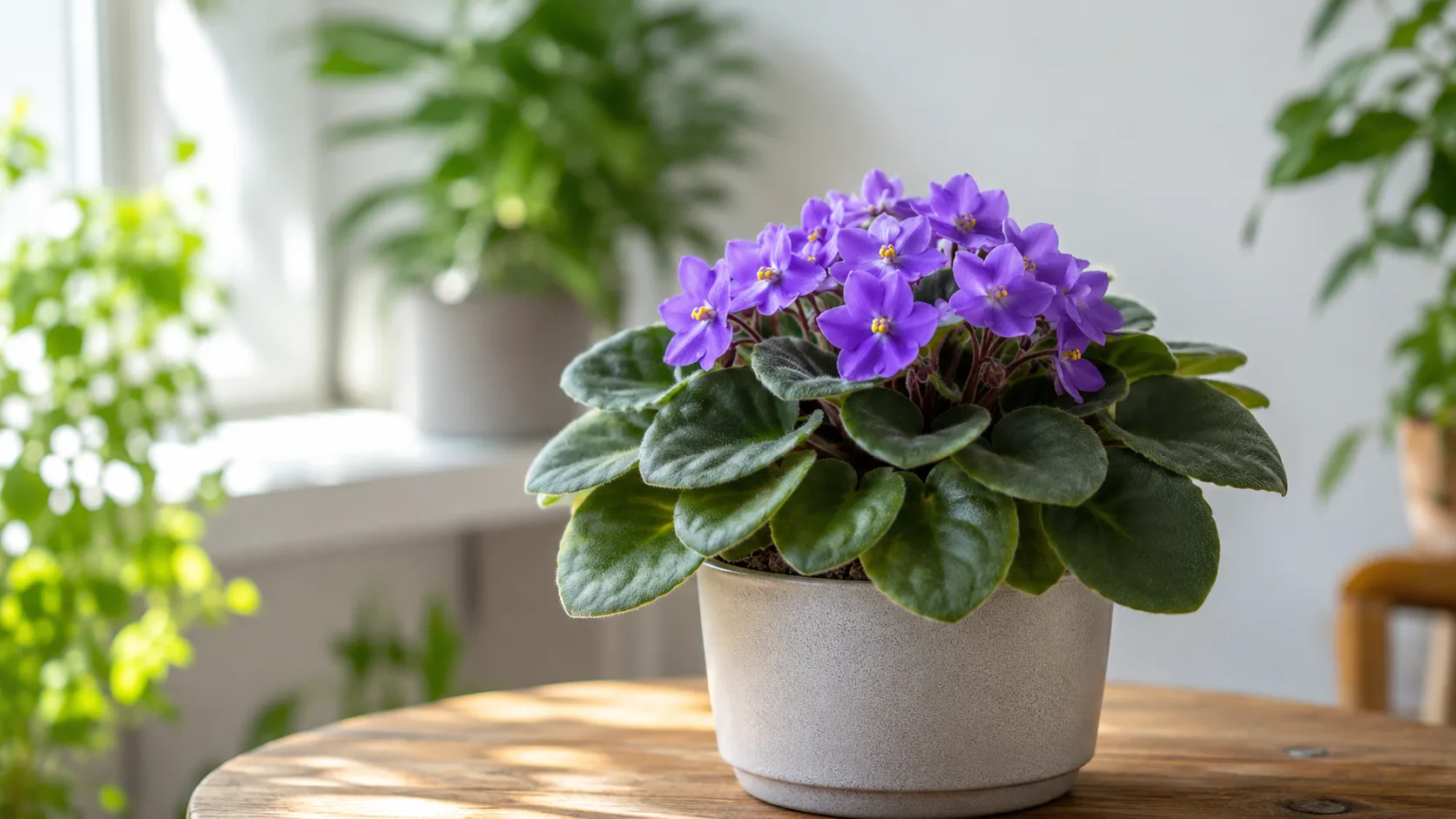
African Violet
Likely causeSurface mold on African violet soil is usually harmless saprophytic fungus-but on this plant it signals the peat top layer stayed wet too long, often from bottom-watering too long or a full wick reser
Quick fixSee plant-specific guide for step-by-step fixes.
 Medium
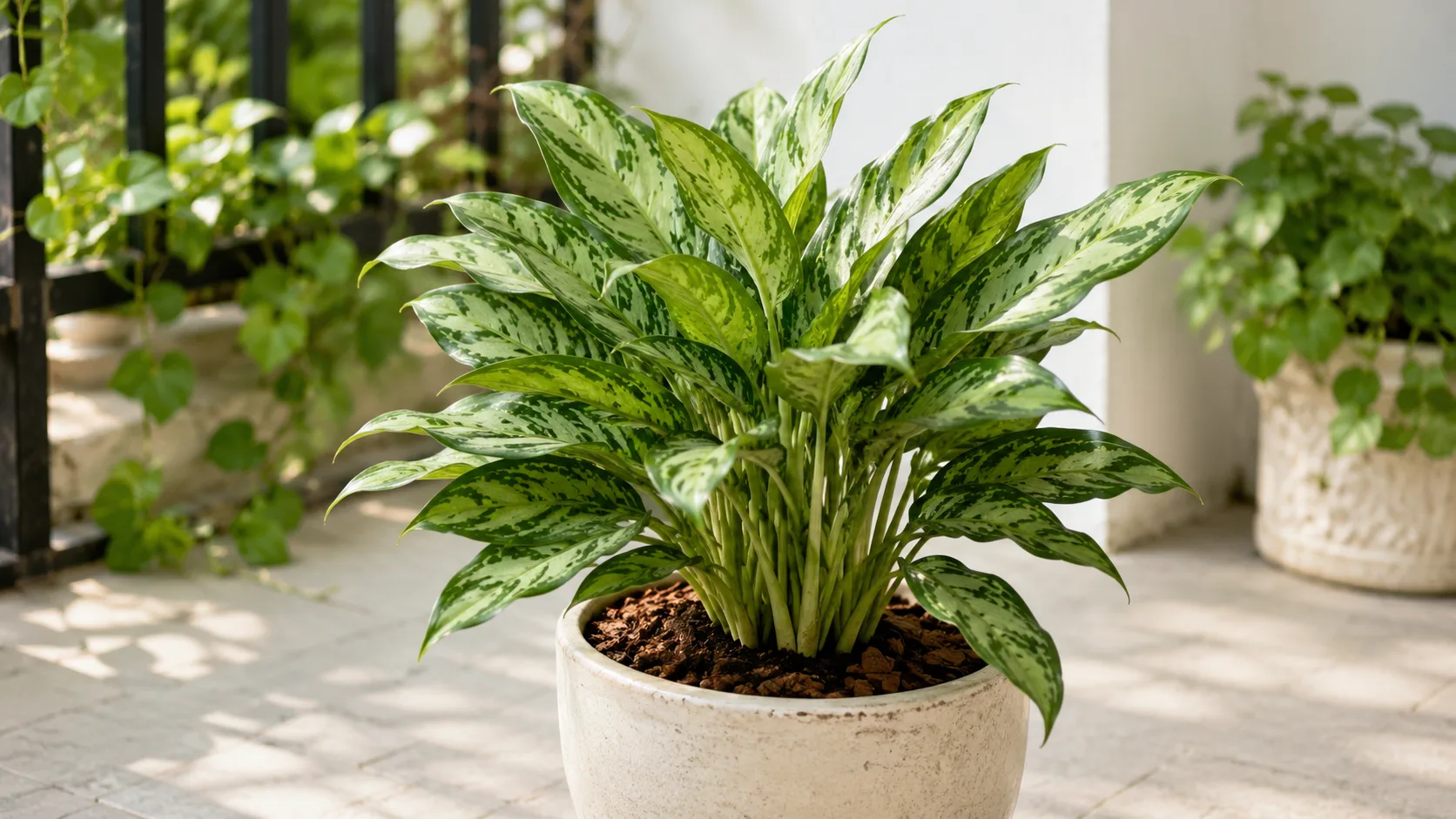
Aglaonema
Likely causeCommon on this plant type; confirm with recent watering, light, and root checks.
Quick fixInspect the plant and correct the most likely care stressor before stacking treatments.
 Medium
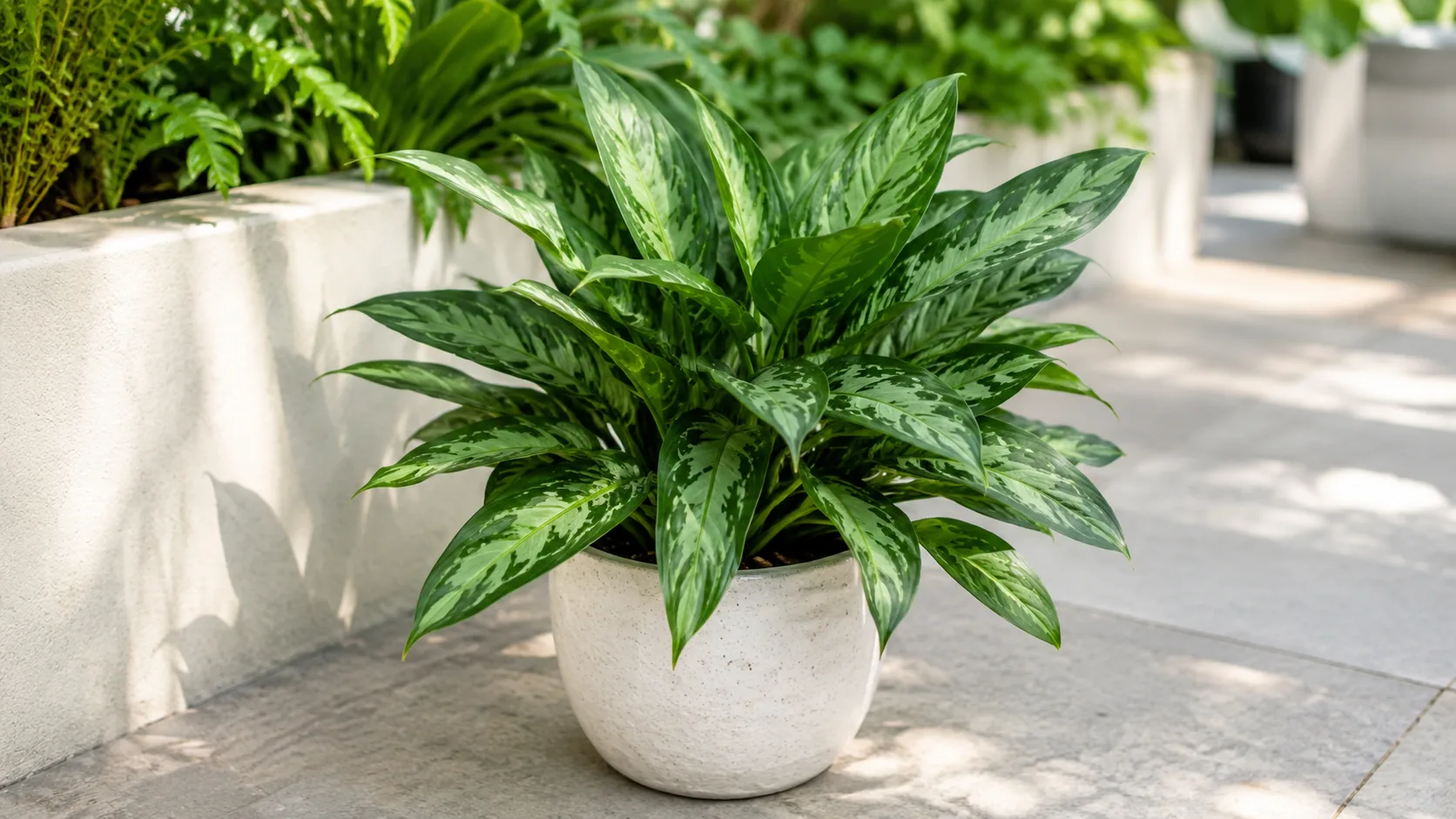
Aglaonema Cutlass
Likely causeCommon on this plant type; confirm with recent watering, light, and root checks.
Quick fixInspect the plant and correct the most likely care stressor before stacking treatments.
- Medium
Aglaonema Lady Valentine
Likely causeCommon on this plant type; confirm with recent watering, light, and root checks.
Quick fixInspect the plant and correct the most likely care stressor before stacking treatments.
- Medium
Aglaonema Maria
Likely causeCommon on this plant type; confirm with recent watering, light, and root checks.
Quick fixInspect the plant and correct the most likely care stressor before stacking treatments.
- Medium
Aglaonema Pictum Tricolor
Likely causeCommon on this plant type; confirm with recent watering, light, and root checks.
Quick fixInspect the plant and correct the most likely care stressor before stacking treatments.
 Medium
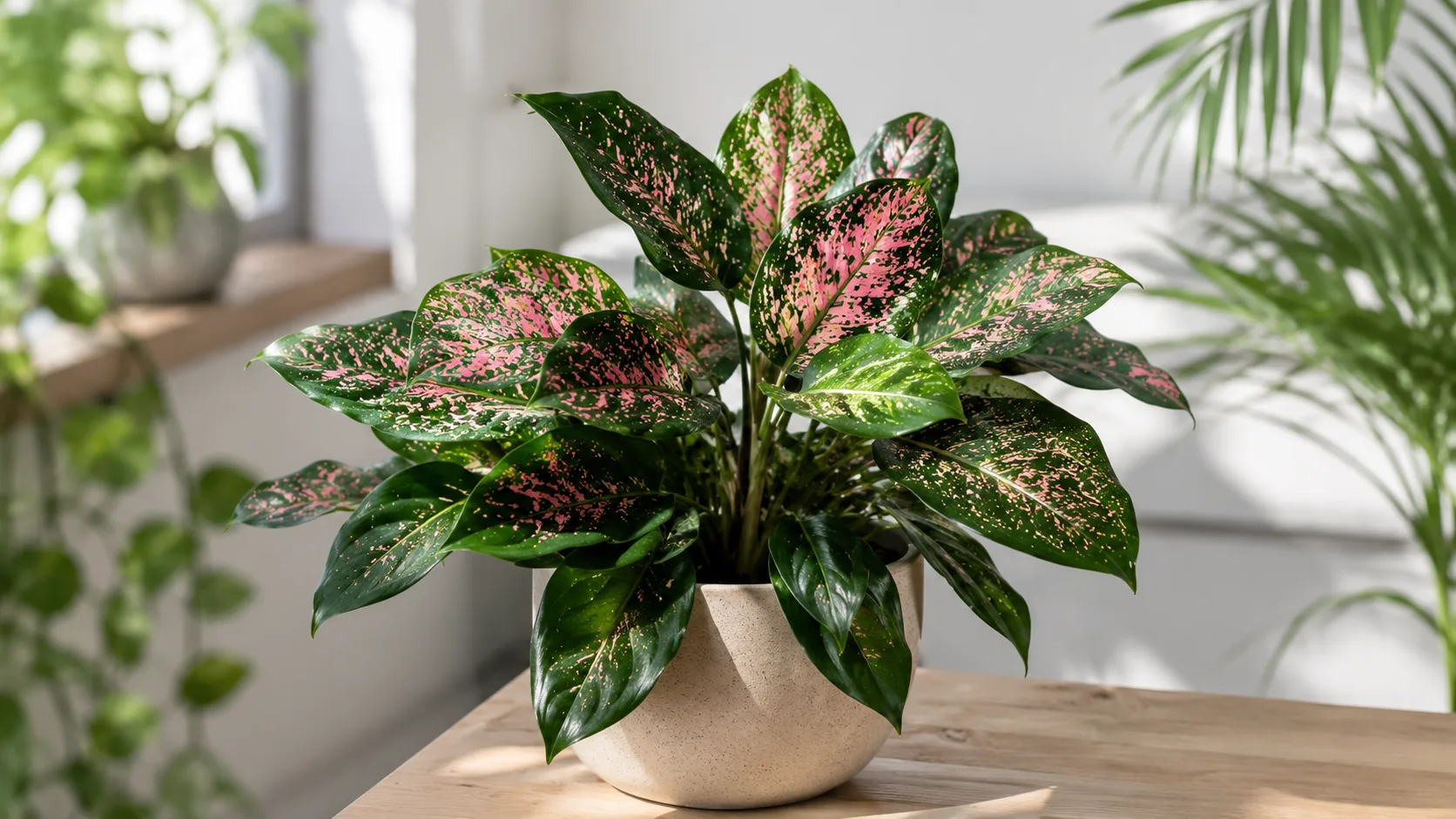
Aglaonema Pink Dalmatian
Likely causeCommon on this plant type; confirm with recent watering, light, and root checks.
Quick fixInspect the plant and correct the most likely care stressor before stacking treatments.
- Medium
Aglaonema Red Siam
Likely causeCommon on this plant type; confirm with recent watering, light, and root checks.
Quick fixInspect the plant and correct the most likely care stressor before stacking treatments.
 Medium
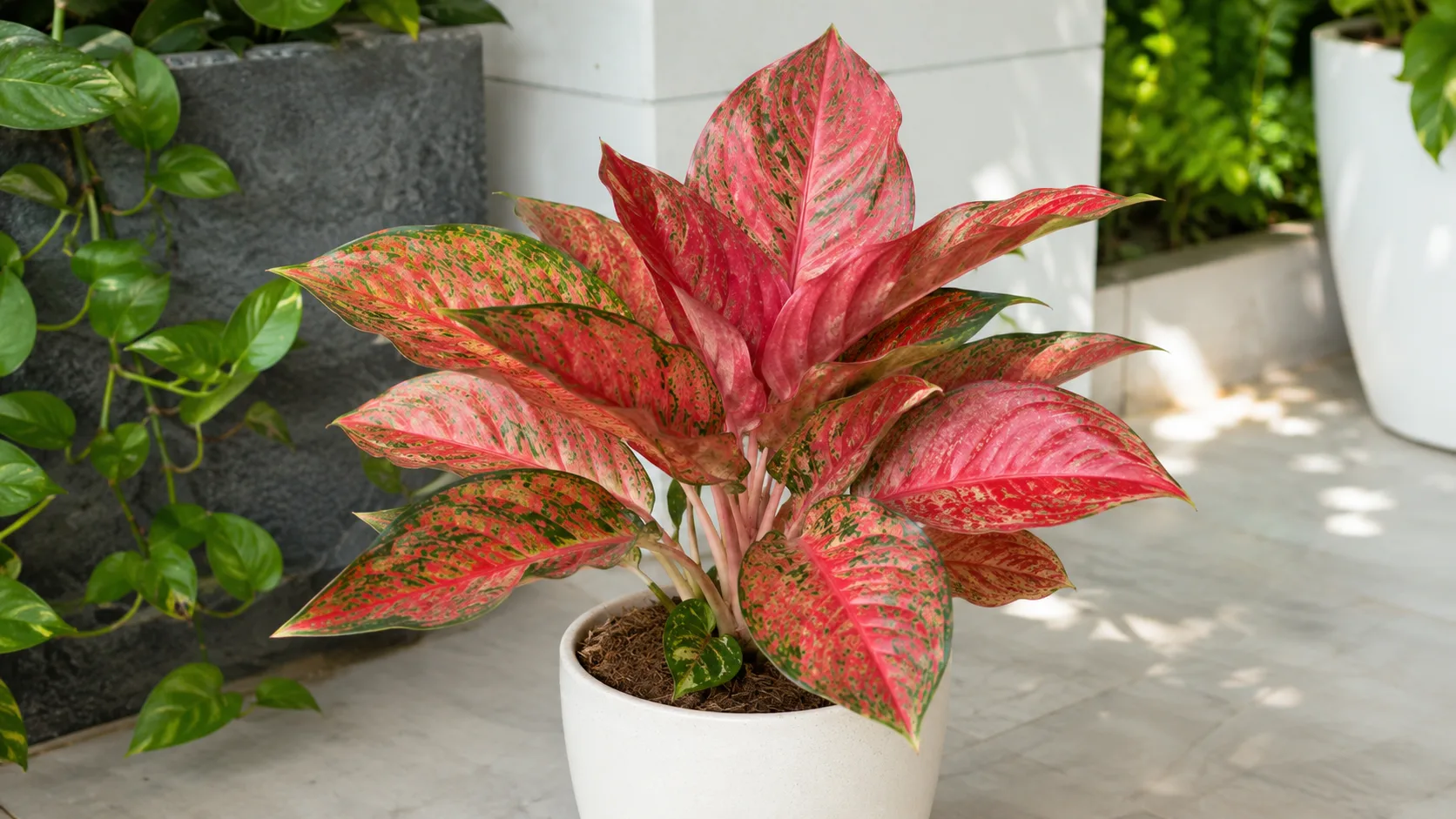
Aglaonema Red Valentine
Likely causeCommon on this plant type; confirm with recent watering, light, and root checks.
Quick fixInspect the plant and correct the most likely care stressor before stacking treatments.
 Medium
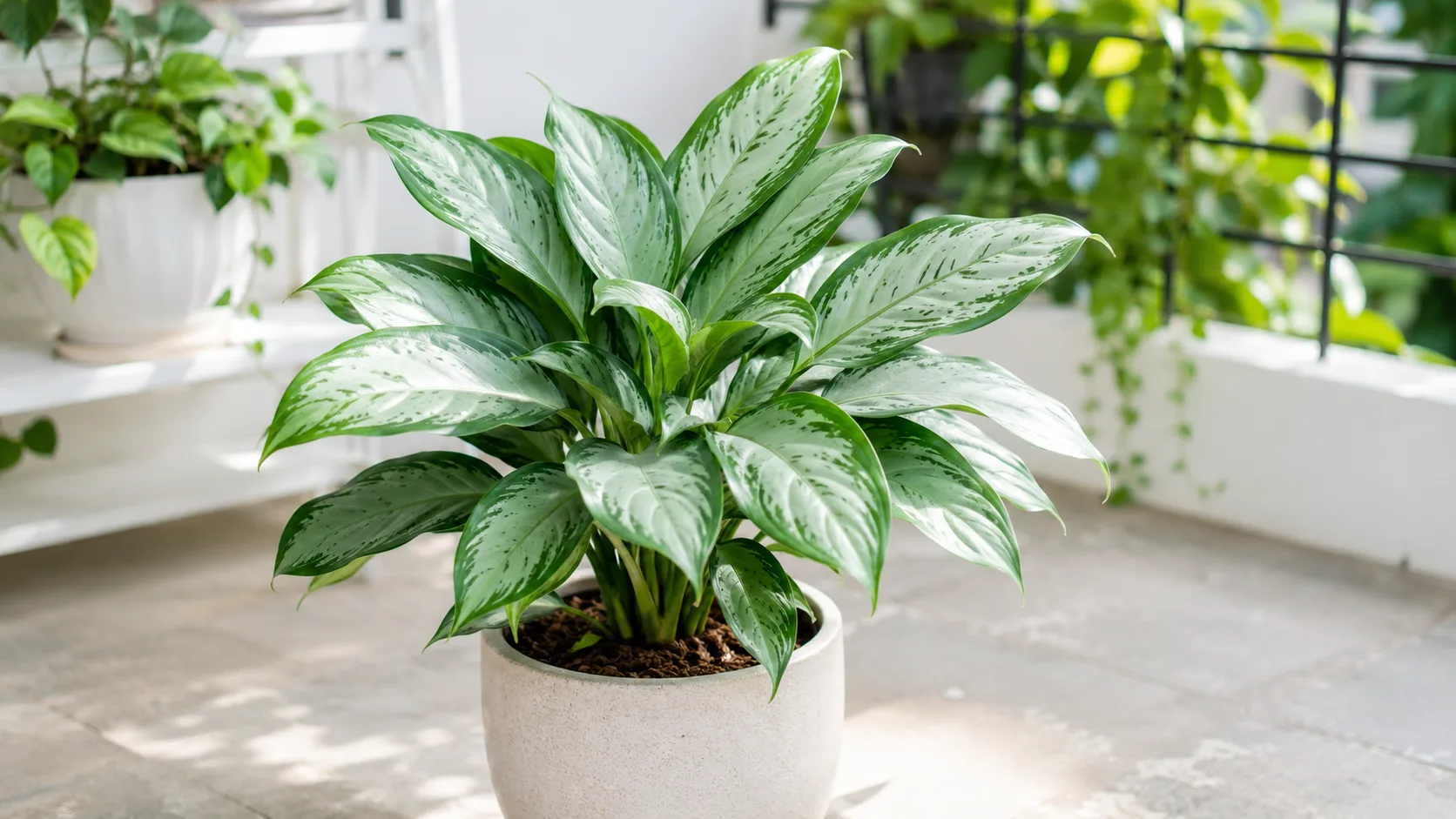
Aglaonema Silver Bay
Likely causeCommon on this plant type; confirm with recent watering, light, and root checks.
Quick fixInspect the plant and correct the most likely care stressor before stacking treatments.