Grow Tomatoes in Pots or Ground: Which Is Better?
Should tomatoes grow in containers or the ground? Compare pot size, raised-bed trade-offs, watering needs, and variety rules so you pick the right setup.
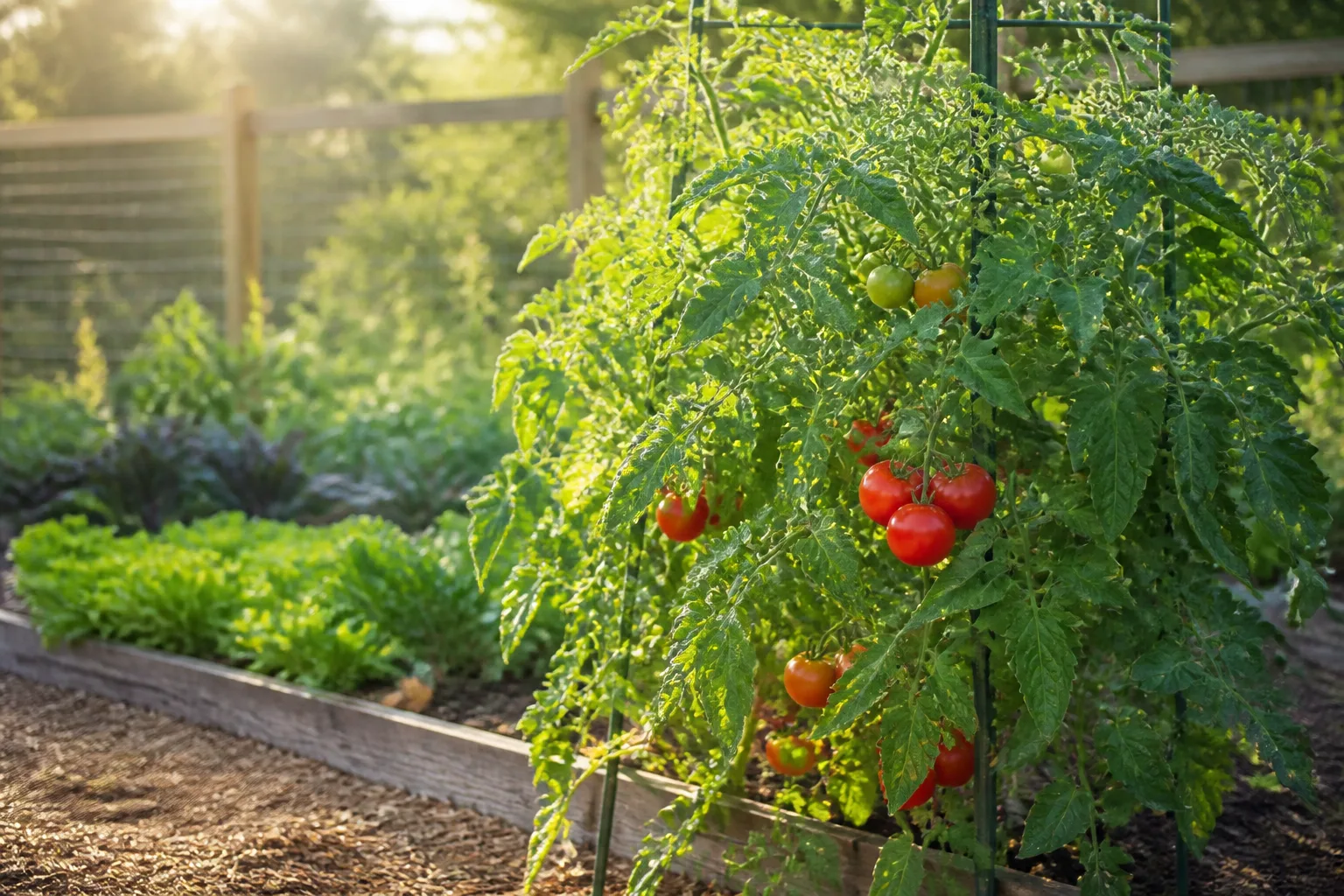
Tomatoes grow in both pots and open soil—but the method you choose changes watering, disease risk, support needs, and how much fruit you can realistically harvest from one plant. Picking containers because they look tidy on a patio, or planting in the ground because “that’s what farms do,” without matching variety and site to the setup is how gardeners end up with cracked fruit, wilted vines, and a harvest that never catches up to expectations.
The better question is not pots or ground. It is: Given your space, soil, variety, and how often you can water, which planting environment gives this tomato the root room and airflow it needs? This guide walks through that decision with extension-backed numbers, honest trade-offs, and scenarios so you can plant once with confidence.
The Short Answer: Match Method to Habit, Space, and Soil
There is no universal winner. Compact determinate and patio tomatoes often outperform in containers when the pot is large enough. Large indeterminate heirlooms usually do best in raised beds or in-ground rows with sturdy trellises and deep, amended soil. Raised beds frequently beat both extremes when native soil is heavy clay or disease-prone but you still want vine-scale support.
Use this quick filter before you buy transplants:
- Read the growth habit on the tag (determinate, semi-determinate, or indeterminate).
- Measure your real sun—tomatoes need roughly 6–8 hours of direct light for strong fruit set (see our sun guide).
- Audit soil quality—if native ground is compacted, contaminated, or disease history is long, default to containers or raised beds with fresh mix.
- Be honest about watering—pots need checking daily in summer heat; in-ground plants forgive a missed day more often when mulched.
If those four answers point different directions, the sections below break the tie.
Why “It Depends” Is the Right Starting Point
Tomatoes are not houseplants in decorative pots, and they are not prairie grasses that thrive anywhere you dig a hole. They are heavy-feeding vines with brittle stems, shallow-sensitive roots during fruit swell, and a long list of shared soil-borne diseases. The planting method changes how fast soil dries, how far roots spread, and how easily blight spores splash from soil to leaves.
Treating every tomato the same—same pot, same bed, same pruning—creates the “bad luck” seasons most beginners blame on the weather.
The Three Real Options (Not Just Two)
Most comparisons stop at pot vs in-ground row. Serious home gardeners should think in three buckets:
| Method | Best for | Main trade-off |
|---|---|---|
| Containers | Patios, balconies, renters, disease resets | Daily watering; finite root volume |
| Raised beds | Poor native soil, ergonomic height, trellised vines | Upfront build cost; still needs rotation |
| In-ground | Large plots, drip irrigation, maximum root spread | Tied to site soil and disease history |
Some container-focused advice folds raised beds into “containers.” They share controlled soil, but a 17-inch-deep raised bed behaves more like a mini field than a 5-gallon pot—and that difference matters for indeterminate heirlooms.
Why This Planting Choice Matters More Than Variety Alone
Variety labels tell you how the plant grows. Planting method tells you what resources it can access. A ‘Sungold’ cherry in a 3-gallon decorative pot and the same cultivar in a mulched in-ground row are effectively different crops by July.
Root Volume Drives Watering and Yield
In the ground, tomato roots explore widely—extension guides note soaking the soil 6–8 inches deep on a weekly rhythm for established plants, with mulch slowing evaporation (NC State Extension). In a pot, the entire root system lives inside a finite wall. That soil heats faster on concrete, dries faster in wind, and cannot pull moisture from neighboring earth.
Smaller root zones mean smaller canopies and fewer fruit clusters unless you compensate with pot volume, consistent irrigation, and steady feeding. This is not a moral failure of container gardening—it is physics.
Support and Access Change Maintenance All Season
Indeterminate tomatoes can reach 10–12 feet on a strong trellis (NC State Extension). In the ground or a deep raised bed, you can anchor rebar, cattle panels, or arch trellises that will not tip when a September storm hits. On a balcony, you are limited to stakes, cages, and wall-mounted lines that fit the railing code.
Access matters too. A pot on the deck gets scouted every evening; a row at the back fence may not get suckers removed until they are wrist-thick. Choose the method you will actually maintain, not the one that looks best in a catalog photo.
Understand Your Three Planting Options
Containers and Pots
Container tomatoes put soil quality, drainage, and volume entirely in your hands. You fill pots with lightweight potting mix—not heavy garden soil—so roots get oxygen and water drains freely. NC State Extension notes that both determinate and semi-indeterminate types can succeed in containers at least a foot deep with drainage holes (NC State Extension), though most full-season vines need far more than 12 inches for peak performance.
Advantages:
- Move plants to chase sun or dodge late frost
- Start on a warm patio while ground soil is still cold
- Isolate plants from soil-borne wilt in contaminated yards
- Elevated harvest height on decks and porches
Disadvantages:
- Faster drying; blossom-end rot risk rises with moisture swings (University of Georgia Extension)
- Nutrients flush out with frequent watering
- Top-heavy plants can blow over in wind
- One plant per pot—never two in a hole
For balcony specifics, read our small-space tomato guide.
Raised Beds
Raised beds are the controlled-soil middle ground. You amend a defined volume—often 12–24 inches deep—without giving roots the entire yard. Extension-trained growers frequently prefer raised beds for indeterminate varieties because stakes, arches, and Florida-weave strings anchor firmly in deep soil while staying above problematic native clay or compaction.
Sarah Rubens-style advice (garden coaches often cite 17-inch depth for arch trellises) aligns with practical support: shallow beds tip cages; deep beds hold tension when vines load up with fruit.
Choose raised beds when:
- Native soil drains poorly or tests high in lead/contaminants
- You want ergonomic height and clear bed edges for mulch
- You plan multi-year amendment but still need rotation between beds
- Indeterminate heirlooms need trellis scale you cannot fit in a pot
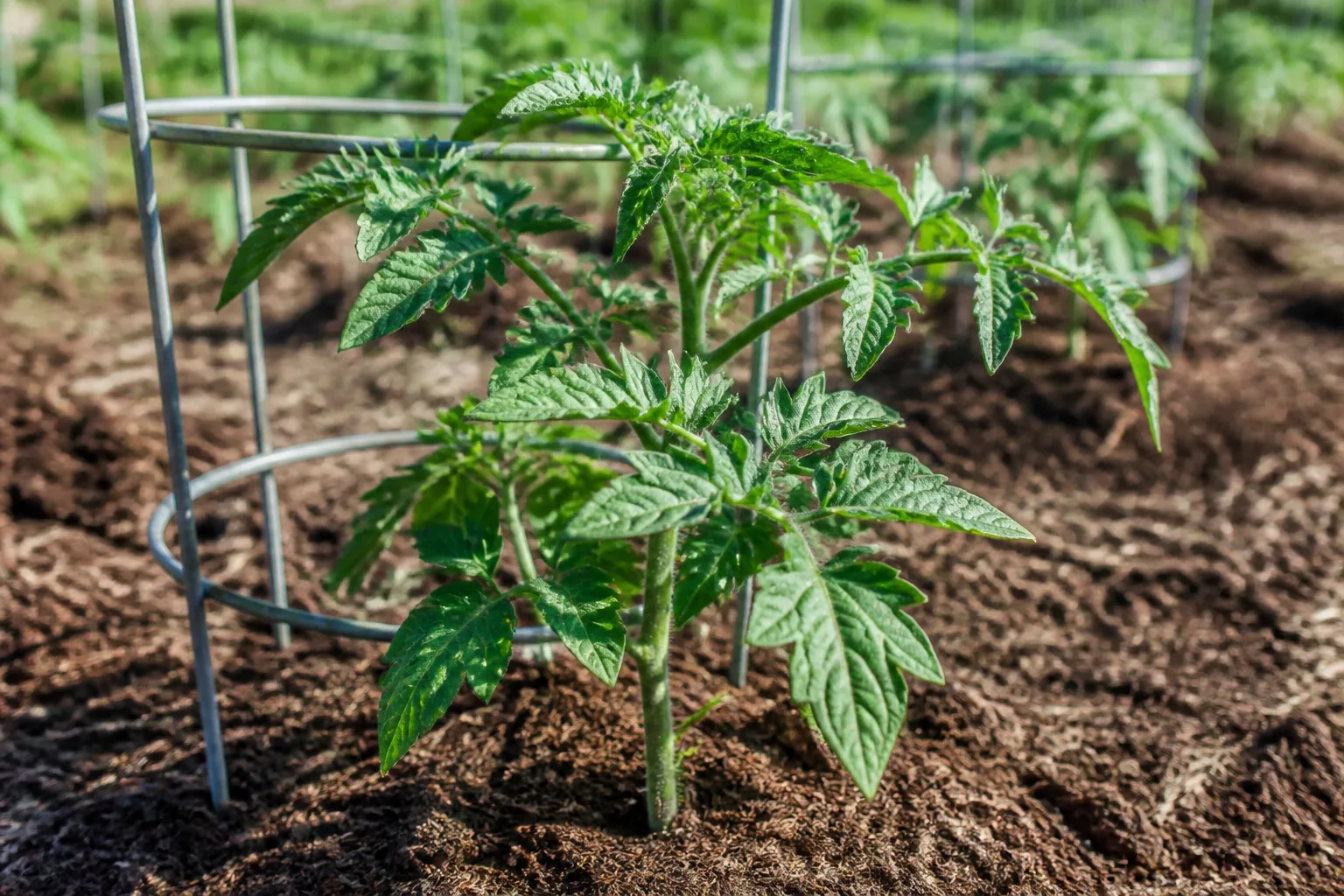
In-Ground Garden Beds
Direct in-ground planting maximizes root spread and water buffering when soil is already loose, fertile, and disease-free. Stakes and drip lines install once; mulch between wide rows holds moisture; indeterminate vines can run the full season without hitting a pot wall.
Choose in-ground when:
- You have full sun and tested, amended native soil
- Drip irrigation or soaker hoses are practical on your plot size
- You grow large indeterminate slicers or paste types on tall trellises
- You can rotate nightshades on a three-year minimum cycle
Skip or amend in-ground when:
- Clay hardpans within shovel depth
- Same tomato spot for years without rotation (Fusarium/Verticillium build-up)
- Tree roots compete under the bed
- Flooding or standing water after rain
How Growth Habit Steers the Decision
Before you choose pot, bed, or ground, read the transplant tag. Determinate vs indeterminate changes pruning, support, and container feasibility more than fruit color does.
Determinate and Patio Tomatoes
Determinate (bush) tomatoes grow to a set size, fruit heavily over a few weeks, then decline. Clemson Cooperative Extension describes them as compact plants suited to cages and shorter seasons (Clemson HGIC tomato factsheet). They are the default container choice: ‘Roma’, ‘Celebrity’, ‘Patio’, ‘Bush Goliath’, and mountain-series types fit 5–10 gallon pots with 3–4 foot cages.
Container rules for determinates:
- Do not strip suckers aggressively—you remove future fruiting stems
- Use at least 5 gallons for standard determinates; 7–10 gallons for full-size bushes
- One plant per container; stake or cage at transplant
Indeterminate and Heirloom Vines
Indeterminate tomatoes keep growing, flowering, and ripening until frost. NC State lists heirlooms like Cherokee Purple and market favorites like Better Boy in this group (NC State Extension). They can grow in containers, but only with 10–15 gallon minimum volume, rigorous sucker pruning to one or two leaders, and a trellis taller than your cage aisle.
Ground or deep raised bed rules for indeterminates:
- Plan spacing for your support method before digging
- Prune suckers at 2–3 inches weekly on staked plants
- Expect the largest yields when roots are not walled off by plastic
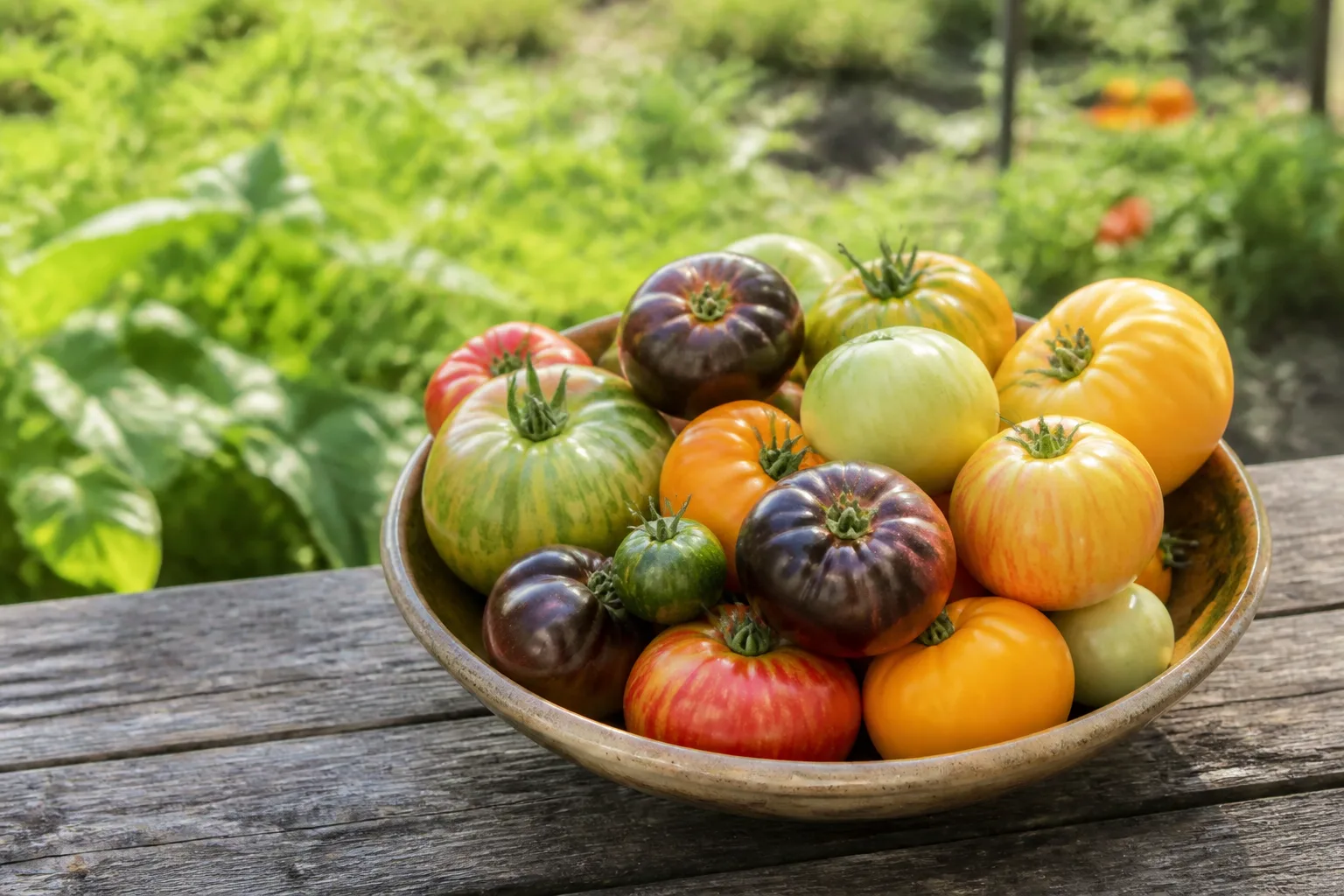
Semi-determinate types such as Celebrity stretch the harvest window with bushier habits—excellent in large pots or the front row of a raised bed with a sturdy cage.
When Containers Are the Better Choice
Containers win when site limits outweigh maintenance costs.
Balconies, Patios, and Renters
If you do not own the soil, pots are not a compromise—they are the product. Wheeled caddies let you follow sun on a railing, roll plants under an overhang during hail, and take your garden when you move. Match compact determinates or pruned indeterminate cherries to the rail width; leave room for a 5–6 foot stake without blocking the door.
Poor Native Soil or Contaminated Sites
Urban yards, new construction fill, and old orchard land can carry lead, compaction, or wilt pathogens. Fresh potting mix in a clean container resets the root zone for one season. It does not fix airborne spores, but it avoids the legacy Fusarium in last year’s tomato row.
Other container wins:
- Deer-heavy edges where pots can sit on protected decks
- Experimenting with one grafted or heirloom plant before committing bed space
- Extending season by moving pots indoors or to a greenhouse wall
When In-Ground Planting Wins
In-ground planting wins when you have space, sun, and soil worth investing in long-term.
Large Indeterminate Heirlooms and Long Trellises
Ten-foot heirlooms want soil volume and anchoring you cannot fake in a 7-gallon pot. In-ground or deep raised rows let you run cattle panels, arch trellises, or stake-and-weave systems (stakes vs cages guide) without tipping. Root spread supports the canopy that produces the heaviest clusters late in the season.
Low-Maintenance Watering on Large Plots
Mulched in-ground tomatoes with soaker hoses or drip tape often need less daily attention than a deck full of pots. The soil profile buffers heat; roots pull from deeper layers after you soak 6–8 inches. That stability reduces blossom-end rot triggered by boom-bust watering (University of Georgia Extension).
In-ground advantages summarized:
- Larger total yields per plant when soil is healthy
- Easier drip irrigation on long rows
- Permanent trellis infrastructure
- Lower per-plant soil cost at scale
Raised Beds: The Middle Path Most Gardeners Undervalue
Raised beds deserve their own category because they solve problems pots cannot while avoiding bad native soil.
Soil Control Without Container Limits
You fill beds with compost-rich loam, test pH near 6.5–6.7, and plant seedlings deep without hitting a pot bottom at 12 inches. Drainage improves on clay sites because beds sit above the hardpan. You still rotate crops between beds—containers are not the only way to escape wilt.
Depth and Anchoring for Tall Vines
Aim for at least 12 inches of usable soil, with 17+ inches ideal when installing arch trellises for indeterminate vines. Shallow 6-inch “planter boxes” behave like oversized pots: they dry fast and cannot hold a leaning cage loaded with ‘Brandywine’ fruit.
On a 4×8-foot bed, two large caged determinates or two pruned indeterminate cherries at proper spacing usually outperform four cramped plants fighting for the same air.
Container Size, Soil Volume, and Drainage Rules
Undersized pots are the number-one container failure mode. Decorative planters under 5 gallons look charming in May and tragic in August.
Minimum Pot Sizes by Tomato Type
| Tomato type | Minimum container volume | Notes |
|---|---|---|
| Micro-dwarf / tabletop | 1–2 gallons | Snack harvests; windowsill or patio table |
| Patio / compact determinate | 5 gallons | One plant; daily water checks in heat |
| Full-size determinate | 7–10 gallons | Cage at transplant; light sucker trim only |
| Pruned indeterminate cherry | 10–15 gallons | One or two leaders; tall stake or trellis |
| Full indeterminate slicer | 15+ gallons or use a bed | Possible but high maintenance; bed usually wins |
NC State’s 12-inch minimum depth is a floor, not a target for full-season vines (NC State Extension). Bigger pots buffer heat on concrete and reduce the twice-a-day watering panic.
Potting Mix vs Garden Soil in Pots
Never fill tomato pots with straight garden soil. It compacts, drains poorly, and invites root rot. Use bagged potting mix labeled for containers, then fertilize on label timing because frequent watering leaches nutrients.
Drainage holes are non-negotiable. If you are tempted by a pretty pot without holes, read when planters without drainage are ever acceptable—tomatoes are not the crop to experiment on.
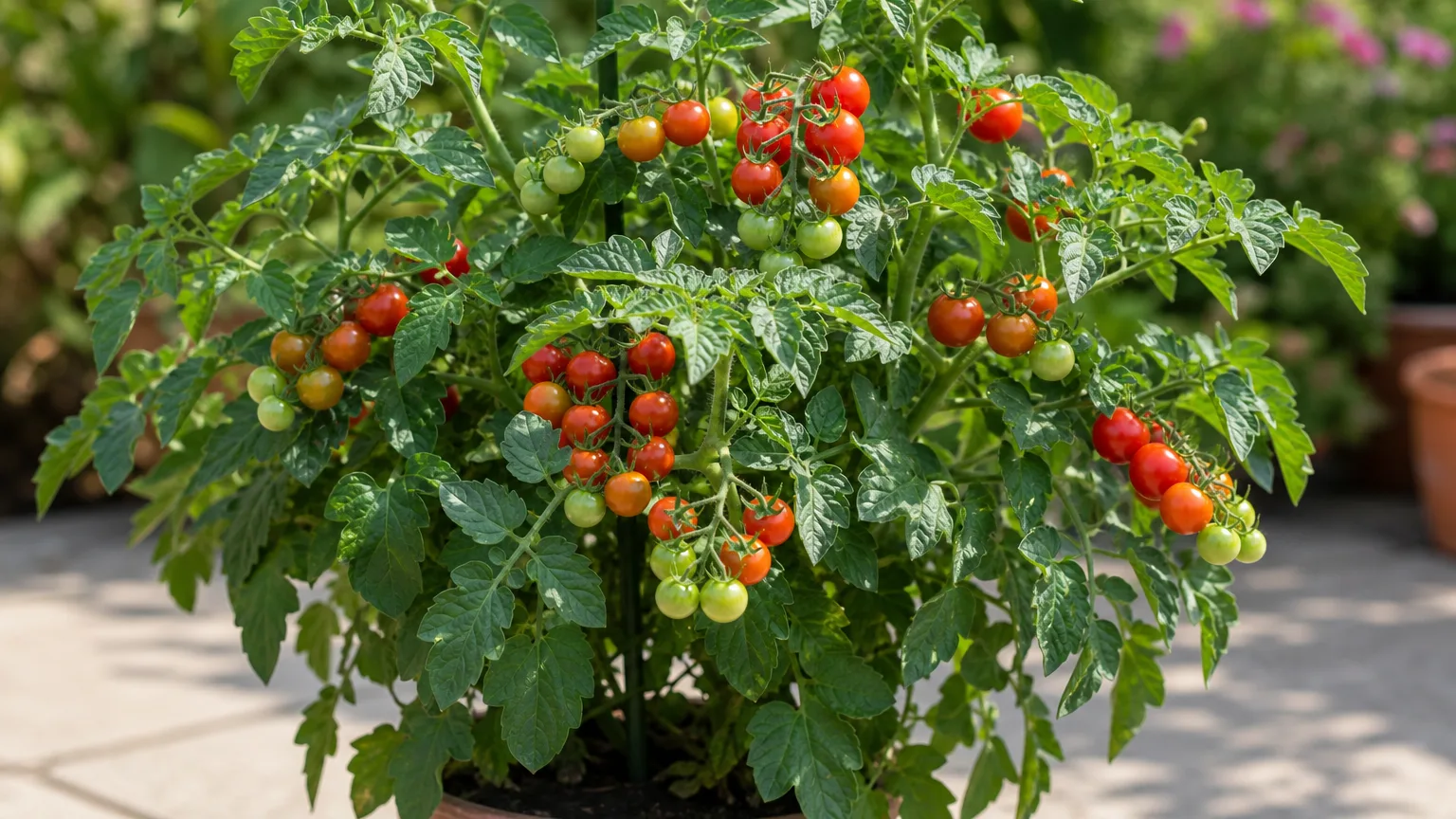
Watering and Fertilizing by Planting Method
Why Pots Dry Faster (and BER Risk Rises)
Container soil can lose moisture within hours on a 90°F deck. In-ground plants with 2–3 inches of straw mulch may coast an extra day. Blossom-end rot—the dark leathery patch on the blossom end—is tied to uneven moisture blocking calcium uptake even when soil calcium is adequate (University of Georgia Extension).
Container rhythm: Check moisture every morning in summer; water when the top inch is dry until it runs from drainage holes. Saucers that hold standing water invite root trouble—empty them after irrigating.
In-ground / raised-bed rhythm: Soak to 6–8 inches weekly as a baseline; increase during fruit swell and heat waves. Mulch immediately after transplant.
In-Ground and Raised-Bed Rhythms
NC State recommends about 1.5 inches of water per week during fruiting, supplied by rain or irrigation (NC State Extension). Drip lines at soil level keep leaves drier than overhead sprinklers—valuable in humid regions where early blight travels on splash.
Fertilize by method:
- Pots: Half-strength liquid feed every 10–14 days after first fruit set, or slow-release mixed into potting media at planting per label
- Beds/ground: Compost at planting + soil-test-based amendments; avoid high-nitrogen bursts that grow leaves, not fruit
Disease, Rotation, and Soil-Borne Risk
When Containers Buy Time
Fresh mix in a clean pot does not inherit last year’s Fusarium in the yard. That is why experienced growers on wilt-heavy sites grow tomatoes in pots or fresh raised-bed fill even when they have ground space. Containers do not stop airborne early blight or septoria—those still need mulch, spacing, and lower-leaf removal.
Rotation Rules for Ground and Beds
If you plant in the ground or permanent raised beds, rotate tomatoes and other nightshades (peppers, potatoes, eggplant) on a three-year cycle minimum. NC State advises planting tomatoes in a different place each year to avoid building soil pathogens (NC State Extension). Choose VFN-resistant varieties when history is unknown.
Remove and destroy symptomatic plants promptly; do not compost diseased vines. Disinfect stakes and cages between seasons if wilt was present.
Climate and Site Factors That Override Everything
Heat, Wind, and Frost on Hard Surfaces
South-facing concrete radiates heat that can stress roots in dark pots. Light-colored containers, pot skirts, or grouping pots with air gaps reduce cooking. Wind on high balconies desiccates leaves faster than in a sheltered yard—smaller leaf area from proper pruning helps.
Move pots under cover when late frost threatens; in-ground plantings need row cover or accept replanting.
Sun Hours and Moving Pots
Tomatoes need strong direct light. If your only 8-hour sun patch is the driveway apron in July, pots on casters beat digging a bed in shade. Our sunlight guide explains how to test exposure before you commit.
Decision Scenarios: Match Your Yard to the Right Setup
Scenario A — Sunny balcony, 6×10 feet, first garden → Two 10-gallon pots with determinate or patio cherries; caged at transplant; daily water checks.
Scenario B — Suburban clay, full sun, wants ‘Cherokee Purple’ → Build 17-inch raised beds or deeply amend in-ground rows; single-leader trellis; wide spacing; rotate next year.
Scenario C — Healthy loam, drip irrigation, sauce canning → In-ground determinates like ‘Roma’ or ‘San Marzano’ in wide rows; mulch; minimal sucker pruning.
Scenario D — Wilt killed last year’s row tomatoes → Fresh potting mix in 15-gallon containers or new raised bed fill away from old spot; VFN-labeled varieties.
Scenario E — Renting, may move midsummer → Containers only; compact varieties; document nothing in the landlord’s shrub bed.
Before your first transplant, skim things to know before growing tomatoes for harvest timing, disease codes, and rotation basics.
Common Mistakes When Switching Between Methods
Undersized pots. A gallon-per-inch rule does not apply—tomatoes are not petunias. Upgrade pots or accept smaller harvests.
Over-pruned determinates in pots. Stripping suckers on bush types reduces yield. Light cleanup only.
Garden soil in containers. Sets up compaction and gnats. Potting mix only.
Two plants, one pot. Always separate—even “twin” seedlings.
Skipping support in pots. A 4-foot cage in a 10-gallon pot still needs anchoring against wind.
Planting heirlooms in shade because the pot fits there. Method cannot fix insufficient light.
Reusing contaminated bed soil without amendment or rotation because raised sides make it “new.”
Conclusion
Growing tomatoes in pots or in the ground is not a loyalty test. It is a resource match: root volume, soil quality, your watering schedule, and the variety’s growth habit. Containers excel on patios, in poor soil, and when you need mobility. In-ground rows excel for large indeterminate vines on healthy soil with irrigation. Raised beds split the difference when you want trellis-scale plants without fighting native clay.
Read the tag, measure your sun, pick the volume your roots deserve, and commit to the maintenance that method requires. Get those aligned and tomatoes become forgiving. Ignore them and neither pots nor perfect loam will save the season.



