Why Tomatoes Split Before Ripening—and How to Stop It
Tomatoes split when water swings outpace skin growth—learn radial vs concentric cracks, a fruiting-stage watering plan, and which varieties resist splitting.
The short answer: water swings outrun the skin
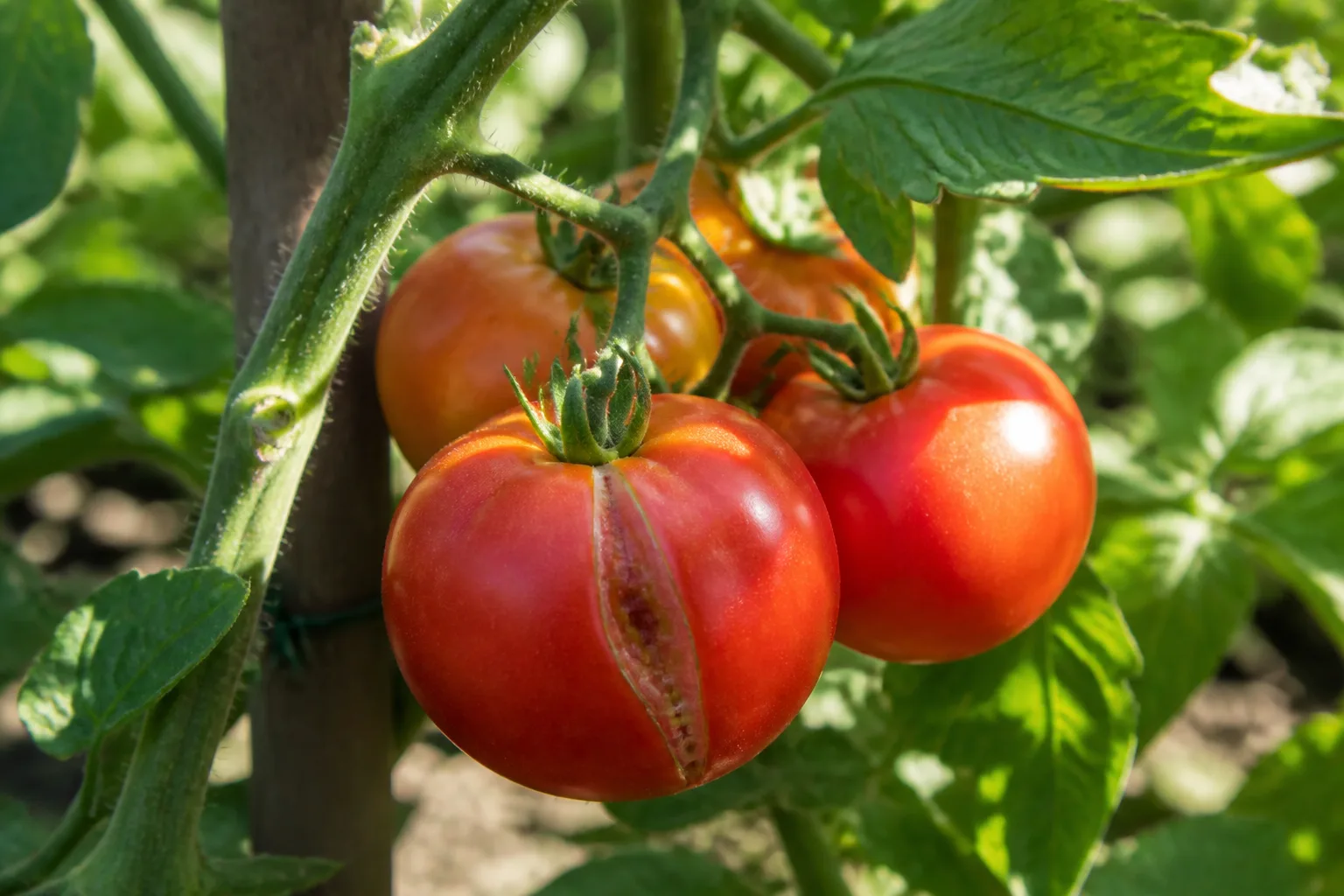
Tomatoes split before they ripen when the fruit takes up water faster than the skin can stretch. That usually follows a dry spell and then a sudden soak—heavy rain, a missed watering week, or a generous hose session after parched soil. The flesh swells, the epidermis tears, and you get radial splits down the side or concentric cracks around the shoulder by the stem.
Splitting is a physiological disorder, not a fungal disease you can spray away (RHS). The fruit is most vulnerable when it is full-sized and coloring, because the skin is thinner and less elastic at that stage. You cannot control every downpour, but you can steady soil moisture, harvest blushers before storms, and choose crack-resistant varieties so fewer fruits burst on the vine.
Tomato splitting is a physiology problem, not a disease
Cracked tomatoes look alarming, yet the underlying issue is growth pressure—not infection. Pacific pest pathology resources classify fruit splitting as a physiological disorder triggered by growing conditions, especially irregular water and temperature (LucidCentral). Bacteria and molds move in after the skin breaks, which is why split fruit rots faster and should be handled quickly.
That distinction matters for your response. Fungicides will not prevent next week’s cracks. Mulch, consistent irrigation, and timely harvest will.
Radial (vertical) splits
Radial cracking runs from the stem end toward the blossom end in vertical lines. It often shows up during hot, humid weather when fruits swell rapidly after a moisture spike. Radial splits tend to be deeper and more serious because they expose flesh along a long seam, inviting rot and insects.
If you see a fresh radial split with moist flesh showing, pick the fruit the same day.
Concentric (shoulder) cracks
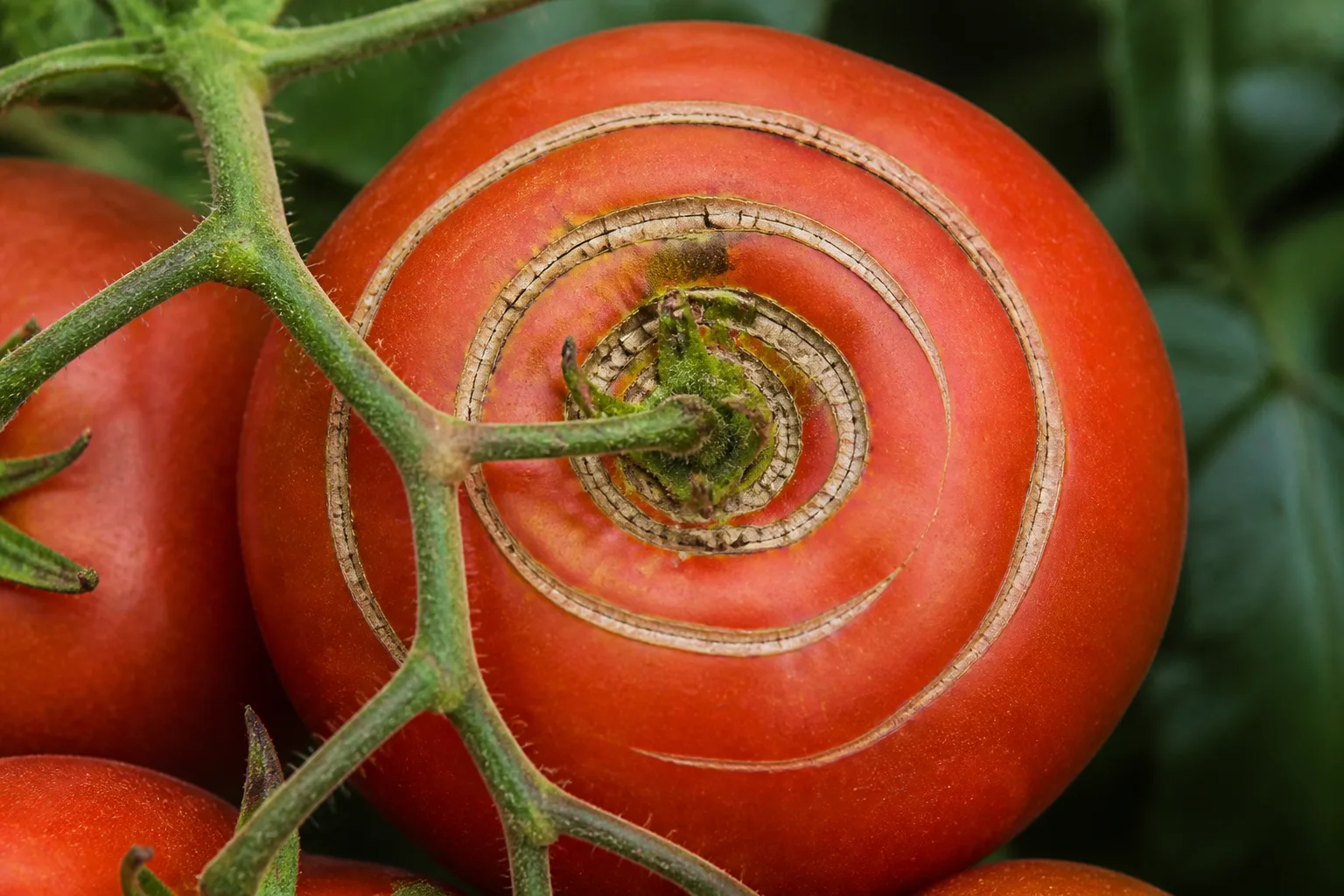
Concentric cracking forms rings around the top of the fruit near the stem. It is common on large heirlooms and beefsteak types with thinner skin. These cracks are often more superficial—they may look rough or corky while the tomato continues ripening.
Gardeners can sometimes leave shallow concentric cracks on the vine with close monitoring, but any crack that opens wet flesh should be harvested immediately (Gardenary).
Why inconsistent water is the main trigger
Tomato roots pull water into developing fruit like a sponge. When soil stays evenly moist, the skin expands gradually with the flesh. When soil dries hard and water arrives all at once, internal pressure spikes faster than the epidermis can accommodate (Bayer Crop Science).
The classic scenario is a week of heat and no rain, followed by an afternoon thunderstorm. Container gardeners see the same pattern when a pot goes bone-dry between waterings. Overhead watering that floods the surface while the core was dry can produce the same shock.
Steady moisture beats perfect timing. During fruit set and ripening, most in-ground tomato plants need about 1 to 2 inches of water per week from rain plus irrigation combined. The goal is not a rigid “every three days” calendar—it is keeping the root zone consistently damp without staying soggy. Check the top 2 to 3 inches of soil with your finger or a moisture meter before you assume the plant needs more. For a deeper watering routine tied to growth stage, see /plants/tomato/watering/.
Other causes gardeners blame on watering alone
Water swings explain most splits, but they are not the only pressure on the skin. When cracking keeps happening despite even moisture, look at ripening stage, fertility, and variety.
Over-ripening on the vine
A tomato left to soften fully on the vine has a weaker skin and less room to absorb another drink. Over-ripe fruit splits more easily when late-season rain or irrigation arrives. If color is deep and the fruit feels soft, harvest and finish ripening indoors on the counter rather than gambling on another weather swing.
Excess nitrogen and fast foliage growth
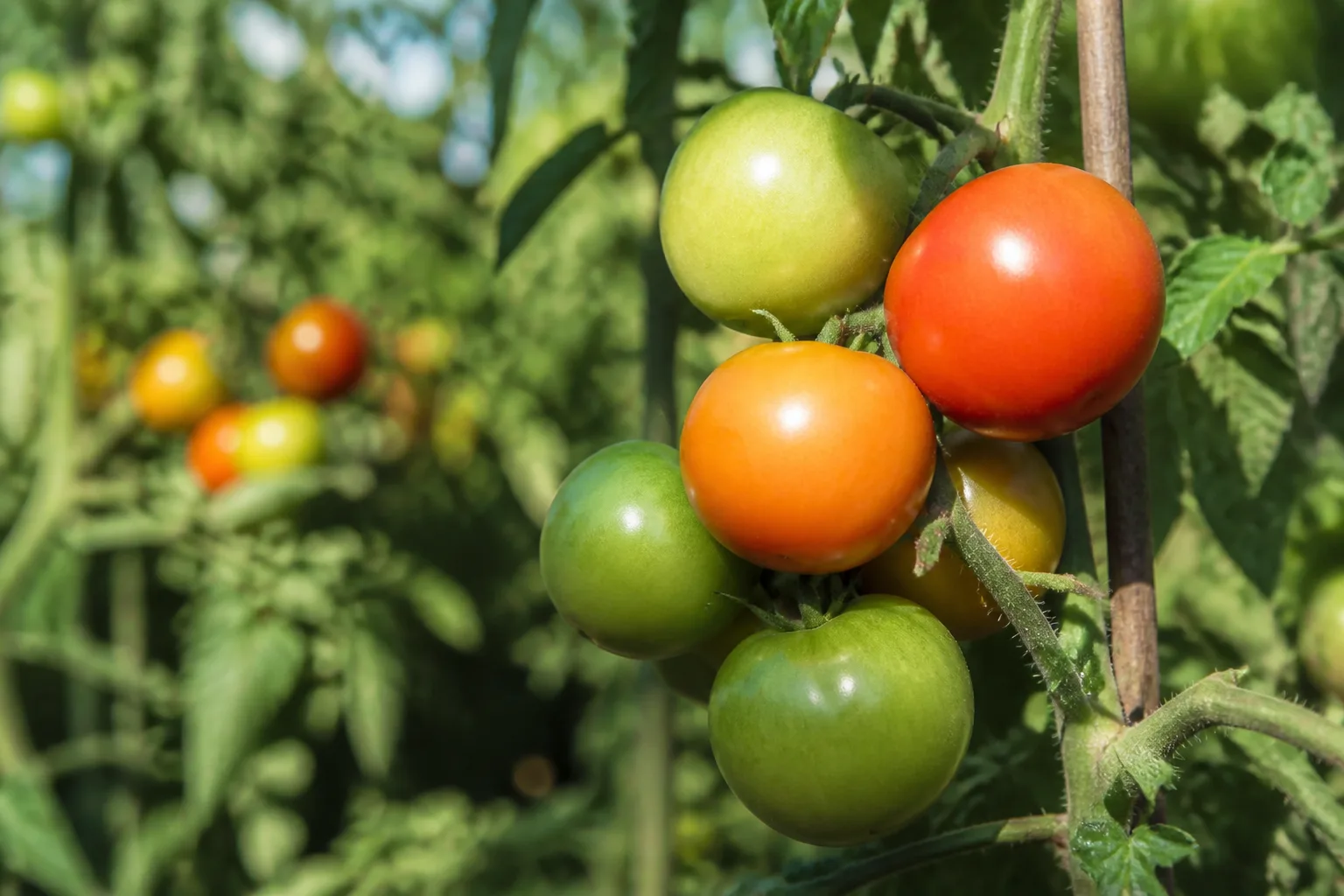
Heavy nitrogen pushes leaf and vine growth. Lush, fast-growing plants can channel resources into foliage while fruit skin lags behind sudden expansion. The RHS notes that variable moisture and temperature interact with growth rate; excess nitrogen is a common contributor in home gardens that fertilize through peak fruiting.
If vines are deep green, rampant, and cracking is widespread, cut back high-nitrogen feeds and focus on even water through harvest. Splitting is not blossom-end rot—adding calcium will not fix cracks the way it might help BER.
Thin skin and variety genetics
Some tomatoes are simply built to crack. Large heirlooms, thin-skinned cherries, and old beefsteak types split more than modern hybrids bred for crack resistance. Beefsteak varieties are widely cited as more susceptible; newer hybrids with “crack-resistant” or “split-resistant” labels trade some old-fashioned texture for tougher skin (LucidCentral).
That does not mean you must give up Brandywine. It means you should water those plants more carefully and harvest earlier when storms are forecast.
Containers, grow bags, and raised beds crack more easily
Restricted root volume dries faster than open ground. A tomato in a 5-gallon pot can swing from dust to saturated in a single hot afternoon, which is exactly the cycle that splits fruit. Grow bags and small raised beds behave the same way.
Container tomatoes often need daily moisture checks during fruiting, sometimes watering twice on extreme heat days. Mulch the soil surface even in pots—shredded straw or fine bark slows evaporation. If pots repeatedly go dry between waterings, step up pot size next season or cluster pots so they shade one another. Our guide on /guides/container-plants-dry-in-summer/ covers the broader summer dry-out pattern that hits potted vegetables hardest.
Greenhouse and tunnel tomatoes face a related problem: compost in grow bags can dry unevenly while fruit sizes, so monitor moisture at fruiting height, not only at the bag rim.
Early warning signs a tomato may split soon
Catching trouble early lets you harvest before a full rupture. Walk the row when fruit is blushing and look for:
- Hairline cracks at the stem scar or shoulder—these often widen after the next rain.
- Dusty, cracked soil in the bed while fruit is coloring; the next watering or storm may finish the job.
- A dry forecast flipping to heavy rain within 24 to 48 hours.
- Rapid vine growth after a big nitrogen application—soft, expanding fruit plus new leaves is a risky combo.
- Fruit that is full size and turning color; this is the peak vulnerability window, not the tiny green stage.
If you see faint concentric lines on a nearly ripe tomato, treat it as a harvest candidate, not a wait-and-see fruit.
A prevention plan that holds through fruiting season
Prevention is mostly moisture management plus harvest timing. None of this guarantees zero cracks in a monsoon summer, but it sharply reduces the damage.
How much water tomatoes need when fruit is sizing
Once fruit is set and swelling, shift from “keep alive” watering to steady replenishment:
- Target 1 to 2 inches per week total from rain plus supplemental water.
- Water deeply so moisture reaches the root ball, then let only the surface dry slightly—not the whole profile.
- Prefer morning irrigation so plants enter the heat of the day hydrated; avoid flooding at night in humid climates where disease pressure is high.
- In extreme heat, a light afternoon refresh may help containers; in-ground plants usually benefit more from mulch than from a third daily sprinkle.
A rain gauge near the bed tells you how much nature already delivered. Subtract that from your weekly target before you haul the hose out.
Mulch, drip lines, and soil moisture checks
Mulch is one of the highest-return split preventers. A 2 to 3 inch layer of straw, shredded leaves, or compost-blanketed wood chips buffers soil against evaporation and sudden temperature swings (LucidCentral). Lay mulch after soil has warmed in spring, keeping it a few inches from stems.
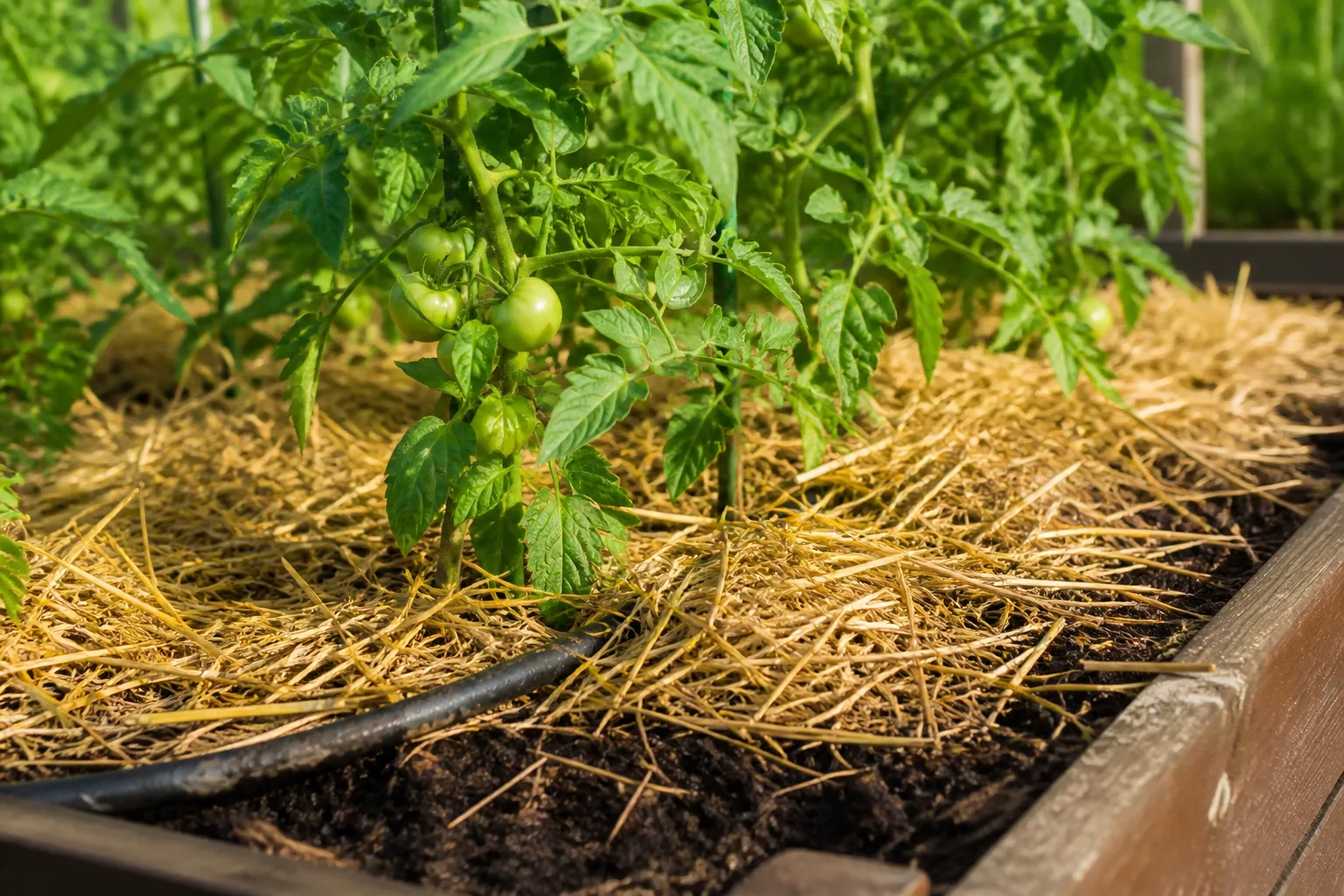
Drip irrigation or soaker hoses apply water slowly at the root zone, which reduces the flood-and-dry cycle overhead sprinklers sometimes create. If you must use overhead water, run it long enough to moisten depth, not just the crust.
Check moisture at root depth, not guilt alone. If the top inch is dry but the next two are cool and damp, wait. If the full probe depth is powdery, water now—do not wait for wilted leaves on a fruiting plant.
What to pick before a storm
When blushing tomatoes are on the vine and heavy rain is forecast after dry weather, harvest fruit that has reached mature green or breaker color and ripen indoors. They will not have quite the same vine-ripened peak, but they will not explode on the plant either.
Pick any fruit already showing hairline cracks before the storm hits. Sort by ripeness: fully colored fruit for the counter, mature green for a paper-bag ripening tray. Remove split specimens to the kitchen immediately so they do not rot on the vine and attract pests.
Crack-resistant tomato varieties worth planting
If splitting is a yearly frustration, genetics are your long game. Modern hybrids are bred with more elastic skin. Labels to look for include crack-resistant, split-resistant, or resistance to fruit cracking.
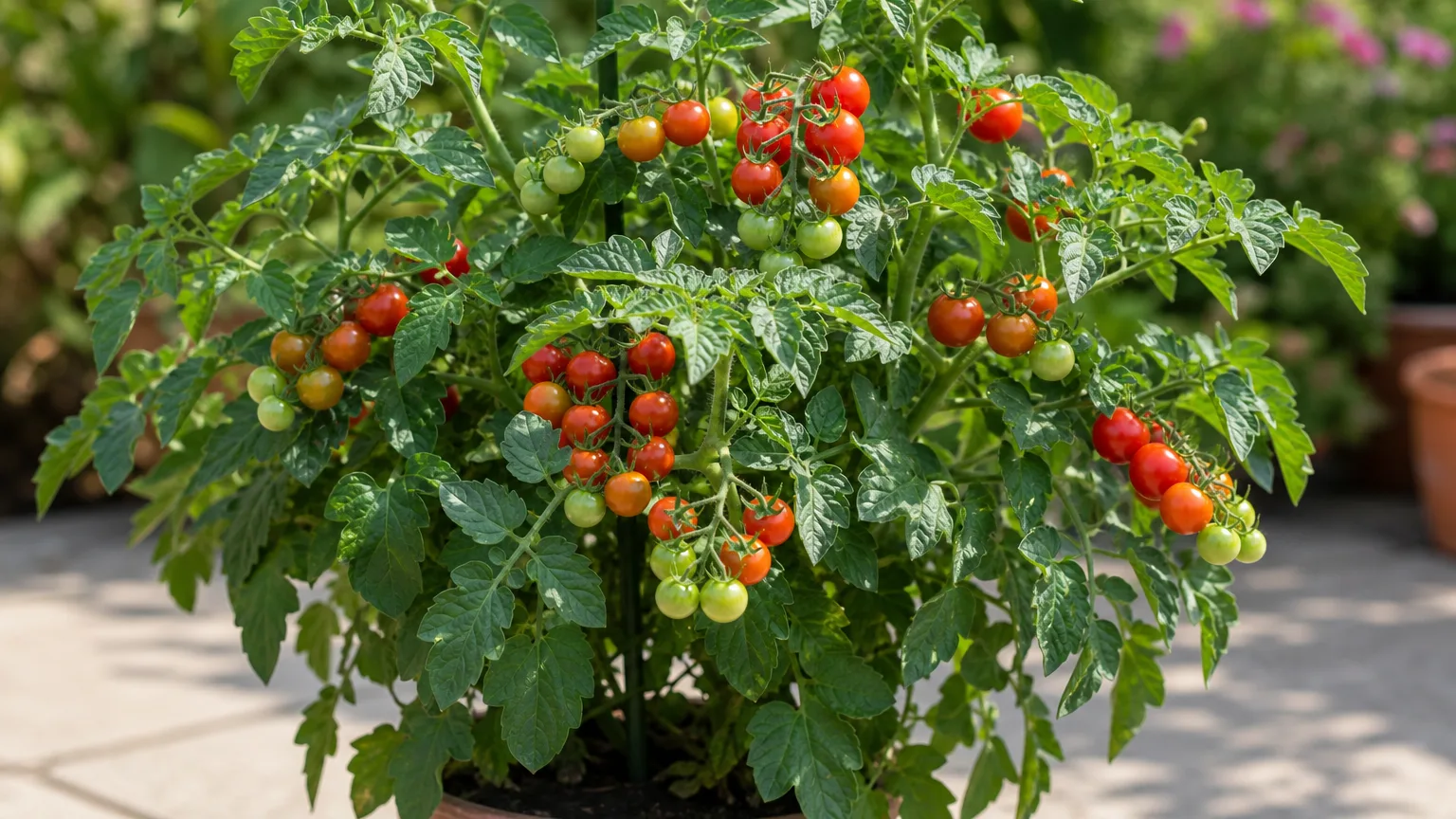
Reliable performers in home gardens and commercial trials include:
- Big Beef — large slicer with crack resistance bred in.
- Mountain Magic — small salad tomato with strong crack tolerance.
- Juliet — grape type that holds up in wet swings better than many cherries.
- Celebrity and Box Car Willie — often recommended for crack resistance in humid regions.
- Sun Gold — delicious but thin-skinned; water it carefully despite its popularity.
Heirlooms like Brandywine and many beefsteaks remain worth growing if you accept extra vigilance. Plant a split-prone favorite beside a resistant hybrid so a storm does not wipe the whole harvest.
For general tomato culture—support, pruning, and seasonal care—see /plants/tomato/ and /guides/how-to-prune-a-tomato-plant/.
What to do with tomatoes that already split
Split tomatoes are usually safe to eat if you act fast. Inspect each fruit:
- Eat soon if the crack is shallow, dry, or corky and the flesh is firm with no sour smell.
- Trim and use today if the split exposes moist flesh but the rest of the tomato is sound.
- Compost any fruit that smells fermented, feels mushy, or shows mold in the seam.
Do not leave open splits on the vine. Exposed flesh invites Botrytis gray mold and fruit flies, and one rotting tomato can spoil neighbors in a tight cluster (RHS). Refrigerate only fully ripe split fruit you cannot use immediately; cold dulls flavor but slows decay.
If cracking is widespread late in the season, shift to defensive harvesting: pick at breaker color, ripen indoors, and stop chasing fully vine-softened fruit before the first cold rains.
When weather wins—and what still helps
Sometimes prevention hits a hard limit. Flooding rain after drought can crack even well-managed plants. The RHS is blunt that outdoor growers cannot fully control temperature and moisture swings; greenhouse bags and pots are especially variable.
That is not permission to ignore watering—it is a reason to combine every tool: mulch, drip, variety choice, and pre-storm harvest. Shade cloth or a temporary patio umbrella over a small bed can blunt midday heat stress that worsens skin fragility; see /guides/why-are-people-putting-patio-or-beach-umbrellas-in-their-tomato-gardens/ for how gardeners use shade without starving plants for light.
Track patterns across seasons. If only your heirlooms crack, genetics are telling you something. If every plant cracks after every storm, your moisture buffer—mulch, irrigation, harvest timing—needs upgrading before next July.
Conclusion
Tomatoes split before they ripen because fruit expansion outpaces skin elasticity, almost always after soil moisture swings. Learn to read radial versus concentric cracks, keep fruiting plants on a steady 1-to-2-inch weekly water budget, mulch deeply, and pick blushers before forecast downpours. Choose crack-resistant hybrids where splits are chronic, and harvest or use damaged fruit quickly so rot does not spread.
You will not win every battle with the weather. You can still cut splitting from a garden-wide disaster to an occasional heirloom tax—and keep most of your harvest on the plate instead of the compost pile.



