How to Prune a Tomato Plant: Step-by-Step Guide
Learn how to prune tomato suckers on indeterminate vines, when to leave bush types alone, and which cuts improve airflow without stripping fruit.
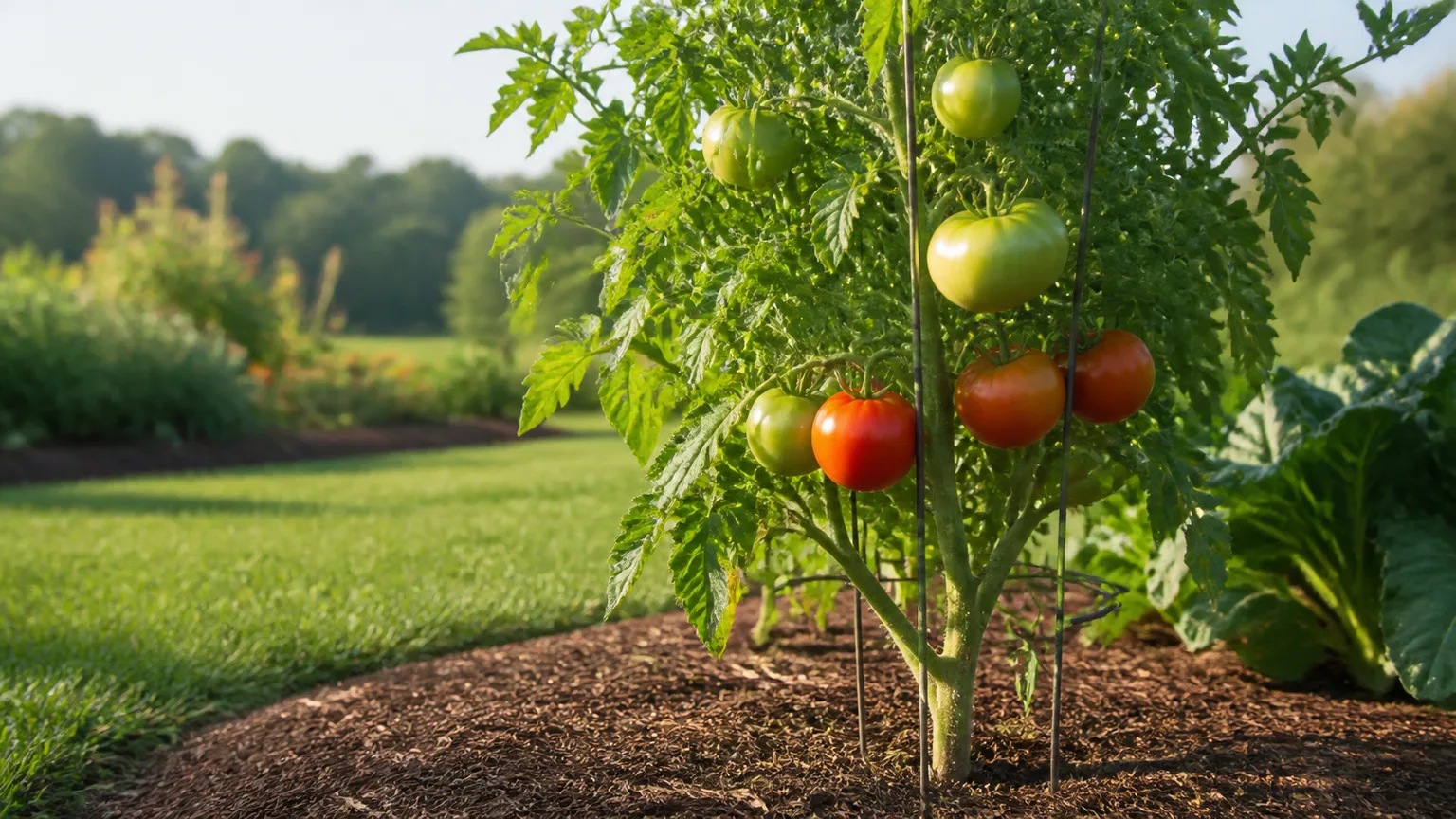
Before you touch a pair of shears, read the plant tag. Pruning tomato plants is not mandatory for a harvest, but on indeterminate (vining) tomatoes trained to a stake or narrow trellis, selective sucker removal keeps the canopy manageable, improves airflow, and can shift energy toward fewer, larger fruit. On determinate (bush) tomatoes, routine sucker stripping often reduces yield because those shoots are part of a fixed flowering framework. The job is not “prune everything that looks extra”—it is matching cuts to growth habit, support method, and plant health.
For cultivar-specific training limits and recovery timing, see the Tomato pruning guide. For growth-stage context—when flowers and fruit trusses appear—use the tomato plant growth timeline.
Pruning Is Optional—But the Right Cut Changes Everything
Tomatoes (Solanum lycopersicum) photosynthesize through leaves and set fruit on flowering branches. Every sucker you remove is a potential stem you will not harvest from later, which is why NC State Extension notes that pruning indeterminate plants does not increase total fruit count but can deliver larger fruit earlier in the season when energy is redirected (Growing Tomatoes in the Home Garden). That trade-off is worth it on a tightly staked heirloom where an unpruned vine becomes a tangled six-foot wall of foliage. It is a poor trade on a compact bush tomato whose side shoots may carry much of the crop.
Think of pruning as canopy management, not plant punishment. The useful cuts fall into three buckets: training suckers on vining types, sanitary removal of diseased or soil-touching leaves on any tomato, and late-season topping on long-season indeterminate vines when frost is approaching—a topic covered in depth in Is it too late to prune tomatoes?. Everything else is optional and support-dependent.
Determinate vs Indeterminate: Who Needs Pruning?
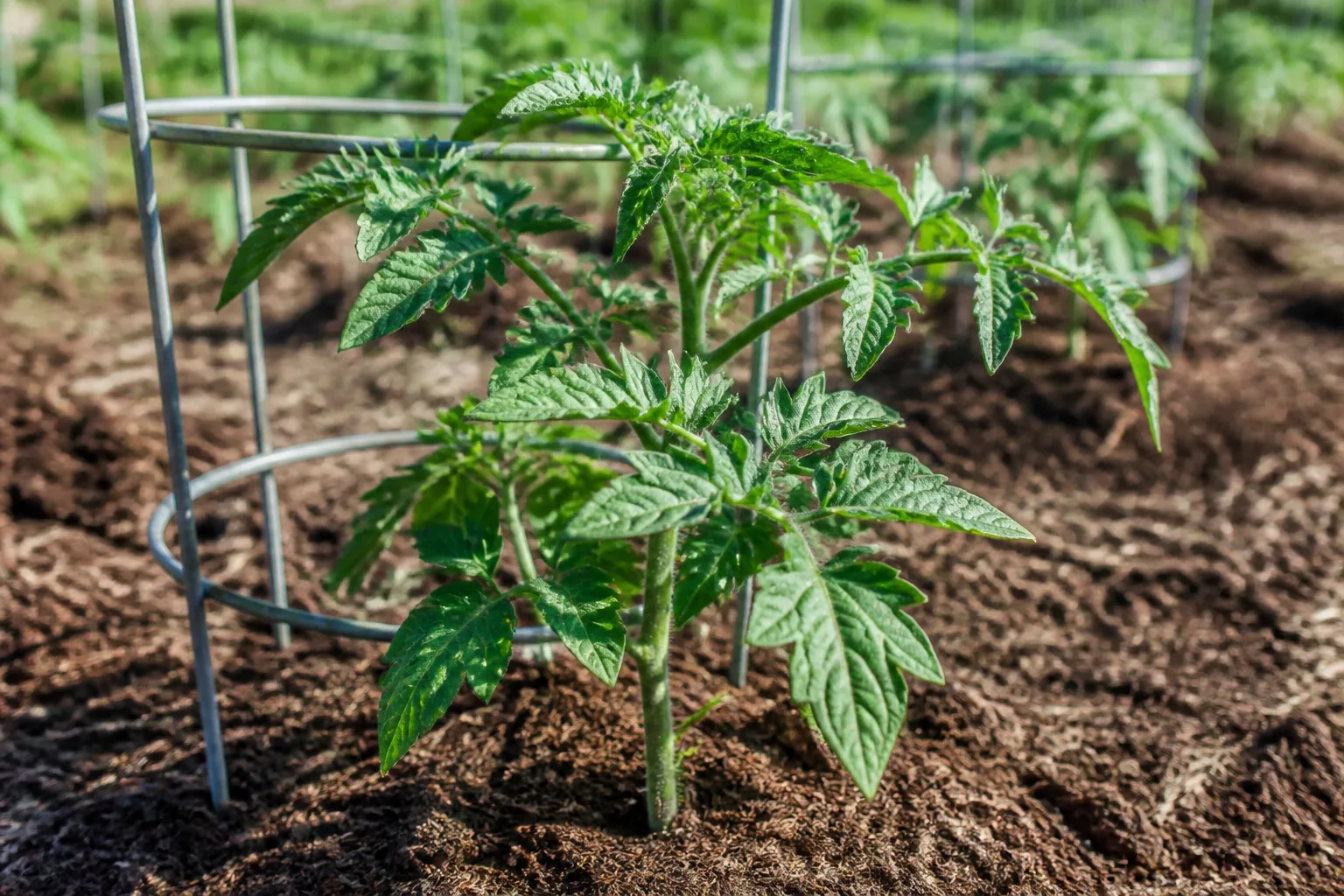
Indeterminate tomatoes keep extending their main stem, producing new leaves, flower clusters, and fruit until frost or disease stops them. Cherry types, most heirlooms, and classics like ‘Beefsteak’ fall here. UF/IFAS describes indeterminate plants as continuing to grow and set fruit over several months, which makes selective suckering and tying a practical training choice (UF/IFAS Gardening Solutions).
Determinate tomatoes reach a genetically set size, flower heavily at stem tips, and ripen most fruit in a concentrated window—ideal for canning batches and many container cultivars. NC State’s plant toolbox lists determinate types as self-topping bushes that need little or no pruning beyond cleanup (Solanum lycopersicum). Removing healthy suckers from a determinate plant removes future flower clusters you cannot grow back.
| Growth habit | Routine sucker pruning? | What you still remove |
|---|---|---|
| Indeterminate on stake/trellis | Yes—selective, ongoing | Diseased leaves, soil-touching foliage |
| Indeterminate in large cage | Minimal; tuck stems | Sanitary leaves only |
| Determinate / bush | No—avoid sucker stripping | Lower leaves touching soil, damaged tissue |
| Unknown until flowering | Cleanup only | Wait for habit to reveal itself |
How to Read Your Seed Packet or Plant Tag
Look for the words determinate, indeterminate, semi-determinate, bush, or cordon/vining. Semi-determinate types behave like compact vines with a shorter season; treat them like determinates unless the plant clearly keeps extending after the first heavy fruit set. If the tag is missing, do not guess from height—a young indeterminate can look bushy for weeks. Preserve healthy shoots until the first flower cluster appears and you see whether the tip keeps growing.
Match Pruning to Your Support System
Pruning only makes sense when it cooperates with how the plant is held upright. WSU Extension’s home-garden guide shows suckers removed on the lower third of staked plants while recommending stakes, cages, or basket-weave rows depending on layout (WSU Growing Tomatoes in Home Gardens). The RHS adds that cordon (indeterminate) types need tall supports and side-shoot control, whereas bush types stay compact with little pruning beyond optional staking when fruit loads heavy (RHS Grow Your Own Tomatoes).
| Support method | Pruning intensity | Why |
|---|---|---|
| Single stake, 6–8 ft | Moderate to high | Narrow vertical footprint; 1–3 leaders |
| String trellis / Florida weave | Moderate | Visible axils; regular tying |
| Large wire cage (18+ in. diameter) | Low | Stems spread naturally; pinch only egregious crowding |
| Basket-weave between stakes | Low to moderate | Focus on lower third cleanup |
| Container on deck | Depends on cultivar | Prefer determinate/dwarf types to limit cuts |
Staked and Single-Leader Vines
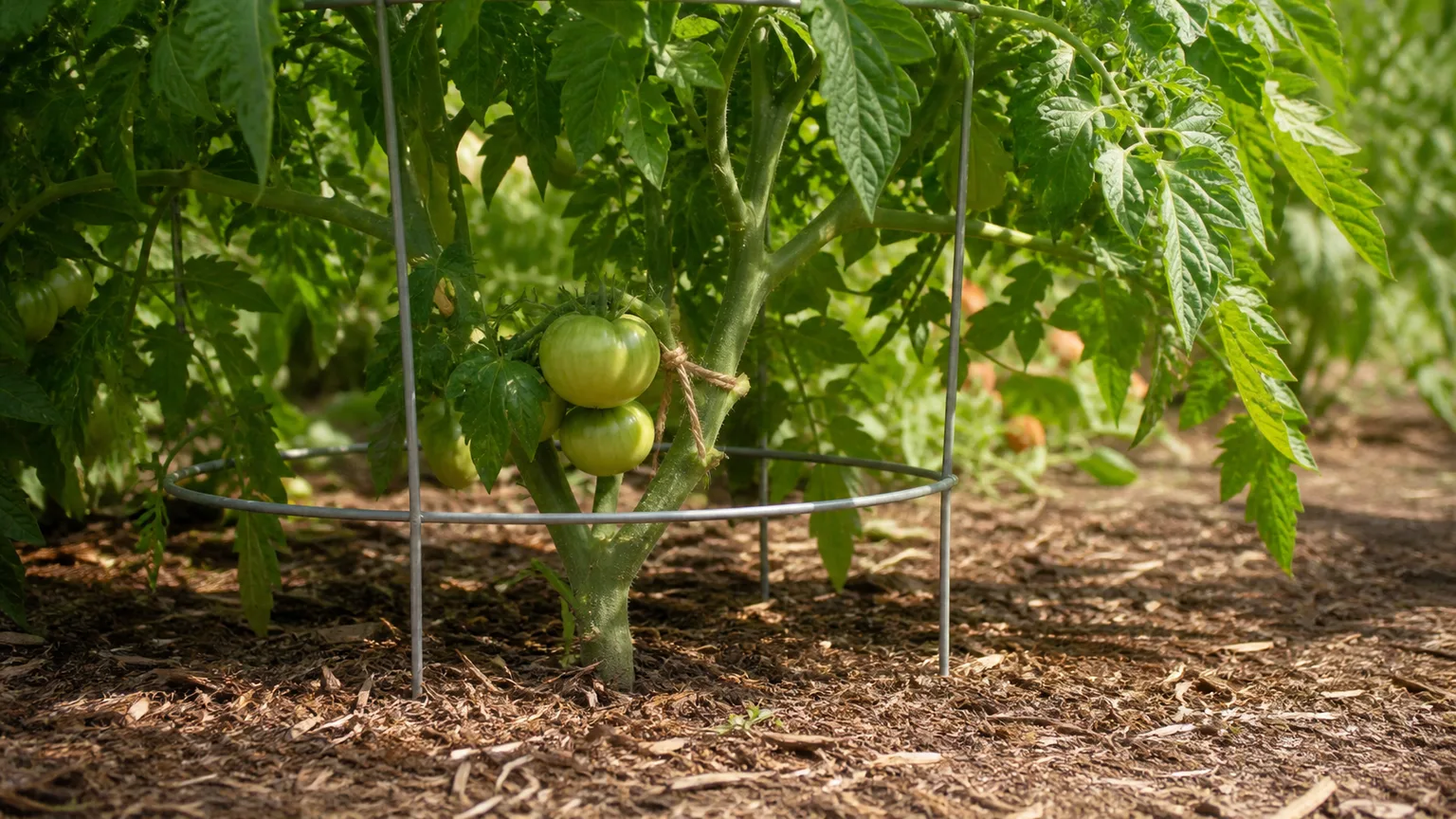
On a stake, the goal is a narrow column of foliage with fruit clusters spaced along one to three main stems. UGA Extension’s staking guide recommends removing suckers when they are small—about 4 inches or less—and keeping the plant to a manageable number of leaders tied every 8–12 inches (Staking and Pruning Tomatoes). Letting every sucker run on a single stake produces a top-heavy plant that snaps in wind.
Wide Cages and Minimal Pruning
NC State explicitly notes that caged plants are normally not pruned; instead, stems are guided upward through the cage openings (Growing Tomatoes in the Home Garden). If you grow indeterminate cherries in a roomy cage, your weekly job is tucking—not stripping. Remove only suckers that block the cage center or leaves splashing soil onto neighbors.
When to Start Pruning Tomato Plants
UW–Madison Extension recommends beginning when first flower clusters open, because suckers are easy to see and identify at that stage (Tomato Pruning). In most temperate gardens that lands in early to mid-summer, but use plant cues, not calendar dates—a heat-wave-delayed vine may flower weeks later than a neighbor’s.
Continue light passes every 10–14 days through peak season, not one aggressive session. Work in the early morning on a dry day so wounds close quickly; UW and Savvy Gardening both warn that cutting wet foliage spreads fungal spores leaf to leaf (Savvy Gardening: Tomato Pruning Mistakes). Skip optional training cuts during transplant shock, drought wilt, or heat above 95°F when the plant is already stressed.
Do not prune a newly planted seedling “to make it bushier.” Wait until the plant is 12–18 inches tall, established on its support, and actively growing. If you cannot yet see the first flower cluster, limit yourself to removing a clearly broken or diseased leaf.
What You’ll Need
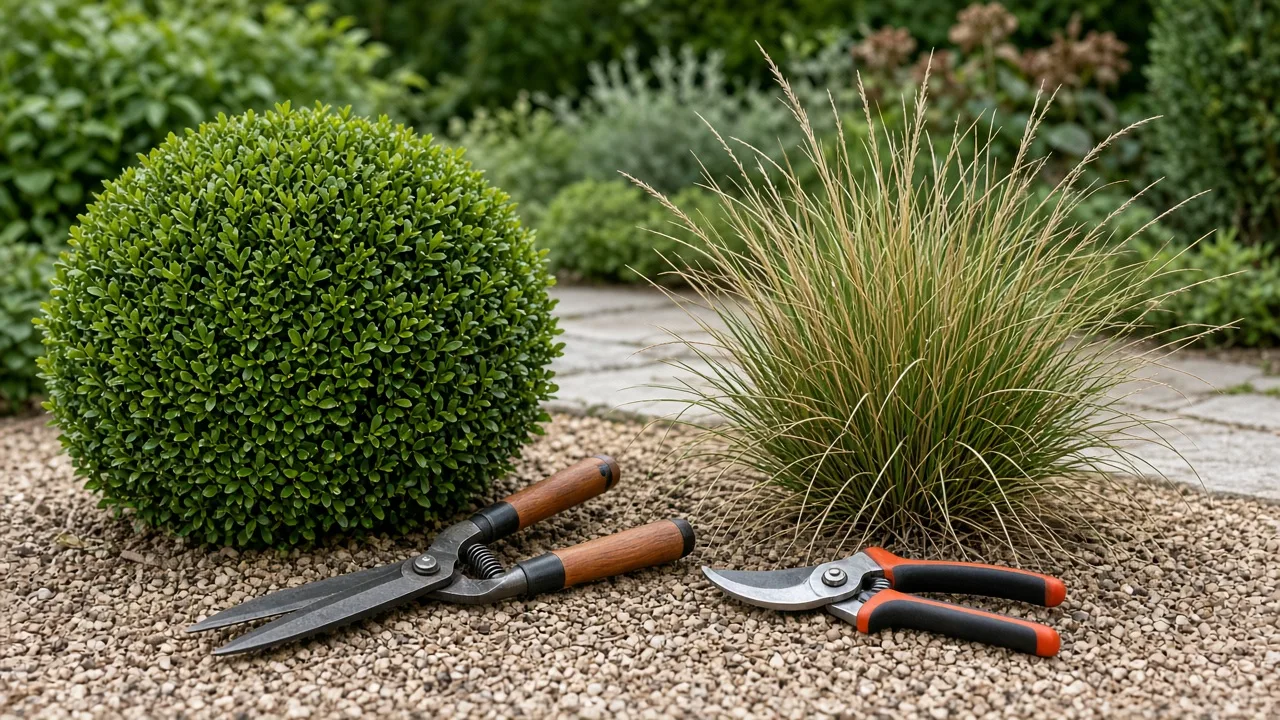
Gather clean bypass pruners or snips, soft twine or plant clips for tying, and 70% isopropyl alcohol or disinfecting wipes. Iowa State Extension advises sanitizing blades between plants when disease has appeared anywhere in the patch (Sanitize Pruning Shears). Finger-pinching works for suckers under 2 inches; switch to tools for thicker shoots to avoid tearing the main stem.
Optional but valuable: knee pads, a bucket for diseased foliage (discard, do not compost blighted leaves), and a stake tall enough for the cultivar on your tag. Install support at transplant time—inserting stakes later pierces roots and fractures stems.
Step-by-Step: How to Prune Tomato Suckers
Step 1 — Locate Suckers in the Leaf Axil
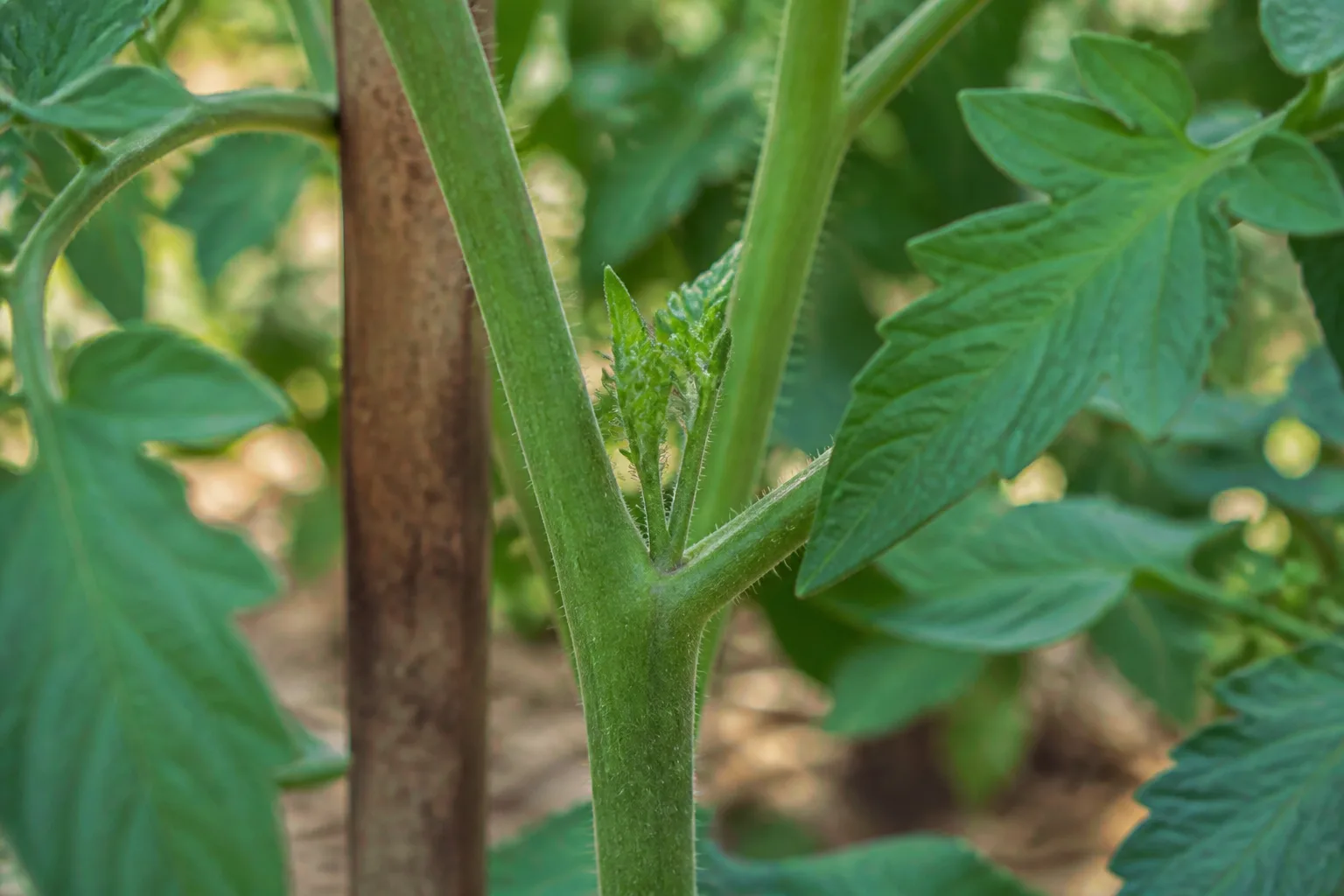
A tomato sucker is an axillary shoot that emerges in the V-shaped gap between the main stem and a leaf petiole. When young it looks like a tiny leaf bud; left alone it becomes a full branch with its own flower clusters and fruit. UW Extension and UGA both illustrate removal on the lower stem where suckers steal water and energy before the first truss (Tomato Pruning; UGA C1150).
Do not confuse suckers with fruit clusters—flowers and small green fruit hang from knobby stems that extend from the main vine, not from the narrow axil pocket. When in doubt, wait 48 hours; a sucker stays leafy, while a truss develops yellow blooms.
Step 2 — Pinch or Clip at the Right Size
Under 2 inches: snap the sucker sideways with a firm pinch at its base. 2–4 inches: use pruners and cut flush without leaving a stub that rots. Larger than 4 inches: switch to Missouri pruning (below) instead of ripping a thick shoot off the main stem.
Disinfect tools before moving to the next plant if you removed any yellowed or spotted tissue. Remove one-third or less of healthy foliage per session; WSU and Savvy Gardening both caution that stripping too much leaf exposes fruit to sunscald—pale, leathery patches on shoulders facing afternoon sun (WSU FS145E).
Step 3 — Remove or Stake Low Branches
Peel off lowest leaves that touch soil or flop into mud after rain. Soil splash carries early blight and Septoria spores onto older foliage first; removing those leaves slows upward spread (Savvy Gardening). If a low branch carries green fruit, tie it up rather than delete the cluster.
Any leaf showing uniform yellowing, brown spots with yellow halos, or water-soaked patches comes off promptly—even on determinate plants. Bag diseased material; home compost rarely heats enough to kill tomato pathogens. For identification help, see Identify, treat, and prevent tomato diseases.
Training One to Four Main Stems
Staked indeterminate tomatoes are usually trained to one to four leaders. The framework most experienced growers use:
- Stem 1: the original main stem—keep it.
- Stem 2: the sucker just below the first flower cluster—often the most vigorous secondary leader; many growers keep this one (Savvy Gardening).
- Stems 3–4 (optional): one sucker above the first truss if you want extra fruit on a strong trellis with excellent airflow.
After you reach your target stem count, remove every other sucker while it is small. Wait to decide until the first flower cluster is visible—early pinching below a truss you have not seen yet removes shoots you might have kept. Tie each leader loosely every 8–12 inches with figure-eight loops so twine does not cut into expanding stems.
Missouri Pruning for Overgrown Suckers
When suckers grow thick and woody because you missed a few weeks, do not snap them flush to the main stem. Missouri pruning clips only the growing tip, leaving two leaf sets on the sucker stub (Savvy Gardening). That reduces shade in the plant center without the shock of removing a foot-long branch or exposing ripening fruit to bare sun.
Use clean pruners, cut above the second leaf node on the sucker, and check weekly—Missouri-pruned stubs sometimes push new tips you will pinch again. This technique is for recovery, not routine maintenance; staying on top of small suckers is always gentler.
Why Pruning Helps Fruit Size, Airflow, and Disease Control
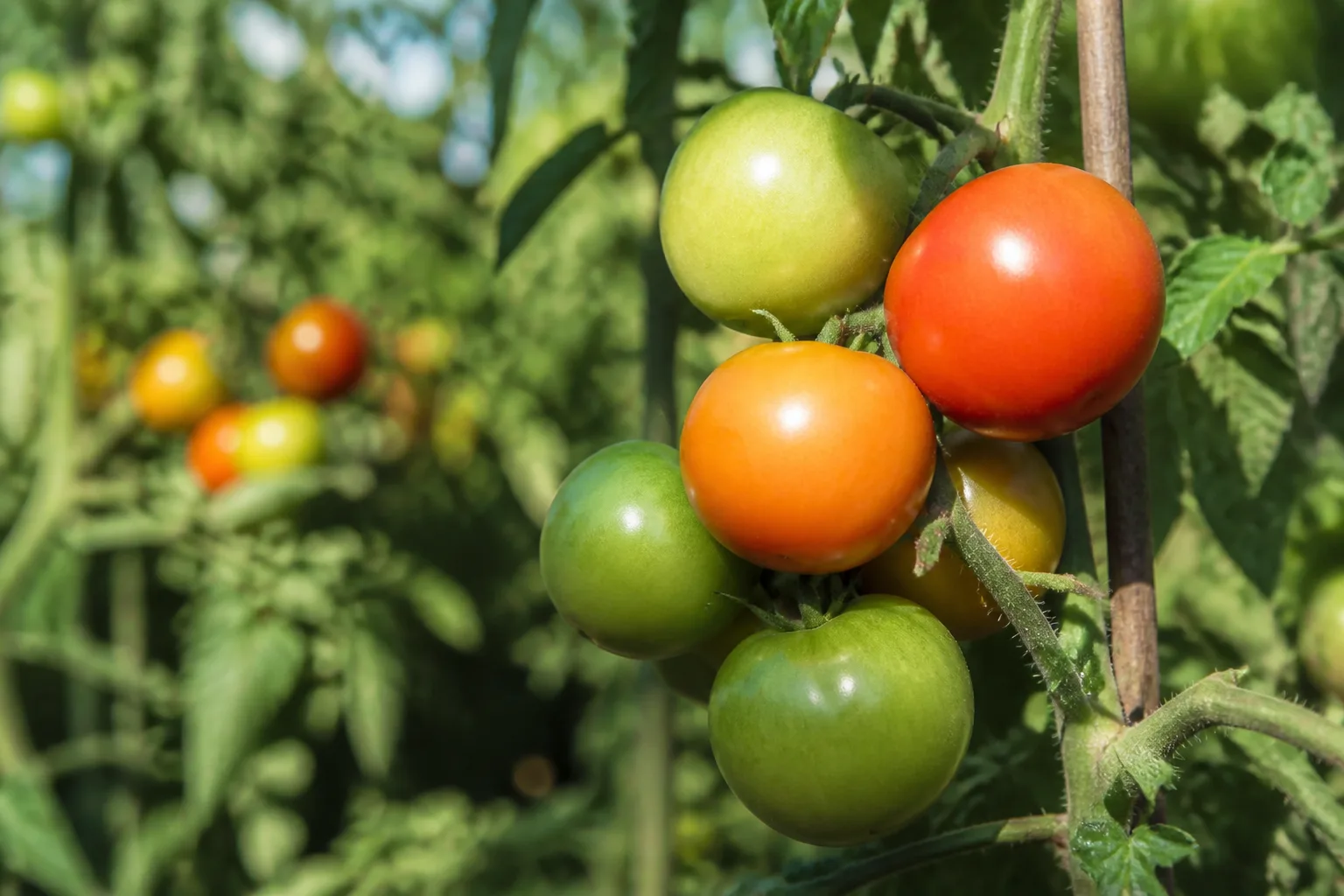
Larger earlier fruit: WSU notes pruning indeterminate plants redirects water and carbohydrates toward developing fruit rather than excess vegetative growth—especially valuable in short-season climates (WSU FS145E). You may harvest fewer total tomatoes on a heavily pruned vine, but individual fruits can size up faster.
Better airflow: A dense, unpruned canopy holds moisture after irrigation or rain, extending leaf wetness that Alternaria and Septoria need to infect. Opening the lower third while keeping upper leaves that dapple fruit strikes the balance extension guides describe.
Disease and soil contact: Removing lowest leaves breaks the ladder spores climb from soil splash to upper foliage. Pruning complements—not replaces—mulch, rotation, resistant cultivars (VFNT labels), and drip irrigation that keeps leaves dry.
Container size control: A vigorous indeterminate in a 5-gallon pot can outgrow its root zone; selective suckering plus consistent tying prevents the vine from becoming an unmanageable sail. Still, choosing compact or determinate cultivars for pots reduces how much pruning you need in the first place.
Common Tomato Pruning Mistakes—and How to Avoid Them
Pruning determinate bush types for “more air.” You gain little and lose flower-bearing shoots. Limit determinate pruning to sanitary lower-leaf removal.
Removing every sucker on indeterminate plants. Zero suckers means fewer flowering branches. Train to one to four leaders, not bare poles.
Cutting when leaves are wet. Wait for dry foliage after rain or overhead watering.
Skipping tool sanitation. Wipe blades with 70% isopropyl alcohol between plants when any blight is present (Iowa State Extension).
Stripping leaves around green fruit. Keep a light leaf canopy over developing tomatoes to prevent sunscald; remove shading leaves only when fruit is nearly mature and weather is mild.
Letting suckers become branches. A five-minute weekly pinch beats an hour of Missouri recovery pruning in August.
Confusing topping with sucker removal. Topping cuts the main growing tip late in season to redirect sugars to existing fruit—a frost-season tactic, not mid-July maintenance. Never top determinate plants whose tips already terminate in flower clusters.
Conclusion
Pruning a tomato plant starts with three questions: Is the cultivar determinate or indeterminate? How is the vine supported—stake, cage, or weave? Is the foliage dry and the plant healthy enough to tolerate leaf loss? Indeterminate tomatoes on stakes benefit from selective sucker removal, a clear one-to-four stem plan anchored at the first flower cluster, and regular lower-leaf cleanup to keep soil pathogens off foliage. Determinate bush tomatoes need hands-off sucker management with only sanitary trimming.
Work in small, dry-morning sessions, sanitize tools when disease appears, and keep enough leaves to shade fruit. When the season winds down, shift from training cuts to topping and flower removal using the guidance in Is it too late to prune tomatoes?. Match every cut to a purpose—airflow, support, fruit size, or disease—and put the shears down when the plant has answered the question for you.