How to Prune a Fiddle-Leaf Fig to Encourage New Growth
Prune a fiddle-leaf fig with confidence: choose a goal, find a healthy node, make a clean cut, protect yourself from sap, and support new growth over time.
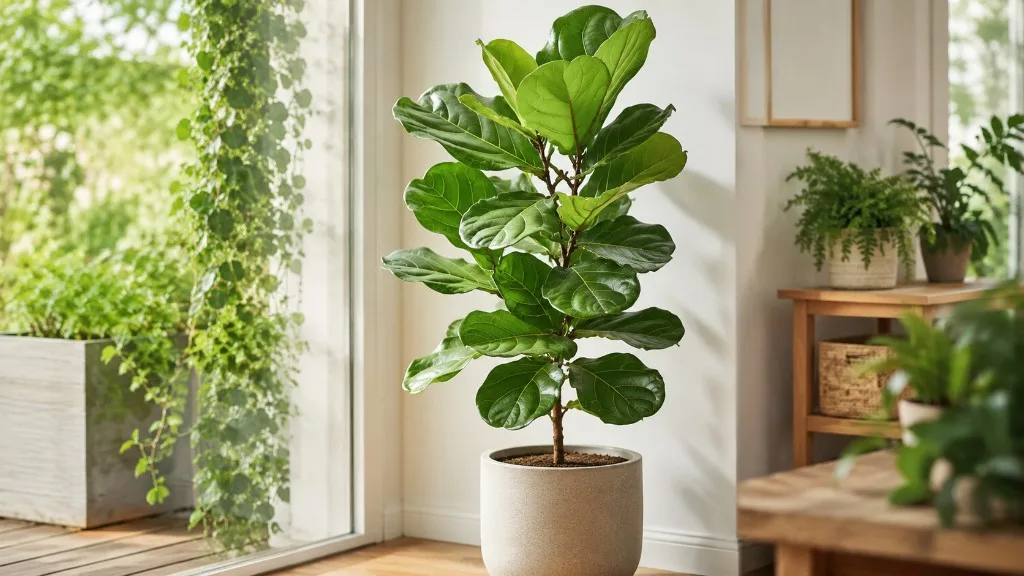
If you want a fiddle-leaf fig to branch, make a clean cut on the main stem just above a healthy node while the plant is actively growing and has strong light. The cut removes the growing tip; one or more buds below it may then grow, but the number and timing of new shoots are not guaranteed. A plant that only needs a damaged leaf removed needs a much smaller cut, while a leggy or stressed fig may need better light and steadier care before any reshaping.
Quick answer: cut above a healthy node when the plant is growing
Choose a healthy section of stem, find a node or leaf scar, and cut a short distance above it with clean, sharp bypass shears. A node is the point where a leaf attaches or attached; it may have a small dormant bud beside it. Removing the terminal tip can reduce the stem’s upward dominance and allow buds lower down to grow, but no cut can force a particular number of branches.
For the best chance of a response, prune when your fig is producing growth or when longer, brighter days are supporting active growth. Set the plant in bright, indirect light before and after the cut, keep its watering routine steady, and avoid combining a hard prune with a move, repot, or other major change. NC State Extension describes fiddle-leaf fig as a tropical evergreen that can be pruned as needed, but also notes that it is sensitive to overwatering and prefers bright indirect light or partial shade. NC State Extension’s Ficus lyrata profile supports those care and species details.
Choose the result you want before you cut
“Prune for new growth” can mean several different things: shorten a tall trunk, encourage lateral branches, remove damaged material, or improve an uneven shape. Decide which result matters most before you reach for the shears. One well-placed cut is easier for the plant to recover from and easier for you to evaluate than several small cuts made without a clear plan.
Lower a tall stem without stripping the plant
If the top of your fig is approaching a ceiling or has become hard to manage, choose a height where you would be happy for the plant to branch. Make the cut above a node on the main stem, ideally leaving healthy leaves below the cut so the plant retains photosynthetic tissue while it recovers. The new top will be lower, but the plant may later send shoots from buds below the cut and grow upward again.
A very bare trunk is a different decision. If there are no healthy leaves below the point where you want to cut, a large top reduction leaves the plant with less leaf area to support recovery. You can wait for the plant to regain vigor, improve its light, or accept that a severe height reduction may take longer to recover and may not produce the shape you want. Do not cut low simply because a bare stem looks untidy; first decide whether you are comfortable with a slower, less predictable result.
Encourage branching on a healthy single stem
A single-stem fiddle-leaf fig often grows upward from its top bud. Removing that tip can let dormant buds lower on the stem break, creating side shoots. Make the cut at the height where you want the future branch structure to begin, not at an arbitrary distance from the ceiling or pot. If you want the finished plant to remain compact, account for the fact that new branches will also elongate toward light.
There is a trade-off: a higher cut preserves more of the tree’s existing height, while a lower cut creates a shorter starting point for a new canopy but removes more leaf-bearing stem. Some growers report getting several branches after a substantial cut on a mature, woody stem, but that is an individual result rather than a reliable rule. A Piece of Rainbow describes its own successful fiddle-leaf fig cuts and also notes that notching reports vary; treat those experiences as examples, not a promise that your plant will make the same number of branches. A Piece of Rainbow’s branching account is useful as a case report, not as controlled evidence.
Remove damaged leaves without reshaping the tree
A yellowing or torn leaf can be removed by cutting its petiole near the trunk without slicing into the trunk itself. Removing a leaf tidies the plant, but it does not usually make a new branch appear at that spot. If a leaf is partly green and still firm, keep it unless there is a specific reason to remove it; it continues to contribute energy while the plant is recovering.
If several leaves are yellowing or dropping, pause before turning cleanup into a major prune. Check recent watering, drainage, light, drafts, and root condition. Pruning cannot correct soggy soil, a recent cold shock, or a dark location, and cutting healthy growth from a plant already losing leaves adds another demand while it is trying to stabilize.
Choose timing by growth and available light
Spring and early summer are often practical pruning windows for indoor figs because light levels rise and many plants begin active growth. The Royal Horticultural Society’s ornamental-fig guide recommends shortening overlong shoots in late winter or early spring; for a potted fiddle-leaf fig, use that as a transition into brighter growth rather than a reason to prune during the dimmest part of winter. The same guide includes fiddle-leaf fig among ornamental figs and notes that vigorous specimens may need a size-reduction cut. The RHS ornamental-fig growing guide offers that broader timing context. Indoors, the plant’s condition matters more than the month: look for new leaves or expanding buds and enough steady light for it to keep growing. In the Southern Hemisphere, use the local growing season rather than Northern Hemisphere calendar dates.
Avoid major shaping when the plant is dormant or barely growing through a dim winter. A small cut to remove a broken or dead section can be made when needed, but a large height reduction is easier to recover from when the plant has favorable light and is otherwise stable. If you use grow lights, keep the plant’s normal lighting consistent; do not suddenly move it into harsh direct sun to “make” the cut respond.
Wait if the fig has just been moved home, repotted, exposed to cold, or is dropping leaves from an unresolved care issue. Let it settle and show signs of healthy growth before making a structural cut. If you need to shorten a plant urgently because it is damaged or unsafe, make the smallest cut that solves the immediate problem and postpone cosmetic shaping.
Check the plant and read the stem
Before cutting, step back and view the plant from the side you see most often. Mark the height you want, then look at the stem below that point for healthy leaves, leaf scars, branch junctions, or buds. If the tree is lopsided, also consider where the window is: new shoots tend to develop more reliably when the plant receives enough light across its canopy.
Fiddle-leaf figs are small tropical trees in their native range and can reach several feet indoors; a tall plant is not automatically in need of pruning. NC State Extension lists houseplant heights from about 2 to 10 feet and describes pruning as needed, so choose a cut for a real space or structure goal rather than a fixed annual schedule. If the actual issue is sparse growth, correct the growing conditions first. This fiddle-leaf fig light guide can help you assess whether the plant has enough light to support new shoots.
Find a node, leaf scar, and possible bud
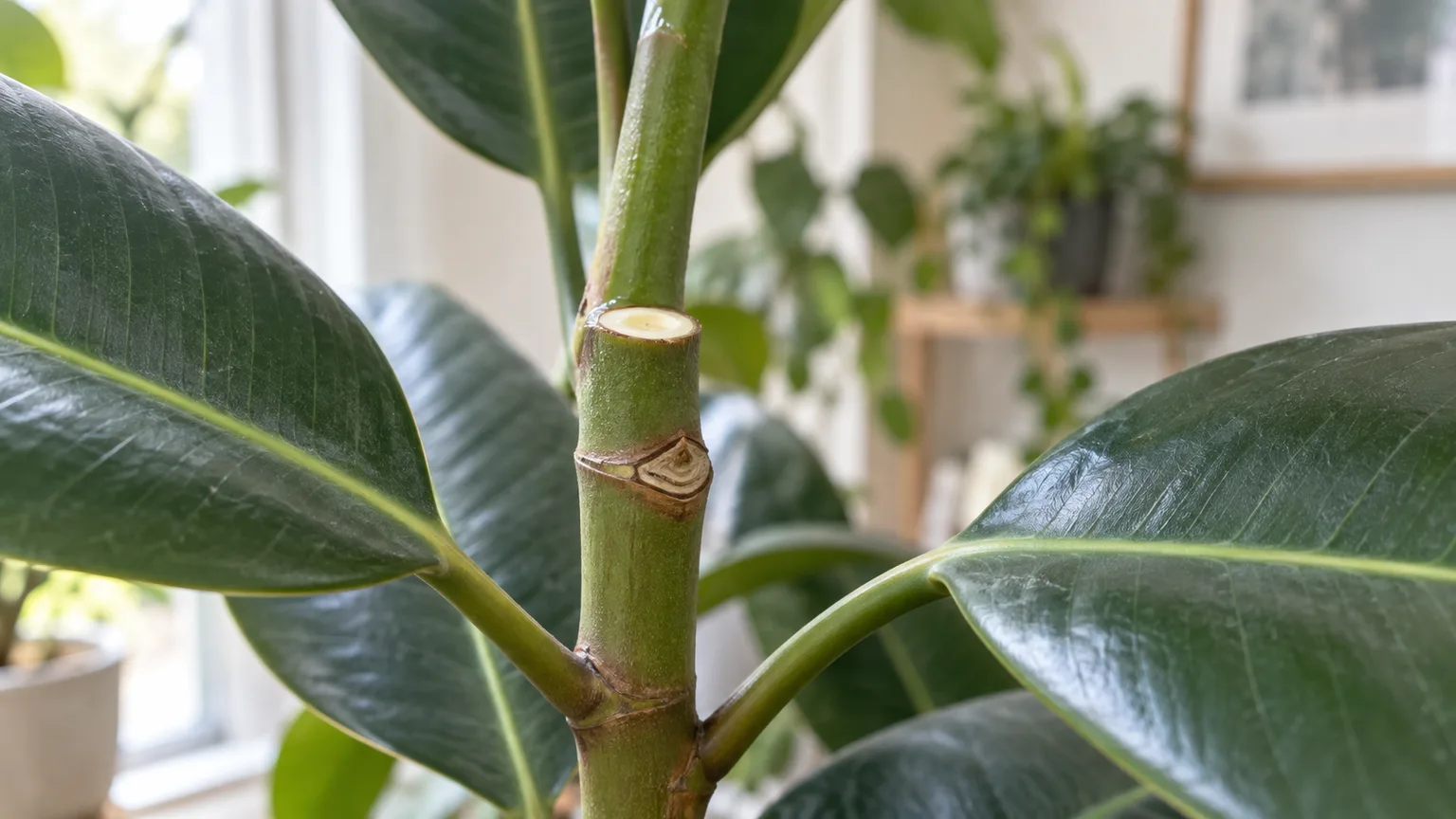
A node is the point on the stem where a leaf or branch grows. On older sections, the leaf may be gone, leaving a small scar or raised ring. A dormant bud may appear as a small bump beside the leaf scar, but it can be subtle or hard to see on mature bark. Choose a healthy node below the part you intend to remove; avoid cutting through a node or leaving a long stub above it.
For a topping cut, place the shears just above the chosen node and make one clean cut. You do not need a steep angle or a complicated notch. The cut itself does not dictate exactly where the next shoot appears: a bud near the cut may wake, another may remain dormant, or no visible growth may appear for some time. If the stem has no healthy node or leaf scar near your preferred height, pick another point or wait rather than guessing at a bare section.
Decide how much to remove in one session
For routine shaping, remove only the growth needed to reach your goal and then wait to see how the plant responds. An Extension expert answering a fiddle-leaf fig pruning question recommends removing no more than about 10% of the tree in a pruning session. The RHS guide, by contrast, says vigorous ornamental figs may cope with hard pruning when they outgrow their space. These are different risk levels, not a reason to cut aggressively: treat the 10% figure as a cautious baseline for ordinary indoor shaping, and consider a larger reduction only on a vigorous plant when you accept a slower, less predictable recovery. Ask Extension’s Ficus lyrata pruning response gives the conservative limit and frames pruning around the grower’s preferred shape.
Do not remove a set number of leaves just because another plant tolerated it. A mature, actively growing specimen with many leaves has a different reserve from a small fig with a thin trunk or a plant that has recently dropped foliage. If you are unsure, make one structural cut, leave healthy leaves in place, and reassess after you see new growth.
Gather clean tools and protect the work area
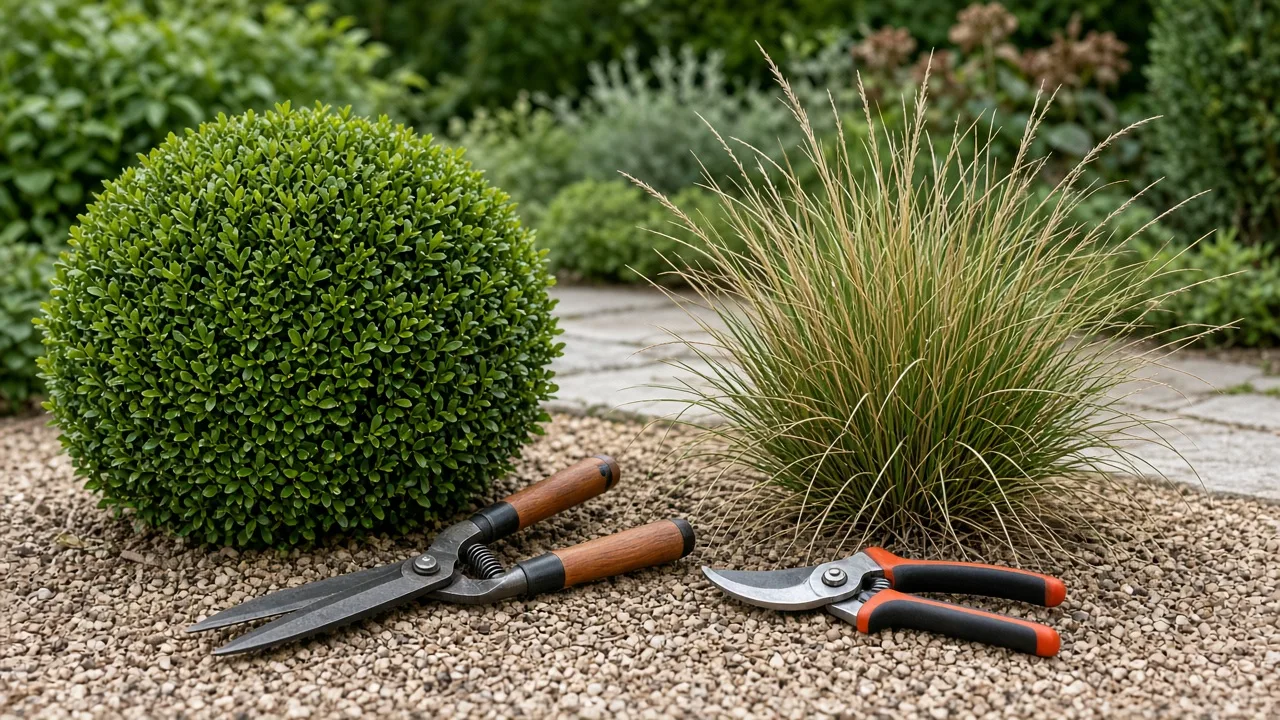
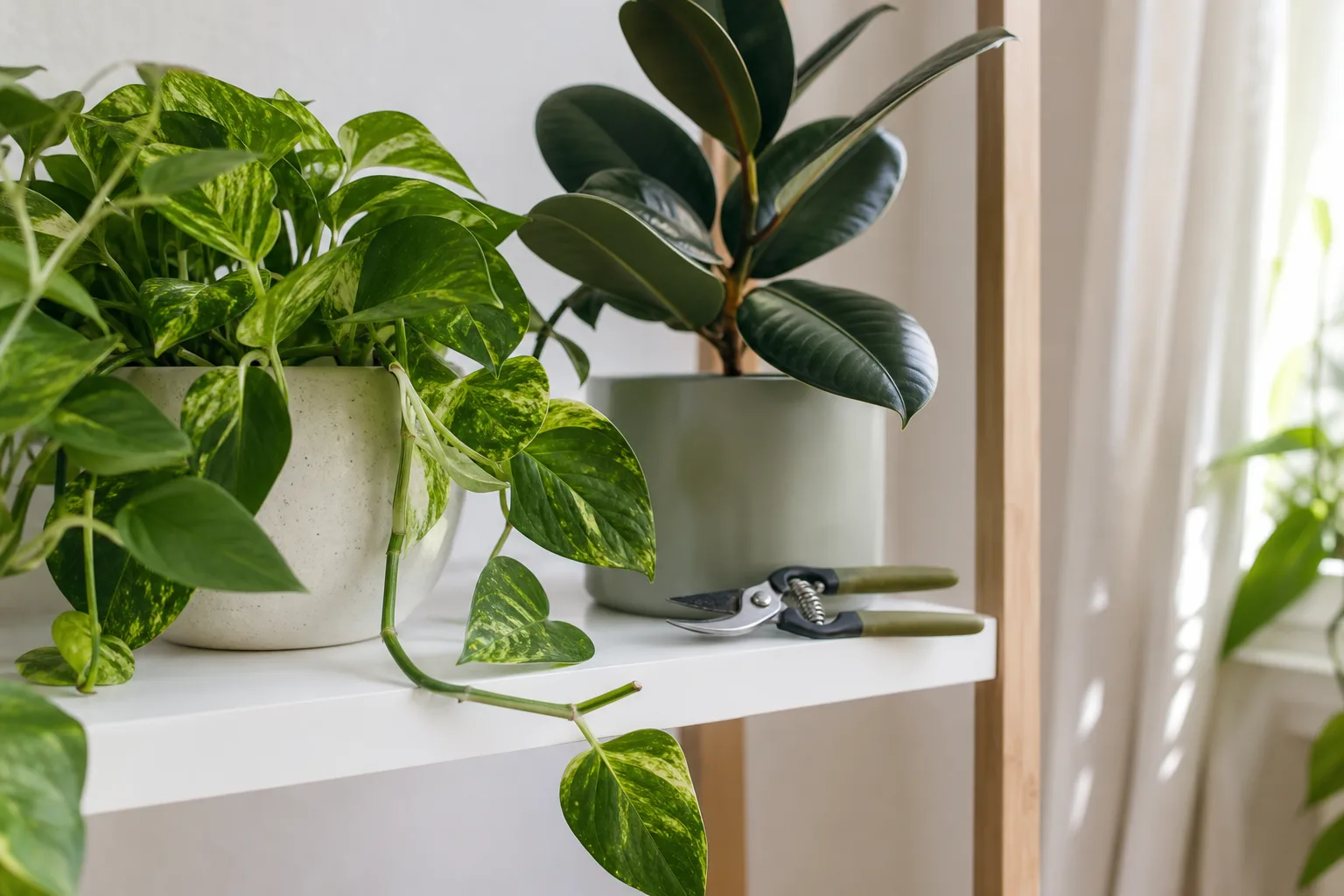
Use sharp bypass pruning shears sized for the stem. They make a cleaner cut than dull scissors or anvil-style tools that crush soft tissue. Clean the blades before starting and between cuts if you move from diseased material to healthy stems. If the plant has several branches to remove, wipe away sap and debris so the blades continue to close cleanly.
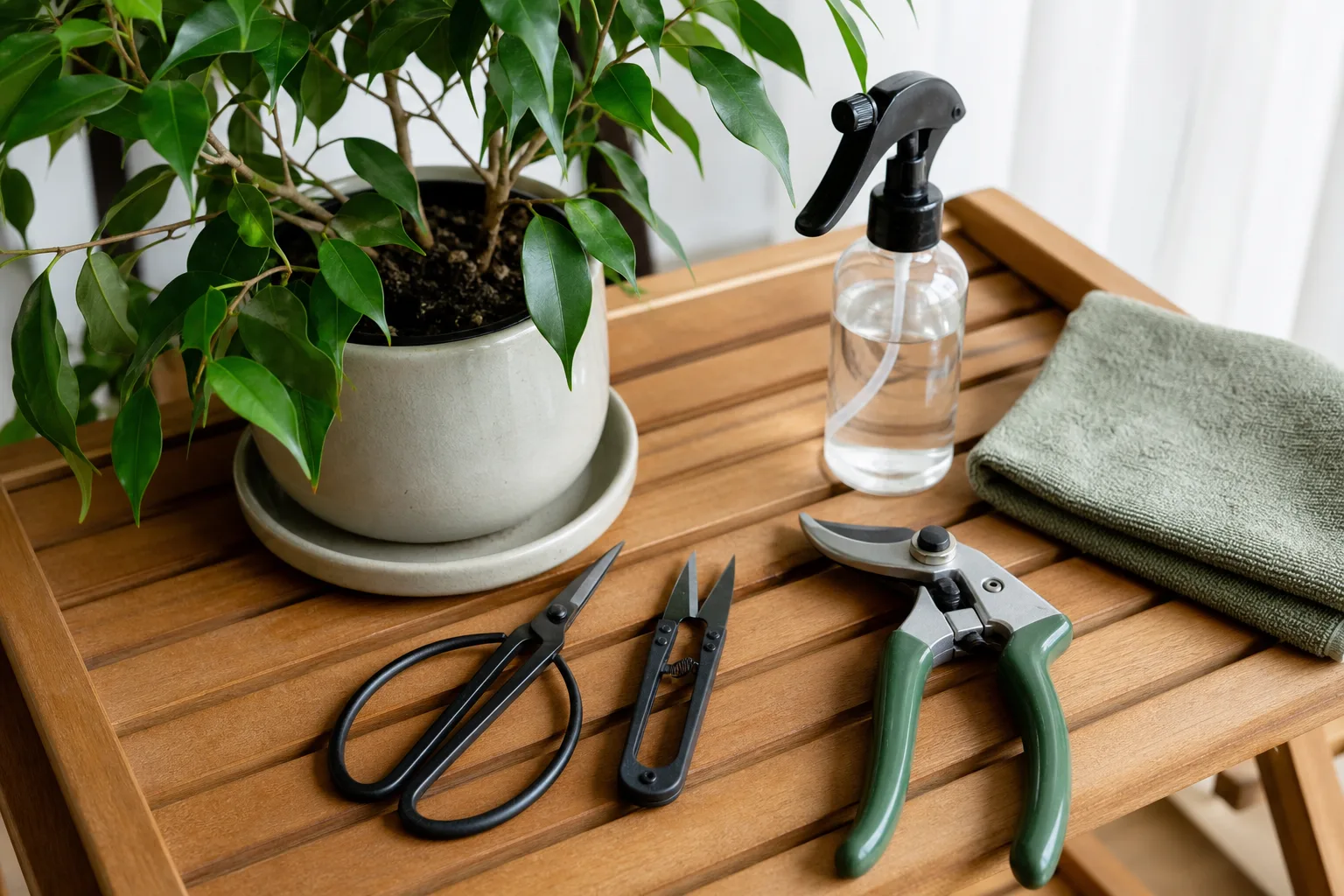
Wear disposable or washable gloves, especially if you have sensitive skin, and keep a damp cloth or paper towel nearby for sap. Put newspaper or a washable mat under the plant, and move pets and children away from the cutting area. The plant’s size matters too: stabilize the pot, use a second person for a heavy or top-heavy fig, and avoid stretching over the plant with sharp tools. If a stem is thicker than your shears can cut cleanly, use an appropriate sharp tool rather than forcing the blades.
Make a deliberate pruning cut
- Identify the goal: height reduction, branching, or removal of damaged material.
- Confirm that the plant is stable and has healthy growth below the planned cut.
- Locate the node or leaf scar you want to keep and decide where the cut will leave the stem.
- Position clean shears just above the node, then close them in one smooth motion without twisting or crushing the stem.
- Set the removed stem aside if you may want to propagate it, then check that the remaining trunk is not split or torn.
A clean cut is more useful than a complicated one. Do not repeatedly shave the stem because the first cut looks imperfect; each extra cut removes more tissue and can create a longer healing edge. If you are removing a side branch rather than topping the main stem, cut close to its attachment without gouging into the main trunk or leaving a long dead stub.
Handle the white sap safely
Fiddle-leaf fig stems release milky latex sap when cut. NC State Extension says the sap can irritate skin and recommends gloves when handling the plant, particularly during pruning or propagation; the plant is also toxic to people, cats, and dogs if eaten. Keep cut material and sap away from mouths, eyes, and food surfaces, and do not let pets chew on fresh cuttings. NC State Extension’s plant profile describes the contact and ingestion risks.
If sap gets on skin, wash it off promptly with soap and water and remove contaminated gloves or clothing. Wipe the cut surface gently if it is still dripping, then let it dry; do not seal the wound with wax, paint, or household products. Clean the shears before putting them away. When the pruning is done, bag or place the cut pieces where children and animals cannot reach them.
Give the plant steady aftercare
Return the fig to the bright, stable spot where it was growing well. Keep it out of strong midday sun if it is not acclimated to it, and do not rotate it sharply into a darker corner after cutting. Light supports the energy needed for recovery, but sudden changes can create a second stress event. If the plant is leaning toward a window, rotate it gradually over several weeks rather than making repeated large changes.
Water according to the soil and the plant’s usual pattern, not according to the fact that it has been pruned. The cut does not mean the roots need extra water, and soggy soil can compound stress; NC State Extension notes that fiddle-leaf figs are sensitive to overwatering. Let the upper soil begin to dry before watering again, and make sure excess water drains away. Do not add a strong fertilizer dose to force a shoot; return to the plant’s normal growing-season feeding routine once it is growing again.
Avoid repotting, aggressive root pruning, repeated topping, and major relocation while the cut is healing unless a separate urgent problem requires action. A stable environment gives you a clearer read on whether the plant is responding to the cut or to some other change. If the plant already had root or watering trouble, resolve that problem first and expect recovery to take longer.
What to expect after pruning
A cut removes the active tip, but the next response depends on the plant’s light, season, health, and dormant buds. New growth may appear below the cut after several weeks during active growth, or it may take longer when conditions are less favorable. A new leaf emerging from a branch tip is not the same as a side branch; give a shoot time to extend before deciding what shape it will make.
Do not use a fixed calendar countdown as a reason to cut again. Watch for a swelling bud, a green point, or a new leaf sheath, and compare the stem with a photo taken on pruning day. If the plant remains firm and healthy, waiting is usually safer than making a second cut because nothing happened within two weeks.
One shoot, several shoots, or no immediate response
One new shoot is common and does not mean the cut failed. The plant may favor the strongest bud, while other nearby buds stay dormant. If you want a balanced canopy, give the first shoot enough time to grow and then decide whether a later tip-prune is appropriate; cutting it immediately can restart the process and delay a fuller structure.
Several shoots may emerge at different heights or grow at different speeds. Keep the strongest shoots that fit your plan, and allow them to leaf out before removing a competing shoot. If the branches lean toward the brightest side, improve the light distribution and rotate the plant gradually. Branching is a growth response, not a precise architectural service: expect to guide the shape over time rather than get a finished canopy from one cut.
What to check if growth does not appear
First check season and light. A plant cut in winter or kept far from a bright window may simply be growing too slowly to show a response. Next check for ongoing stress: a persistently wet root ball, a pot without drainage, cold drafts, or repeated leaf drop can suppress growth. The fiddle-leaf fig care guide covers the broader light, water, and temperature checks that matter when a pruning cut is not followed by new shoots.
If the stem above the cut is drying back, use clean shears to remove only dead tissue until you reach firm, healthy stem. Do not keep cutting down the trunk unless you find more dead material or have a clear new height goal. If the whole plant is declining, stop shaping and address the care issue first; another cut is unlikely to solve the underlying cause.
Common mistakes that delay recovery
- Cutting a weak plant to solve a care problem. Improve light, watering, or root health before asking the plant to replace lost growth.
- Removing every damaged-looking leaf. Partly green leaves still help the plant; remove dead, broken, or badly diseased tissue, not every cosmetic blemish.
- Cutting without a node in mind. A cut above a healthy node gives nearby buds a chance to grow; a random bare-stem cut may produce an unpredictable response.
- Making several large cuts at once. Stage major shaping so you can see how the plant responds before removing more.
- Expecting the cut to make the plant bushy immediately. New shoots need time to grow, and the branch count varies.
- Changing everything after pruning. Do not move the plant, repot it, overwater, and fertilize heavily all at once; those changes make recovery harder to assess.
- Ignoring latex sap. Use gloves, clean the work area, and keep fresh cuttings away from pets and children.
If pruning is part of fixing a thin or leaning shape, it helps to distinguish a permanent bare trunk from a plant stretching toward one side. A careful indoor plant pruning guide can help you compare cleanup, thinning, and structural cuts before making another change.
Root the cutting if you want another plant
A healthy tip or stem section may be worth rooting rather than discarding. Choose a piece with at least one viable node; a section with several nodes gives you more options if one section fails. Remove leaves that would sit below the water or rooting medium, and keep at least one healthy leaf if the cutting can support it. Wear gloves and rinse sap from the cutting before you handle it further.
You can root a cutting in water or in a light, consistently damp propagation medium, but neither route guarantees success. Keep the cutting warm with bright indirect light, change water when it becomes cloudy, or keep the medium lightly moist rather than saturated. Once roots are established, pot the cutting into a free-draining mix and let it adjust. If propagation is the main goal, plan the cut and cutting length before trimming; do not make a large cut first and decide afterward what to do with it.
Conclusion
Prune a fiddle-leaf fig by choosing the result you want, cutting cleanly just above a healthy node, and making the change while the plant has active growth and good light. Leave healthy leaves below the cut when possible, protect yourself from the milky sap, and keep aftercare steady instead of trying to force a response with extra water or fertilizer.
The safest rule is to make one purposeful cut, then give the plant time. It may produce one shoot, several, or none until conditions improve; that uncertainty is normal. If the fig is stressed, improve its care first and save shaping for when it is growing well.