How to Prune Trees and Plants: Timing and Technique
Learn how to prune trees and plants by growth habit, bloom time, and goal. Choose safe cuts, the right tool, and when to call an arborist with confidence.
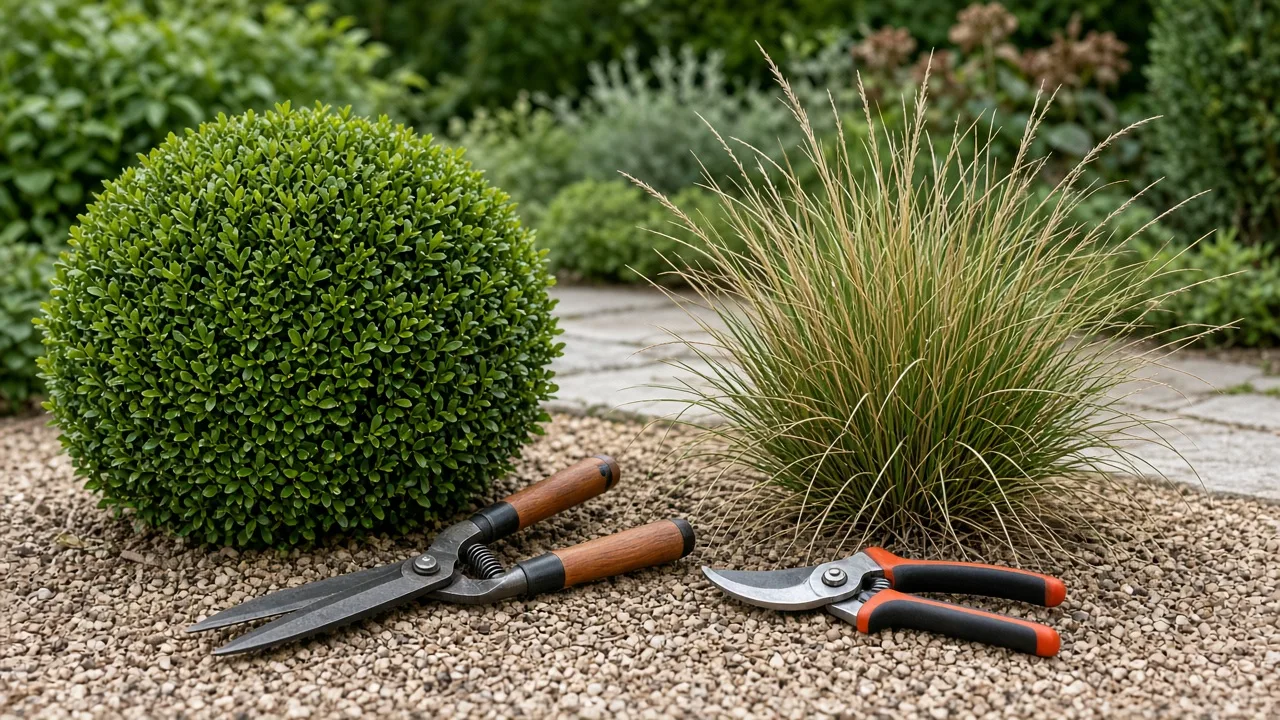
The safest way to prune is to identify the plant, name your goal, and then remove only the growth that helps meet it. A dead twig, a branch rubbing against another, a shrub that just finished flowering, and a fruit tree with a crowded canopy are different jobs; they do not share one best month or one correct cut.
If you are unsure what a plant is, or whether it blooms on old or new wood, pause before making a major cut. For routine maintenance, start with dead, damaged, diseased, crossing, or badly placed growth. For shaping or fruit production, decide what you want the remaining structure to do, then choose cuts that guide growth in that direction.
Start with the goal, not the calendar
Pruning is not an annual requirement for every plant. Some trees and shrubs develop a balanced shape with little help, and unnecessary cutting can remove flowers, reduce fruiting wood, or create a flush of weak shoots. Prune when you can name the benefit: removing a hazard, preventing branches from rubbing, improving light and air movement, correcting a young plant’s structure, encouraging a specific kind of growth, or keeping a plant within a suitable space. The University of Georgia Extension’s pruning guide makes the same important point: a plant’s growth habit determines its pruning needs.
Start with the least disruptive action that will achieve the goal. If a branch is dead, remove it cleanly. If two live branches rub, keep the better-positioned one and remove the other at its point of origin. If a shrub is simply too large for its location, repeated clipping may keep it small for a season but create a dense shell over a bare interior. A better long-term solution may be selective thinning, staged renewal, or replacing the shrub with one that naturally fits the space.
Think of the job in three passes. First, remove material that is dead, broken, diseased, or unsafe. Second, improve the plant’s structure by addressing crossing, inward-growing, or competing branches. Third, make optional shaping cuts only if the plant still needs them. Step back between passes; the shape often looks better after the first two than you expect.
Choose a cut that matches the result
A pruning cut changes where a plant is likely to branch. A heading cut shortens a stem or branch to a bud or side branch. Removing the tip can release buds below the cut and make nearby growth denser. That can help train a young fruit tree or encourage a shrub to branch, but repeatedly heading every outer stem can produce a crowded layer of shoots.
A thinning cut removes a whole stem or branch back to its origin: another branch, the main trunk, or the soil line. It opens space without leaving a stub and is usually the better choice when you want to reduce congestion or preserve the natural outline. University of Minnesota Extension describes the difference in its article on training young apple trees: heading cuts promote shoots near the cut, while thinning cuts remove a branch and discourage regrowth at that point.
For a small stem, cut just above a healthy bud that points in the direction you want the new shoot to grow. Leave enough stem to protect the bud, but not a long dead stub. For a branch attached to another branch or trunk, locate the raised branch collar and the ridge of bark where the two meet. Cut just outside that union. Do not slice flush against the trunk or leave a long peg.
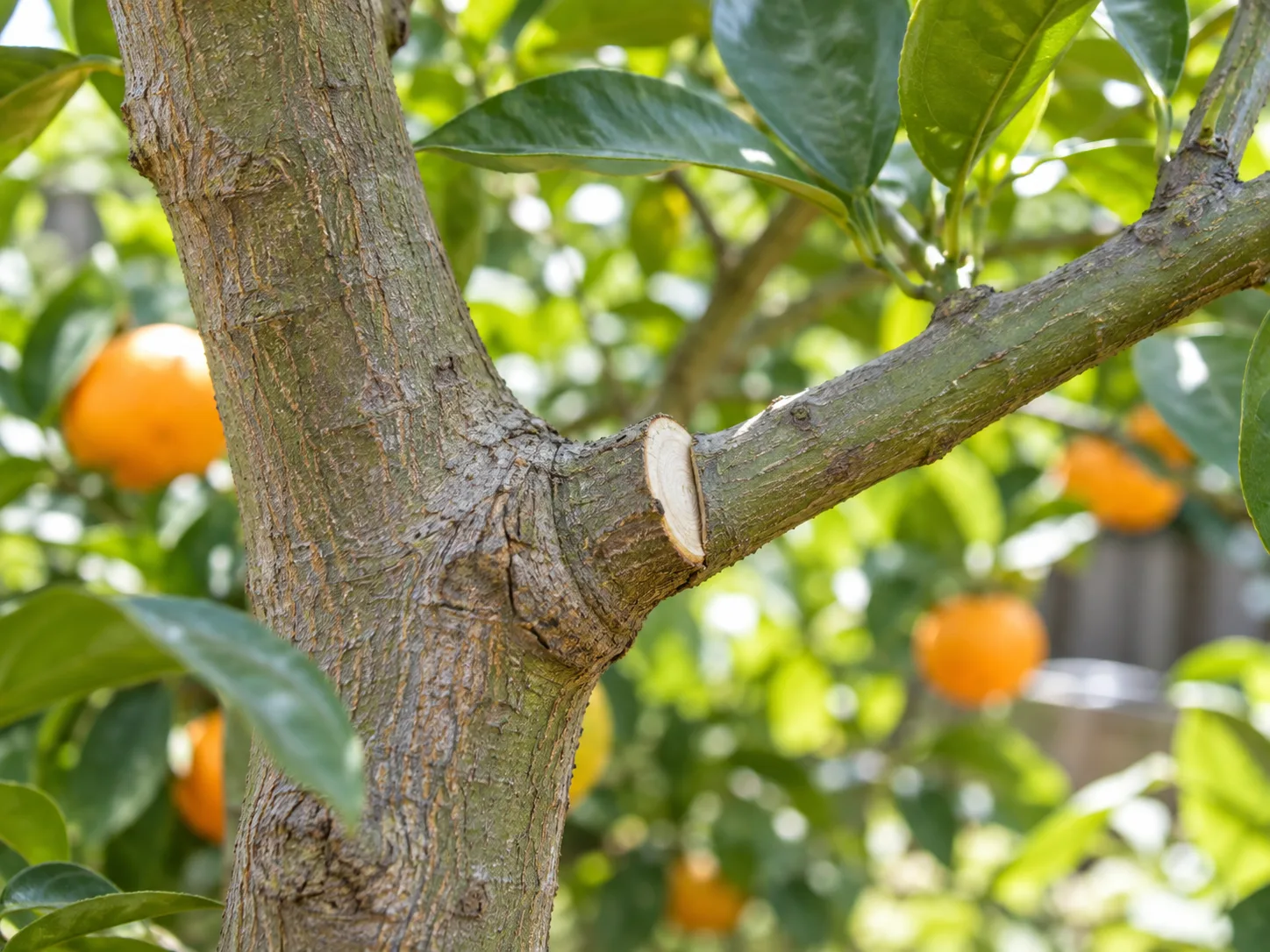
The branch collar is not excess wood to shave away. It contains tissue that helps the tree close over a pruning wound, so cutting into it can enlarge the injury. On the other hand, a long stub cannot close as efficiently as a cut placed just beyond the collar. The RHS tree-pruning guide explains this target and also advises against routinely painting or binding cuts; well-placed cuts are generally left to close naturally.
Time pruning by bloom and growth cycle
Calendar advice is useful only after you know what kind of plant you have and what you plan to remove. Dormant-season pruning makes a deciduous tree’s branch structure easy to see, and many fruit trees are pruned before spring growth. But flowering shrubs, trees that bleed heavily, stone fruits vulnerable to disease, and evergreens can need different timing. Climate matters too: “late winter” arrives on different dates in different regions.
For any plant grown for flowers or fruit, ask two questions before you cut: where does it carry its buds or fruiting wood, and when is the plant actively growing? A local extension service or a reliable plant-specific guide is more useful than a generic seasonal rule. If the timing is unclear and the branch is not hazardous, waiting until you identify the plant is often the most productive choice.
Spring-flowering trees and shrubs
Many spring-flowering shrubs set flower buds on growth made the previous season. If you prune in winter or early spring, you may remove the buds that were meant to open that year. For forsythia, lilac, weigela, and many viburnums, do the main shaping soon after flowering ends; then the plant has the rest of the growing season to form new wood and buds. A guide to pruning spring-flowering shrubs offers the same practical timing rule and recommends selective cuts that preserve the shrub’s natural shape.
“After flowering” does not mean shearing the whole shrub immediately into a ball. First remove dead or damaged stems, then take out a few of the oldest or least useful branches at ground level or at a strong side branch. If only a light correction is needed, shorten a branch to a healthy outward-facing bud. The goal is to retain next year’s flowering framework while keeping light and space inside the plant.
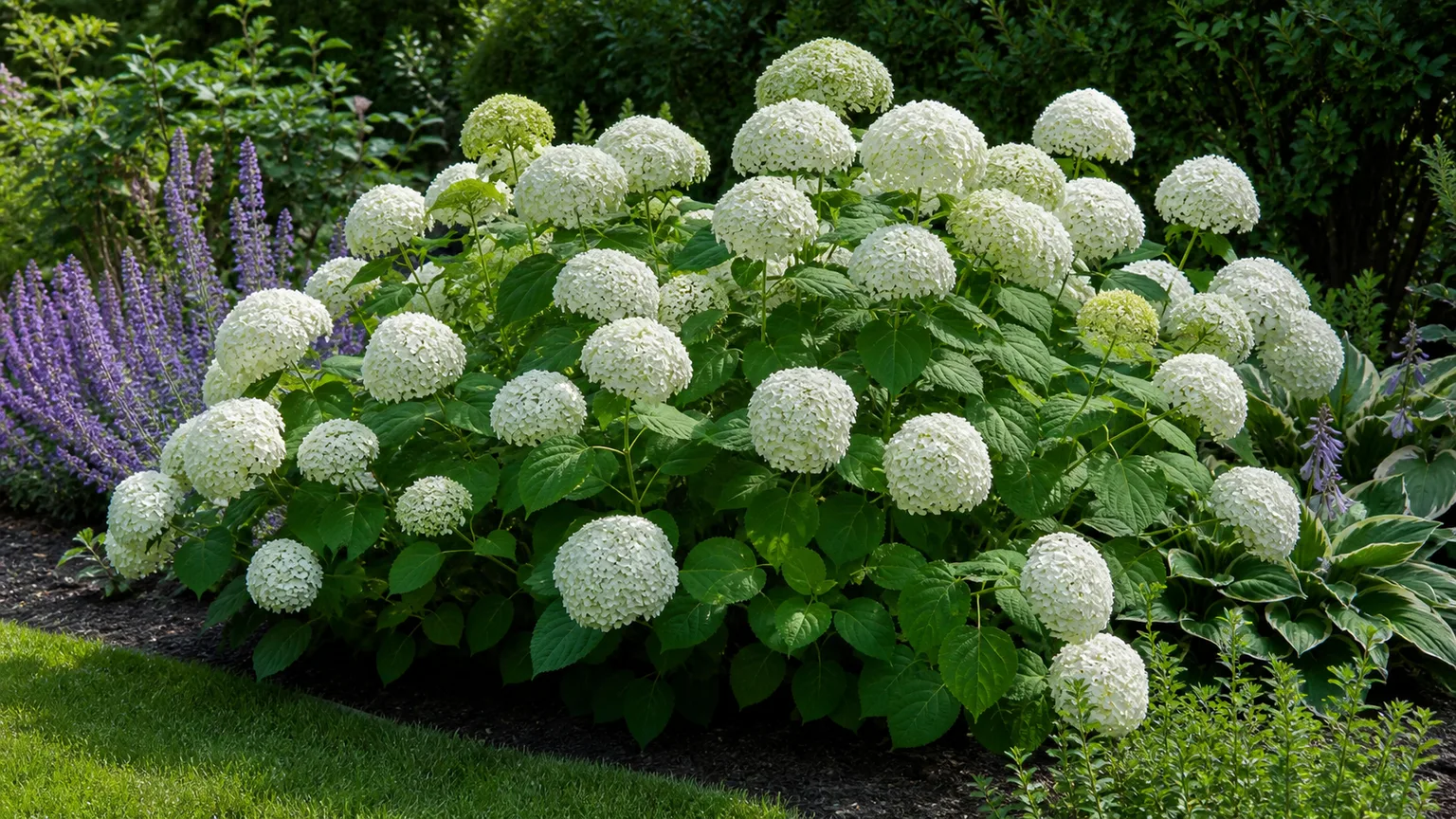
Hydrangeas show why the plant label matters. Some varieties flower primarily on last year’s stems, others flower on new growth, and some can flower on both. Even plants sold under the same common name can differ by cultivar. Identify the type before cutting back hard; otherwise you may remove the coming season’s display while trying to tidy the shrub.
Summer flowers, fruit, and timing exceptions
Shrubs that flower on new growth produced in the current season are often pruned in late winter or early spring, before the new shoots lengthen. This timing lets you shape the plant while it is dormant and gives the new stems time to mature. It is a broad pattern, not a guarantee: check a species-specific guide for late-blooming azaleas, hydrangeas, roses, and other groups with unusual bud habits.
Fruit trees are pruned for structure, light, access, and fruit quality, not just to make the canopy look neat. Many apples and pears are trained or maintained during dormancy, while summer pruning can control overly vigorous growth in some systems. Stone fruits may have disease-related timing rules that differ by species and region. Avoid applying one fruit-tree calendar to every tree in the orchard.
Some trees, including birch, maple, walnut, and grape, can bleed sap from cuts at particular points in the season. Visible sap is often more alarming than harmful, but pruning at a species-appropriate time can reduce it. Sources differ on the exact window for some trees because climate and local disease pressure vary; check regional advice rather than assuming that a winter cut is always best. The RHS discusses bleeding from pruning cuts and recommends letting ordinary wounds heal naturally instead of trying to bind them.
Follow a safe pruning sequence
Before cutting, set a clear limit for the job. You may be cleaning up a shrub, removing a broken limb from a small tree, or thinning the center of a fruit tree. Those are manageable from the ground with hand tools. If the work involves height, heavy branches, a chainsaw, a ladder, or a tree defect, skip the DIY attempt and move to the safety section below.
Inspect first and decide what to remove
Walk around the whole plant before making the first cut. Look for dead wood, broken limbs, rubbing branches, shoots growing into the center, suckers from the base, and branches that compete with the plant’s main framework. On a tree, also look for a split union, a hanging limb, or a branch extending over a roof or walkway. A branch that is merely inconvenient may be better handled by changing the nearby planting or path than by making a severe cut.
For flowering plants, look for buds and note which branches carried flowers last season. For a cane berry, identify which canes already fruited and which are new. For a conifer, check whether the green growth reaches the point you plan to cut; many conifers do not reliably replace foliage from old bare wood. Marking the candidates with soft tape or taking a quick photo can help you check the overall balance before you begin.
Prioritize cuts that solve a real problem. Remove a dead branch to its living attachment; shorten a broken limb below the damaged section at a healthy branch or bud; remove a rubbing branch by keeping the one with the better angle and stronger attachment. Do not remove a live branch just because it is long or because a pruning session feels incomplete.
Match the tool to the branch and make the cut
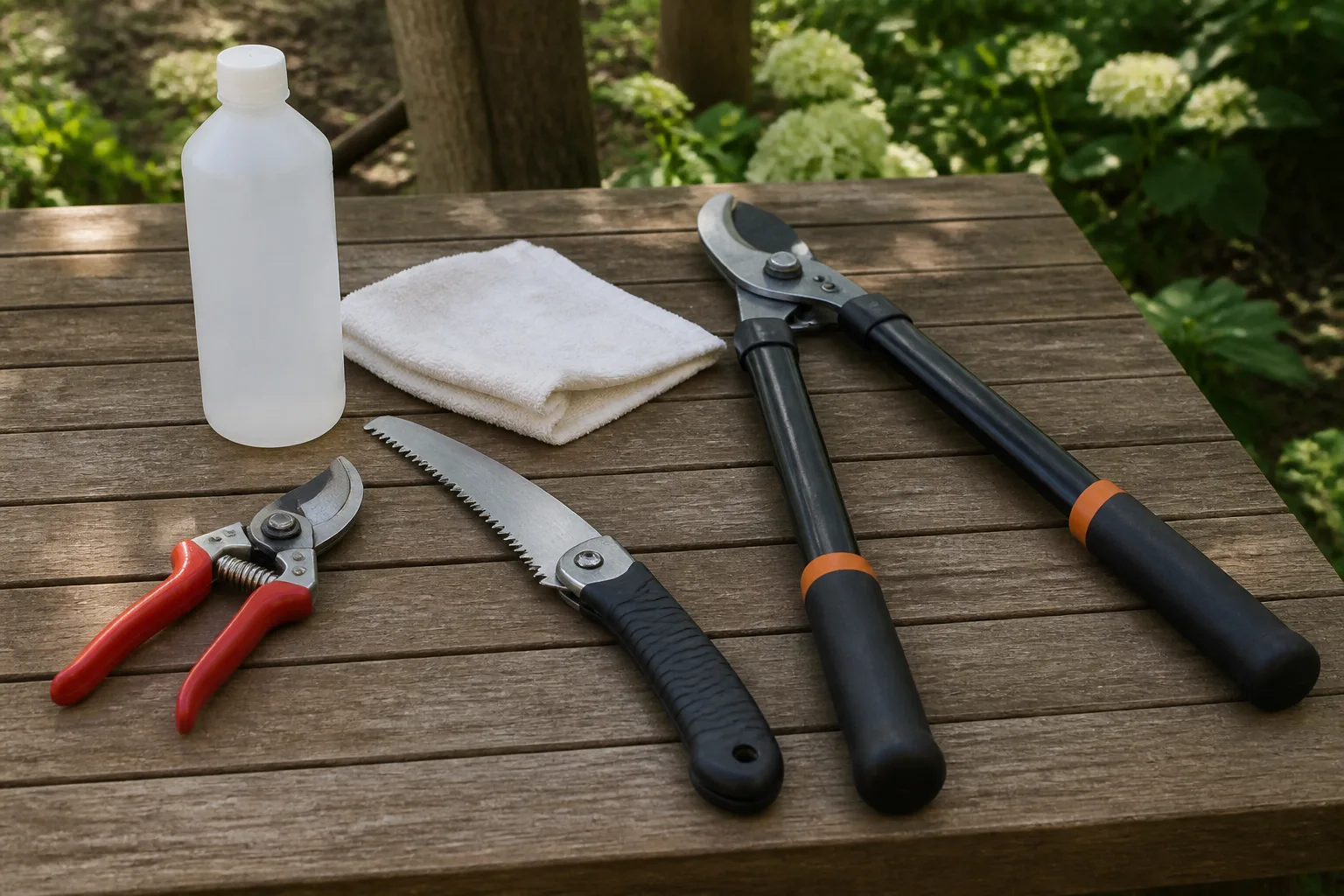
Use sharp bypass hand pruners for small, flexible stems; long-handled loppers for branches too large for comfortable hand-pruner cuts; and a pruning saw for larger wood. Choose by the tool’s stated capacity and the plant’s branch size, not by how hard you can squeeze. If a tool crushes, twists, or tears the stem, it is undersized or dull. Hedge shears are for clipping a hedge surface, not for removing large branches from a shrub.
Make one clean cut rather than repeatedly crushing the branch. For a larger limb that could tear bark as it falls, use a three-cut method: make a shallow undercut a short distance from the trunk, make a second cut from above farther out to remove the limb’s weight, then remove the remaining stub just outside the branch collar. The University of Georgia Extension guide illustrates this sequence. Do not attempt it on a limb too large to control from the ground.
Keep blades clean, especially when you have removed diseased wood. Wipe off sap and debris between plants; if you suspect a contagious disease, disinfect the cutting surface before moving to another plant and follow the disinfectant label. Clean tools make smoother cuts and reduce the chance of carrying pathogens on sap or plant debris. Store blades dry and sharpen them when they begin to tear rather than slice.
Adjust technique by plant type
The same basic cuts serve many plants, but the goal changes by group. Use the examples below as a starting point, then confirm the cultivar-specific instructions for plants with unusual flowering or fruiting habits.
Fruit trees and berry canes
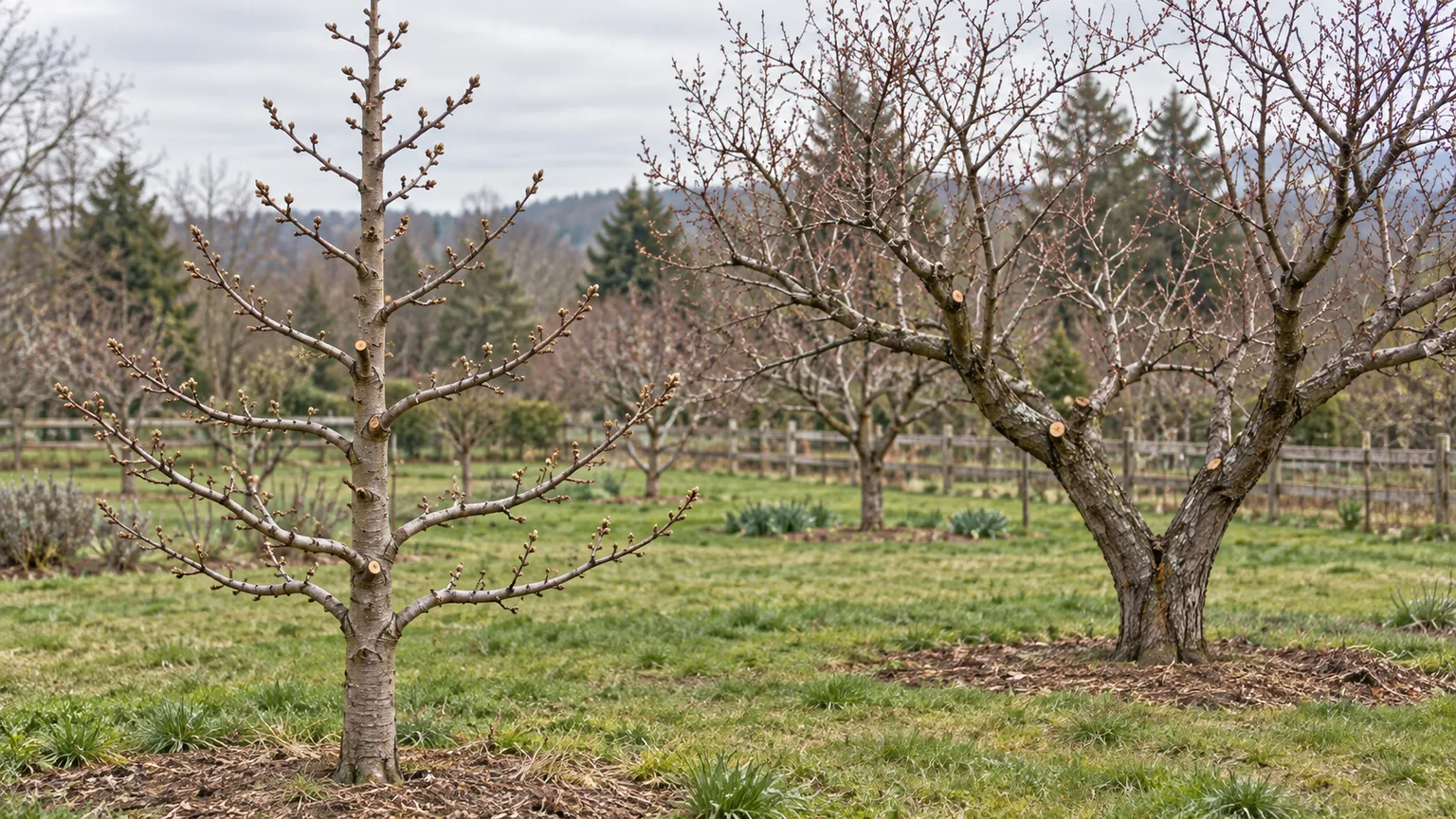
For a young fruit tree, pruning is partly training: you are helping establish a strong framework before the tree becomes large. Remove a competing leader or poorly placed branch only when it conflicts with the intended form. University of Minnesota Extension notes that young apple training can combine dormant heading cuts with later branch positioning; the objective is a stable shape and useful light, not a uniformly short tree.
On a mature apple or pear, remove dead, crossing, crowded, or strongly upright shoots that shade productive branches. Thin selectively so light reaches into the canopy, but keep enough leaf area to support fruit growth. Large limbs removed simply to make the tree smaller can trigger vigorous regrowth and create new structural problems. If a mature tree needs major size reduction, have an arborist or fruit-tree specialist plan it.
Berry canes need to be sorted by age and fruiting cycle. Many summer-bearing raspberries and blackberries fruit on canes that grew the previous year; those spent canes are removed after harvest, while the younger canes are retained for the next crop. Primocane-bearing types can produce on first-year growth and may be managed differently. Thin crowded canes for access and airflow, but do not reduce every bramble to a short hedge without confirming its fruiting habit.
Flowering shrubs, vines, and roses
For a shrub that blooms once in spring, preserve its older flowering wood and prune after the display. For one that blooms later on current-season growth, light structural pruning before new growth may be appropriate. Rejuvenation pruning is a separate, more drastic job: some vigorous, multi-stem shrubs can be renewed gradually by removing a portion of their oldest stems over several years, while other species tolerate a hard cut. Confirm the species before choosing either method.
Vines can be especially confusing because some flower on new stems while others flower on established growth. First untangle and identify the vine, then remove dead or misplaced stems without stripping away the framework that carries its flowers. For trained climbers, preserve the main framework and shorten selected side shoots according to the species guide.
Roses are not one pruning category. Hybrid teas, floribundas, shrub roses, and once-flowering climbers can have different timing and cut patterns. A small cleanup of damaged stems is different from a seasonal framework prune. Use the rose type and your local growing conditions to set timing, and do not take a generic shrub schedule as a rose-specific instruction.
Perennials, herbs, and houseplants
Pruning herbaceous plants often means deadheading spent flowers, pinching young stems to encourage branching, or removing damaged growth—not cutting every perennial to the ground. Some perennials are left standing through winter because their seed heads feed wildlife or their stems protect crowns. Others are tidied in fall or spring. If you do not know the species, remove dead material selectively and wait before making a full-bed cutback.
For herbs grown for leaves, harvest or pinch above a leaf node so the plant can branch below the cut. Remove flower stalks when you want to delay bolting in leafy herbs, but allow some plants to flower if pollinators or seed are part of your goal. Avoid stripping a herbaceous plant of most of its healthy leaves at once; leaves provide the energy for regrowth.
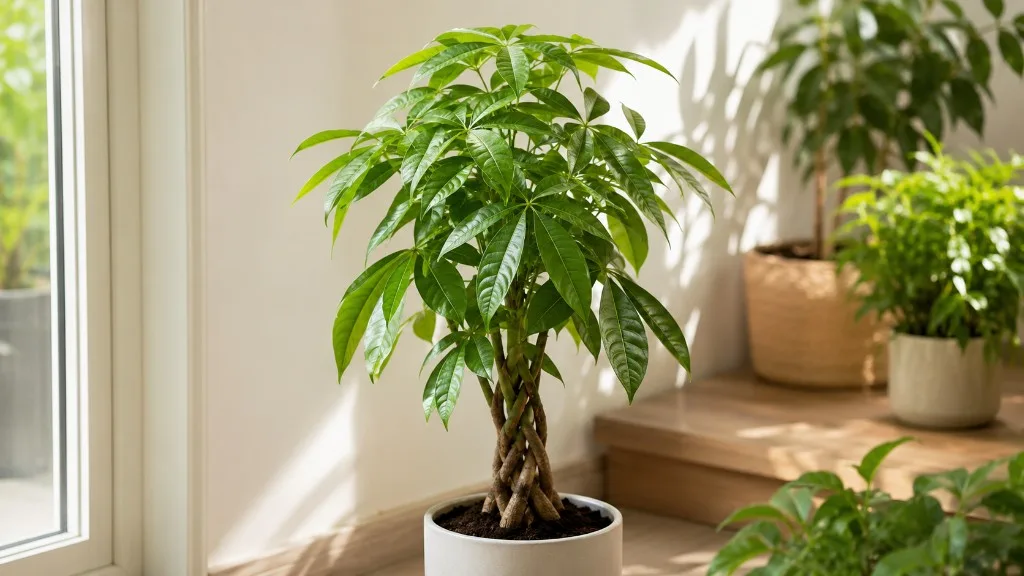
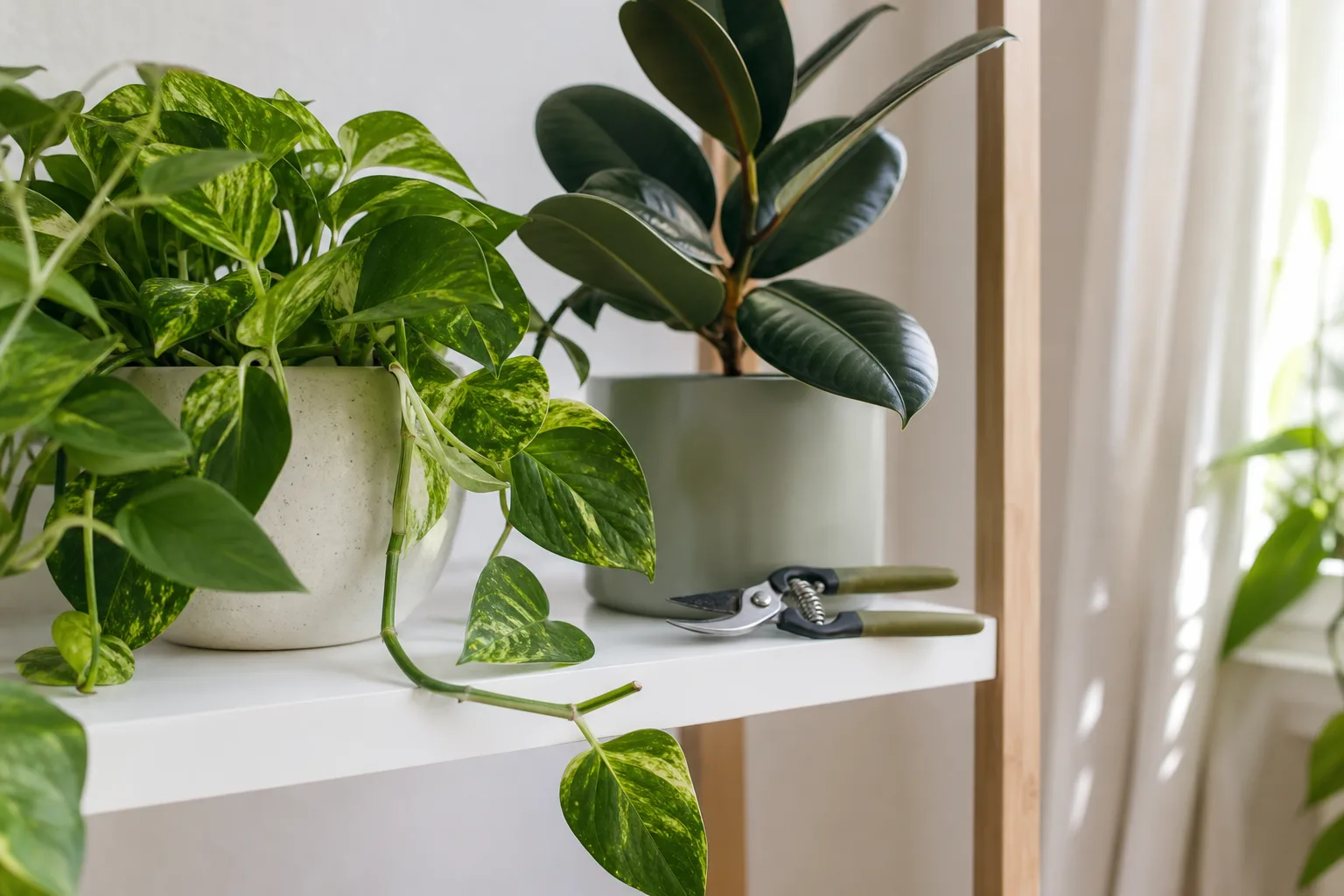
Houseplants follow similar growth principles but have different practical limits. Use clean scissors or pruners on soft stems, cut just above a node, and remove yellowing or broken leaves at the base of their stalks. A leggy plant may need brighter light or a change in care before pruning; cutting it back in poor conditions can leave it with even less energy to recover.
Evergreens and conifers
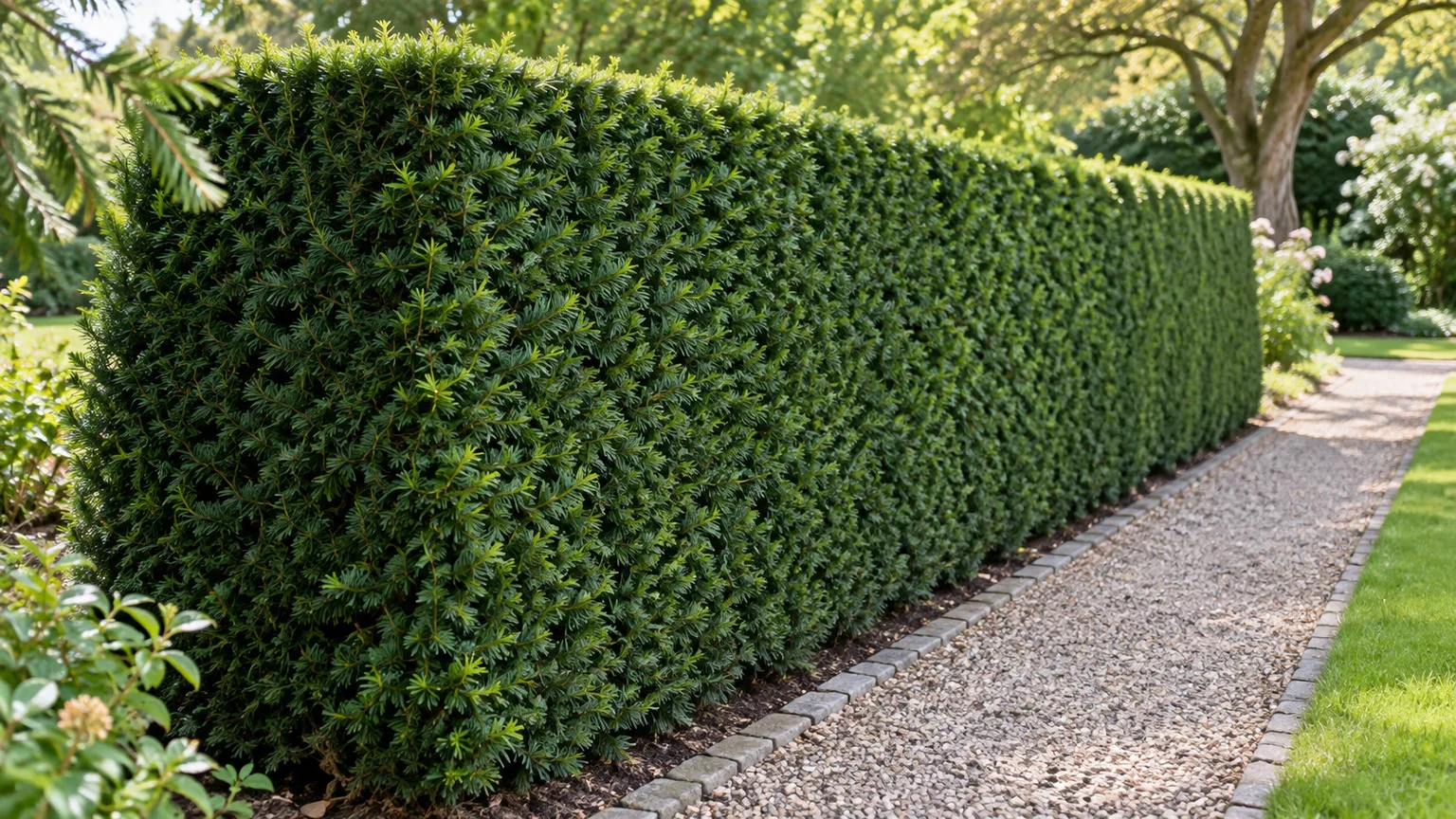
Many established evergreens need only occasional removal of dead, damaged, or misplaced branches. Do not assume they can be cut back as far as a deciduous shrub. Yew can often produce growth from older wood, but many pines, spruces, and other conifers will not refill a bare section once you cut beyond the green needles or leaves. Lightly shape current-season growth while it is still green, and preserve the plant’s natural outline.
For a formal hedge, shearing can be appropriate when the plant is suited to it and that clipped look is the goal. Keep the base slightly wider than the top so lower foliage receives light. An experienced arboretum approach to formal hedge trimming uses a shallow taper for that reason. For a free-form shrub, hand thinning usually retains a more natural shape and helps prevent the outer shell from becoming dense while the center thins.
How much can you remove at once?
The popular one-third rule is a caution, not a license to remove that much from every plant. A healthy, established shrub that tolerates renewal may recover from a substantial prune; a newly planted tree, a drought-stressed shrub, or a conifer with little green foliage left may not. Even the same species can respond differently depending on age, site, disease, and how much leaf area remains.
Use the plant’s condition and the work’s purpose to decide when to stop. Remove dead or hazardous growth first, then step back and reassess. For optional shaping, take less than you think you need and check the outline after each cut. If the job requires removing several major limbs or much of the live crown to achieve the desired size, split the work into an informed plan or consult a qualified professional instead of trying to finish in one session.
Newly planted trees usually benefit from retaining their leaves while roots establish; limit pruning to damaged branches and any species-specific training needed at planting. A weak or drought-stressed plant also needs recovery, not a severe haircut. After pruning, water normally for the plant and season, keep mulch away from trunks, and avoid adding fertilizer solely to force quick regrowth.
Mistakes that make plants harder to manage
The most common mistake is pruning at the wrong time for the plant’s flowers. A winter cleanup can remove spring buds, while pruning a vigorous shrub late in fall can encourage tender growth that is exposed to cold. When flower display matters, identify whether blooms form on old wood or new wood before shaping.
Another mistake is cutting every branch to the same length. Repeated heading produces clusters of shoots near the cut, and repeated shearing can leave a shrub with a dense exterior and little foliage inside. Use thinning cuts where you need to open the structure; reserve shearing for plants and designs that are maintained as clipped hedges.
Avoid flush cuts, long stubs, and topping. A flush cut removes the collar; a stub leaves dying wood beyond the point where the plant can efficiently close the wound. Topping a tree by cutting across large limbs creates large wounds and often triggers a mass of weak shoots. If you need to lower a tree or reduce its canopy, ask an arborist about appropriate reduction cuts—or consider replacing a tree that has outgrown its site.
Finally, do not turn every pruning question into a one-third calculation. There is no percentage that makes a wrong-season or wrong-location cut safe. If you cannot explain why a branch should come off, leave it until you have a species-specific reason.
When to stop and call an arborist
Prune only what you can reach and control while standing securely on the ground. A ladder combined with a saw, a pole tool near wires, or a heavy branch above people, a roof, or a walkway can cause serious injury. Never prune near power lines yourself; contact the utility or a qualified tree-care professional.
Hire an arborist for branches that require climbing, chainsaw work, a ladder, or control of a falling limb. Get professional advice when the tree has a split union, a large cavity, hanging branches, a major storm injury, or a need for substantial crown reduction. These are structural and safety decisions, not ordinary garden cleanup. The RHS tree guide also recommends professional help when you are uncertain about a large tree job.
If a tree seems too large for its space, do not assume severe pruning will solve the mismatch. Some trees respond with rapid regrowth, while others are permanently disfigured. An arborist can tell you whether selective reduction is appropriate, whether the tree should be left alone, or whether replacement is the better long-term choice.
Conclusion
To prune trees and plants well, work from the plant outward: identify it, decide what the cut should accomplish, choose the correct timing, and remove only the growth that serves that goal. Keep spring-flowering wood, fruiting canes, and evergreen foliage in mind; each changes the way a general pruning rule applies.
Make clean cuts at a bud, branch, or branch collar, use a tool sized for the wood, and step back as the plant changes. If the work is high, heavy, close to wires, or needed to correct a major structural problem, leave it to an arborist. When the next cut is not clearly justified, waiting is a sound pruning decision.