How Much Does Landscaping Cost?
Landscaping cost depends on scope, site prep, materials, and location. See current project ranges and a practical checklist for comparing written bids.
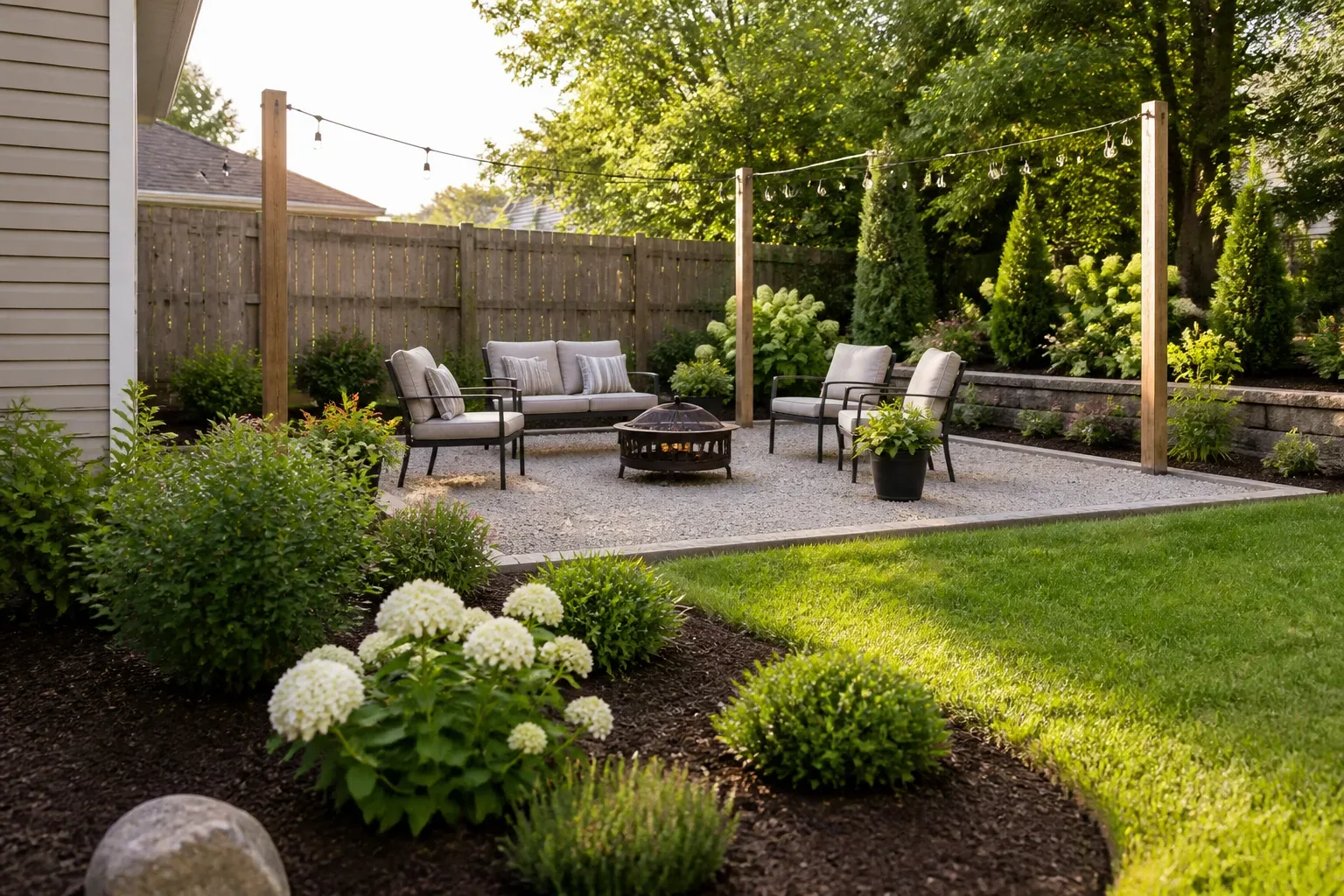
Landscaping can mean planting a few shrubs, replacing a lawn, building a patio, correcting drainage, or coordinating all of those jobs into a finished outdoor space. That is why a single “average landscaping cost” is a starting point, not a price you can apply to every yard.
For a quick 2026 benchmark, Lawn Love puts a typical intermediate project covering roughly 700 to 800 square feet at $3,300 to $13,200, with an $8,700 average and a broad $4.50 to $17 per-square-foot range. HomeGuide lists $4 to $12 per square foot for basic landscaping services and $3,000 to $16,000 for a new installation. These published ranges describe different scopes, so use them to orient a budget—not as a quote for your property. Lawn Love’s 2026 landscaping cost guide and HomeGuide’s 2026 landscaping cost guide give their respective estimates and context.
The most useful estimate starts with a defined work area and task list. Add design, removal, soil or drainage work, materials, delivery, labor, permits where needed, and ongoing care. Two equally sized yards can cost very different amounts if one needs only mulch and plants while the other needs grading, hauling, irrigation, and a stone terrace.
Start With a Scope-Based Budget, Not a Yard-Wide Average
Before using a cost range, decide what “landscaping” includes in your project. A maintenance visit, a bed refresh, a new lawn, and a full design-and-installation contract are different purchases. A homeowner who wants two planting beds and a path should not budget as if the entire lot will be redesigned; someone starting with bare, uneven ground should not compare bids against a simple refresh.
Measure only the area that will receive work. Sketch its dimensions, note the existing features to keep or remove, and separate the work into tasks such as lawn, planting beds, paving, irrigation, lighting, or drainage. Record whether each item is a repair, replacement, or new installation. This turns “make the yard look better” into quantities a contractor can price.
It also prevents a common misunderstanding: the lot area is not the landscaped area. A property may include a house, driveway, deck, and existing trees that stay in place. Even the work zone may include several surfaces with different unit costs. A 600-square-foot plan might include 300 square feet of lawn, a 100-square-foot patio, and 200 square feet of planting beds; multiplying all 600 square feet by one rate hides those differences.
What Current Cost Guides Actually Say
Two current national guides show why averages need labels. In its 2026 article, Lawn Love describes $3,300 to $13,200 as a typical range and $8,700 as an average for an approximately 700- to 800-square-foot landscape of intermediate complexity. It also gives $4.50 to $17 per square foot, which produces a wide spread as the measured area grows. Those numbers are useful for an early planning conversation, but Lawn Love says the chosen services affect the result.
HomeGuide’s February 4, 2026 guide lists $4 to $12 per square foot for basic services, $50 to $100 per hour for a two-person crew, and $3,000 to $16,000 for new installation. Its wording is not identical to Lawn Love’s intermediate landscape scenario. The two ranges should not be averaged together or treated as competing quotes: “basic services” and a mid-complexity installation can include different tasks, preparation, materials, and labor assumptions.
| Published 2026 guide estimate | Scope stated by the source | How to use it |
|---|---|---|
| $3,300–$13,200; average $8,700; $4.50–$17 per sq. ft. | Lawn Love: about 700–800 sq. ft., intermediate complexity | Broad planning benchmark; ask which tasks and preparation are included. |
| $4–$12 per sq. ft.; $3,000–$16,000 new installation | HomeGuide: basic services per area and a separate new-installation range | Compare only with a proposal of similar scope. |
These are cost-guide estimates, not a uniform national bid database or a price for a specific lot. Local availability, materials, taxes, permits, and hidden conditions can change the total. Use the ranges to distinguish a small service call from a multi-thousand-dollar installation, then seek itemized local pricing.
Why Cost Per Square Foot Can Mislead
Square-foot pricing works best for repeated work across a defined area, such as sod or a simple rectangular patio. It is less useful for mixed tasks: a short walkway, one large tree, a low wall, and small beds can require substantial setup, excavation, delivery, and finish work despite modest area.
The difference becomes clear when applying a broad range to one area. At Lawn Love’s 2026 guide range of $4.50 to $17 per square foot, 500 square feet works out to roughly $2,250 to $8,500. For 1,000 square feet, the arithmetic becomes $4,500 to $17,000. These are calculations from that guide’s range, not predicted bids; a small project can still have a minimum crew charge, and a large area can be relatively simple if it requires little preparation.
Ask what the unit covers. Does the price include removing existing turf, hauling debris, new soil, edging, delivery, irrigation, and cleanup? Is labor included? Are there minimum quantities or trip charges? If a quote prices mulch by the yard, paving by the square foot, and tree work by the tree, compare each unit and the corresponding quantity rather than forcing all costs into one blended rate.
Typical Landscaping Costs by Project
Project-specific guides can make a broad landscape budget more concrete. The following 2026 estimates from Lawn Love and HomeGuide, plus HomeGuide’s planting guide, depend on quantity, access, design, and local rates. They are not additive to whole-yard averages above; a full installation may already include some tasks.
| Work item | Published guide range | What can change the price |
|---|---|---|
| Lawn seeding | $0.04–$0.18 per sq. ft. in HomeGuide’s 2026 guide | Existing vegetation removal, soil preparation, seed type, and watering plan |
| Sod installation | $1–$2 per sq. ft. in HomeGuide’s 2026 guide | Sod variety, delivery minimums, grading, access, and irrigation |
| Yard grading | $0.40–$2.00 per sq. ft. in HomeGuide’s 2026 guide | Amount of soil moved, machinery access, haul-off, and drainage destination |
| Patio installation | $2,290–$6,420 in Lawn Love’s 2026 guide | Patio size, material, base preparation, pattern, and grade |
| Flower bed installation | $650–$3,000 per bed in Lawn Love’s 2026 guide | Bed dimensions, soil replacement, plant size, edging, and irrigation |
| Planting flowers | $15–$45 per sq. ft. in HomeGuide’s Feb. 4, 2026 planting guide | Existing versus new bed, plant density, soil, and plant maturity |
The unit matters as much as the amount. A per-square-foot planting rate is not the same as a per-bed total; a project total for a patio cannot be scaled without knowing its assumed dimensions and material. The guides also differ: HomeGuide’s planting figure describes flower installation, while Lawn Love’s bed range is a larger bed-installation category. Treat each as a comparison point for its own stated task.
Other line items may include irrigation zones, lighting, edging, tree planting or removal, retaining structures, and water features. If one is central to your plan, request a current local estimate for that feature instead of relying on a broad per-foot number. The HomeGuide 2026 guide to planting shrubs, flowers, and bushes explains how plant type, size, soil, and access alter planting charges.
Design and Planning Are Separate Line Items
Some contractors include a basic layout in an installation proposal; others price design separately, while design-build firms may combine both in one agreement. Ask which model you are reviewing and, if billed separately, what you receive: a concept drawing, planting schedule, grading plan, material specifications, or construction-ready documents.
Published design estimates vary because “design” can mean anything from an initial consultation to a detailed plan. Lawn Love’s 2026 design guide lists a typical $1,955 to $7,220 range, while HomeGuide lists $700 to $3,000 for initial consultation and conceptual plans in its 2026 planting guide. These ranges should not be merged; the described service levels may differ. Lawn Love’s landscape design cost guide and HomeGuide’s planting and landscape installation guide provide separate estimates.
Design can be worthwhile if it coordinates utilities, drainage, paths, and planting before installation. For a small refresh, a measured sketch and plant list may be enough. For elevation changes, retaining walls, complicated drainage, or a multi-stage build, ask whether the work needs a designer, architect, engineer, or permit review.
Ask whether revisions, site visits, and construction oversight are included. A low fee without dimensions or installation details may not be comparable to a plan a contractor can price precisely.
Site Preparation Is Where Estimates Often Change
The visible finish is only part of an installation. Crews may need to remove old turf, pull out roots, excavate a patio base, correct a slope, bring in topsoil, amend compacted ground, or haul away debris before the new work can begin. If the site is level, accessible, and already prepared, those tasks may be limited. If equipment cannot reach the work area or spoil must be carried through a narrow side yard, labor can rise even when the area is small.
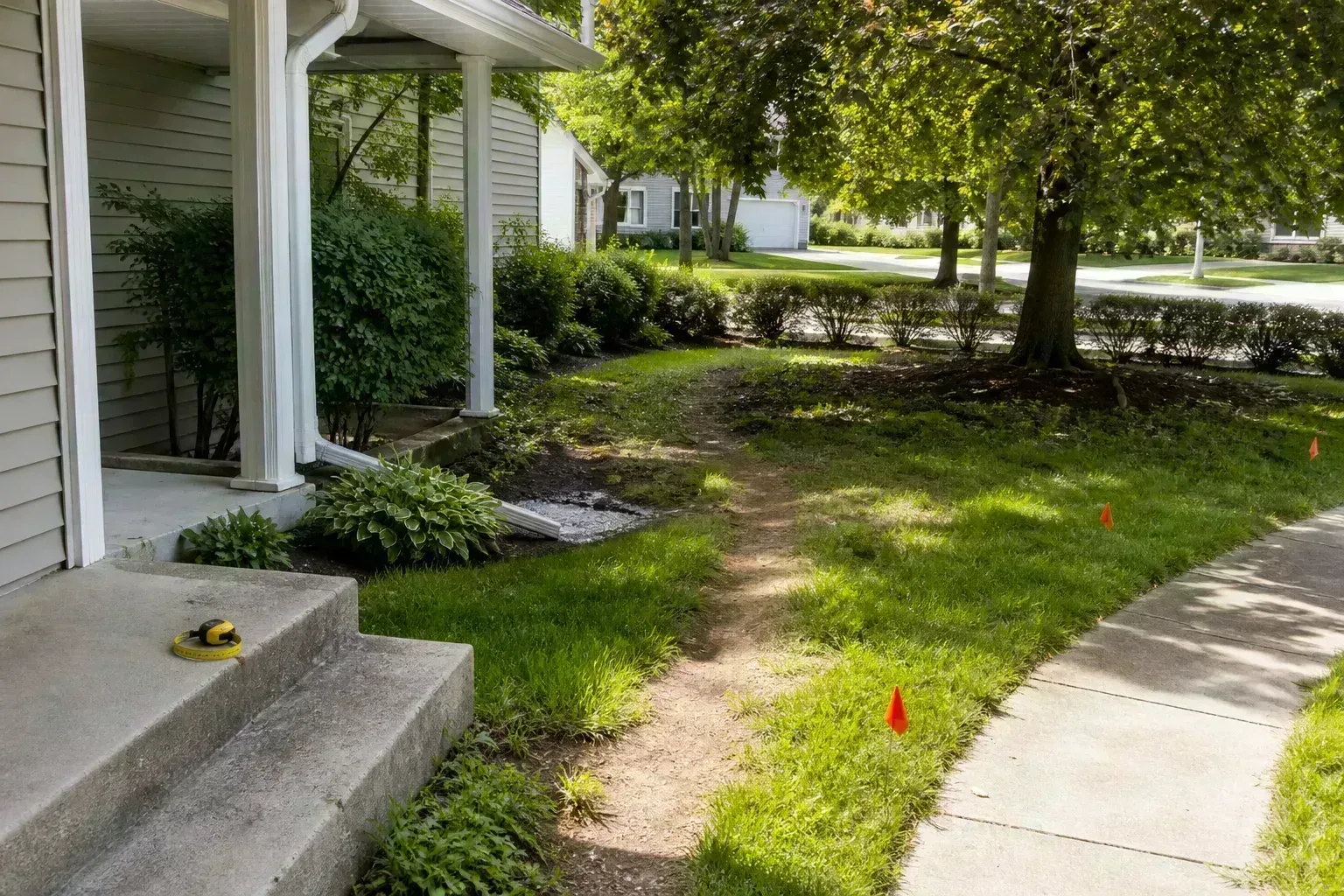
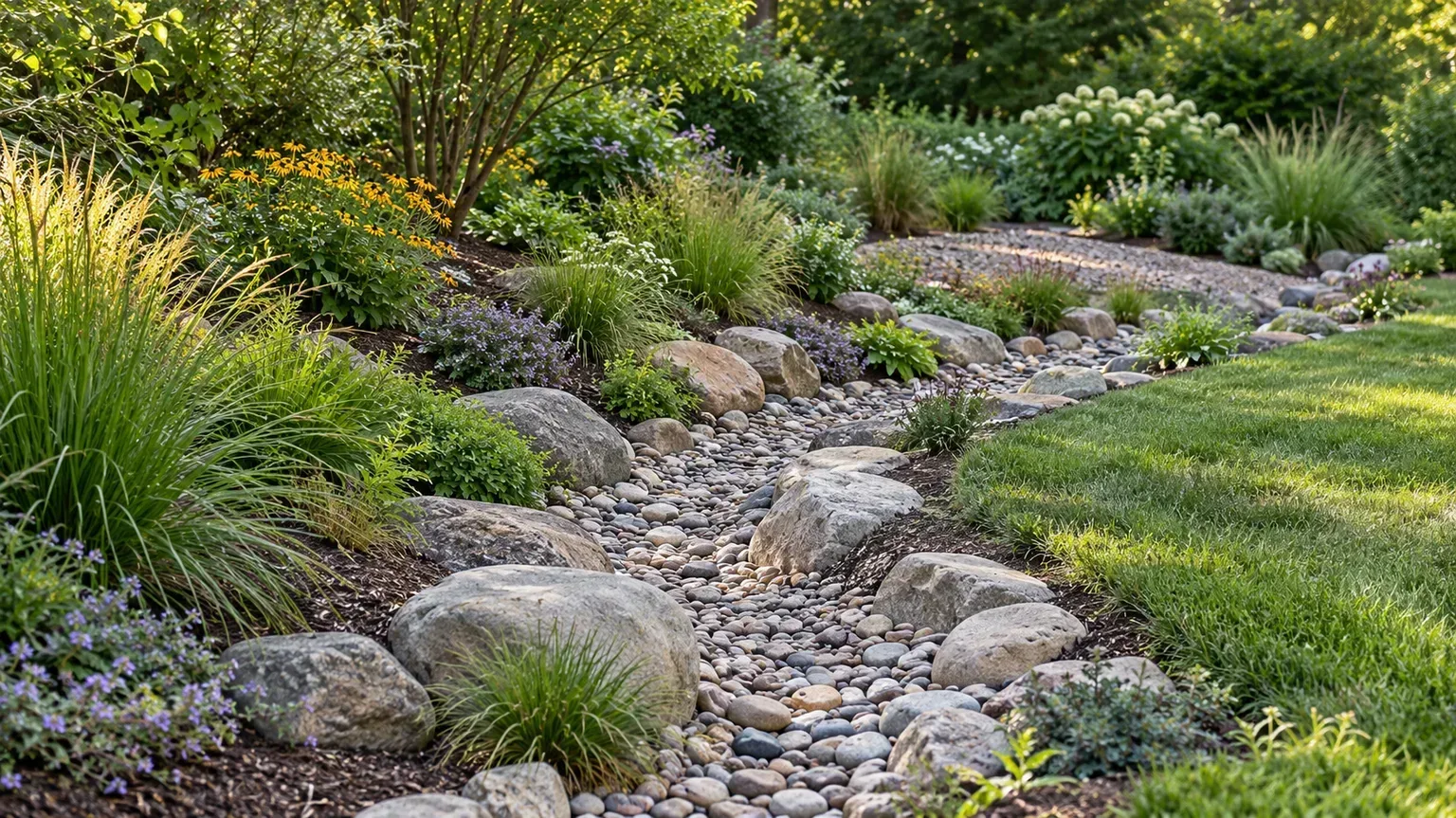
Drainage deserves particular attention because water problems do not disappear when covered with fresh soil or paving. Fairfax County’s Northern Virginia Soil and Water Conservation District describes options such as rain gardens, soil amendments, swales, French drains, and catch basins. Its guidance notes that poor infiltration can require an underdrain, adding construction time and expense, and that redirected runoff needs a suitable outlet. Those principles are useful, but the county’s rules and permit thresholds apply only in its jurisdiction; check local requirements where you live. Fairfax County’s runoff guidance explains the site conditions behind those choices.
Softscaping and Hardscaping Have Different Cost Curves
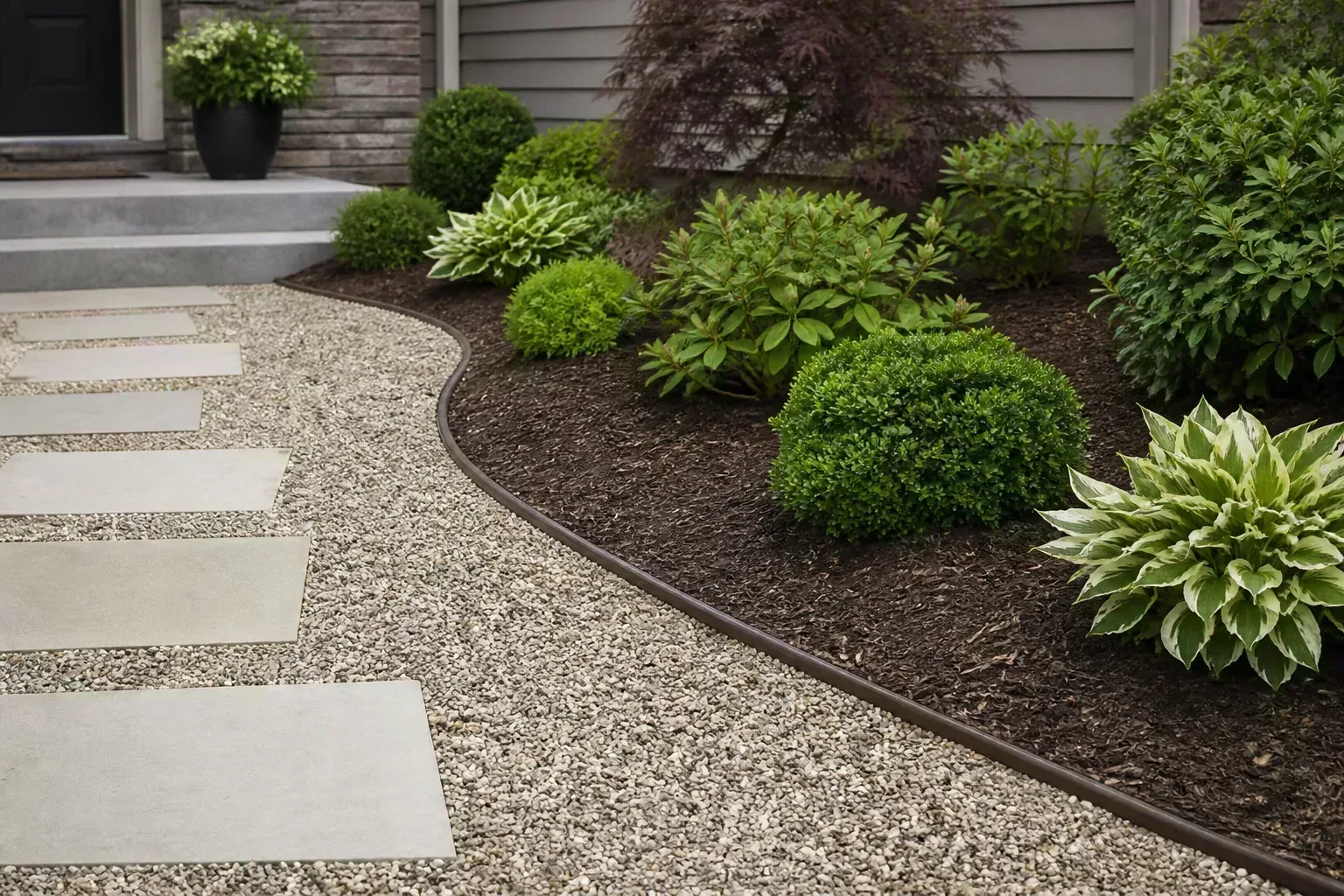
Softscaping includes living elements such as grass, trees, shrubs, and flowers. Cost depends on plant count, size, variety, soil preparation, planting labor, and whether irrigation is available. Smaller plants usually cost less to buy, but they take longer to reach a mature look. Larger specimens make an immediate impact and require more labor and handling; delivery and access can matter as much as the nursery price.
Hardscaping includes patios, paths, walls, steps, edging, and other built features. These projects require a stable base and precise installation. A basic gravel path has different preparation from a patterned paver patio, and a retaining wall has structural and drainage considerations that should not be treated as decorative edging. The material choice changes both initial cost and future upkeep: loose stone may need periodic replenishment, while joints, sealers, or wood elements may need maintenance.
Mixed projects often cost more than adding the plant and paving totals because the order of work matters. Irrigation or conduit may need to be placed before paving; grading and drainage may need to be resolved before planting; heavy equipment can damage new turf or beds if the sequence is wrong. A landscape plan should identify this order so that a crew does not have to remove finished work to reach a buried line later.
Ask contractors to separate plants, built features, and preparation in their bids. That makes it easier to see whether the budget is being spent on the function you value, and where a less costly material could still meet the design goal.
Regional Costs: Labor, Climate, and Freight
There is no reliable percentage to add for “city pricing.” Labor demand, travel time, contractor availability, permitting, and supply differ by market, and a national guide cannot tell you the going rate for your ZIP code. Avoid inferring a city-wide premium from a provider directory; seek local proposals instead.
Climate changes the available choices and their maintenance needs. A hot, dry site may call for drought-tolerant plants, drip irrigation, shade, and water-use planning. Freeze-thaw conditions can affect paving bases and wall details; coastal exposure, intense rain, steep slopes, or heavy clay soils can also affect plant selection, drainage, and installation methods. These conditions influence the design and scope, even when the material itself costs the same in two places.
Freight matters for bulky items such as stone, soil, mulch, and large trees. A locally available gravel may be economical, while an imported paver or unusually large specimen can carry delivery or handling charges. Ask whether a quote includes material delivery, minimum loads, fuel or travel charges, and disposal.
For a first local check, compare several proposals from contractors who serve your area and ask suppliers for delivered—not just shelf—prices. A January 2026 Homewyse lawn-care estimator lets users enter a ZIP code and separates local labor, materials, travel, and setup assumptions. Its own instructions say the educational example is not a substitute for written trade quotes, and the calculator covers lawn care rather than a complete landscape build. Homewyse’s local lawn-care estimate illustrates why location and defined assumptions matter.
Materials, Delivery, and Waste Can Shift the Total
Compare materials by installed result, not sticker price. A paver quote may include excavation, base aggregate, edge restraint, cuts, and joint material. A bulk mulch price may exclude delivery, spreading, or old-material removal. For plants, confirm size, quantity, species, and whether planting, amendments, staking, and watering are included.
Ask for the grade or product specification where quality affects durability. Lower-cost stone may be irregular and require more fitting; premium pavers may cost more but offer a particular finish or size. A lower-priced plant can also require replacement if it is poorly suited to the site. UF/IFAS recommends assessing climate, topography, soil, sun, shade, drainage, and how the space will be used before choosing landscape elements. Its planning advice supports making selections for the actual site rather than buying based on appearance alone. UF/IFAS’s residential landscape planning tips cover those site and use factors.
Clarify removal, too. Concrete, soil, roots, or contaminated fill can require different equipment and disposal fees than yard debris. Ask who owns salvaged materials and how unexpected rubble or excess soil will be priced. A cheap material can cost more if it requires special delivery, extra base work, or frequent replacement.
When reviewing a bid, look for quantities as well as totals. A proposal that says “install stone patio” is difficult to compare against one specifying patio dimensions, paver type, base depth, edge restraint, joint treatment, and haul-off. Specific materials also make substitutions easier to evaluate if supply changes before work begins.
What Landscaping Costs After Installation
Installation is only one part of ownership. Lawns may need mowing, irrigation, and reseeding; beds need establishment watering, weeding, and mulch renewal; trees and pavers also need periodic care. The workload depends on climate, plant choice, water costs, and how much work you do yourself.
Ask for a first-year care plan with the bid. It can identify watering responsibilities, warranty conditions, replacement periods, and the date when the contractor considers the installation complete. A warranty may depend on following watering instructions, and “plant warranty” may exclude drought, animals, extreme weather, or owner neglect. Get those terms in writing rather than assuming that a replacement is included.
Low upkeep does not always mean low installation cost. Gravel or artificial turf may reduce some routine tasks, but base work, weed control, drainage, heat, and eventual replacement still matter. Climate-adapted plants can ease care after establishment but need initial watering and seasonal attention.
If regular care is part of the budget, request a seasonal service schedule and a price for each visit or package. HomeGuide’s 2026 overall cost guide lists maintenance at $100 to $200 per month, but a local schedule can include different tasks and visit frequency. Treat that figure as a guide estimate, not a guaranteed monthly bill.
How to Build a Useful First Budget
Before requesting estimates, make a short worksheet:
- Measure each work area in useful units: square feet of sod, linear feet of edging, plant count, or patio dimensions.
- List desired work and items to preserve, remove, or relocate.
- Separate design, preparation, soil or drainage, materials, delivery, labor, disposal, irrigation, permits, and cleanup.
- Mark unknowns for a site visit, such as buried debris, soil depth, drainage outlet, access, or tree roots; keep a contingency for them.
The working formula is: measured task quantities × local unit prices, plus design, preparation, delivery, disposal, fees, and a clearly identified allowance for uncertain conditions. The formula is a planning tool; the contractor’s scope and actual site conditions determine the final proposal.
For example, 500 square feet multiplied by Lawn Love’s 2026 $4.50 to $17 range yields $2,250 to $8,500. This is a rough envelope, not a quote. If the area also needs a patio, grading, or drainage correction, price those tasks separately. At 1,000 square feet, the same range yields $4,500 to $17,000—a fourfold spread that shows why scope matters.
If the upper end is uncomfortable, reduce the scope first. Ask what one phase can accomplish safely and completely. A finished entry bed or usable patio may be a better first phase than starting a full yard and leaving exposed soil, unfinished edges, or an irrigation system that must later be moved.
How to Compare Landscaping Quotes
Get at least two or three written proposals based on the same plan or work description. Each should state the work area and dimensions, materials and quantities, preparation, installation sequence, cleanup, disposal, schedule, payment milestones, warranty, exclusions, and what happens if the crew finds an unexpected condition. For projects involving drainage, walls, electrical features, or irrigation, ask which party handles design, permits, inspections, and utility marking.
Compare the scope before the total. One bid may omit soil improvement or irrigation, include smaller plants, or leave debris on site. A lower proposal is not a bargain if it excludes a necessary base, drainage outlet, or haul-away charge. Ask each contractor to label allowances, unit prices, taxes, permit costs, and likely change-order triggers. Confirm whether the estimate expires or whether material prices can change before scheduling.
Ask the estimator what is included, what could change the price, how the crew will protect existing features, where runoff will go, who contacts 811, and how you approve extra work. Clear answers help, but also check insurance, references, licensing requirements, and local complaint records.
Do not treat a website calculator or a verbal ballpark as a final proposal. Homewyse describes its ZIP-based sample as educational and recommends itemized assessments from trade professionals. A site visit can reveal slope, access, roots, and water movement that an online estimate cannot inspect.
When DIY Saves Money—and When It Doesn’t
DIY can reduce labor costs for manageable tasks such as spreading mulch, planting small container-grown plants, or laying a simple path where the ground is already suitable. It can also give you control over pace and materials. To compare fairly, include tool rental or purchase, delivery, disposal, protective equipment, and the value of your time. A small job may have a contractor minimum that makes self-perform attractive; a difficult job may require equipment or skill that erases the savings.
Leave high-risk work to qualified professionals when it involves major grading, retaining structures, large trees, utility lines, drainage routing, electrical service, or heavy machinery. Errors can damage a foundation, direct water toward a neighbor, injure someone, or require excavation of finished work. Before any digging, use the local 811 process; even planting a shrub can strike a buried utility. If the project needs permits or engineered plans, confirm who is responsible before work starts.
Hybrid projects can work well: handle routine planting yourself while a contractor grades, installs a base, or builds a wall. Agree on timing, preparation, cleanup, damage between phases, and whether homeowner work affects a warranty.
Ways to Cut Cost Without Paying for Rework
Start with the function. For a path, compare stepping stones with a full-width paver walk; for less mowing, consider a smaller lawn or suitable groundcover. A cheaper option only saves money if it does not create a drainage or maintenance problem.
Reuse sound materials and preserve healthy mature trees where the design allows. Salvaging edging, relocating usable stone, or keeping established shade can avoid purchase and removal costs. Have a contractor confirm that existing materials are safe and suitable before building around them; damaged pavers or an unhealthy tree may cost more to preserve than replace.
Phase work in the right order. Complete design, utility marking, grading, drainage, and any buried irrigation or conduit before finishing surfaces and planting. Then install the most important built features and add plants or secondary details later. Staging can make a large budget manageable, but a phase boundary should leave the area stable and usable. Do not install a small patio now if the planned next phase will require digging under it.
Choose plants for mature size, climate, sun, soil, and water. Smaller plants may cost less initially but take longer to fill in. UF/IFAS recommends considering site conditions and intended use; a local extension office or nursery can refine choices. Request alternatives by line item so you can compare actual savings.
Conclusion
Landscaping cost depends on what you are building, how much preparation the site needs, the materials and plants you choose, and what local labor and delivery cost. Current 2026 guides put broad residential planning ranges in the thousands, but the estimates describe different project scopes and leave out some property-specific conditions. Square-foot math can orient you; it cannot replace an itemized local proposal.
Start by measuring the areas you want to change, identifying what should stay, and listing each task. Price design, preparation, drainage, materials, delivery, labor, disposal, and future care as distinct decisions. Then compare written bids with matching quantities and exclusions. That process gives you a practical budget, helps you spot missing work, and makes it easier to phase improvements without paying to undo them later.