Shade Tomatoes With a Patio Umbrella During Heatwaves
Repurpose an old beach or patio umbrella to shade tomato plants during heatwaves: timing by zone, setup steps, mistakes to avoid, and when shade cloth wins instead.
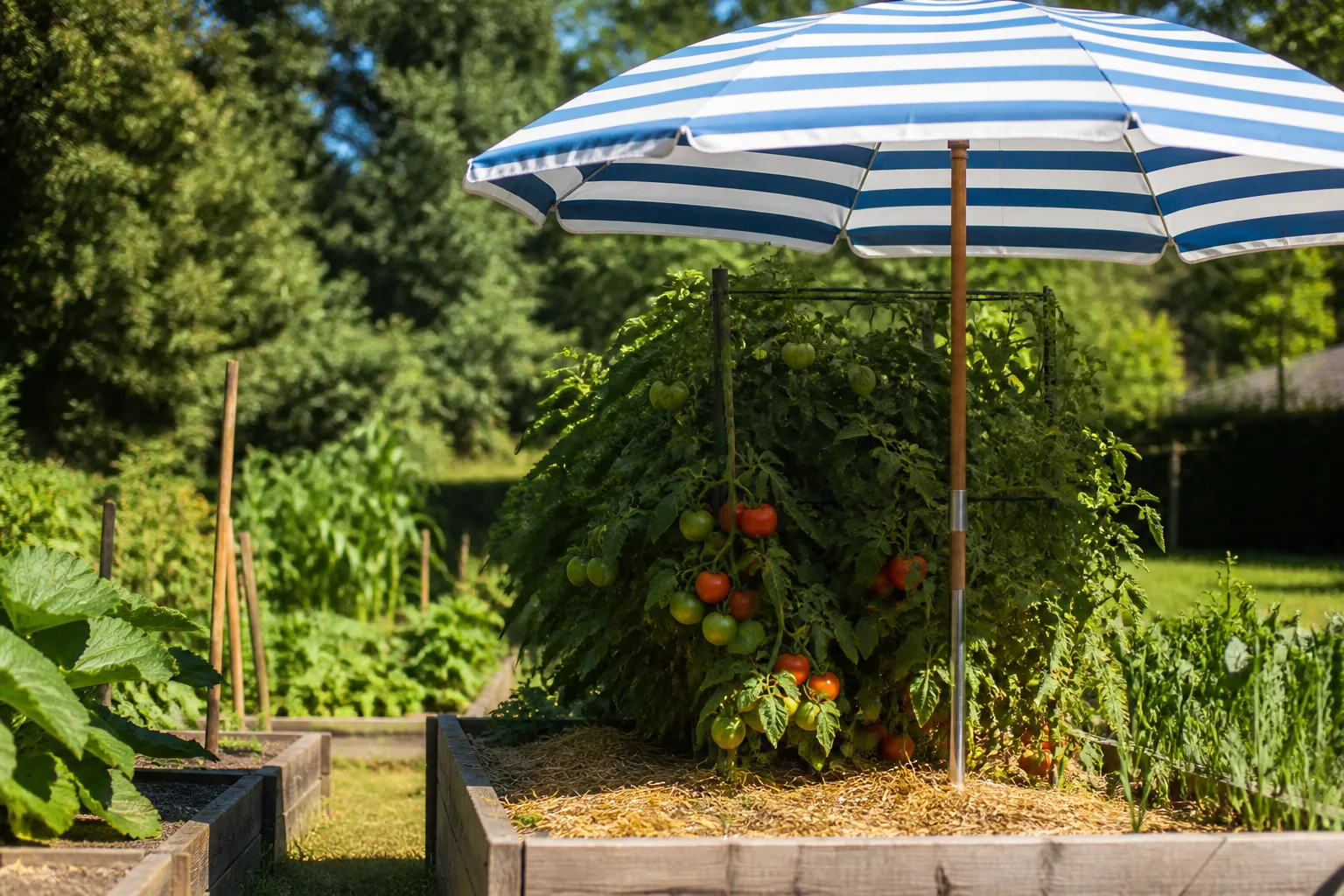
When a heatwave pushes past 90°F, the fastest fix for a few scattered tomato plants is often not shade cloth—it is an old patio umbrella stuck in the soil for the worst afternoon hours. Radio host and tomato author Mike McGrath popularized the trick for gardeners whose tomatoes sit in irregular raised beds with no straight rows for hoop frames. The logic is simple: tomatoes need strong light, but they also abort flowers, stop ripening, and sunburn fruit when heat outruns their physiology. A repositionable umbrella delivers targeted afternoon shade without a permanent install—if you open it at the right time and pair it with mulch and deep morning water.
This guide is for in-ground and raised-bed tomatoes in small yards, not greenhouse production. If your whole bed needs weeks of cover, jump to the shade-cloth comparison below. For broader heatwave watering and recovery, see our vegetable garden heatwave guide and hot-weather watering triage.
Why Tomatoes Struggle When Temperatures Spike Past 90°F
Tomatoes are warm-season crops, not desert survivors. They thrive in daytime air temperatures roughly between 65°F and 85°F, then efficiency drops as thermometers climb. Above the mid-80s, photosynthesis and fruit chemistry slow; extended stretches in the 90s push plants into survival mode—conserving water, dropping reproductive tissue, and protecting fruit from tissue damage.
NC State Cooperative Extension lists the classic heat-stress lineup gardeners see on tomatoes now: wilting and leaf curl, scorched leaf edges, blossom and fruit drop, stalled growth, and sunscald on exposed fruit. None of these mean your plant is doomed forever, but each signals that afternoon sun and air temperature are outpacing what roots and leaves can balance through transpiration.
Blossom Drop, Sunscald, and the Signs Heat Is Stealing Your Harvest
Blossom drop is the heat problem that makes gardeners panic in July. Alabama Cooperative Extension explains that when daytime temperatures exceed 85°F and nights stay above 72°F, tomato flowers often abort—even on otherwise healthy, well-fed plants. The longer exposure lasts, the worse the gap in fruit set. Heirloom varieties tend to be more sensitive; modern heat-set types such as Solar Fire, Phoenix, and Bella Rosa were bred to tolerate southeastern summers.
Ripening slows for a related reason. Ethylene—the hormone that triggers color change—works best within that same moderate band. Rural Sprout and Tomato Dirt both note that once days push deep into the 90s, green fruit can stall on the vine even when flowers survived, because the plant prioritizes hydration over finishing fruit.
Sunscald shows up as white or yellow patches on the shoulder of fruit facing afternoon sun. Leaves normally shield developing tomatoes; heat-thinned canopies, aggressive suckering, or sudden leaf loss expose fruit to direct UV. Sunscald wounds invite rot and ruin flavor. Shade during peak hours—whether from cloth or a umbrella—keeps shoulders cooler while still allowing morning light.
Afternoon heat wilt can look like drought: limp leaves at 3 p.m. on soil that is moist two inches down. That is often temporary transpiration loss, not a call for another soak. Shade reduces the peak demand; overwatering soggy soil during heat causes different damage. Our heatwave guide walks through the finger-test before you reach for the hose.
Why Gardeners Are Repurposing Patio and Beach Umbrellas
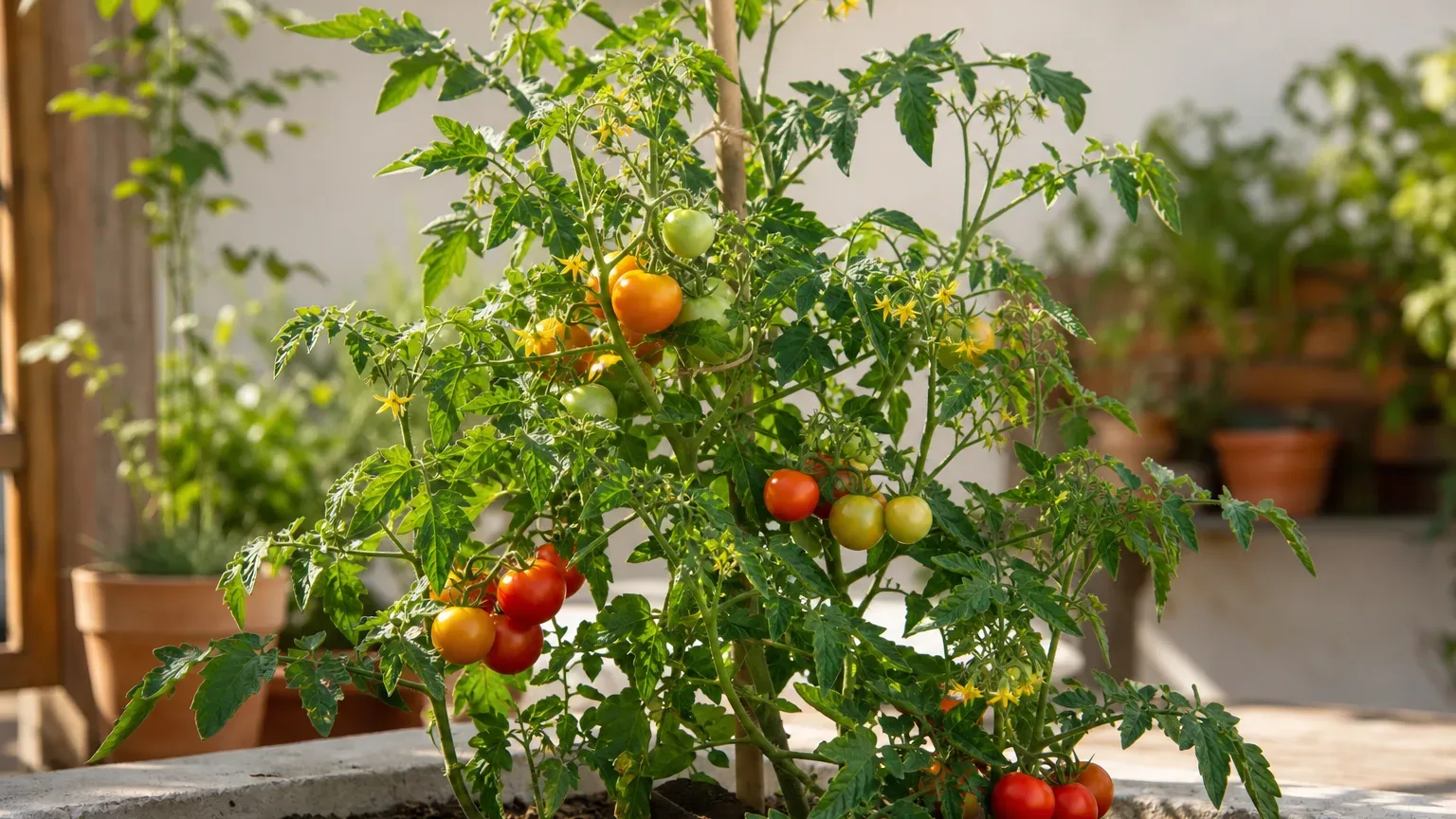
McGrath’s version of the hack came from a real layout problem: tomatoes spread across several raised beds with no uniform row for a long shade-cloth run. An old beach or patio umbrella per hot plant—or per cluster—lets you shade only where afternoon sun hammers foliage and fruit. Thrift stores, garage sales, and marketplace listings are full of retired umbrellas whose frames still crank open; you are not buying new garden infrastructure for three forecast days above normal.
The umbrella wins on adjustability. Crank it closed for morning sun, open it when UV peaks, tilt the canopy toward the western sun, and move the pole a foot if a plant grows taller mid-season. Newer patio fabrics sometimes list SPF or UPF ratings and semi-translucent weaves that mimic lightweight shade cloth. Older solid vinyl tops block more light—fine for a two-hour afternoon window, risky if left up all day.
Temporary Shade Without Building a Permanent Structure
Shade cloth shines when heat lasts weeks and plants are tall enough to need a frame spanning six feet. Umbrellas shine when:
- You have one to five plants in separate beds or containers
- Forecast shows a short spike—a few days above 90°F—not a month-long desert pattern
- You already used shade cloth on peppers or lettuce and need a second tool for tomatoes
- Your garden has curves, pots, and paths where hoops do not fit
Think of the umbrella as portable afternoon insurance, not a replacement for cultivar choice, mulch, or water timing. Southern gardeners have shaded midday tomatoes for decades; northern growers now hit the same thresholds often enough that the trick crossed from beach bag to tool shed.
Umbrella Shade vs Shade Cloth: Which Tool Fits Your Garden
Both tools cut light and lower leaf temperature. The difference is control and opacity. Shade cloth is sold by percentage—how much light it blocks. Tomato Dirt and multiple experienced growers converge on roughly 30% to 40% reduction for fruiting tomatoes: enough cooling without starving plants of the light they need to recover overnight. Fifty-percent cloth is common in the Deep South for sustained heat; going heavier risks sluggish growth if left up too long.
| Factor | Patio / beach umbrella | Shade cloth (30–40%) |
|---|---|---|
| Light control | Opaque to semi-translucent; varies by fabric | Known, consistent percentage |
| Best duration | Hours per day during spikes | Days to full season in hot climates |
| Coverage shape | Round spot, one plant or tight cluster | Row or bed, sized with hoops |
| Adjustability | Open/close/tilt hourly | Fixed until you remove fabric |
| Cost for occasional use | Low if repurposed | Higher first setup (cloth + supports) |
| Wind risk | Top-heavy; needs solid anchor | Frame-dependent; clip well |
When an Old Umbrella Beats Buying Shade Fabric
Choose the umbrella when heat is forecast, not climate—a Midwestern gardener facing four July days at 94°F does not need to re-engineer the whole bed. It also fits scattered plantings: one cherry tomato by the deck, a paste tomato in a side bed, a container on the driveway. If you are home to open and close it, the umbrella mimics the old southern practice of shading 10 a.m. to 2 p.m. without committing to permanent structure.
Translucent umbrellas with labeled UV protection behave closest to cloth. Solid dark canopies behave like a heavy shade percentage—use them only for the hottest slice of afternoon, not from dawn to dusk.
When Shade Cloth Still Wins
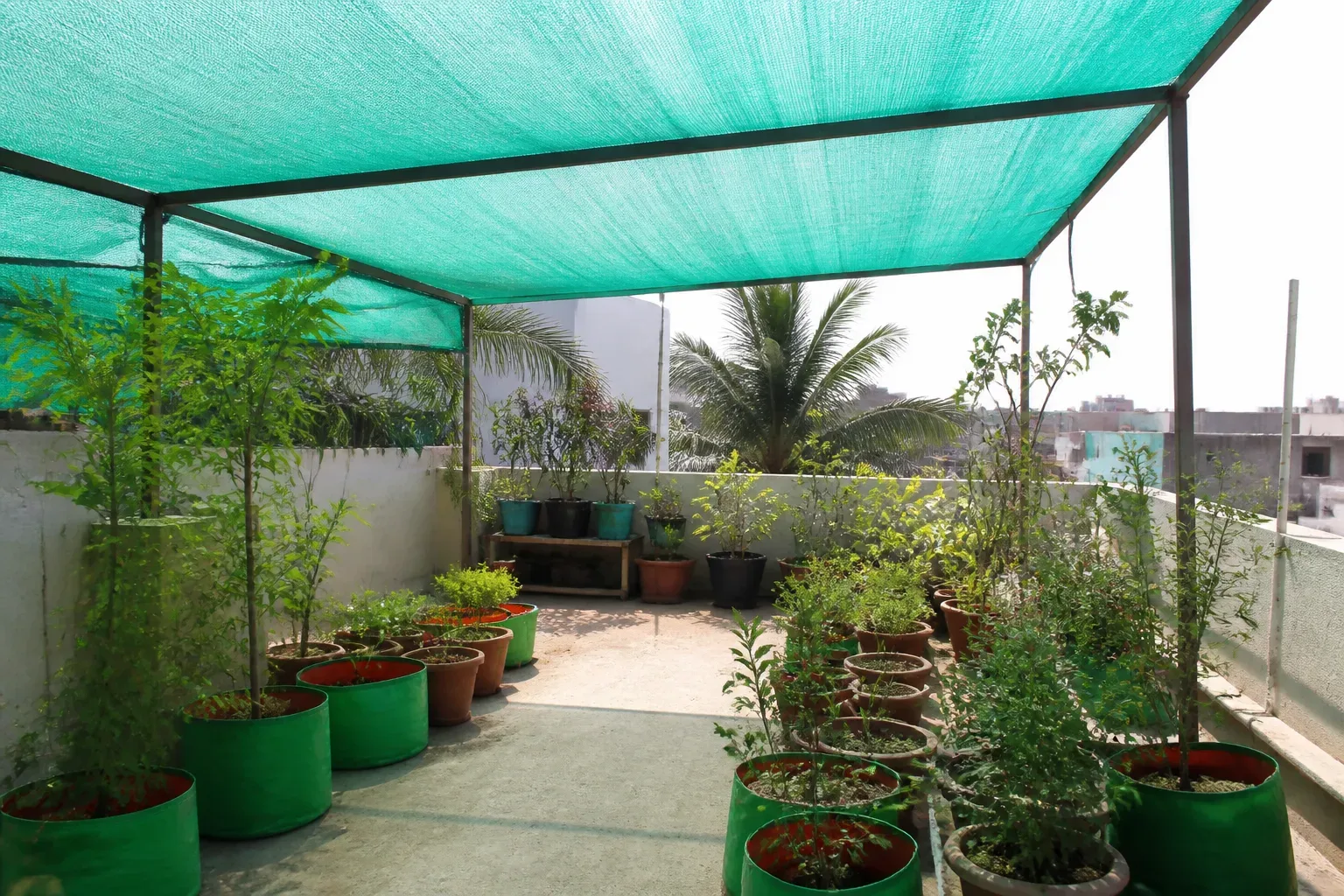
If your region now sees weeks of mid-90s days, invest in cloth and supports. Tall indeterminate plants outgrow an umbrella’s shadow by August; cloth on hoops covers top to bottom. Commercial-style gardens, school plots with absent caretakers, and anyone who cannot open shade at noon should not rely on umbrellas alone. For sustained protection, suspend cloth above plants—not draped directly on leaves—so air moves and soil cools, the same “above, not on” rule Rural Sprout emphasizes for heat.
Who Should Try the Umbrella Trick (and Who Should Skip It)
Try it if: you have a few plants, expect short heat spikes, can open shade early afternoon and close it by evening, and already mulch and water on a morning schedule. Skip it if: you are gone all day during a heatwave, plants are already taller than the umbrella radius, wind forecasts exceed 25 mph without a heavy base, or you need multi-week coverage—in those cases, cloth, row cover on hoops, or moving containers to afternoon shade works better.
Container tomatoes on dark patios overheat roots as well as leaves. An umbrella helps leaves, but pairing it with light-colored pots or moving pots off radiant concrete matters too. For pruning decisions that affect leaf cover, see how to prune a tomato plant before you strip shade-producing foliage during a heat alert.
How to Set Up a Patio Umbrella Over Tomato Plants
Treat setup like a half-hour project before the spike, not a panic at 2 p.m. when leaves are already crisping.
Picking, Positioning, and Anchoring the Pole Safely
Use a market or patio umbrella with a straight pole—not a tiny clip-on table shade meant for sandwiches. Canopy diameter should exceed the plant’s spread; seven to nine feet covers one large indeterminate or two compact determinates. Inspect ribs and crank; a floppy canopy in wind tears leaves as it flips.
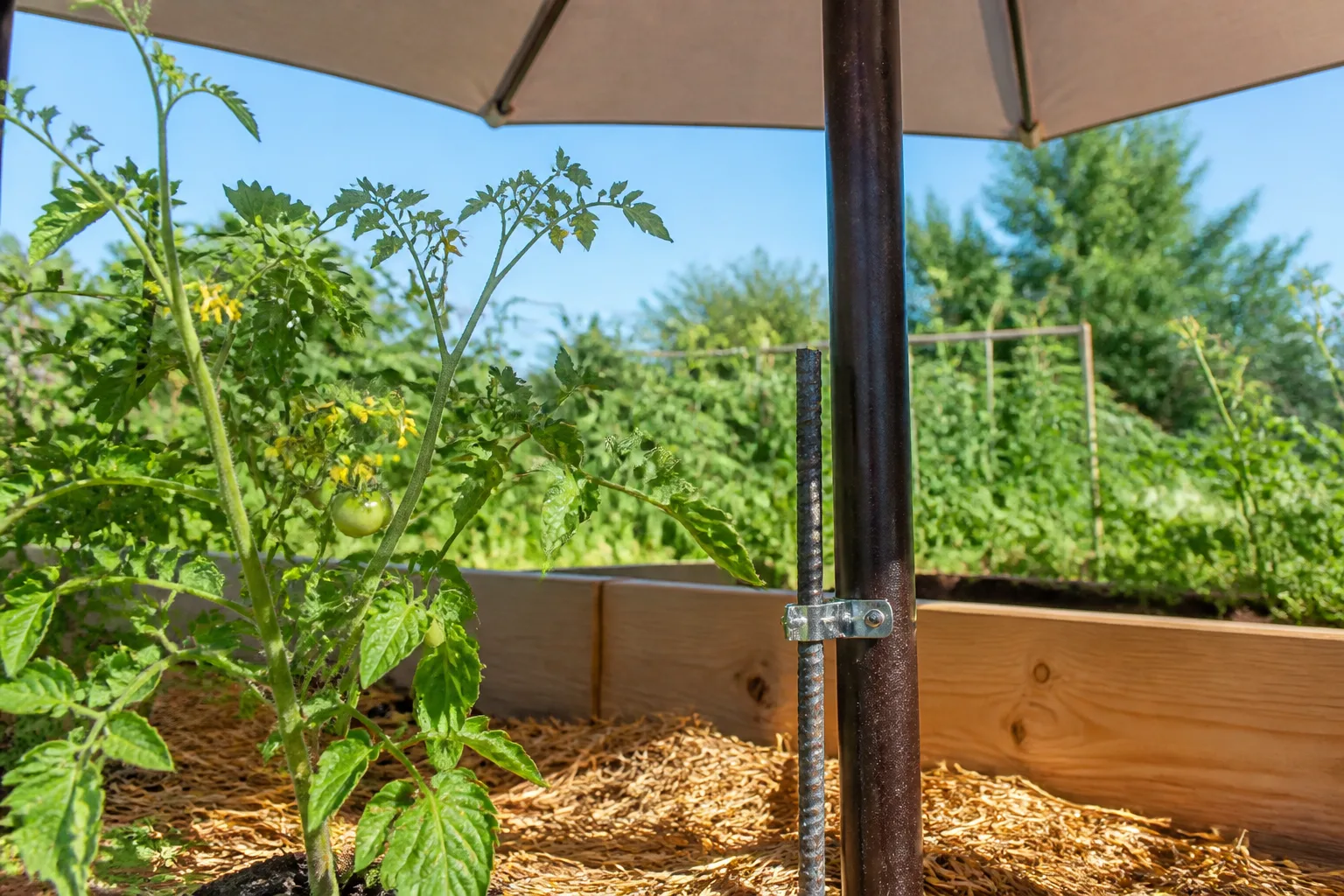
Position the pole north or west of the plant when possible so the shadow falls across foliage and fruit as the sun moves westward. Leave six to twelve inches between canopy edge and leaf tips so air circulates. Never rest the fabric directly on stems; broken branches become sunscald entry points.
Anchor the pole so it cannot tip onto the plant. Options that work in beds:
- Drive a steel rebar stake or heavy fence post and strap the pole with UV-stable velcro or pipe clamps
- Use a weighted umbrella base filled with sand or water on level ground beside the bed (not on root zone)
- For soft soil, a post-hole socket sunk 18–24 inches keeps the pole vertical
Avoid piercing major roots repeatedly if you move umbrellas daily; rotate among two anchor points instead. In wind, close the umbrella—shade cloth survives gusts better when clipped to frames; a solo umbrella is a sail.
Morning Sun, Afternoon Shade: Timing That Actually Works
McGrath’s rule: full morning sun, open the umbrella when afternoon intensity arrives—often around 2 p.m. for mid-Atlantic gardens, earlier where heat peaks sooner. Close it again by early evening so dew and overnight respiration proceed normally. Tomatoes need bright light to recover from heat stress; shading all day causes leggy growth and delayed ripening.
Tomato Dirt’s southern growers often shade the 10 a.m. to 2 p.m. window when sun angle is most intense—your exact window depends on bed orientation and latitude. East-facing beds may need less afternoon cover; west-facing walls may need cover from noon onward.
Adjust Your Open Time by Zone and Forecast
Use forecast heat index and consecutive hot days, not a single reading:
- Zones 5–6, brief spike: open 1–3 p.m. for two to four days, then remove
- Zone 7, several days above 90°F: open noon to 4 p.m.
- Zones 8–9, sustained heat: umbrella alone may be insufficient—combine with 30–40% cloth or plan heat-set varieties next year
If nights stay above 72°F (ACES blossom-drop threshold), afternoon shade helps flowers that open the following morning, but variety choice matters more for multi-week night heat.
Mistakes That Turn a Smart Hack Into Plant Damage
Leaving the umbrella up all day and night is the most common error. Plants need morning light and airflow; closed canopies at night hold humidity against foliage and invite fungal issues. Using opaque beach vinyl for ten-hour stretches blocks too much photosynthesis—worse than no shade at all for ripening.
Shading without watering discipline fails twice: gardeners see wilt and flood roots, or they shade while soil is already dry at depth. Check moisture before you open the canopy; shade does not replace water.
Ignoring wind sends a metal pole through a stem. Close umbrellas when gusts arrive. Crushing branches while positioning the pole causes instant sunscald on fruit below the break.
Expecting umbrellas to fix disease misreads the problem. Yellow leaves from blight or wilt need diagnosis, not shade alone—see tomato disease identification if spots or wilting persist after temperatures normalize.
Pair Umbrella Shade With These Heatwave Basics
Shade is one lever. The RHS and NC State both stress mulch, slow deep watering in cooler hours, and holding off stressors during extreme heat.
Mulch, Deep Morning Water, and What to Pause Until Cooler Weather
Mulch cools soil and slows evaporation. Rural Sprout measured bare soil hitting 105°F on a 92°F day while mulched soil stayed cooler—root uptake fails when soil bakes even if you shade leaves. Pull mulch a few inches back from stems to prevent rot; refresh thinning layers mid-season. For mulch type and depth in vegetable rows, our mulch for weed control guide covers straw and compost choices.
Water deeply in early morning when soil is dry two to three inches down—not every afternoon wilt. NC State recommends slow irrigation during cooler windows (early morning or evening) to reduce evaporation loss. Afternoon sprinkles on moist soil encourage shallow roots without fixing heat wilt on wet ground.
Pause heavy pruning and fertilizer until temperatures drop. New growth demands water when plants already struggle to balance heat load. Harvest partially colored fruit before peak heat if sunscald threatens shoulders you cannot shade.
Other Fast Shade Options When You Do Not Have an Umbrella
In a pinch before mail-order cloth arrives:
- Light-colored old sheets on temporary stakes—loose weave, not airtight plastic
- A folding chair tilted over a seedling or young transplant for a sudden one-day spike (Tomato Dirt’s emergency trick)
- Lattice or diffusing panel on the west side of a bed
- Moving container plants to afternoon shade on a dolly
Each is hour-limited like an umbrella. For row-scale protection, graduate to knitted shade cloth on hoops with clips rated for wind.
Conclusion
A large patio or beach umbrella is a legitimate, low-cost way to shade scattered tomato plants during afternoon heat spikes—not a social-media gimmick. It works because tomatoes lose flowers and fruit quality when days exceed 85°F and nights stay warm, and because adjustable shade during peak hours beats leaving fruit exposed to western sun. Open after morning light, close by evening, anchor against wind, and pair shade with mulch and deep morning water. Choose shade cloth when heat lasts weeks or plants outgrow the canopy; choose heat-set varieties next season if nights rarely cool below 72°F. Used with timing and restraint, that old umbrella in the garage may save this week’s harvest without turning your garden into a permanent tent city.



