Protect Vegetable Gardens From Heat Without Overwatering
Protect your vegetable garden from high temperatures without overwatering: prep steps, morning deep watering, mulch depth, shade cloth, and what to pause in heat.
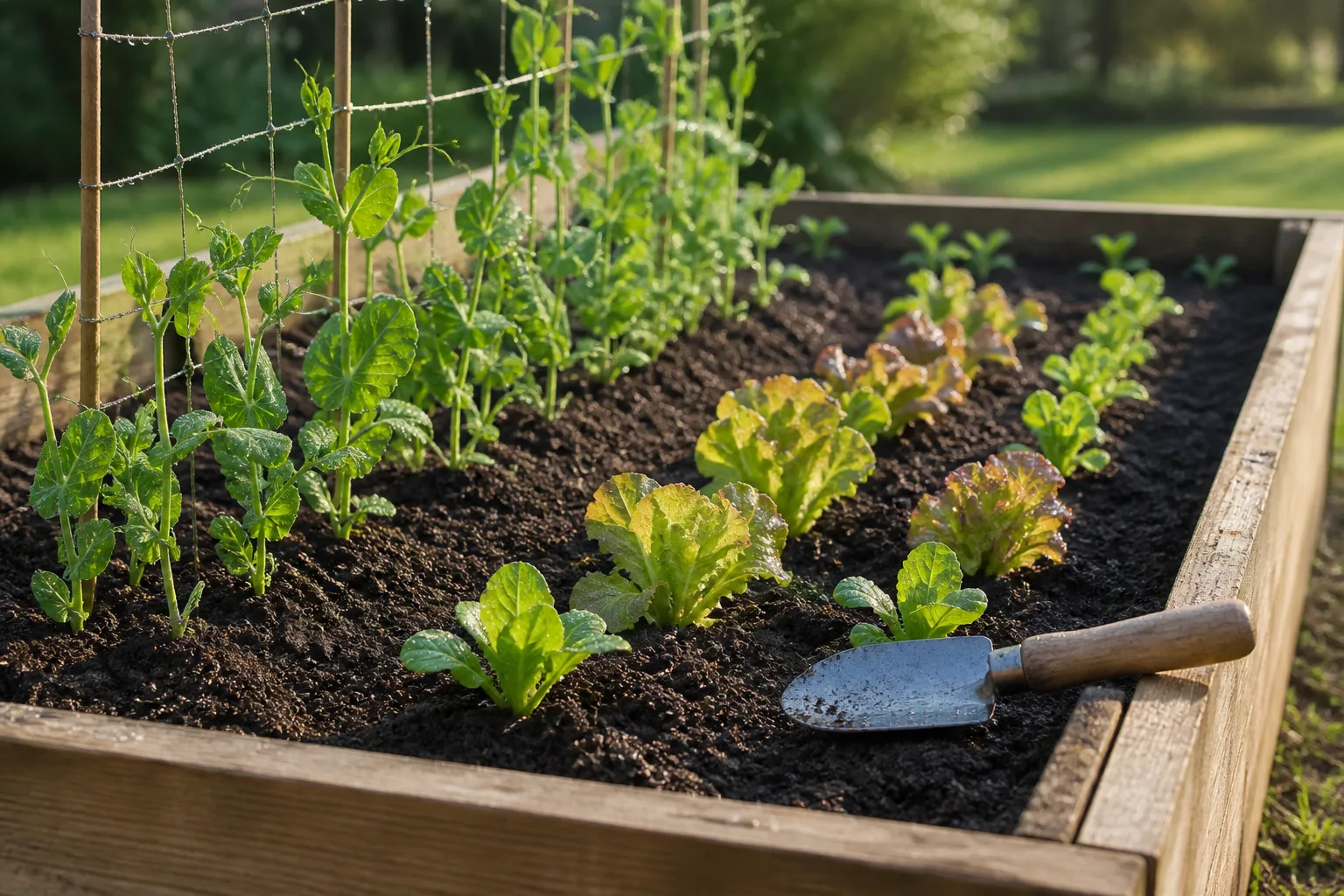
The worst heatwave mistake is not letting the garden dry out—it is watering on autopilot every time a leaf droops. Extreme temperatures push vegetables to lose water through their leaves faster than roots can replace it, which makes every gardener reach for the hose. But daily shallow sprinkles on already-moist soil suffocate roots, invite disease, and still leave plants wilted by afternoon. The fix is a short protocol: prepare beds before the spike, soak deeply in cool morning hours, mulch and shade the root zone, pause fertilizer and heavy pruning, then triage recovery once temperatures normalize.
This guide is built for in-ground rows, raised beds, and large patio vegetable containers—not houseplant watering on a windowsill. If you grow mostly pots on a balcony, pair these bed strategies with our hot-weather plant watering guide for wilt triage and container dry-down. For mulch depth and weed-free straw sourcing, see does mulch prevent weeds before you spread another layer in July.
Why Heat Hits Vegetables Harder Than Most Gardeners Expect
Vegetables are engineered for rapid growth, which means thin leaves, shallow feeder roots on many crops, and fruit that must stay hydrated to size up. When air temperature climbs and humidity drops, transpiration—water vapor leaving leaf pores—accelerates. University of Georgia Extension notes that hotter, drier air pulls more moisture from foliage at the same time soil surface evaporation spikes. Roots in the top few inches of bare soil can heat past the comfort zone for uptake, even when a finger test at the surface still feels damp.
That physics explains why tomatoes flag at 3 p.m. while the mulch line still looks dark, and why lettuce turns bitter overnight. Heat stress shows up within hours: wilting stems, blossom drop on tomatoes and peppers, bolting in leafy greens, and sunscald on exposed fruit. Your job in a heatwave is not to eliminate every wilt—it is to keep the root zone consistently available without drowning it.
Heat Wilt Is Not Always a Thirst Signal
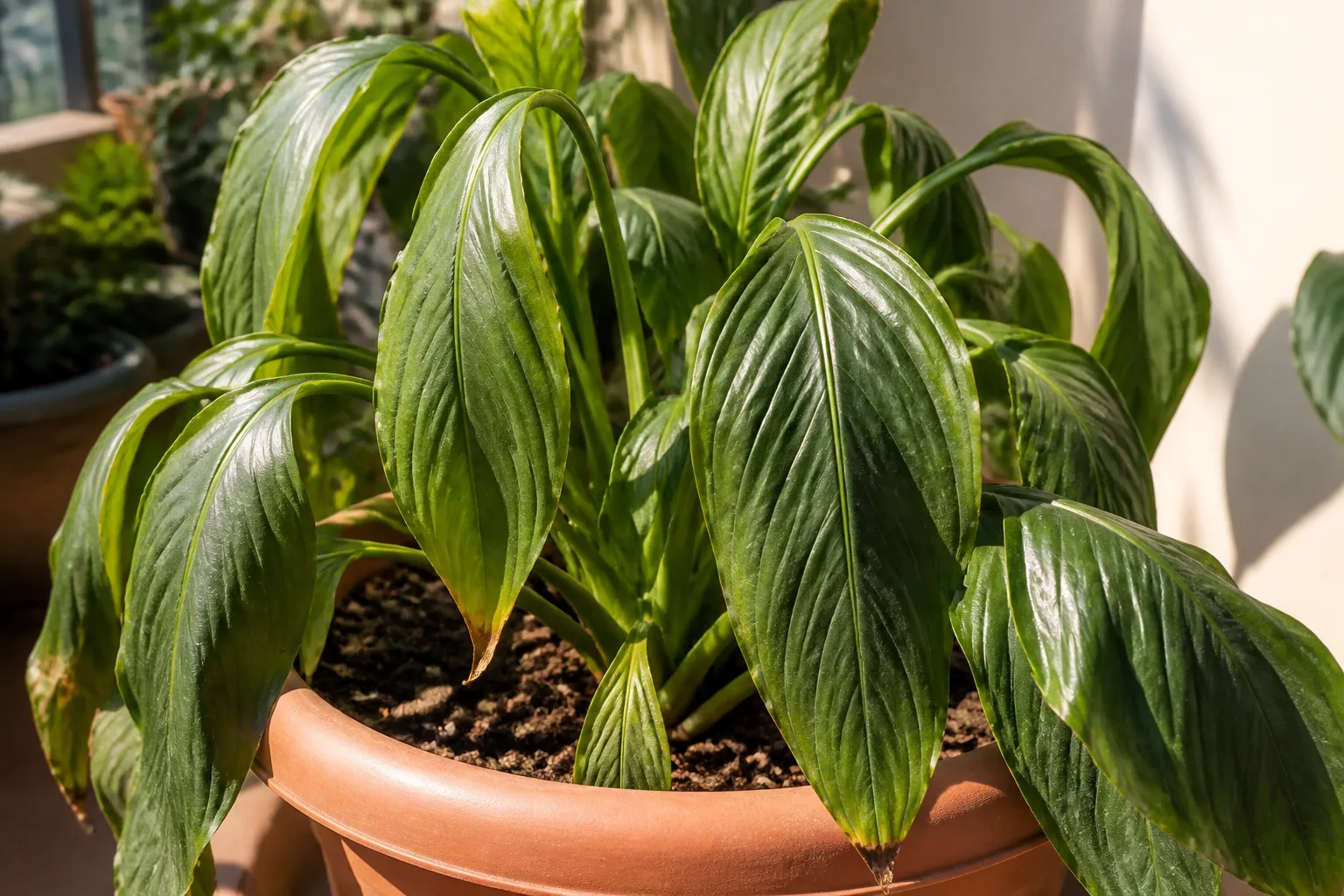
UF/IFAS Extension separates temporary heat wilt from permanent wilt. Heat wilt happens when leaves lose water faster than roots absorb it for part of the day—but moisture is still present in the root zone. The plant often firms overnight when temperatures drop. Permanent wilt means roots cannot extract usable water; if the soil is bone dry, that is drought deficit. If the soil is soggy and smells sour, you may be looking at wet wilt from chronic overwatering that damaged roots—adding more water makes it worse.
The 60-second test before you pour: push a finger or trowel into the soil 2–3 inches beside the plant. If the bed is moist at depth and only the top crust is dry, afternoon limpness may be heat demand—shade or wait for evening before you soak again. If the root zone is dusty and the plant stays soft into the morning, deep water at dawn. If water pools on the surface and the stem base looks dark or mushy, stop watering and improve drainage before the next heat spike.
What to Do Before Forecasted Extreme Heat
Most heatwave wins happen before the mercury peaks. When your forecast shows several days above normal for your area—or your extension office flags heat advisories—shift from maintenance mode to protection mode. That window is when deep watering and mulch actually buffer soil temperature; once soil has baked to dust, you are fighting damage rather than preventing it.
Harvest Tender Crops and Pick Fruit Early
Harvest heat-sensitive crops before the spike when you can. Lettuce, arugula, spinach, and other quick greens bolt and turn bitter when soil temperatures climb; cut what you can eat or refrigerate rather than letting plants flower in place. Pick tomatoes and peppers that have begun to color—fruit on the vine can sunscald when leaf cover thins from heat stress. Cucumbers and zucchini sizing now beat woody giants later if the plant shuts down.
Harvesting also keeps you out of brutal midday sun and reduces the plant’s load so it can allocate water to roots and remaining fruit. If you are planning a fall succession after summer crops finish, our fall vegetables to plant in August guide helps you choose what to sow once this heat spell breaks.
Deep-Water the Root Zone Two Days Ahead
Deep watering one to two days before peak heat trains roots downward and fills the profile where moisture lasts longest. Penn State Extension recommends slow, thorough irrigation for summer vegetables rather than frequent light sprinkles that wet only the top inch. Aim for moisture 6–8 inches down in loamy beds—roughly 1–1.5 inches of water equivalent across the bed, delivered slowly with a soaker hose or drip line so it soaks in instead of running off baked crust.
Avoid the trap of pre-soaking so heavily that the bed stays muddy into the heatwave; saturated anaerobic soil heats poorly and rots roots. The goal is available moisture, not a swamp. If your soil is hydrophobic from prior dry spells, run a short cycle, wait twenty minutes, then soak again so water penetrates rather than sheeting off.
How to Water Deeply Without Overwatering
During the heatwave itself, change how you water, not just how often. The calendar lie—“vegetables need water every day in summer”—kills more gardens than honest drought because it ignores soil type, mulch, crop, and whether yesterday’s soak is still available at depth.
The Soil Check That Stops Drowning
Clemson Cooperative Extension applies equally to outdoor beds: there is no universal schedule. Check moisture at root depth, then water thoroughly or not at all. For rows, probe between plants, not only at the dripline where mulch stays wettest. For raised beds that drain fast, you may need more frequent checks but not automatic daily floods.
When you do water, soak until the root zone is evenly moist, then stop. Overhead sprinklers that run ten minutes daily often wet leaves and the top quarter-inch while missing dry pockets below—perfect conditions for powdery mildew and shallow roots. Drip tape or soaker hoses placed under mulch deliver water to soil directly, cut evaporation loss, and make it easier to see how much you applied. Move hoses to dry zones rather than assuming one pass covers a whole bed.
Why Morning Soaks Beat Afternoon Rescue Watering
NC State Extension advises slow, deep watering during cooler hours—roughly evening through early morning—to reduce evaporation and support deeper rooting. Early morning is usually best for vegetables: roots take up water before peak transpiration, foliage dries if a few drops land on leaves, and you finish before you bake on the patio.
Afternoon rescue watering feels righteous when plants collapse in sun, but it often wastes water on leaves that cannot absorb it and can shock hot roots if water is very cold. If a bed is genuinely dry at depth in late afternoon, a slow soak at the soil line is fine—just do not repeat it tomorrow morning without checking first. Midday overhead blasts on sun-scorched foliage mostly evaporate and can worsen leaf burn.
| Situation | First action | Water? |
|---|---|---|
| Afternoon wilt, moist 3 in down | Add temporary shade; check again at dusk | No—unless still dry at depth |
| Morning wilt, dry 3 in down | Slow deep soak at soil line | Yes |
| Wilt + sour smell + wet mud | Improve drainage; hold water | No |
| Fruit sunscald, leaves still green | Shade cloth or pick fruit | Only if soil dry |
Mulch That Cools Soil and Slows Evaporation
Mulch is the cheapest soil air conditioner in a vegetable garden. Clemson HGIC lists reduced evaporation, cooler and more even soil temperature, and less crusting so irrigation actually enters the profile. Colorado State University Extension recommends organic mulches in vegetable rows—straw, grass clippings in thin dried layers, shredded leaves, or compost—to conserve moisture and suppress weeds that compete for water.
For summer heat, aim for 3–6 inches of loose straw between rows and around plants once soil has warmed in spring—deeper end for sandy soil, slightly less in heavy clay that stays wet. Pull mulch a few inches back from stems to prevent rot and slug hiding. Refresh thinning spots mid-season; decomposed mulch still helps structure but stops blocking heat from the sun on bare patches.
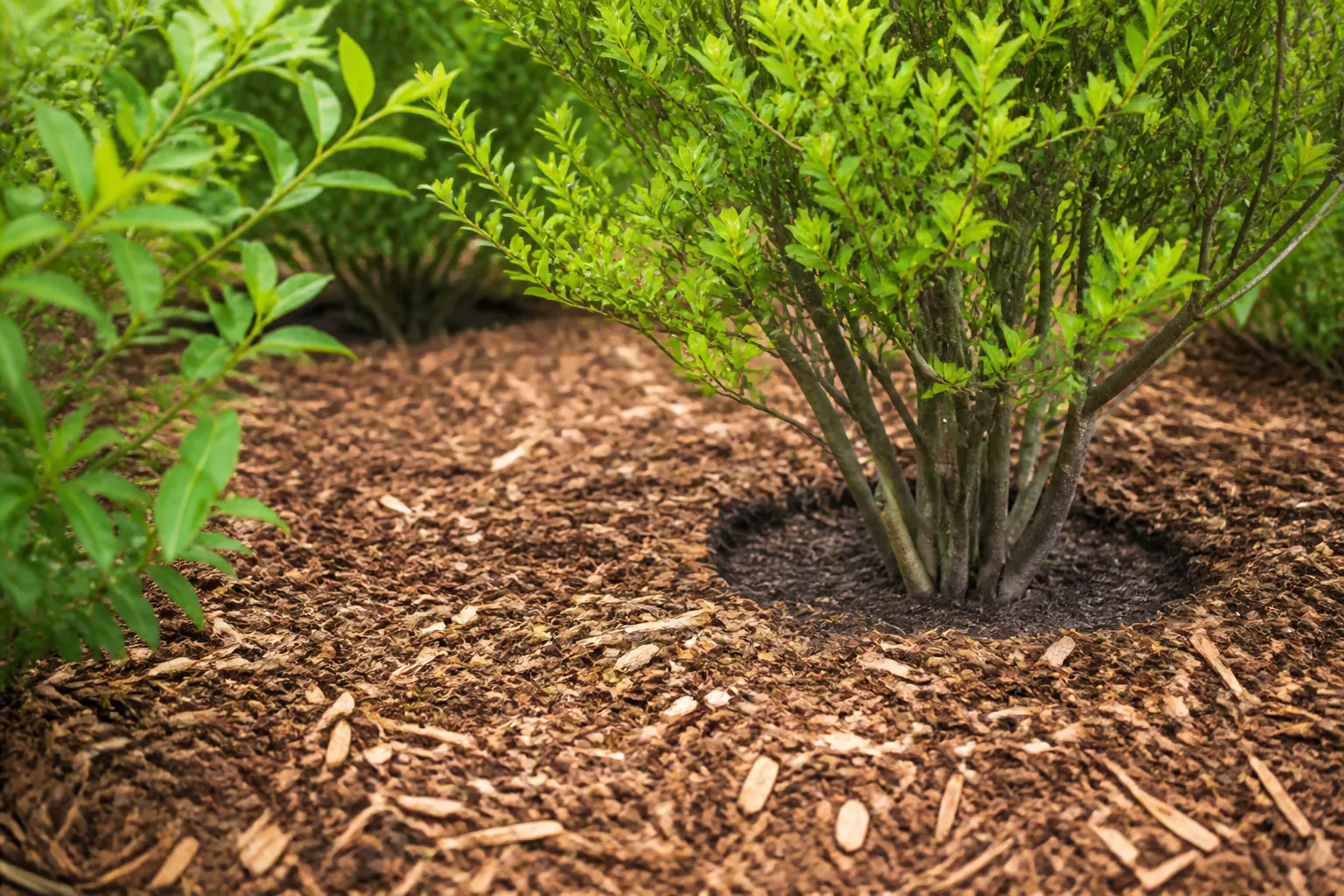
Do not pile fresh grass clippings in thick wet mats—they heat anaerobically and smell. Do not use impermeable plastic sheet as “mulch” over roots in a heatwave; Clemson warns plastic can create oxygen-poor root zones. Black plastic mulch has its place for warm-season crops early in the year, but exposed plastic in extreme heat can cook roots—if you use it, cover walking paths and consider whitewash or organic topping where soil overheats.
Shade Cloth, Row Covers, and Living Shade
Even heat-loving tomatoes and peppers can abort flowers or scald fruit when days push past their comfort zone. Shade cloth—typically 30–50% density for mixed vegetables—reduces leaf temperature and cuts transpiration demand so your morning soak can keep up. Install on hoops or a temporary frame high enough for airflow; anchor edges against wind. Deploy during midday peak, especially west-facing beds that catch reflected heat from walls or pavement.
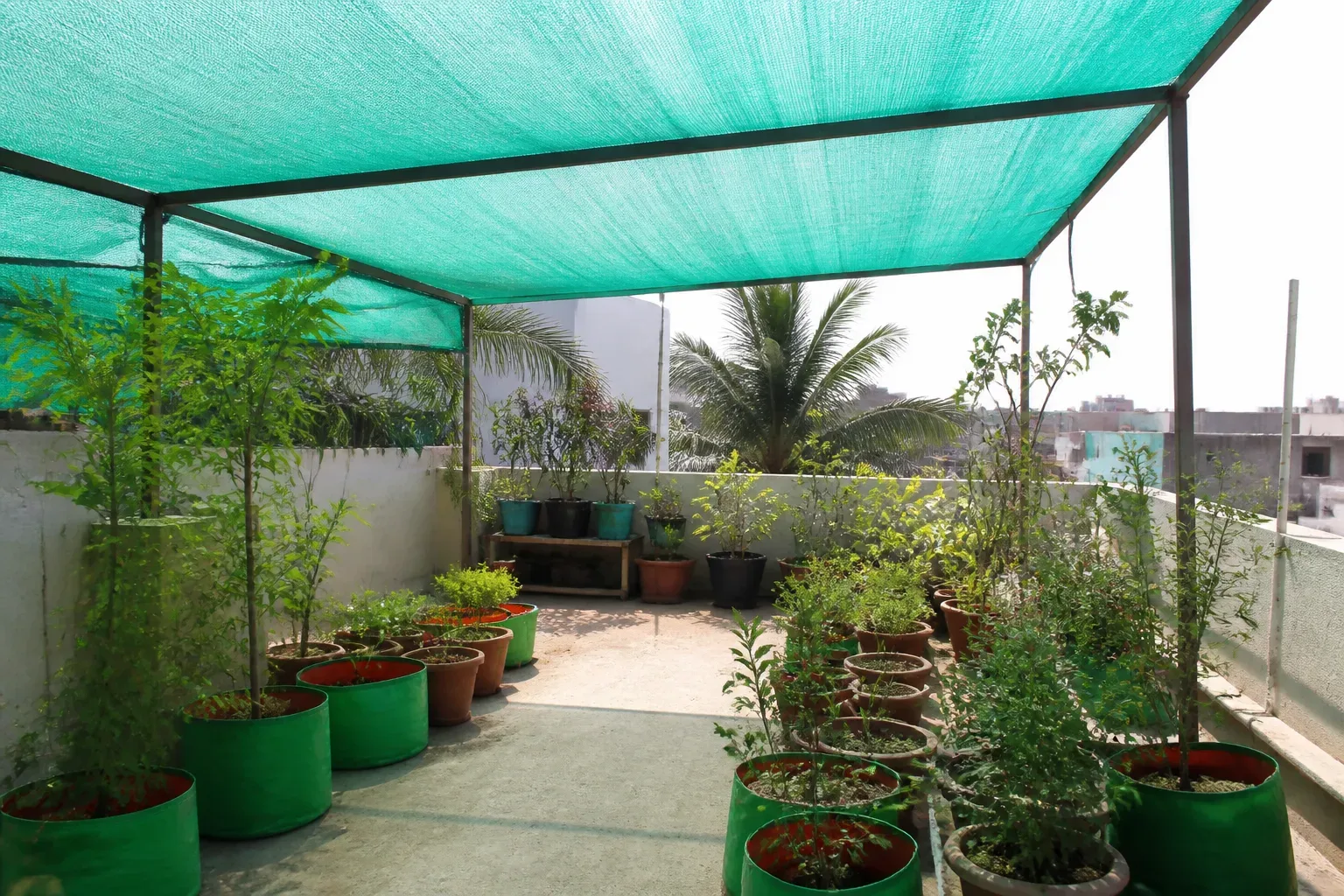
RHS heatwave guidance groups shade with cooler-hour deep watering and mulch as core community-garden strategies during extreme heat. Row covers of lightweight fabric can serve the same job short term if you have no shade cloth—watch that temperatures under cover do not climb further on windless days.
Living shade planned at planting time beats panic netting. Tall sunflowers, trellised beans, or corn to the west of sensitive lettuce can buffer afternoon blast; permaculture designers call this guild stacking. It will not save a bed already baked bare, but it pays off in year two when you rotate crops. Beach umbrellas and patio sails over a few containers are legitimate emergency tools—just leave air space and take them down in storms.
What to Stop Doing During a Heatwave
Hold fertilizer, heavy pruning, and new transplanting until temperatures return to normal ranges for your area. Penn State Extension and NC State Extension both caution that feeding during intense heat pushes soft new growth when plants already struggle to balance water. Salts from granular feed concentrate in drying surface soil and can burn roots. Liquid “pick-me-up” sprays are not a substitute for root-zone moisture.
Pruning removes leaf area that shades fruit and opens wounds that lose water faster. Remove only diseased tissue or fully collapsed stems that will not recover—save big tomato suckering and pepper topping for cooler weeks. Likewise, transplanting and bare-root planting during a spike forces roots to work in hot, unstable soil; if you must replace a dead plant, shade heavily and water once at planting, then check daily without drowning.
Choosing heat-tolerant varieties next season is the structural fix Spruce mentions but rarely details. After the USDA hardiness zone map update in 2023, many gardeners sit in warmer effective zones than a decade ago. Read seed labels for heat-set tomatoes, slow-bolt lettuce, and peppers bred for humid hot climates. Our when to plant vegetables guide pairs timing with soil temperature so you are not setting heat-sensitive crops up for midsummer failure.
Crop-by-Crop Heat Responses in the Vegetable Garden
Generic “water more” advice fails because a wilting cucumber and a stressed garlic bulb need opposite responses. Use crop behavior to decide whether you shade, harvest, or wait.
Tomatoes, Peppers, and Blossom Drop
Tomatoes and peppers are summer crops, yet they have upper limits. Above roughly 90°F (32°C) days with warm nights, many varieties drop flowers before fruit sets—a phenomenon called blossom drop. Leaves may roll inward to conserve moisture; fruit with thin leaf cover sunscalds to white papery patches. Keep soil evenly moist at depth, maintain mulch, and use 30–40% shade during the worst afternoons if flowers keep falling.
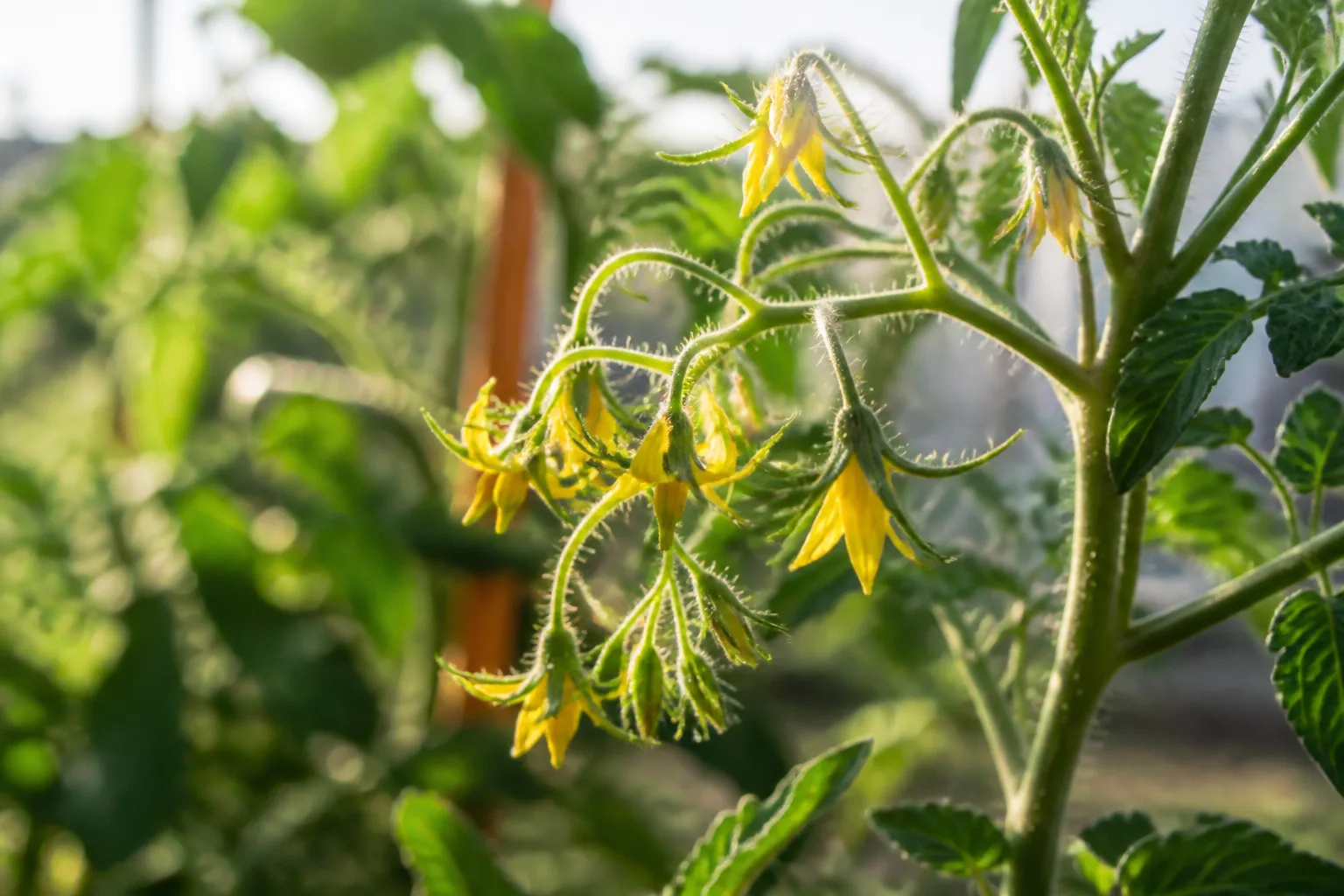
Plants often resume setting fruit when nights cool below the mid-70s°F. Do not flood daily in panic—consistent deep morning soaks plus shade beat oscillating wet-dry cycles that crack fruit. For disease pressure that follows heat stress, see identify, treat, and prevent tomato diseases; for growth-stage timing, our tomato plant growth timeline maps where heat damage usually appears in the season.
Lettuce, Spinach, and Bolting Greens
Leafy greens are the canaries of a heatwave. Bolting—sending up a flower stalk—happens when soil or day length triggers reproduction; extreme heat accelerates it and turns leaves bitter overnight. Shade cloth and harvest are your only short-term tools once bolting starts; you cannot “un-bolt” a plant.
For a continuous supply, sow heat-tolerant loose-leaf varieties in partial shade and plan a fall crop after the spell. Fast summer fillers like bush beans or our fast-growing crops to plant in August can occupy beds once you pull spent greens. Cucumbers show yellow leaves for many reasons—heat and uneven water among them—so use our cucumber yellow leaves guide if vines flag while fruit still forms.
Recovering Your Garden After Temperatures Drop
When the forecast finally breaks, resist the urge to rip out every limp stem the first cool morning. Plants redistribute water overnight; many vegetables that looked finished on Friday look alive on Monday. Resume morning deep watering only for beds that are dry at depth, refresh mulch where it thinned, and scrape away any fruit too far gone to eat.
Wait to fertilize until you see stable new growth—usually a week after sustained normal temperatures. Light compost tea or side-dressing is gentler than full-strength granular feed on stressed roots. Re-stake plants whose root balls loosened in cycling wet-dry soil, and tighten drip lines shifted by mulch refresh.
When to Wait vs When to Pull the Plant
Give apparently dead plants several cool days before you compost them. Experienced growers regularly see peppers and tomatoes push new side shoots from apparently cooked tops once nights drop. Pull immediately if the stem is mushy at the crown, roots smell rotten after overwatering rescue attempts, or pest pressure exploded on weakened tissue you cannot isolate.
If half the plant is green and half is crisp, cut back to live tissue with clean pruners and shade the recovery for a few afternoons. If only one specimen in a row failed, replace it rather than rewriting the whole bed mid-season. Document which varieties bounced back—that notes file is worth more than any generic heat tip next June.
Conclusion
Protecting a vegetable garden from high temperatures without overwatering comes down to checking soil at depth, soaking in cool morning hours, and stopping when moisture is already available. Prepare with harvest, deep pre-soaks, and refreshed mulch; during the spike add shade and pause fertilizer and heavy pruning; afterward triage with patience before you pull plants that may still recover.
Run the wilt test tomorrow before you touch the hose, log which beds dry in one day versus three, and note one crop that needs a heat-tolerant replacement next season. Pair this bed protocol with our hot-weather plant watering guide for containers, does mulch prevent weeds for material depth, and when to plant vegetables for timing that keeps heat-sensitive crops out of the worst weeks. That stack beats reacting leaf-by-leaf when the next heatwave arrives.



