Does Hanging Soap Keep Pests Out of Your Yard?
Hanging soap in the yard sounds eco-friendly—but does it work? Learn which pests it may nudge, why insects ignore it, and better natural options.
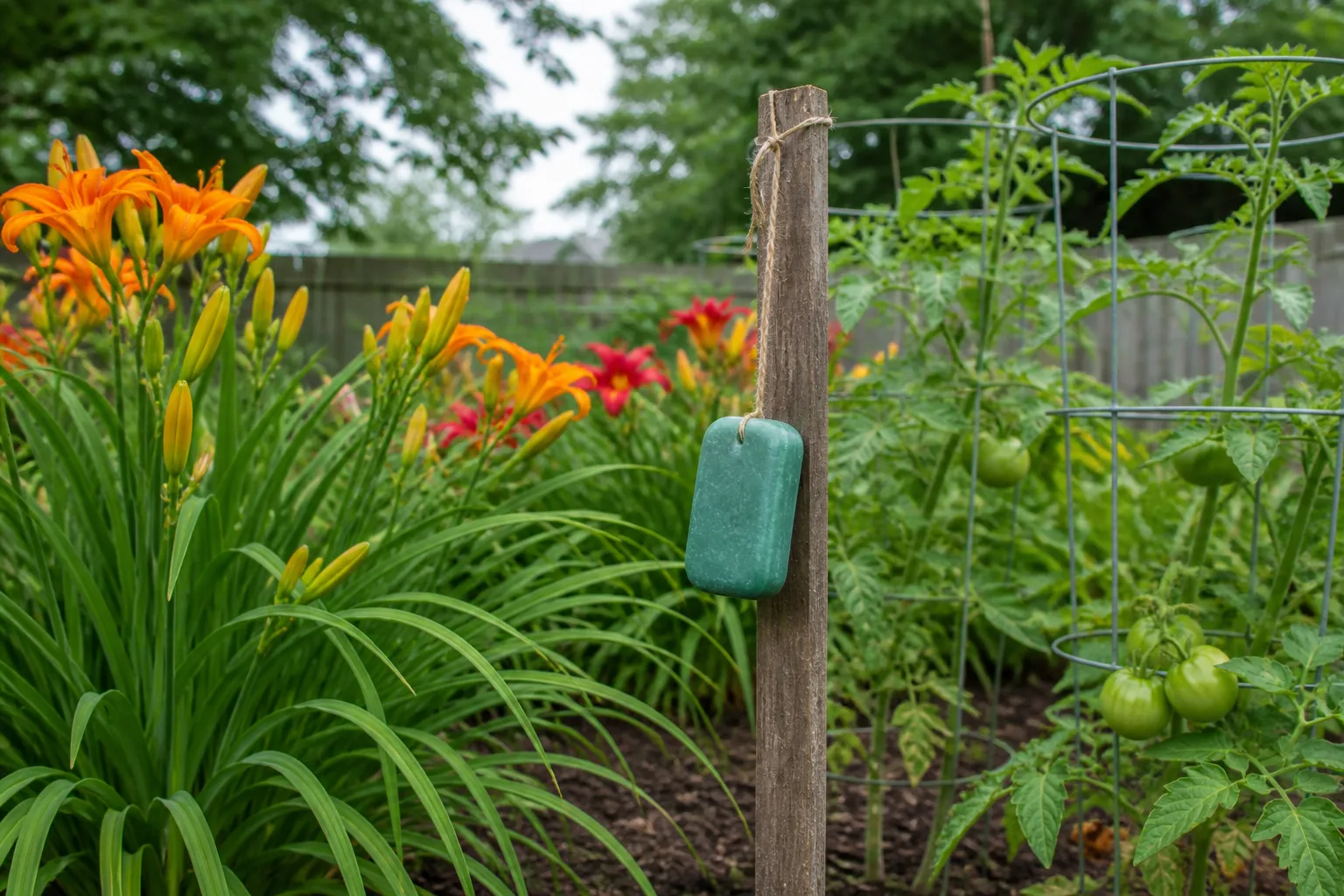
A bar of soap hanging from a garden stake might briefly discourage deer or rabbits—but it will not protect your tomatoes from aphids, and it is not a substitute for a fence.
That is the consensus among associate certified entomologists, pest control operators, and university extension services when you strip away the social-media packaging: scent-based bars can nudge some mammals, fail against most insects, and disappear after rain.
If you saw someone zip-tie Irish Spring to a stake between daylilies and wondered whether you should copy it, this guide separates three different jobs people confuse—repelling browsing wildlife, killing soft-bodied insects, and excluding animals entirely—and shows which tool fits each. You will also get a realistic timeline, a stake-spacing setup that gardeners have field-tested for years, and the extension-backed alternatives that still qualify as eco-friendly when a hanging bar stops working.
The Quick Answer: Smell May Nudge Mammals—It Won’t Fix Insects
Hanging soap works on a smell hypothesis, not a pesticide label. Strong fragrance may make a deer or rabbit hesitate before nibbling your hostas—especially when the bar is fresh and the animal has other food options nearby. Pest professionals who inspect yards daily describe the effect as temporary and weather-limited: useful as a low-cost experiment, not as a guaranteed barrier.
For insects, a dry bar does essentially nothing useful. Soft-bodied pests like aphids and spider mites must be wetted with a contact spray made from potassium salts of fatty acids—the chemistry in labeled insecticidal soap, not a deodorant bar on a string (Colorado State University Extension). CSU Extension is explicit that household dish detergents are not interchangeable: they contain degreasers and additives that can injure plants and soil biology.
Bottom line: Match the tool to the pest. Hang soap if you are fighting occasional mammal browsing and want a harmless trial. Spray labeled insecticidal soap if you see aphids, mites, or mealybugs. Install fencing or mesh if deer pressure is heavy or persistent. Dust diatomaceous earth around stems for crawling, exoskeleton-bearing insects—but only while it stays dry (NPIC).
Why Gardeners Hang Soap Bars in the Yard
People who invest time in vegetable beds and flower borders often prefer humane, low-toxicity fixes before reaching for broad-spectrum sprays. A bar of soap costs a dollar, requires no mixing, and feels aligned with “natural” gardening values—even when the science behind it is thinner than the marketing.
Where the hanging-soap trend came from
The visible version—Irish Spring halves drilled and tied to stakes—spread through garden forums, Pinterest boards, and DIY pest-repeller posts long before it hit short-form video. A Michigan gardener documented a multi-acre “Battle of the Deer” test in 2014, staggering strong-smelling soap between clumps of daylilies while noting that really hungry deer eat “deer-proof” plants anyway (Hometalk). The post’s honesty is useful: soap was one experiment among hair, discontinued commercial repellents, and eventual fencing—not a magic cure.
That pattern repeats in pest-pro field notes: homeowners report a few quiet nights, then browsing returns once scent fades or rain washes the bar down.
The scent-overload theory pest pros describe
Associate certified entomologists explain the theory simply: strong odor may confuse or overwhelm an animal’s scent signals, making your bed smell like the wrong neighborhood. Mammals rely heavily on smell to evaluate food and risk; an intense artificial fragrance can trigger avoidance—if the animal is not desperate and if the odor stays strong enough at nose height.
What the theory does not claim: that soap creates a registered pesticide barrier, poisons pests, or repels insects that hunt by sight and plant chemistry rather than mammalian scent aversion.
Hanging Soap vs Spraying vs Shavings: Three Different Jobs
Treat these as separate tools, not interchangeable “soap hacks.”
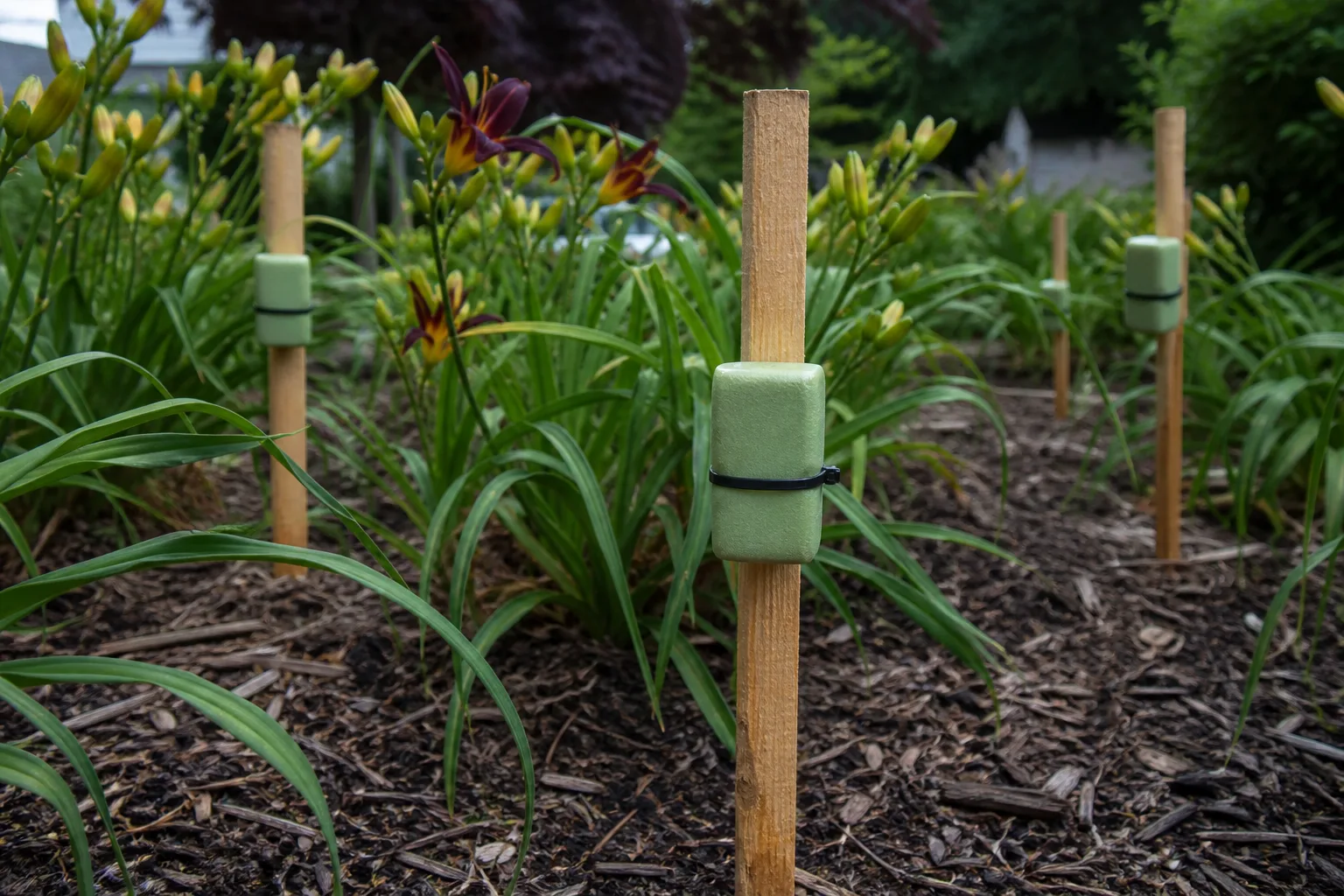
Hanging a whole bar maximizes slow scent release above browse height. Gardeners drill a hole, thread zip ties or twine, and attach bars to 3-foot stakes staggered through beds so deer encounter fragrance between favorite plants (Hometalk). This targets mammal deterrence only.
Spraying a diluted soap solution targets soft-bodied insects on contact. Insecticidal soaps must cover the pest while wet; they have no residual kill after drying (Colorado State University Extension). Reapplication every four to seven days is normal during active infestations—see our insecticidal soap guide for rates, patch tests, and plant sensitivity warnings.
Shaving or grating soap onto soil spreads scent at ground level but dissolves quickly in rain, leaving soapy residue without sustained repellency. Pest pros rank this lowest: you get short mammal confusion, zero insect control, and potential soil surfactant effects if you repeat it all season.
| Method | Primary target | Contact required? | Survives rain? |
|---|---|---|---|
| Hanging bar | Deer, rabbits, squirrels | No—airborne scent | Partially; bar swells and fades |
| Insecticidal spray | Aphids, mites, mealybugs | Yes—must wet pest | No—reapply after rain |
| Soap shavings on soil | Mild mammal nudge | No | No—dissolves fast |
| DE dust | Crawling insects | Yes—exoskeleton contact | No—must stay dry |
Which Pests Might Soap Affect (and Which It Won’t)
Deer, rabbits, squirrels, and rodents
Pest control operators who serve suburban and rural clients report some logic behind Irish Spring and similar strongly fragranced bars for rabbits, squirrels, and rodents—at least until habituation or hunger overrides the smell. Deer may pause at a fresh bar; a starving herd in late winter often ignores every scent trick gardeners swear by, including human hair and urine experiments documented in the same field-test threads (Hometalk).
Ground moles and burrowing rodents are a different problem. Scent at the surface does not reach tunnel networks. Extension-backed fixes involve underground hardware cloth barriers or removing the grubs and earthworms that moles hunt—not aromatic bars.
Why insects ignore a hanging bar
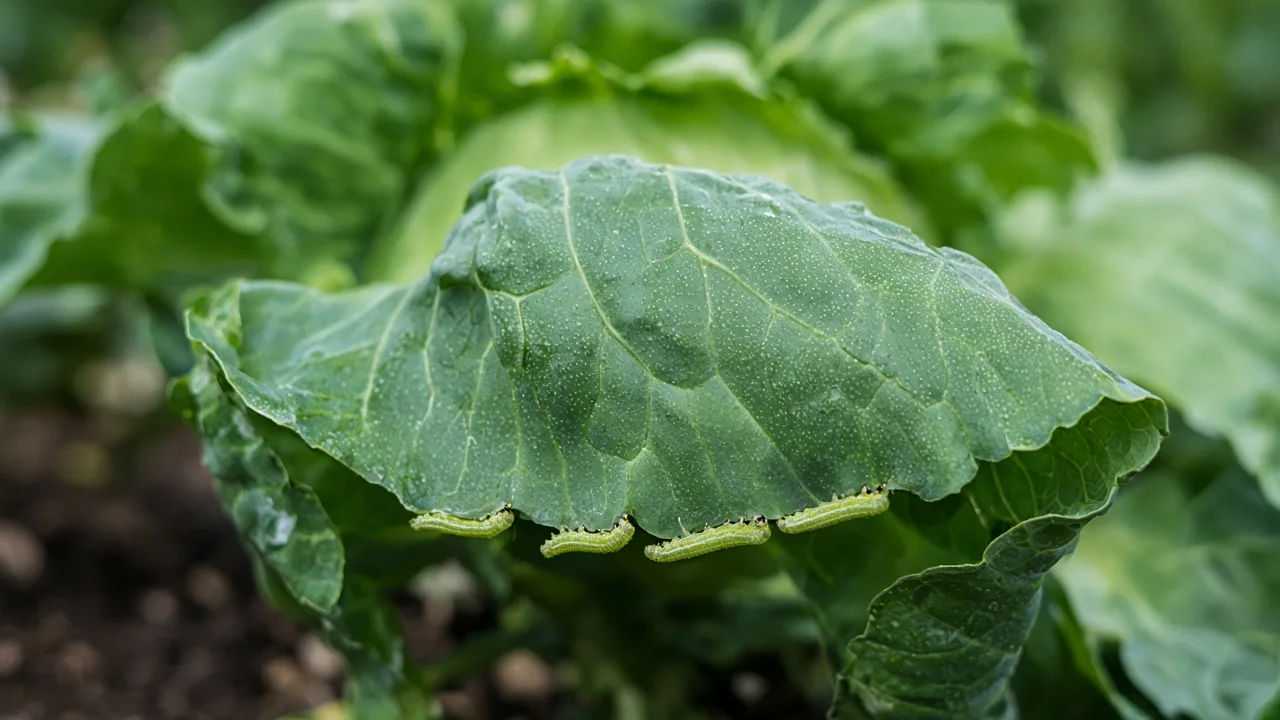
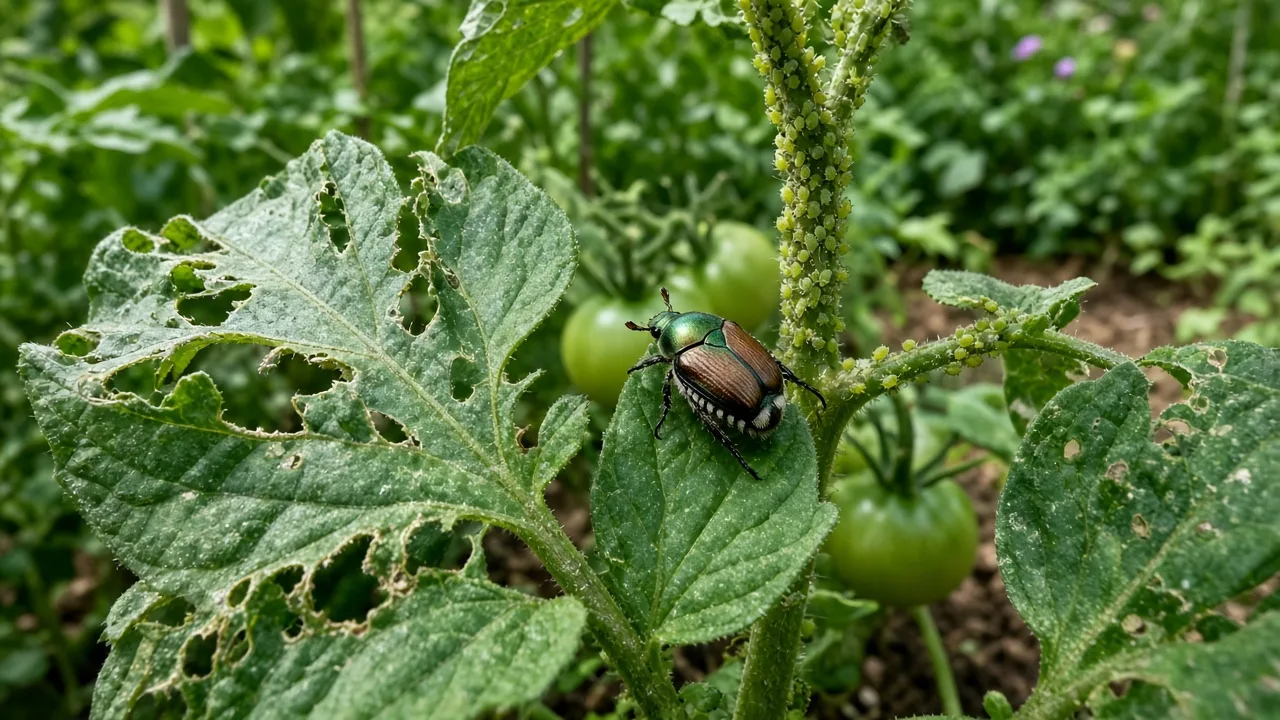
Insects do not evaluate your garden like a deer sniffing a perimeter. Aphids feed on phloem sap; spider mites pierce cells; beetles chew leaves with hardened mouthparts. A dry deodorant bar neither wets their bodies nor disrupts cell membranes.
Insecticidal soap works because potassium fatty-acid salts penetrate soft exoskeletons when sprayed directly (Colorado State University Extension). Larger insects—adult beetles, caterpillars, bees—are generally immune to soap sprays; larval stages may be susceptible if fully wetted. Hanging soap addresses none of that biology.
If your problem is whiteflies, thrips, or squash bugs, pivot to labeled products or IPM tactics matched to that pest—neem oil for some soft-bodied species, hand removal for others, row cover for prevention—not a stake of Irish Spring.
Does Irish Spring Actually Work? What Field Tests Show
Irish Spring is the default bar in most yard tests because its fragrance is aggressively strong and inexpensive—not because the brand published deer-repellent data. No bar soap carries an EPA registration as a vertebrate repellent the way labeled animal repellents do; Penn State Extension cautions broadly that homemade and anecdotal remedies are inconsistently formulated and rarely tested (Penn State Extension).
What long-running gardener experiments actually show:
- Fresh bars on stakes can reduce light, opportunistic browsing on favorite targets like daylilies when deer have alternate forage.
- Heavy pressure or familiar beds defeat soap within days as animals learn the smell does not signal danger.
- Community comments split: some swear by human hair; others invest in motion-activated sprinklers as the only reliable deer fix—evidence that scent results are site-specific, not universal.
Treat Irish Spring as a cheap trial, not proof. Photograph damage before and after, note rainfall, and set a two-week evaluation window. If new bites continue nightly, you are not failing—the method is.
How Long Soap Repellents Last—and What Resets Them
Expect roughly three to ten days of strong scent from a new bar in dry, breezy weather—shorter in humid climates, longer if the bar stays shaded. Rain is the reset button: water swells the bar, washes shavings away, and dilutes the fragrance plume at nose height.
Irrigation overspray, lawn sprinklers hitting beds, and direct sun that melts soap onto stakes also shorten effectiveness. Rehang or replace bars after every heavy rain if you continue the test; otherwise you are protecting plants with nostalgia, not odor.
Insecticidal soap sprays share the rain problem from the opposite direction: because they are contact-only, a shower removes kill power on leaves and you must re-spray after foliage dries (Colorado State University Extension). Hanging bars and spraying insects both demand weather-aware schedules—just for different pests.
A Smarter Way to Use Soap for Garden Pests: Insecticidal Sprays
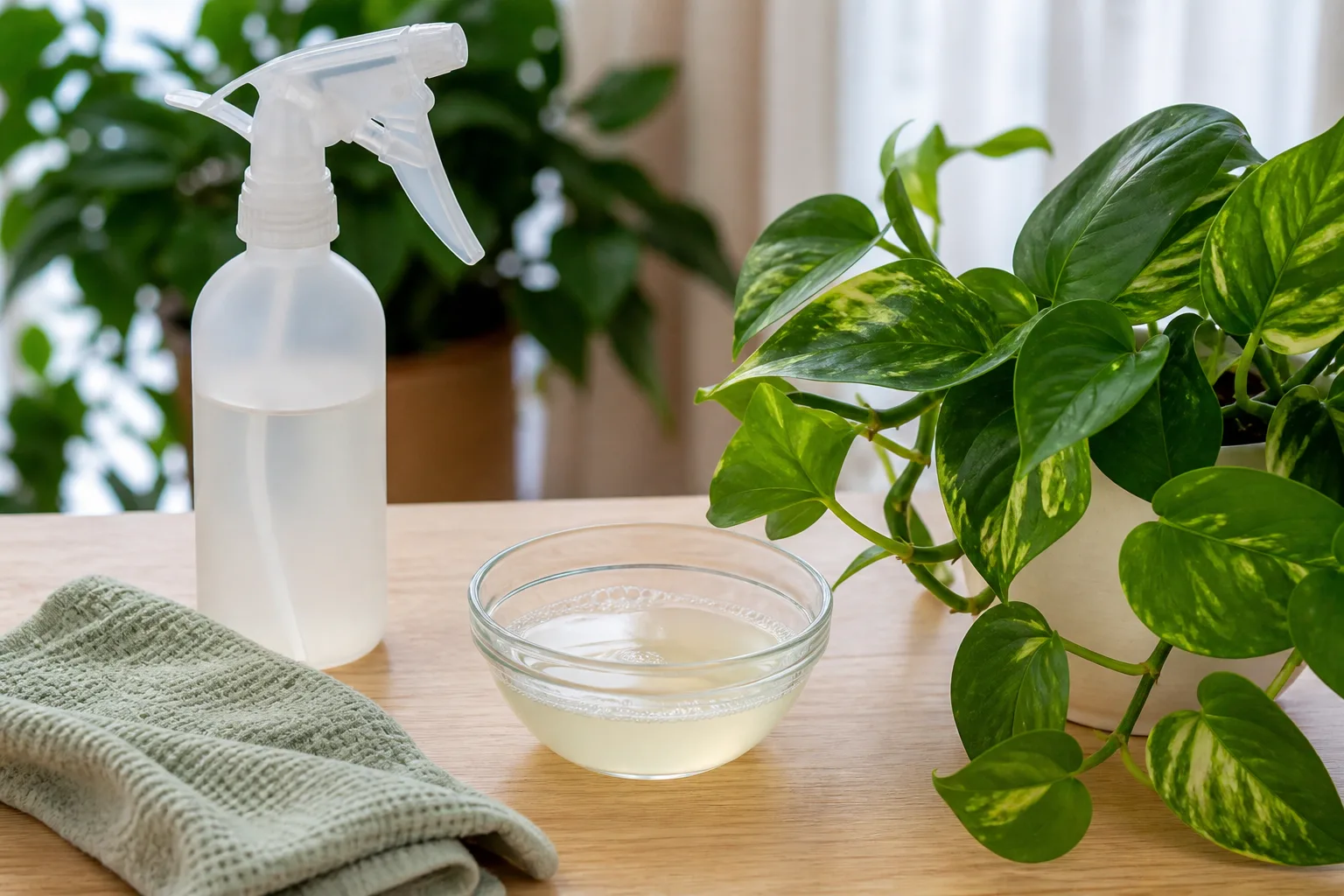
If your goal is aphids on roses or mites on vegetables, put the bar back in the shower and pick up a labeled insecticidal soap or mix a conservative castile-based DIY after a patch test. CSU Extension notes modern insecticidal soaps are potassium salts of fatty acids registered since 1947—chemically related to soap, but formulated for predictable pest control and lower phytotoxicity (Colorado State University Extension).
Application rules that separate success from leaf burn:
- Spray undersides of leaves where aphids hide; pests inside curled leaves will not be reached.
- Apply in cool morning or evening light to reduce evaporation before contact occurs.
- Repeat every four to seven days while nymphs hatch; three to four cycles minimum for mites.
- Never substitute dish detergent for labeled products—CSU warns detergents injure wax layers and may harm soil organisms.
For a full recipe matrix, sensitive-plant list, and neem comparison, use our insecticidal soap guide. Hanging a bar is not a shortcut to that chemistry.
Physical Barriers Beat Scent for Hungry Wildlife
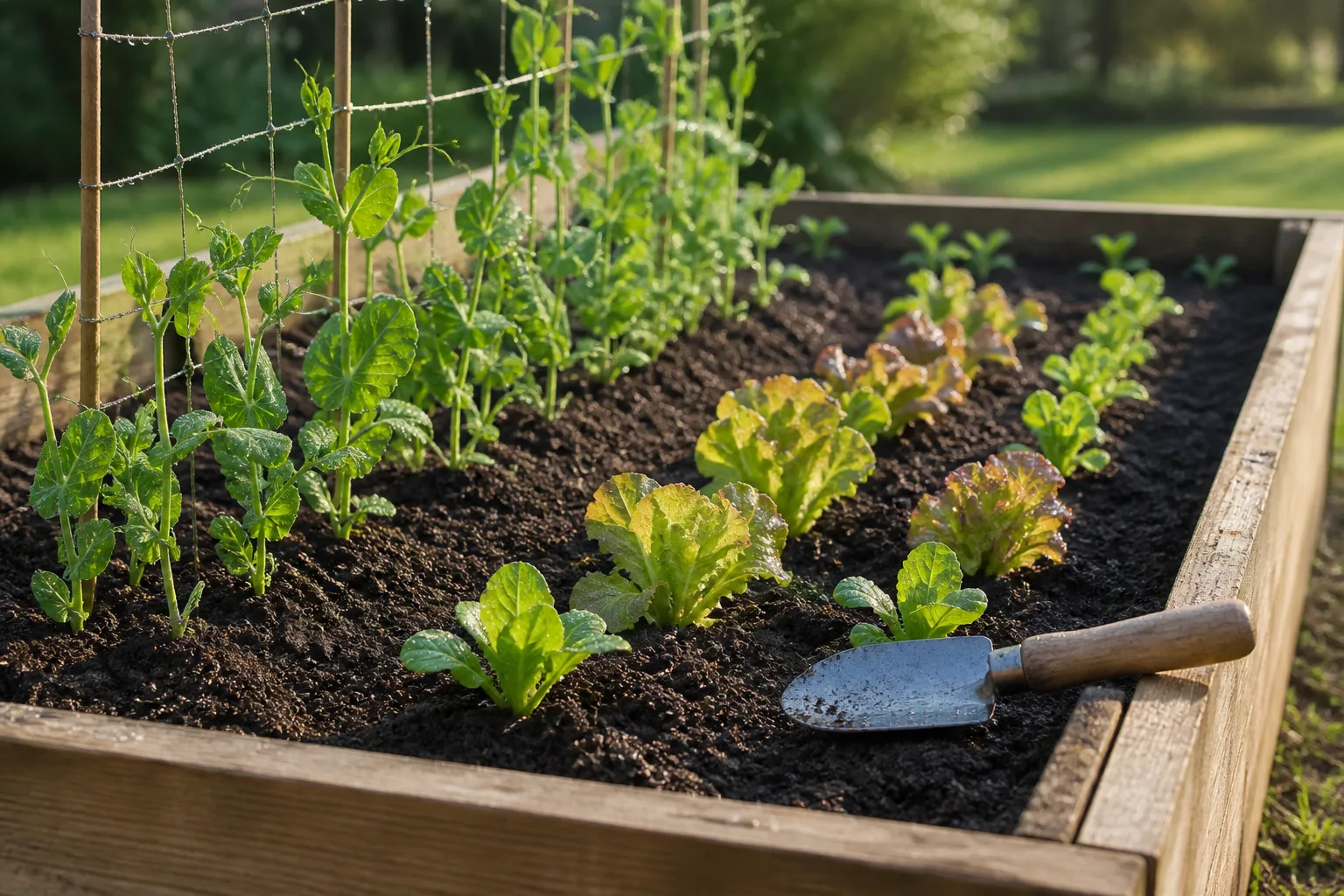
When deer treat your yard as a buffet, exclusion outlasts fragrance every time. Pest professionals rank physical barriers above smell tricks because they remove access rather than hoping an animal feels picky.
Raised beds lift tender greens above rabbit reach if sides are tall enough. Hardware cloth or deer fencing—typically 7–8 feet for deer, 2–3 feet buried or flared for rabbits—stops browsing before it starts. Mesh row covers and fruit cages protect low crops from rabbits and birds without scent gimmicks.
For ground-dwelling pests, dig a 24-inch trench and line it with wire mesh where moles or voles tunnel into beds—a labor-heavy but durable fix compared with surface soap.
Scent deterrents including soap, essential oils, and even strong cleaners belong in the “while you install the real fence” phase, not the “instead of a fence” phase. If you cannot fence the whole property, fence the high-value bed first; that concentrates budget where daylilies and tomatoes actually live.
Diatomaceous Earth for Crawling Insects on Plants
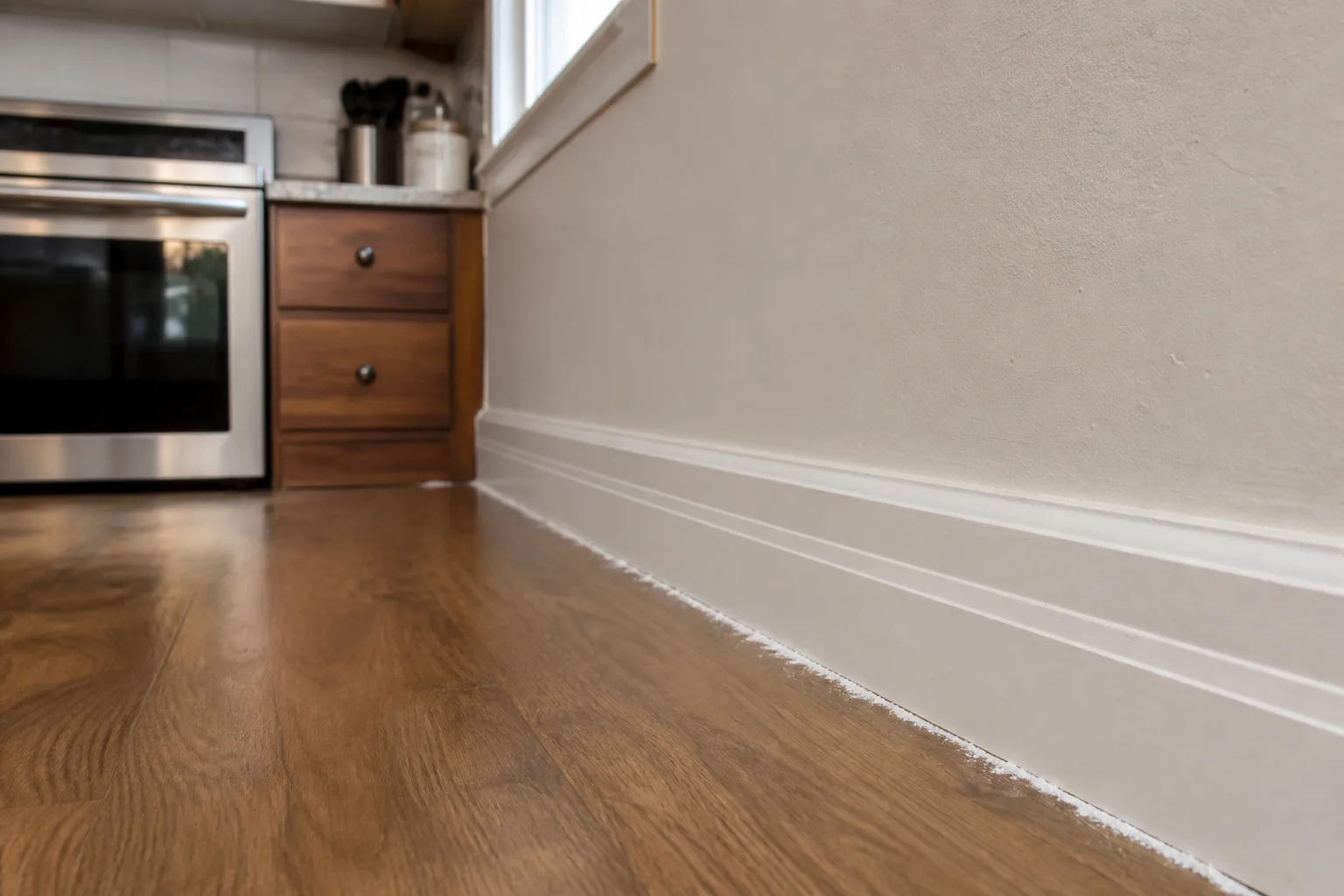
Diatomaceous earth (DE) is a different “natural powder” gardeners mix up with soap shavings. Made from fossilized diatoms, food-grade DE damages insect exoskeletons through abrasion and desiccation when insects crawl through a dry, undisturbed layer (NPIC). It is not poisonous and does not need to be eaten—but it stops working when wet, exactly like scent bars fail after rain.
Use DE when:
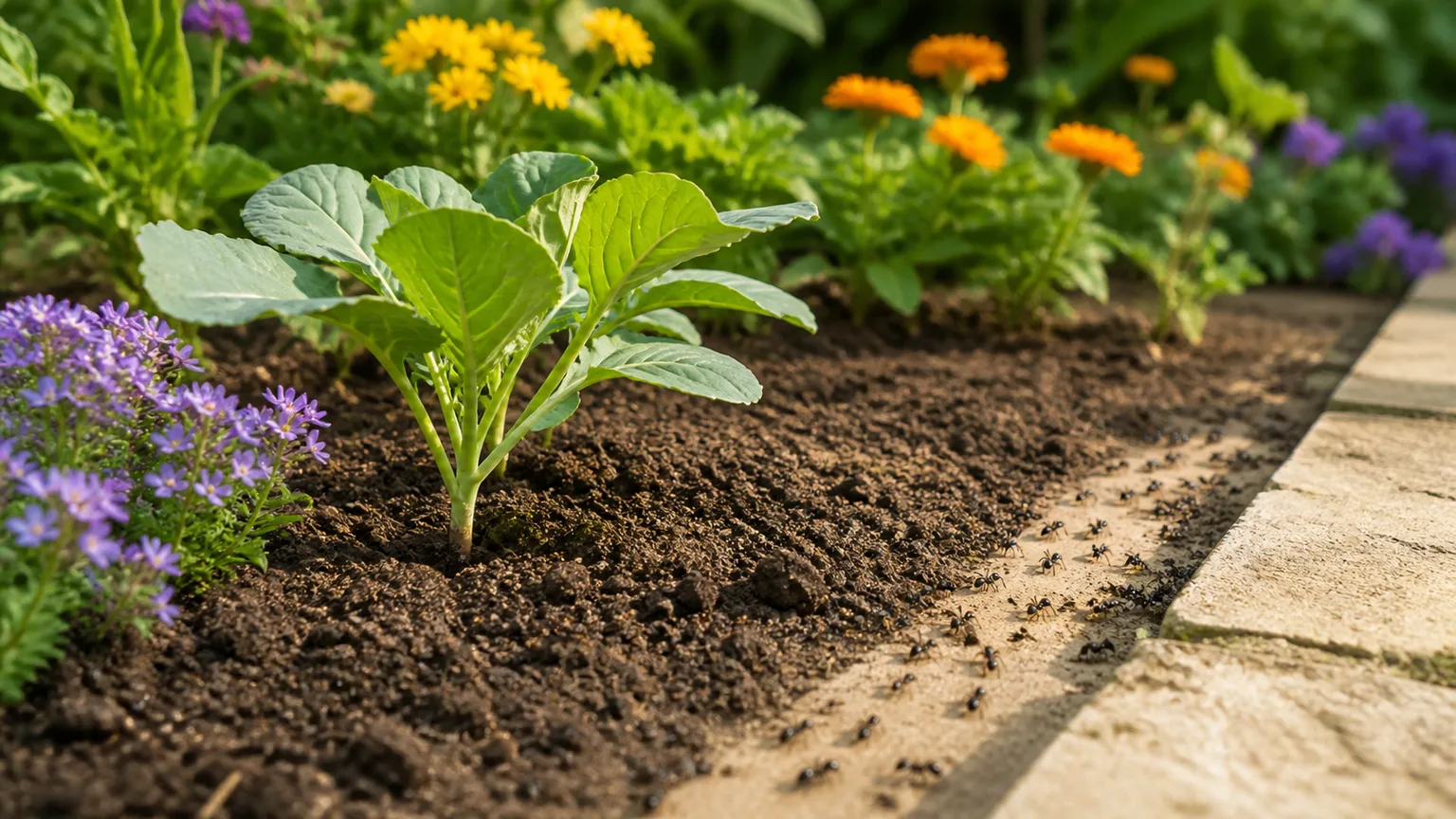
- Slugs, beetles, earwigs, or ants travel across dry soil or stem bases you can dust lightly.
- You accept slow kill (24–72 hours per insect) and frequent reapplication after irrigation.
Skip DE when:
- You need aphid control on wet leaf surfaces—use insecticidal soap instead.
- Wind or pets will broadcast dust into lungs; NPIC notes DE irritates airways when airborne.
- You are fighting moles or deer—DE targets exoskeleton insects, not vertebrates.
Apply a thin film, not piles. Our diatomaceous earth guide covers placement logic that translates to garden beds even when the pest is not roaches—dry lanes, reapplication after rain, and realistic timelines.
Essential Oils and Other Scent Barriers—Match the Pest
Essential oils—peppermint, clove, garlic, rosemary—appear in many “natural yard spray” recipes. They can mask food cues or signal danger to some pests when freshly applied, but each oil targets a narrow range, concentrations vary wildly in DIY mixes, and residual action is short.
Peppermint and clove blends show research-backed repellency against some wasps in controlled tests; garlic sprays repel soft-bodied insects temporarily on contact. None replace sanitation, exclusion, or labeled sprays when infestations are established. Match oil to pest the same way you would match a trap bait—see our wasp repellent guide for scent-barrier timing that applies to patio/perimeter use.
Do not mix strong cleaners, ammonia, and soap bars in the same bed chasing different pests— you risk plant injury, pet grooming exposure, and dangerous fume combinations without additive benefit. One scent strategy at a time, reapply on schedule, and measure damage weekly.
How to Test Hanging Soap Without Wasting Your Summer
If you still want to try hanging bars—especially for light deer or rabbit pressure—run a structured test instead of random stakes:
- Identify the pest from damage patterns: clipped stems at 45° (rabbits), torn leaves and hoof prints (deer), dug holes (squirrels or moles—soap won’t fix moles).
- Choose strongly fragranced bars (Irish Spring is the common test bar). Cut in half to increase surface area; drill a center hole.
- Set 3-foot stakes every 8–12 feet along bed edges and between clumps of favorite plants (Hometalk).
- Zip-tie bars at deer nose height (~30–40 inches), not flush on soil where shavings wash away instantly.
- Photograph damage on day 0, 7, and 14. Log rainfall.
- Define success: fewer new bites on protected plants vs an unfenced control strip. If both are eaten, escalate to fencing—not more soap.
Pair the test with low-cost backups: motion sprinklers for deer, row cover for seedlings, or blood meal / egg-based repellent sprays reapply after rain if you prefer liquids over bars. Document what fails so next season’s budget goes to permanent fixes.
Safety, Soil, and Pet Concerns Outdoors
Bar soap is low toxicity compared with synthetic pesticides, but it is not zero-impact. Fragrance chemicals and dyes can irritate sensitive skin on dogs that chew stakes; keep bars out of reach if pets mouth garden hardware. Repeated shavings on soil increase surfactant load that may affect beneficial microbes—another reason to prefer whole bars on stakes over grating soap into beds every week.
Insecticidal soaps are among the gentler pesticides but still require label rates; overspray on stressed drought plants causes leaf burn (Colorado State University Extension). Wash vegetables before eating if you used DIY mixes on edibles.
DE dust irritates lungs when airborne; apply on calm days, keep children and pets away until settled, and use food-grade product only (NPIC). Never use pool-filter-grade DE in gardens.
If you are comparing folk remedies broadly—Pine-Sol for skunks, cayenne for squirrels, soap for deer—read the pattern in our Pine-Sol skunk guide: short smell nudge, habitat fix wins long-term.
Build a Simple Yard IPM Plan Instead of One Bar of Soap
Integrated pest management sounds formal; in a backyard it means sequence cheap, low-risk tools before escalation:
- Identify the pest (mammal browse vs sap-sucking insect vs burrower).
- Remove attractants—fallen fruit, open compost, pet food overnight, dense cover against foundations.
- Choose the primary tool:
- Mammals, light pressure → hanging soap trial with two-week metrics.
- Mammals, heavy pressure → fence the bed first.
- Aphids, mites, whitefly → insecticidal soap spray on schedule.
- Crawling beetles, ants in dry paths → DE dust in lanes, reapply after rain.
- Mixed patio pests → perimeter essential-oil barrier plus sanitation (wasp and ant guides for detail).
- Reevaluate after weather events—rain resets both scent and contact products.
- Escalate to labeled baits, traps, or professionals when population pressure stays high despite correct IPM.
A single hanging bar can sit inside step 3 for deer—never as the whole plan for a vegetable garden under nightly insect pressure.
Conclusion
Hanging a bar of soap in the yard is a low-cost, humane experiment that may briefly discourage deer, rabbits, and squirrels—but it is not pest control for insects, moles, or serious wildlife pressure. Pest pros and extension entomologists agree on the mechanism (strong scent) and the limits (rain, hunger, habituation). Irish Spring on stakes has years of gardener field tests behind it, yet the honest posts always end the same way: fencing and barriers outlast fragrance.
Use insecticidal soap sprays when soft-bodied bugs are the problem, diatomaceous earth for dry-surface crawling insects, and physical exclusion when animals keep returning. Run a two-week soap trial with photos and rainfall notes if you want proof on your property—then invest where the data points, not where the trend points.