What Is Insecticidal Soap? How to Make Your Own
Learn what insecticidal soap is, how potassium fatty-acid soaps kill aphids and mites on contact, and safe DIY castile recipes—with rates, patch tests, and plant warnings.
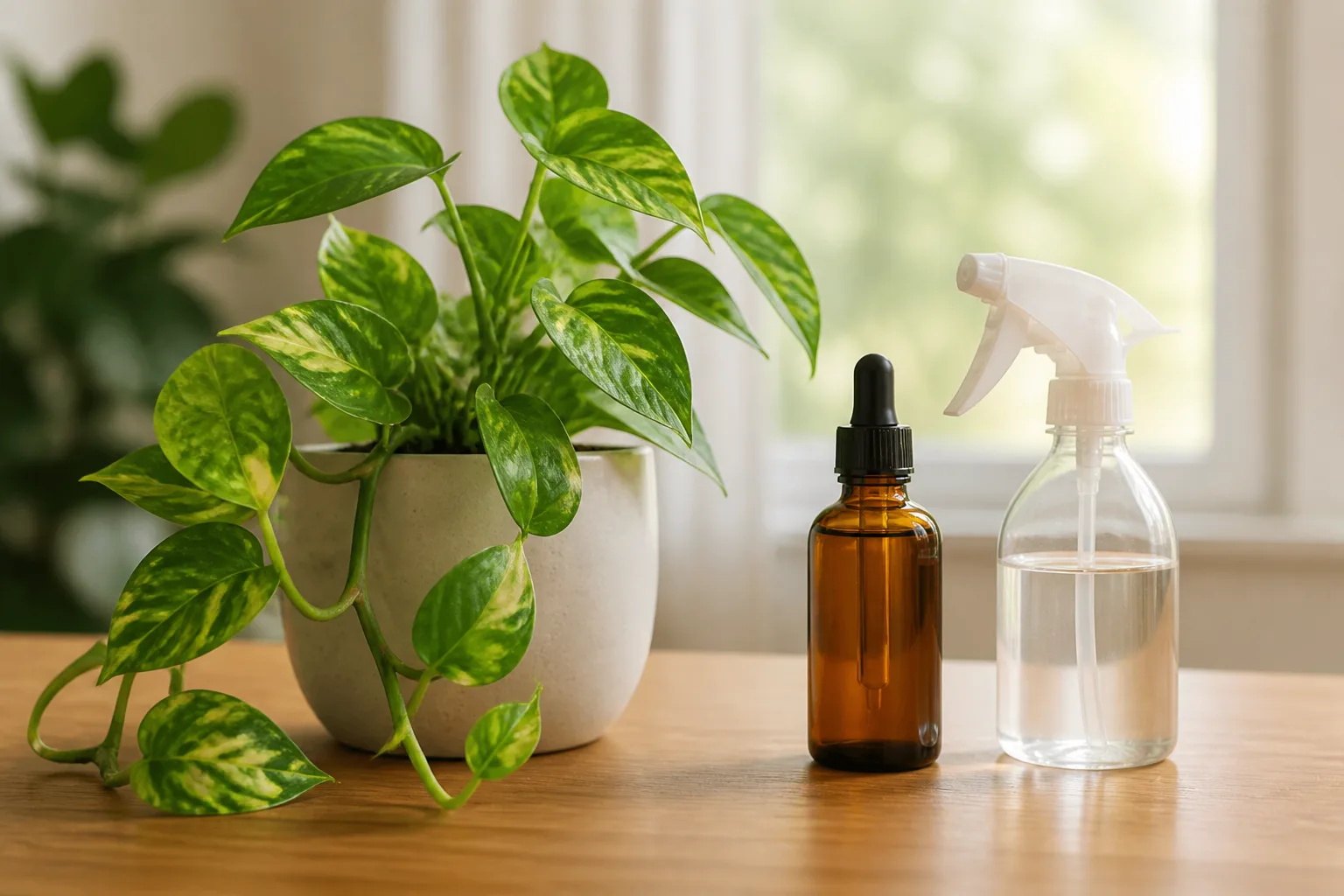
Insecticidal soap is a contact pesticide made from potassium salts of fatty acids—the same chemistry class as true soap, not dish detergent. It kills small, soft-bodied pests when the spray fully wets them, then dries without leaving a long-lasting poison on the leaf. That makes it a favorite low-toxicity tool for aphids, mites, and mealybugs on houseplants and garden beds—if you mix it conservatively, spray thoroughly, and respect the plants that hate it.
This guide explains what insecticidal soap is, how it works, when a labeled commercial product is smarter than a DIY bottle, and—when you still want to mix your own—exact castile-based recipes, hard-water fixes, application timing, and the patch test that keeps you from frying sensitive leaves.
The Quick Answer: Soap, Water, Contact Coverage
Insecticidal soap kills soft-bodied insects on contact by disrupting cell membranes and speeding dehydration. Mix a labeled concentrate per the package, or—for DIY—start with 1 teaspoon of pure liquid castile soap per quart of water (about 4 teaspoons per gallon) and spray until liquid begins to drip from leaf undersides. Reapply every 4 to 7 days while pests persist because dried soap has no residual kill.
Spray in early morning or evening, avoid full sun and temperatures above 90°F (32°C), and patch-test a small leaf area 24 hours before treating the whole plant (Clemson HGIC). Rinse only if leaves show burn signs—not after every routine application while the spray is still doing its job.
When a Labeled Product Beats a Homemade Mix
University extension programs consistently recommend registered insecticidal soap products over kitchen improvisations. Colorado State Extension notes commercial soaps are formulated, tested for plant safety, and labeled with legal use directions—while household cleaners contain detergents, degreasers, and preservatives that can injure leaf waxes and are not FIFRA-compliant pesticides (CSU Extension). Buy labeled soap when you want predictable kill rates, edible-crop harvest intervals on the label, and manufacturer support if phytotoxicity occurs. Mix castile at home when you accept more variability and will patch-test every plant.
What Insecticidal Soap Actually Is
Forget the marketing word “natural.” Insecticidal soap is soap salts—potassium ions attached to long fatty-acid chains derived from plant or animal oils. Modern products use refined potassium salts of fatty acids (PSFA) as the active ingredient. The first EPA-registered soap pesticide dates to 1947, and PSFAs remain common in organic and IPM programs because they break down quickly and leave minimal residue when used as directed (CSU Extension).
Insecticidal soap is not neem oil, horticultural oil alone, pyrethrin, or dish liquid. Neem is an oil-based botanical with different modes of action; detergents are surfactant cleaners engineered to strip grease. Confusing the three is the fastest route to weak pest control or spotted leaves.
Potassium Salts of Fatty Acids Explained
True soap forms when a strong alkali (historically potassium hydroxide for soft liquid soaps) reacts with fatty acids in coconut, palm, olive, or other oils. The resulting molecule has a water-loving head and a fat-loving tail—perfect for disrupting insect cuticles but also for stripping protective plant waxes if the formula is too harsh or too frequent.
Chain length matters. K-State Extension Entomology explains that long-chain fatty acids (roughly 10–18 carbons) carry insecticidal activity, while shorter chains behave more like herbicides (K-State Extension). That is one reason random household products—with unknown fatty-acid profiles—are unreliable on both pests and plants.
How Insecticidal Soap Kills Pests
Soap sprays work only while wet. The solution must contact the pest’s body; there is no systemic movement inside the plant. Extension sources describe three overlapping mechanisms: fatty acids penetrate the cuticle and rupture cell membranes; protective waxes wash off, accelerating water loss; and in some cases spiracles (breathing pores) clog, interfering with respiration (CSU Extension; Clemson HGIC).
Because kill is contact-based, coverage beats concentration. A correctly diluted spray that misses the undersides of leaves will fail while a thorough coat at the low end of the label rate often succeeds.
Soft-Bodied Targets—and What Soap Will Not Touch
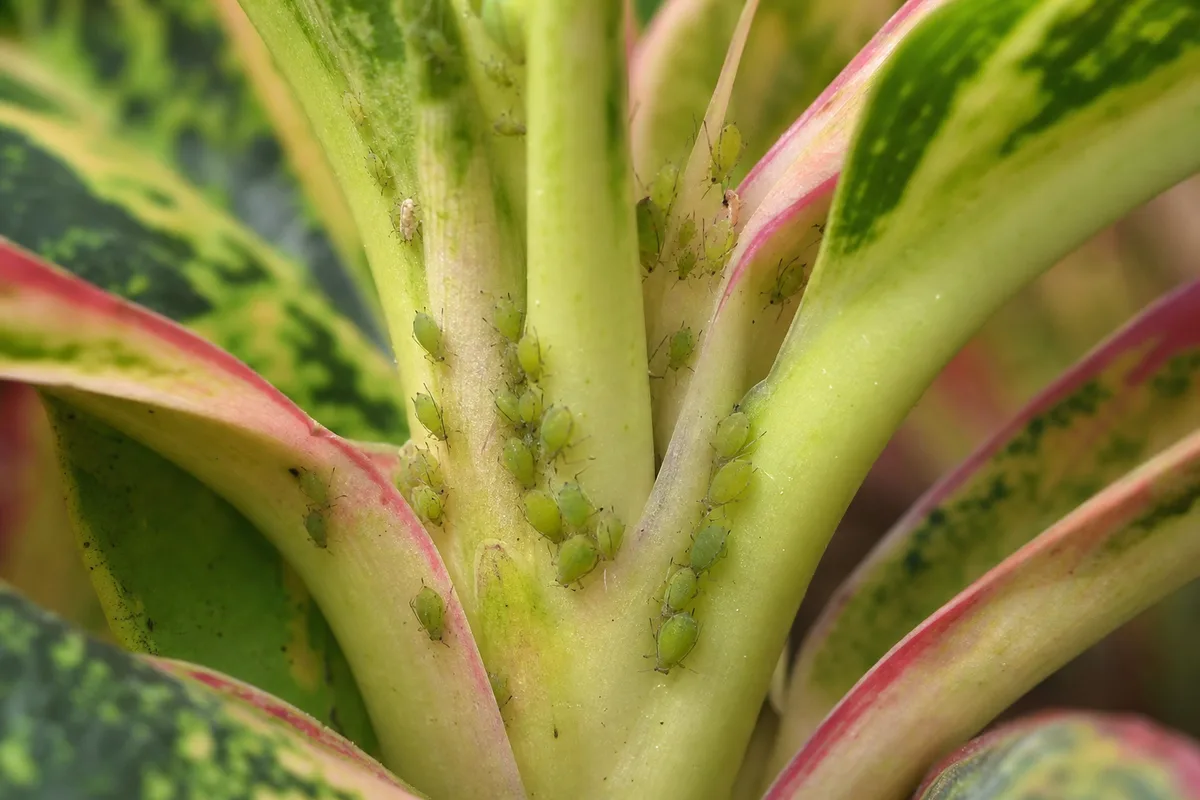
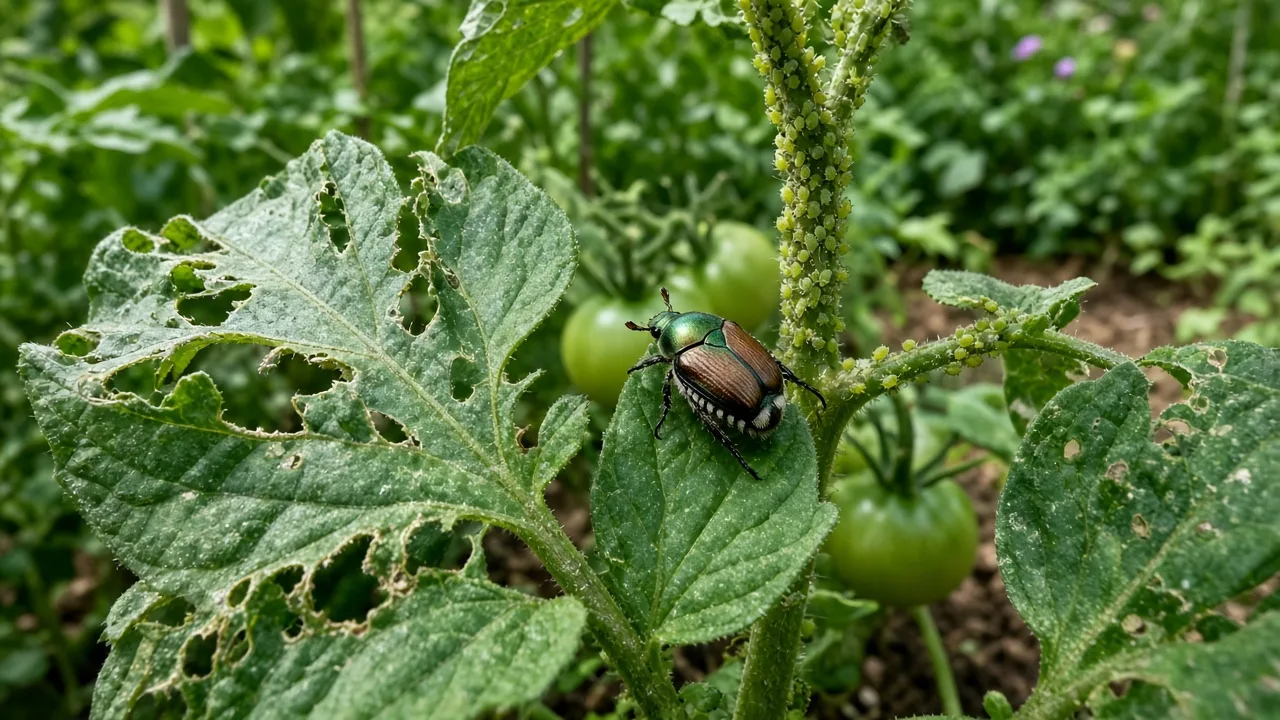
Most susceptible: aphids, mealybugs, spider mites, whitefly nymphs, thrips, psyllids, and young scale crawlers—all small, soft-bodied arthropods (CSU Extension). For houseplant outbreaks, see dedicated guides on aphids, spider mites, mealybugs, thrips, and scale for identification before you spray.
Poor targets: caterpillars, beetles, adult lady beetles, bees, and armored adult scale with hard shells. Soap may still knock down beneficial mites and predatory insects if you hit them directly—even though dry residue is relatively benign (Clemson HGIC). Match the tool to the pest stage: soap for soft-bodied nymphs; physical removal or different chemistry for armored adults.
Commercial Insecticidal Soap vs Homemade Castile
Walk any garden center and you will see RTU bottles and concentrates from Safer, Bonide, Espoma, and others—all with potassium salts of fatty acids on the label and legal application rates. These products are not identical to bottled castile from the soap aisle, but they share the same chemical family, refined for pesticide use.
Homemade mixes typically use fragrance-free liquid castile soap plus water, sometimes with a small amount of horticultural oil to improve cling and smothering. Gardening Know How and many growers publish castile recipes for organic gardens; extension programs allow that people do mix their own—but warn that phytotoxicity risk rises compared with labeled products (Gardening Know How; CSU Extension).
Practical decision rule: If the plant is rare, edible, or already stressed, use a labeled insecticidal soap. If you are treating common houseplants after a patch test and want a same-day mix, castile plus distilled water is the safest DIY path—never dish detergent.
What you gain with a labeled bottle: predictable 1–2% concentration, documented phytotoxicity lists, pre-harvest intervals on edible crops, and batch-to-batch consistency. RTU (ready-to-use) sprays skip math entirely—useful when you are treating one infested fern at midnight and do not want to measure teaspoons into a gallon jug.
What you accept with DIY castile: no legal pesticide registration, no printed sensitive-plant list on the bottle, and the burden of patch-testing every species yourself. That trade-off is reasonable for experienced growers; it is a poor fit for a first-time pest crisis on a prized Japanese maple.
Why Extension Services Discourage Dish Soap Sprays
Social media loves the “Dawn and water” spray. K-State research notes some dish liquids show activity on soft-bodied pests in lab-style tests—but also documents inconsistent results, unknown fatty-acid profiles, perfumes and dyes that injure plants, and the fact that dish products are not registered pesticides (K-State Extension). Colorado State is blunt: do not use household liquid soaps or cleaning products as pesticides; detergents can damage soil, waterways, and leaf cuticles, and they fall outside EPA minimum-risk exemptions because they are multi-ingredient cleaners—not single active ingredients (CSU Extension).
Translation for gardeners: Dawn may kill some aphids in a pinch, but it is more likely to burn leaves and gives you zero label support. Castile or labeled soap is the defensible choice.
How to Make Homemade Insecticidal Soap
Use a clean spray bottle or pump sprayer reserved for plants—not one that held bleach or herbicide. Mix only what you will use within a day or two; fatty-acid solutions do not store well unless you follow an oil-emulsion recipe and still refresh weekly.
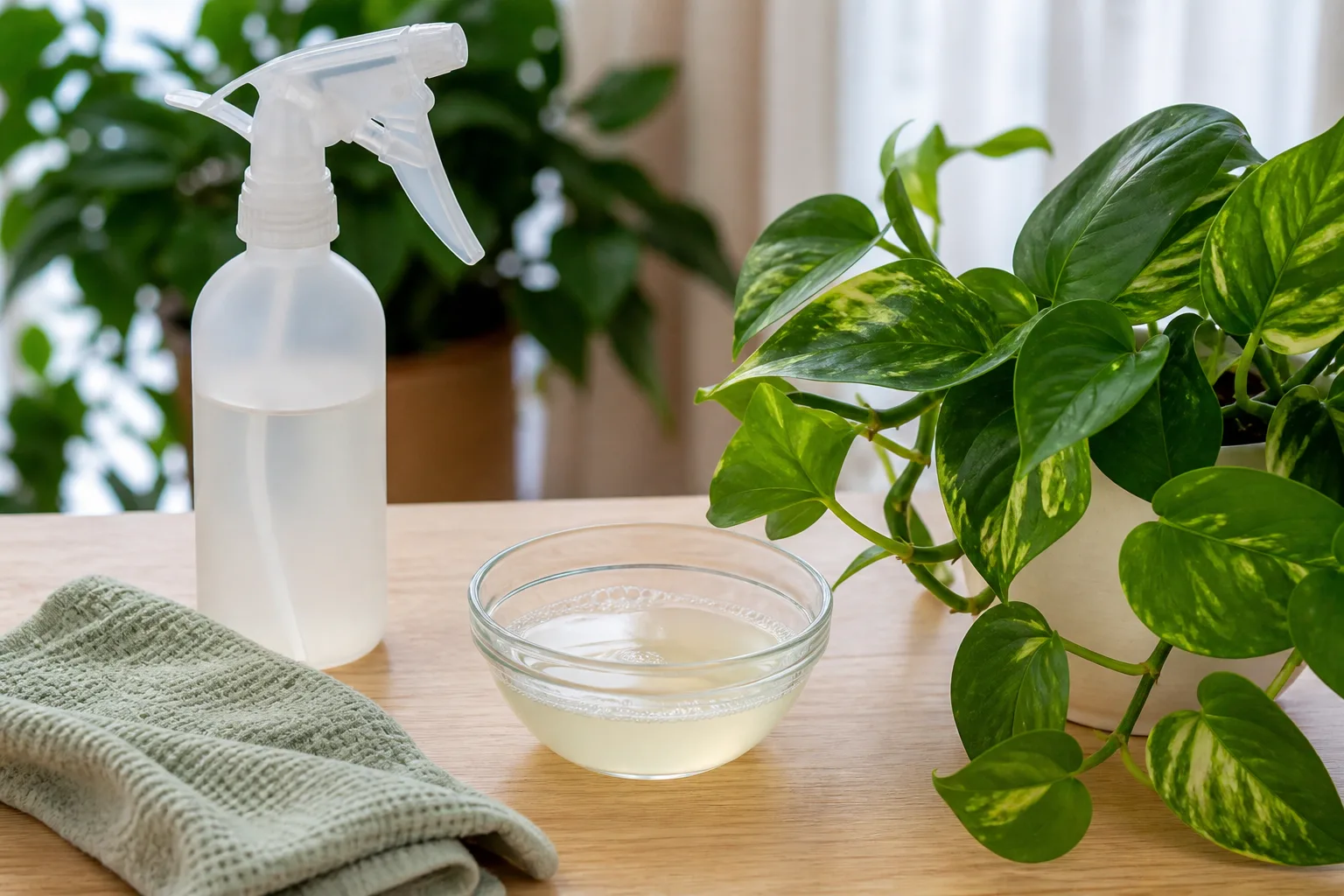
Basic Castile-and-Water Recipe
Ingredients:
- 1 gallon (3.8 L) water — distilled or soft tap if possible (see hard-water section)
- 1–2 teaspoons pure liquid castile soap (start low; increase only after a successful patch test)
Steps:
- Fill the sprayer with water first to reduce foaming.
- Add castile soap and swirl gently—do not shake into a foam storm.
- Use immediately; agitate lightly before each pass.
Gardening Know How suggests a slightly stronger concentrate stock (2.5 tbsp castile + 2.5 tbsp vegetable oil + 1 gallon water) diluted further to 1 tsp of that stock per cup of water for spraying (Gardening Know How). Clemson’s labeled-product equivalent is roughly 2½ to 5 tablespoons of concentrate per gallon for a 1–2% solution—never exceed label rates on commercial products (Clemson HGIC). When DIY mixing, start at 1 tsp per quart and escalate only if pests survive and leaves stay clean after 24 hours.
Soap Plus Horticultural Oil Emulsion
Oil helps the spray stick to waxy pests like mealybugs and can improve kill on spider mites—but raises leaf-burn risk in heat. Make a concentrate jar first:
- Mix 1 cup vegetable oil or lightweight horticultural oil with 1 tbsp castile soap; shake hard until milky (emulsified).
- To spray, blend 1–2 tsp of that emulsion per quart of water.
Use oil mixes only on plants that passed an oil-and-soap patch test, and never combine with sulfur or within the label interval of other pesticides unless both labels allow it. Do not improvise tank mixes of soap + copper + Bt + pyrethrin without explicit label permission—each additive carries its own phytotoxicity and bee-toxicity rules.
Mixing Rates, Hard Water, and Shelf Life
Hard tap water is a silent soap killer. Calcium and magnesium bind fatty acids into scum that will not wet pests. Clemson recommends a jar test: mix your planned rate in a clear glass, agitate, and wait 15 minutes—if a greasy scum ring or floating curd appears, switch to distilled, reverse-osmosis, or collected rainwater (Clemson HGIC). Indoor growers on municipal water often pass the jar test in one city and fail after a move—retest when pressure changes.
Foam is not coverage. Castile loves to bubble; heavy foam sits on top while pests on lower leaf surfaces stay dry. Fill sprayers with water first, add soap last, and use a pump sprayer with a wand for houseplant canopies instead of a tiny trigger bottle when infestations spread beyond one leaf.
| Mix type | Starting rate | Notes |
|---|---|---|
| DIY castile (conservative) | 1 tsp per quart / ~4 tsp per gallon | Patch-test before increasing |
| Labeled concentrate | 2½–5 tbsp per gallon (1–2%) | Follow package exactly |
| Oil emulsion working spray | 1–2 tsp emulsion per quart | Higher burn risk above 90°F |
Shelf life: Plain soap water is best mixed fresh daily. Oil emulsions may keep several days to a week in a sealed jar if refrigerated—shake before use and discard if it separates permanently or smells rancid.
How to Apply Insecticidal Soap Without Burning Plants
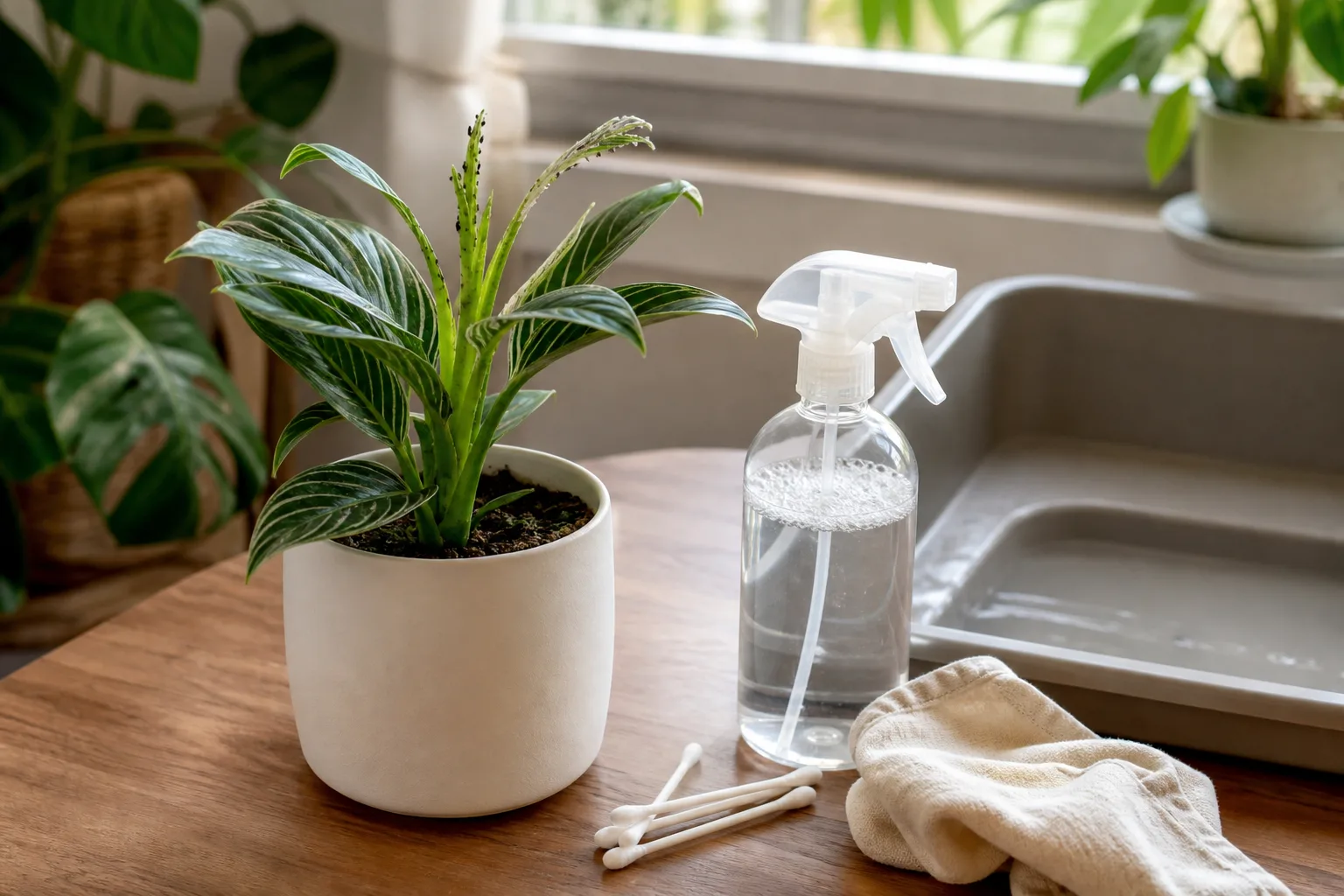
Think like an IPM technician, not a firefighter:
- Isolate lightly infested houseplants before spraying shared shelves.
- Water the plant lightly a few hours earlier if it is drought-stressed—not sopping wet.
- Spray until runoff from tops and especially undersides of leaves, stem crotches, and growing tips.
- Hit visible pests directly; soap does not hunt hidden insects after it dries.
- Rinse with plain water only if leaves show stippling or edge burn within hours—not as a default after every treatment (Clemson HGIC).
For edible crops, labeled products specify pre-harvest intervals; with DIY castile, wait at least 24 hours after spray dries and wash produce before eating—conservative practice when no legal interval exists.
The 24-Hour Patch Test
Choose one leaf or small branch. Spray your full-strength mix. Wait 24 hours in normal light. Look for spotting, curling, bleaching, or brown margins. No damage? Treat the rest of the plant. Damage? Cut the rate in half and retest—or switch to a labeled product rated for that species.
Skip spraying entirely on drought-stressed, newly transplanted, or heat-wilted plants until they recover.
Plants Sensitive to Insecticidal Soap
Soap is gentler than many synthetics, but not universal. Clemson HGIC lists high-sensitivity species including portulaca, hawthorn, sweet pea, cherry and plum, horse chestnut, mountain ash, Japanese maple, bleeding heart, maidenhair fern, crown of thorns, lantana, nasturtium, gardenia, and Easter lily (Clemson HGIC). Somewhat sensitive: azalea, begonia, fuchsia, geranium, and impatiens.
Bluish, waxy-leaved plants (some succulents and conifers under drought stress) may lose their desirable coating when soap strips surface waxes. Pubescent (hairy) leaves hold droplets longer and burn more easily. When in doubt, patch-test—or use mechanical removal and a different control on that specimen.
| Sensitivity | Examples | If you must treat |
|---|---|---|
| High | Japanese maple, gardenia, sweet pea, cherry, hawthorn, Easter lily, maidenhair fern | Patch-test one leaf; halve rate; consider labeled product only |
| Moderate | Begonia, impatiens, geranium, fuchsia, azalea | Spray evening only; rinse if wilting within hours |
| Often tolerant | Many pothos, philodendron, herbs on label lists | Still patch-test after repotting or heat stress |
Timing, Repeat Sprays, and Protecting Beneficial Insects
Schedule sprays for early morning or late evening when temperatures are below 90°F and leaves are out of direct blazing sun (Clemson HGIC). Slow-drying conditions give soap more contact time—dewy mornings work well outdoors; indoors, run fans off until leaves dry naturally.
Repeat every 4 to 7 days until you see no new pests for two consecutive checks—CSU notes spider mites and scale crawlers often need several passes because eggs hatch on staggered schedules (CSU Extension). For two-spotted spider mites, plan on three weekly sprays minimum even when numbers look low; the next generation is often already on the undersides you missed. Stop escalating frequency if leaf damage accumulates; more soap is not better.
Outdoor calendar note: avoid spraying open blossoms on food crops when bees are active. Early morning before bee flight, or evening after bees leave, reduces accidental contact kills while still giving slow-drying conditions that extend wet contact time.
Beneficial insects: Avoid spraying open flowers where bees forage. Spot-treat infested shoots rather than broadcasting over entire beds when lady beetles or lacewings are present. Soap does not poison them after drying, but direct hits kill predators the same as pests.
Common Mistakes That Make Soap Sprays Fail
Using dish detergent instead of castile or labeled soap—plant injury and weak, inconsistent kill.
Spraying in midday heat—soap plus sun equals leaf scorch even on “tolerant” plants.
Hard tap water—fatty acids precipitate; pests survive while leaves look fine.
One-and-done mentality—a single pass rarely clears mite or aphid generations; plan three to four treatments minimum for active infestations.
Ignoring undersides—aphids and whitefly nymphs live where you do not look.
Chasing the wrong pest—soap on armored adult scale or caterpillars wastes weeks; identify first.
Mixing too strong—“more soap = more kill” is false; excess strips wax off your plant before it finishes pests.
When Soap Is Not Enough—and What to Do Next
Soap excels at early, soft-bodied outbreaks with good coverage. It stops being enough when:
- Heavy webbing from spider mites shields adults from contact sprays.
- Mealybugs hide in crevices and root balls beyond spray reach.
- Armored scale adults need scraping, horticultural oil timing, or systemic options.
- Repeat soap cycles keep burning leaves on sensitive cultivars.
Escalate within an IPM ladder: isolate, prune infested tips, wash honeydew with plain water, then consider neem oil or a labeled combination product where appropriate. Soap also doubles as a leaf wash for honeydew and sooty mold on leaves that hosted aphids or scale—follow with plain water rinse the next day if stickiness returns (Clemson HGIC). For a full chemistry comparison, read neem oil vs insecticidal soap for houseplants and the broader indoor plant pest playbook. Build weekly monitoring habits with integrated pest management indoors so you catch the next wave while soap still works.
Conclusion
Insecticidal soap is potassium fatty-acid chemistry that kills soft-bodied pests on contact—not a magic shield and not dish liquid in a spray bottle. Labeled commercial soaps offer the best balance of efficacy, legality, and plant safety; homemade castile mixes work when you start weak, use soft water, patch-test, and spray thoroughly on the right pests.
Make your mix, test a leaf, coat the undersides, repeat on a 4- to 7-day calendar, and stop before leaves—not just bugs—show stress. When soap reaches its limits, identify the pest stage honestly and step up your IPM plan instead of doubling down on the same burned leaves.