9 New Tomato Varieties to Try in Your Garden
Compare nine standout tomato varieties—green, striped, purple, and cream—with days to maturity, flavor notes, and how to source seed when nurseries only stock basics.
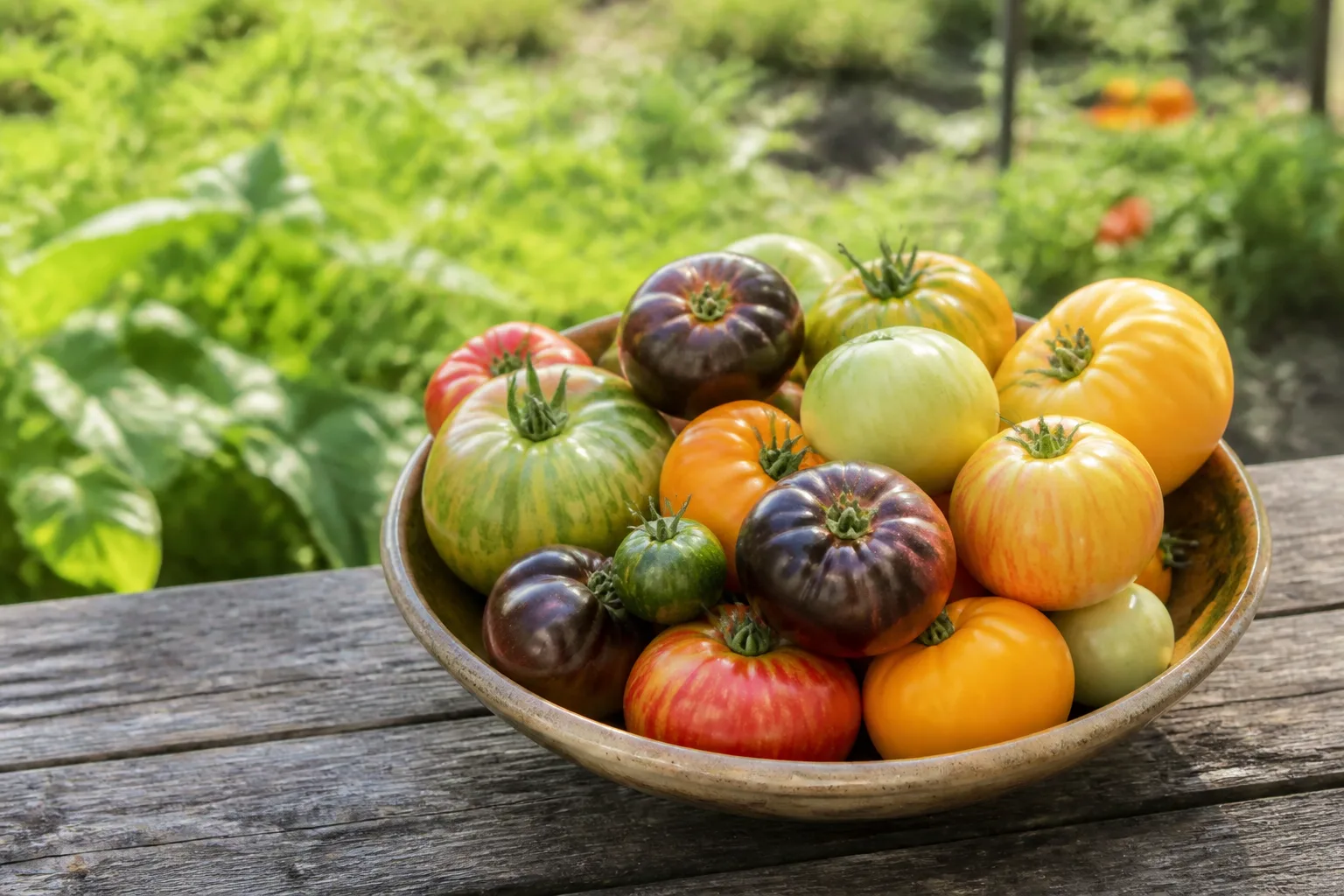
If your tomato row looks the same every summer—red slicer, red cherry, maybe a paste type—you are leaving flavor, color, and harvest insurance on the table. Breeders and seed savers release hundreds of cultivars each year, and heirlooms that never hit supermarket shelves can outperform grocery staples in a home garden. The nine varieties below are worth a deliberate trial: they cover green-ripe slicers, anthocyanin-rich purple fruit, striped cherries, cream-colored low-acid types, and ribbed stuffing tomatoes you will not find in a typical big-box six-pack.
This is not a random hype list. Each pick includes days to maturity, best kitchen use, and the honest caveat about whether you need to start from seed. For baseline culture—sun, water, support, and growth stages—see the tomato plant growth timeline and the tomato hub.
Why Bother With New Tomato Varieties?
Commercial growers favor varieties that ship firm, ripen predictably, and resist common diseases in mass production. Home gardeners care about different things: a cherry that survives a rainy week without splitting, a slicer that stays interesting on a caprese plate, or a paste type that doubles as a snack. Trying one or two new cultivars per season is how you build a personal short list without betting the whole bed on an untested name.
Heirloom and artisan-bred tomatoes also widen your harvest window. Early cherries can produce while mid-season beefsteaks swell, and late yellow heirlooms can extend slicing into early fall if your frost date allows. Diversity is practical insurance—not just Instagram bait.
How to Choose a Variety That Actually Fits Your Season
Before you fall for a photo, run three filters: frost calendar, plant habit, and kitchen job. A 90-day potato-leaf yellow sounds glorious in March and heartbreaking in September if your first frost arrives in early October and you sow late.
Reading Days to Maturity on the Packet
Most seed companies list days from transplant, not from the day you sow indoors. Add roughly 6 to 8 weeks for the seedling stage you grow under lights before setting plants out. A tomato labeled 70 days usually means first ripe fruit about 70 days after a healthy transplant into warm soil—not 70 days after you tear open the packet.
The RHS recommends sowing indoors about six weeks before the last expected frost and transplanting once nights stay above about 50°F (10°C) and soil has warmed (RHS Grow Your Own Tomatoes). UF/IFAS stresses planting after frost danger passes and giving plants at least four to six hours of sun, with more being better (UF/IFAS Tomatoes). Count backward from your target first harvest: short-season gardeners should lean toward 70-day cherries and plums; long-season beds can support 85- to 90-day heirlooms.
Match the Tomato to the Job in Your Kitchen
| Garden job | Fruit type to prioritize | Examples from this list |
|---|---|---|
| Fresh slicing & sandwiches | Medium to large beefsteaks and slicers | Captain Lucky, Lillian’s Yellow, Green Giant |
| Snacking & salads | Cherry and small cocktail types | Artisan Bumble Bee, Magic Bullet |
| Sauce & freezing | Plum and paste shapes with thick walls | Buratino, Magic Bullet |
| Stuffed or baked dishes | Hollow or heavily ribbed fruit | Zapote Pleated |
| Visual wow factor | Anthocyanin or bicolor skin | Indigo Rose, Captain Lucky |
Plant two to four tomato plants per avid fresh-tomato eater, mixing early and mid-season types. One paste, one cherry, and one slicer is a solid starter trio; swap one slot each year for a trial cultivar from the list below.
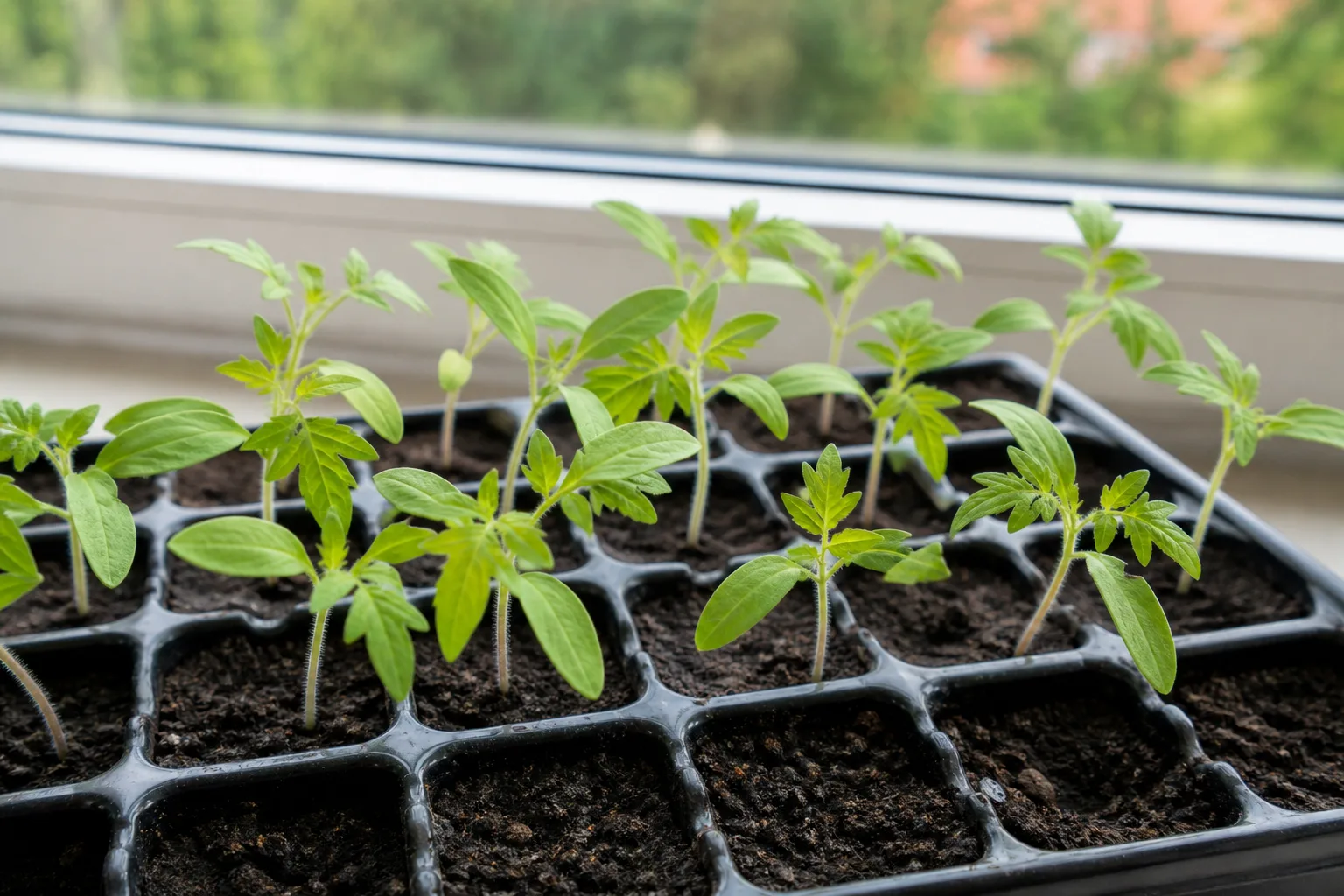
Where Unusual Tomatoes Come From (and Why Nurseries Rarely Stock Them)
Big nurseries optimize for varieties that sell in every climate: ‘Celebrity,’ ‘Better Boy,’ ‘Sweet 100.’ Unusual heirlooms and artisan stripes are almost always a seed-catalog project. Plan to start indoors or buy from a specialty grower at a farmers market—expect to pay more per plant and see far fewer name choices on the bench.
Order seed in late winter from reputable heirloom houses and read the packet for disease-resistance codes (V, F, N, T, etc.). Even colorful heirlooms benefit when you know your soil history: UF/IFAS recommends selecting cultivars with resistance to wilts and nematodes when those problems are common locally (UF/IFAS Tomatoes). Save seed only from open-pollinated heirlooms if you want the same fruit next year; hybrids will not breed true.
Anthocyanin and Showpiece Tomatoes
Purple-skinned “blue” tomatoes are the biggest recent story in home-garden breeding. The color comes from anthocyanins—the same pigment family found in blueberries—concentrated in skin exposed to sunlight. Flesh stays red or pink; flavor is still tomato, not berry.
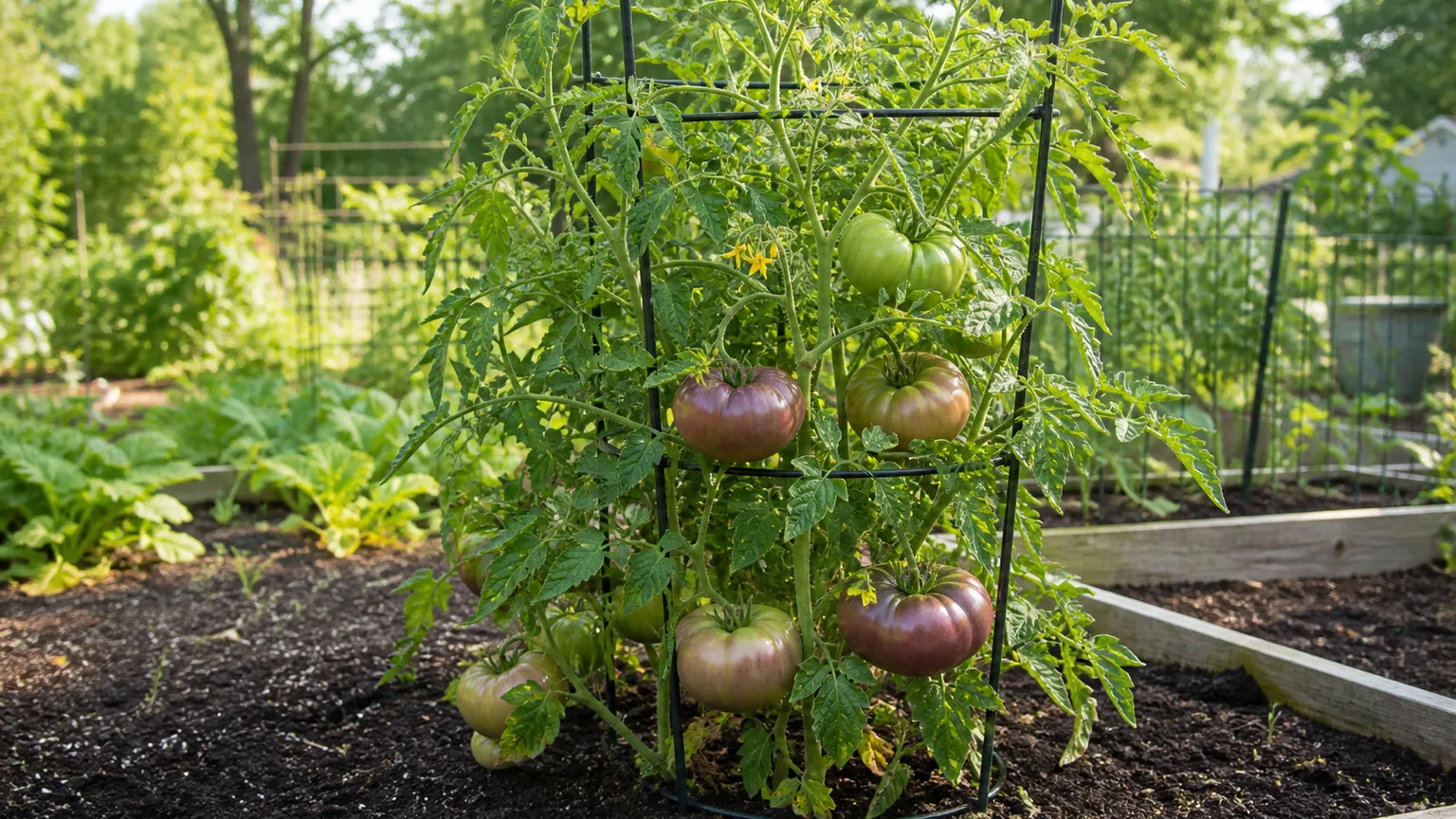
Indigo Rose (80 Days)
Indigo Rose was developed at Oregon State University through conventional breeding (not genetic engineering) and released in 2012 as one of the first widely available garden tomatoes with anthocyanin-rich fruit. Jim Myers, the OSU breeder, noted it was among the first improved tomato lines bred specifically for anthocyanin in the fruit itself. Sun-exposed skin turns deep purple-black; shaded sides ripen red. Fruit is cocktail-sized, roughly 2 inches across, with balanced sweet-tart flavor when fully ripe.
Grow it for: antioxidant-rich snacking, conversation-value harvest bowls, and breeding-line curiosity. Harvest cue: color on the sun side plus slight give; shaded red bottom should darken before you pick. Caveat: anthocyanin needs UV—do not expect full purple in heavy shade. Prune lightly to expose fruit clusters without scalding them in hot climates.
Magic Bullet (70 Days)
Magic Bullet is a small plum-shaped multicolor tomato—about 2 to 3 ounces—with indigo shoulders that intensify in direct sun. It sits between cherry and paste size: thick enough for roasting, small enough for lunchbox harvests. Flavor leans sweet with the dense texture of a miniature Roma.
Grow it for: patio buckets, striped lunchbox fruit, and sauces in small batches. Tip: like other anthocyanin types, prune excess foliage so shoulders color, but leave enough leaf cover to prevent sunscald in July heat. Pairs well with a red cherry for mixed bowls.
Green and Cream Slicers for Something Different
Color is not ripeness. A few cultivars are fully ripe while still green or ivory on the outside—which confuses every first-time grower who waits for red.
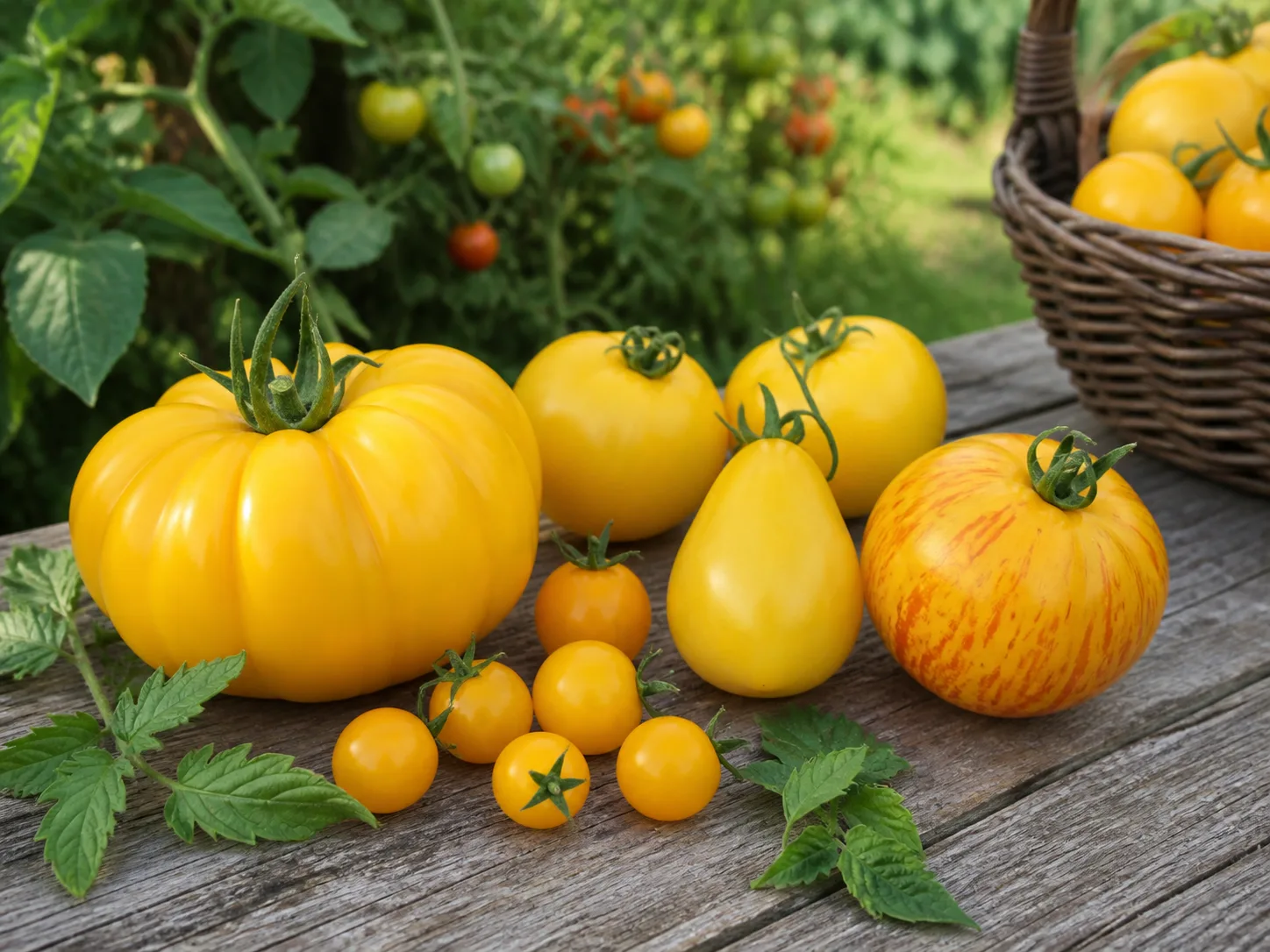
Green Giant (85 Days)
Green Giant is a potato-leaf heirloom producing large green-when-ripe fruit around 1 pound, sweet and juicy with relatively few seeds. Potato-leaf plants have smooth, undivided foliage that resembles potato leaves rather than the deeply serrated typical tomato leaf—useful ID when labels blow away.
Grow it for: fried green tomatoes from actually ripe fruit, bright green salsa, and lower-acid perception compared with many reds. Ripeness test: softening and a slight yellowish cast near the blossom end—not red blush. Season note: at 85 days, confirm your frost date; this is a mid-to-late season prize, not a race for short summers.
White Tomesol (80 Days)
White Tomesol (also spelled Tomesol in some catalogs) produces ivory to pale cream fruit averaging 8 ounces, sometimes reaching 1 pound in strong seasons. More sun deepens the skin slightly and can bring a blush at the blossom end. Flavor is classic tomato with milder perceived acidity—excellent for guests who find red tomatoes sharp.
Grow it for: white caprese with basil, pale salsa, and yellow-tomato lovers who want something even paler. Compare with other pale types in our yellow tomato varieties guide if you want a full color wheel. Do not confuse with unripe green fruit: ripe White Tomesol should yield gently to pressure.
Striped and Bicolored Tomatoes for the Plate
Stripes are not just pretty—they often signal complex sugar-acid balance and thicker skin that survives summer rains better than thin-skinned cherries.
Captain Lucky (75 Days)
Captain Lucky is a bicolored beefsteak in the 10- to 16-ounce range with green, pink, and red streaking inside and out. Dense flesh holds up on sandwiches without turning to mush. At 75 days, it is realistic for many mainland US summers if transplanted on time.
Grow it for: showpiece slicing and heirloom-fair entries. Support: indeterminate habit expects staking or tall cages; fruit weight snaps weak stakes. Harvest: pick when shoulders soften and stripes blend—underripe bicolors look pretty but taste flat.
Artisan Bumble Bee Cherry Series (70 Days)
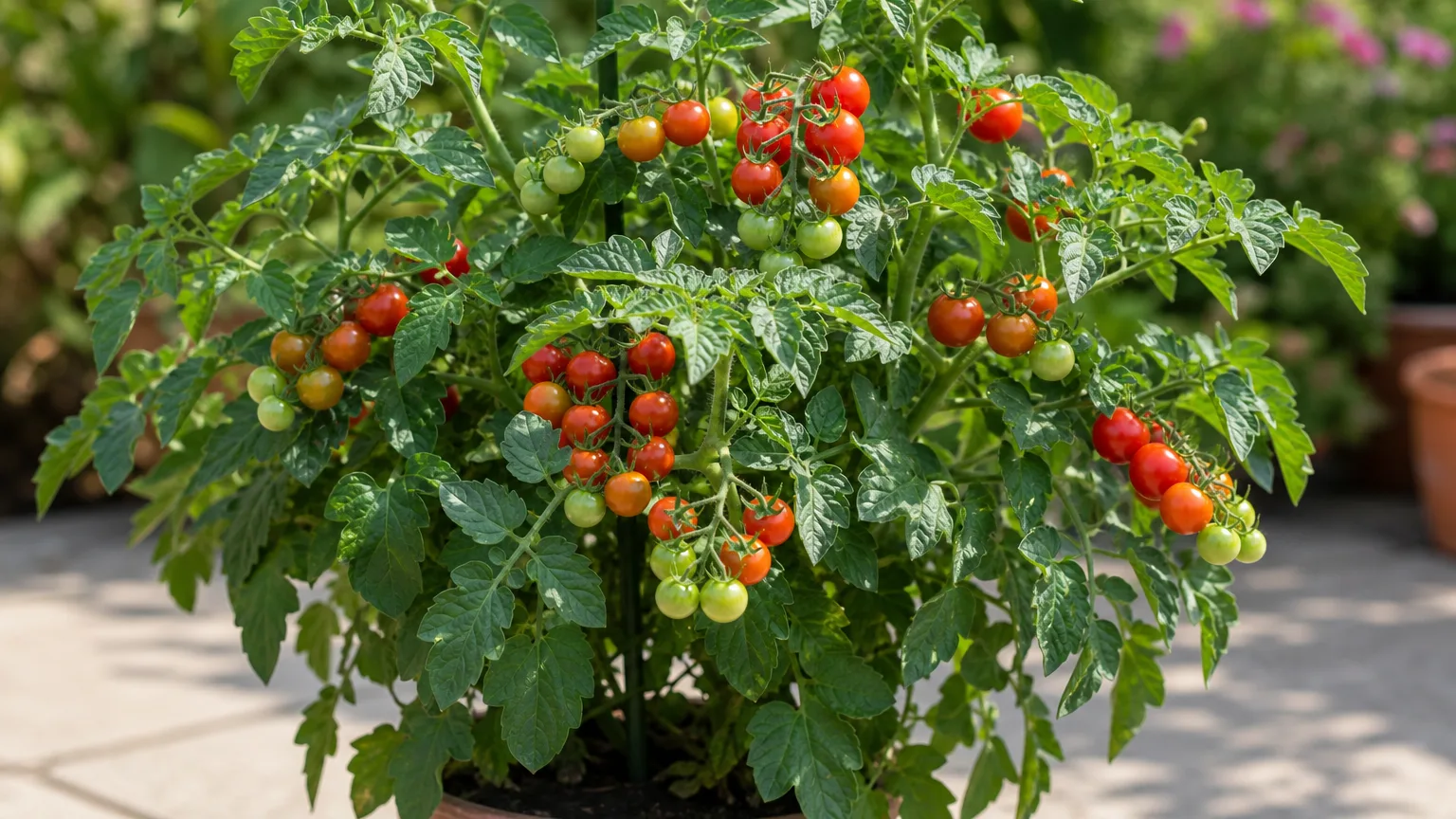
The Artisan Series—including Purple Bumble Bee, Sunrise Bumble Bee, and Pink Bumble Bee—produces striped cherry tomatoes with sweet flavor and slightly tangy undertones. Skin is sturdier than many cherries, giving crack resistance when irrigation swings or storms hit.
Grow it for: salad bowls, kid-friendly picking, and continuous indeterminate harvest. At 70 days, this is among the most forgiving “new” picks for shorter seasons. Plant two colors if you have space; they ripen at similar times and look stunning mixed. For general cherry culture, indeterminate cherries often keep setting in heat when large slicers pause—a pattern UF/IFAS notes for Florida summers (UF/IFAS Tomatoes).
Heirloom Yellows and Stuffing Types
Heirlooms trade some disease uniformity for flavor depth and story. These three stretch the season or the dinner menu.
Lillian’s Yellow Heirloom (90 Days)
Lillian’s Yellow Heirloom breaks the “yellow means mild” stereotype. This potato-leaf plant produces bright yellow slicing fruit with pale yellow, meaty interior and rich, assertive flavor—not the watered-down taste some yellow slicers carry. Size is large beefsteak class.
Grow it for: late-summer sandwiches when early cherries fade. 90 days demands a long window; northern gardeners should transplant extra-early and use black plastic mulch to warm soil. Another potato-leaf variety—label plants at transplant so you do not prune the wrong habit.
Zapote Pleated Tomato (85 Days)
The Zapote Pleated tomato—also sold as Oaxacan ribbed—is a Mexican heirloom with deeply pleated, pink-red fruit around 10 to 16 ounces. Interior pockets make it a natural for stuffing, baking, and thick slicing where ridges hold dressing. Flavor is sweet and old-fashioned tomato.
Grow it for: stuffed tomato dinners and farmers-market drama. Shape caveat: hollow-ish ribs can hold water after rain—harvest cracked fruit promptly and use baked applications. Not a sauce workhorse compared with Buratino, but unbeatable for presentation.
Buratino (70 Days)
Buratino is a Russian heirloom named for its pointed “nose,” shaped like an oversized orange Roma at 3 to 6 ounces. Thick walls, few seeds, and fruity, citrus-leaning flavor make it dual-purpose: snack off the vine, cook down for bright sauce.
Grow it for: early paste, lunchbox plums, and orange color in a sauce batch. Determinate or semi-determinate habits vary by seed line—read your packet and stake anyway when fruit loads. At 70 days, it is one of the most practical new varieties for gardeners who usually run out of summer before heirlooms ripen.
Growing Tips These Cultivars Have in Common
Unusual tomatoes still want ordinary good culture. Full sun, fertile well-drained soil, and steady moisture matter more than the name on the tag. Mulch to buffer soil moisture and reduce splash-borne disease. UF/IFAS suggests about 1 to 2 inches of water per week with deeper soakings preferred over daily sprinkles (UF/IFAS Tomatoes).
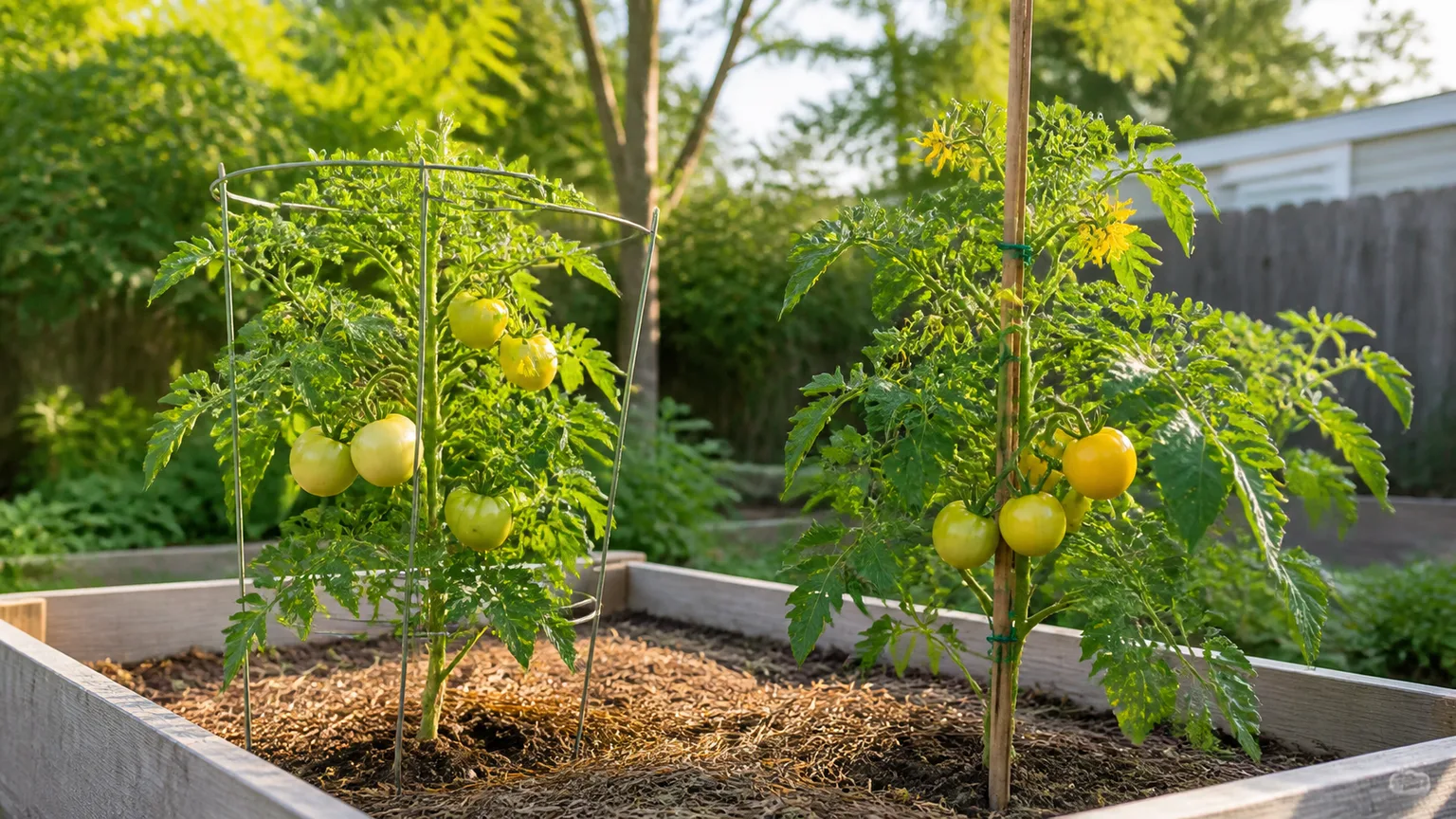
Support early. Beefsteaks and potato-leaf vines get heavy; install cages or stakes at transplant. Prune judiciously: anthocyanin types need some sun on fruit; heavy defoliation in hot climates invites sunscald. Feed thoughtfully: too much nitrogen during flowering pushes leaves over fruit. A balanced vegetable fertilizer at planting and again when first fruit set appears matches extension guidance better than weekly high-nitrogen shots.
Scout weekly for hornworms, blight, and blossom-end rot—the last is a calcium-uptake issue tied to uneven watering, not a missing magic spray. When flowers drop in heat, remember cherries often keep going; see the tomato growth timeline for stage-specific fixes.
Conclusion
Nine tomatoes, nine different reasons to break your usual planting habit: Indigo Rose and Magic Bullet for anthocyanin color, Green Giant and White Tomesol for ripe fruit that is not red, Captain Lucky and Bumble Bee stripes for the table, Lillian’s Yellow for late-season flavor, Zapote Pleated for stuffing, and Buratino for early orange paste. Pick two or three that match your frost calendar and kitchen, order seed now if nurseries will not carry them, and start indoors on the same schedule as your trusted reds.
The goal is not to grow every novelty catalog photo—it is to find one or two cultivars that earn a permanent row. Track what ripened before frost, what cracked in rain, and what your household actually ate. That notebook beats any trending list next January.



