When to Start Planting a Garden: A Winter Planner
Don't wait until March. Use winter to map frost dates, test soil, inventory seeds, and build a planting calendar so your garden is ready when the ground thaws.
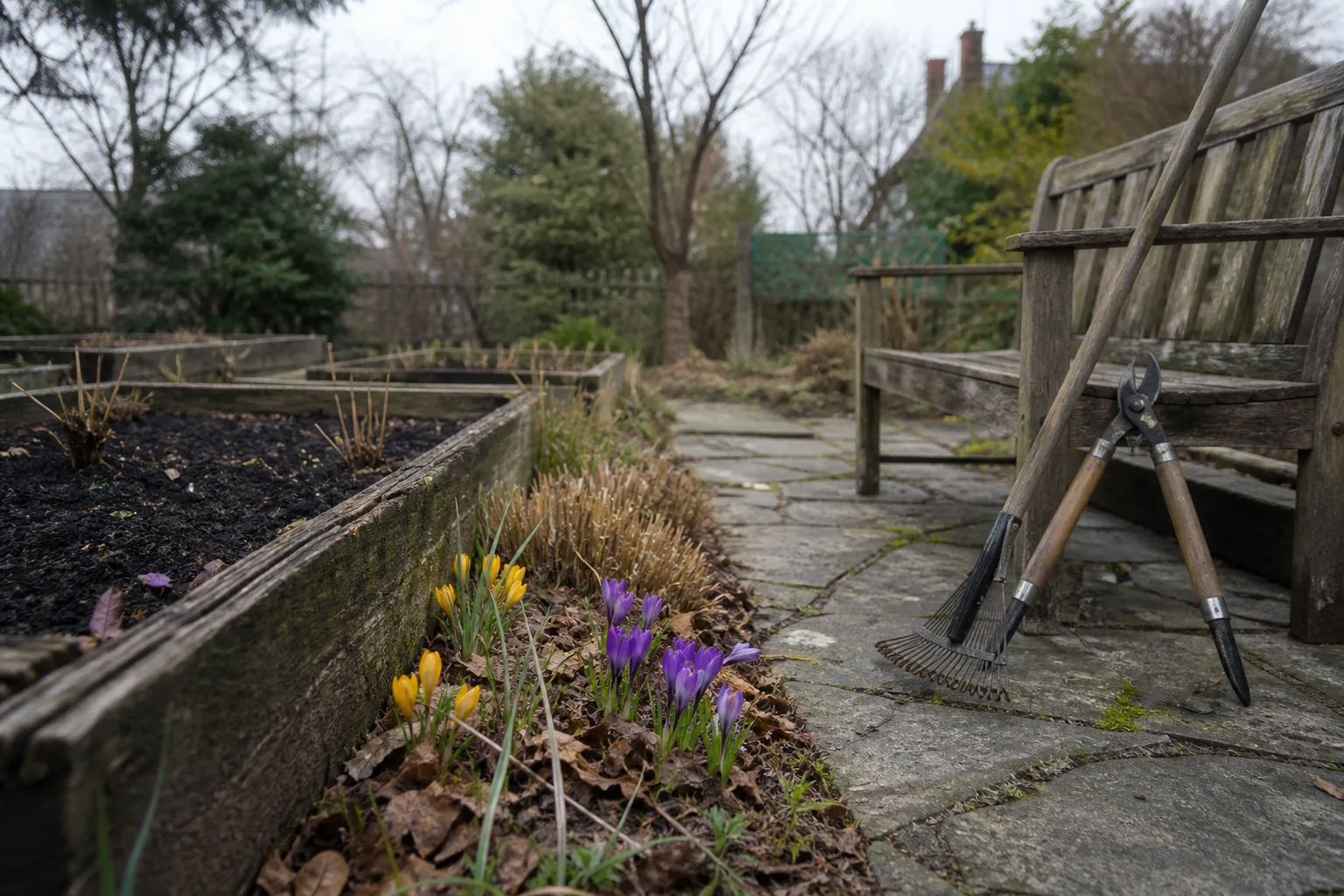
If you are staring at seed catalogs in January while snow still covers the beds, you are not early—you are on schedule. When to start planting a garden is the wrong question for February. The right one is whether your frost dates, soil test results, seed list, and bed layout are decided before the ground thaws. Gardeners who wait until spring to think usually end up buying whatever transplants are left at the nursery, planting tomatoes a week too early, and discovering compacted clay only after they have already sunk money into seedlings.
Spring is for planting. Winter is for planning—and planning is what separates a chaotic first harvest from a garden that actually feeds your household.
The Garden Year Starts Long Before You Put Seeds in the Ground
The University of Georgia Extension Vegetable Garden Calendar opens its January section with a simple instruction: make a garden plan. January and February are prime months for studying seed catalogs, preparing plots, and getting ready for a productive season—not for idly waiting until the weather feels right. That advice applies far beyond Georgia. In cold climates, winter is when you have time to research varieties, calculate how many feet of row you need, and order seeds before popular cultivars sell out.
Planning now also spreads the workload. Soil tests take weeks to process. Compost needs time to integrate. Indoor seed-starting schedules require counting backward from a transplant date you should know by heart before you sow the first tomato. None of that happens well in the frantic two weekends when the hardware store puts vegetable starts on display.
What Happens When You Wait Until March
Delay the planning work and you pay in predictable ways. You miss the window for slow crops like onions and celery that need 10–12 weeks indoors. You plant warm-season vegetables on the first sunny Saturday—then lose them to a late freeze because you never checked your average last frost date. You overbuy seeds you already own from last year, or underbuy and scramble when packets are back-ordered.
You also skip the quiet thinking that prevents expensive mistakes. Clemson Cooperative Extension notes that a small, weed-free, well-planned garden outproduces a large weedy mess. Rushing in spring favors the large messy version: too many crops, wrong spacing, no rotation plan, and beds placed where tree roots steal water all summer.
Know Your Zone and Frost Dates First
Two numbers anchor every planting decision: your USDA Plant Hardiness Zone and your average last spring frost date. They are related but not interchangeable. Confusing them is one of the most common reasons gardens fail on timing.
USDA Hardiness Zone vs Your Planting Calendar
The USDA updated its Plant Hardiness Zone Map in 2023, using 30 years of temperature data to show the average annual extreme minimum winter temperature in your area. Zones tell you which perennial plants survive your winters—whether a fig tree or lavender makes it without protection. They do not tell you when to set out tomato seedlings.
Your planting calendar comes from frost dates tracked by cooperative extension offices in your state. The average last spring frost is the date after which freezing temperatures have historically stopped for the season. Seed packets phrase instructions around it: “sow indoors 6–8 weeks before last frost,” or “direct sow 2 weeks before last frost.” You need that date for your zip code or county, not a national average.
Average Last Frost Is a Planning Tool, Not a Guarantee
Treat your last frost date like a weather forecast, not a contract. Every year deviates. A late Arctic blast in May can wipe out peppers planted on a warm April weekend. An early spring can leave cool-season crops bolting before you harvest them. Build margin into your schedule: keep row cover handy for surprise frosts, and resist planting your entire warm-season plot on a single day.
For fall planting, run the same math backward from your first fall frost. Count back the crop’s days to maturity plus a harvest window—UGA Extension recommends adding about 18 days beyond maturity for harvest time when calculating late-summer sowings. If snap beans need 55 days and your first frost is November 15, work backward to early September, not mid-October.
When to Start Planting Depends on What You Grow
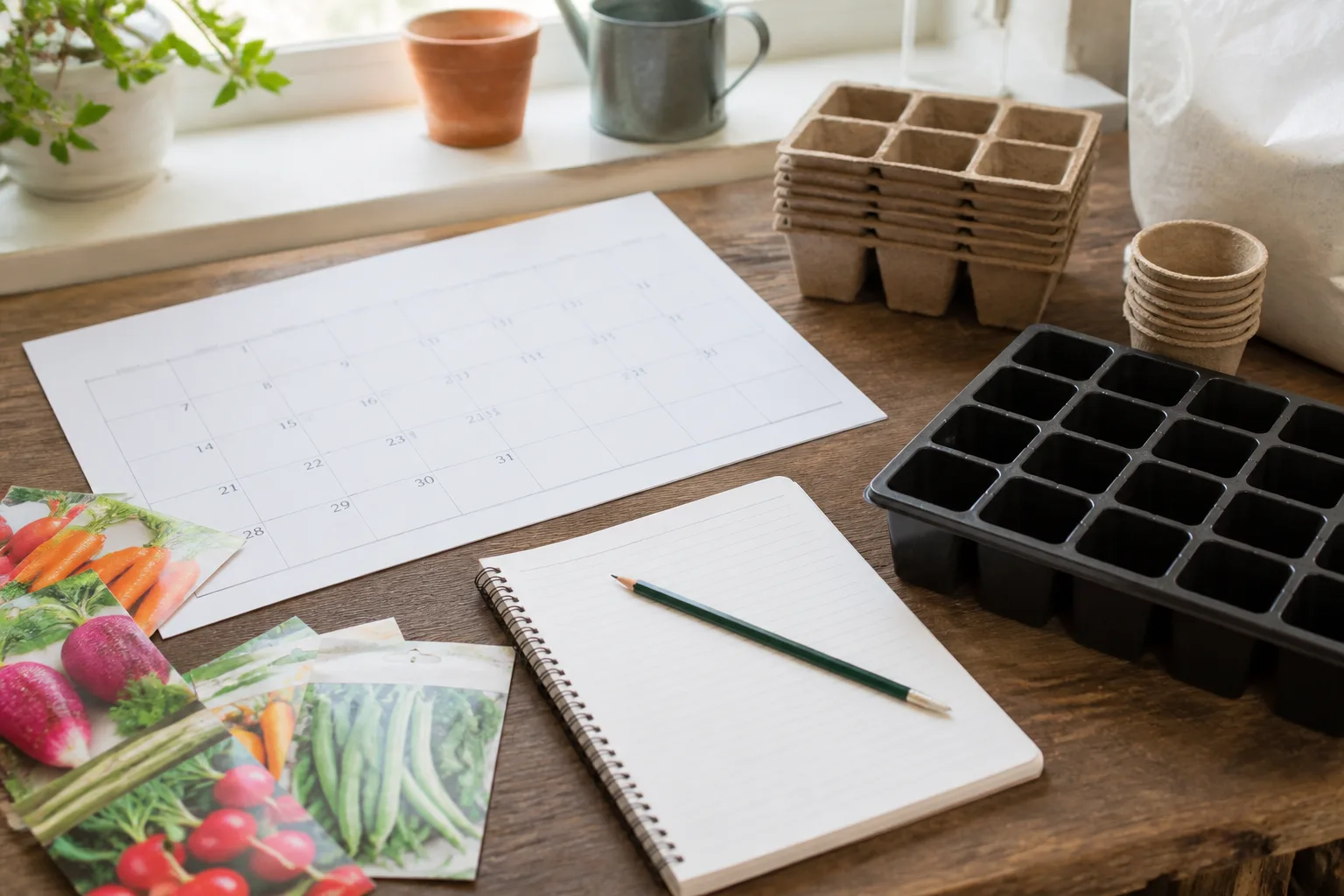
No single “planting day” exists for an entire garden. Vegetables split into cool-season and warm-season groups with opposite temperature needs. Clemson HGIC explains that cool-season crops grow during cool weather and tolerate light frost, while warm-season crops require warm soil and are killed by freezing temperatures. Your plan must assign each crop to the correct window—not lump everything into Memorial Day weekend.
Cool-Season Crops You Can Schedule for Early Spring
Cool-season vegetables—lettuce, spinach, peas, radishes, kale, carrots, broccoli, cabbage, onions—can go into the garden weeks before your last frost, often as soon as soil is workable in late winter or early spring. Burpee’s planting guidance suggests sowing spinach, peas, and radishes about three weeks before your average last frost date. Many can tolerate overnight temperatures in the 40s once established.
In mild climates, January already suits direct sowing of kale and carrots outdoors. In zone 5, that same work might wait until late March—but the planning for those rows happens in January regardless. Mark cool-season blocks on your paper layout now so you do not accidentally fill those beds with slow-maturing squash that will not leave room for fall greens.
Warm-Season Crops That Need a Winter Head Start Indoors
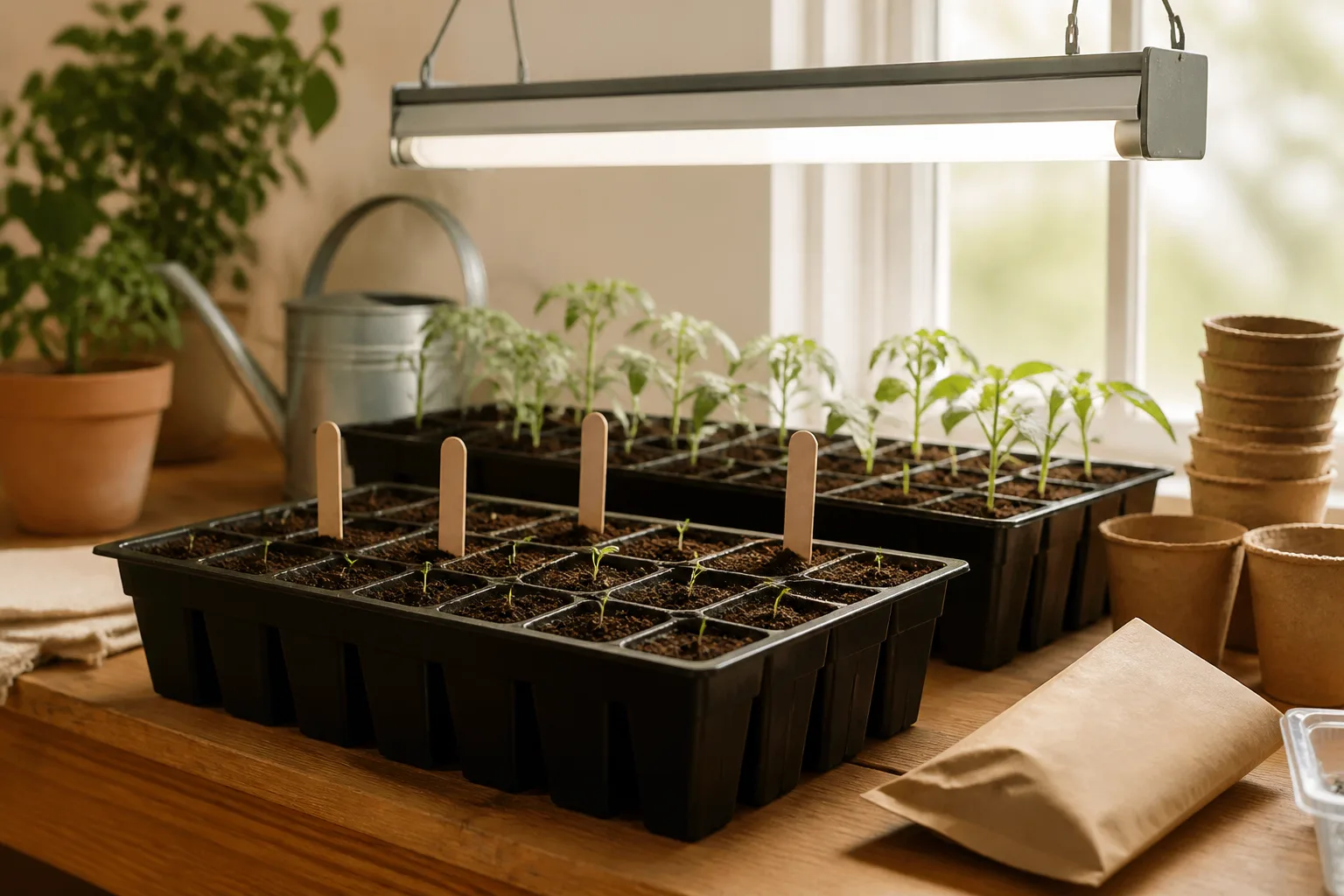
Tomatoes, peppers, eggplant, squash, beans, corn, cucumbers, and melons need frost-free nights and warming soil. Transplant them after your last frost, when nighttime temperatures stay consistently above 50°F and preferably closer to 60°F for heat lovers like basil and peppers. Starting seeds indoors should begin in late winter—6–8 weeks before transplant for tomatoes, 8–10 weeks for peppers and eggplant—so seedlings are stocky when outdoor weather finally cooperates.
If you have not mapped those indoor sow dates yet, see our guides on which vegetable seeds to start indoors now and how to start seeds indoors. The planning mistake is treating indoor sowing as a spring surprise rather than a January calendar entry.
Map Your Space Before You Order a Single Seed
Catalog photos are dangerously optimistic. Before you click “checkout,” measure what you actually have and what it can support.
Sun, Drainage, and Access to Water
Fruit-bearing vegetables—tomatoes, peppers, cucumbers, squash—need at least six to eight hours of direct sun daily. Leafy greens tolerate partial shade but produce less in deep shade. Clemson Extension recommends placing the garden near the house and a water source so you will actually weed and water during July heat. Avoid planting under trees that compete for nutrients and cast afternoon shade.
Drainage matters as much as sun. Beds that hold puddles into spring should be raised or amended before planting, not discovered after you have already bought 40 tomato plants. Sloped sites may need contoured rows or terraced beds to prevent erosion.
How Much Garden Do You Actually Need?
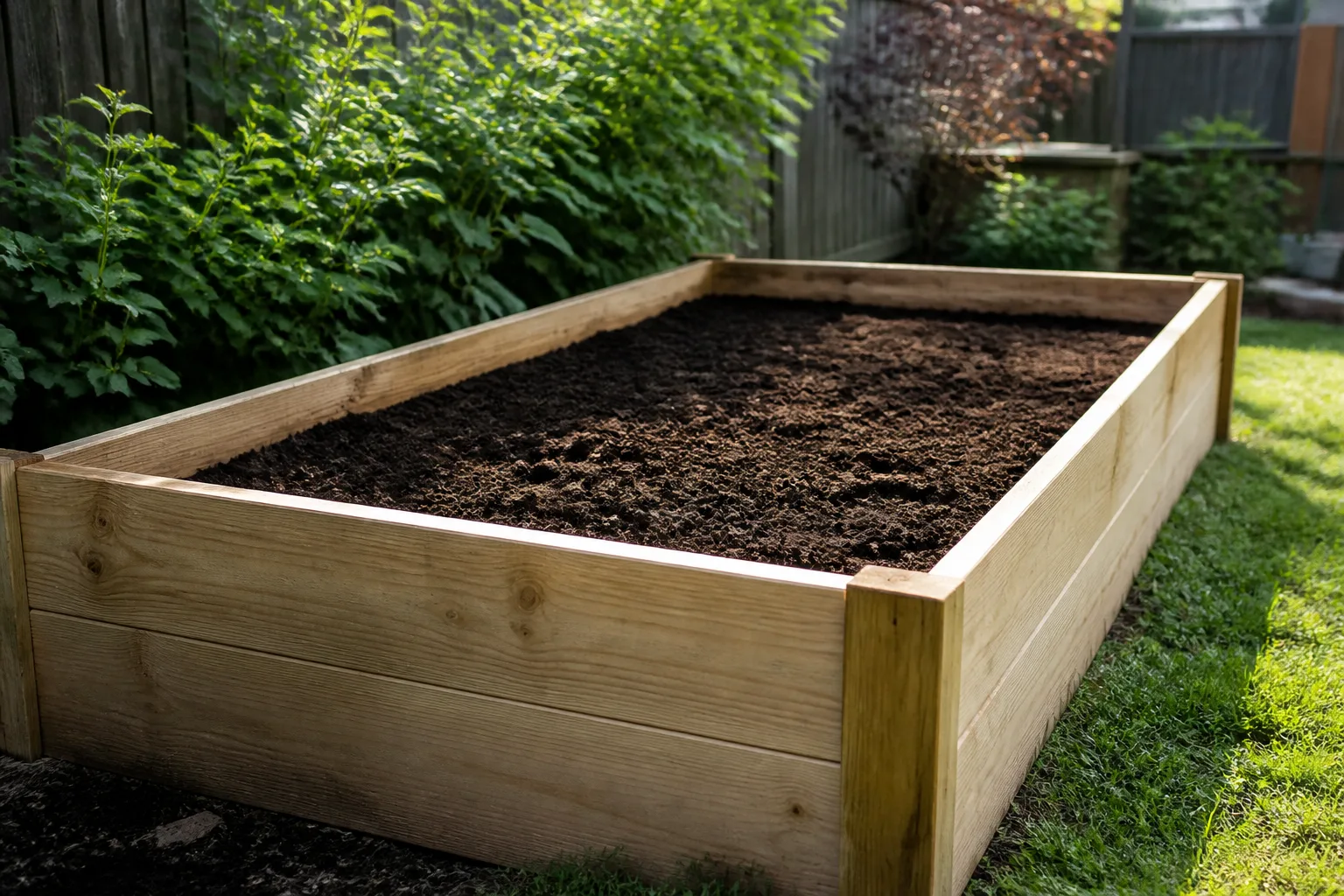
Bigger is not better for beginners. UGA Extension suggests allowing about one-tenth of an acre per household member if you want fresh eating plus some preserving—a generous target most suburban yards cannot fit. For a family of four on a city lot, a few 4×8-foot raised beds and strategic containers often outperform a sprawling plot that becomes a weed farm by August.
Ask the harder questions Clemson poses: Who will do the daily work? What does your family actually eat? Will you preserve surplus or watch zucchini rot on the vine? A honest winter inventory prevents the classic error of planting six hills of pumpkins when nobody in the house likes pumpkin soup.
Build Your Winter Planning Checklist
Use this sequence from late fall through late winter. Adjust timing slightly for your climate, but do the steps in this order.
Late fall / early winter
- Pull dead plants and note which beds had disease or pest pressure—those spots need rotation next year.
- Spread compost or mulch on empty beds if soil is not frozen; let winter freeze-thaw work it in.
- Collect soil samples before the ground freezes hard if you have not tested in the last three years.
January
- Look up your USDA zone (2023 map) and write down average last and first frost dates from your state extension office.
- Sketch a garden map on paper: beds, paths, trellises, compost pile, water hookup.
- List crops your household eats, ranked by preference. Cut the bottom third.
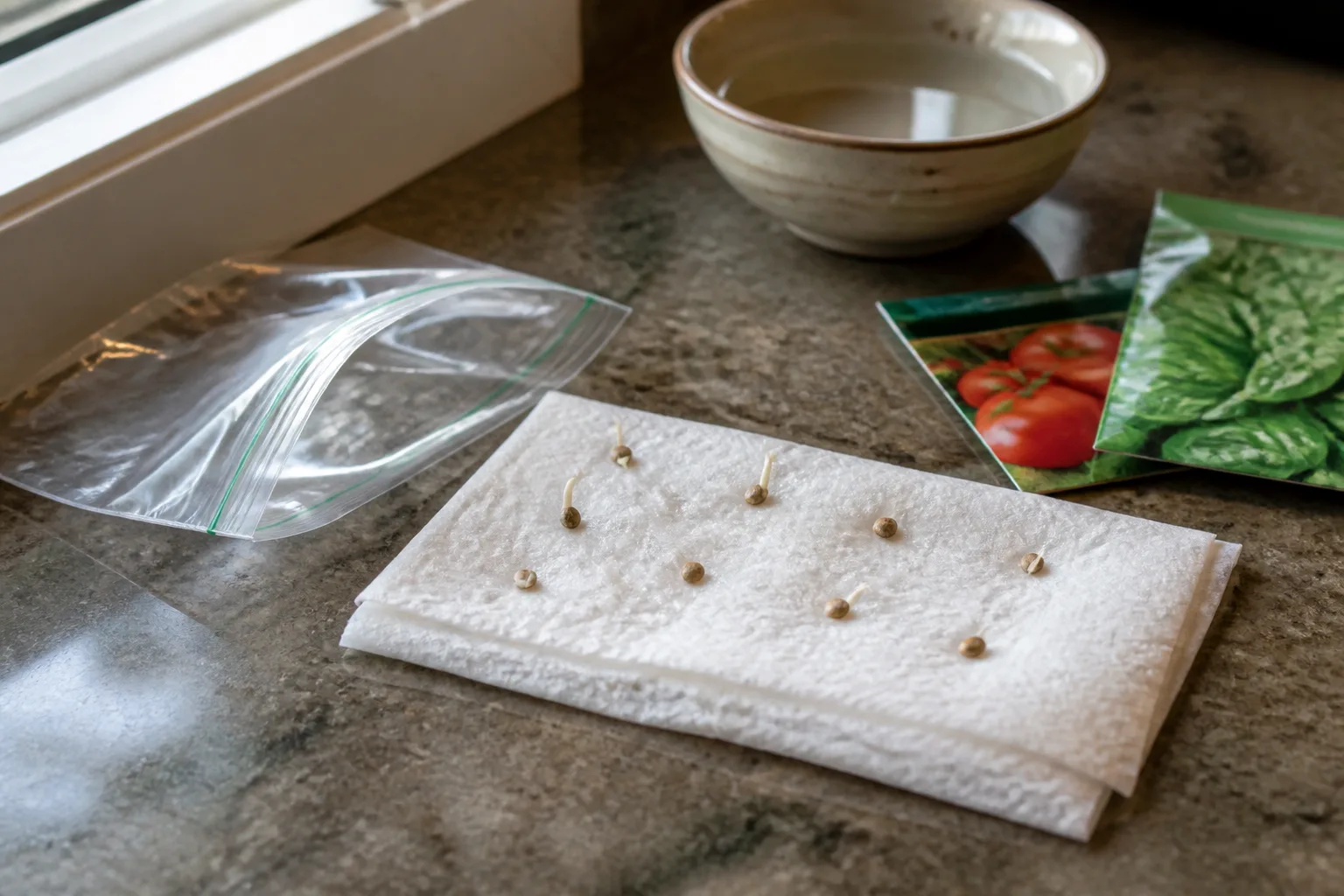
- Inventory leftover seeds. Run germination tests on questionable packets (ten seeds on a damp paper towel in a bag; check in 7–10 days).
- Order seeds early for varieties that sell out.
February
- Start indoor seeds for the slowest crops (onions, celery, early peppers) per your frost-date math.
- Finalize bed prep plans: lime, sulfur, or fertilizer based on soil test results—not guesswork.
- Build or repair trellises, cold frames, and row-cover hoops while you have patience.
Soil Testing and Amendment Planning
Winter is the ideal time to test soil because you can amend and wait before planting. Penn State Extension explains that a standard test measures pH, organic matter, and plant-available phosphorus, potassium, calcium, and magnesium, then recommends lime and fertilizer rates for your specific crops. Collect a slice of soil 6–8 inches deep from 8–10 random spots in the garden, mix in a clean bucket, and submit a composite sample. Test sandy soils every 2–3 years; clay soils every 3–4 years.
If you garden in an urban yard or near older buildings, ask whether your lab offers lead testing. Contaminated soil is a serious health risk for edible gardens; raised beds with imported clean soil may be the safer path. Do not skip this step because the test costs less than one failed crop.
Seed Inventory, Germination Tests, and Ordering
Seeds are not immortal. Onion and parsnip viability drops quickly; tomatoes and beans last longer but still decline. Testing before you reorder saves money and prevents blank rows in May. When ordering, buy enough for two or three succession sowings of beans, lettuce, and radishes—UGA recommends multiple plantings to stretch harvest rather than one glut.
Read each packet for days to maturity, spacing, and indoor vs direct sow instructions. Those numbers feed directly into your paper layout. If a variety needs 90 days and your fall frost arrives in 120, you have one shot—not two.
Sketch the Layout on Paper (Not in Your Head)
A paper map forces decisions your brain will skip. Draw beds to scale. Place tall and trellised crops on the north side so they do not shade shorter plants. Group crops by season: spring lettuce where summer beans will follow. Leave paths wide enough for a wheelbarrow.
Note mature plant widths, not just seed spacing. One zucchini plant can occupy 20 square feet if you let it sprawl; plan one hill, not four, unless you are feeding the neighborhood.
Succession Planting and Crop Rotation
Succession planting means sowing a new crop as soon as the previous one finishes—spinach followed by bush beans, then fall kale in the same row. Crop rotation means not planting the same family in the same spot year after year. Tomatoes, peppers, and eggplant are all nightshades; following tomatoes with peppers in the same bed recycles the same soil-borne diseases.
On your winter sketch, label each bed with this year’s crop and next year’s planned replacement. A three-year rotation for nightshades, brassicas, and legumes is a reasonable home-garden minimum. Our vegetable garden ideas guide covers layout styles—raised beds, square-foot grids, and vertical trellises—that make succession easier in tight spaces.
Small-Space and Container Plans Deserve the Same Winter Work
No in-ground plot? You still need a plan. Containers and balcony gardens fail from underestimating water needs and mature plant size, not from lack of effort. Count pots, measure railing sun hours, and choose determinate or compact varieties bred for containers. A full-size indeterminate tomato in a 5-gallon bucket is a planning error you make in winter or pay for in July.
Vertical growing—trellised peas, pole beans, cucumbers on a fence—multiplies square footage. Sketch attachment points and pot placement now. See our vertical gardening guide for structure ideas. Winter is when you mount hardware without sweating through your shirt.
Signs the Ground Is Ready—and When to Hold Off
Planning in winter does not mean planting in winter—except in the mildest climates. Outdoors, wait for two practical signals.
Workable soil. In spring, scoop a handful of soil from 6 inches down. If it forms a muddy ball that smears, stay off the beds—foot traffic on wet soil destroys structure for the whole season. If it crumbles like chocolate cake, you can till, rake, and direct-sow hardy crops. Burpee lists workable soil as a key sign that cool-season planting can begin.
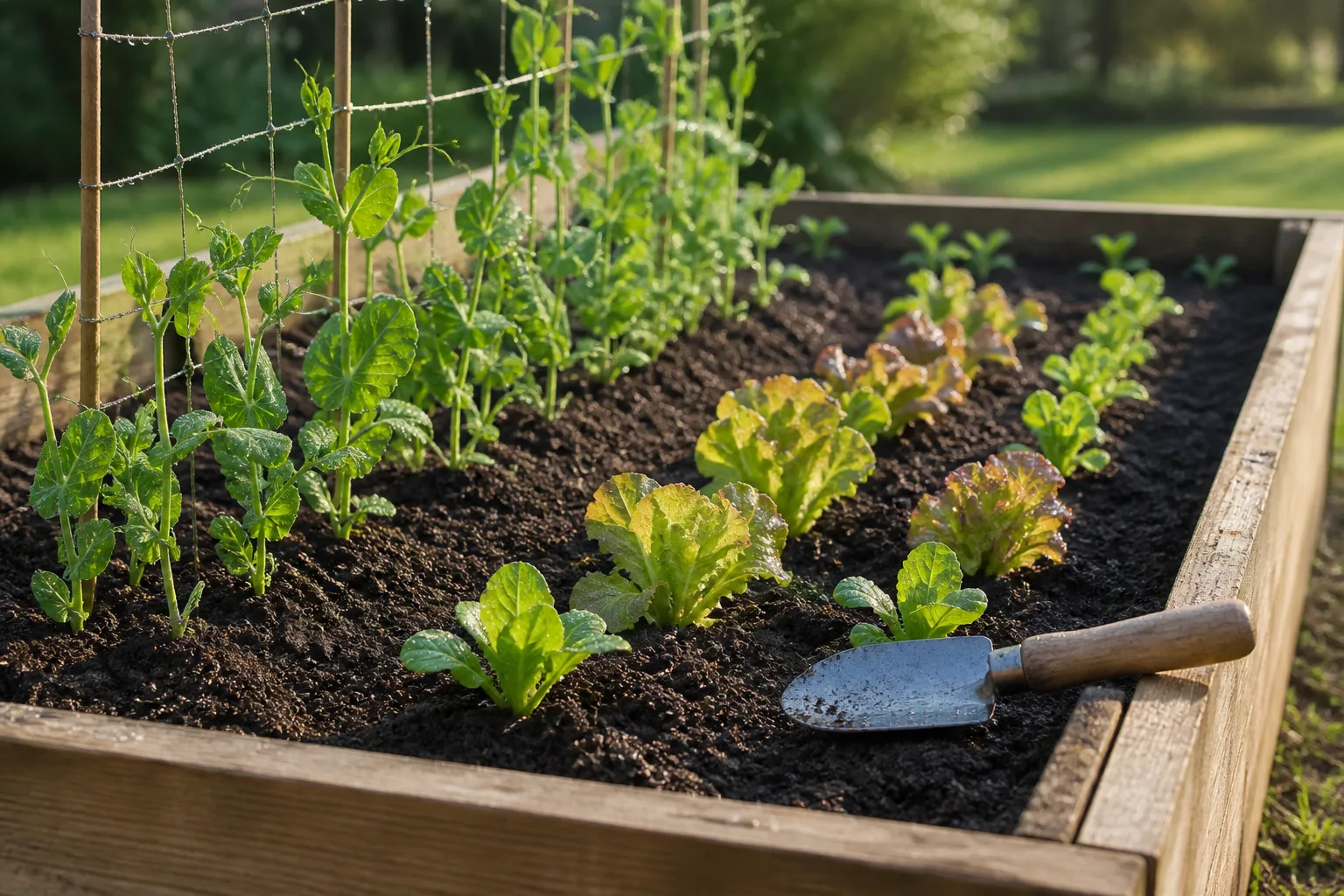
Nighttime temperatures. Cool-season transplants and seeds can go out when nights stay above about 45°F. Warm-season crops want nights consistently above 60°F before they go into the ground—warm days with cold nights still shock peppers and basil. Watch the forecast for a week, not just a sunny afternoon.
Overcast, lightly rainy transplant days help seedlings settle without immediate wilting. A cloudy Tuesday beats a blazing Saturday for moving tomatoes outdoors—after hardening them off for a week, of course.
Phenology offers rough local cues: peas when forsythia blooms, potatoes when dandelions flower, tomatoes when lily-of-the-valley opens. These vary by region, so treat them as secondary checks after your frost-date math, not replacements for it.
Conclusion
When to start planting a garden is really two questions: when to start planning (now, in winter) and when to start digging (when your frost calendar, crop type, and soil conditions align). The gardeners who harvest consistently do the boring work in January—zone lookup, soil test, seed list, paper map—so March is execution, not panic.
You do not need a perfect plan. You need a written one: frost dates on the fridge, beds labeled on paper, seeds ordered before they sell out, and a realistic count of how much your household will actually eat. Start there. Adjust when the weather surprises you, as it always will. The plan is what lets you adjust without starting over.