Vertical Gardening Guide: Trellises, Living Walls, and Plant Picks
Learn how vertical gardening works on balconies and small yards—trellis types, best climbing plants, weight limits, watering, and fixes when vines outgrow their support.
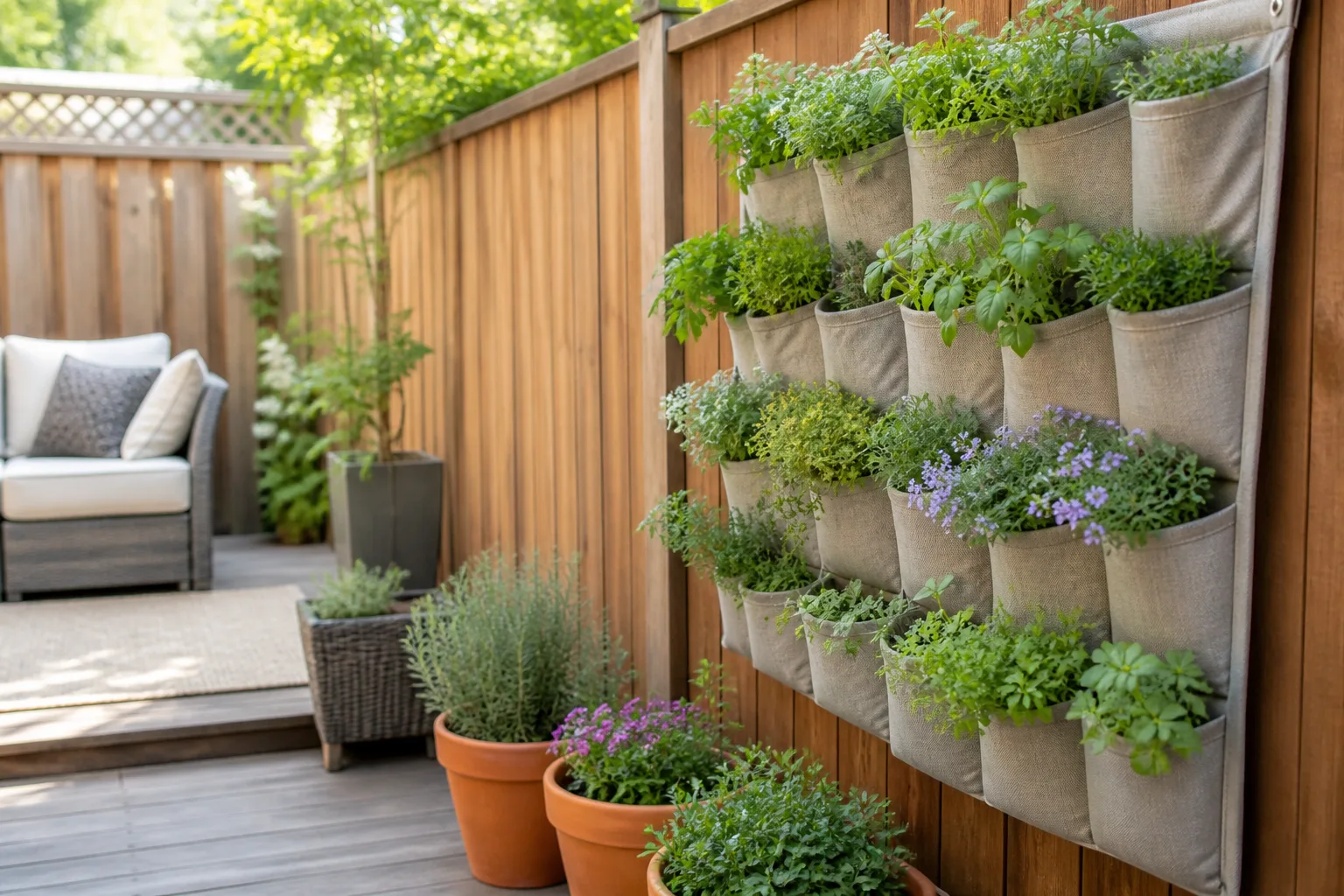
You do not need a quarter-acre lot to grow beans, cucumbers, or a wall of herbs. Vertical gardening trains vining crops upward or stacks containers on walls, rails, and fences so the same square footage holds more plants, better airflow, and harvests you can reach without kneeling in mud. The technique is having a moment because urban balconies, narrow side yards, and rented patios keep shrinking while seed catalogs stay the same size—but the method only works when you match structure to plant biology and respect how heavy wet soil gets three stories up.
This guide explains what vertical gardening is, when it pays off, which setup fits your site, and how to keep vines, pockets, and panels alive through a full growing season. For step-by-step builds on pallets, gutters, and pocket panels, pair this page with our DIY vertical garden ideas guide; here the focus is choosing systems, plants, and maintenance habits that survive real-world constraints.
What Vertical Gardening Really Means (and What It Doesn’t)
Vertical gardening is the practice of “gardening up”—using trellises, stakes, cages, wall-mounted containers, hanging baskets, or stacked shelves to occupy vertical space instead of spreading across the ground (Virginia Cooperative Extension). It is not one product category. A cattle-panel arch over a raised bed, a row of railing planters on a balcony, and a fabric pocket wall on a fence are all vertical gardens; they differ in root volume, water demand, and how much weight your structure must carry.
What vertical gardening is not: a magic fix for deep-root crops like carrots or full-size pumpkins in shallow pockets, a substitute for six hours of direct sun on fruiting vegetables, or a set-and-forget irrigation plan. Plants still need appropriate soil depth, light, and water—only the footprint changes.
Container walls vs trellis-trained vines
Container vertical gardens hold potting mix in pockets, pots, gutters, or boxes mounted on a wall or frame. Roots cannot reach ground moisture, so you control drainage, feeding, and watering entirely. These suit concrete patios, balconies, and rented siding where in-ground beds are impossible.
Trellis vertical gardens keep roots in the ground or in large floor containers while stems climb a support. Virginia Cooperative Extension notes that pole beans, peas, cucumbers, melons, and tomatoes are excellent candidates because their vines sprawl by nature but climb readily when guided. Trellising maximizes food yield per square foot when you have even a small in-ground bed or a 15–20 gallon planter.
Many productive small yards combine both: a trellised cucumber at the bed edge and a wall of herbs above the patio table. The mistake is installing a heavy living wall before confirming sun and load capacity, then planting indeterminate tomatoes in 4-inch-deep pockets because the photo looked inspiring.
Who Benefits Most From Growing Vertically
Vertical gardening earns its keep when horizontal space is the limiting factor. Apartment balconies, townhouse side yards, narrow parkway strips, and fenced patios are classic fits. Gardeners with larger plots also use vertical structures to keep sprawling cucurbits and beans from smothering pathways, to improve air circulation in humid climates, and to harvest at waist height instead of bending through tangled vines.
NC State Extension describes vertical gardening as especially suited to small gardens where vining and sprawling plants would otherwise dominate bed space. Urban growers with contaminated or absent soil can pair wall containers with imported potting mix, while suburban gardeners may add an arch trellis to an existing raised bed without expanding the lawn footprint.
If you have unlimited ground area, good native soil, and no desire to build structures, vertical gardening is optional—not mandatory. In that case, a single arch at the north end of a bed may still be worthwhile for pole beans alone.
Pros and Cons Worth Weighing Before You Build
Vertical setups trade ground space for structure cost, watering attention, and engineering homework. Skipping this balance sheet is how beginners end up with a collapsed railing planter in July.
Space, airflow, and cleaner harvests
Growing upward concentrates plants in a smaller footprint and lifts foliage off the soil surface. Virginia Cooperative Extension reports that vertically trained plants often produce cleaner fruit and can be easier to harvest because produce hangs at reachable height. Better air movement through lifted leaves reduces humidity against the ground, which can lower pressure from some foliar diseases compared with vines sprawled on mulch.
Well-designed vertical gardens also add privacy on balconies and soften bare fence lines without widening the bed. A trellis planted with morning glories or climbing nasturtium delivers color on a vertical plane that containers alone cannot match.
Weight, watering, and plant limits
The trade-offs are real. Wall-mounted and stacked containers dry faster than in-ground beds—often needing daily water in summer heat and wind. Saturated potting mix is heavy: plan roughly 8–9 pounds per gallon of container volume when calculating balcony or fastener loads. Not every crop belongs on a wall; large-rooted vegetables and heavy fruiting squash need depth and support that shallow pockets cannot provide.
Tall trellises cast shade. Place vertical structures on the north or west side of beds so they do not steal light from lower crops (NC State Extension Gardener Handbook). Finally, upfront cost varies: cattle panels and T-posts are modest; prefabricated living-wall kits and irrigated pocket systems cost more, though upcycled gutters and HT pallets can shrink the budget dramatically.
Choose the Right Vertical Setup for Your Space
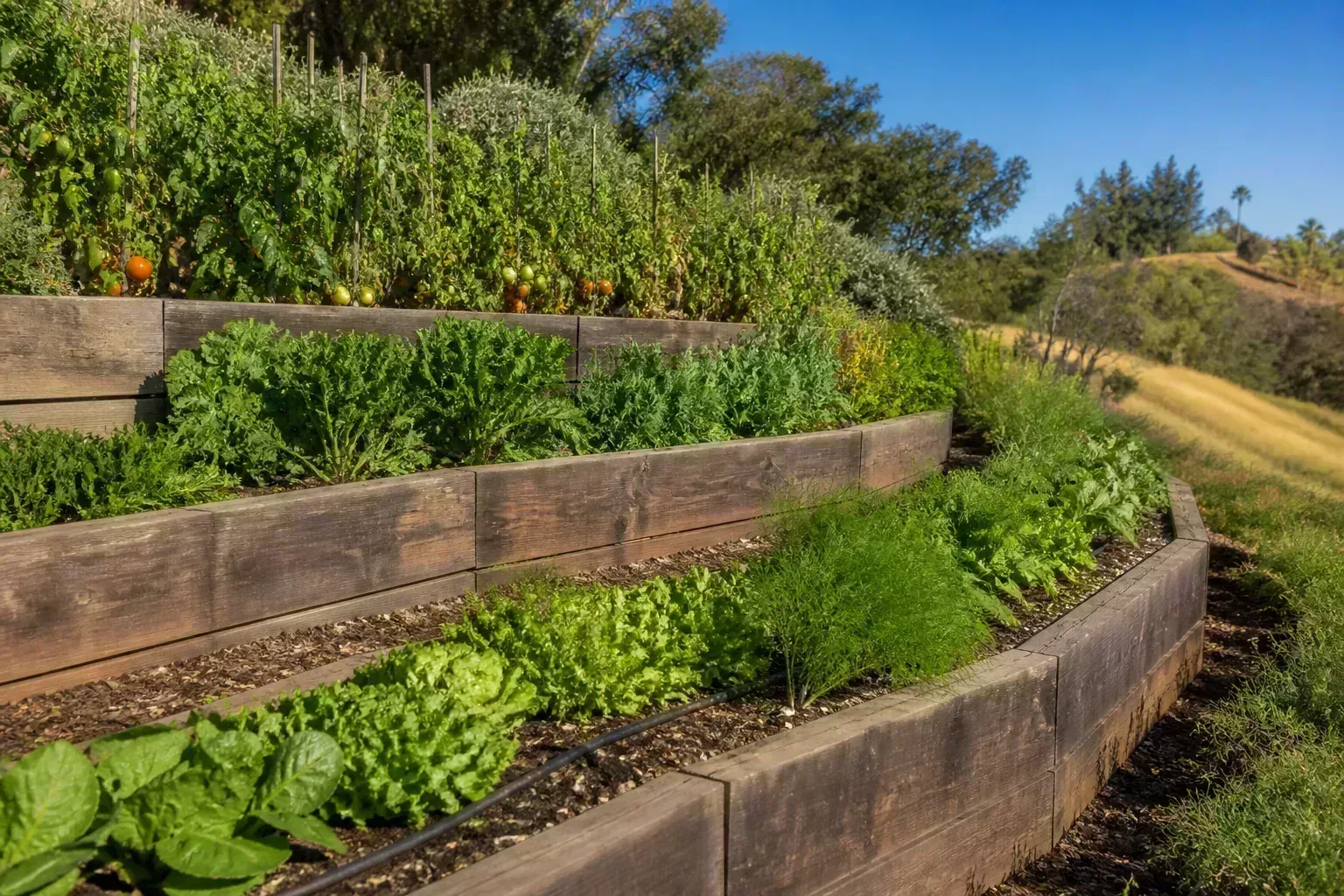
Before buying plants, answer four questions: How many hours of direct sun hit the site? Can you anchor into masonry, studs, or fence posts? Will roots live in the ground, large pots, or shallow pockets? And who owns the wall— you or a landlord?
Quick decision by site type
In-ground or raised bed with six-plus hours of sun: Prioritize a trellis, arch, or cattle panel at the north edge. Roots stay in deep soil; you add only the support structure. Highest food yield per square foot.
Balcony or concrete patio: Choose railing planters, freestanding ladder shelves, or gutter columns that bear weight on the slab rather than the building skin. Confirm lease rules on drilling and drip. Our vegetable container gardening for beginners guide covers pot sizing when edibles are the goal.
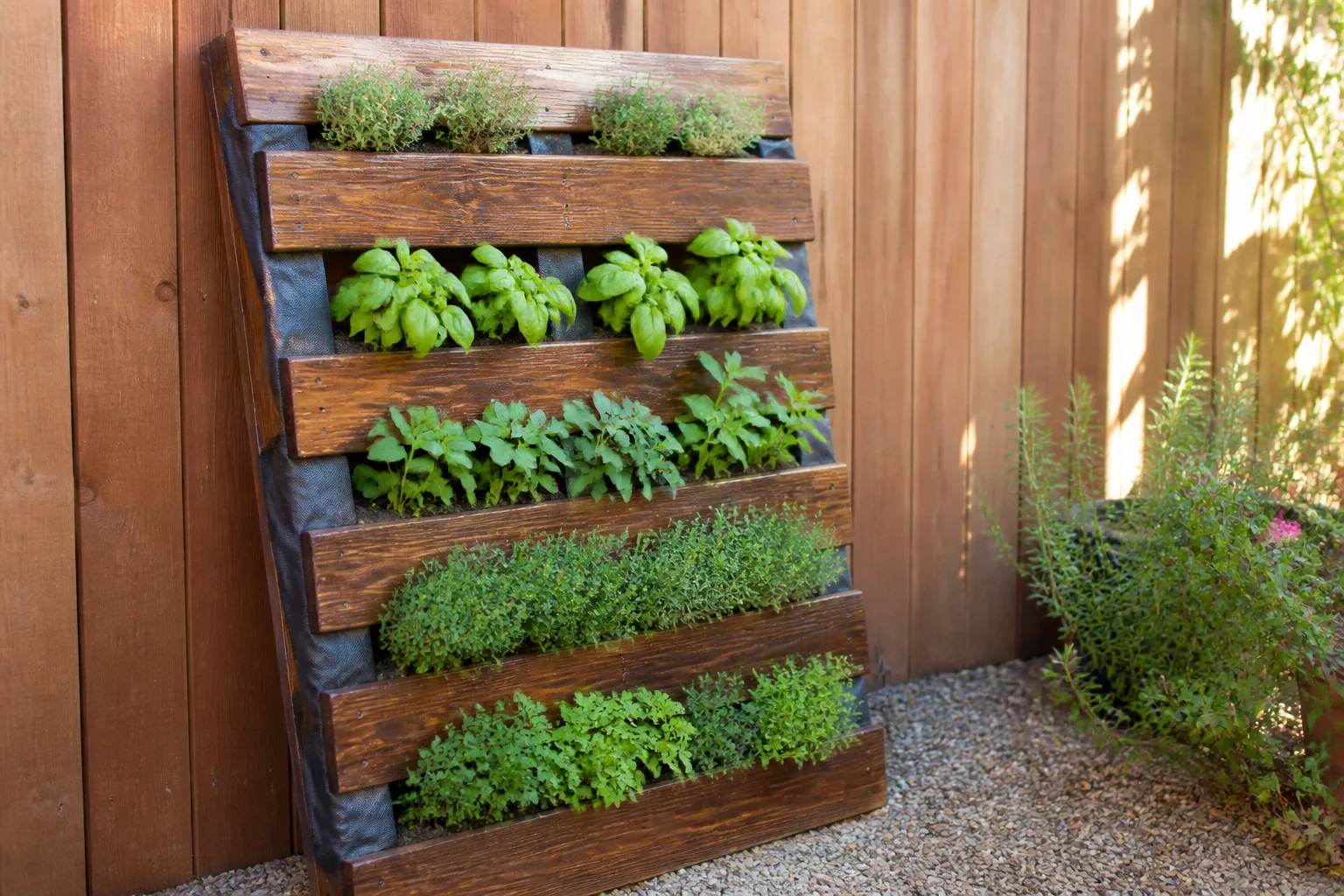
Fence line with good sun: Pocket panels, slat walls with removable pots, or a lean-to pallet garden work if fasteners hit posts, not thin pickets alone. Line food pallets with fabric and use only heat-treated (HT) pallets when growing edibles.
Renters who cannot drill: Freestanding trellis in a large container, clamp-on rail boxes, or a rolling shelf unit avoids permanent holes. See DIY vertical garden ideas for renter-safe formats.
Decorative priority over food: Hanging baskets, tripod teepees with flowering vines, or a narrow espalier against a sunny wall deliver impact with lower soil volume than a full living wall.
Cattle Panel and Arch Trellises for Big Yields
For gardeners with bed space, a cattle panel trellis is one of the highest-return vertical structures. You typically need four steel T-posts and one 16-foot livestock panel. Drive posts 18 to 24 inches into the soil with a post driver or mallet (Virginia Cooperative Extension), attach the panel vertically for a flat wall or bend it into an arch between two rows of posts. The arch creates a walk-through tunnel and supports heavy vines—grapes, indeterminate tomatoes, pole beans, and vining squash—without sagging.
Hang climbing surfaces with mesh holes no larger than four inches so tendrils can grip; plastic netting, welded wire, or the panel’s own grid all work. When plants are small, gently tie stems to the support until they attach on their own. Plant shade-tolerant greens or bush herbs in the shadow north of an east–west arch if your climate runs hot; in cooler regions, keep the arch on the north bed edge so it does not shade the whole plot.
Melons and large squash on trellises may need fruit slings—old t-shirt fabric or mesh bags tied to the panel—to support weight as fruit swells (Virginia Cooperative Extension). Harvest regularly; overloaded vines split stems when fruit load exceeds what you trained early in the season.
Living Walls, Pockets, and Railing Planters
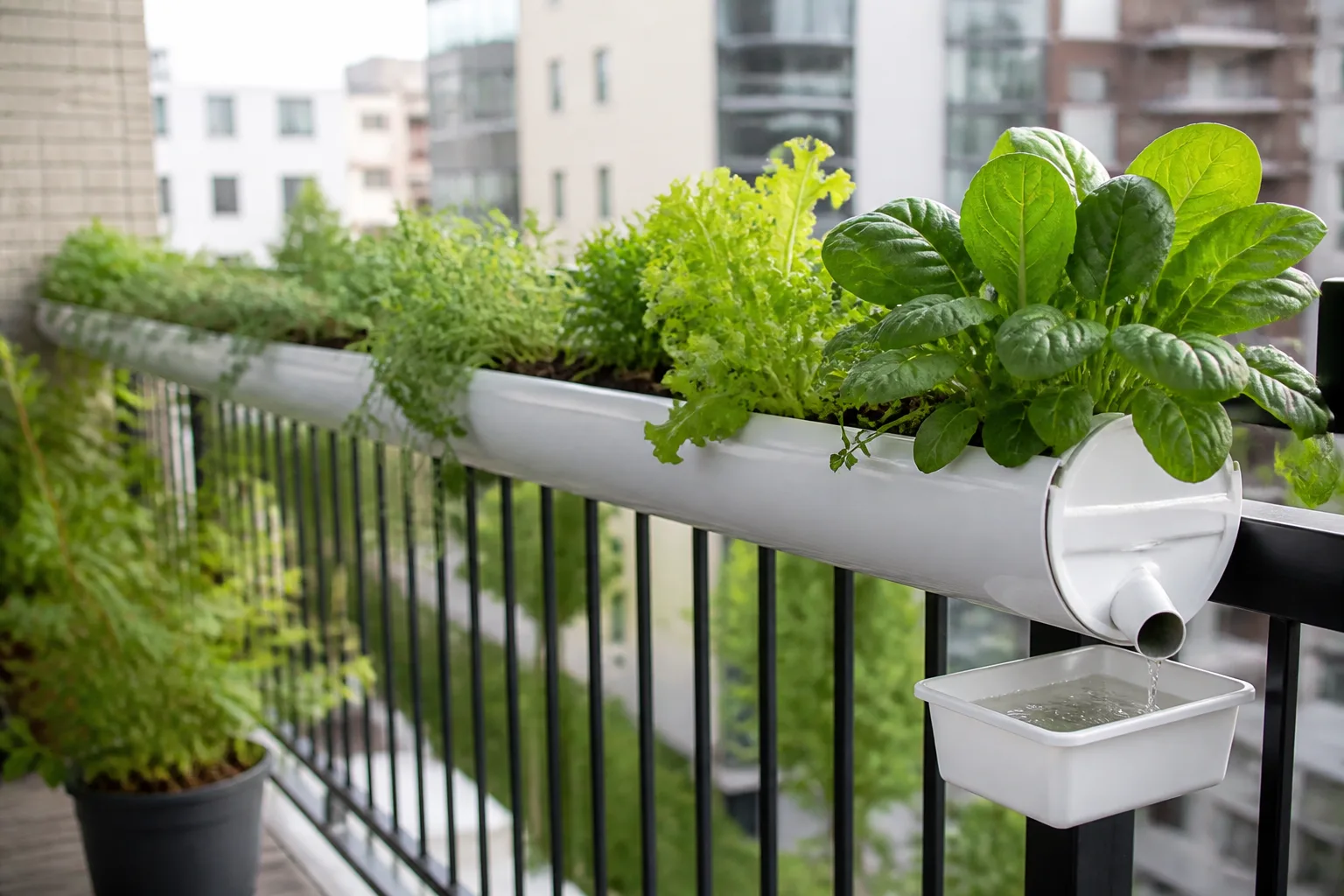
Living walls mount soil-filled pockets, pots, or shelves on a vertical surface. They excel for herbs, lettuce, strawberries, and ornamentals with shallow root systems. They struggle with full-size tomatoes unless the lowest tier uses deep boxes.
Fabric pocket panels screw into a backing board anchored to masonry or fence posts. Water slowly from the top until the lowest pocket drips; top rows dry first in heat. Slat walls with hook-on pots offer flexibility for renters—swap seasonal color without rebuilding. Railing planters clip to balcony rails; use saucers or drip trays and verify combined wet weight against rail ratings.
For privacy plus production, suspend netting between posts above floor containers and train peas or cucumbers upward while lower pots hold basil and bush beans. Ivonne Vazquez’s practical advice—repurpose sturdy objects, secure leaning structures, and remember that watered pots weigh far more than empty ones—maps directly to living-wall success: engineering first, aesthetics second.
Upcycled vinyl gutter planters pitched slightly for drainage suit lettuce and strawberries on narrow balconies. End caps, drain holes every 12 inches, and a collection bucket at the low end protect neighbors below. Deeper builds, mounting math, and pallet safety rules live in our DIY vertical garden ideas guide so this page stays focused on system choice.
Bamboo Tripods and Stake-and-Weave Support
Not every vertical garden requires panels. Bamboo tripods—three or four poles lashed at the top and spread at the base—fit over a container or small bed for peas, pole beans, or flowering morning glories. They store flat at season’s end and suit gardeners who want support without a permanent install.
Single stakes work for peppers and compact tomatoes: drive a one-inch-thick stake at planting time and tie the main stem loosely as it grows. For tomato rows, the stake-and-weave method places stakes between alternate plants, then weaves garden twine horizontally every 10 inches as growth progresses (Virginia Cooperative Extension). Use six-foot stakes driven two feet deep for determinate tomatoes and eight-foot stakes for indeterminate types.
Wire cages rolled from four-inch livestock mesh support indeterminate tomatoes and sprawling cucurbits that would overload twine. Fasten cages to one or two ground stakes so wind does not topple them. Cut occasional large access holes if mesh is tight for harvesting.
Best Plants for Vertical Gardens by Season
Match plant vigor to structure strength. A lightweight tripod collapses under late-season pole beans; a pocket wall fries full-sun basil if the site gets only three hours of light.
Vining edibles that earn their trellis
Cool season: Peas (snap, snow, shell), climbing spinach substitutes like Malabar spinach in heat, and compact snow peas on tripods for early spring containers.
Warm season: Pole beans, cucumbers, indeterminate tomatoes, vining squash (with slings), melons (on sturdy panels with fruit support), and climbing nasturtium as edible groundcover substitute.
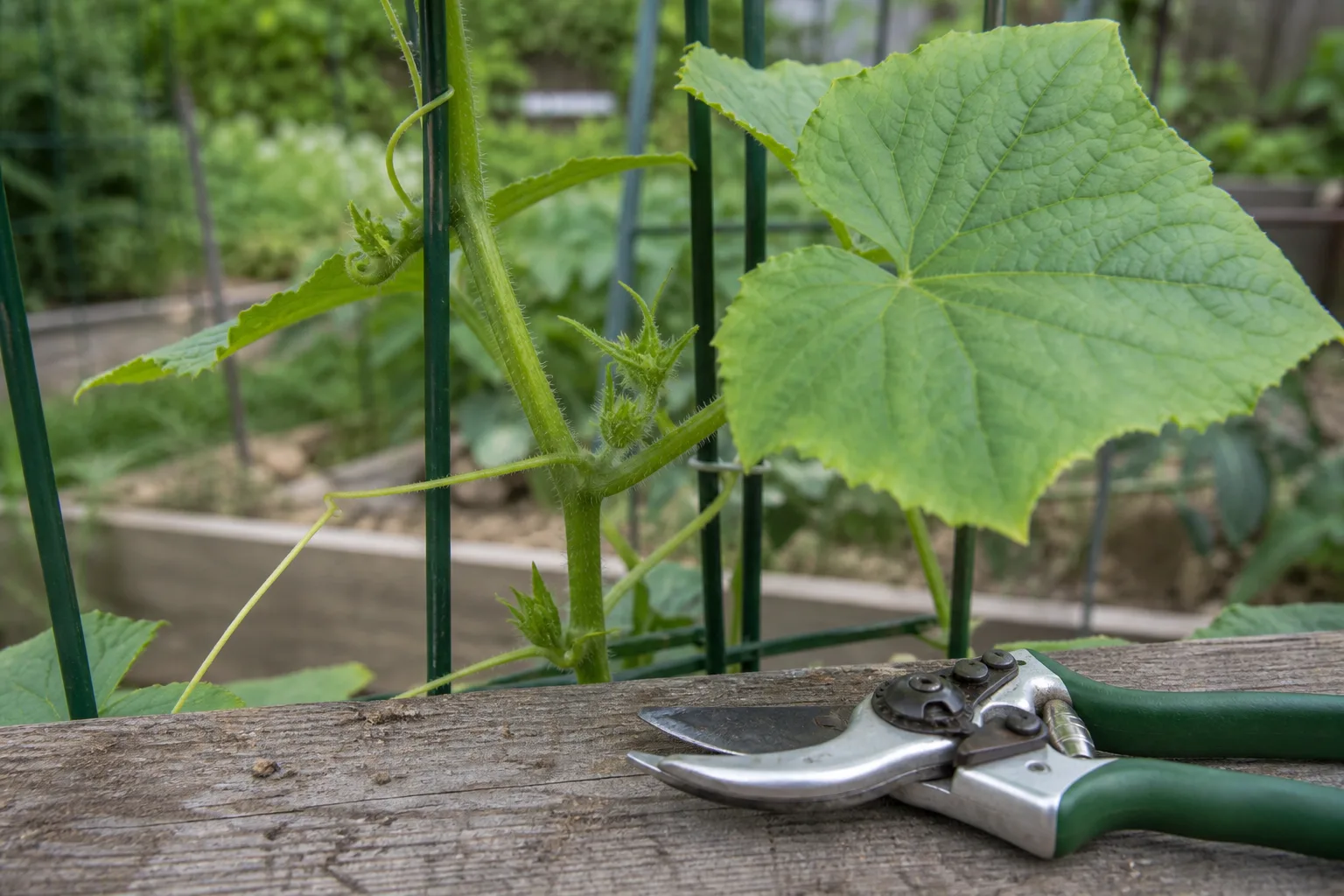
NC State Extension groups cucumbers, melons, pole beans, and tomatoes among plants that twine or tie easily to vertical supports. Some crops climb on their own; others need soft plant ties every 8–12 inches until tendrils attach. Start training when stems are pencil-thick—waiting until vines are long causes snapped leaders and uneven shade.
Companion planting saves additional space: pole beans planted beneath sweet corn use the stalks as a living trellis, a classic three-sisters approach (Virginia Cooperative Extension). Quick crops like radishes and lettuce can finish beneath a trellis before the overhead vine closes canopy.
Avoid vertical expectations for tap-rooted carrots, large-headed cabbage, or bush-type zucchini unless they sit in deep floor containers—not shallow wall pockets.
Flowers, herbs, and shade-tolerant picks
Full sun pockets and baskets: Trailing petunias, calibrachoa, scaevola, thyme, oregano, basil, and compact marigolds.
Part sun (3–5 hours): Lettuce, mint, coleus, fuchsia, and impatiens in bright shade pockets.
Fence vines for ornament: Clematis, climbing hydrangea on sturdy masonry, honeysuckle (check invasiveness in your region), and annual morning glory on tripods. Our best climbing plants roundup covers perennial choices when you want multi-year vertical structure beyond annual vegetables.
Separate drought-loving succulents from thirsty herbs on the same irrigated panel—the watering that keeps basil happy rots sedum roots.
Watering, Feeding, and Training Vertical Crops
Vertical container gardens typically need more frequent watering than in-ground beds because soil volume is smaller and exposure to wind and sun is higher. In hot weather, wall pockets and railing boxes often need water once daily, sometimes twice for top rows that dry first. Water until a little drains from the bottom, then empty collection trays to prevent root rot and neighbor complaints.
In-bed trellised crops follow standard vegetable schedules: deep, less-frequent soaking for tomatoes in large containers; consistent moisture for cucumbers to avoid bitter fruit. Side-dress heavy feeders like tomatoes midway through the season per your soil test and NC State Extension guidance on banded fertilizer near widely spaced vines.
Training calendar: At transplant, set support before plants need it—root disturbance is harder once vines run. Tie stems with soft cloth or silicone ties; never constrict woody stems. Pinch wayward cucumber side shoots only if you are deliberately managing a narrow panel; otherwise let fruiting vines fill the trellis and prune only for airflow. For tomatoes on stakes or weave, remove suckers on indeterminate types if you want fewer, larger fruit; cage-grown plants can be left bushier when space allows.
Weight Limits, Anchors, and Renter Rules
Vertical gardens fail at the fastener layer. A dozen 6-inch pots sounds light until each holds 10–12 pounds of saturated mix. A full pocket panel can exceed 50–80 pounds wet. Mount into studs, masonry anchors, or fence posts—not drywall or thin vinyl siding. Spread load across multiple fasteners and use a rigid backing board behind fabric panels.
On balconies, prefer freestanding ladder planters or floor containers with trellises that transfer weight to the slab instead of the railing. When drilling is allowed, use clamps rated for outdoor load; when it is not, our DIY vertical garden ideas renter section lists clamp-on and rolling options.
Check HOA and lease language on dripping water, rail attachments, and visible structures before investing in a permanent living wall. A freestanding cattle panel in a planter box often passes where bolted gutters would not.
Common Vertical Garden Failures and How to Fix Them
Top-row wilt while bottom rows stay wet: Water more slowly at the top, add a drip line with emitters per row, or move thirstiest species to lower pockets where runoff collects.
Trellis leaning or posts pulling out: Drive deeper—target 18–24 inches for T-posts—or add a diagonal brace. Wind load on a full cucumber vine is significant; a single shallow stake is not enough for a 6-foot indeterminate tomato.
Powdery mildew despite “better airflow”: Crowded pockets still trap humidity. Thin leaves, avoid overhead sprinkling on foliage, and choose resistant cultivars. Air movement helps most when plants are not packed wall-to-wall.
Fruit sunscald on elevated tomatoes: Foliage lifted for airflow can expose fruit on south-facing walls. Use partial shade cloth in extreme heat or train an extra leaf layer over developing trusses.
Vines outgrowing support mid-season: Add twine extensions, harvest promptly, or prune tips on purely ornamental vines. For food crops, undersized trellises should be replaced next year—do not wait until stems snap.
Pest bridges: Aphids and spider mites move easily on dense vertical walls. Inspect the back side of pockets weekly; isolate infested pots before pests spread across tiers.
Conclusion
Vertical gardening is less a 2026 trend than a permanent strategy for growing more in less space—when you separate container walls from trellis-trained vines, size supports for mature plant weight, and choose crops that match pocket depth and sun hours. Cattle panels and arches deliver the highest edible yield in beds; pockets, gutters, and railing planters win on balconies where roots cannot reach earth.
Start with one structure and one crop family this season—peas on a tripod, or cucumbers on a panel—before building an entire living wall. Train stems early, water top to bottom on stacked systems, and anchor into real structure, not hope. For build plans and upcycle details, continue with DIY vertical garden ideas; for crop-specific climbing picks, see best climbing plants. Grow up with the biology, and the space savings follow.