6 Fast-Growing Crops to Plant in July
Missed spring planting? These six quick crops can still produce a summer-to-fall harvest. Use first-frost timing, heat protection, and succession sowing.
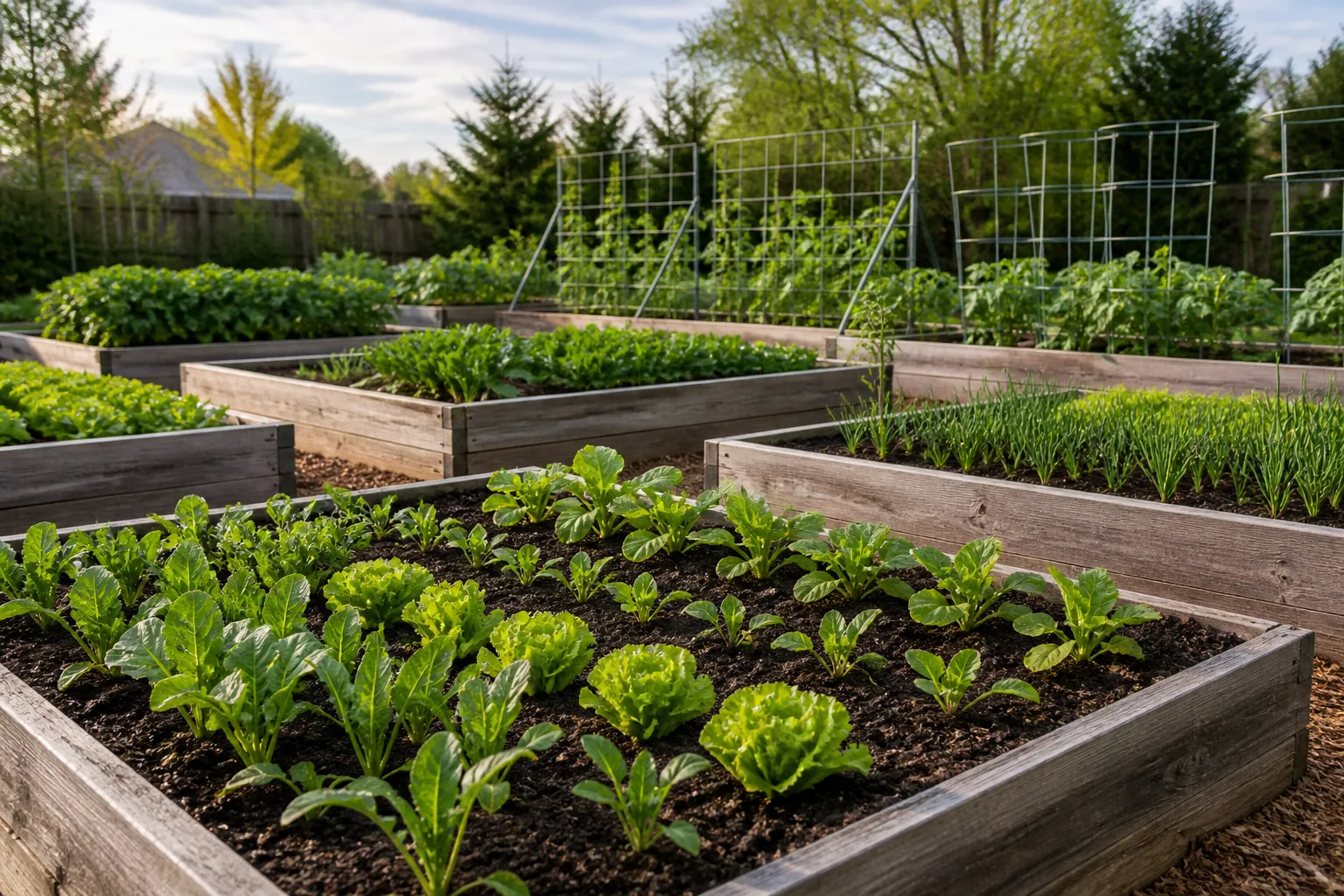
Spring is not the only planting window that matters. A July garden can produce a second wave of food, but the winning strategy is different: choose crops that fit the time left before your first frost, then help their seeds survive the hardest part of summer.
The six choices below cover both sides of that equation. Bush beans use warm soil to race toward a first picking, while radishes, kale, carrots, beets, and spinach can turn cooler fall weather into better flavor and a longer harvest. Your exact cutoff depends on variety, latitude, elevation, and weather, so use the frost-clock method before buying seed. Minnesota Extension’s midsummer fall-harvest guidance makes the same regional point: late June, July, and August can all work for different crops when timing is matched to the local season.
Is July Still a Good Time to Plant Vegetables?
Yes, if you treat July as a countdown rather than a universal date. Penn State Extension separates warm-season vegetables, such as beans, from cool-season vegetables, such as beets, carrots, kale, lettuce, radishes, and spinach. Warm-season crops need the heat to grow but often stop producing when nights cool; cool-season crops can grow in summer, yet their quality improves when temperatures moderate. Penn State’s cool-season and warm-season guide explains why the same garden can support both categories in a single season.
The practical goal is not to force a full-size harvest from every seed packet. It is to choose a crop and harvest stage that fit the runway you have. If a mature carrot is too slow for your first frost, a baby carrot, beet green, or handful of spinach leaves may still be a realistic win.
Count Back From Your First Frost
Start with your local average first frost date, then count backward by the variety’s days to maturity (DTM). Add a cushion for germination, heat stress, cloudy weather, and slower growth as fall approaches. A useful home-garden formula is:
Latest reasonable sowing date = average first frost date − days to maturity − 7 to 14 days of weather cushion.
For example, a 50-day beet variety in a garden that usually sees its first frost around October 15 is not automatically safe when sown on August 26. The arithmetic leaves 50 days, but the seedlings still need to germinate in hot soil, establish through late summer, and produce a useful root before growth slows. Sowing earlier—or harvesting the greens while the root sizes up—makes the plan more forgiving.
Use an average date as a planning tool, not a promise. A first frost can arrive early, and an urban yard can be warmer than a nearby weather station. Penn State Extension recommends knowing local frost and freeze dates before choosing fall crops, while its season-extension guidance explains how row covers, low tunnels, cold frames, and cloches can add protection when the crop is otherwise close to the line.
Read “Days to Maturity” the Right Way
DTM is not a universal stopwatch. For a crop you direct-sow, the number usually starts when the seed goes into the garden. For a transplant, it usually starts when the plant is set outdoors. Penn State Master Gardeners specifically flag this distinction in their fall succession-planting guidance, where a seedling can save several weeks compared with a seed that must germinate in difficult heat.
Variety choice matters, too. “Carrot” might mean a 50-day mini variety or a 75-day storage type. “Kale” might mean baby leaves in about a month or full-sized leaves in two months. Read the variety line on the packet, then choose the earliest harvest stage you will actually eat.
Here is a realistic starting range for these six crops. The practical ranges below synthesize Gardening Know How’s July fall-crop guide with Penn State’s direct-sowing examples. Treat them as a planning aid, not a guarantee:
| Crop | First useful harvest from a July sowing | Best fit for the season |
|---|---|---|
| Bush beans | About 50–60 days | Warm soil and a frost-free late summer |
| Radishes | About 25–40 days | Fast succession harvests as heat eases |
| Kale | Baby leaves near 25–30 days; mature leaves about 55–70 days | A long cool-season harvest |
| Carrots | About 50–80 days, depending on type | Loose soil and enough time for roots to size |
| Beets | About 50–70 days; greens sooner | Roots plus an earlier leaf harvest |
| Spinach | Baby leaves near 20–25 days; mature leaves about 35–50 days | Late summer into cool fall weather |
Prepare the Bed Before You Sow
Clear the old crop, weeds, and fallen fruit before planting. Pulling a declining plant is not just cosmetic: it opens space, reduces competition for water, and lets you inspect the soil before committing a new crop. If a summer crop is still productive, sow the next row beside it rather than disturbing its roots.
Loosen only the soil you need to plant. Remove stones and break up hard crust in the top few inches, especially for carrots and beets, whose roots fork or become misshapen in compacted ground. Mix in finished compost if the bed is low in organic matter, but avoid creating a rich, soft pocket inside dense native soil; roots do better when the transition is gradual and drainage is consistent.
Water the bed before sowing if it is dry, then make shallow furrows and cover seed lightly according to the packet. July seedbeds lose moisture quickly, so a newly prepared bed should be ready to sow immediately rather than left exposed for a week. A thin layer of fine mulch between rows can slow evaporation, but keep coarse mulch away from tiny seedlings.
Six Fast-Growing Crops to Plant in July
The list is ranked by usefulness, not by a promise that every crop will mature everywhere. In a short season, choose radishes, baby spinach, or baby kale first. In a long, warm season, bush beans can still deliver a generous late-summer picking, while carrots and beets give you a fall root crop if the soil stays evenly moist.
Bush Beans
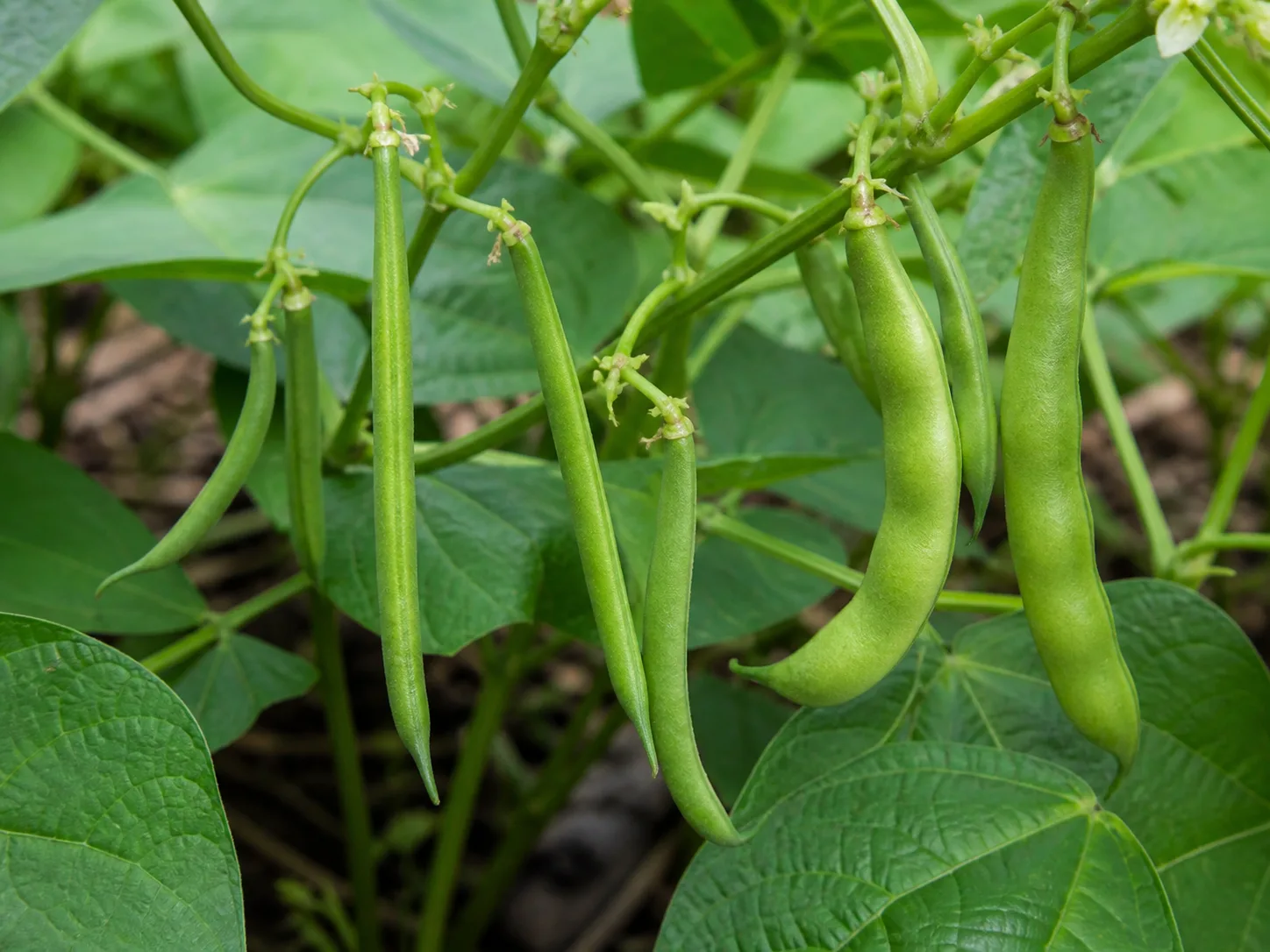
Bush beans are one of the better warm-season bets for July because warm soil helps them germinate quickly and they do not need a long trellis-building phase. Gardening Know How puts many bush bean varieties around 50 to 60 days to maturity, but that window is meaningful only if the plants have enough frost-free time left. Unlike kale or carrots, beans are not a crop to carry through a real freeze.
Sow several short rows rather than one deep block. Plant in full sun, water the seedbed consistently until emergence, and keep the plants evenly supplied while they flower and set pods. If you choose pole beans, include the support before the vines need it; adding a trellis to a crowded mature row can damage roots and stems.
Pick green beans while the pods are firm and tender, before the seeds swell dramatically. Frequent picking encourages more flowers, but stop expecting new pods when nights turn cold or a frost is forecast. For the shortest runway, bush beans are a safer July choice than pole beans because the first harvest is usually easier to reach.
Radishes
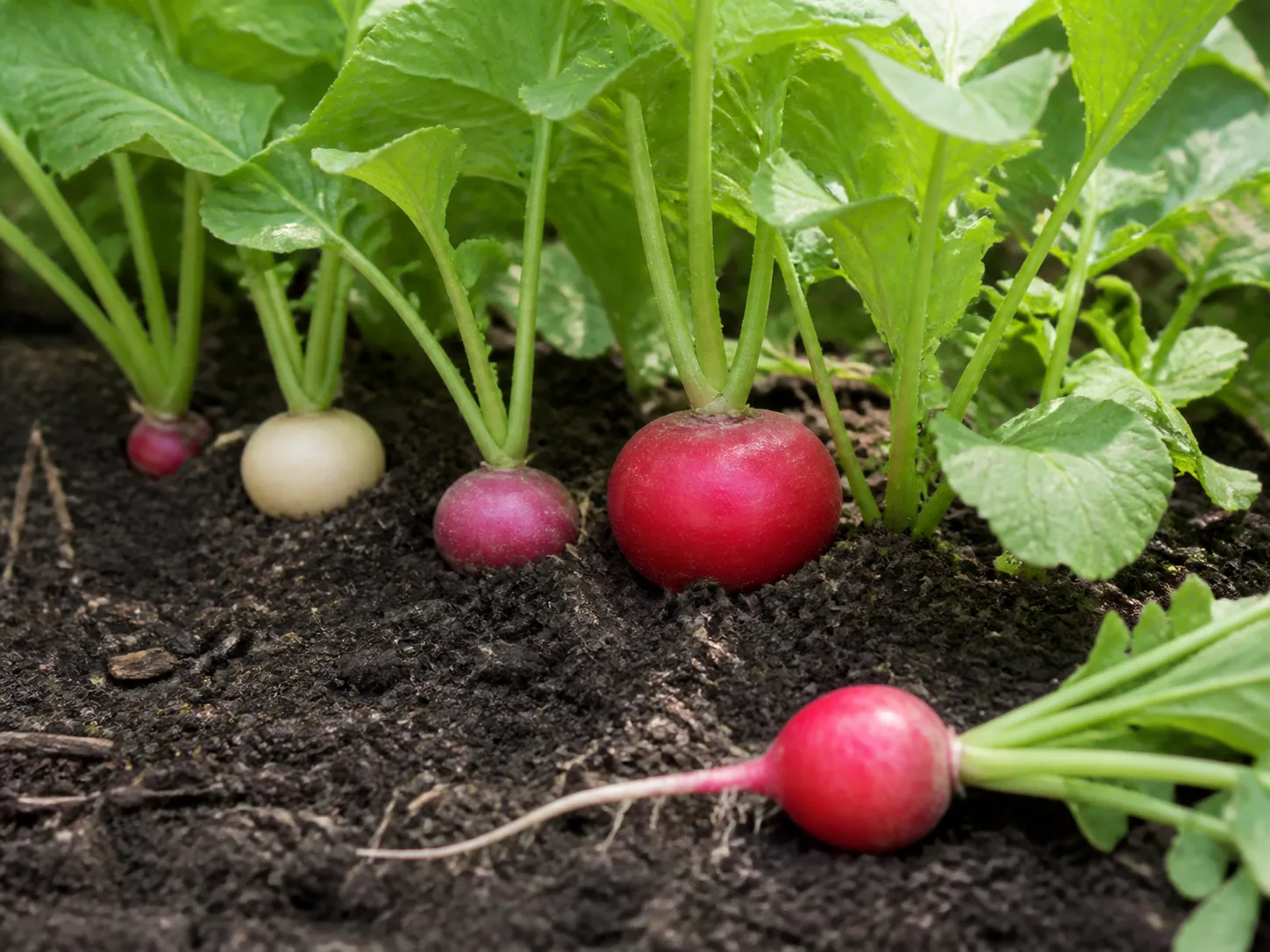
Radishes are the quickest feedback loop on this list. Gardening Know How gives a typical range of roughly 25 to 40 days from seed to harvest, and Penn State lists radishes among the common cool-season vegetables. That combination makes them useful for filling a gap now, then sowing another short row after a week or two.
The catch is heat. Penn State notes that radishes left in hot summer weather can become fibrous, sharply pungent, and prone to bolting. Sow where the plants receive morning sun and some afternoon relief if July is intense, keep the shallow seedbed moist, and thin seedlings so roots are not competing for water and space.
Pull a test radish as soon as the shoulder reaches the size promised for the variety. Do not wait for every root to become enormous. Small, crisp roots are a better result than a row left too long in heat, and successive small sowings give you more usable harvest days than one oversized planting.
Kale
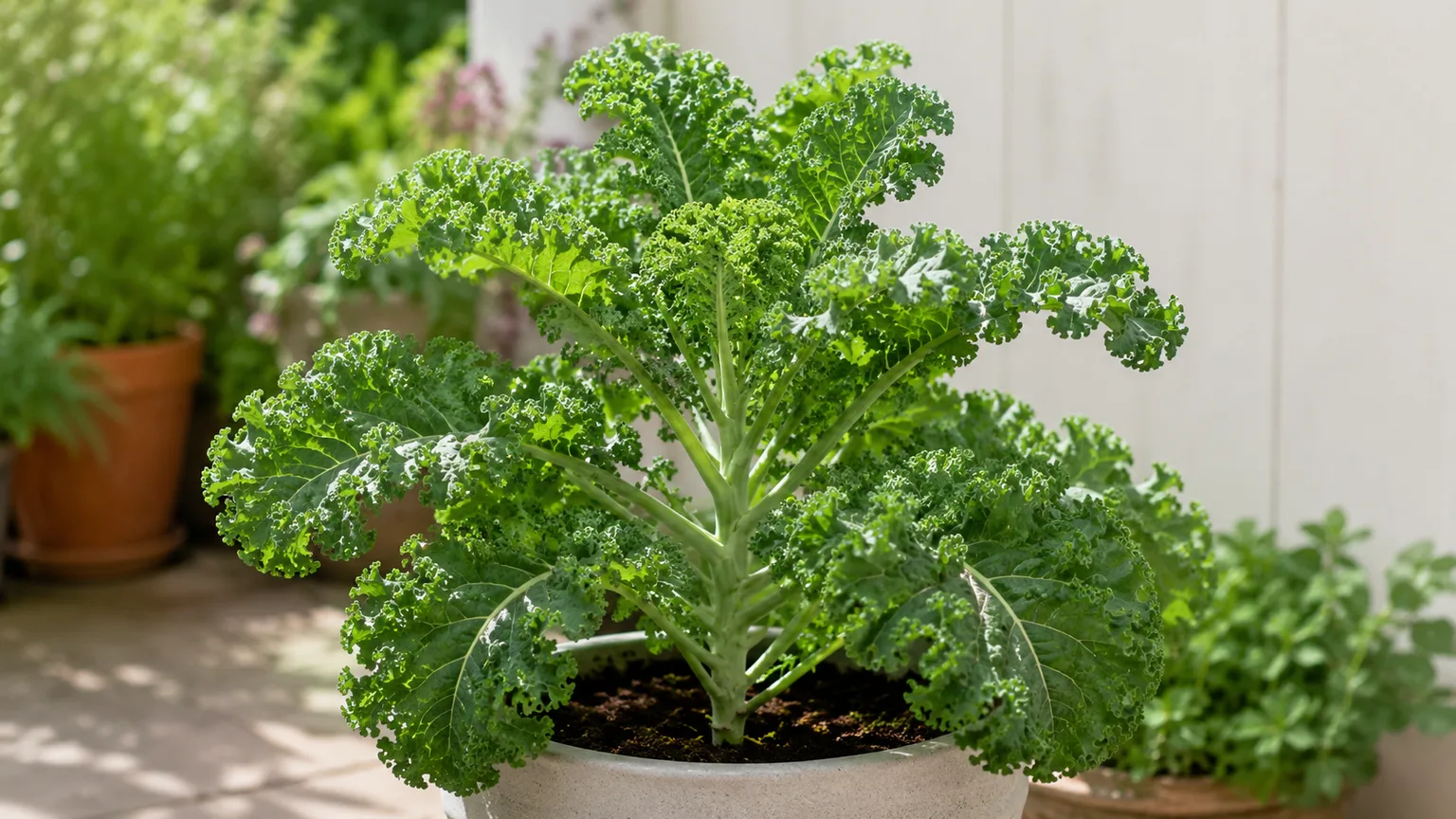
Kale is a strong choice when you want a crop that keeps producing after beans have finished. A July sowing can provide baby leaves in roughly a month and mature leaves in about 55 to 70 days, according to Gardening Know How. Penn State also notes that some winter-hardy cool-season vegetables, including kale, can become sweeter after a light frost.
Direct-sow into a temporarily shaded part of the bed, or start seedlings where you can protect them from the harshest afternoon sun. Move or thin plants before they become crowded. Once the weather cools, give kale its brightest available light and harvest the lower outer leaves first, leaving the central growing point intact.
Watch the distinction between “frost tolerant” and “freeze proof.” A light frost can improve flavor, but a hard freeze, drying wind, or frozen soil can still damage leaves. A row cover can buy extra harvest time, especially for young plants that have not yet built a large root system.
Carrots
Carrots reward a July sowing when you can give them loose, stone-free soil and steady moisture. Faster varieties may produce usable roots in about 50 to 60 days, while larger or storage types may need closer to 70 or 80. Gardening Know How recommends direct sowing because carrots do not transplant well; Penn State’s fall-vegetable guidance likewise lists carrots at about 70 days for direct sowing, with variation by variety.
Make a shallow furrow, sow thinly, and cover the row with a light layer of fine compost or soil. The seed needs consistent surface moisture until it emerges, which may mean checking the row more often than the rest of the bed. Once seedlings are visible, thin them gradually to the packet spacing rather than leaving a dense green carpet.
Do not overfeed carrots with fast-release nitrogen. Excess foliage is not the same as a well-formed root, and compacted soil or poor drainage can cause branching and stubbing. Keep watering even; a long dry spell followed by a drenching rain can increase splitting. If the roots are usable but smaller than expected before a hard freeze, harvest them rather than waiting for a perfect size.
Beets
Beets give you two harvests from one planting: tender greens first and roots later. Many varieties reach a useful root size in about 50 to 70 days, while the leaves can be picked much earlier. That flexibility makes beets a sensible choice when your frost window is uncertain.
Beet “seeds” are often clusters that produce more than one seedling. Thin them early, or sow a monogerm variety if you want less thinning. Keep the soil evenly moist through germination and early root development; drought can slow growth and leave roots tough or woody.
Choose full sun to part sun, with afternoon shade welcome during the hottest stretch. Golden and striped varieties can add variety to a late-season harvest, but color does not change the frost-clock math. The important choices are a short DTM, a well-prepared bed, and enough moisture for the seedlings to establish.
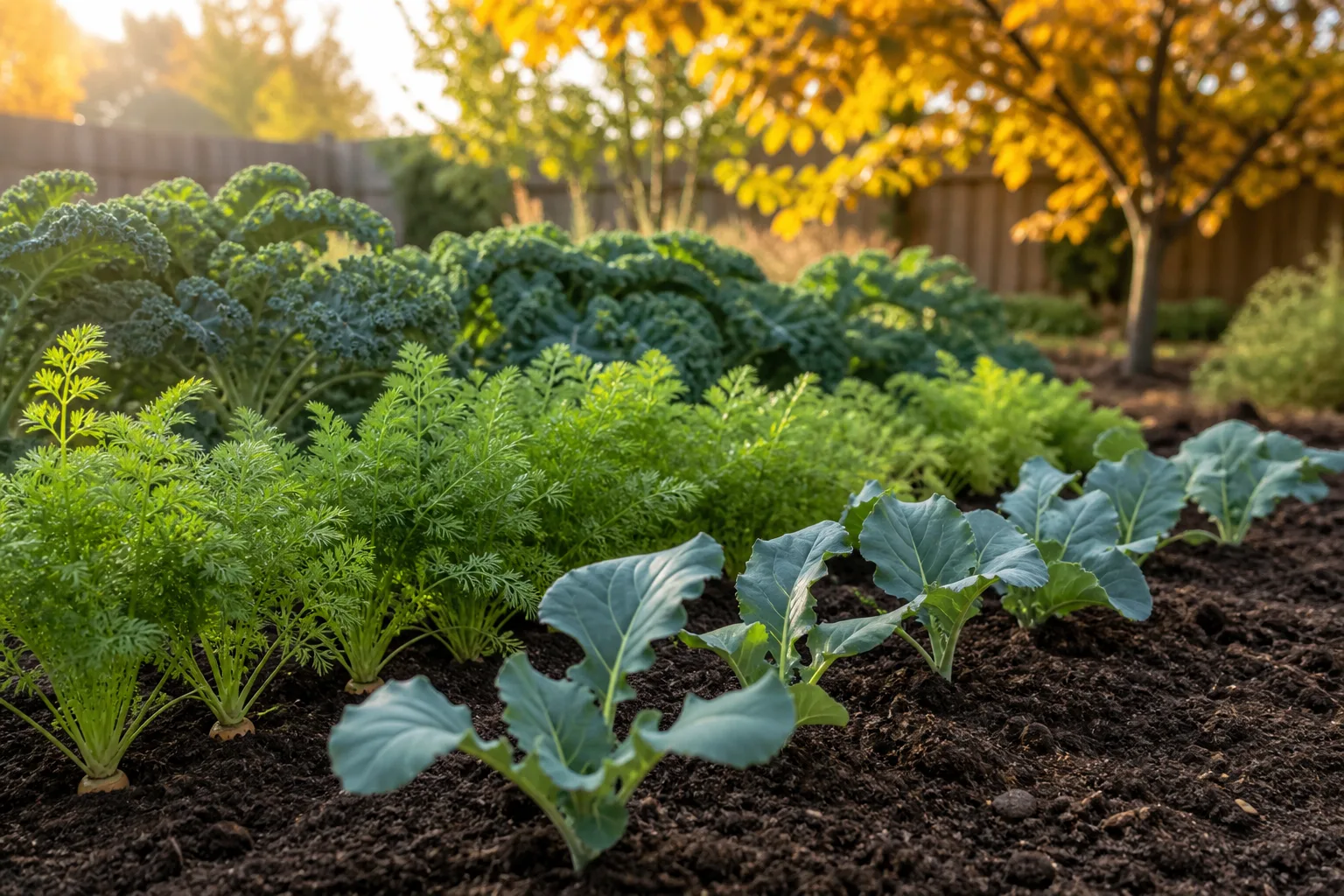
Spinach
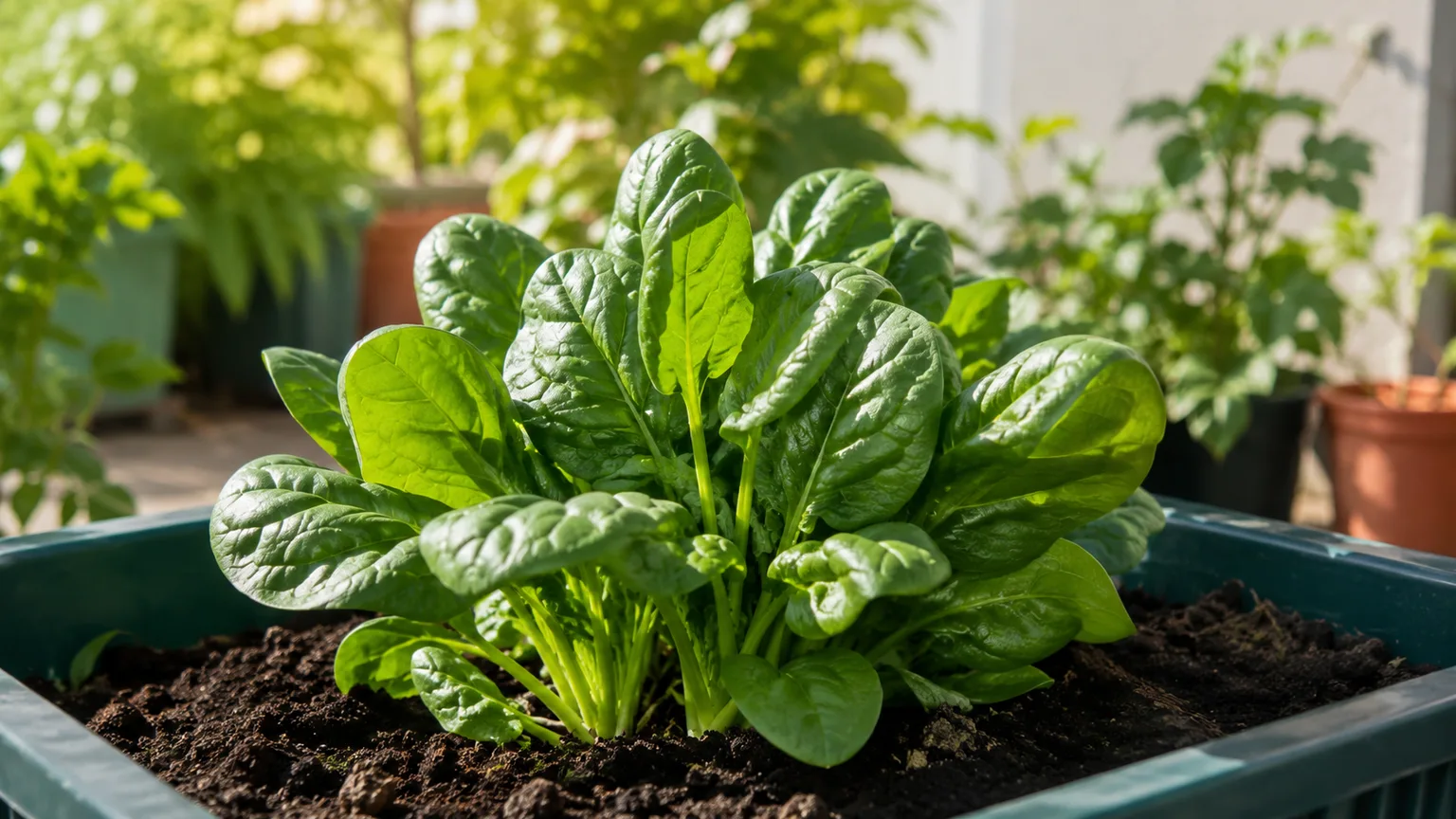
Spinach is the best choice here when your definition of success is “fresh leaves before the weather closes in.” Gardening Know How gives roughly 35 to 50 days for mature spinach and 20 to 25 days for baby leaves, while Penn State Master Gardeners list spinach at about 35 to 40 days for direct sowing in a fall crop plan.
July heat is spinach’s main obstacle. Choose a bolt-resistant variety, sow in partial shade or under temporary shade cloth, and keep the soil cool and moist until the seedlings are established. Once temperatures fall, the plants often make better leaves and hold longer before flowering. BBC Gardeners’ World Magazine’s lettuce guide recommends sowing lettuce at two-week intervals for a steady supply; the same small-and-often principle works well for spinach when your frost window allows it.
Harvest baby leaves from the outside, or cut a larger plant above the crown so it can regrow. If a plant bolts, the leaves may become less tender and more bitter. Harvest what is good, remove the spent plant, and use the open space for another quick crop or a cover crop rather than trying to force a poor-quality harvest.
The Care Moves That Protect Summer Seedlings
July planting succeeds or fails in the first ten days. The seed is shallow, the soil surface is hot, and a single missed watering can kill a germinating row before you see it. Keep the routine simple: prepare a damp seedbed, protect the surface from the harshest sun, and inspect new seedlings every day until they have several true leaves.
Keep Seeds Moist and Young Plants Cool
Water deeply enough to wet the planting zone, then check the surface where the seeds are. A light mulch between rows, a piece of burlap removed at emergence, or temporary shade cloth can slow evaporation. Do not leave a covering over seedlings once they emerge unless it is designed for air movement; trapped heat can be worse than direct sun.
For leafy greens, prioritize afternoon protection during a heat wave. For beans, prioritize full sun and dependable moisture. For carrots and beets, avoid the cycle of bone-dry soil followed by flooding. These crops share a July planting date but not an identical watering schedule.
Thin Early and Stagger the Sowing
Thinning is not wasted seed; it is how the remaining plants get enough root space, air, and water. Crowded radishes stay small, crowded beets compete underground, and dense greens are harder to harvest without damaging the center of the plant. Thin in stages if the seedlings are tiny, using the pulled baby leaves where they are edible.
Succession sowing spreads risk and harvest. Instead of putting every seed in the ground on one day, sow a short row every 7 to 14 days while the frost-clock math still works. This is especially effective for radishes, spinach, and baby kale. Penn State Extension describes succession planting as a way to move from spring greens to summer crops and then into a longer fall harvest; the same approach works in a backyard bed with only a few feet of space.
Use Row Covers When the Weather Turns
A light row cover can protect young plants from an early chill, wind, and some insect pressure. It is not a substitute for choosing the right DTM, and it should not be sealed against the soil on a hot afternoon. Use hoops or supports so the fabric does not crush foliage, anchor the edges, and vent or remove it when temperatures rise.
Penn State’s season-extension guidance lists low tunnels, cold frames, hot beds, and cloches as ways to protect cool-season vegetables. For most home gardeners, a simple fabric row cover is the least complicated place to start. It can extend the harvest of kale, spinach, carrots, beets, and radishes, but it will not turn a late bean planting into a winter crop.
When an Empty Bed Should Become a Cover Crop
Not every open space has enough time left for an edible harvest. If your frost window is short, the soil is exhausted, or you will not be able to water a new crop through germination, a cover crop can be the more useful decision. University of Minnesota Extension’s fall-garden guidance identifies late-summer cover crops as a way to reduce erosion, add or retain nutrients, and add organic matter after vegetables are harvested.
Choose a cover crop from a locally appropriate recommendation rather than scattering an unknown mix. Fast-growing oats, winter rye, winter wheat, annual ryegrass, or a legume may fit different climates and goals, but each has a termination date. Mow, cut, or incorporate it before it sets seed, and leave enough time for the residue to break down before planting a demanding crop in spring.
The trade-off is clear: a cover crop rewards the next garden rather than putting food on this season’s plate. Use it when the frost countdown makes a full edible crop unrealistic, not as a way to avoid choosing a variety or watering a crop you could still harvest.
Harvest by Crop, Not by Calendar
Start checking plants before the printed maturity date. Radishes may be ready while the leaves are still small, beans are best before pods become tough, and spinach is often more useful as baby leaves than as a full plant. Carrots and beets can be harvested at different sizes, so pull one sample and decide whether the texture and flavor are already right.
Cool weather can improve the eating quality of kale, spinach, carrots, and beets, but do not leave roots in waterlogged soil or exposed plants in a freeze simply because someone promised sweeter fall flavor. Minnesota Extension’s July vegetable update notes that carrots and other root crops can split or suffer in saturated conditions, and that a smaller crop harvested at the right moment can be better than a larger crop left too long.
Keep a simple note beside the bed: sowing date, variety, and the first date you harvested. That three-line record will tell you more about what to plant next July than a generic calendar, because it reflects your soil, your weather, and the way you actually harvest.
Conclusion
July planting is not a consolation prize for a missed spring. It is a second planning window with different winners. Bush beans can turn warm soil into a quick late-summer crop; radishes, baby spinach, and baby kale offer the fastest feedback; and carrots and beets can carry a well-timed sowing into a satisfying fall harvest.
Count back from your average first frost, read the seed packet’s maturity method, add a weather cushion, and choose a harvest stage you can reach. Keep the seedbed moist, shield cool-season seedlings from the worst heat, thin without hesitation, and use a row cover when frost threatens. If the calendar no longer supports food, give the bed a locally appropriate cover crop and let this season’s work improve the next one.



