Flower Seeds to Start Now for Summer Blooms
Start zinnias, marigolds, dahlias, begonias, phlox, pansies, and peony roots now with frost-date timing, direct-sow vs indoor-start rules, and container layout tips.
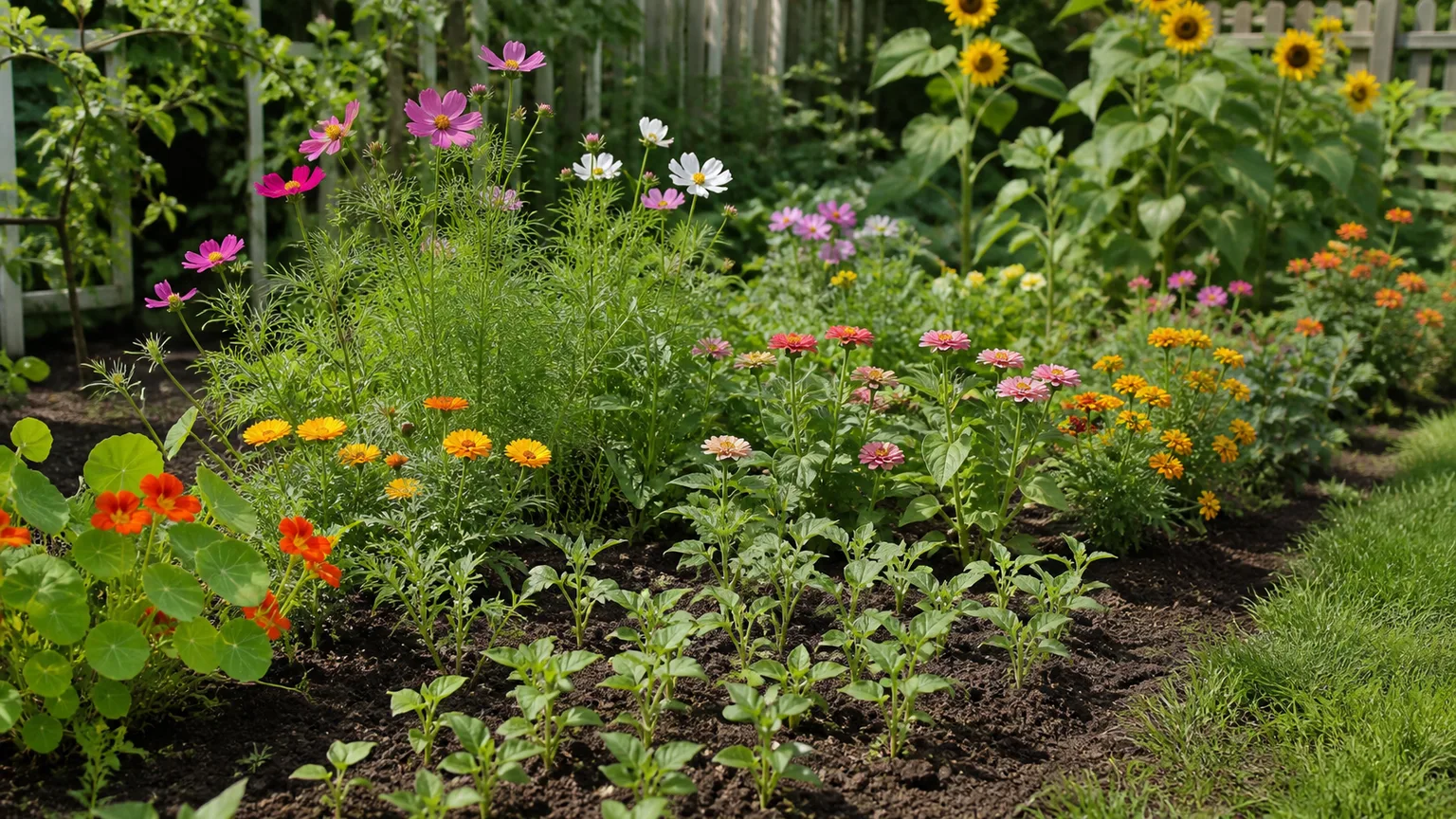
Summer color does not appear because you bought cheerful seed packets in March. It appears because you matched each flower to your last frost date, gave seedlings enough light, and planted out only when nights stay warm. The seven flowers below are the ones worth starting in early spring if you want beds and containers that still look full when August heat arrives.
This is not a generic “easy flowers” list. It is a timing and propagation map for zinnias, marigolds, dahlias, begonias, creeping phlox, pansies, and peonies—the same summer stars many gardeners reach for, with honest notes on which ones actually belong in a seed tray versus a tuber box or bare-root bag.
If you want a wider seed menu after you nail the calendar, see our guide to 14 easiest flowers to grow from seed.
What “right now” means on your calendar
“Right now” is not the same day for everyone. For most U.S. gardeners in early to mid-spring, it means the window between your last hard frost and the point when warm-season annuals can safely live outdoors—usually four to eight weeks before that frost date for indoor starts, and after soil warms for direct sowing.
Find your last frost date before you open seed packets
Your county extension office or a reputable frost-date calculator gives an average last spring frost. Treat that as a planning anchor, not a promise. Late cold snaps after a warm March are common, and they kill tender seedlings faster than drought does.
Work backward from that date:
- Warm annuals (zinnias, marigolds, bedding dahlias, wax begonias): start indoors about 4–6 weeks before last frost, or direct sow only when soil is warm and frost is unlikely.
- Cool-season flowers (pansies): start earlier—8–10 weeks before last frost if you want spring color in cold regions.
- Slow perennials (creeping phlox from seed): start indoors 10–12 weeks before transplant, or buy plants if you want blooms sooner.
The RHS zinnia growing guide recommends sowing indoors in late April to early May in the UK and planting out only after frost danger passes—roughly twelve weeks from sow to flower in a good summer. U.S. gardeners in warmer zones can shift that calendar earlier; northern growers should hold seedlings in bright, cool conditions rather than rushing them into cold soil.
Soil warmth matters more than your enthusiasm
Air can feel spring-like while soil still chills roots. Colorado State University Extension stresses that annual flowers started indoors need warm germination temperatures and strong light, then gradual exposure outdoors. For direct sowing, many warm annuals germinate poorly in soil below about 60°F (15°C).
Before you direct sow zinnias or marigolds, dig two inches down. If the soil is cold and wet, wait. A tray on a bright windowsill beats seeds rotting in a chilly bed.
Choose direct sowing or an indoor head start
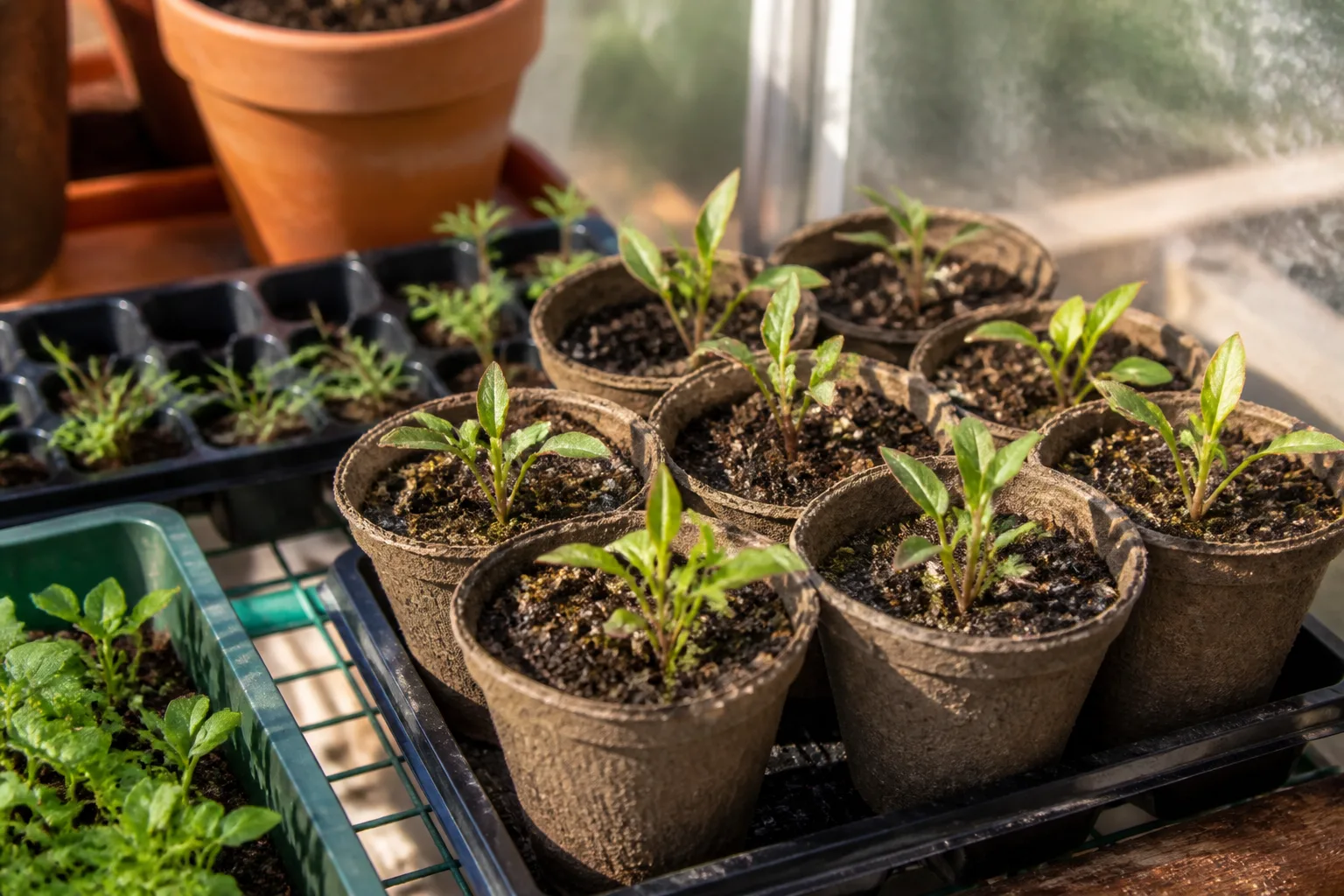
Direct sowing means planting where the plant will live. It avoids transplant shock and works well when you have warm soil and a full-sun bed. Penn State Extension notes that indoor starting is most valuable when you want earlier flowers, have a short season, or need even spacing in a designed container.
| Situation | Better choice |
|---|---|
| Warm soil, frost passed, full sun bed | Direct sow zinnias, marigolds, bedding dahlias |
| Short season or late spring soil | Start indoors 4–6 weeks before last frost |
| Designed container needing uniform height | Indoor start + transplant |
| Large seed, quick annual, hates root disturbance | Direct sow when warm (marigolds can do both) |
| Cool spring color before heat arrives | Start pansies indoors earlier |
Gartenkern’s indoor-starting guidance for summer flowers echoes what U.S. growers learn the hard way: sow bright and not too warm, prick out after true leaves, harden off for a week, and plant out only when night frosts are unlikely—often mid-May in many northern gardens.
Plan beds and containers with thriller, filler, and spiller roles
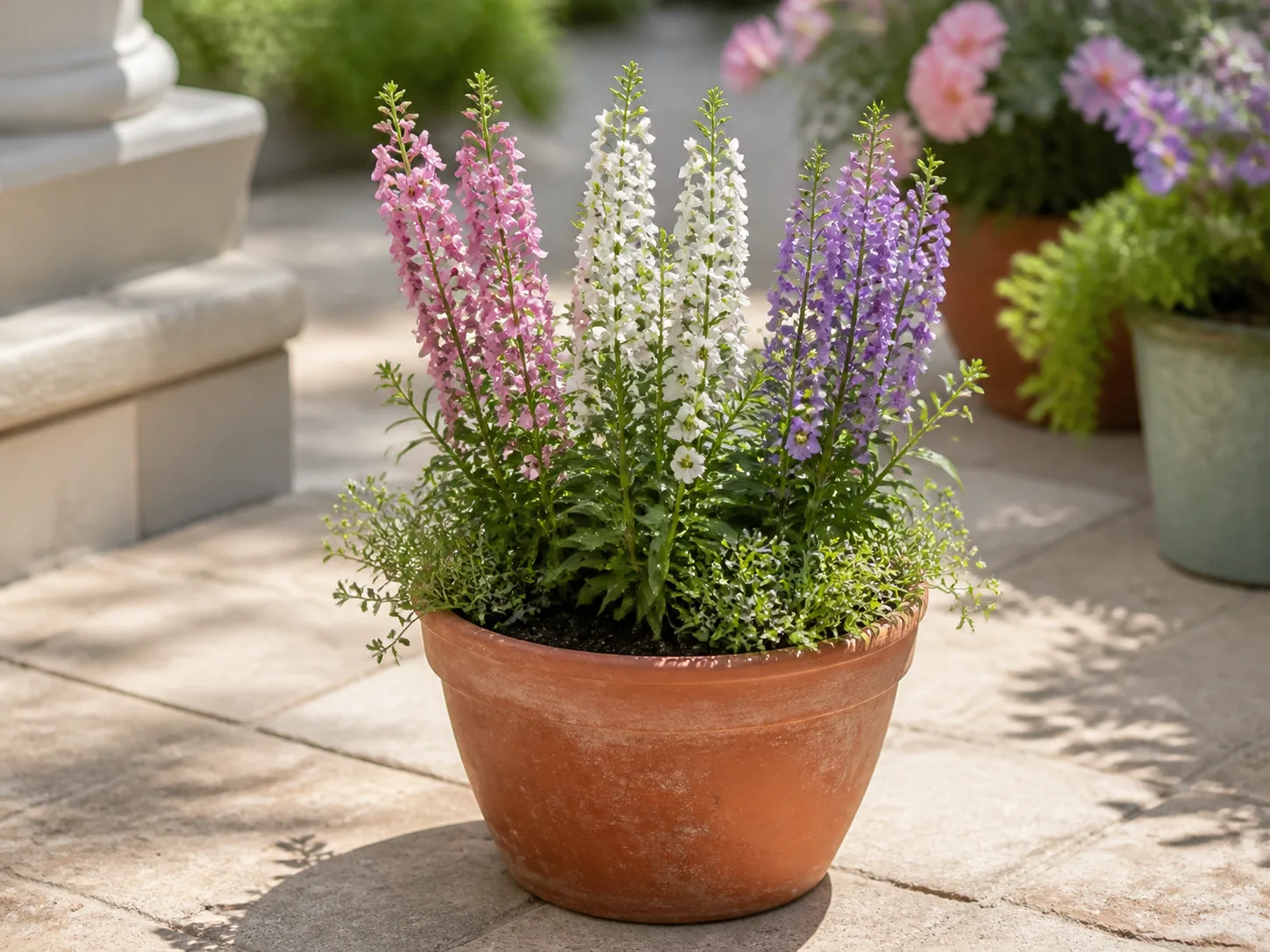
Summer pots look accidental when every plant fights for height. The thriller, filler, spiller framework gives structure without a design degree.
How the three roles work in a mixed summer pot
| Role | Job in the pot | Examples from this list |
|---|---|---|
| Thriller | Vertical accent, eye height | Tall zinnias, dahlia seed strains, peony (in a large perennial pot—usually bed plant) |
| Filler | Mid-height mass of color | Marigolds, wax begonias, shorter zinnias |
| Spiller | Soft edge over the rim | Creeping phlox at pot lip, trailing pansy cultivars |
In garden beds, use the same logic: tall dahlias or zinnias at the back, marigold blocks in the middle, phlox or pansies at the front edge. For more container basics, pair this with container garden tips for beginners.
Zinnias: heat-loving color that rewards a late indoor start
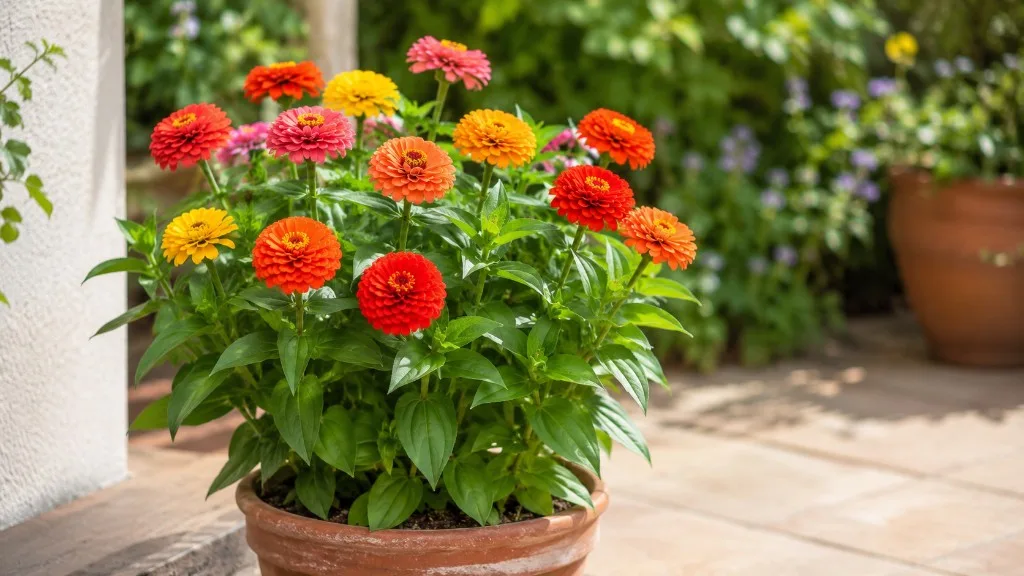
Zinnias are half-hardy annuals that shine in full sun and well-drained soil. They are among the best summer flowers for heat, but they sulking in cold wet soil is a common first-year failure.
When to sow zinnias indoors versus in the garden
Indoor start: Sow 4–6 weeks before last frost in modules or small pots at about 70°F (21°C), then grow on cooler and brighter. The RHS advises moving seedlings into larger pots before planting out at roughly 12–18 inches (30–45 cm) spacing for block plantings.
Direct sow: Only when soil is warm—often early June in cool regions—and frost is past. Direct-sown zinnias bloom later but skip transplant stress.
Do not cover seeds heavily; a light press into moist mix is enough. Overwatering cool trays invites damping off.
Keep zinnias flowering through late summer
Water deeply when dry, but avoid wetting foliage late in the day. Deadhead spent blooms or cut stems for bouquets to push new flowers. Tall cultivars may need netting or stakes in windy sites. Powdery mildew appears when plants are crowded, shaded, or stressed—give them air and sun.
Marigolds: fast germinators and garden workhorses
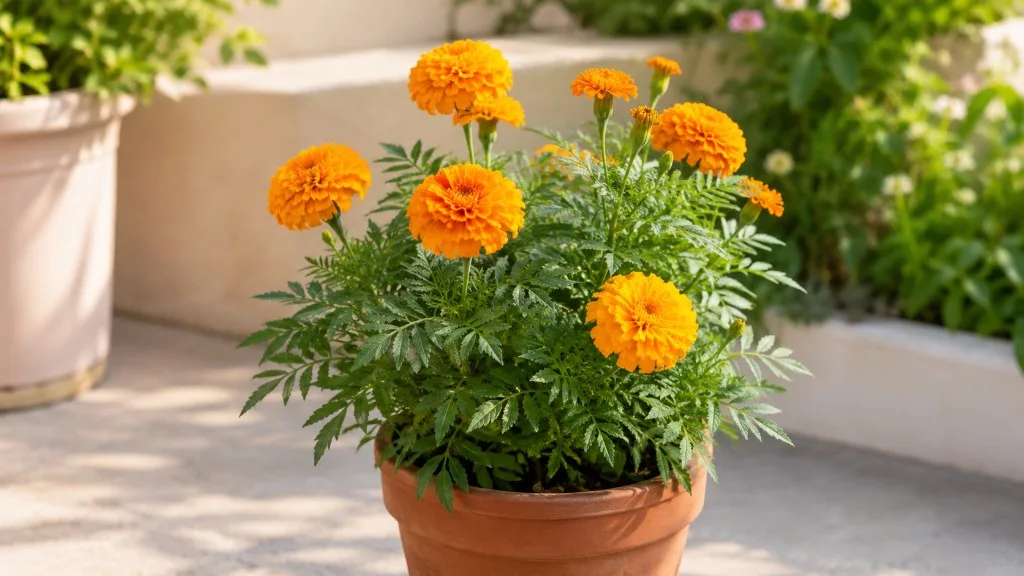
Marigolds germinate quickly, tolerate average soil, and bloom for months. French types stay compact; African (Tagetes erecta) types grow taller with larger flowers. Both are warm-season annuals suited to full sun and summer heat.
Pick French or African marigolds for the right scale
French marigolds (Tagetes patula) fit pot edges and front beds—roughly 6–12 inches tall. African marigolds reach 1–3 feet and work as fillers or short thrillers in containers.
Marigolds are light germinators: surface sow, press seeds into moist mix, and do not bury them. Germination often appears within a week at 70–75°F (21–24°C). Start indoors 4–6 weeks before last frost, or direct sow after soil warms.
Marigolds are not magic pest barriers, but their scent can help in mixed beds. Pair them with zinnias in sunny containers—they share light and water needs without heavy feeding competition.
Dahlias: start bedding types from seed, tubers for show blooms
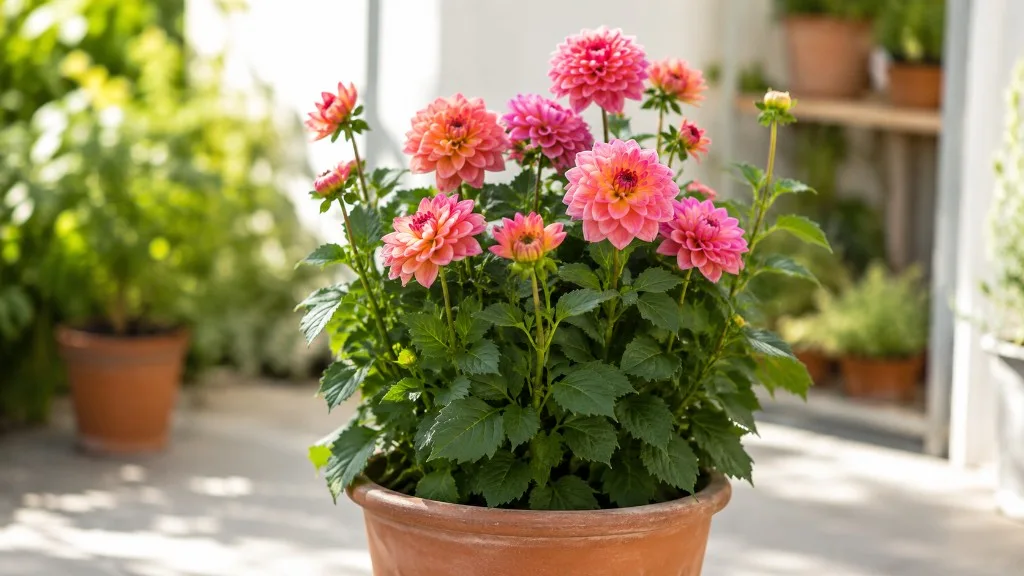
Dahlias light up late summer into fall, but not every dahlia belongs in a seed tray this month.
Bedding seed dahlias versus tuber-grown cultivars
The RHS dahlia growing guide lists four routes: potted plants, dormant tubers, cuttings, and seed. Bedding dahlia seed—often sold as mixed colors—is the cost-effective choice for mass color in beds and pots. Seed strains can flower in a few months when started indoors and grown on in warmth.
Show-size dinner-plate dahlias and named cultivars are grown from tubers or cuttings, not seed, if you want predictable flower form and size. For tuber timing, depth, and winter storage, use our how to plant dahlia tubers like a pro guide.
From seed now: Sow bedding dahlias indoors 4–6 weeks before last frost in warmth, transplant after frost into rich, well-drained soil in full sun. Stake taller seedlings early. Dahlias are tender; late frost or cold wet soil stunts them more than a missed fertilizer.
Begonias: seed-started wax types for shady summer edges
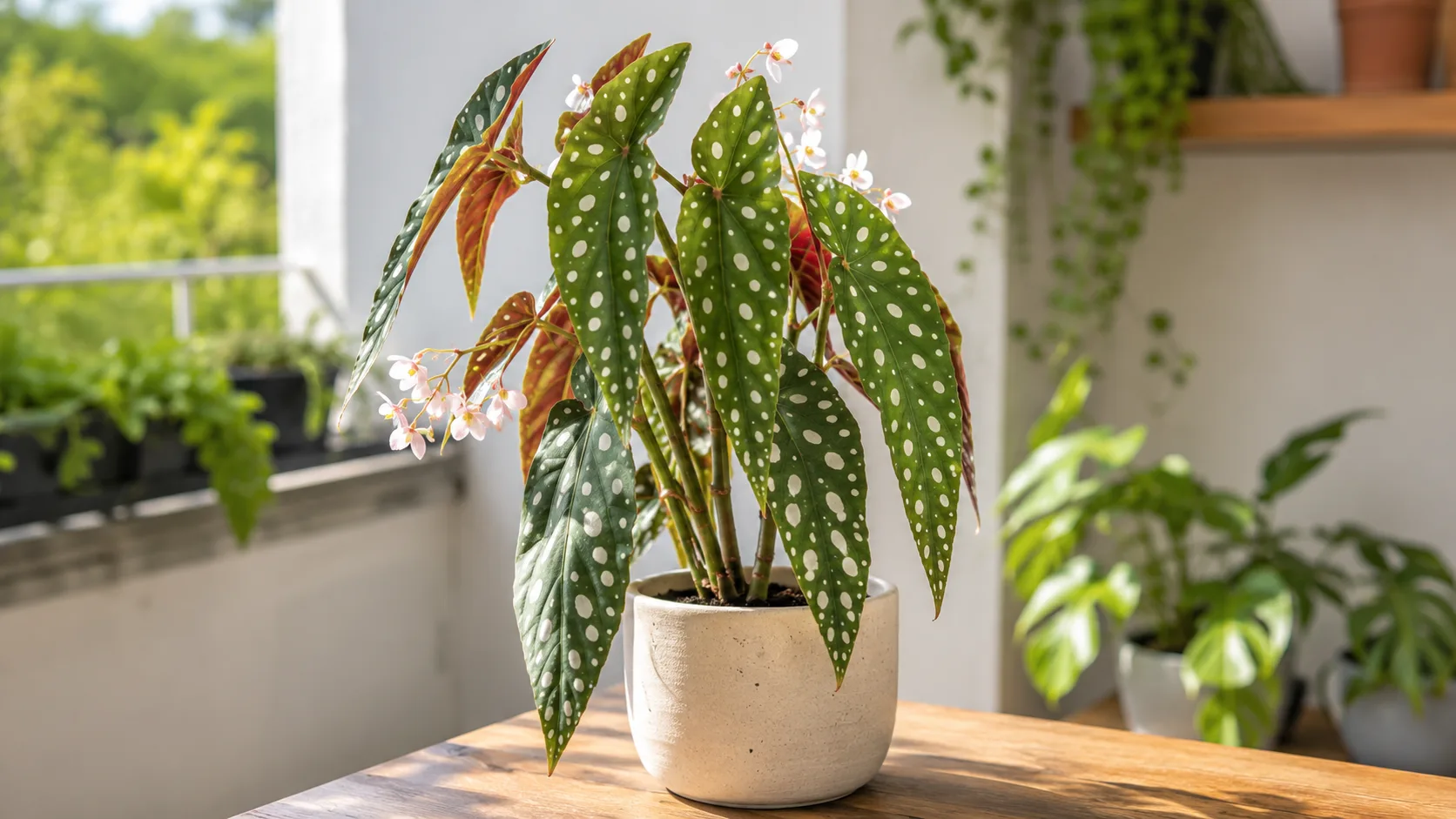
Most summer flowers demand all-day sun. Wax begonias (Begonia × semperflorens-cultorum) are the exception worth starting from seed for bright shade, morning sun, or filtered light on patios.
Wax begonia seeds for partial-shade containers
Sow wax begonia seed indoors 8–10 weeks before last frost—they are slower and tiny compared to marigolds. Use a fine seed-starting mix, bottom water, and do not bury dust-fine seed; many growers cover trays with plastic until germination, then move seedlings to bright light immediately to prevent leggy growth.
Grow on at moderate temperatures and transplant after frost into containers with good drainage. Wax begonias excel as fillers under taller shade plants or along east-facing foundation beds where zinnias would flop.
Tuberous begonias for giant blooms are a different crop—usually bought as tubers or starts, not seed, if you want exhibition flowers.
Peonies: skip the seed packet and plant bare roots instead
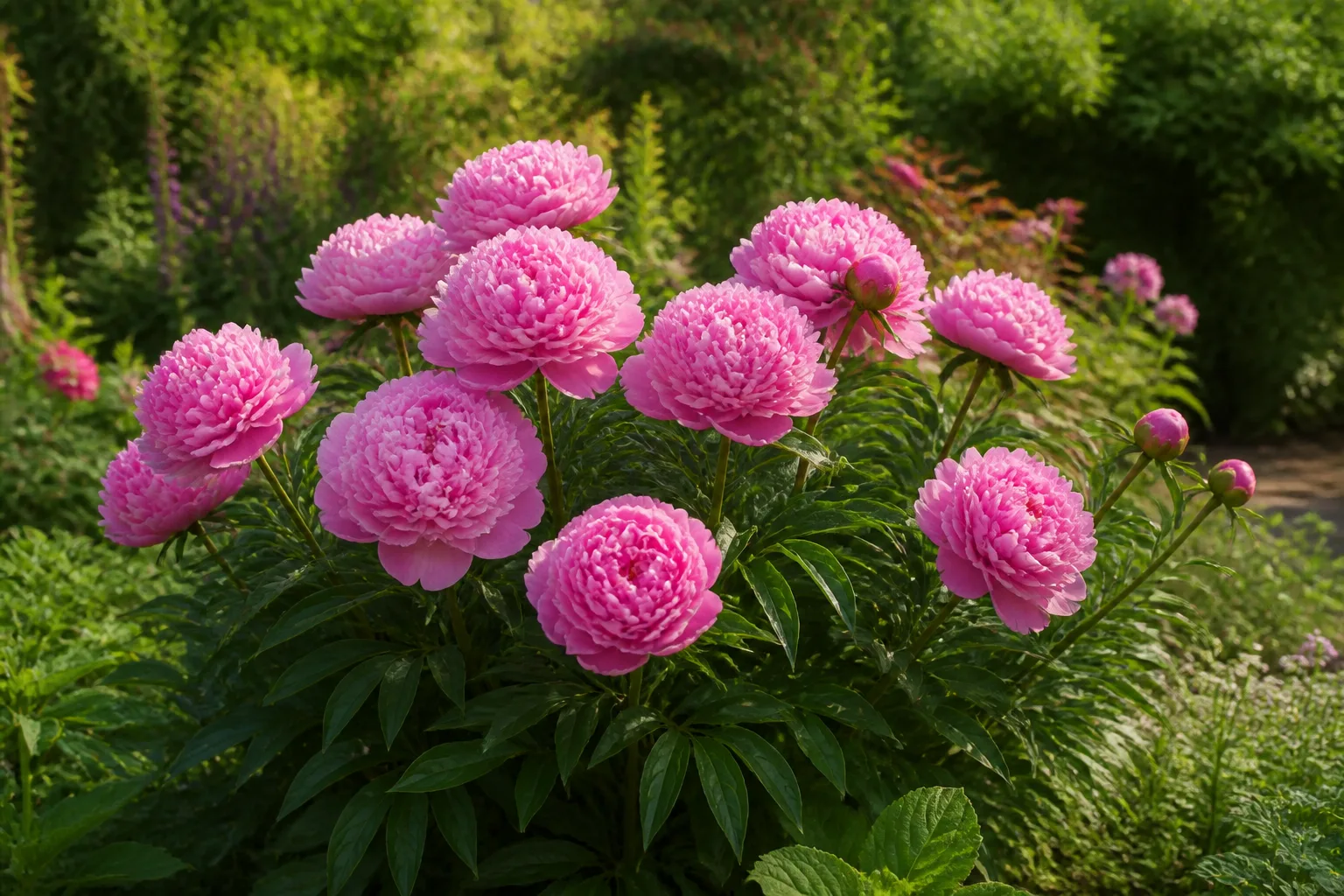
Peonies belong on a summer-flower wish list, but seed is the slowest path to the bowl-shaped blooms most gardeners picture.
Peony seeds can germinate, yet first flowers often take three to five years—or longer—and seedling color is unpredictable. For reliable peonies this year or next, plant bare-root divisions or potted plants in fall (preferred in cold climates) or early spring, in full sun and deep, well-drained soil. Our plants not worth growing from seed guide explains why divisions beat seed for peonies and several other perennials.
If you already own a peony, division every five to ten years refreshes the plant and gives free starts. Treat peonies as bed thrillers, not typical summer container fillers—they need root space and years of establishment.
Creeping phlox: sow perennial seed early for spring carpets
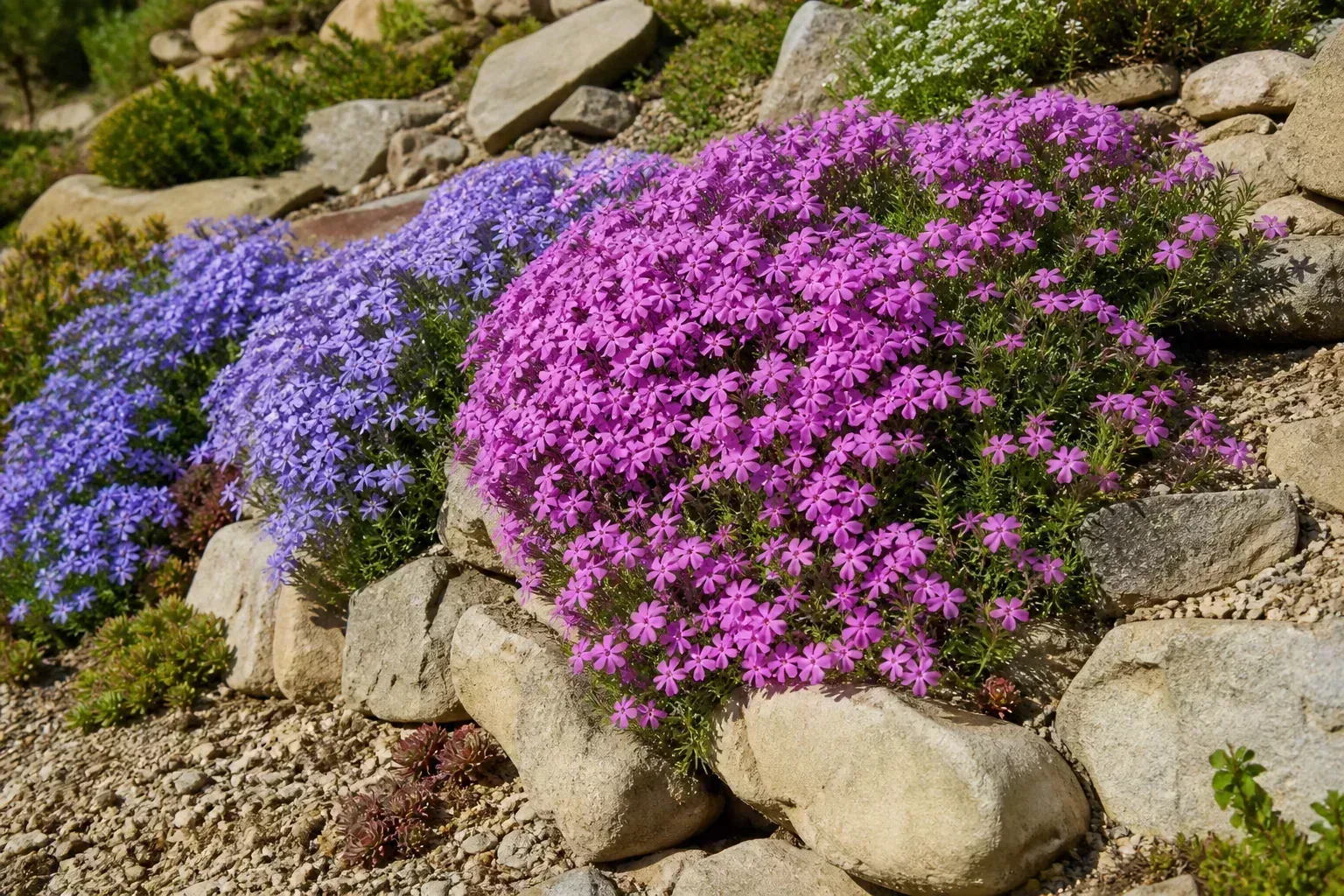
Creeping phlox (Phlox subulata and related species) is a low, spreading perennial that paints rock walls and pot edges in spring, with foliage that carries the bed into summer. It is not a tall summer annual like zinnias, but it bridges spring into early summer when sown or planted early.
From seed: Start indoors 10–12 weeks before last frost; germination can be slow and seedlings small. Many gardeners buy spring pots for instant color and let plants spread.
In containers: Use creeping phlox as a spiller over rim edges in mixed spring pots, then replace or trim as heat arrives if the cultivar fades in your zone. Plant in full sun to light shade with well-drained soil; avoid soggy winter pots.
Pansies: cool-season seed for spring into early summer color
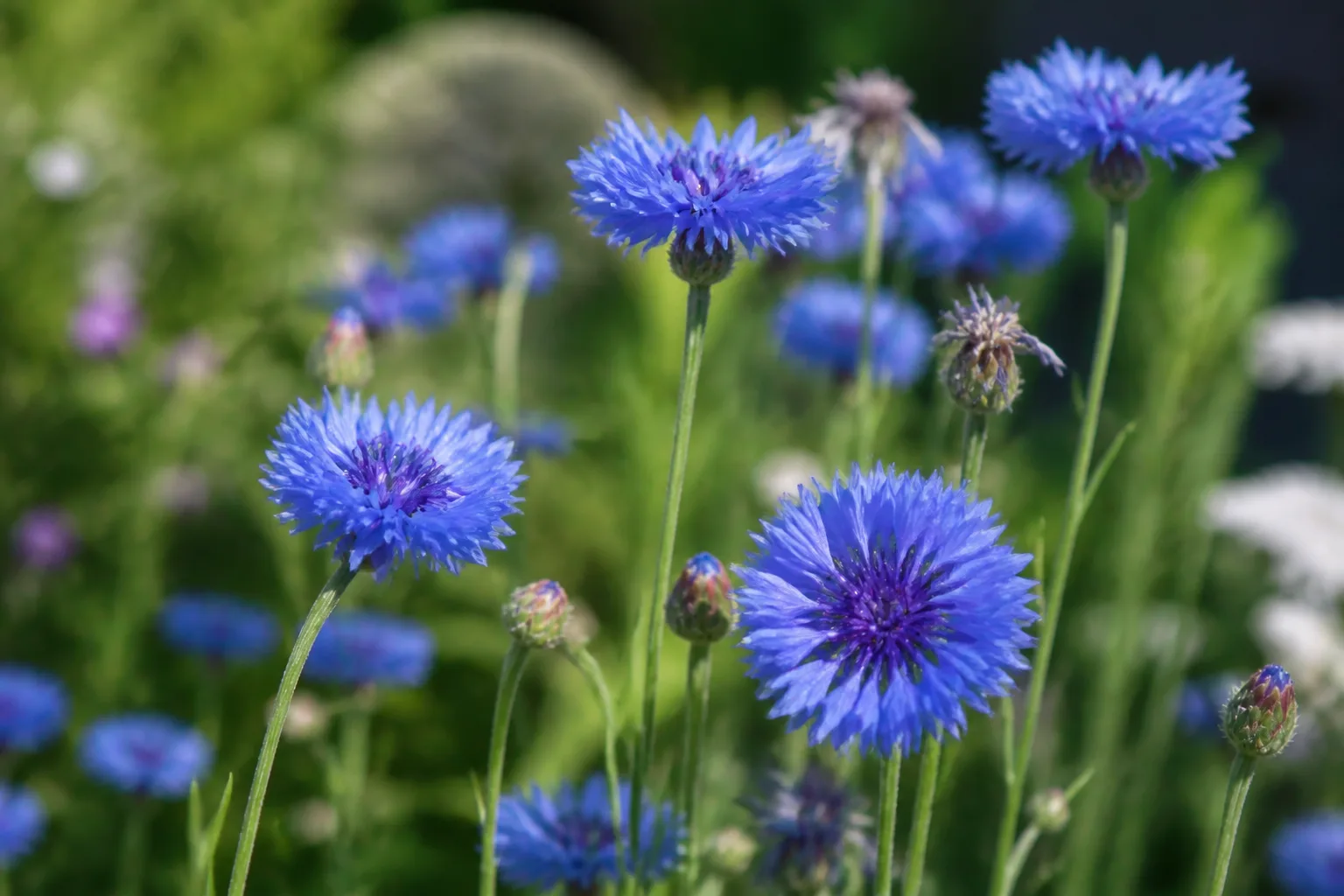
Pansies (Viola × wittrockiana) are not heat warriors—they are cool-season charmers that shine in spring and often persist into early summer in northern gardens. In hot southern summers they are usually replaced by warm annuals.
Start pansy seed indoors 8–10 weeks before last frost for spring containers. They tolerate light frost after hardening off and fit partial sun or bright shade in warm regions—full hot afternoon sun can stress them.
Use pansies as fillers in spring pots with creeping phlox at the edge, then swap the pot to zinnias or marigolds when nights stay warm if you want continuous summer color on the same patio.
A quick seed-starting checklist before you fill trays
Before you sow the seven flowers above, run this checklist:
- Last frost date written down with a two-week caution buffer for late cold.
- Lights ready—a south window alone often produces leggy seedlings; supplemental LED at close range helps.
- Label every tray with sow date and species; marigold and zinnia seedlings look alike early.
- Sow depth correct—surface for marigolds; light cover for zinnias; barely cover begonia and phlox.
- Cooler grow-on temperature after germination—about 60–65°F (15–18°C) under bright light for sturdier stems.
- Harden off one week: outdoors in shade first, then sun, with wind protection.
- Plant out after frost with watered-in transplants; do not let root balls dry on planting day.
If seedlings are tall, pale, and floppy, they need more light and slightly cooler nights, not more fertilizer. That single fix prevents more “my starts died after transplant” stories than any product on a shelf.
Conclusion
Gorgeous summer flowers from seed are a calendar problem first and a catalog problem second. Start zinnias and marigolds indoors four to six weeks before your last frost—or direct sow when soil warms. Start bedding dahlias from seed for mass color, but reach for tubers when you want show blooms. Sow wax begonias for shade containers, pansies earlier for cool spring pots, and creeping phlox if you want low spring carpets that carry into summer foliage. For peonies, plant bare roots or divisions instead of waiting on seed.
Get the frost date right, keep seedlings bright and cool, harden off patiently, and these seven choices will outperform a random mix of packets sown “whenever it felt like spring.”



