10 Container Garden Rules for Thriving Plants All Season
Ten container garden rules that stop wilted pots, root rot, and mid-summer fade-outs. Drainage, light, feeding, combos, and seasonal fixes for beginners.
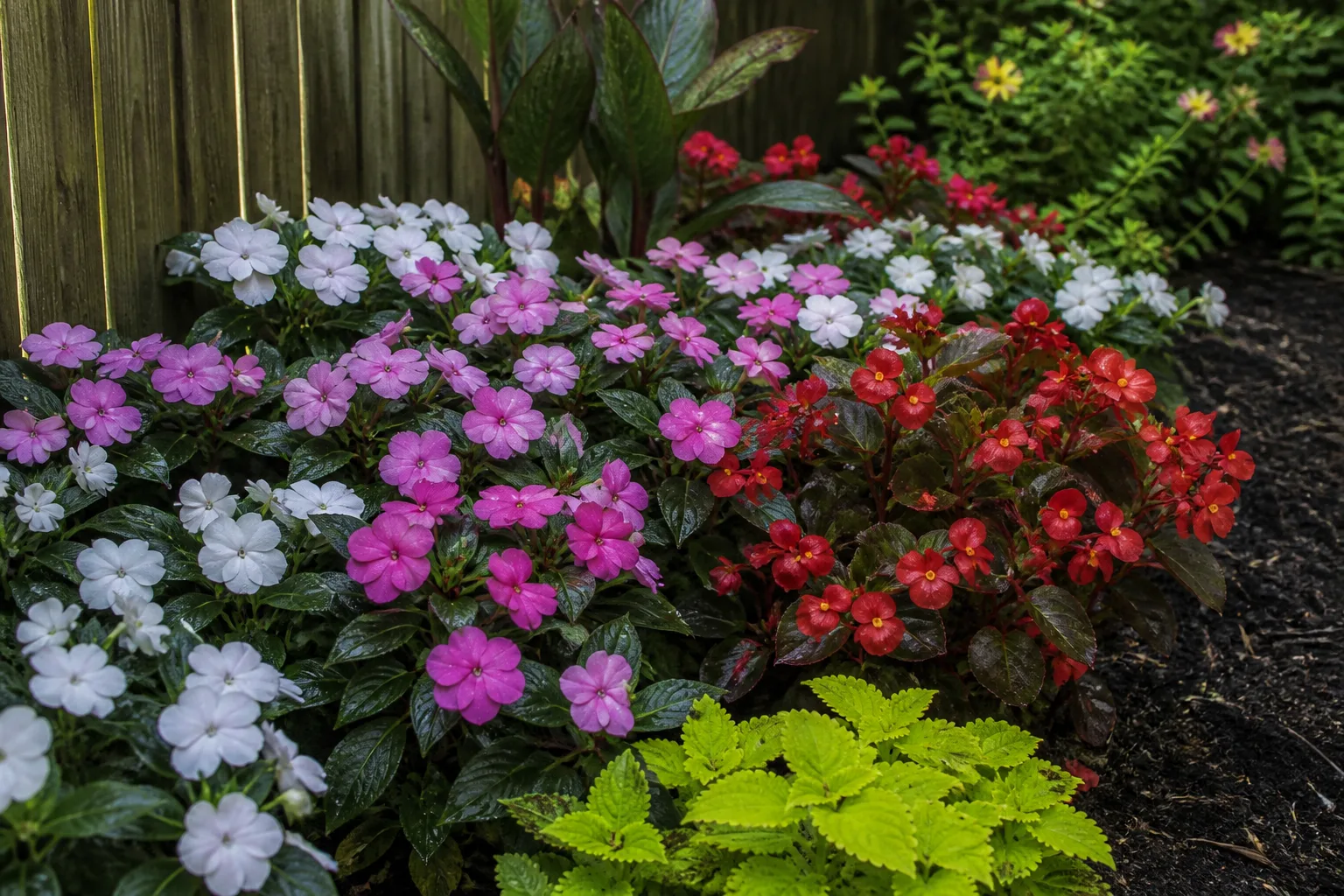
A patio full of pots looks effortless on Instagram. By July, those same pots are often crispy, waterlogged, or half-empty where one sad geranium gave up and took the whole combo with it. Container gardening is not harder than growing in the ground—it just follows different physics. Roots are trapped in a small volume of soil that heats up, dries out, and loses nutrients faster than any garden bed. The ten rules below are the decisions that separate pots that coast through September from pots you quietly drag behind the shed.
Why Container Plants Play by Different Rules Than In-Ground Beds
Plants in the ground can send roots sideways and down to find water and minerals. In a pot, the entire root system lives inside a few gallons of potting compost with nowhere else to go. The RHS notes that container plants need more regular watering and feeding than in-ground plants because they have limited compost and exposed roots that heat and chill quickly.
That single fact drives almost every rule on this page. Drainage matters more because there is no slope to carry excess water away. Light matters more because you cannot move a tree—you can move a pot, but only if you planned for its weight. Fertilizer matters more because rain does not wash fresh minerals into a plastic tub on a balcony. Winter hits harder too—roots in pots freeze sooner than roots buried in the earth, and wet winter compost that never dries invites rot before spring even arrives.
Treat these rules as a system, not a checklist you can cherry-pick. Skipping drainage because you plan to “water carefully” fails the first time you leave town for a rainy weekend. Pairing shade plants with sun lovers because the colors looked good at checkout fails by June. The rules below are ordered roughly by consequence—fix drainage and light before you worry about fertilizer brands.
Rule 1: Never Compromise on Drainage
Drainage holes are non-negotiable for most container plants. Without them, water sits in the bottom of the pot, oxygen is pushed out of the root zone, and roots rot. The plant above ground may look fine for a week—then it collapses overnight. The RHS lists functional drainage as essential and warns that waterlogged compost in winter is a common killer when saucers are left full.
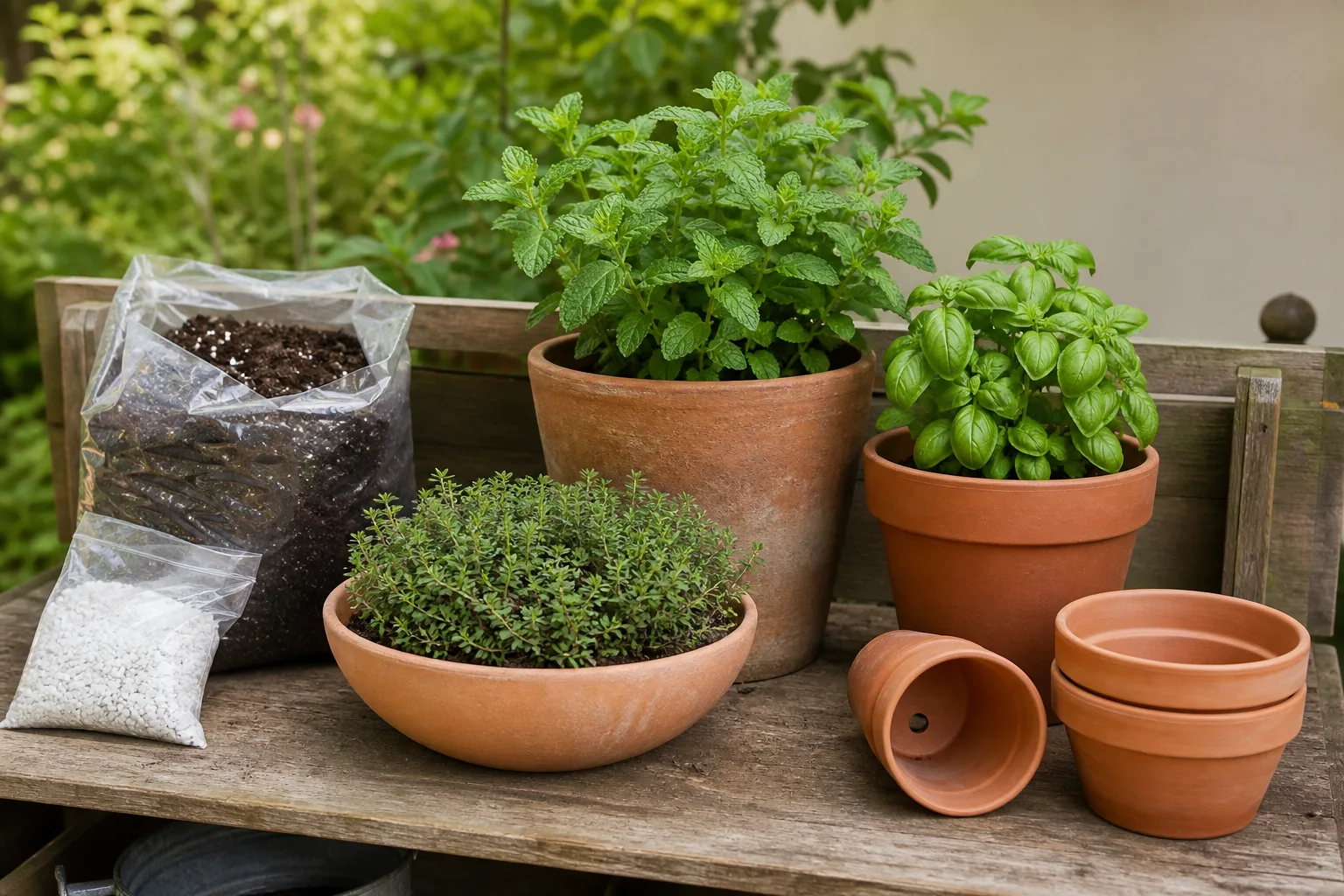
Aim for at least one hole ½ inch (13 mm) in diameter for small and medium pots, and 1 inch (25 mm) or larger for big containers. Multiple holes beat one hole in the center. If you fall in love with a pot that has no holes, drill them yourself with a masonry bit on ceramic or a step bit on plastic—or use that vessel as a decorative cachepot and keep the plant in a plain nursery pot inside it.
How to Fix Pots With Weak or Missing Drain Holes
Cover large holes with a piece of window screen, a paper coffee filter, or a shard of broken pot—anything that keeps soil from washing out while water still flows. Do not seal the hole. Raise pots on bricks or pot feet so water can exit the saucer instead of being reabsorbed from below. In winter, remove saucers outdoors so pots are not standing in icy water for weeks.
Why the Gravel-at-the-Bottom Myth Still Kills Plants
Layering gravel, pot shards, or stones in the bottom does not improve drainage. It creates a perched water table where fine potting mix meets coarse gravel—the water stops moving and sits right above the gravel line, which is often where roots concentrate. The only reliable fix is a hole in the bottom and quality potting mix above it. Save gravel for pathways, not root zones.
Rule 2: Measure Your Light Before You Shop for Plants
The number one shopping mistake is buying “full sun” petunias for a porch that gets three hours of morning light. People consistently overestimate how much direct sun their containers receive because they notice brightness, not beam duration. Light requirements on tags are written for direct sun hours, not “it looks bright out.”
Build a Simple Sun Map for Patios, Balconies, and Doorsteps
Place the empty pot (or a similar-sized box) where you plan to grow. On a sunny summer day, note whether direct sun hits it at 8 a.m., noon, and 4 p.m. Add the hours. Full sun means six or more hours of direct midsummer sun. Part sun / part shade is roughly three to six hours. Full shade is less than three hours of direct sun—reflected light helps, but it is not the same as a beam on leaves.
South-facing balconies in the Northern Hemisphere bake; north-facing entries stay cool. Afternoon sun is hotter and harsher than morning sun—shade lovers may tolerate eastern exposure but cook on a western railing. Write your count on a note in your phone before you spend money at the nursery.
If you are growing vegetables in containers, light requirements are stricter than for ornamental shade annuals. Tomatoes, peppers, and most herbs want six to eight hours of direct sun for full production. Leafy greens and impatiens can succeed with less. Move wheeled caddies or lightweight plastic pots once a month if trees leaf out and steal afternoon light you counted on in early spring.
Rule 3: Feed on Schedule Because Pots Run on Empty
Most potting mixes are engineered for structure and drainage, not long-term fertility. Nutrients wash out every time water runs through the drainage hole. Container plants depend on you for food. The RHS recommends adding slow-release fertilizer to compost for permanent plantings and summer bedding, then supplementing through the season.
Slow-Release, Liquid, and Organic Fertilizer Options
Mix a slow-release granular fertilizer into fresh potting compost at planting time—follow label rates; more is not better and can burn roots. Through the growing season, feed flowering and vegetable containers every one to two weeks with diluted liquid fertilizer (seaweed or fish emulsion blends work well for organic gardeners; balanced formulas like 5-5-5 suit general pots).
Synthetic water-soluble fertilizers feed plants quickly but do little for soil biology. If you switch to organic liquids, stay consistent—flipping between synthetic and organic mid-season confuses your schedule more than it helps the plant. Stop feeding woody perennials and houseplants you move outdoors by late summer so new growth can harden before frost.
Feeding and watering are linked. Penn State Extension recommends sticking your index finger about two inches into the soil—if it feels dry at that depth, water until a little runs from the drainage hole, then stop. Morning watering is ideal because leaves dry before evening and less water evaporates in heat. In a July heat wave, a hanging basket in full sun may need water twice a day; a glazed ceramic pot in part shade might go two days. The finger test beats any calendar app.
Rule 4: Shop With a Plan, Not a Nursery Wish List
Spring nurseries are designed to separate you from your money. Walk in with a list: how many pots, each pot’s diameter, sun hours per location, and whether you need upright thrillers or trailing spillers. A photo of the pot on your phone beats guessing whether a 4-inch seedling fits a 24-inch bowl.
Buy healthy stock—check the underside of leaves for pests, avoid plants that are rootbound with roots circling the pot surface, and pass on anything with blackened stems or mold on the soil. If you are new, start with three containers you can water daily in a heat wave, not twelve you will neglect by August.
Group your list by shopping aisle logic: potting mix and slow-release fertilizer first, then thrillers, then fillers and spillers that match your sun map. Most nurseries label benches by light requirement—full sun tables on the sunny side of the lot, shade selections under shade cloth. Ask staff to confirm if you are unsure; a good nursery would rather sell you a shade coleus than watch you kill a sunflower on a shaded stoop.
Rule 5: Combine Only Plants That Share the Same Water and Light Needs
A pot is a shared apartment. One roommate who wants desert dryness and another who wants bog soil will not both thrive. Match water habits and light requirements before you match colors. Sun-loving calibrachoa and shade-loving impatiens in the same bowl is a divorce waiting to happen.
Read tags for mature size too. A vigorous sweet potato vine will smother a slow-growing sedum by July. Penn State Extension advises leaving room for root growth at planting rather than stuffing a pot full on day one—better airflow and less competition.
Use the Thriller-Filler-Spiller Framework for Balanced Combos
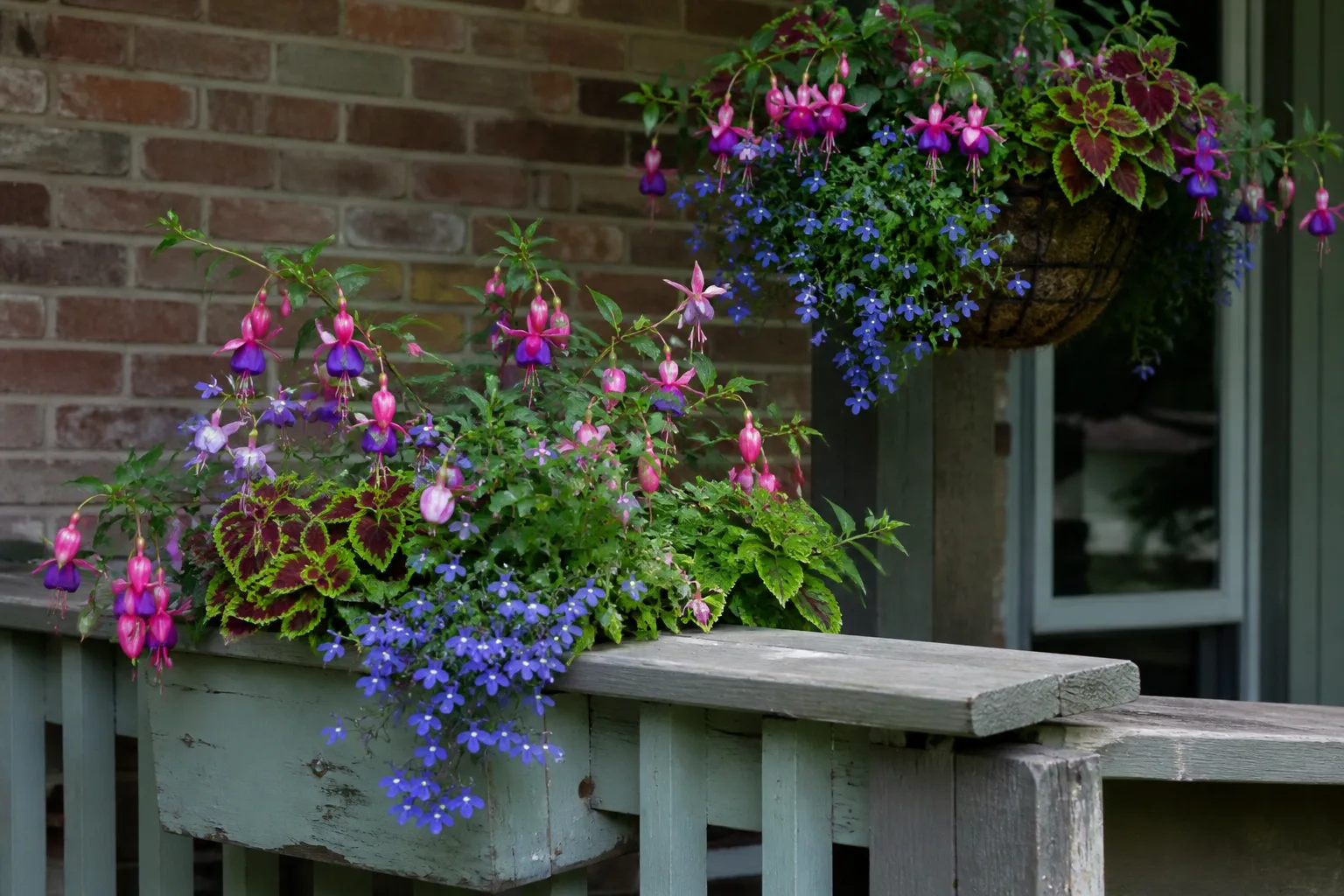
Penn State Extension’s thriller-filler-spiller formula is the fastest way to build a balanced upright container:
- Thrillers add height and drama—spikes, ornamental grasses, tall coleus, or compact cannas. Place in the center if the pot is viewed from all sides; at the back if it sits against a wall.
- Fillers round out the middle—lantana, nemesia, diascia, or mounding petunias.
- Spillers trail over the edge—creeping jenny, sweet potato vine, or trailing bacopa.
One thriller, one or two fillers, and one or two spillers is enough for a 14-inch pot. Scale up proportionally for larger tubs.
Rule 6: Treat the Plant Tag as Your Contract
The tag is not marketing—it is the care brief. It lists mature height and spread, sun and water needs, whether the plant is annual or perennial, and often USDA hardiness zones for perennials. “Habit” tells you shape: upright, mounding, or trailing. That word matters when you are placing plants in a design.
Photograph tags with your phone if you hate keeping paper. For perennials you plan to overwinter, note whether the variety is hardy in your zone in a pot—roots in containers experience colder temperatures than roots in the ground and may need protection even if the same plant would survive in a bed.
Rule 7: Harden Off Before You Trust Spring Weather
Greenhouse-grown seedlings and store-bought annuals are soft. Moving them straight from a humid bench to a windy patio burns leaves and stalls growth for weeks. Hardening off is a gradual introduction to sun, wind, and cooler night temperatures over 7 to 10 days.
Start with one hour of morning sun or dappled shade outdoors, then bring plants in. Add an hour or two outdoors each day, delaying full sun until the last two or three days. Skip hardening off only if you buy plants already sitting in full sun at the nursery—and even then, water carefully the first week. For fall overwintering indoors, reverse the process: reduce light slowly before moving tropicals inside so leaf drop is less shocking.
Rule 8: Fill Pots With Real Potting Mix—Not Garden Soil or Shortcuts
Garden soil is too heavy for containers. It compacts, drains poorly, and may harbor diseases and weed seeds. Use bagged potting compost or potting mix labeled for containers. The RHS distinguishes multi-purpose peat-free compost for seasonal bedding and veg from soil-based mixes like peat-free John Innes No. 3 for long-term shrubs and trees. Ericaceous compost is required for acid lovers such as blueberries and rhododendrons.
Fill the pot to within about an inch of the rim so water has somewhere to pool before soaking in. More compost volume means more water retention and a wider margin for error on hot weekends—do not fill large tubs with packing peanuts, milk jugs, or foam to “save soil.” Those shortcuts shrink the root zone and dry out faster, which is the opposite of what you want.
Pick the Right Container Size and Material
Larger pots dry out more slowly and are easier to keep alive than a row of tiny terracotta cups. The RHS recommends fewer large containers over many small ones for beginners. Match pot size to the rootball—avoid overpotting into a huge tub with a tiny seedling; excess wet compost around sparse roots causes rot.
| Material | Pros | Cons |
|---|---|---|
| Terracotta | Breathable, classic look | Dries fast; can crack in frost unless frost-proof |
| Plastic | Light, retains moisture | Can degrade in UV; heats up in dark colors |
| Metal | Durable, modern | Heats and chills roots quickly |
| Wood | Insulating, attractive | Rots over time—line or seal for longevity |
| Glazed ceramic | Slower drying than raw terracotta | Heavy; ensure drainage holes |
Black or dark pots in full sun can cook roots on 90°F days—group pots so they shade one another or choose lighter colors for sun-exposed sites. Tall narrow pots blow over; add weight in the base or stake tall thrillers.
Rule 9: Know When to Cut Losses Before One Plant Ruins the Pot
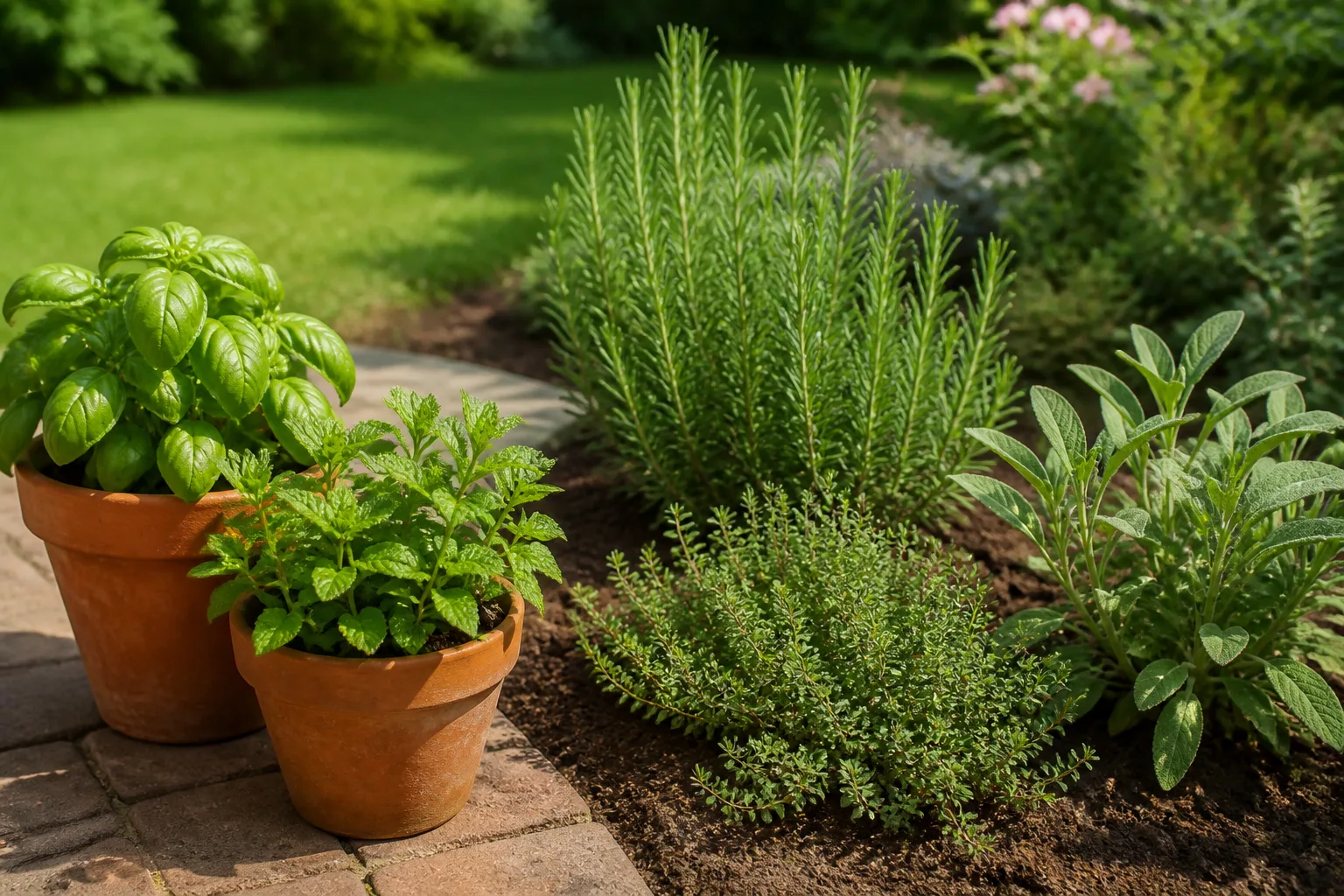
Every gardener kills plants. The skill is knowing when to rescue and when to remove. In a mixed container, one failing plant drags down the whole composition—pull it early and drop in a nursery six-pack replacement while the season still has runway.
If a plant looks rough but has firm stems and healthy white roots when you slip it out, cut back hard, repot with fresh compost, and quarantine it elsewhere. If you see white fuzzy mold, mushy stems, or sour-smelling soil, remove the plant immediately, discard soil from that rootball (not in your compost pile if disease is suspected), and wash the pot before replanting. Vine weevil larvae chew roots in pots—fuchsias, heucheras, and strawberries in containers are frequent targets. Stressed plants also invite powdery mildew when airflow is poor.
Rule 10: Design for the Gardener You Actually Are
Container gardening should fit your life, not an idealized version of it. If you travel every weekend, choose drought-tolerant succulents, sedums, and lavender in large pots rather than thirsty impatiens in six-inch pans. If you hate daily watering, a self-watering planter with a reservoir is honest engineering, not cheating.
On a tight budget, hunt secondhand tubs, line wooden crates with plastic, and propagate your own fillers from cuttings. If your front door is formal, invest in two big symmetrical pots and repeat the same plant for impact instead of scattering mismatched sizes. There is no foolproof plant—there is only a good match between plant needs and your attention span.
Mid-Season Maintenance That Keeps Containers Thriving
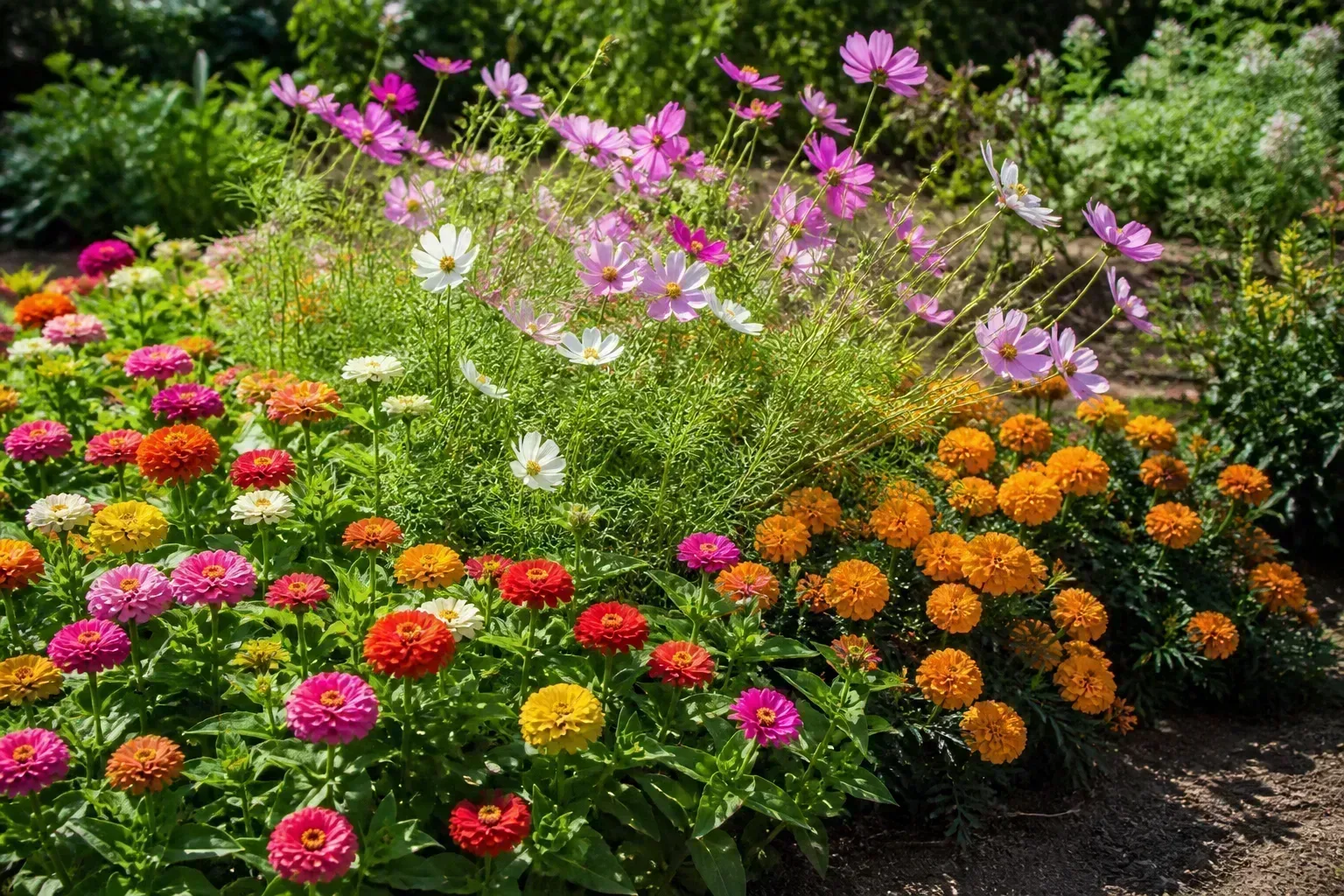
May combos that looked perfect can look tired by August. Deadhead spent blooms on petunias and geraniums to push new flowers. Cut back leggy verbena or bacopa by a third to force branching. If water runs straight through the pot in seconds, the rootball may be dry—submerge the pot in a bucket of water for ten minutes to rehydrate, then resume normal watering.
Feed through July, then taper for perennials you will overwinter. Raise saucers in rainy autumn and tilt pots slightly so winter rains do not leave them sodden. Refresh one or two fillers in September if you entertain on the patio—cool nights suit pansies, ornamental kale, and asters in many climates.
When a pot wilts every afternoon despite watering, the problem may be rootbound growth or salt buildup from fertilizer—flush the pot with plain water until it runs clear from the bottom, or step the plant up one pot size with fresh compost next spring.
Watch for algae, moss, or liverwort on the compost surface—they signal consistently wet, shaded conditions or old, compacted mix. Scrape the top inch off and top-dress with fresh compost, or repot if the whole rootball is tight. Ants nesting in pots often mean aphids are farming honeydew on your plants—fix the pest, not just the ants. A mid-August hour with pruners, fresh compost, and one replacement six-pack often rescues a display that looked doomed on the Fourth of July.
Conclusion
Container garden rules boil down to respecting the physics of a small root zone: drain freely, measure sun, feed regularly, shop with a plan, match plant needs, read tags, harden off, use real potting mix in the right pot, edit failures fast, and design for your real habits. Master those ten decisions and a patio of pots becomes one of the most flexible gardens you can grow—movable, replaceable, and vivid from the first warm week of spring until the first hard frost. Start with one well-drained pot in measured sun this season; add a second only after the first still looks good on Labor Day.