22 Easy Houseplants Anyone Can Grow Indoors
Find easy houseplants for beginners, from low-light snake plants to sunny aloe, with practical light, watering, pet-safety, and troubleshooting tips.
The easiest houseplant is not the one with the boldest “hard to kill” label. It is the plant whose light, moisture, size, and safety profile fit the spot where you will actually keep it.
Use this list as a matching guide. If you have a dim apartment, start with the low-light group. If you forget to water, choose a plant with thick leaves or water-storing rhizomes. If you have a cat or dog that chews leaves, move the safety section ahead of the shopping list.
Choose by your room, not by the label “easy”
“Low maintenance” means a plant has a wider margin for error; it does not mean the plant can live without light, drainage, or a check-in. The Royal Horticultural Society notes that easy-care houseplants may forgive imperfect watering or placement, but no plant can grow in complete darkness because photosynthesis still requires light. RHS guidance on easy-care houseplants is a useful reality check before you put a plant in a windowless hallway.
The University of Maryland Extension lighting guide makes the selection principle practical: choose a plant that adapts to the conditions in your home instead of trying to force your home to imitate a greenhouse. That single decision prevents many beginner failures.
Measure the light your plant actually gets
Use the window, not the room name, as your starting point. A north-facing window or a bright room lit mostly by reflected daylight is a reasonable low-light setting; an east- or west-facing window usually gives medium-bright light; a sunny south-facing window can provide high light, though sheer curtains and summer heat change the result.
Light also drops sharply as a plant moves away from glass. The University of Maryland Extension’s lighting guide groups snake plants, ZZ plants, cast iron plants, and peace lilies among low-light-tolerant examples, while jade, cacti, and many succulents need much brighter conditions. “Low light” means lower growth and less color, not no light.
Watch the plant for feedback. Long gaps between leaves, leaning toward the window, faded variegation, and weak new growth usually mean it needs more light; bleached patches and crispy brown areas on the window-facing side can mean the light changed too fast or is too intense.
Use a moisture check instead of a calendar
Watering every Sunday sounds simple but fails because pots, soil mixes, seasons, and rooms dry at different rates. Press a finger about two inches into the mix for most foliage plants, lift the pot to learn what “dry” feels like, and then water thoroughly when that plant’s preferred moisture level has been reached.
The University of Maryland Extension watering guide recommends watering until excess drains from the container, then emptying the saucer. It also warns that soluble-salt buildup can cause brown tips and weak roots. A plant that is easy to care for can still decline in a pot that stays wet.
22 easy houseplants, matched to real homes
These are not ranked from “best” to “worst.” They are grouped by the condition that makes each one forgiving. The scientific names matter because common names vary between shops, and the exact cultivar can change light needs, mature size, and pet safety.
Low-light and forgetful-watering picks
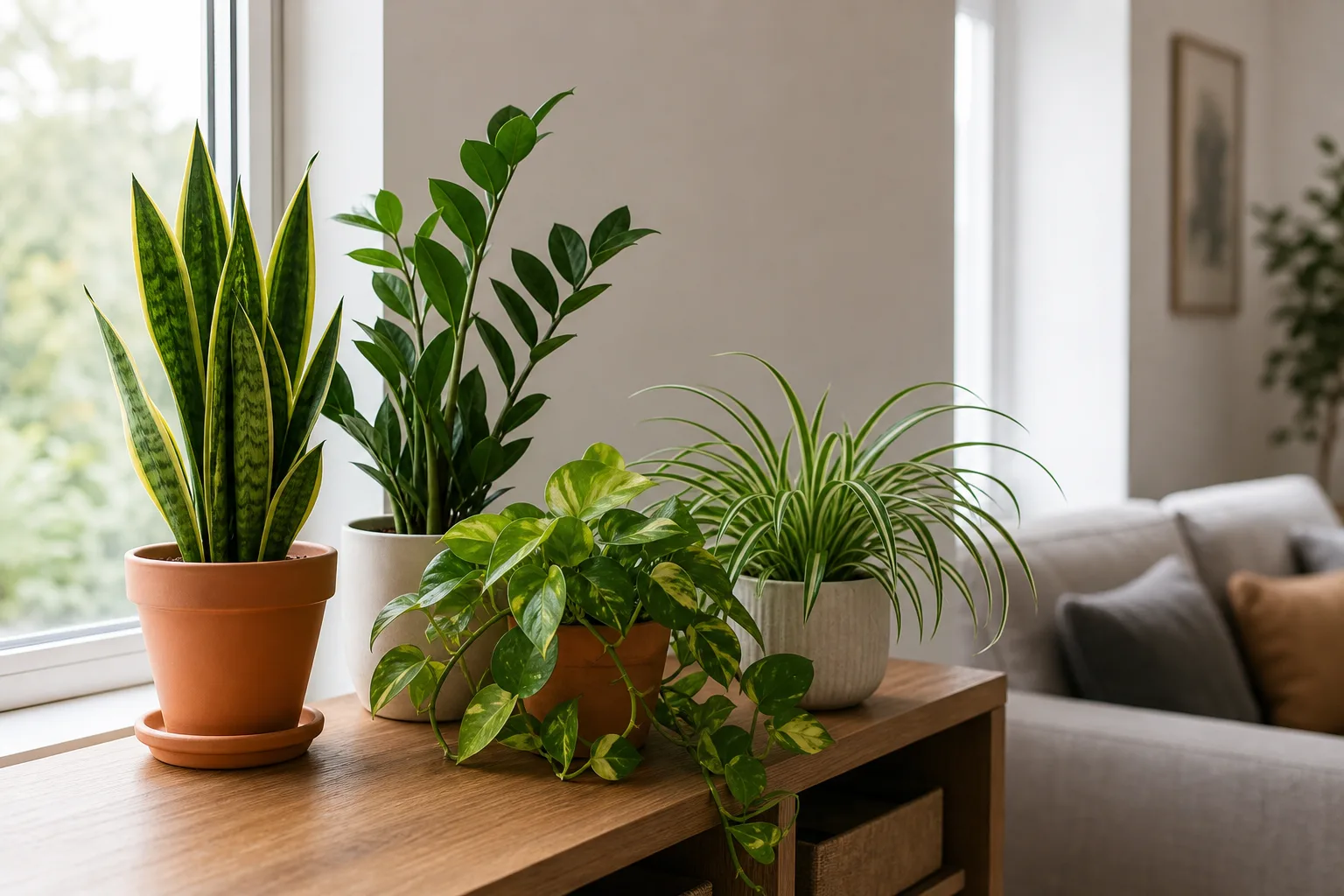
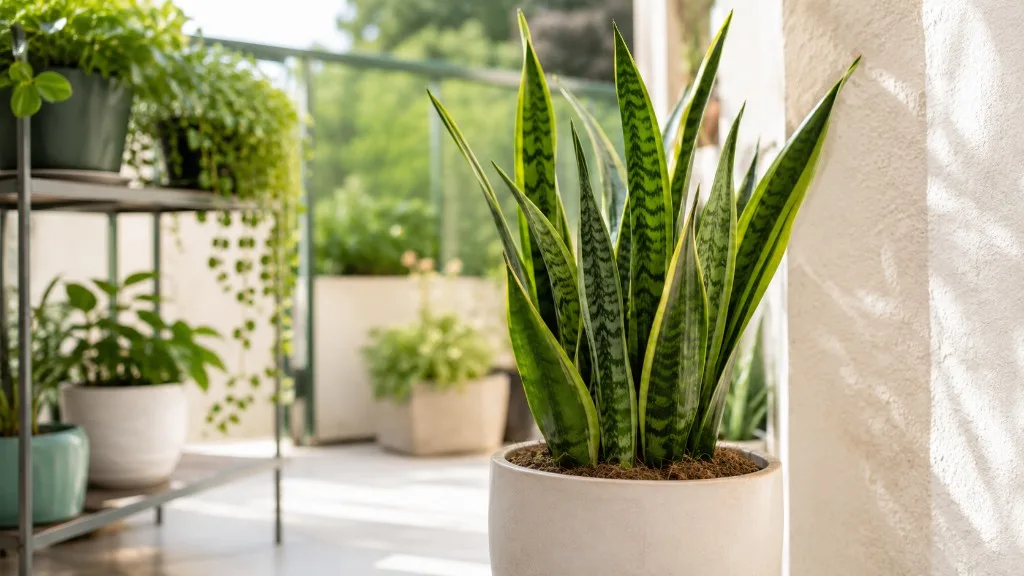
Snake plant (Dracaena trifasciata, formerly Sansevieria). Choose this upright succulent for a dimmer room where watering is easy to forget. Let the mix dry well before watering again, and use a pot with a drainage hole; the common beginner mistake is treating its tolerance for dryness as permission to keep the roots constantly damp. Green forms handle low light better than strongly variegated forms, which usually need brighter light to hold their pattern. Penn State Extension’s snake-plant guidance also notes that overwatering and poor drainage are the main ways to defeat this otherwise durable plant.
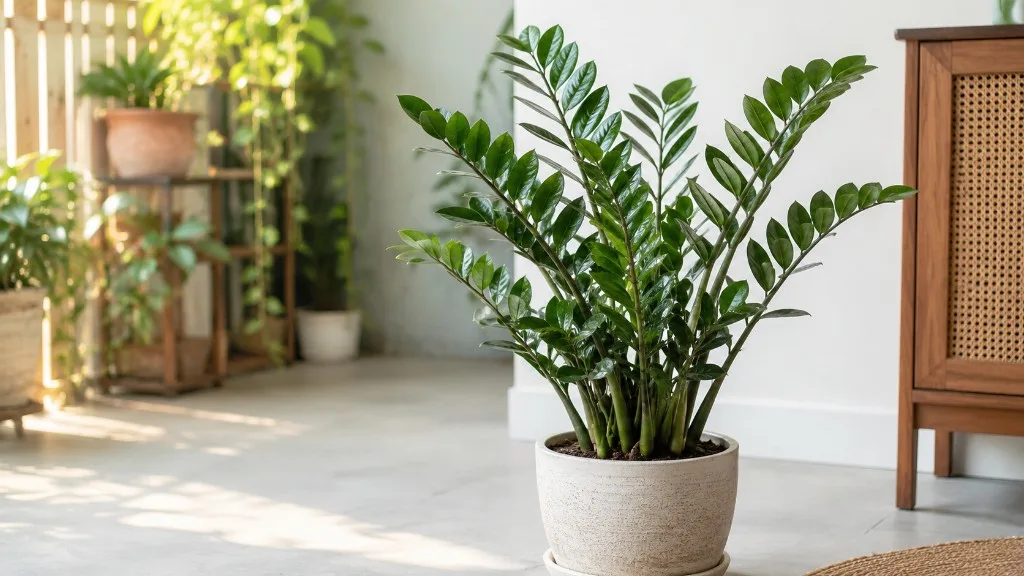
ZZ plant (Zamioculcas zamiifolia). Thick leaf stalks and underground rhizomes give a ZZ plant a useful buffer against missed waterings. It is a strong office or apartment choice in low to medium light, but growth will be slow in a dark corner. Water only after the mix has dried substantially, and do not leave the nursery pot sitting in a cachepot full of runoff.
Cast iron plant (Aspidistra elatior). If you want a leafy plant for a north-facing window or shaded room, cast iron plant is one of the most forgiving options here. It grows slowly, so it does not need frequent repotting or feeding. Keep it out of harsh direct sun, water when the upper portion of the mix has dried, and expect patience rather than rapid fullness.
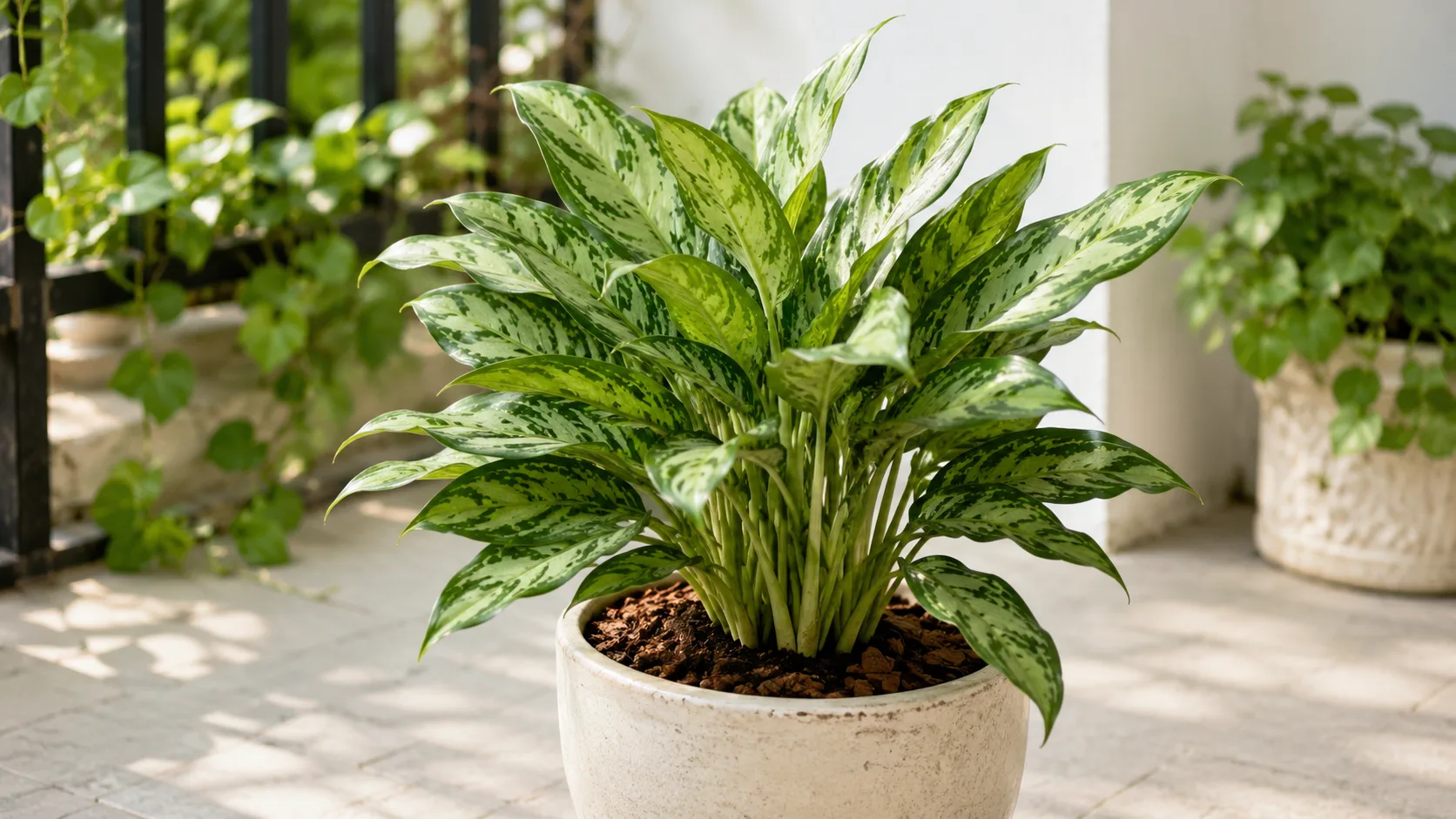
Chinese evergreen (Aglaonema spp.). Aglaonema handles average indoor light and comes in green, silver, and pink-marked forms. Darker green cultivars are the safer choice for lower light; colorful variegation usually needs more brightness. Keep the soil lightly but not constantly wet, protect the plant from cold drafts, and rotate it occasionally so one side does not lean toward the window.
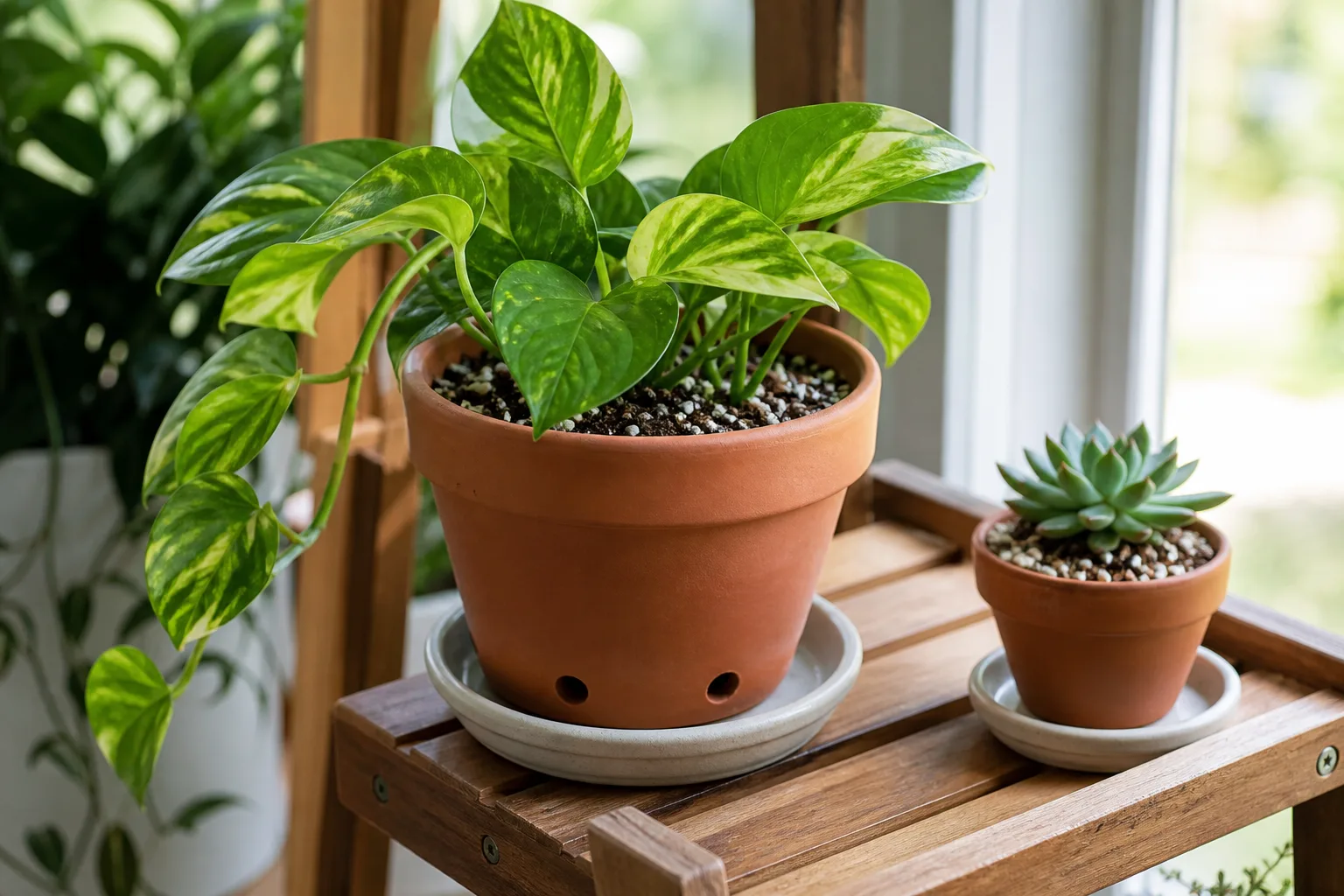
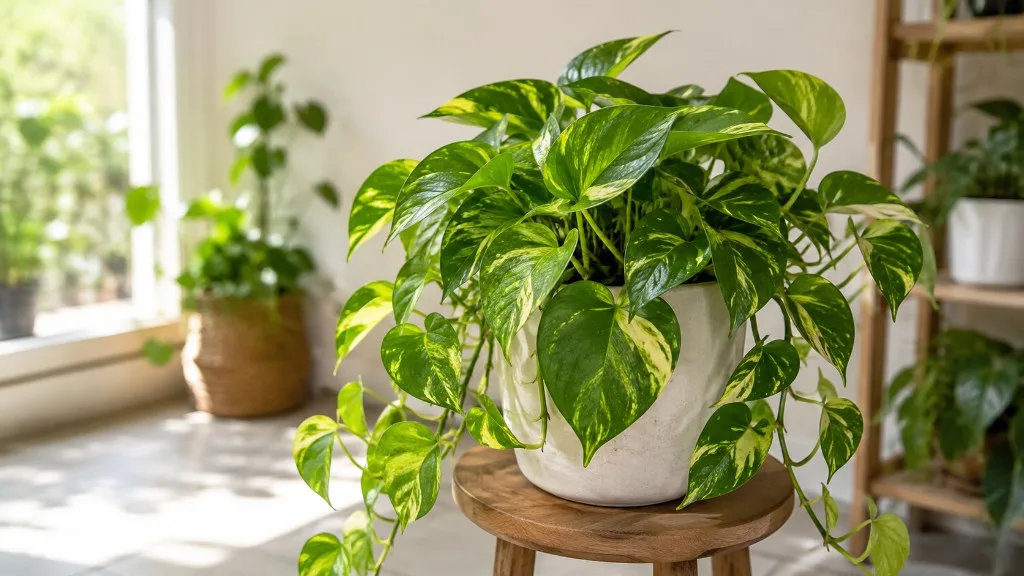
Pothos (Epipremnum aureum). Pothos is a fast-growing trailing plant for shelves, hanging baskets, or a support pole. It tolerates lower light, although golden and white variegation may fade toward green, and it becomes more vigorous as light improves. Let the potting mix dry partly between waterings, then cut vines above a node if you want a fuller plant. Penn State Extension’s pothos guide describes the same useful trade-off: pothos is forgiving of dry spells, but excess water can still cause root rot. It is not a safe choice for a pet that chews foliage.
Heartleaf philodendron (Philodendron spp.). The vining philodendrons are forgiving in medium to bright indirect light and can manage lower light with slower, leggier growth. Pinch growing tips to encourage branching, and give the vines a trellis if you want them to climb rather than trail. Keep the mix from becoming bone-dry for long periods, but do not compensate for low light by watering more often.
Bright indirect-light picks for shelves and desks
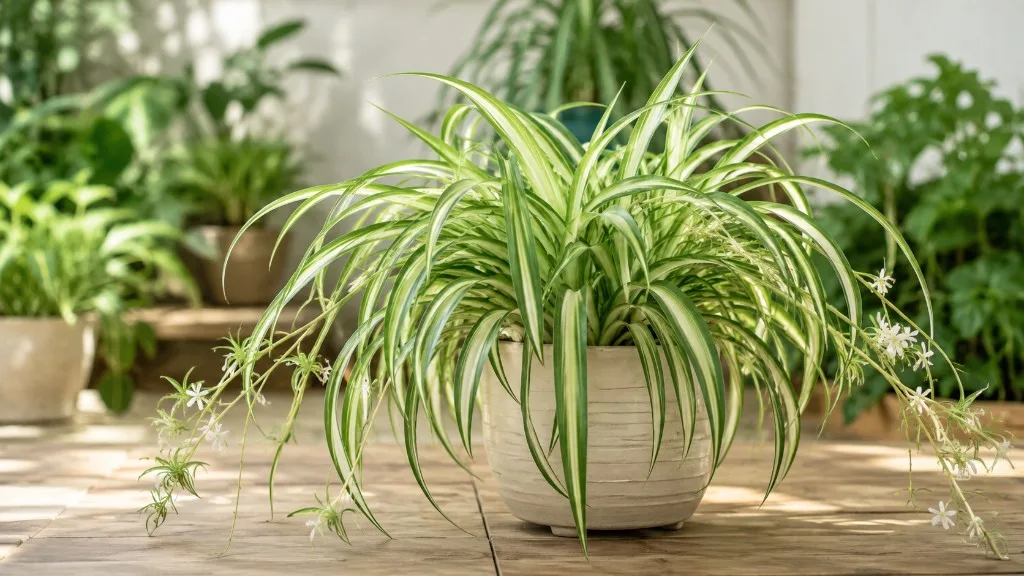
Spider plant (Chlorophytum comosum). Spider plants make a dependable hanging-basket plant and often produce offsets that can be rooted after they develop small roots. Give it bright indirect light for strong growth, water when the mix is partly dry, and trim brown leaf tips only after checking for dry roots, salt buildup, or very bright sun. The North Carolina Extension Gardener Plant Toolbox confirms that spider plants tolerate dry soil but do best with moist, well-drained mix and medium light. A plant that is root-bound may need a larger pot, but size up modestly rather than moving it into a huge wet container.
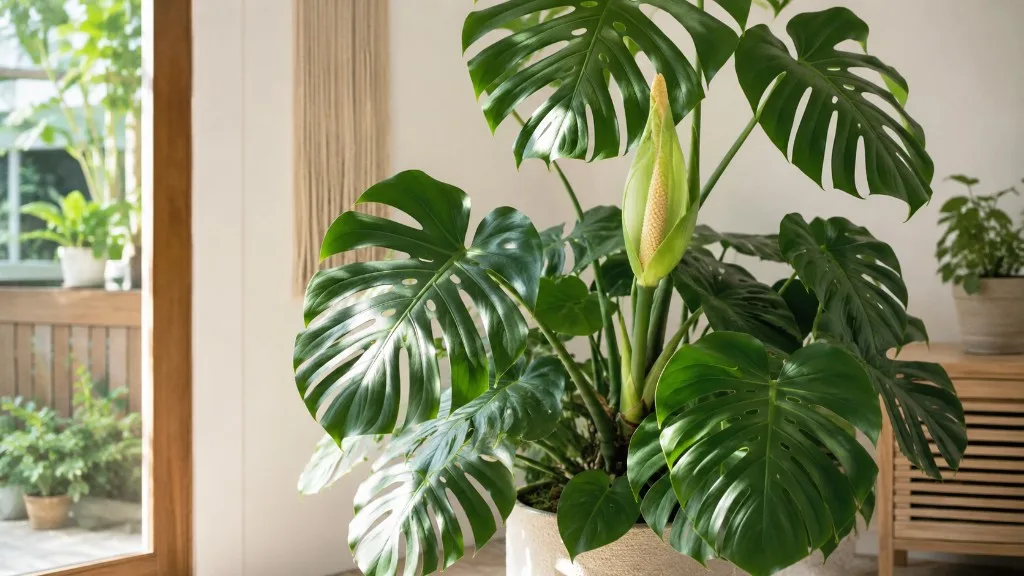
Monstera (Monstera deliciosa). A monstera is easy in a warm, bright room once you give it something to climb. Young plants may have solid leaves; mature fenestration depends on age, light, and growing conditions, so buying a small plant is not a guarantee of immediate splits. Water after the upper layer dries, provide an airy mix and support, and leave room for a plant that can become much larger than its nursery pot suggests.
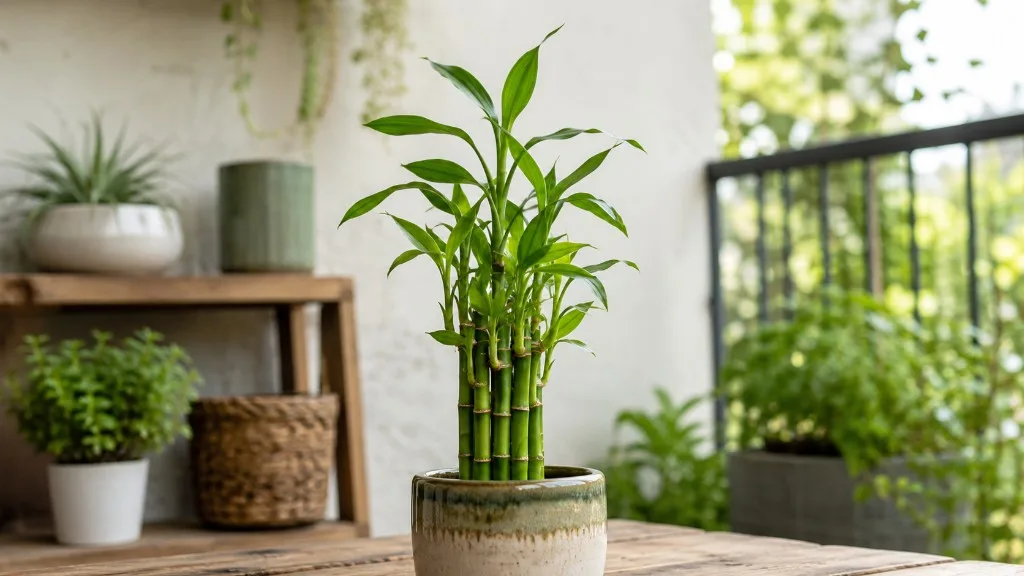
Lucky bamboo (Dracaena sanderiana). Despite its common name, lucky bamboo is a dracaena rather than a true bamboo. It can grow in water or potting mix, but water-grown stems still need clean water, adequate light, and a stable container; a neglected vase is not a self-sustaining ecosystem. In soil, allow the top layer to dry slightly before watering, and keep the plant away from cold blasts and intense afternoon sun.
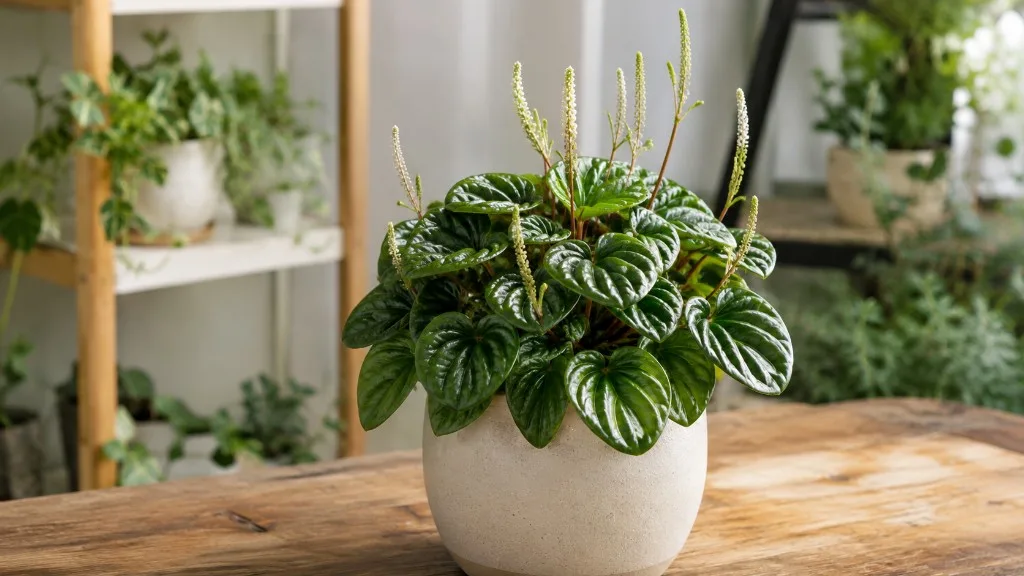
Peperomia (Peperomia spp.). Peperomias are compact, slow-growing plants with thick leaves that hold some water. Bright indirect light, a loose mix, and a pot that dries between waterings are a better recipe than frequent feeding. They are useful for desks and small shelves because they rarely demand a large container, but overwatering can still cause soft leaves and root loss.
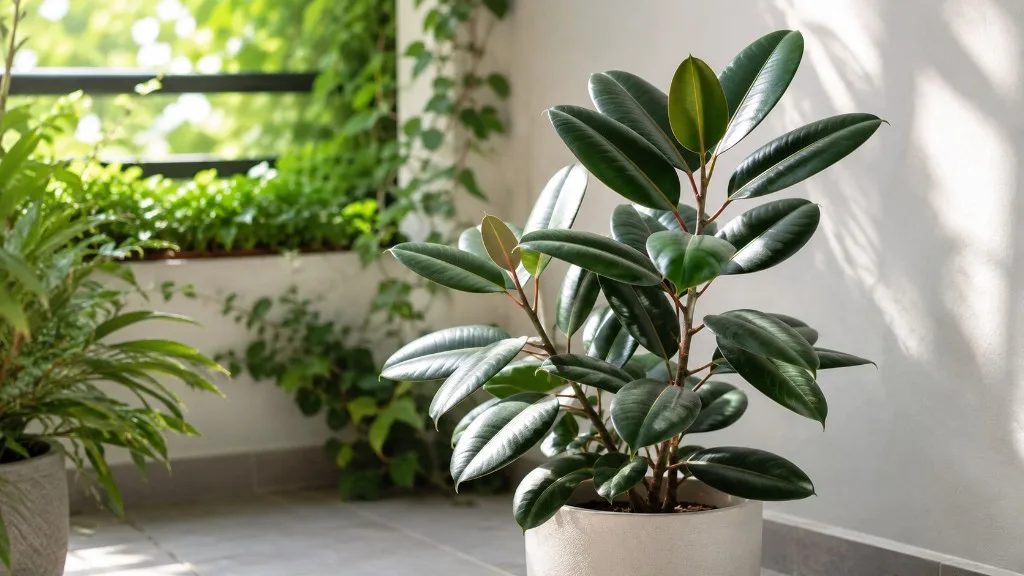
Rubber plant (Ficus elastica). Rubber plants make a strong vertical statement in a bright room. Put one near bright indirect light, wipe dust from the broad leaves, and water when the top portion of the mix is dry rather than keeping it constantly wet. Expect some adjustment after moving it; sudden changes in light, drafts, or temperature can trigger leaf drop even when the long-term care is correct.
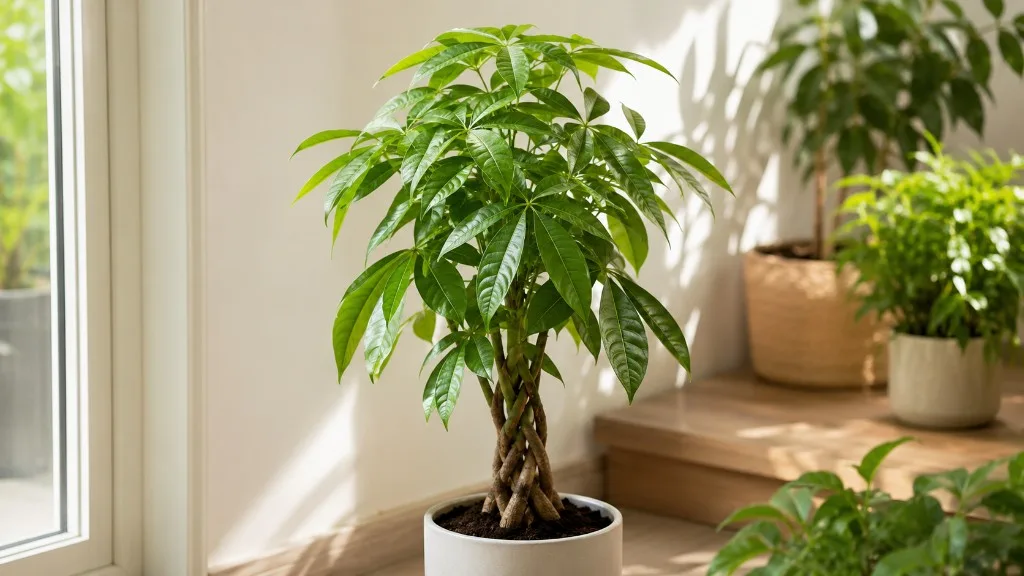
Money tree (Pachira aquatica). A money tree suits a bright to medium-bright room and can become a substantial indoor plant. Let the mix dry partway before watering, rotate the pot for even growth, and do not choose a braided specimen solely for its decorative shape if the stems are already stressed or crowded. Its reputation for easy care depends on good light and drainage, not on a fixed weekly watering schedule.
Sunny-window and succulent picks
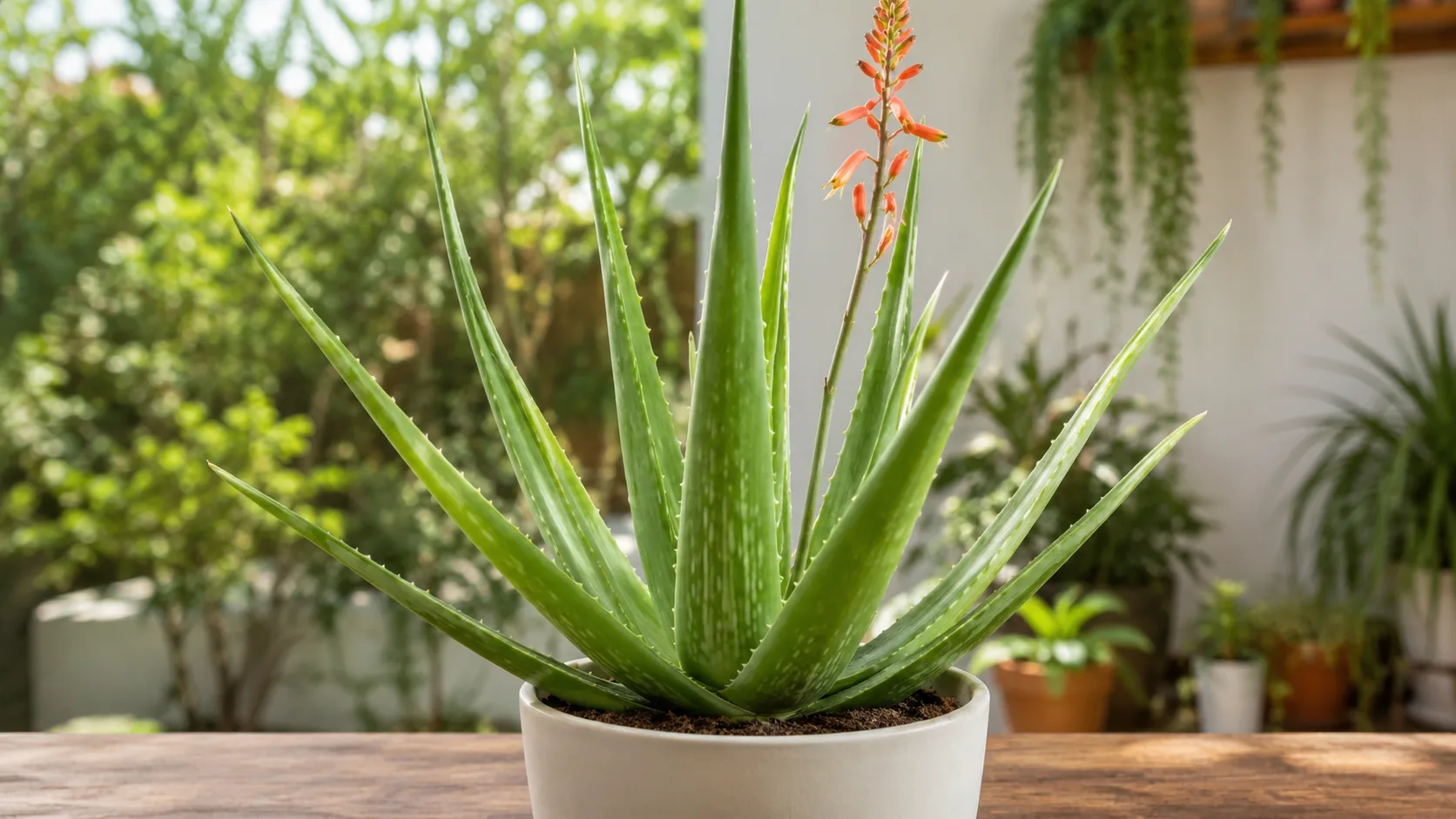
Aloe (Aloe vera). Aloe is a practical choice for a bright window and a household that tends to overwater less often than it forgets. Use a gritty, fast-draining mix, soak the root ball thoroughly, and let it dry fully before watering again. Give the plant more light gradually if it came from a shaded store display; an abrupt move into strong sun can scorch the leaves.
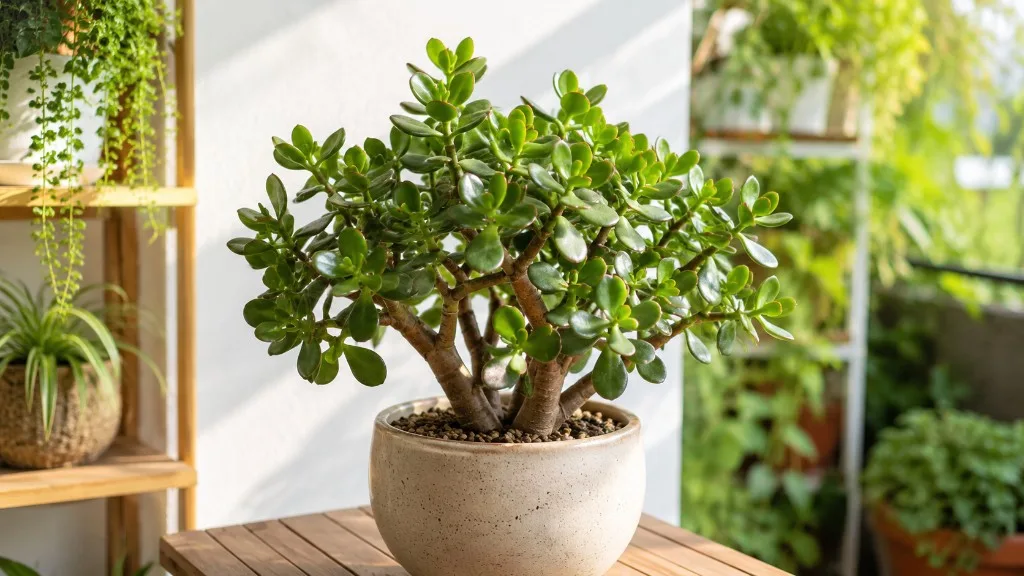
Jade plant (Crassula ovata). Jade plants need brighter light than many “easy plant” lists imply. A sunny window helps them stay compact and develop sturdy stems, while low light produces weak, stretched growth. Let the soil dry fully between waterings, but inspect the roots and stems if leaves drop repeatedly; both chronic drought and chronic wetness can cause leaf loss.
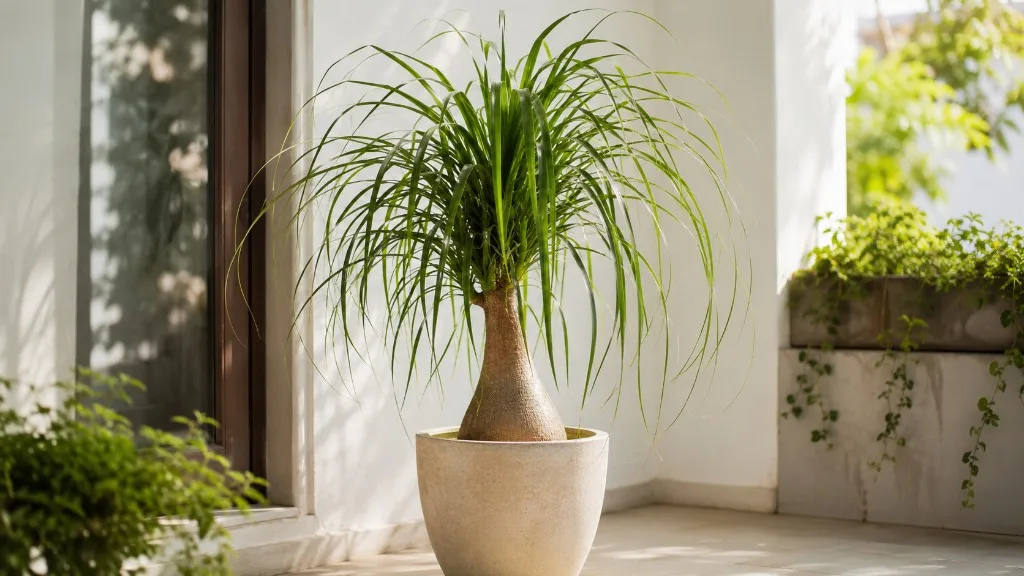
Ponytail palm (Beaucarnea recurvata). The swollen base stores water, making ponytail palm forgiving when you miss a watering. Give it a bright window, a small-to-moderate pot with drainage, and a dry-down period between drinks. It grows slowly indoors, so do not keep upsizing the container simply because the trunk looks unusual; too much wet mix around a small root system is a common failure mode.
Holiday cactus (Schlumbergera spp.). Holiday cactus is a tropical cactus, not a desert cactus, so it prefers bright indirect light and more even moisture than aloe or jade. Water when the surface begins to dry, keep it out of hot direct afternoon sun, and avoid moving it repeatedly when buds are forming. After flowering, a light trim can encourage branching, but a stressed plant needs stable conditions before pruning.
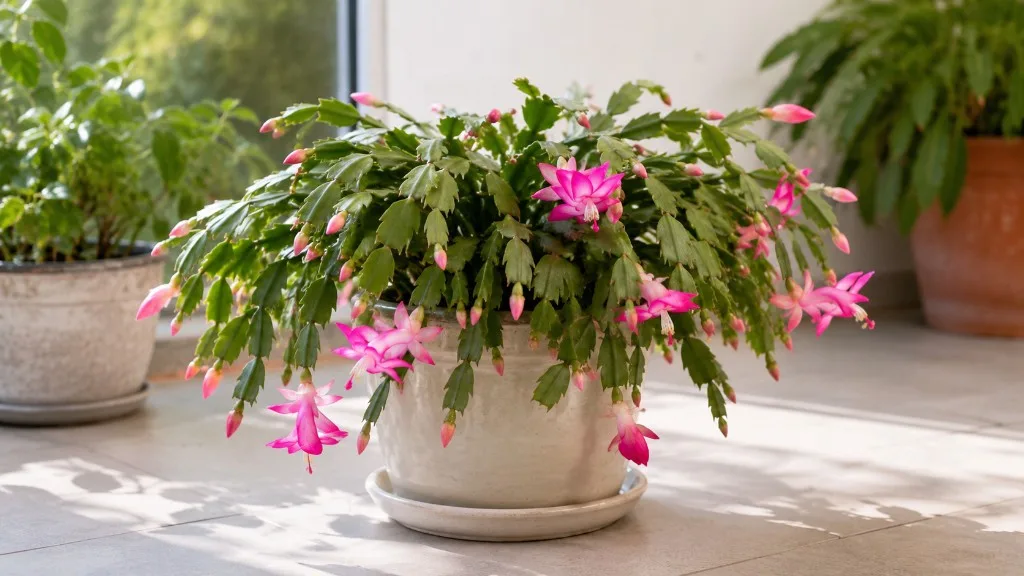
Flowering or humidity-loving picks
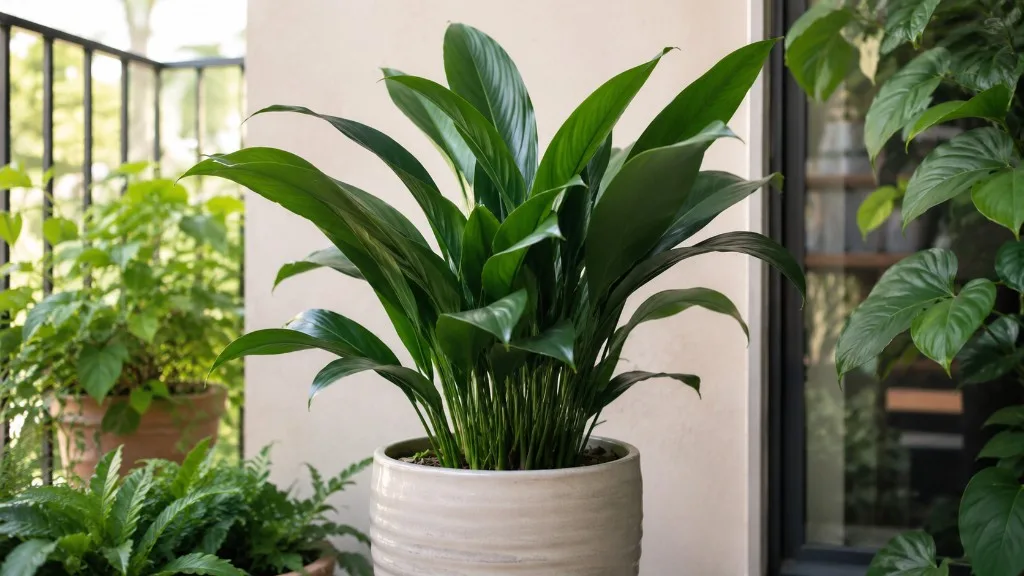
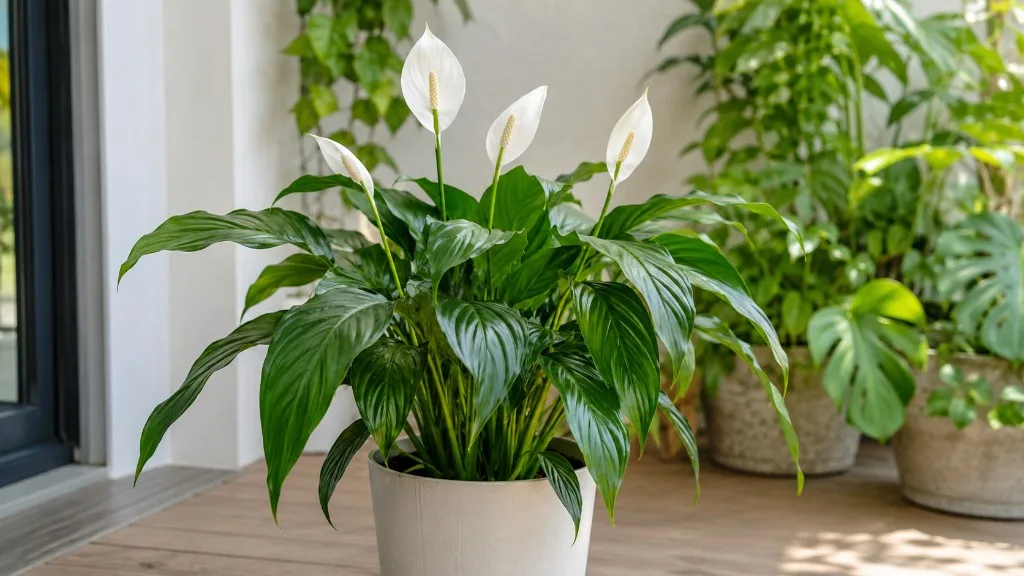
Peace lily (Spathiphyllum spp.). Peace lilies tolerate lower light and communicate thirst with dramatic wilting, but that signal is a warning, not a watering system. They need more consistent moisture than a snake plant or ZZ plant, yet their roots still need air and drainage. Give bright indirect light for better flowering and keep them away from cold drafts. Every part of the plant is a pet-safety concern if chewed.
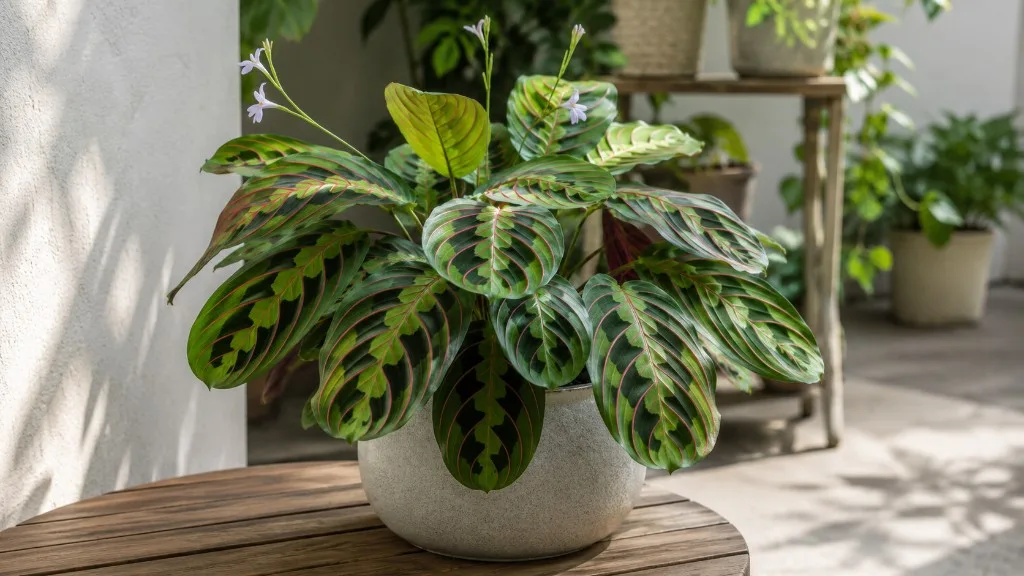
Prayer plant (Maranta leuconeura). The patterned leaves and evening movement make prayer plants appealing, but they are less forgiving of dry air, harsh sun, and irregular moisture than the low-light group. Use bright indirect light, keep the mix lightly moist without leaving it soggy, and place it away from heating or cooling vents. Brown edges are a clue to investigate moisture, salts, airflow, and root health rather than proof that the plant simply needs more misting.
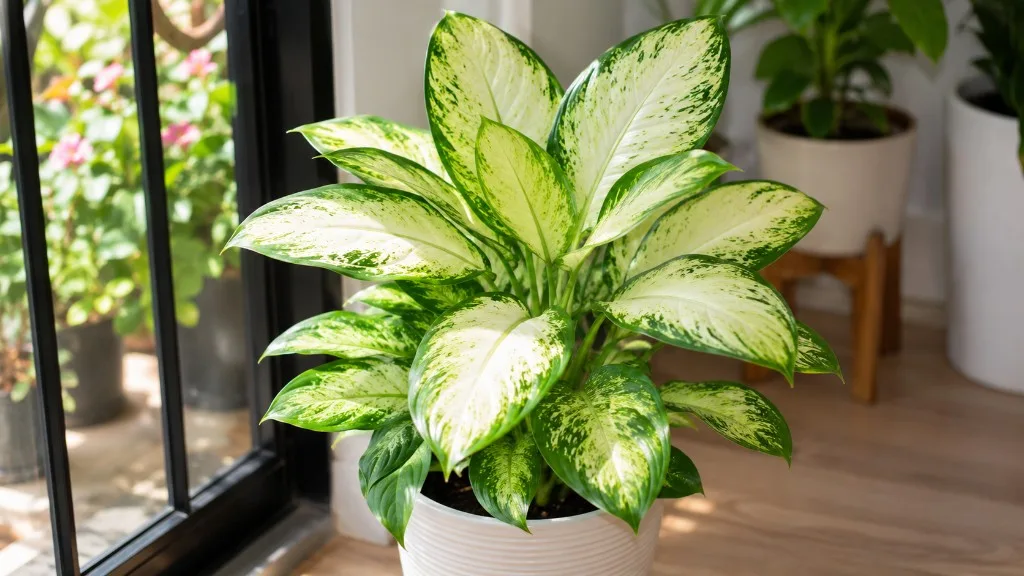
Dieffenbachia (Dieffenbachia spp.). Dieffenbachia grows well in warm, bright indirect light and can tolerate some lower light, though growth slows. Water after the upper layer dries and keep the foliage away from cold glass or drafts. It is not a good plant for homes where children or pets can chew leaves or stems: the sap and tissues contain irritating calcium oxalates, so place it out of reach and wash hands after pruning.
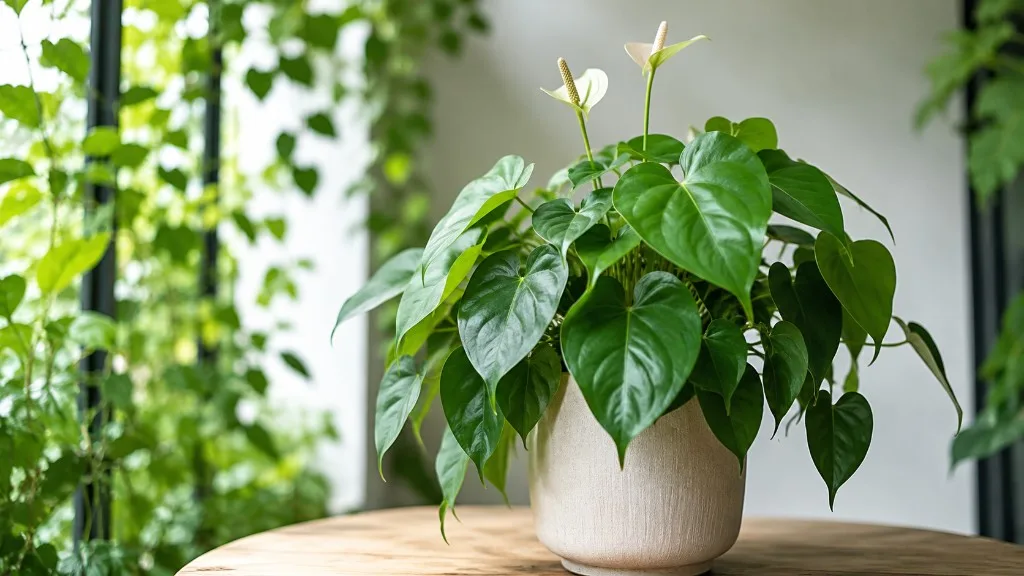
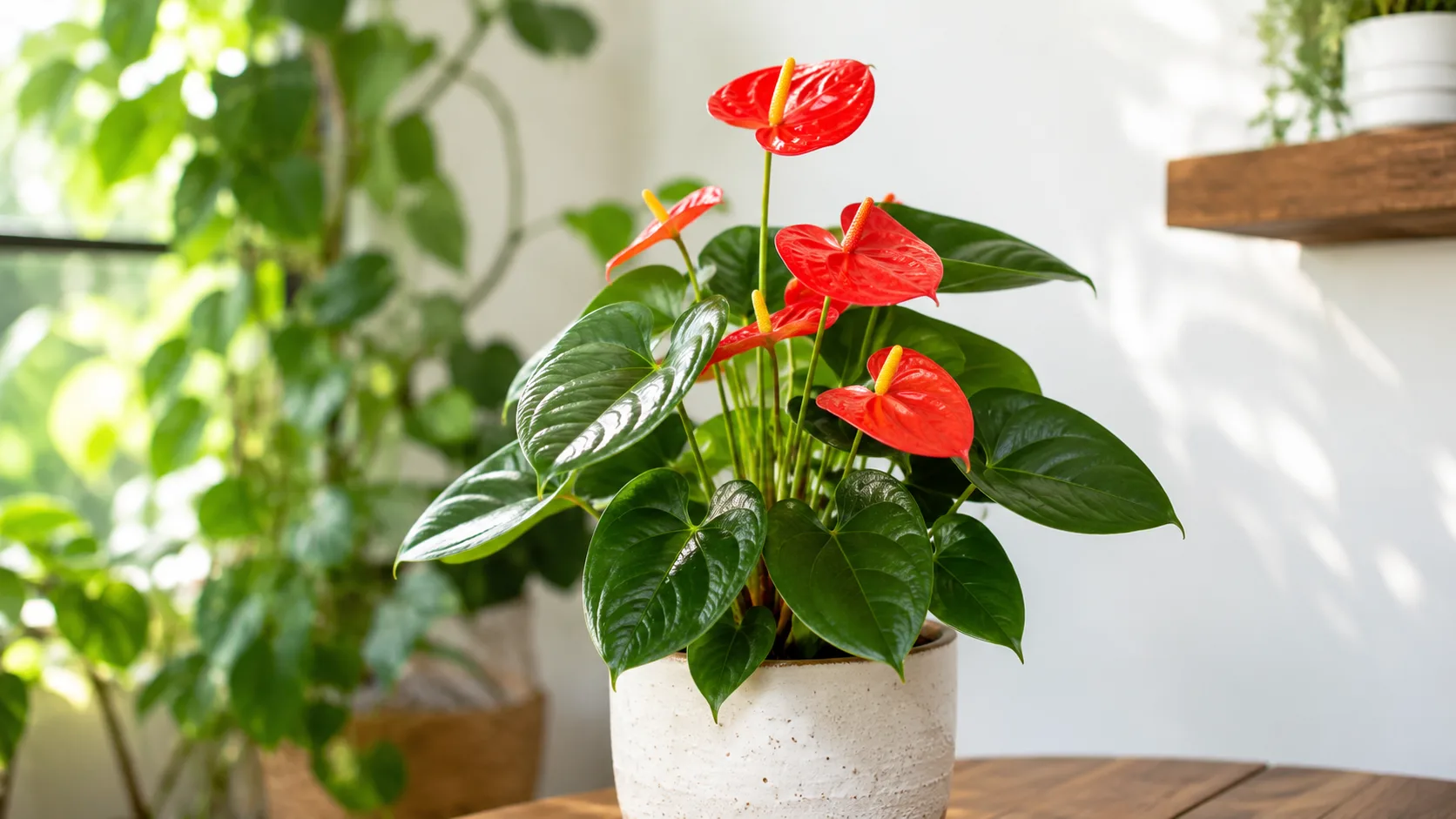
Anthurium (Anthurium spp.). Anthuriums reward bright indirect light, warmth, and higher humidity with glossy foliage and colorful spathes. They are not difficult when those conditions are already present, but they are a poor “dark room” choice. Use a loose, well-draining mix, water when the upper layer begins to dry, and remove faded spathes with clean scissors. Treat the plant as toxic if pets or children may chew it.
Trailing and climbing picks
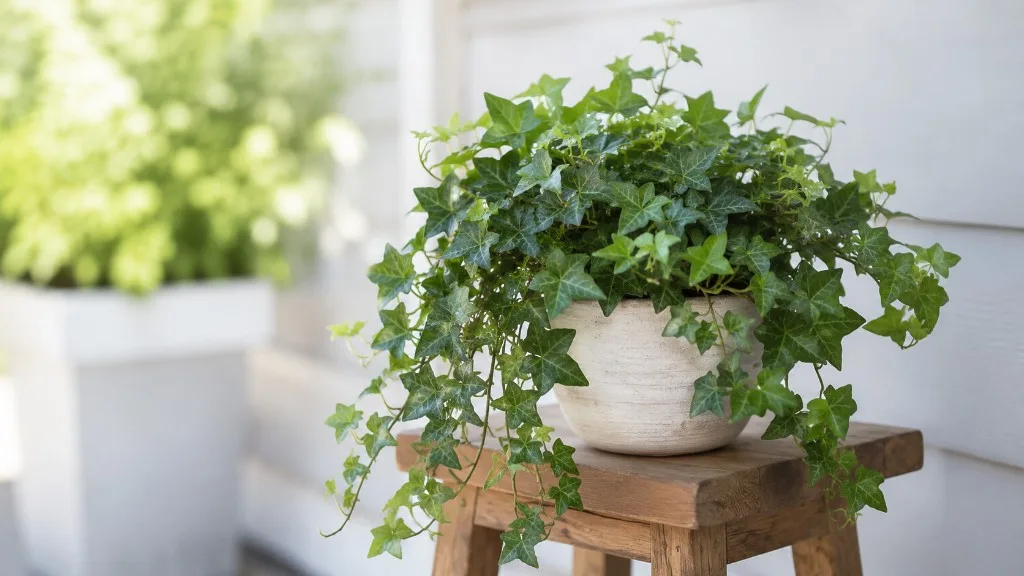
English ivy (Hedera helix). English ivy can trail attractively indoors in bright indirect light, but it is not the best plant for a hot, dry room or a grower who wants zero pest monitoring. Keep the mix slightly on the dry side, provide airflow, and inspect the undersides of leaves for mites or aphids. Trim regularly to keep the plant compact and quarantine a new ivy before placing it beside an established collection.
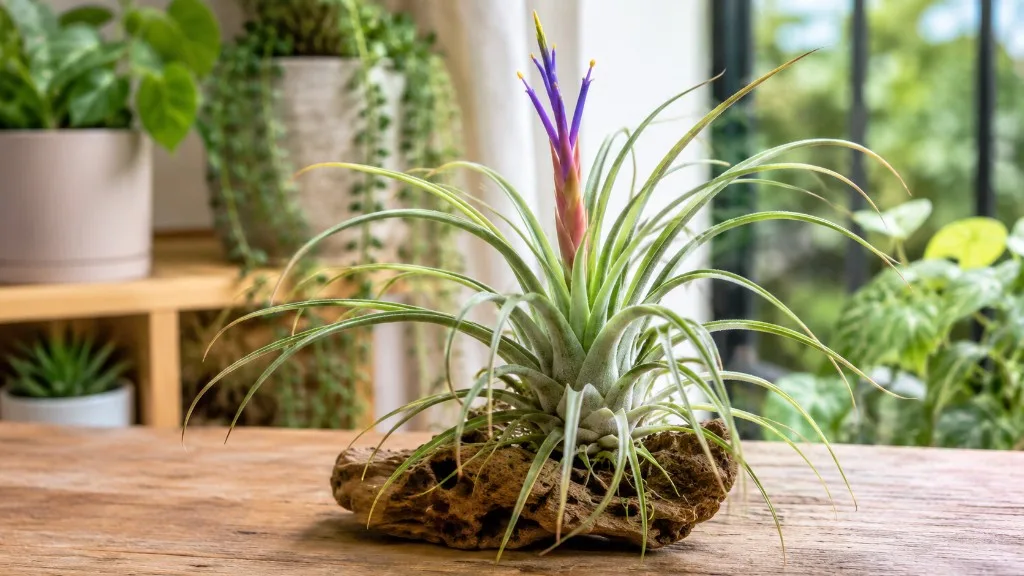
Air plants (Tillandsia spp.). Air plants remove the need for soil but not the need for care. They need bright indirect light, a thorough soak or rinse appropriate to the species, and enough airflow to dry within a reasonable period; leaving water trapped in the center can cause rot. Let the plant dry upside down or in an airy position after watering, and do not hide it in a dark decorative container.
Larger statement plants
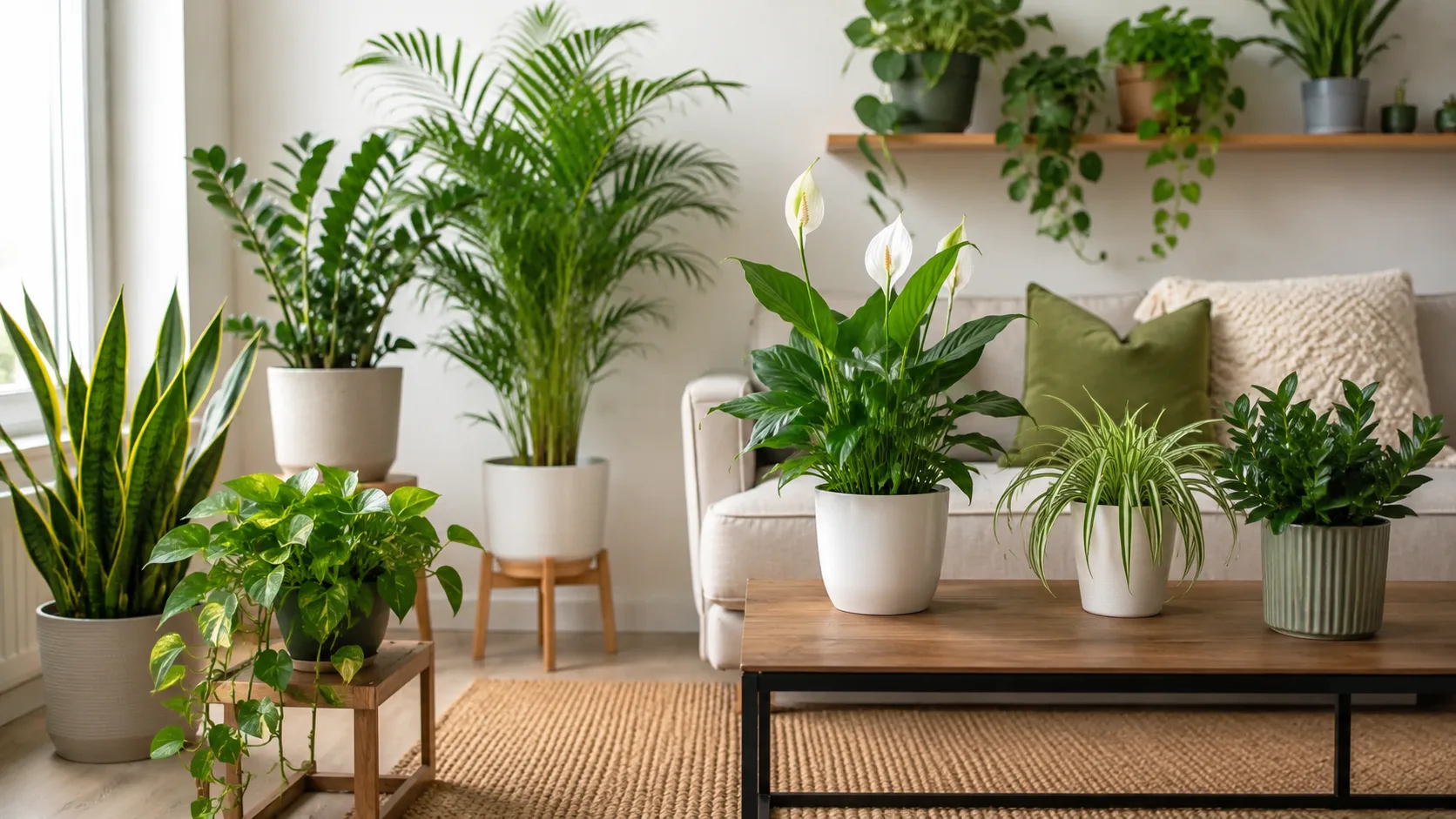
The rubber plant, monstera, money tree, and ponytail palm can all become floor plants, but size is not the same as difficulty. Before buying, check mature height, pot width, window clearance, and whether you can rotate or move the plant safely. Large plants are harder to rescue because a big wet root ball dries slowly and pests can hide in dense foliage. The Old Farmer’s Almanac also organizes easy-care houseplants by the kind of care they tolerate, a useful reminder that “easy” is a set of trade-offs rather than a universal rating: easy-care houseplants.
The five-minute care routine that keeps easy plants easy
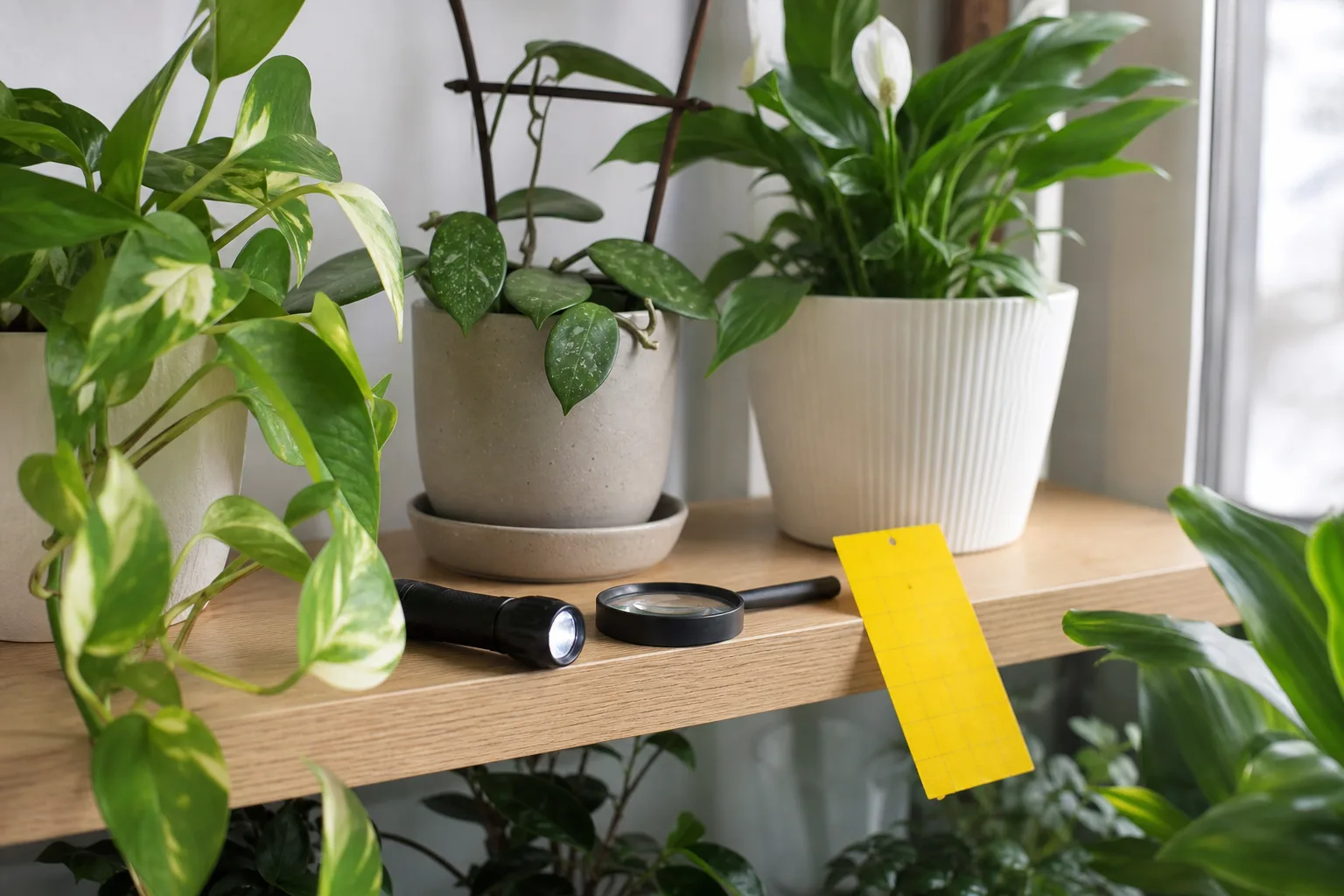
Once a week, walk past your plants with a finger, a watering can, and a quick look at the leaves. Check the soil at the appropriate depth, lift small pots, look underneath leaves for pests, remove dead foliage, and rotate plants that are leaning. This routine is more useful than memorizing twenty-two watering intervals, and it follows the practical inspection-first approach outlined in Gardening Know How’s beginner houseplant guide.
Pot, drainage, and soil
Use a container with a drainage hole and a saucer that you can empty. Decorative cachepots are fine as outer covers, but the growing pot should be removable so excess water does not collect around the roots. Choose a mix that matches the plant: a loose indoor mix for foliage plants, extra aeration for succulents and peperomias, and a chunkier blend for plants that naturally grow on or around trees.
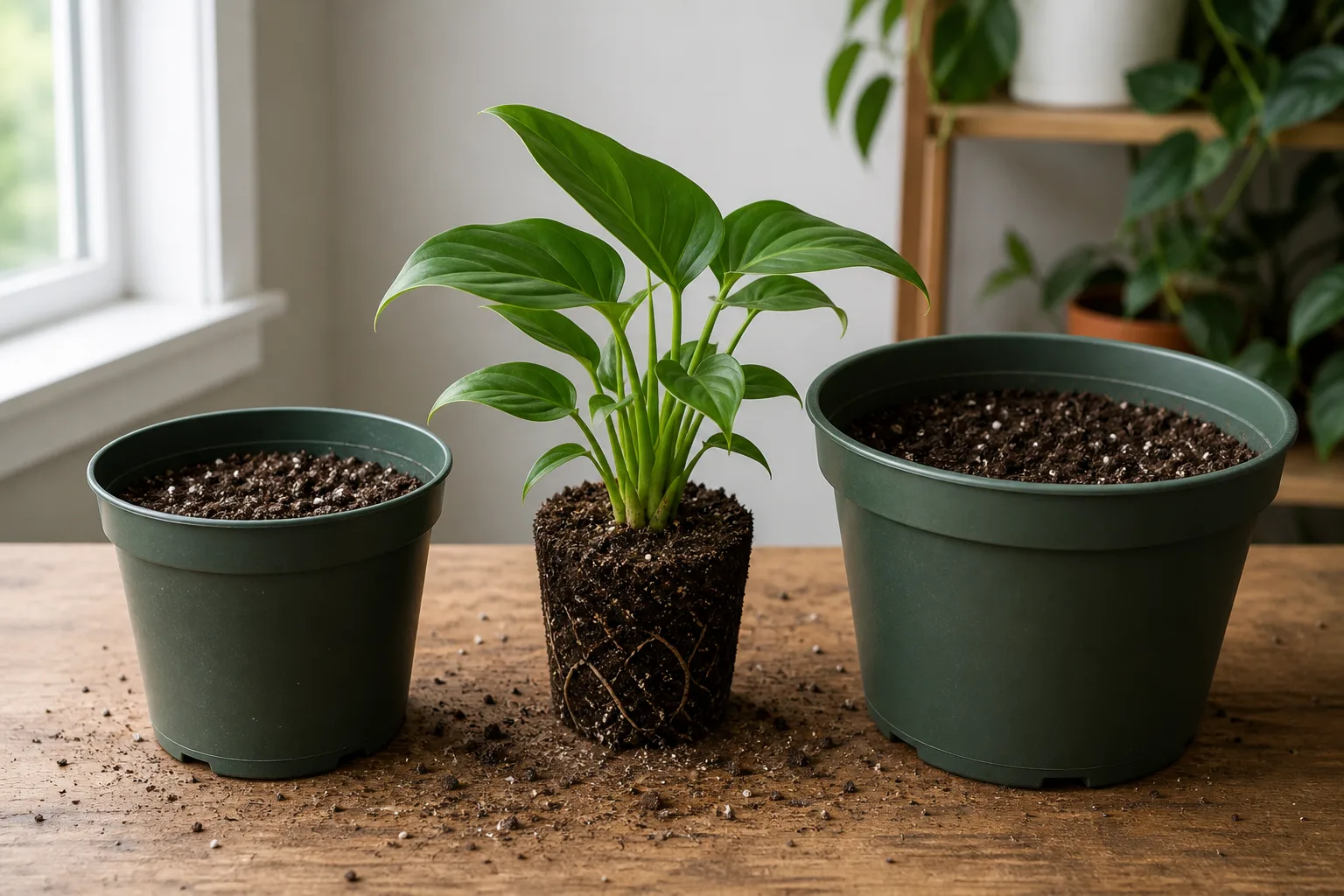
Do not repot every new plant on the day you bring it home. First inspect for pests, observe how quickly the nursery mix dries, and let the plant adjust to the lower light of your home. Penn State Extension’s repotting guidance recommends repotting when roots fill the container or emerge from drainage holes, and using a pot only modestly larger so the new mix does not stay wet for too long.
Fertilizer, grooming, and repotting
Feed during active growth, following the label for the product and plant. A plant in low light or winter slowdown uses fewer resources than a vigorously growing plant in a bright window, so extra fertilizer cannot compensate for insufficient light. If you see a white crust on the mix or pot, flush the soil with plenty of water that drains freely and empty the saucer; repeated buildup can damage roots.
Clean leaves gently when dust blocks the surface, prune dead or damaged growth with clean tools, and isolate a new plant for a short observation period if you already have a collection. When moving a plant from a shop, outdoors, or a bright grow light into a different room, change the light gradually when possible. Sudden shifts are a common reason a supposedly easy plant drops leaves.
Pet and child safety changes the shortlist
“Easy” and “safe” are separate filters. The ASPCA’s toxic and non-toxic plant database says the list is not all-inclusive and recommends checking the exact plant name; even plants considered non-toxic can cause stomach upset if enough plant material is eaten. For the plants in this list, the ASPCA’s houseplant safety overview is especially useful because it names pothos, dieffenbachia, peace lily, and Chinese evergreen among common calcium-oxalate houseplants.
Pothos, philodendron, peace lily, dieffenbachia, Chinese evergreen, and several dracaenas are common plants in the easy-care category that deserve careful placement around pets. The ASPCA describes insoluble calcium oxalates in several of these plants as causing oral irritation, drooling, vomiting, and difficulty swallowing. The ASPCA dog plant list is a better reference than a shop tag, especially when a plant has several common names.
If a pet may chew leaves, choose from a species-level non-toxic list, use hanging or enclosed placement only when it truly prevents access, and ask a veterinarian or poison-control service what to do after an ingestion. Do not assume that a plant is safe because it is small, familiar, or sold as a beginner plant.
Troubleshooting: when an “easy” plant starts failing
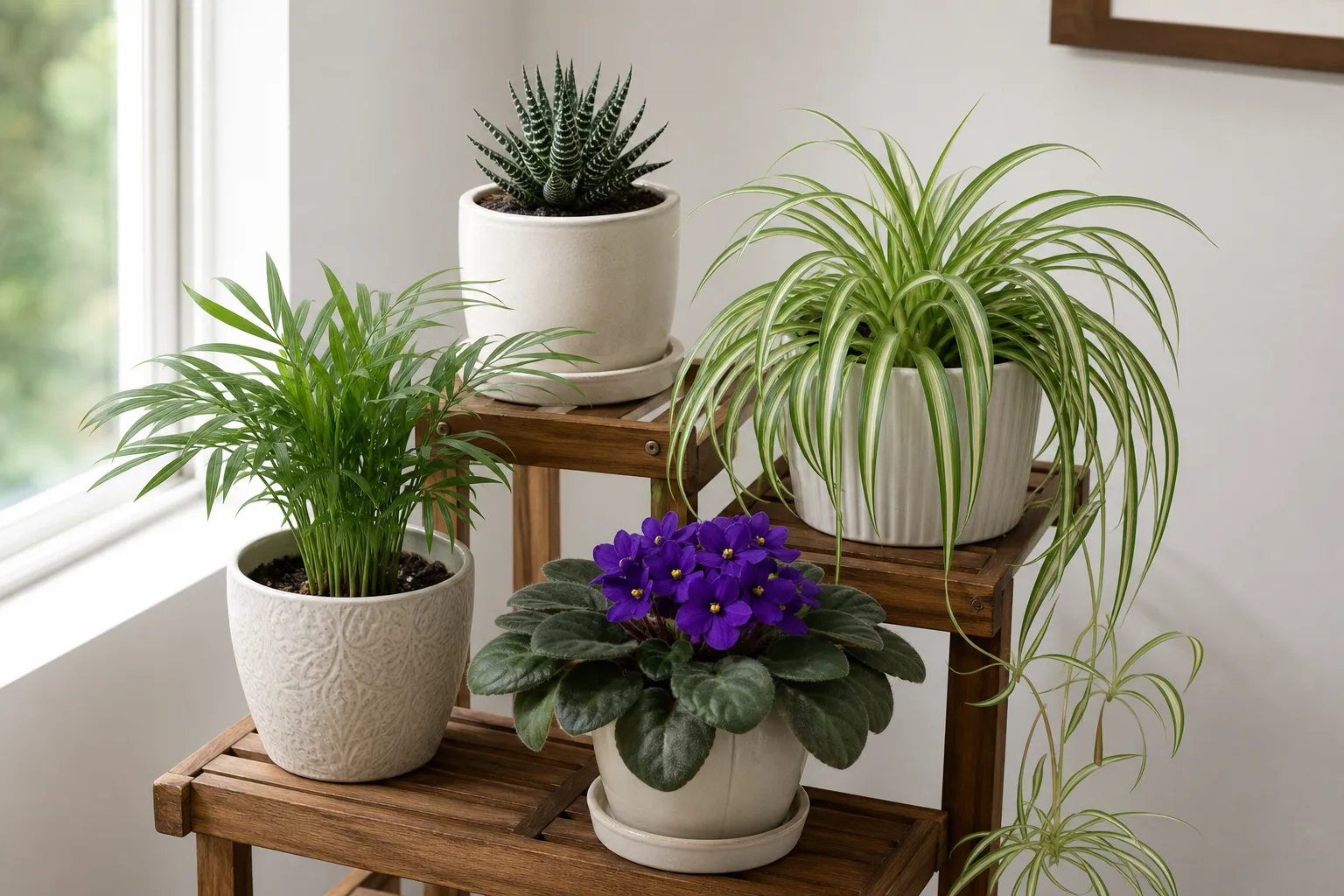
Start with the order of operations: check light, inspect the roots and pot drainage, assess moisture, then look for pests. Changing three variables at once makes it hard to learn what actually helped. The RHS guidance on helping a poorly houseplant emphasizes that many problems improve when the growing conditions are corrected, particularly in winter when light is lower and overwatering is common. For insect problems, University of Minnesota Extension recommends isolating an infested plant and correcting the growing conditions before reaching for a pesticide.
Yellow leaves, wilt, and brown tips
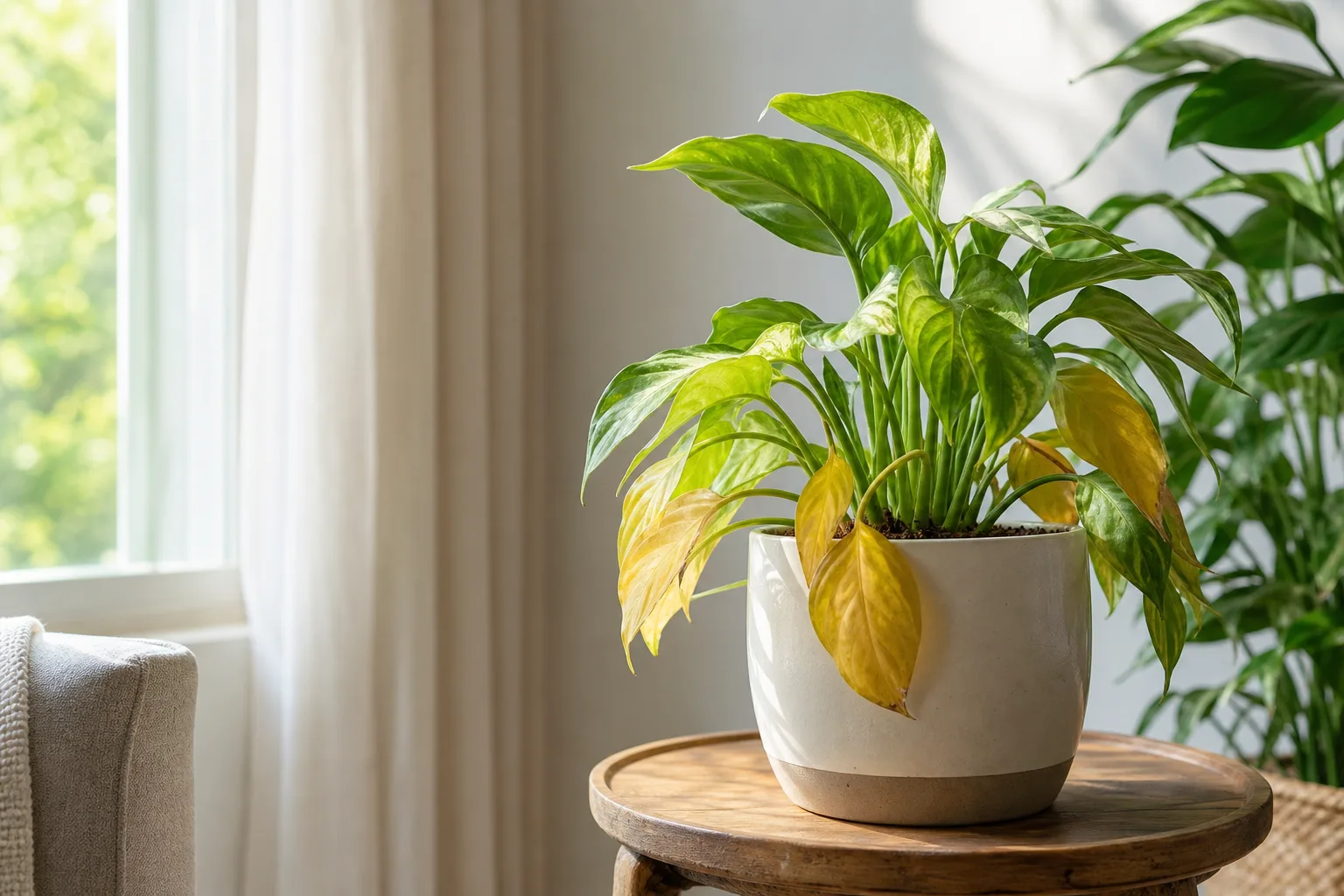
Yellow leaves: If several lower leaves yellow while the mix stays wet, suspect slow drying, poor drainage, or root stress before adding fertilizer. If only one old lower leaf changes color while new growth is healthy, normal aging may be the explanation. If the plant is pale and stretched, move it closer to suitable light rather than watering more.
Wilting: Dry mix, a root-bound plant, heat, and root rot can all cause wilt. A dry pot that perks up after a thorough watering points toward underwatering; a wet pot with wilt, yellowing, or a sour smell points toward damaged roots. Do not keep adding water to a plant that is already sitting in saturated soil.
Brown tips: Check dry air, inconsistent watering, fertilizer or mineral buildup, root damage, and direct sun. The fix depends on the cause: improve the root environment, flush salts when appropriate, move the plant from harsh glass-filtered sun, or stabilize watering. Trimming the brown tissue improves appearance but does not correct the stress that caused it.
Pests: Isolate the plant, inspect leaf undersides and stem joints, and identify the pest before choosing a treatment. A weekly check catches many infestations while they are still manageable. Avoid spraying a stressed plant in intense light, and follow the label for any product you use indoors.
Conclusion
For a first houseplant, match the plant to the room before you match it to your décor. Snake plant, ZZ plant, cast iron plant, pothos, and Chinese evergreen are sensible starting points for lower-light homes; aloe, jade, and ponytail palm suit bright windows and a lighter watering hand; spider plant and peperomia make compact, forgiving choices for shelves.
The winning routine is small: provide usable light, let the mix reach the plant’s preferred dry-down point, drain excess water, inspect leaves, and change one variable at a time when something looks wrong. That is what makes an easy houseplant stay easy.