What Is Bolting in Plants? Stop Herbs Going to Seed
What is bolting in plants? Spot the early signs, decide whether to harvest or save seed, and keep cilantro, basil, lettuce, spinach, and greens productive longer.
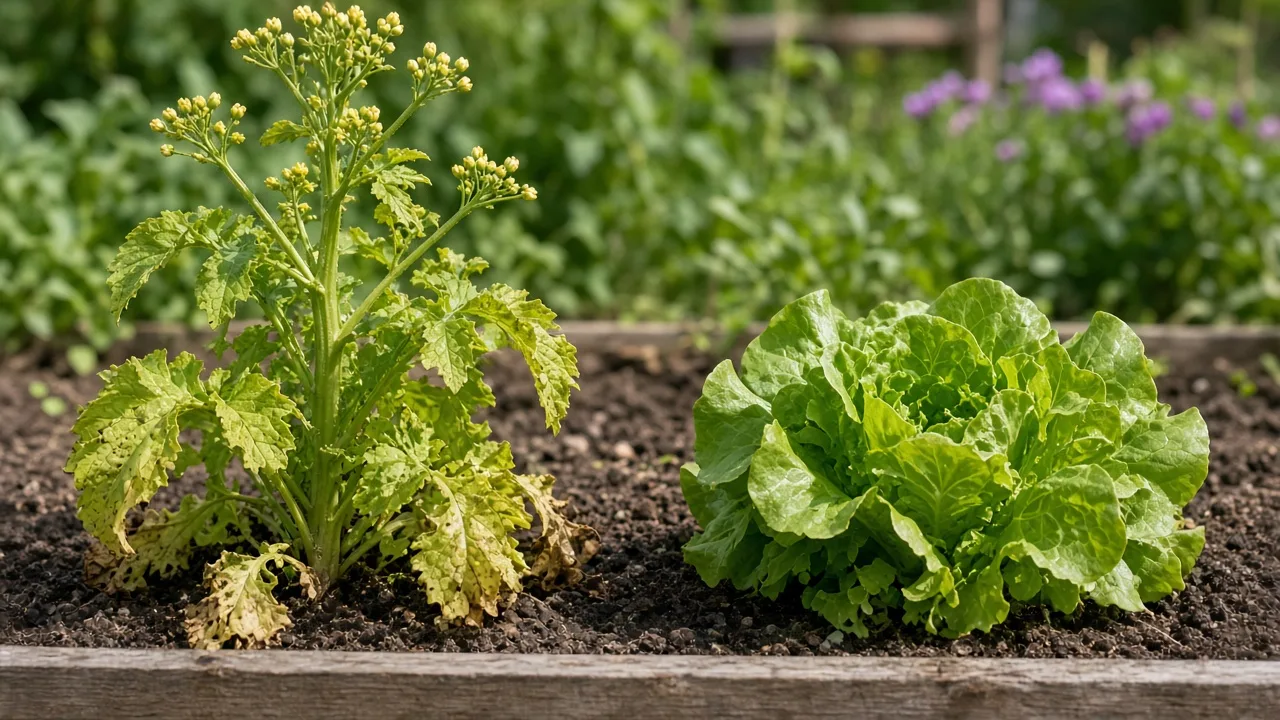
Bolting is the gardening term for a plant switching from making leaves, roots, or a usable head to making flowers and seeds earlier than you wanted. You see a sudden upright stalk, smaller or sparser leaves, and flower buds where a compact herb or leafy vegetable used to be. In many crops, the leaves also become bitter, fibrous, or simply too tough for the harvest you had planned.
The important correction is that bolting is not a disease and usually is not a sign that you have done everything wrong. It is a normal reproductive program arriving on the plant’s calendar before it matches yours. You can often delay it with better timing, moisture, cooling, and variety choice, but you cannot prune every crop back into its juvenile stage once the flower stalk is committed.
The useful response is to identify the crop, decide what stage it has reached, and choose the next job for that plant. Harvest the good leaves if the quality is still there, pinch early buds on herbs that respond, or let the plant finish for seed and pollinators when a leaf harvest is no longer worth protecting.
What bolting means in a harvest garden
In a vegetable or herb garden, bolting means premature reproductive growth. The plant elongates its stem, produces flowers, and starts putting resources into seed formation instead of building the tender leaves, swollen root, or dense head you intended to eat. The Royal Horticultural Society describes it as crops prematurely running to seed; its guidance also notes that the process can be initiated well before the flower stalk becomes visible. RHS guidance on bolting in vegetables is a useful reference because it separates what you see near harvest from the earlier weather signals that started the process.
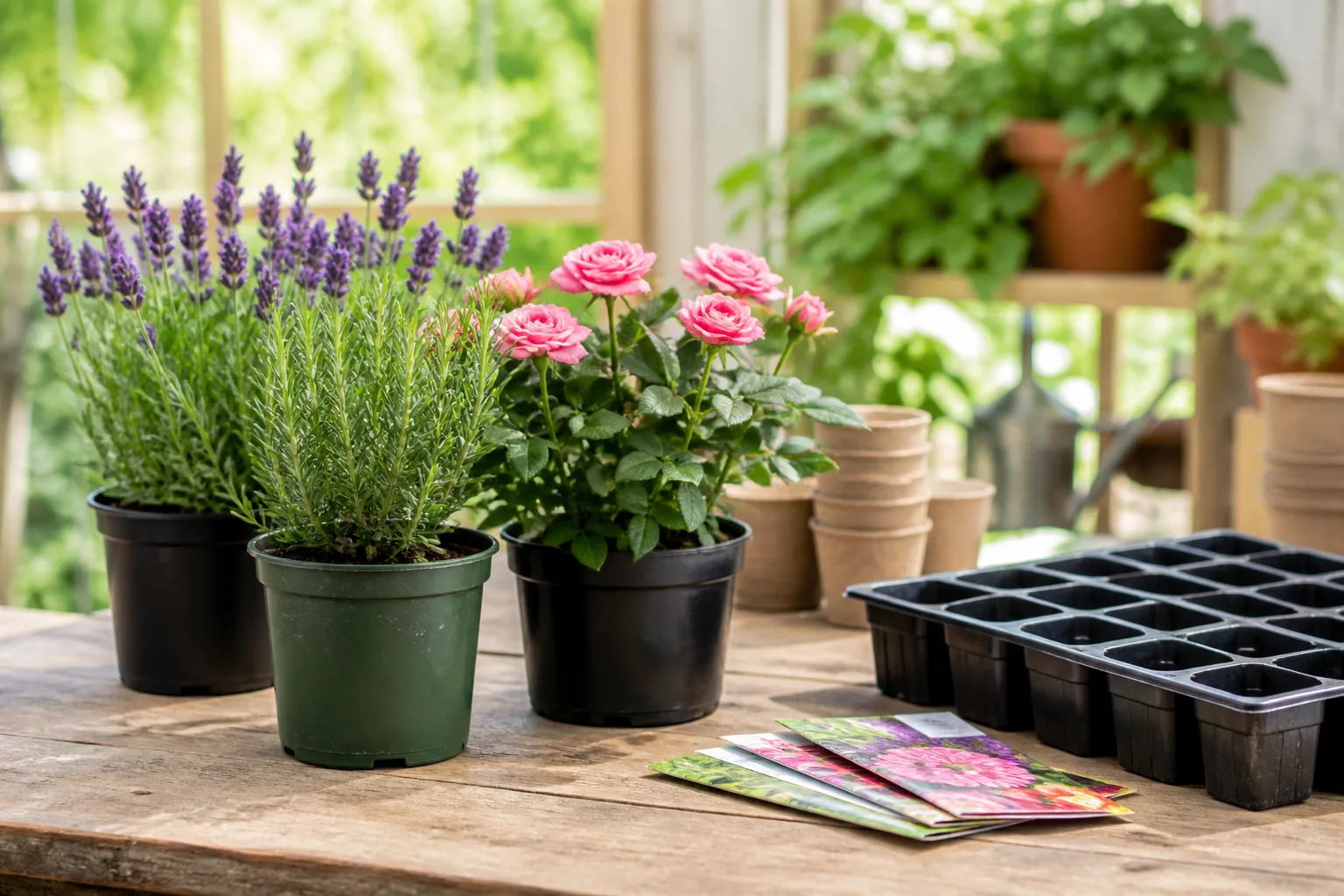
Flowering itself is not automatically a problem. A tomato, pepper, squash, or bean must flower before it can make the fruit you want. A basil plant can also flower normally, and chives, thyme, mint, and oregano may still be useful or attractive in bloom. The word bolting is most useful when the flower stalk cuts short the edible phase of a crop, especially in leafy greens and herbs where the leaves are the product.
Bolting also varies by life cycle. Annual crops such as lettuce and spinach normally complete their life cycle in one growing season, so longer days and heat can push them into flowering. Biennial crops such as onions, carrots, parsley, and some cabbages normally make leaves or roots in their first year and flower in the second; a cold spell or other stress can make them behave as though winter has already passed and send up a seed stalk too soon.
How to recognize bolting before the crop is lost
The first sign is often not a flower. Look for the plant’s center lifting, the newest leaves becoming smaller, and one or more stems stretching noticeably faster than the surrounding growth. A plant that was forming a low, even rosette may suddenly develop a narrow central column. In herbs, the stem can feel firmer and the gaps between leaves become longer.
Other clues include a change in leaf shape, a sharp reduction in side shoots, and tiny buds at the tips or along the rising stem. Lettuce may form a tall, open cone instead of a tight head. Spinach can send up a central stalk while the leaves become less broad. Cilantro and dill often look as if they have changed overnight because the flower stems rise quickly once the plant has made its decision.
Early stretch versus a committed flower stalk
There is a difference between an herb that is merely ready for a good harvest and a crop that has already committed to seed production. A bushy basil with a few pin-sized flower buds at the tips can often be pinched back and harvested. A cilantro plant with a tall central stalk and open flower clusters is no longer waiting for a clever pruning trick; it is already executing its reproductive plan.
Taste is useful evidence, but do not taste anything you cannot identify with certainty. If a known edible leaf is still tender and flavorful, harvest it promptly. If lettuce, spinach, arugula, or cilantro has become harsh, bitter, or fibrous alongside the flower stalk, cutting off the visible top is unlikely to restore the earlier quality. Purdue’s plant diagnostic guidance is direct on this point: once flowering has begun, bolting cannot be reversed in lettuce, so the practical choice is to harvest what remains or replant for a better season. Purdue’s lettuce bolting explanation supports that crop-specific distinction.
Why plants bolt: the trigger depends on the crop
Plants do not bolt because one single condition is always present. Flowering is controlled by a combination of genetics, plant age, temperature, day length, and stress. The same weather can be harmless to one crop and decisive for another, which is why a thriving basil pot and a collapsing cilantro pot can sit only a few feet apart.
Long days and heat
For many cool-season crops, increasing day length is a major seasonal signal. Lettuce, spinach, cilantro, dill, arugula, and some Asian greens are naturally more likely to flower as spring turns toward summer. Heat speeds the transition and can make a plant appear to bolt suddenly, but a hot afternoon is not always the whole explanation. A plant may have been receiving longer days for weeks before the stalk became visible.
That is why moving a lettuce pot into afternoon shade may buy time without giving it an unlimited summer life. It reduces heat load and water loss, but it cannot change the plant’s genetics or make a long-day crop ignore the season forever. For hot climates, the better plan is usually a combination of early or fall sowing, heat-tolerant cultivars, steady moisture, and a succession of younger plants.
Heat affects herbs differently. Basil is a warm-season plant that can grow vigorously in summer, yet it still flowers when it reaches a certain maturity or when conditions favor reproduction. The aim with basil is not to keep it cold; it is to keep leafy growth active through regular harvesting and to remove flower buds as soon as they appear. By contrast, cilantro prefers cool growing conditions and can flower rapidly when warm weather arrives. Penn State Extension’s cilantro guidance recommends cool-season timing, consistent moisture, some afternoon shade as temperatures rise, and repeated sowing.
Cold snaps, roots, and other stress
Cold can be just as important as heat for biennial crops. A young onion, carrot, beet, leek, or parsley plant exposed to an unusual cold period may receive the physiological message that winter has passed. When warmer conditions return, it may flower in its first growing season instead of enlarging the root or bulb. The RHS notes that cold nights, late frosts, and unsettled weather can contribute to premature flowering in biennial vegetables.
Stress adds pressure to either pathway. Dry soil, damaged roots, root restriction, transplant shock, crowding, and disease do not create an identical bolting response in every crop, but they can shorten the time a plant spends in comfortable vegetative growth. GrowVeg’s practical guidance connects heat and water stress with faster bolting and recommends healthy soil, shade for cool-season crops, and small repeated sowings rather than betting the entire harvest on one planting. GrowVeg’s guide to preventing bolting is especially useful for that planning approach.
The same distinction between delaying a crop and reversing it matters in herb containers. Herbs at Home’s herb-bolting guide treats day length and heat as the main schedule-setters, then recommends early pinching, frequent harvests, cooling, and succession sowing as ways to buy time—not as a way to make a mature bolter young again.
The solution is not to pour on fertilizer whenever a plant looks stressed. Extra feed cannot erase a cold-triggered flowering decision or reverse a long-day response, and fertilizing drought-stressed roots can add another problem. Correct the actual stress: rehydrate dry soil slowly, improve drainage, protect tender plants from a forecast cold snap, and replace a diseased plant instead of trying to force it to grow faster.
What to do today if a plant is bolting
Start with a fast triage. Identify the crop, look at how far the flower stalk has developed, and decide whether your priority is leaves, seed, flowers for insects, or simply clearing the bed. Do not cut every tall stem by reflex; the right action for basil is different from the right action for lettuce, and both differ from the right action for a carrot that is flowering early.
Harvest, pinch, or let it finish?
Use this three-way rule:
- Harvest now when the leaves are still tender and the crop is beginning to stretch. Cut outer leaves or the whole plant, depending on the crop, and use them promptly. Waiting for the flower to open rarely improves flavor.
- Pinch and keep harvesting when the plant is an herb that branches after tip removal, especially basil, mint, and some perennial herbs. On basil, remove the developing flower spike with the tender stem above a healthy pair of leaves, then continue harvesting the top third of the plant regularly. Clemson Cooperative Extension advises pinching basil’s flower buds as soon as they appear for the most flavorful foliage. Clemson’s basil growing guidance also explains why periodic tip pinching creates a bushier plant.
- Let it finish or replace it when a true bolter such as lettuce, spinach, cilantro, or arugula has a rising central stalk and declining leaf quality. You may still salvage a few young leaves, but removing the stalk will not reset the plant. Leave it for flowers and seed if those have value, or pull it and sow a better-timed crop.
Cut flower stalks cleanly with sharp snips rather than tearing through the crown. On a plant you want to keep, take the smallest cut that removes the bud or usable stem and preserves healthy leaves. If the plant has disease, remove affected material separately and do not spread suspect debris around the bed while harvesting.
Use bolted plants for seed, pollinators, and edible parts
“Bolted” does not mean “worthless.” Flowering cilantro, dill, parsley, fennel, and alliums can feed pollinators, and a plant that you allow to finish can provide seed for the next sowing. Cilantro’s mature seeds are coriander; dill and fennel also offer useful seed harvests when the heads dry. Let the seed heads turn from green toward brown, then collect them on a dry day before the seeds scatter.
Seed saving is most reliable from open-pollinated plants that grew strongly and showed the traits you want. Seed from a hybrid may not produce offspring that resemble the parent, and seed from a diseased plant is a poor choice regardless of whether it is technically mature. Label the crop and year, allow the collected heads to dry thoroughly, and store the cleaned seed in a cool, dry place.
You can also keep a few bolted brassicas or herb-family plants for beneficial insects while clearing the rest. Flowering plants are especially valuable when the garden has a gap between ornamental blooms. This is a deliberate trade: you are exchanging some leaf quality for seed, habitat, or a future self-sown crop. Make that choice intentionally instead of feeling that a failed harvest has made the decision for you.
How to prevent bolting next season
Prevention is mostly calendar design and stress management. You are not trying to stop a plant from ever flowering; you are trying to make the edible portion large and harvestable before the crop reaches its reproductive stage.
Plant by crop and climate, not a fixed calendar
Read the seed packet’s maturity window alongside your local weather. A packet date that works in a cool spring may be too late in a hot region, while the same date may be too early where late frosts are common. For lettuce, spinach, cilantro, and other cool-season crops, aim for a harvest window with mild temperatures rather than forcing them through the hottest part of summer.
In warm climates, try fall and winter production for crops that struggle in summer. In short-season or cold climates, start early enough for the crop to size up, but protect young biennials from severe cold and avoid planting them so early that they experience a long stretch of chilling. The goal is not “plant as early as possible.” It is “give this crop the longest comfortable leaf- or root-building window before its flowering signal arrives.”
For cilantro specifically, Penn State Extension recommends direct sowing rather than unnecessary transplanting and repeated sowings about every two to four weeks. That rhythm accepts that an individual plant has a short useful life and keeps a younger replacement coming instead of asking one pot to provide leaves all season.
Choose varieties and sow in succession
Variety choice matters more than many gardeners expect. Look for descriptions such as slow bolt, bolt resistant, heat tolerant, or suited to spring sowing. These labels do not make a crop immune, but they can widen the harvest window. Penn State lists ‘Slow Bolt,’ ‘Leisure,’ ‘Santo,’ and ‘Calypso’ among cilantro choices, while the RHS gives ‘Boltardy’ beetroot as an example of a cultivar bred for resistance to early flowering.
Succession sowing is the insurance policy. Instead of planting every seed on one day, sow a small row, pot, or tray at regular intervals while the season remains suitable. The exact interval depends on the crop and your climate; two to four weeks is a practical starting point for cilantro, while faster greens may need smaller and more frequent sowings. If the first planting bolts, the second may still be at the leafy stage.
The same principle works with basil, although basil can often be prolonged by harvesting. Keep one mature plant for large harvests and start a replacement before the first one becomes woody or repeatedly flowers. That way, cutting back a tired plant does not leave you without herbs for the week.
Keep cool-season crops cool and evenly watered
Afternoon shade is useful for lettuce, spinach, cilantro, arugula, and similar crops when mornings are bright but afternoons are scorching. Use the shade of a taller crop, a movable container, or shade cloth that still allows airflow. Too much shade can make plants weak and slow, so use cooling as a seasonal tool rather than a permanent rule.
Mulch the soil surface after seedlings are established. A loose layer of clean organic material can buffer soil temperature and slow moisture loss, but it should not bury crowns or press against stems. Check beneath the mulch before watering because the surface may look dry while the root zone remains moist, or look damp after a storm while a raised bed is drying deeper down.
Water deeply enough to moisten the active root zone, then water again when the soil begins to dry rather than alternating between drought and saturation. Consistent moisture reduces one source of stress, but it does not cancel day length. If cilantro bolts in a hot, long-day month despite careful watering, the lesson is probably timing and succession, not that you need to water it more.
Garden Betty’s practical bolting checklist similarly emphasizes direct sowing for root-sensitive crops, mulch for a cooler root zone, and shade during the hottest part of the day. Those are useful buffers, but they work best when paired with a sowing date that fits the crop.
Reduce transplant and root stress
Direct-sow crops that dislike root disturbance when practical. Carrots, beets, parsley, and cilantro can lose time when their roots are bent, crowded, or transplanted into a different temperature regime. If you must transplant, choose compact, healthy seedlings, harden them off, water the root ball before planting, and avoid setting them out immediately before a heat wave or cold snap.
Thin seedlings early enough that they do not compete for light, water, and root space. Crowding does not guarantee bolting, but it creates weak, stretched growth and makes the bed harder to irrigate evenly. Good spacing also improves airflow and makes it easier to notice the first central stalk before the crop is already past its best.
Myth: Every flower should be cut off immediately. Pinching is valuable on basil and some perennial herbs, but it is not a universal cure. On lettuce, cilantro, and spinach, the rising stalk is information that the plant has already shifted direction. Harvest or replace it rather than sacrificing days to repeated cosmetic cuts.
Mistake: Blaming only heat. Heat is an obvious trigger, but long days, cold exposure, root disturbance, and drought also matter. A carrot that flowers after a cold snap and a cilantro plant that flowers in July are both bolting, but the prevention plan is different.
Mistake: Starting one huge batch. A single planting creates a feast-or-famine cycle: everything becomes harvestable together and then everything bolts together. Smaller sowings make bolting manageable because the next generation is already growing.
Myth: More fertilizer will keep herbs leafy. Feed for healthy growth when the soil test or crop needs it, but do not expect a bloom fertilizer or a high-nitrogen rescue to override temperature and photoperiod. Overfeeding can create weak growth or nutrient imbalance without restoring a mature plant’s leaf phase.
Mistake: Keeping a stressed transplant because it is already large. Size is not the same as readiness. A tall, pale, rootbound seedling may be closer to failure than a compact younger plant. Choose sturdy seedlings, protect roots during planting, and give direct-sown crops the space they need.
Mistake: Treating every bolted crop as trash. Taste the known edible portion, save suitable seed, leave selected flowers for pollinators, and compost the rest. The failed part of a harvest can still become the start of the next crop or a useful food source in the garden.
A crop-specific bolting playbook
The most useful advice is specific to the crop you are growing. The list below focuses on plants gardeners commonly call herbs or leafy vegetables, but the same signals apply to many root and brassica crops.
Basil, cilantro, dill, and parsley
Basil: Treat flower buds as a harvest signal. Pinch the tip back just above a healthy leaf pair, remove enough stem to prevent the bud from reopening immediately, and harvest regularly so the plant branches. Basil flowers are edible and the plant is not dangerous after flowering, but the foliage often becomes less desirable for the flavor you wanted. If your cultivar flowers constantly, try a less floriferous type next season and keep the plant growing vigorously rather than waiting for a tall, woody specimen.
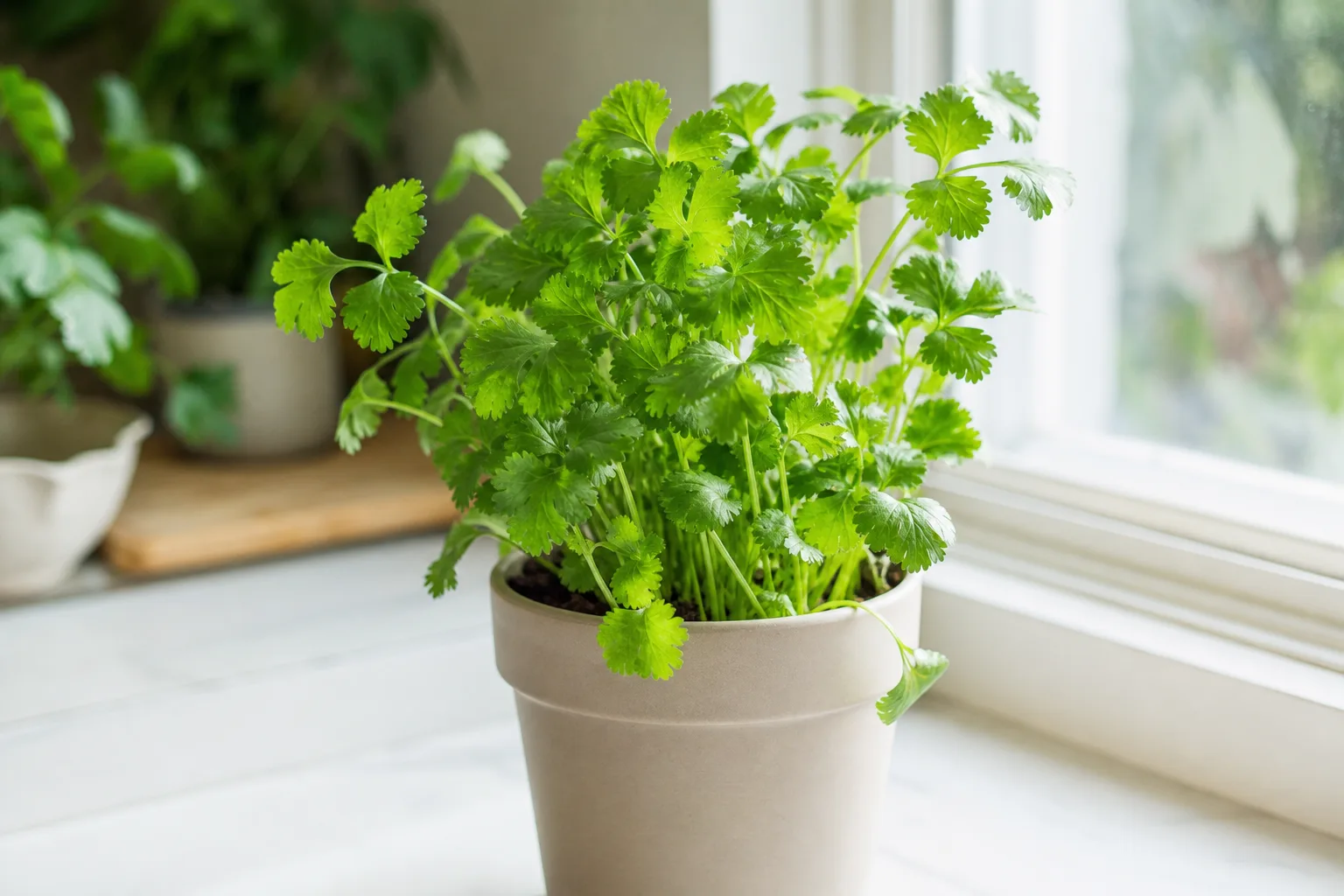
Cilantro: Do not make one sowing carry the season. Direct-sow in a cool window, keep moisture consistent, give afternoon shade when temperatures rise, and start a new batch every few weeks. Once the plant stretches and flower clusters appear, harvest the remaining tender leaves, then choose between letting it make coriander seed and clearing it for a replacement. Cutting the stalk repeatedly may make the plant look shorter for a few days, but it does not turn a committed bolter back into a compact leaf crop.
Dill: Decide whether you want leaves or seed. A succession of small sowings gives you tender fronds for longer, while one or two plants can be left to flower for dill seed and for beneficial insects. Avoid moving dill unnecessarily once it has a strong root, and harvest before the flower umbels fully open if leaves are your priority.
Parsley: Parsley is a biennial, so flowering in its second year is normal rather than a mysterious failure. Replace it annually if tender leaves are the main goal, or leave a strong second-year plant to flower and set seed. A first-year parsley that bolts deserves an investigation of cold exposure, root stress, or a sharp weather swing rather than an assumption that all parsley plants are supposed to flower immediately.
Lettuce, spinach, arugula, and Asian greens
These are the crops where timing matters most. Sow early enough to harvest in cool weather, choose slow-bolting or heat-tolerant cultivars where available, and use succession planting instead of relying on one large spring planting. In summer, afternoon shade and moisture management may extend the leaf window, but a long, hot season may still be the wrong season for a full crop.
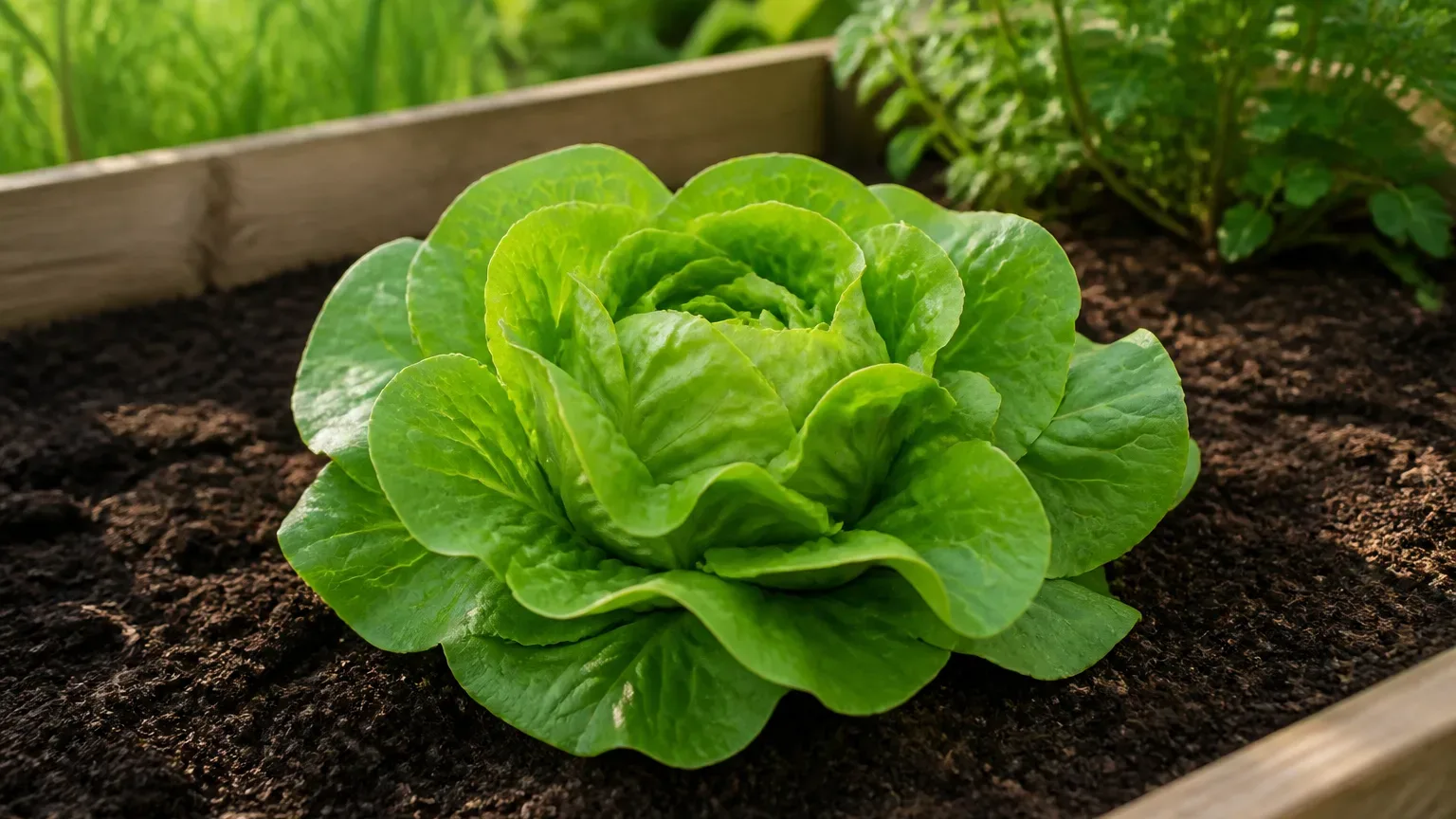
Lettuce: Watch the center. A lifted cone, stretched stem, and bitter taste mean the head is moving beyond its best stage. Harvest baby leaves before that point, or pull a committed plant and replant when temperatures ease. If you grow lettuce in containers, move the pot away from heat-reflecting walls and hot glass; the container can become much warmer than the surrounding bed.
Spinach: Treat heat and long days as a hard limit. Keep the soil evenly moist, provide light afternoon protection, and use a fall sowing when spring temperatures rise too quickly. A bolting spinach plant can still contribute flowers or seed, but cutting the first stalk does not guarantee new tender leaves.
Arugula, mizuna, mustard, and bok choy: These can move from leafy to flowering very quickly, especially when small plants are hit by heat or drought. Sow little and often, harvest young leaves, and favor the cool edges of the season. If a bok choy plant bolts before making a head, you can inspect the flower buds for a possible edible harvest, but do not expect it to form the original dense head afterward.
Roots, onions, and brassicas
Carrots, beets, turnips, radishes, onions, leeks, and similar crops are often damaged by early flowering rather than by bitter leaves. A seed stalk pulls the plant’s attention upward while the root or bulb remains small, woody, or poorly formed. The main defenses are the right sowing window, healthy direct-sown roots, protection from unusual cold, and varieties adapted to your season.
Broccoli and cauliflower are special cases because the part you eat is already a flower structure or a cluster of immature flower buds. The goal is to form a good head before heat or age opens it. Harvest a head promptly when it reaches the right size; if small side shoots or yellow flowers appear, the plant has moved past the ideal head stage, but it can still offer edible side shoots depending on texture and variety.
For onions, early bolting is often tied to the interaction between plant size and cold exposure. A season with repeated cold-warm swings can make a plant form a seed stalk. Remove the stalk if you want to use the bulb soon, but do not expect the bulb to store as well as an onion that matured without flowering. If bolting repeats, adjust the planting date and seek locally suitable sets or cultivars rather than simply adding fertilizer.
Conclusion
Bolting is a plant’s normal move into flowering and seed production, not a mysterious disease and not always a gardening mistake. The practical goal is to harvest the edible stage before that shift, then respond honestly when the flower stalk appears.
Pinch early basil buds, but do not promise to reverse a committed cilantro or lettuce bolt. Use cool-season timing, succession sowing, bolt-resistant varieties, afternoon shade, even moisture, and gentle transplanting to widen the harvest window. When a plant has already moved past its best leaves, let it make seed or feed pollinators, harvest any useful parts, and put the next sowing on a better calendar.



