Save Wilting Plants From Heat Without Overwatering
Heat-stressed plants wilt even when soil is moist. Learn the pro rescue order: soil check, shade, deep morning water, mulch, and what to stop doing in a spike.
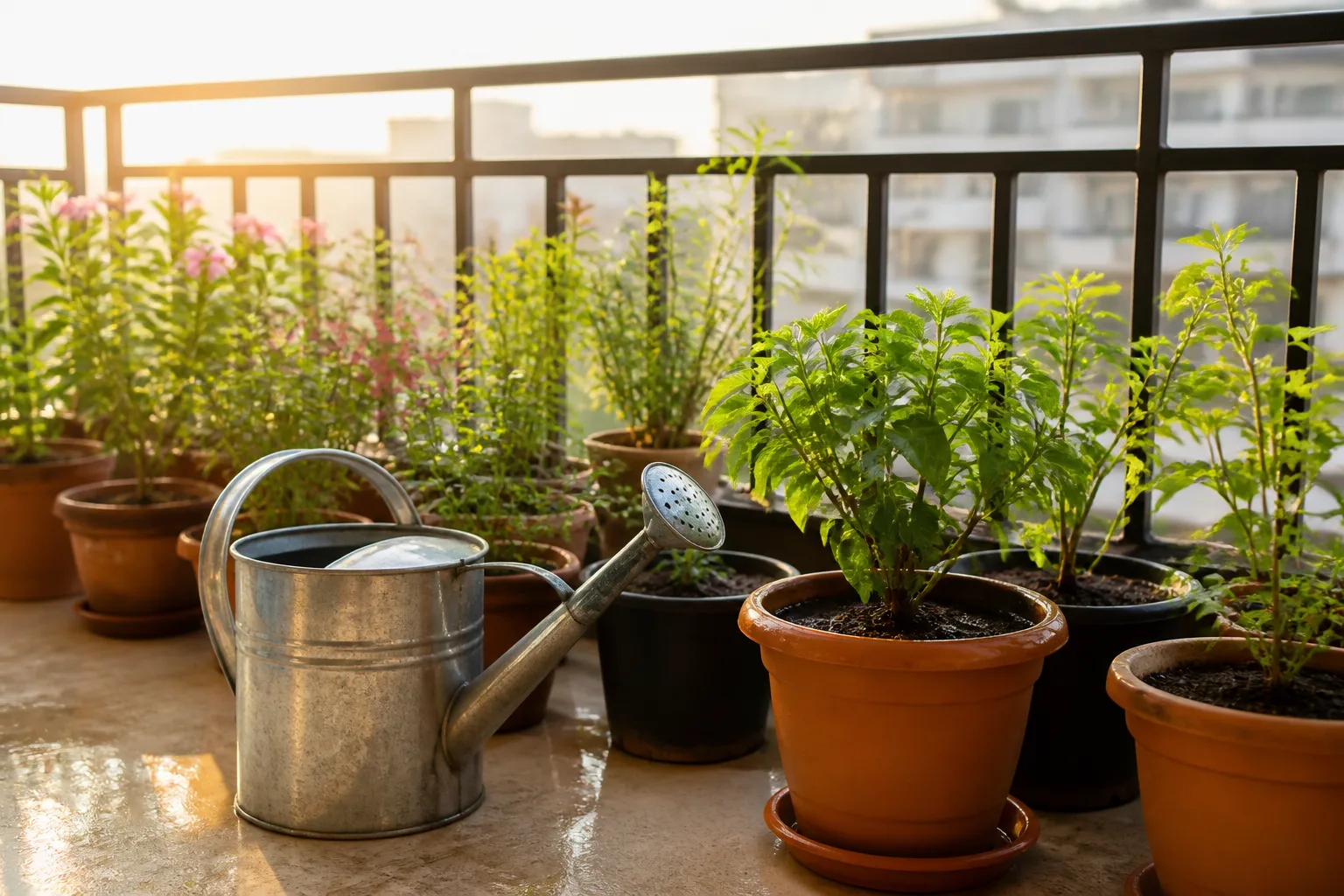
The first move most gardeners make when leaves droop in July is the one pros try hardest to avoid: flooding soil that is already wet. Extreme heat pushes plants to lose water through their leaves faster than roots can replace it—a survival response called transpiration—and that afternoon limpness often reverses on its own once temperatures fall. Watering on autopilot turns a temporary heat wilt into wet wilt, root rot, and a plant that stays collapsed even after the weather cools.
Experienced growers treat heat rescue as triage: check moisture at depth, separate heat stress from drought or drowning, cool the root zone, then water deeply only where the soil is actually dry. Mulch, temporary shade, and a short list of paused tasks do more long-term good than another midday sprinkle on damp ground.
Why Midday Wilting Does Not Always Mean Add Water
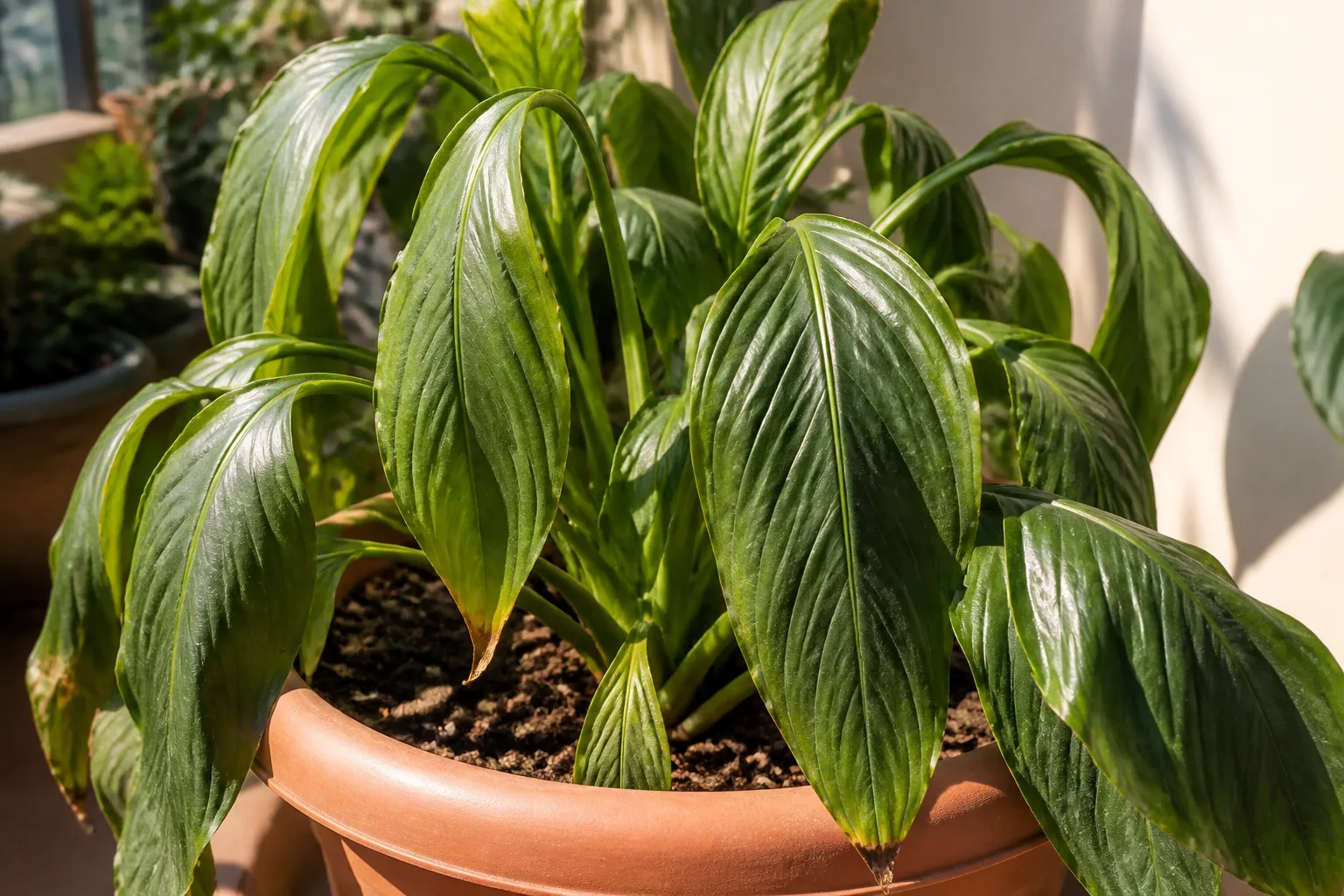
Wilting is a hydraulic problem, not a mood. Plant cells stay rigid through turgor pressure—internal water pushing against cell walls. When leaves lose moisture faster than roots pump it up, turgor drops and stems sag. In summer, that loss often spikes between late morning and late afternoon while the root zone still holds usable moisture.
Garden Style San Antonio notes that many landscape plants wilt at peak heat even when soil moisture is adequate. Wind, reflected heat from pavement, and direct sun all accelerate transpiration. The plant is conserving water by reducing leaf surface area—not begging for another drink.
Heat Wilt, Drought Deficit, and Wet Wilt
Temporary heat wilt means moisture exists in the root zone, but leaves droop while demand outpaces uptake during the hottest hours. UF/IFAS Extension contrasts this with permanent wilt: roots cannot extract usable water. That happens when soil is bone dry (drought deficit) or when roots are damaged and oxygen-starved in soggy soil (wet wilt from chronic overwatering).
| Pattern | Soil at 2–3 inches | Timing | Overnight recovery | Your move |
|---|---|---|---|---|
| Heat wilt | Moist | Midday only | Often perks up | Shade; wait before soaking |
| Drought deficit | Dry | Morning + afternoon | Stays limp | Deep water at dawn |
| Wet wilt | Wet, may smell sour | Any time | Stays limp | Stop watering; improve drainage |
Growing in the Garden puts it plainly: if soil is moist and the plant firms by evening, heat—not thirst—caused the wilt.
The 60-Second Soil Check Pros Run First
Before any hose work, push a finger, trowel, or wooden skewer 2–3 inches beside the stem—not at the surface crust, which dries in hours on hot days. If that depth is damp and the plant droops only in afternoon sun, hold water. If it is dusty and the plant stays soft into the morning, schedule a deep soak. If water pools on the surface or the stem base looks dark and mushy, you are not dealing with heat—you are drowning roots.
Pair the soil test with pot weight on containers: a light pot that wilts all day is drought; a heavy pot that wilts midday on moist mix is heat wilt. For a full watering playbook on balconies and patios, see our hot-weather plant watering guide.
Signs Your Plant Is Overheating Beyond Simple Drooping
Wilting is the headline, but heat stress writes the rest of the story in leaves, flowers, and fruit. NC State Extension lists symptoms Western North Carolina gardeners see every summer—useful even outside the Appalachians because the physics are universal.
Leaf Curling, Rolling, and Scorch
Plants curl or roll leaves to shrink the sun-facing surface and cut evaporative loss. In extreme heat you may also see leaf scorch: brown or yellow margins, bleached patches, or crispy tissue on the side that faces afternoon sun. Beans, cucumbers, and tomatoes on exposed rows often show scorch first. Sunscald on fruit—discolored, sunken patches on the sunward side of tomatoes, peppers, and melons—is heat damage on the crop itself, not a separate disease.
Early Flowers, Blossom Drop, and Leaf Shedding
Heat pushes some plants to bolt—lettuce, spinach, and other cool-season crops flower early and turn bitter. Tomatoes and peppers may shed blossoms; trees sometimes drop small fruit to conserve energy. Premature leaf drop reduces transpiring surface area. These are stress signals that shade and stable moisture help moderate; they are not fixed by a single heroic flood.
The Pro Rescue Order When Plants Collapse in the Heat
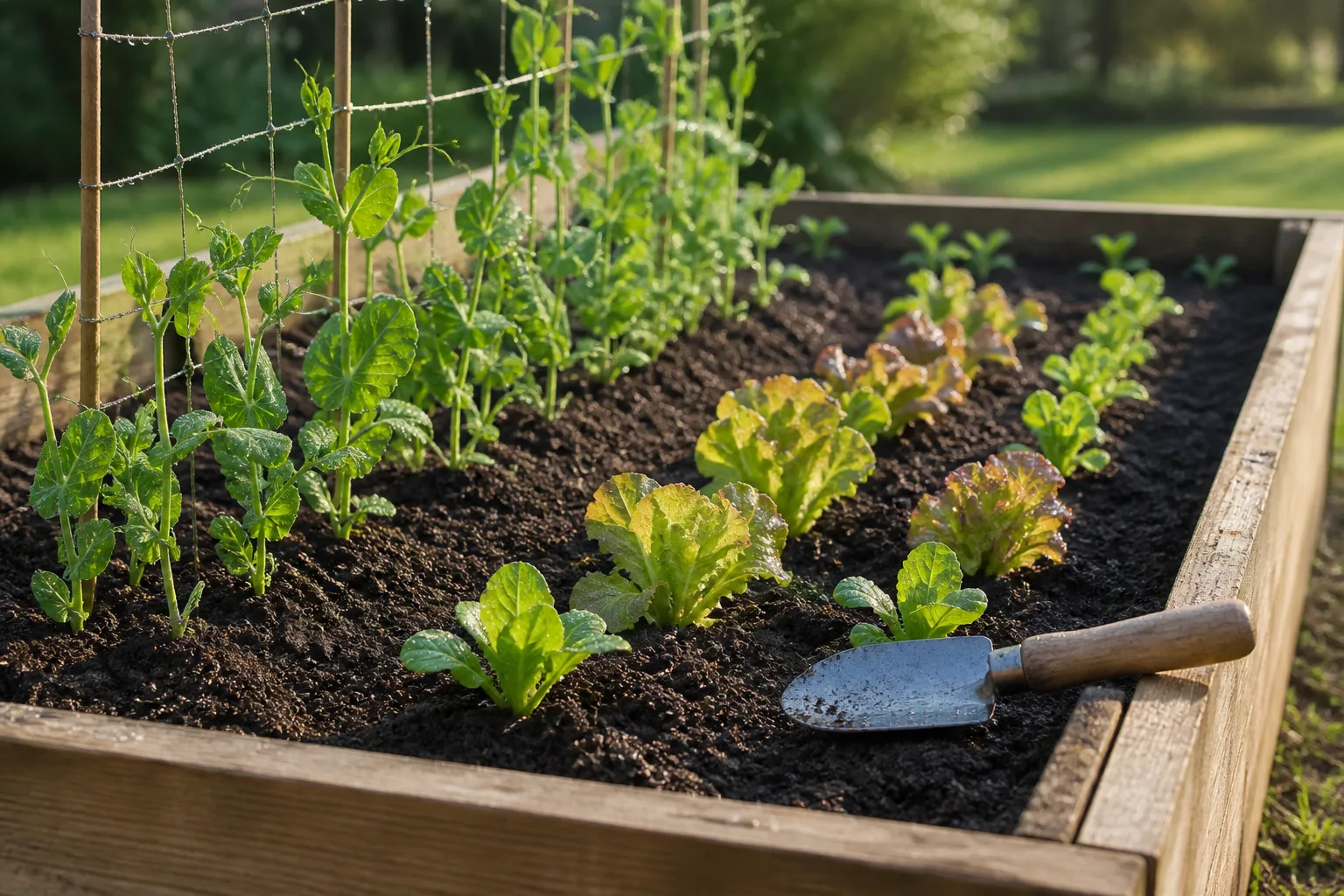
When several plants look miserable at 3 p.m., sequence matters more than speed.
- Check soil moisture at depth (60-second test above).
- Shade or move plants off hot pavement, dark pots, and west-facing glass before adding water.
- Deep water at dawn only where soil is dry at depth—direct water to soil, not leaves.
- Mulch after watering to cool soil and slow evaporation.
- Pause fertilizer, heavy pruning, and new planting until temperatures normalize.
Skipping step one and jumping to step three is how healthy roots rot in a heat wave.
Shade the Root Zone Before You Reach for the Hose
Shade lowers leaf temperature and slows evaporation so roots can catch up without you adding more water. RHS heatwave guidance recommends moving containers off hot hardscape onto grass or bare soil so runoff and capillary moisture from below can help. Group pots together in trays to create a cooler microclimate and reduce wasted runoff.
For in-ground beds, shade cloth (30–50% density for vegetables, higher for shade-loving ornamentals), old sheets, or lightweight fabric on hoops blocks the worst afternoon rays. Anchor fabric so it does not rub foliage or trap hot air against plants. Even shifting a patio pot six inches into dappled shade from a larger neighbor plant can drop leaf temperature enough for recovery overnight.
Deep Morning Watering When the Soil Is Actually Dry
When the depth test shows dry soil and morning limpness, water deeply in the early morning—not at midday when droplets on leaves can intensify sun and burn tissue. Penn State Extension advises guiding water to the soil at the base of plants, using a wand or soaker to minimize foliage wetting. Slow, deep delivery lets moisture penetrate past the top inch where heat and wind steal water fastest.
Aim to wet the root zone, not the calendar. Established beds may need a long soak every few days; small containers on a hot balcony may need daily morning checks. Consistency beats panic: watering morning one day and skipping until evening the next leaves plants facing two full hot days on one drink. For timing mistakes that compound heat stress, read the worst time to water plants.
Rescue watering for crashed containers: move the pot to shade, give a small amount of water to rewet hydrophobic surface soil, wait 20–30 minutes, then soak again or bottom-water until drainage runs. Bone-dry peat and coir repel a single flood—staged rewetting works better than one midday deluge.
Mulch as the Cooling Layer Experienced Gardeners Add in a Crisis
Mulch is not just decoration after the crisis—it is often the tool pros reach for when regular watering still leaves plants flagging. A layer of organic material insulates soil from radiant heat, slows evaporation, and feeds biology as it breaks down.
Water first if the root zone is dry, then mulch—never pile dry mulch on dust-dry soil and assume it will wick moisture down. If soil is already moist and plants wilt midday, mulch still helps moderate soil temperature for the next hot day without replacing shade.
Organic Mulch Types and How Much to Apply
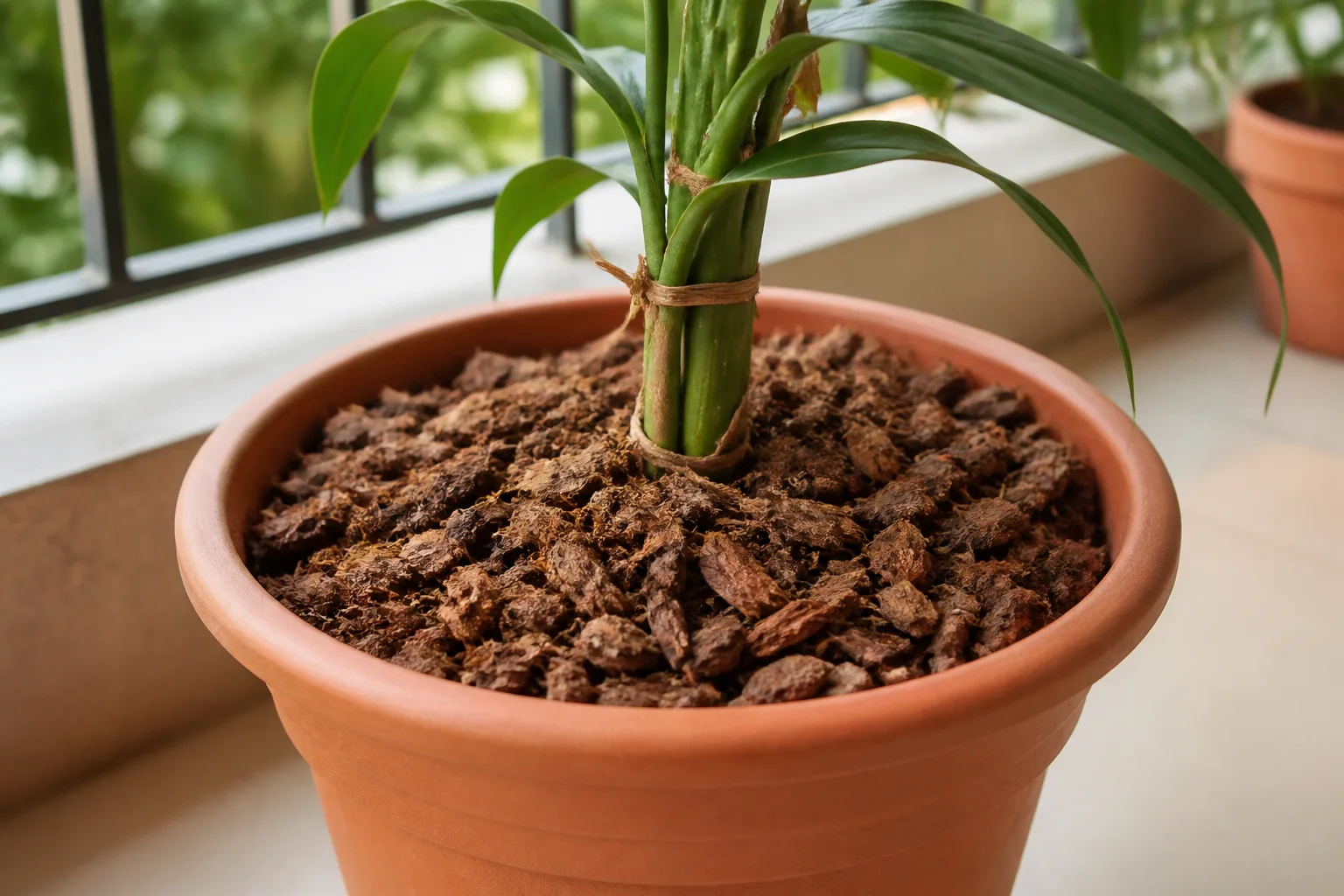
RHS guidance suggests organic mulch at least 5 cm (2 inches) thick on beds; vegetable rows in sandy soil often benefit from 3–6 inches of loose straw or shredded leaves between plants. Well-rotted compost, bark chips, and leaf mold all work; avoid thick, wet mats of fresh grass clippings that can heat anaerobically.
Pull mulch back a few inches from stems and crowns to prevent rot in humid heat. Refresh thinning spots mid-season—decomposed mulch loses cooling value. For weed-free sourcing and application angles, see does mulch prevent weeds. NC State Extension ties mulch directly to moderating soil temperature and conserving moisture during heat stress—exactly the rescue combo wilting plants need.
Temporary Shade That Lowers Leaf and Soil Temperature
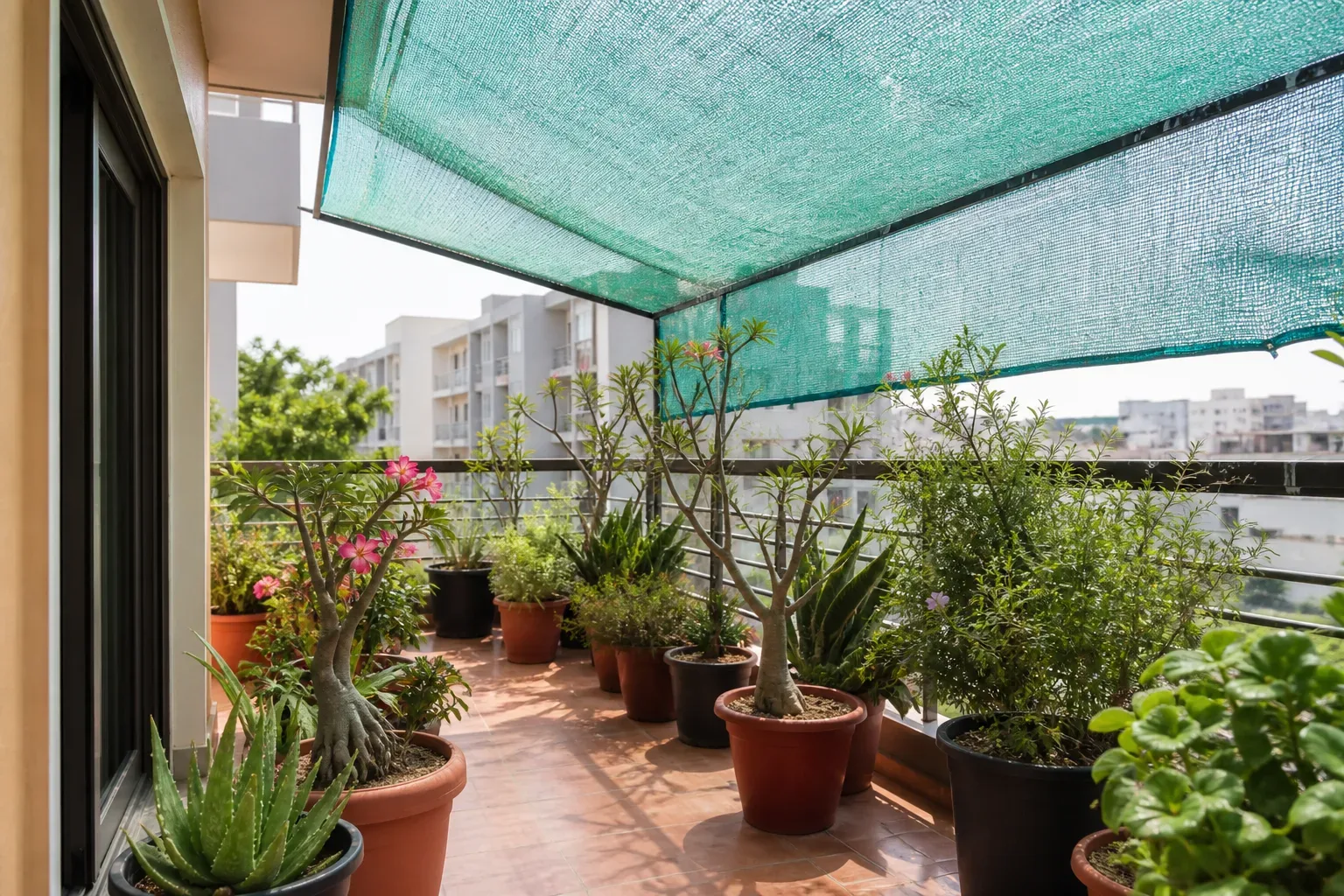
Not all shade is equal. A sheet draped directly on leaves can cook plants; fabric on hoops or stakes should leave air space. 30–50% shade cloth over vegetable rows cuts light and heat while allowing airflow. Ornamental shade lovers and newly transplanted seedlings may need denser cover.
West-facing balcony growers often hang shade net on the railing or clip cloth to hoops over railing pots—blocking reflected heat from glass and concrete matters as much as blocking direct sun. Remove or loosen cover after the spike passes so plants do not stay soft in dim conditions; gradual re-exposure prevents shock.
Strategic planting is the long game: tall heat-tolerant companions, trellised crops, or deciduous shrubs on the west side of tender beds cast afternoon shade without annual rigging. That is prevention, but it starts the same rescue principle—lower leaf and soil temperature before roots fail.
Container and Raised-Bed Fixes In-Ground Beds Skip
Containers amplify heat. Dark plastic pots on black asphalt can root-cook while leaves wilt from transpiration alone. Pros move pots to shade, onto grass, or into grouped trays. RHS heatwave tips note that pots on grass can draw moisture from below and waste less runoff.
Raised beds behave like large containers: shallow beds under 18 inches dry faster than in-ground soil and need the same depth checks and morning soaks as pots. Our container plants dry in summer guide covers dry-down rhythms when every pot on the patio seems to need water at once.
Double-potting—setting a small pot inside a larger outer pot with mulch or sphagnum between—insulates roots on brutal decks. White or light-colored pots reflect more heat than black nursery cans. If you must leave pots in place, a mulch topper on the soil surface and a shade cloth panel on the sunny side buys hours of root safety.
What to Stop Doing During a Heat Spike
Heat rescue is as much about stopped actions as heroic ones.
- Do not fertilize during intense heat. Penn State Extension notes salts in fertilizer can dry plants further; new growth pushed by feeding demands water plants already struggle to balance. RHS advises holding feeding and pruning while plants fight uptake stress.
- Do not prune heavily or strip scorched leaves immediately—living tissue still shades inner growth; wait until weather cools to assess.
- Do not transplant or divide until temperatures ease; new root disturbance plus heat is a common kill combo. NC State Extension recommends delaying planting until cooler weather.
- Do not sprinkle foliage at midday for “cooling”—brief mist evaporates fast and can burn leaves; focus on soil moisture and shade.
- Do not assume every wilt needs water—the drowning spiral starts here.
Vegetable growers with entire rows in distress should also read how to keep a garden healthy after a heatwave for bed-scale protocols beyond single-plant triage.
Recovery After Temperatures Finally Drop
When nights cool and forecasts normalize, wait several days before you declare a plant dead. Many tomatoes, peppers, and hydrangeas push new shoots after looking finished at peak heat. Cut back to live green tissue, keep light shade for a few afternoons, and resume morning deep watering on dry soil only.
Remove plants immediately only if the crown is mushy, roots smell rotten after a wet-wilt episode, or pest pressure on weakened tissue is uncontrollable. Yellow or brown leaves that never regained turgor can be trimmed once you confirm new growth is emerging.
Stressed plants are vulnerable: NC State Extension warns that heat-weakened tissue attracts pests and disease. Inspect daily, avoid nitrogen-heavy feeds until growth stabilizes, and rebuild mulch before the next spike—not after it hits.
Prevention Checklist Before the Next Heat Wave
Most rescue wins were actually prep jobs done weeks earlier.
- Mulch beds in spring or early summer before soil bakes; refresh mid-season.
- Water deeply on a consistent schedule so roots grow 4–15 inches down instead of hugging a dry surface crust.
- Install shade hardware (hoops, cloth, net) before you need it at 95°F.
- Group containers and plan west-side screening for balconies.
- Harvest tender crops and partially colored fruit before extreme forecasts—less tissue to hydrate, less sunscald risk.
- Capture rainwater in barrels or cans so cool-hour watering does not depend on a single hose session.
- Choose heat-tolerant varieties for exposed slots; stop fighting full sun with shade-lovers in July.
RHS stresses that resilience is built in cool months: organic matter-rich soil acts like a sponge, and covered soil loses less moisture than bare crust.
Conclusion
Wilting in high temperatures is frightening because it looks like every plant is dying of thirst—but pros know afternoon droop is often temporary heat wilt, not a command to flood the garden. Run the depth moisture test, shade before you soak, water deeply at dawn only where soil is dry, mulch to cool the root zone, and pause fertilizer and heavy cuts until the spell breaks.
The plant that perks up overnight on moist soil was never underwatered; it was overheated. The one still limp on dry soil needed dawn depth, not a panicked midday sprinkle. Master that distinction and you rescue more plants with less water—and you stop turning heat stress into root rot. When the next heat wave looms, prep mulch, shade, and morning rhythm before the leaves start to sag.



