Nutrient Lockout in Houseplants: Causes and Fixes
Nutrient lockout means the roots cannot take up available nutrients efficiently even though those nutrients are present in the pot. The plant can look deficient while the bag of fertilizer says everything should be covered. In containers, the usual drivers are root stress, stale compacted media, salt buildup, or a pH range that makes certain nutrients less available. This is why blindly feeding more often can backfire. Extra fertilizer may raise the salt level without solving the uptake problem underneath. The better approach is to confirm the pattern on the leaves, check whether the root zone is stressed, and correct the medium or watering issue that is blocking uptake in the first place.
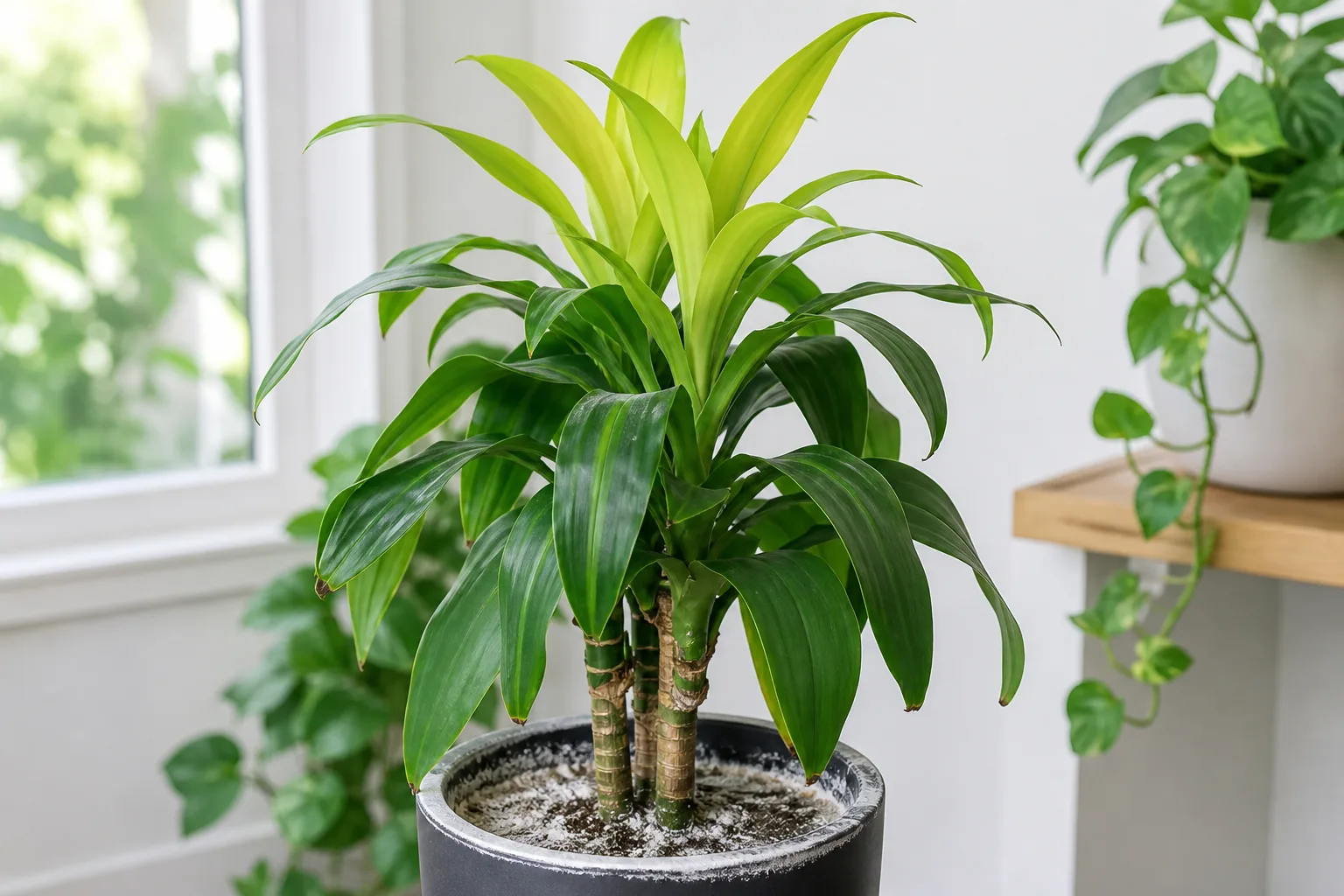
Nutrient Lockout on Houseplants
Still unsure?Match your symptoms to the most likely problems in under a minute.Run diagnosis →Understand and fix nutrient lockout
Nutrient lockout means the roots cannot take up available nutrients efficiently even though those nutrients are present in the pot. The plant can look deficient while the bag of fertilizer says everything should be covered. In containers, the usual drivers are root stress, stale compacted media, salt buildup, or a pH range that makes certain nutrients less available. This is why blindly feeding more often can backfire. Extra fertilizer may raise the salt level without solving the uptake problem underneath. The better approach is to confirm the pattern on the leaves, check whether the root zone is stressed, and correct the medium or watering issue that is blocking uptake in the first place.
Overview
Nutrient lockout means the roots cannot take up available nutrients efficiently even though those nutrients are present in the pot. The plant can look deficient while the bag of fertilizer says everything should be covered. In containers, the usual drivers are root stress, stale compacted media, salt buildup, or a pH range that makes certain nutrients less available.
This is why blindly feeding more often can backfire. Extra fertilizer may raise the salt level without solving the uptake problem underneath. The better approach is to confirm the pattern on the leaves, check whether the root zone is stressed, and correct the medium or watering issue that is blocking uptake in the first place.
How to identify it
- Deficiency-like yellowing appears even though the plant has been fertilized recently.
- New growth may stay pale or distorted while old leaves also look tired.
- Salt crust, hard water deposits, or a long history of feeding suggest chemistry problems in the pot.
- Growth remains weak even after adding more fertilizer.
- Symptoms often affect one stressed container rather than every plant in the room.
- Roots may be crowded, damaged, sour-smelling, or trapped in old compacted media.
When to worry
Act quickly when pale new growth keeps worsening after recent feeding, roots are stressed, or the soil surface shows obvious salt buildup.
Common causes
Salt buildup in the root zone
Repeated fertilizing without flushing raises soluble salts and interferes with water and nutrient movement into roots.
Wrong pH for the plant
Some nutrients become harder to absorb when the mix drifts too acidic or too alkaline for that species.
Root damage from overwatering or drought
Weak or damaged roots cannot absorb nutrients efficiently even if the potting mix still contains them.
Exhausted, compacted, or old media
Stale mix can hold nutrients unevenly, drain poorly, and create a root environment where uptake stays weak.
Step-by-step fix
Read the leaf pattern first
Note whether symptoms begin on old leaves, new leaves, or both. That helps separate true deficiency patterns from generalized root stress.
Flush accumulated salts
Leach the pot thoroughly with clean water if the plant has been fed often or the soil surface shows crusting.
Inspect roots and media condition
If the mix is sour, compacted, or chronically wet, correct the root problem instead of adding more fertilizer.
Repot when the mix is failing
Fresh potting media can reset both structure and chemistry when the old root zone has become exhausted or hostile to uptake.
Resume balanced feeding only after recovery
Once roots are functioning and new growth improves, restart with a conservative fertilizer program rather than trying to force a fast rebound.
Track the next growth cycle
Lockout is improving when fresh leaves normalize in color and size. Old damaged leaves rarely become fully healthy again.
Prevention tips
- Flush containers periodically if you fertilize on a regular schedule.
- Repot before the medium becomes dense, salty, or structurally broken down.
- Match fertilizer strength to light level and growth rate.
- Use water and potting mix appropriate for plants with strict pH preferences.
Common mistakes
- Assuming every pale leaf means the plant needs stronger fertilizer.
- Ignoring root stress while treating only the foliage symptom.
- Layering multiple supplements into an already salty container.
“Nutrient lockout” is grower shorthand, not a single disease and not something a yellow leaf can confirm. It describes a situation in which nutrients may be present but roots cannot acquire or use them normally because the root environment is unsuitable. Persistently wet or damaged roots, accumulated soluble salts, an inappropriate pH, and imbalanced inputs can all produce that outcome.
The useful question is not “Which nutrient should I add?” It is “What evidence shows that uptake is impaired, and which root-zone condition should be corrected first?” This guide separates shortage from availability problems and salt injury in container-grown houseplants. It does not supply a universal pH target or flushing formula; species, substrate, water alkalinity, extraction method, and laboratory interpretation matter.
Quick diagnosis
Start with an evidence ladder:
- Verify what has been supplied. List every liquid, granular, slow-release, and starter fertilizer rather than relying on a brand name.
- Inspect uptake capacity. Check moisture at depth, drainage, root firmness, odor, and whether the medium has collapsed or become hydrophobic.
- Look for concentration evidence. Deposits, repeated feeding, small medium volume, evaporative drying, or a valid elevated EC result supports salt accumulation.
- Measure with an interpretable method. A random probe value without a defined extraction method and crop range cannot establish lockout.
- Map symptoms by tissue age. This may identify the nutrient process involved, but it never substitutes for root-zone evidence.
Stop adding fertilizer while the cause remains unresolved. The University of Maryland describes mineral and fertilizer deposits as contributors to tissue burn, altered medium pH, and blocked absorption. More fertilizer can intensify the very condition being called “lockout.”
What nutrient lockout looks like
The most compatible pattern is deficiency-like chlorosis or distorted growth that persists despite recent feeding, especially alongside salt deposits, unsuitable pH, compacted media, or damaged roots. Look for repetition across more than one leaf and relate it to growth stage. A single torn, sunburned, chilled, or aging leaf is weak evidence.
This image shows a nutrient-availability symptom, not proof of a particular locked-out element. Root-zone measurements and the plant’s history must supply the missing context.
Useful observations include:
- which leaf ages show chlorosis, distortion, or marginal death;
- whether different deficiency-like patterns occur on the same plant;
- whether the problem continued despite a complete fertilizer being supplied;
- whether substrate pH or EC was measured with a documented extraction method;
- whether irrigation water, fertilizer formulation, or liming practice recently changed;
- whether deposits recur after watering or feeding;
- whether roots remain firm and occupy an aerated, evenly moist medium.
“Lockout” is informal grower language, not one single disease. It describes inadequate nutrient uptake when nutrients may be present but unavailable because of pH, excessive soluble salts, antagonistic nutrient balance, poor aeration, or impaired roots. Penn State’s plant-nutrition overview emphasizes that nutrient symptoms must be interpreted with nutrient function, mobility, moisture, pH, and balance rather than treated as isolated color codes (plant nutrition principles).
Why the symptom pattern matters
A lockout diagnosis depends on sequence. A leaf that formed while the medium was outside a suitable chemical range may remain marked after the root zone is corrected, while a leaf initiated later can reveal improved uptake. Date water-source changes, fertilizer changes, and repotting so the visible tissue can be connected to the conditions under which it developed.
A true supply deficiency reflects too little available nutrient; lockout reflects a delivery or availability failure. Visual symptoms overlap, so the distinction requires history, root inspection, and sometimes pH, electrical-conductivity, water, or tissue testing. The practical implication is simple: identify which tissue was developing when the problem began. Then compare that tissue with the next leaves produced under corrected care. This avoids declaring success because an old leaf happened to remain stable or declaring failure because dead tissue did not turn green.
Read old leaves and new leaves separately
Make a leaf-age map because “lockout” can involve nutrients with different mobility. Older-leaf interveinal chlorosis suggests a different availability problem from pale, distorted emerging growth. Record each pattern separately instead of blending everything into “yellow leaves.” Mixed age patterns plus a high EC or unsuitable pH are stronger lockout evidence than either observation alone.
The distribution of symptoms helps identify which nutrients may be unavailable: mobile nutrients can be moved out of older foliage, whereas less-mobile nutrient problems often appear in developing tissue. Lockout can blur this distinction because root injury, salinity, or extreme chemistry may impair several uptake pathways simultaneously. Treat the age map as a way to choose tests, not as a final diagnosis.
Use the timeline, not one photograph
Create a root-zone timeline: water source and any treatment, fertilizer formula and nitrogen form, dilution, liming ingredients in the mix, repotting date, and every pH-adjusting amendment. Record symptoms beside those entries. Lockout becomes plausible when deficiency-like growth follows a sustained chemistry change despite nutrients being present; it is less plausible when the plant has simply never received a complete feed.
Photograph representative old, middle, and new leaves beside the same neutral reference each week, and label the date of any root-zone correction. Pair the images with pH or EC results taken by the same method. A change in new growth after chemistry stabilizes is more persuasive than a photograph whose color shifted with room lighting.
Check roots before nutrients
Lockout is an uptake claim, so first confirm that living roots are available to take anything up. Check drainage openings, root-zone odor, moisture distribution, and the length of the wet period. Unpot only when the plant tolerates it or evidence of decay warrants the disturbance. A chemistry correction cannot revive roots that have already sloughed away.
A saturated, compacted, or hydrophobic substrate can mimic chemical lockout by reducing functional root area. Channelled water may also make a sample unrepresentative: the outer mix can be wet while the center remains dry and concentrated. Restore an even air-water balance before treating a single pH or EC number as the explanation.
Soft, hollow, or foul-smelling roots shift the diagnosis from “locked nutrients” to lost uptake capacity. Remove only dead material, preserve firm roots, and choose a fresh species-appropriate substrate in a restrained pot size. Establish root recovery before restarting amendments; otherwise every new product complicates the chemistry and the evidence.
Test pH and soluble salts responsibly
Because nutrient solubility changes with pH, a reliable substrate result is central to a lockout case. The acceptable range depends on plant and medium, and drift is influenced by water alkalinity, fertilizer form, lime, and decomposition. Use a calibrated method designed for soilless container media; a probe pressed into one dry pocket cannot characterize the root zone.
EC answers a different lockout question: whether the solution around roots is unusually concentrated. It cannot name the ions or prove that a specific element is blocked. Rutgers recommends a consistent monitoring method and crop-specific interpretation because damaging values vary with culture and sensitivity (soluble-salt monitoring). Record the extraction method with every result.
Use laboratory testing when lockout is recurring, collection-wide, or costly enough that guessing would create more risk. Submit irrigation water and a representative medium sample before flushing or adjusting pH, and tell the laboratory the crop and extraction method needed. For a single replaceable plant, a staged reset with careful records may be more proportionate than a full analytical panel.
Rule out the closest lookalikes
Compare nutrient lockout with:
- A true nutrient omission: the fertilizer or old substrate simply does not supply the element suggested by the leaf-age pattern.
- Root decay: several deficiency-like symptoms appear because absorbing tissue has been lost, usually with an abnormal wet cycle or odor.
- Excess salts without pH lockout: high concentration restricts water uptake and scorches margins even if pH is acceptable.
- Low light: nutrient demand and water use fall together; additional fertilizer raises EC without restoring photosynthesis.
- Pest feeding: stippling, silvering, webbing, honeydew, insects, or cast skins explain the discoloration better than chemistry.
- Normal acclimation or senescence: limited leaf loss follows a move or affects only deeply shaded old foliage while roots and new growth remain sound.
Complete the biological inspection before starting a chemistry intervention. Look under leaves, at petiole joints, and along veins for pests and residues. If insects are present, isolate and identify them; an unnecessary pesticide application can scar foliage and leave you trying to interpret two injuries at once.
Evidence-to-action comparison
| Evidence | Leading explanation | Lowest-risk next action |
|---|---|---|
| Healthy roots; complete program truly omits a needed nutrient; no salt evidence | Actual supply gap | Correct the complete nutrient program conservatively |
| Repeated feeding; crust; injured roots; elevated EC by a valid method | Excess soluble salts | Stop feeding; assess safe leaching or repotting |
| Nutrients supplied; firm roots; validated root-zone pH outside the crop range | pH-related availability problem | Correct chemistry gradually with crop-appropriate guidance |
| Wet, sour medium; soft roots | Root dysfunction | Restore drainage and root health before nutrients |
| Symptoms persist but EC is normal and pH result is unreliable | Diagnosis unresolved | Improve sampling or seek laboratory help |
| One stable old leaf; normal roots and new growth | Senescence or old injury | Observe |
This evidence matrix separates absent nutrients from nutrients made unavailable by chemistry. It also prevents high-EC injury from being mislabeled as deficiency: Washington State University notes that container salts can limit water availability and cause wilting and slowed growth (fertilizer-burn guidance).
Choose the lowest-risk correction
Correct the documented constraint: leach excessive soluble salts where the plant and pot permit, replace failed media, restore aeration and drainage, or adjust a verified pH problem using an appropriate product. Resume balanced feeding only after roots function normally.
Match the intervention to the measured constraint. Repair aeration when roots are oxygen-stressed; lower accumulated salts through appropriate leaching or replacement when EC is high; correct pH gradually only when a valid result is outside the crop’s range. If chemistry is acceptable and the nutrient was never supplied, use a complete labeled fertilizer. Household acids, baking soda, coffee grounds, and unmeasured lime are not controlled root-zone treatments.
In a lockout investigation, the full label reveals both what was supplied and what could be interacting. Record the complete analysis, nitrogen forms, micronutrients, and recommended dilution, then account for controlled-release fertilizer already present. NC State notes that controlled-release formulations reduce an initial salt spike but still cause root injury when overapplied (container nutrient management).
A step-by-step recovery plan
- Freeze the chemistry. Pause speculative supplements and retain every label and water-treatment record.
- Draw a leaf-age symptom map. Separate old-leaf, middle-canopy, and emerging-growth patterns.
- Verify roots are alive. Correct severe saturation, hydrophobic pockets, or decay before interpreting availability.
- Inventory ions already entering the pot. Include the mix charge, controlled-release pellets, fertilizer, pH adjusters, and irrigation water.
- Choose a valid measurement. Use a documented pH and EC extraction method or a horticultural laboratory.
- Interpret against the crop. Compare results with species- and substrate-appropriate ranges, not a universal internet number.
- Select one constraint. Decide whether the evidence supports high salts, unsuitable pH, nutrient omission, or root failure.
- Correct gradually. Use a labeled, crop-appropriate method and avoid stacking treatments.
- Resample consistently when warranted. Confirm that the root zone moved in the intended direction.
- Judge new tissue. Leaves formed after stable chemistry provide the clearest recovery evidence.
When EC supports a salt-related availability problem and the plant tolerates leaching, use low-salt water, wet the entire profile, and discard drainage so ions leave the pot. Maryland recommends top flushing and fresh medium for severe deposits (salt-deposit management). Do not infer that leaching corrected pH or a specific imbalance; recheck the root zone if the stakes justify it.
Replacement of the medium is the stronger reset when deposits are severe, structure has collapsed, or roots need sanitation. Photograph roots and residue, clean the pot, and select a modest volume of species-appropriate mix. Record lime and starter-fertilizer ingredients in the new substrate because they become the baseline for future pH and EC interpretation.
How to monitor recovery
Lockout recovery is demonstrated by restored uptake, not by dead tissue becoming green. Look for:
- stable pH and EC measured by the same method;
- firm roots and a predictable moisture cycle;
- no additional nutrient-pattern symptoms appearing on new leaf ages;
- emerging foliage with normal expansion and color for the cultivar;
- reduced salt deposits under the revised input program;
- growth resuming without a second corrective amendment.
Allow enough active growth for chemistry changes to reach newly developing tissue. The useful interval is one or more new leaves, not a fixed number of days. If fresh symptoms appear while properly sampled pH and EC remain within the intended range, abandon the blanket “lockout” label and investigate the specific nutrient supply, roots, pests, and environment again.
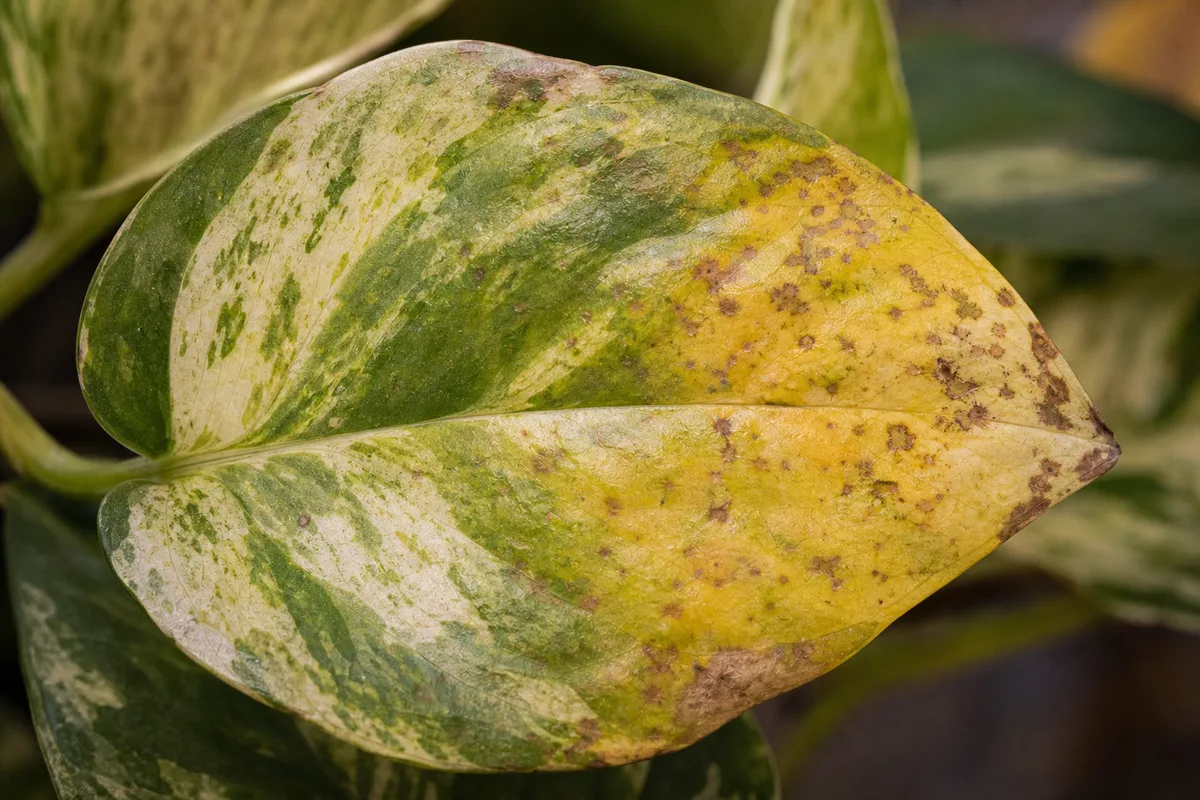
The close view helps document a symptom pattern, while the root-zone record determines whether unavailable nutrients are a credible cause.
Common mistakes that prolong damage
Do not stack calcium, magnesium, iron, acidifier, and extra fertilizer into the same pot. Multiple simultaneous amendments destroy diagnostic clarity and can worsen salinity or nutrient antagonism.
Lockout errors often begin with an imprecise term. Growers may call any yellowing “pH lockout,” trust an uncalibrated probe, chase a universal pH number, or add several antagonistic supplements before establishing what is already present. Another common error is testing runoff with one method and comparing it with a guideline developed for a different extraction.
Natural and organic amendments can still shift pH, release ions, and complicate a container analysis. Their variable release may make an immediate cause-and-effect judgment harder, not safer. Use products intended for the container system and document amounts rather than translating outdoor soil rates to a small volume of soilless mix.
Prevention for container-grown plants
Prevent lockout by managing the root zone as a system: crop-appropriate pH, moderate soluble salts, functional drainage, complete nutrition, and water whose alkalinity is understood. Keep one input ledger so fertilizer, supplements, liming materials, and source-water minerals are evaluated together rather than product by product.
Irrigate evenly enough that the sampled root zone and the inhabited root zone are the same place. Maintain open drainage and do not allow drained solution to wick back into the pot. Colorado State emphasizes active management of fertilizer salts in containers (container salt management); the appropriate leaching interval still depends on species, medium, water, and feed concentration.
At each repotting, note the substrate formulation, lime charge, incorporated fertilizer, and date. Replace a medium when decomposition, severe deposits, or poor wetting make chemistry and moisture impossible to manage consistently. A clean pot and clear drainage holes make later salt and pH observations more interpretable.
When testing or expert help is worthwhile
Escalate a lockout case when several pots supplied by the same tank develop mixed deficiency symptoms, when pH repeatedly drifts after correction, or when a valuable plant declines despite healthy roots. Bring paired water and medium samples, calibrated pH/EC records, complete product labels, and leaf-age photographs so the diagnostician can connect chemistry with symptoms.
Test both pH and alkalinity when irrigation water is suspected of driving repeated drift. Alkalinity is the water’s acid-neutralizing capacity, not a synonym for its current pH; UMass explains how that capacity changes growing-medium pH over repeated irrigations (water-test interpretation). This is why a stable correction may require input management rather than repeatedly dosing the pot.
Practical safety and record keeping
Root-zone acids, bases, fertilizers, and calibration solutions require label-directed handling. Use dedicated measuring tools, add concentrates in the order specified by the manufacturer, and keep original labels available. Store every product away from children and animals, and dispose of test extracts and excess solutions under local guidance.
Record uncertainty honestly. “Pattern is compatible with nutrient lockout” is more accurate than “confirmed” without analytical evidence. Note what was ruled out, what changed, and what the next observable checkpoint will be. This protects the plant from repeated treatment and makes consultation more productive.
If several similar pots share the same problem, use them to compare one measured correction while keeping other care constant. Sample both groups with the same method and compare the next leaves. The result is observational rather than experimental, but it is more informative than changing pH, fertilizer, substrate, and water across the entire group at once.
Build a chemistry-focused case record: accepted plant name, substrate brand and age, liming and starter-charge information, irrigation source, water alkalinity if known, fertilizer analysis, pH adjusters, and calibrated pH/EC results with extraction method. Add photographs sorted by leaf age and notes on root condition. This record can expose incompatible inputs or sampling errors that the word “lockout” hides.
Separate chemical confirmation from visual confirmation. First establish that a repeat sample moved pH or EC into the intended range without harming roots. Then wait for foliage initiated under that condition. If chemistry is corrected but the same age-linked pattern continues, the constraint may be nutrient omission, disease, or environmental stress rather than lockout. Retire the diagnosis when the evidence no longer supports it.
Conclusion
Use “nutrient lockout” as a description of impaired uptake, never as a diagnosis made from color. Show what was supplied, whether roots function, whether salts are excessive, and whether pH or EC was measured by a method you can interpret. Then correct the demonstrated constraint instead of adding another bottle. Recovery is a return of normal root function and healthier tissue produced afterward—not proof that every old leaf will regain its color.
Plants commonly affected
These houseplants often struggle with nutrient lockout. Open a care guide or plant-specific troubleshooting page for tailored fixes.
 Medium
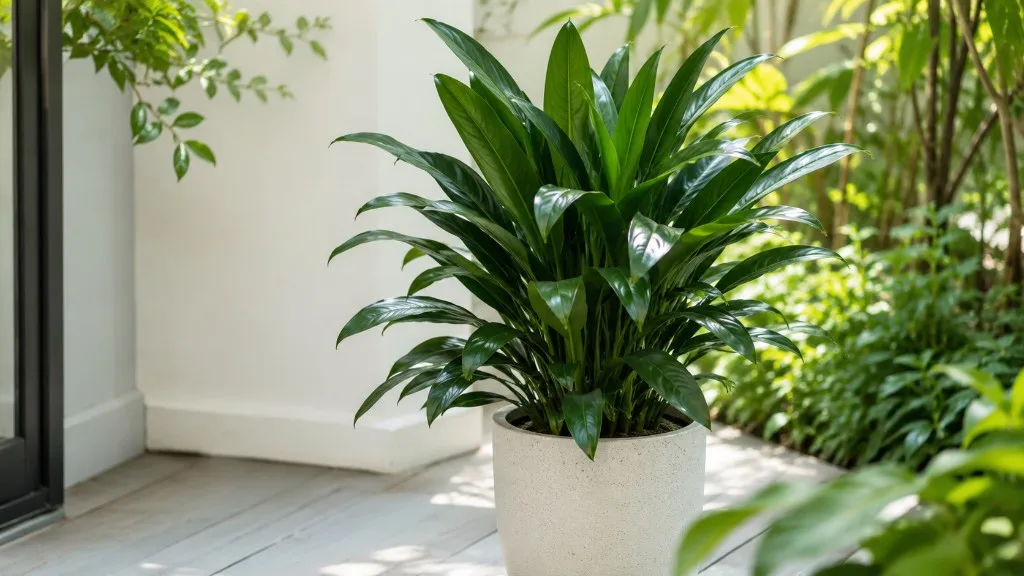
Janet Craig Dracaena
Likely causeAug 6, 2025 · Dracaena Janet Craig , like all dracaena plants, is slow-growing and does not need much fertilizer. Feed every three months with an all-purpose plant fertilizer at half the recommended strength. As it grows taller, dracaena Ja
Quick fixFollow extension or botanical guidance for Janet Craig Dracaena nutrient lockout; adjust care before applying broad treatments.
 Medium
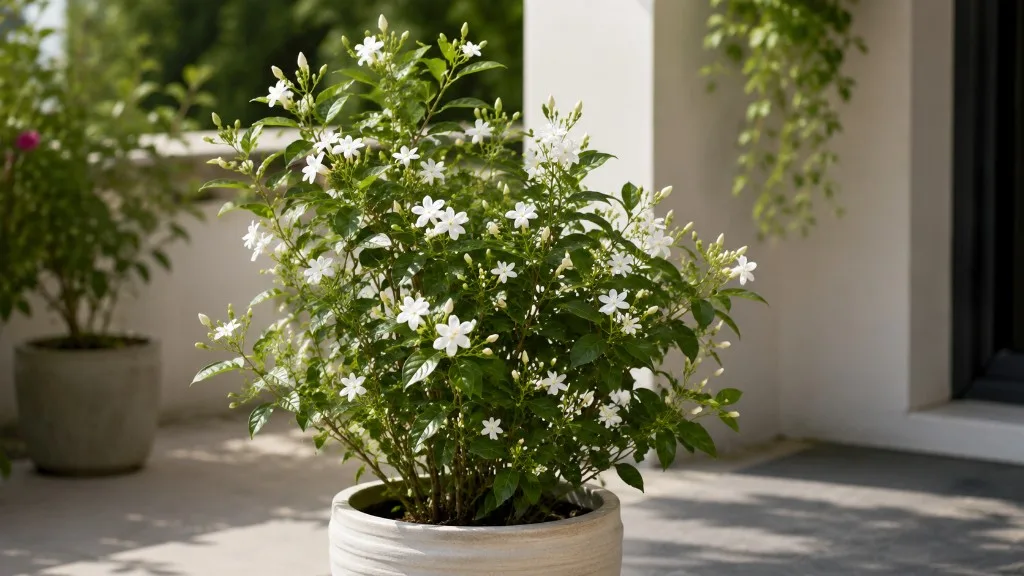
Jasmine
Likely causeMar 25, 2026 · In this article, we will discuss important micronutrients for jasmine plants and how gardeners can effectively manage and prevent nutrient deficiencies. Micronutrients are essential elements required by plants in small quanti
Quick fixConfirm diagnosis on your Jasmine, then address the most likely care or pest factor described in current extension guidance.
 Medium
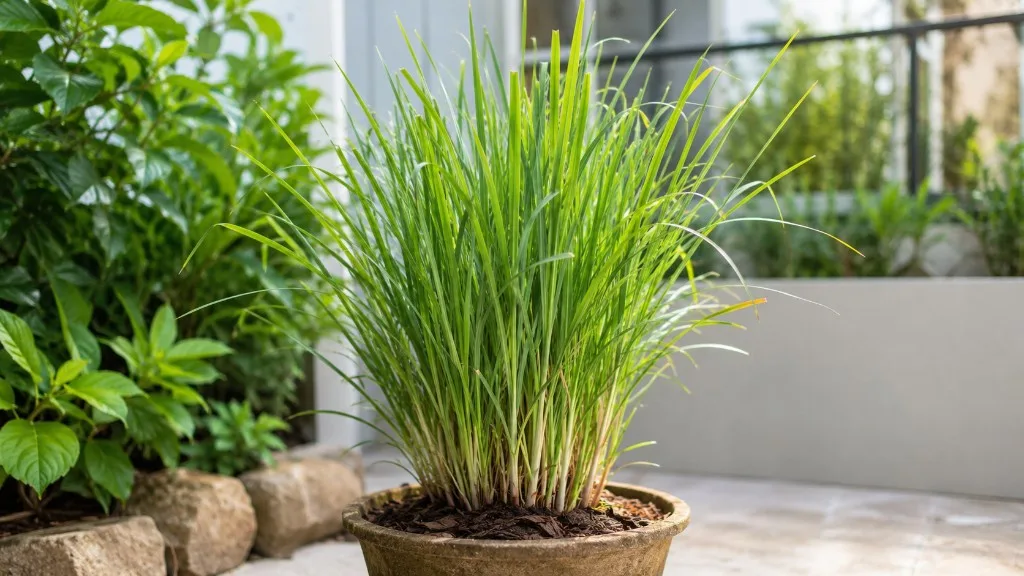
Lemongrass
Likely causeNov 26, 2025 · Get expert advice on common lemongrass care issues, including overwatering, pests, and nutrient deficiencies. Learn how to troubleshoot and solve problems with your lemongrass plants for a healthier harvest.
Quick fixConfirm diagnosis on your Lemongrass, then address the most likely care or pest factor described in current extension guidance.
 Medium
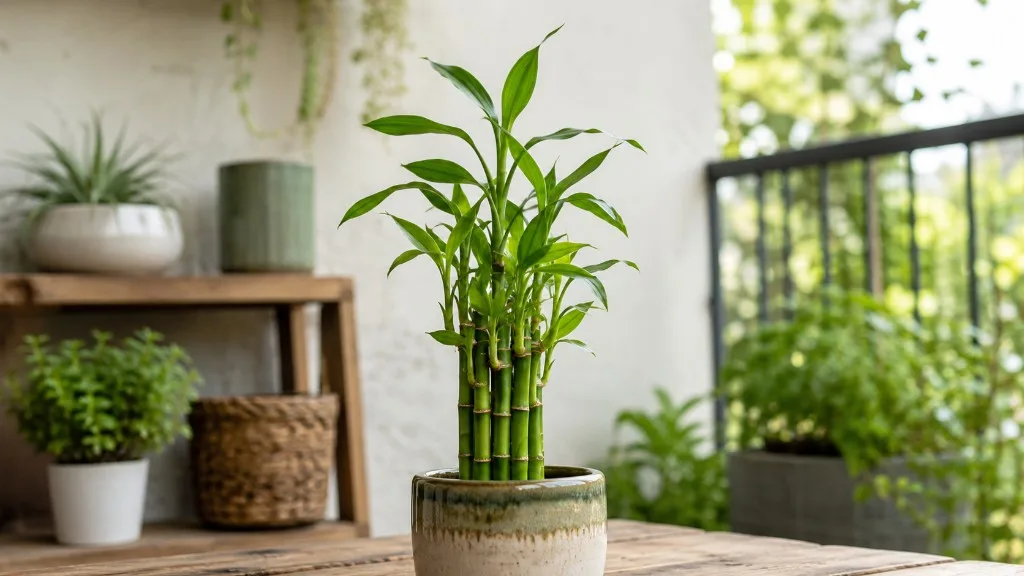
Lucky Bamboo
Likely cause5 days ago · Lucky bamboo is a beginner-friendly bamboo plant that thrives in an indoor environment. All it requires is some tender loving care, like regular watering, indirect sunlight, and added nutrients . In this guide, we’ll teach you
Quick fixConfirm diagnosis on your Lucky Bamboo, then address the most likely care or pest factor described in current extension guidance.
 Medium
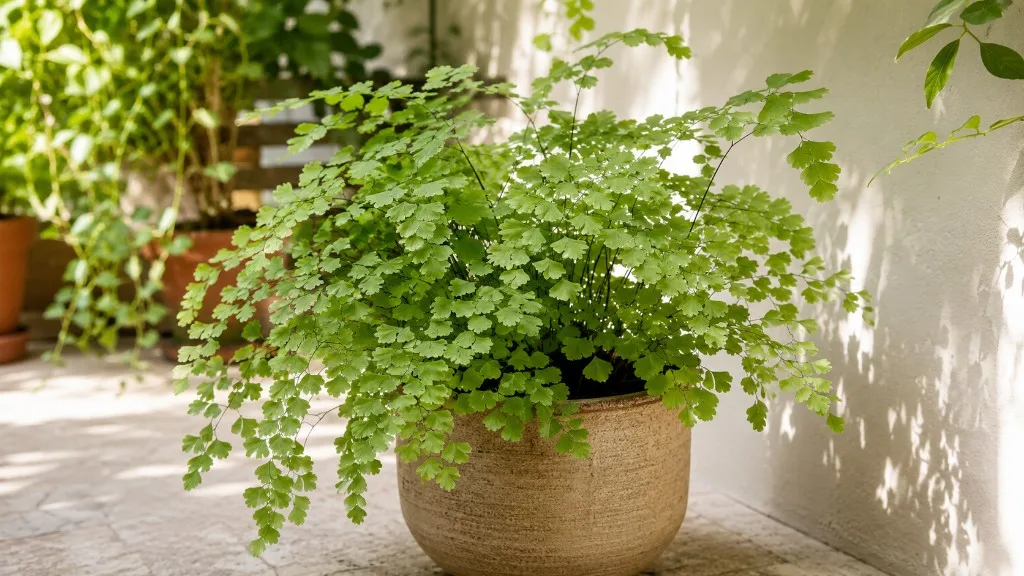
Maidenhair Fern
Likely causeJul 31, 2024 · During winter, refrain from fertilizing your maidenhair fern entirely. The plant enters a resting phase where growth slows down significantly, and additional nutrients are unnecessary and may even harm the plant.
Quick fixConfirm diagnosis on your Maidenhair Fern, then address the most likely care or pest factor described in current extension guidance.
 Medium
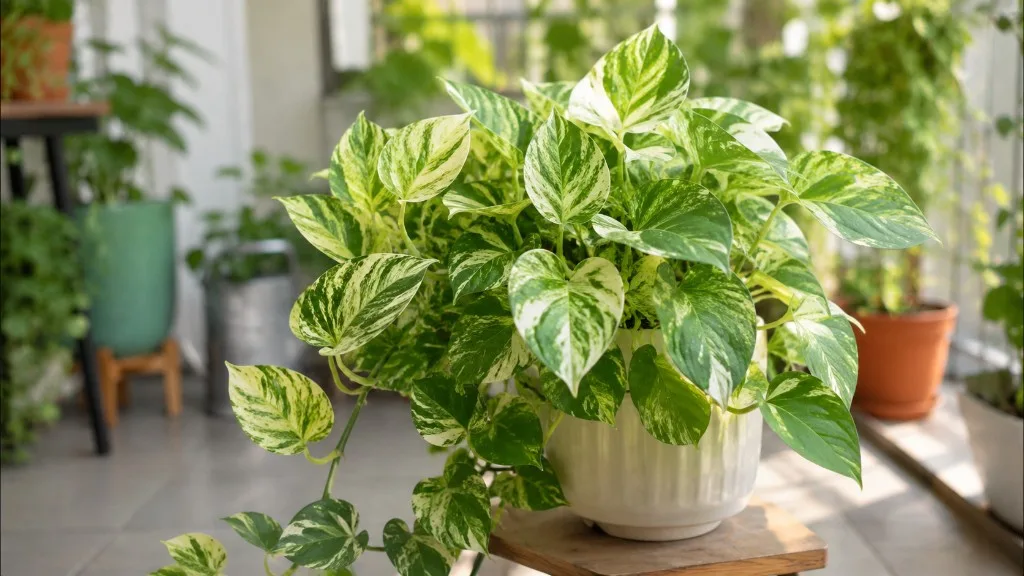
Manjula Pothos
Likely causeThe Manjula pothosplant is a cultivated variety of the Epipremnum pinnatum that originated in India. Its scientific name is Epipremnum aureum, and people also refer to it as the happy leaf pothos . It was created by natural selection of ove
Quick fixConfirm diagnosis on your Manjula Pothos, then address the most likely care or pest factor described in current extension guidance.
 Medium
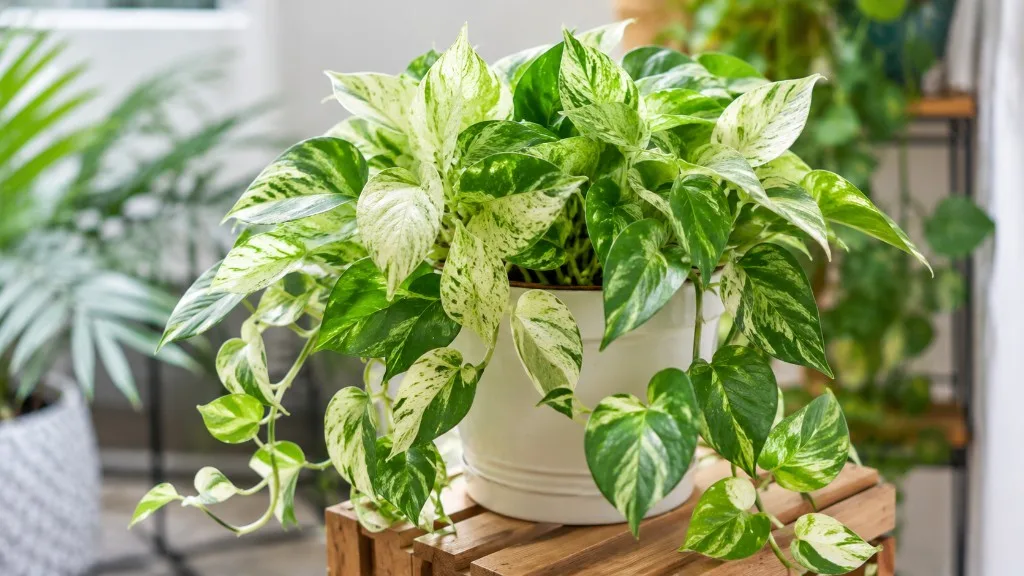
Marble Queen Pothos
Likely causeFeb 22, 2026 · Because marble queen grows more slowly, it also needs fewer nutrients overall — over-fertilization shows up as brown, crispy leaf margins and a salt crust on the soil surface.
Quick fixConfirm diagnosis on your Marble Queen Pothos, then address the most likely care or pest factor described in current extension guidance.
 Medium
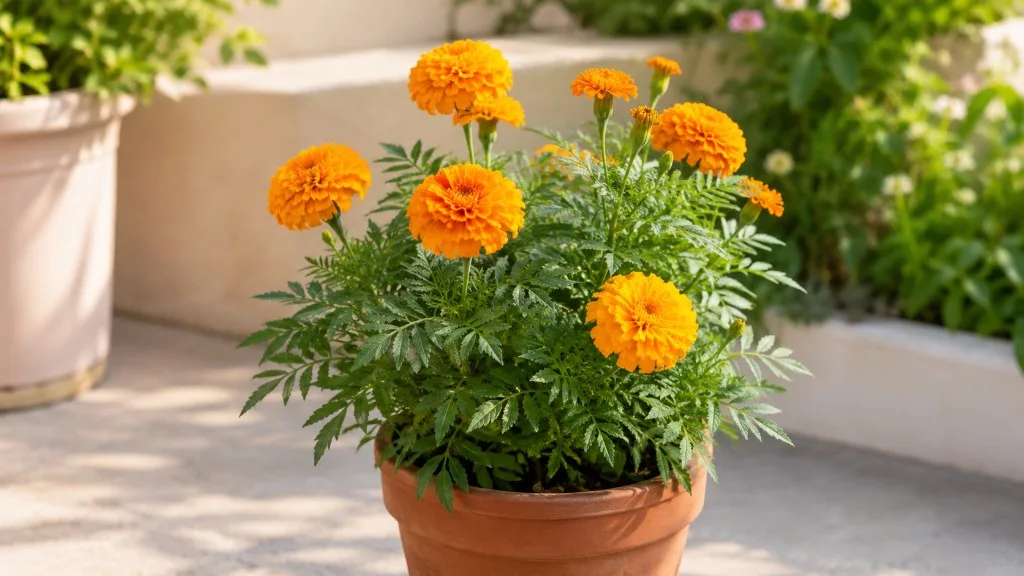
Marigold
Likely causeHowever, nutrient deficiencies can also stem from improper soil pH, which locks up existing nutrients , or poor soil structure affecting nutrient uptake. Marigolds are generally robust, but their vigorous flowering can deplete soil nutrient
Quick fixConfirm diagnosis on your Marigold, then address the most likely care or pest factor described in current extension guidance.
 Medium
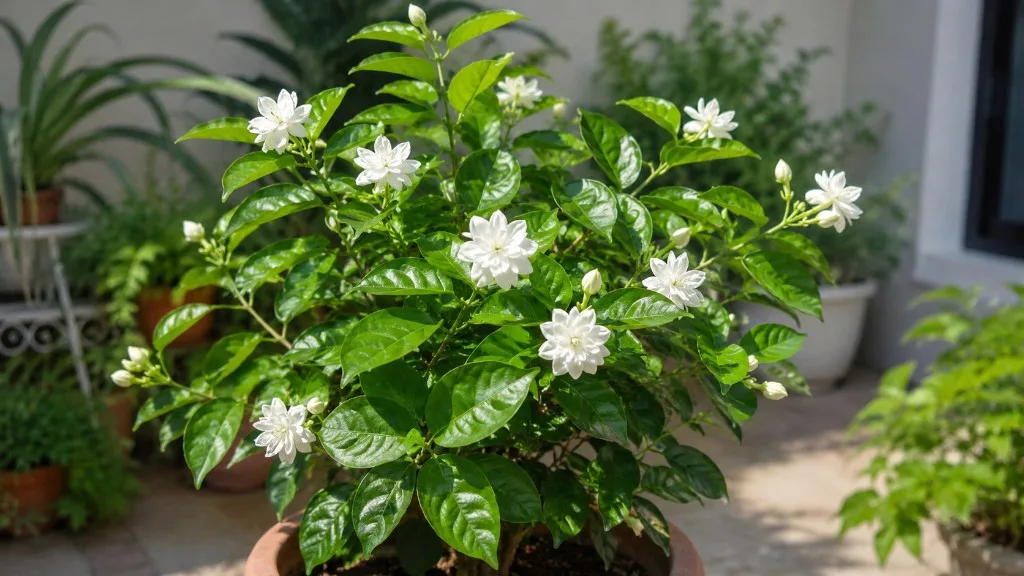
Mogra
Likely causeMar 19, 2025 · Nutrient Deficiency: Lack of essential nutrients , especially nitrogen, phosphorus, and magnesium, affects plant growth. Solutions to Boost Mogra Growth: Use a balanced fertilizer (NPK 10-10-10) once a month to provide essent
Quick fixConfirm diagnosis on your Mogra, then address the most likely care or pest factor described in current extension guidance.
 Medium
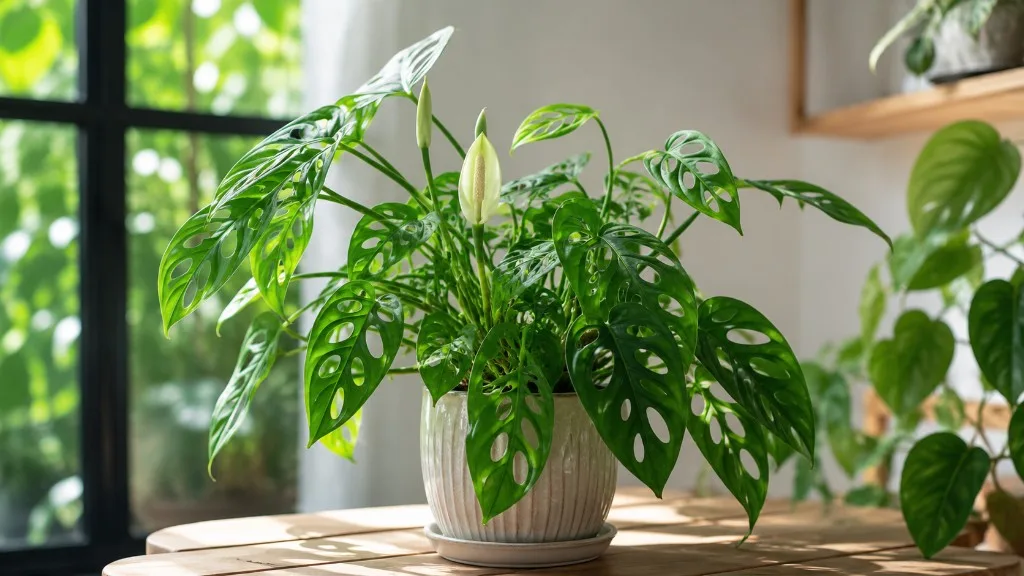
Monstera Adansonii
Likely causeAug 7, 2025 · The Monstera Adansonii, a popular houseplant, relies on specific nutrients for robust growth and vibrant appearance. Deficiencies can impact its health and aesthetic appeal. This article …
Quick fixConfirm diagnosis on your Monstera Adansonii, then address the most likely care or pest factor described in current extension guidance.
 Medium
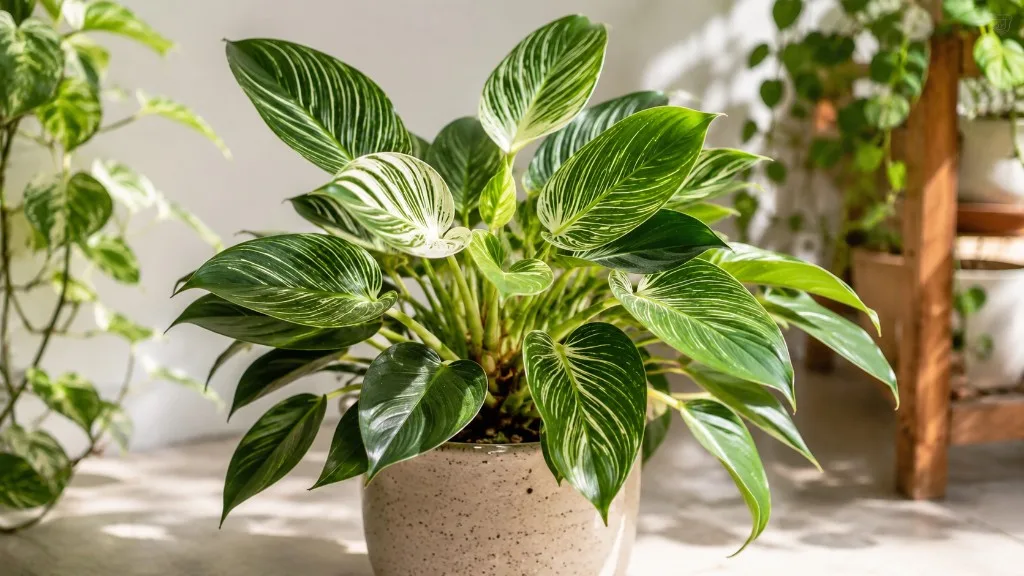
Philodendron Birkin
Likely causeAug 17, 2022 · Before we jump into specific fertilizers, it's crucial to understand the nutritional needs of a Philodendron Birkin . Like many houseplants, it thrives on a balance of macronutrients : nitrogen (N), phosphorus (P), and potass
Quick fixConfirm diagnosis on your Philodendron Birkin, then address the most likely care or pest factor described in current extension guidance.
 Medium
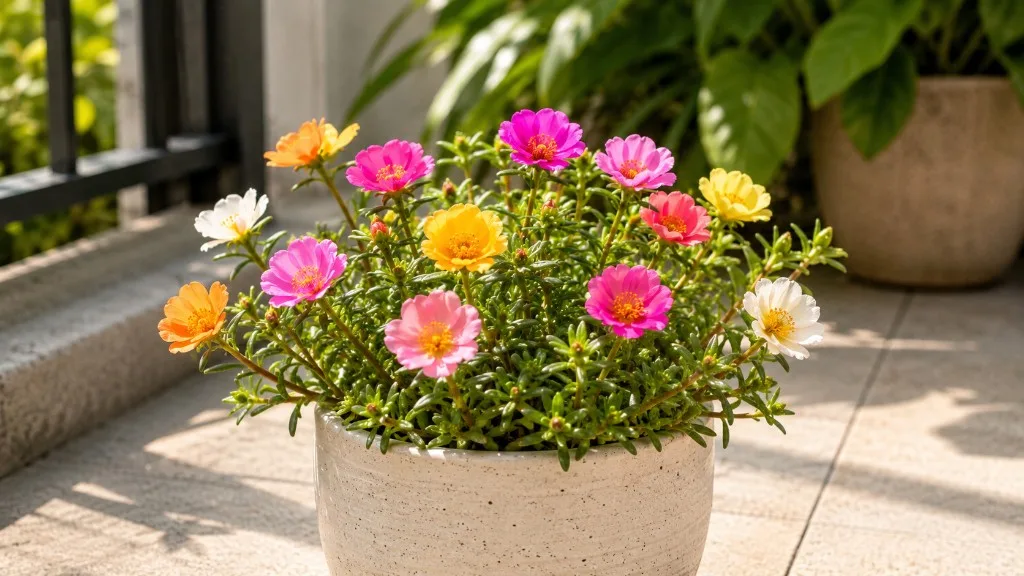
Portulaca
Likely causeAug 6, 2025 · Portulaca are not heavy feeders and can thrive in relatively poor soil, so nutrient deficiencies are less common. However, in extremely depleted soils, plants might show general yellowing or stunted growth, indicating a lack o
Quick fixConfirm diagnosis on your Portulaca, then address the most likely care or pest factor described in current extension guidance.