Nitrogen Deficiency in Houseplants: Signs and Fixes
Nutrient problems are often misdiagnosed as watering or light issues. Nitrogen Deficiency produces Older leaves turn pale yellow, growth becomes weak when plants cannot access or process nutrients correctly. Before adding more fertilizer, confirm whether you are dealing with deficiency, excess, or locked-out nutrients in old soil. Track weekly progress after you change care, and note watering, light, and repotting dates so you can tell whether the symptom is improving or returning. Compare upper versus lower leaves, new versus old growth, and soil moisture at root depth before you treat, because the same visible symptom can come from watering, light, pests, or normal aging on different plants.
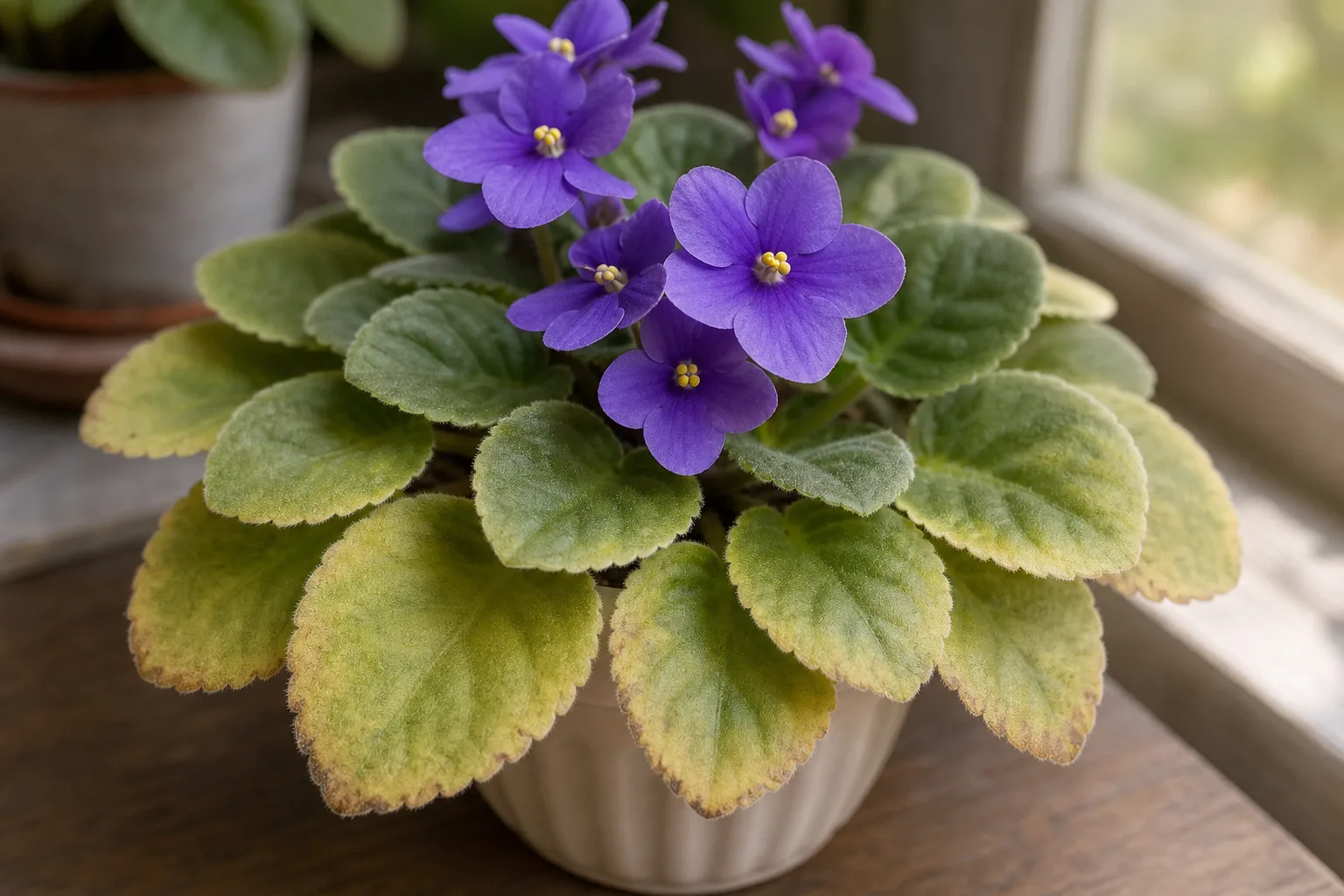
Nitrogen Deficiency on Houseplants
Still unsure?Match your symptoms to the most likely problems in under a minute.Run diagnosis →Understand and fix nitrogen deficiency
Nutrient problems are often misdiagnosed as watering or light issues. Nitrogen Deficiency produces Older leaves turn pale yellow, growth becomes weak when plants cannot access or process nutrients correctly. Before adding more fertilizer, confirm whether you are dealing with deficiency, excess, or locked-out nutrients in old soil. Track weekly progress after you change care, and note watering, light, and repotting dates so you can tell whether the symptom is improving or returning. Compare upper versus lower leaves, new versus old growth, and soil moisture at root depth before you treat, because the same visible symptom can come from watering, light, pests, or normal aging on different plants.
Overview
Nutrient problems are often misdiagnosed as watering or light issues. Nitrogen Deficiency produces Older leaves turn pale yellow, growth becomes weak when plants cannot access or process nutrients correctly. Before adding more fertilizer, confirm whether you are dealing with deficiency, excess, or locked-out nutrients in old soil. Track weekly progress after you change care, and note watering, light, and repotting dates so you can tell whether the symptom is improving or returning. Compare upper versus lower leaves, new versus old growth, and soil moisture at root depth before you treat, because the same visible symptom can come from watering, light, pests, or normal aging on different plants.
How to identify it
- Compare old leaves vs new leaves-deficiencies often start on older or newer growth specifically
- Review last fertilizer date and dose
- Check if soil has not been changed in 2+ years
- Look for brown crispy leaf edges after feeding (burn)
- Note whether only one plant in the same window is affected
When to worry
Rapid leaf burn after fertilizing, or widespread collapse with very pale new growth, needs flushing soil and stopping feed immediately.
Common causes
Under-fertilizing during active growth
Plants in bright light and fresh soil use nutrients quickly. Long periods without feed can cause Nitrogen Deficiency.
Over-fertilizing or wrong concentration
Salt buildup from too much fertilizer burns roots and leaf edges, mimicking drought stress.
Old, depleted potting mix
Nutrients wash out with repeated watering. Plants in the same soil for years run out of available minerals.
pH or soil chemistry imbalance
When soil pH is off, roots cannot absorb certain nutrients even if they are present-showing as Older leaves turn pale yellow, growth becomes weak.
Step-by-step fix
Identify which leaves show symptoms
Older-leaf yellowing suggests mobile nutrient issues; new-leaf damage points to immobile deficiencies or burn.
Flush soil if fertilizer burn is suspected
Water deeply several times to leach salts. Hold fertilizer for 4–6 weeks.
Feed at half strength during growing season
Use a balanced houseplant fertilizer monthly in spring and summer if deficiency is likely.
Repot if soil is exhausted
Fresh mix restores baseline nutrition for plants that have not been repotted in years.
Monitor new growth
Healthy new leaves confirm you corrected the issue. Persistent symptoms may need a more specific supplement.
Prevention tips
- Fertilize lightly during active growth, not in winter dormancy
- Flush soil annually if using synthetic fertilizer regularly
- Repot on schedule so soil does not become depleted
- Always dilute fertilizer more than package minimum indoors
Common mistakes
- Fertilizing a dry or stressed plant
- Using full-strength outdoor fertilizer doses indoors
- Adding random supplements without diagnosing which nutrient is lacking
Nitrogen shortage is most plausible when several older leaves lose color fairly evenly while the whole plant’s growth slows. It is less convincing when one bottom leaf ages normally, yellow areas remain sharply between green veins, new leaves are affected first, or roots are failing in wet media. Color alone cannot distinguish low supply from poor uptake.
This guide answers one practical question: does the evidence support a cautious return to complete nutrition, or would fertilizer add risk? It applies general extension guidance to container-grown houseplants. Species, season, light, potting mix, fertilizer formulation, and root health determine demand, so no calendar or dose here overrides species guidance or the product label.
Quick diagnosis
Run this screen before feeding:
- Count affected leaves by age. Several lower leaves paling together means more than one naturally retiring leaf.
- Look for lost vigor. Has leaf size, shoot extension, or the production of new growth also slowed during an active season?
- Compare feeding with light. A long feeding gap matters only if conditions supported growth and nutrient demand.
- Read every input. Record the guaranteed analysis, dilution, frequency, starter charge in fresh mix, and any slow-release pellets.
- Check roots and salts. Healthy roots plus a credible feeding gap supports nutrition; sour wet media, soft roots, crust, or a recent overdose does not.
Do not interpret “pale” as “needs high nitrogen.” Low light, normal senescence, root loss, chronic saturation, and excess salts can all reduce growth or yellow foliage. The University of Maryland describes mineral and fertilizer deposits as causes of tissue burn and impaired uptake in indoor plants.
What nitrogen deficiency looks like
The most compatible pattern is a broad, relatively even paling that begins on older leaves and is accompanied by weak or reduced growth. Look for repetition across more than one leaf and relate it to growth stage. A single torn, sunburned, chilled, or aging leaf is weak evidence.
Use this image to study the broad loss of green typical of a nitrogen shortage. Confirm the pattern across the plant rather than matching one leaf.
Useful observations include:
- whether older leaves lose green evenly, including the veins;
- whether the canopy is producing smaller leaves or shorter shoots;
- whether the newest foliage remains greener than the lowest foliage;
- whether growth slowed after a long period without feeding or after light levels increased;
- whether the fertilizer actually supplies nitrogen and at what concentration;
- whether leaf loss is gradual from the bottom or sudden throughout the plant;
- whether the root ball accepts water evenly and dries on its usual schedule.
Nitrogen is a component of amino acids, proteins, nucleic acids, and chlorophyll-related growth processes. It is mobile within plants, so a shortage commonly becomes visible on older foliage as nitrogen is reallocated to developing tissue. Penn State’s plant-nutrition overview emphasizes that nutrient symptoms must be interpreted with nutrient function, mobility, moisture, pH, and balance rather than treated as isolated color codes (plant nutrition principles).
Why the symptom pattern matters
Nitrogen is mobile in plants, so developing growth can draw on nitrogen held in older tissue. That makes a bottom-to-top progression diagnostically useful. The strongest household pattern combines older-leaf paling with an overall loss of vigor during conditions that should support active growth. Penn State’s plant-nutrition overview places nutrient mobility alongside moisture, pH, and balance rather than treating color as a standalone test.
Compare the type of yellowing. Magnesium shortage more often leaves a greener vein network on old leaves. Iron-related chlorosis is generally first obvious in younger tissue. Salt injury commonly brings dry tips or margins, deposits, wilting, or injured root tips. Natural senescence usually affects only one or a few oldest leaves while the plant otherwise continues normally.
Read old leaves and new leaves separately
Divide the canopy into thirds. In the lower third, record how many leaves are uniformly pale and whether veins fade with the surrounding tissue. In the middle third, look for the same change beginning at a lower intensity. In the growing tip, record leaf size and shoot extension. A bottom-to-top gradient paired with reduced overall vigor is more useful evidence for nitrogen shortage than the intensity of yellow on any one leaf.
Nitrogen can be moved from older tissue into developing leaves, so a plant with inadequate available nitrogen commonly preserves greener tips while sacrificing its oldest foliage. Do not apply that rule mechanically. A plant that has stopped growing in dim light may shed old leaves without having a nutrient shortage, and damaged roots can prevent uptake of several nutrients simultaneously.
Use the timeline, not one photograph
Reconstruct the nitrogen budget rather than merely writing “fertilized recently.” Copy the product’s nitrogen percentage, note the measured amount mixed per volume of water, and include controlled-release granules or compost already in the pot. Then place changes in light and growth beside that record. A fast-growing plant in bright spring light can exhaust a modest charge sooner than the same plant in winter; a dormant plant may need little supplemental nitrogen at all.
Take one weekly photograph that includes the entire canopy and a second that shows the newest expanded leaf. Keep exposure and background similar. Count newly yellow lower leaves and measure one active shoot from a fixed node. Nitrogen recovery is better judged by resumed growth and greener newly produced tissue than by trying to see subtle day-to-day recoloring in an old leaf.
Check roots before nutrients
Before restoring nitrogen, establish that the plant has working roots and a usable wet-dry cycle. A root system that is brown, soft, or chronically airless cannot convert a stronger feed into healthy foliage. For disturbance-sensitive plants, begin at the drainage holes and with pot weight; unpot only when odor, prolonged saturation, collapse, or other evidence makes the benefit worth the stress.
Look for conditions that lower nitrogen uptake without any shortage in the bag: decomposed mix that stays saturated, a dry peat core that repels irrigation, or a dense root mass that channels water around the perimeter. Each can produce pale growth and old-leaf loss. Correcting how water reaches living root tips is more important than increasing the nitrogen concentration.
When inspection finds decayed roots, set the nutrient diagnosis aside. Trim only tissue that is clearly dead, retain firm roots, and rebuild the plant in a species-appropriate mix and modest container. Resume feeding only after the root zone is stable and active growth shows that the plant can use it; a newly reduced root system is especially easy to overfeed.
Test pH and soluble salts responsibly
An extreme root-zone pH can reduce nutrient uptake, yet pH should not become a shortcut diagnosis for every pale plant. Interpret a measured value against the plant, substrate, fertilizer type, and extraction method. Water alkalinity and the balance of ammonium and nitrate nitrogen can shift container pH over time, so a one-time reading from an uncalibrated probe is not enough to justify acid or lime.
Use EC here mainly as a guardrail against adding nitrogen to an already concentrated root zone. EC measures total dissolved ions, not nitrogen alone; Rutgers therefore recommends interpreting it with crop sensitivity and a consistent sampling method (soluble-salt monitoring). A high result weakens the case for immediate feeding even when the foliage looks nitrogen-starved.
A household grower can often resolve a simple feeding lapse from the label, root condition, and response of new growth. Testing becomes proportionate when the same pale-growth pattern affects many plants, when stock plants or rare specimens are involved, or when a correctly applied complete fertilizer does not improve growth. Submit the water and growing medium before making another large nutrient change.
Rule out the closest lookalikes
Compare nitrogen deficiency with:
- Normal lower-leaf turnover: a small number of shaded old leaves fade while the plant continues to size up.
- Insufficient light: the whole plant grows slowly, spacing may stretch, and water use falls; adding nitrogen cannot replace missing light.
- Magnesium shortage: older leaves commonly retain greener veins instead of fading uniformly.
- Root dysfunction: pale foliage appears with an abnormal drying cycle, odor, blackened roots, or loss of firmness.
- Excess soluble salts: tips and margins scorch, the plant may wilt despite moisture, and the feeding history shows concentrated or overlapping inputs.
- Sap-feeding pests: close inspection reveals stippling, silvered scars, insects, webbing, honeydew, or cast skins rather than a clean age gradient.
Use magnification on the palest leaves before declaring a nutrient problem. Thrips scars, mite stippling, and scale feeding can look like a vague loss of green from across the room. Quarantine when you find pest evidence, but avoid a speculative spray that could add spotting and make the nitrogen pattern harder to read.
Evidence-to-action comparison
| Evidence | Leading explanation | Lowest-risk next action |
|---|---|---|
| Uniform older-leaf paling; reduced active growth; healthy roots; genuine feeding gap | Possible nitrogen shortage | Resume a complete fertilizer at its labeled rate |
| Recent heavy feed; crust; burned root tips | Excess soluble salts | Stop feeding; assess leaching or repotting |
| Adequate feeding but persistent paling; measured root-zone problem | Uptake or availability problem | Correct roots or chemistry before feeding more |
| Wet, sour medium; soft roots | Root dysfunction | Restore drainage and root health before nutrients |
| Interveinal yellowing with greener veins | Magnesium or another chlorosis pattern | Compare leaf age and verify nutrition |
| One old leaf fading; normal leaf size and growth | Normal senescence or old injury | Observe |
Use the table to decide whether nitrogen is absent, unavailable, or simply unnecessary at the plant’s present growth rate. It is particularly important to separate a true feeding gap from excess salts: Washington State University describes wilting and slowed growth as possible early fertilizer-burn signs because concentrated salts restrict water availability (fertilizer-burn guidance).
Choose the lowest-risk correction
If roots are healthy, light supports active growth, and the plant has a credible feeding gap, apply a complete houseplant fertilizer at the labeled rate. Increase gradually only within label directions and only if subsequent growth remains pale.
Separate correction from compensation. Do not double a dose because several applications were missed, feed a dry root ball at high concentration, or try to force growth in inadequate light. If roots are unhealthy, repair drainage and moisture first. If salts are supported, stop feeding and assess safe leaching or repotting. If roots are functional and active growth plus a real feeding gap support nitrogen shortage, resume the complete program conservatively.
Select a complete houseplant fertilizer whose first analysis number supplies nitrogen, then follow that product’s own container directions. Percentage strength cannot be inferred from phrases such as “half strength” across brands. NC State notes that controlled-release products can moderate the initial salt concentration but can still injure roots when overapplied (container nutrient management); count pellets already in the mix before adding liquid feed.
A step-by-step recovery plan
- Mark the baseline. Photograph old, middle, and new foliage and note current growth rate.
- Confirm active demand. Check whether light, temperature, and season support growth.
- Inspect roots and drainage. Stop the nutrient diagnosis if the root system is failing.
- Reconcile every nutrient source. Include fresh-mix charge, pellets, liquids, and supplements.
- Select one response. Observe normal senescence, repair roots, manage salts, or resume a complete labeled feed.
- Keep the environment stable. Avoid simultaneous relocation, pruning, and amendments unless independently necessary.
- Review post-treatment growth. Use leaves produced afterward as the main evidence.
Leaching belongs in the nitrogen plan only when the evidence points to accumulated salts, not as a ritual before every feed. If chosen, wet the whole root ball, let low-salt water drain freely, and discard the effluent. Maryland recommends top flushing and fresh medium for severe deposits (salt-deposit management). Afterward, wait until normal moisture use returns before deciding whether nitrogen is still missing.
If the diagnosis leads to repotting, document the roots and check the new mix bag for a nutrient charge. Fresh mix may already supply nitrogen for an initial period. Placing a reduced root system into an oversized container and immediately feeding it can turn a suspected deficiency into prolonged saturation or salt stress.
How to monitor recovery
Old yellow leaves may remain yellow or be shed after the nitrogen supply is corrected. Score the response with evidence that reflects nitrogen’s role in growth:
- lower-leaf yellowing stops moving upward;
- new leaves approach the normal size for that plant;
- active shoots resume extension under adequate light;
- newly expanded foliage is more evenly green;
- roots remain firm and the pot regains its normal drying rhythm;
- no marginal scorch or surface crust appears under the revised feed.
Do not promise a calendar-day turnaround. A fast-growing pothos in summer may provide useful new leaves quickly, while a slow-growing plant in winter may offer little evidence for weeks. Review after one or two leaves have expanded under the corrected program. Continued paling despite sound roots, adequate light, and verified nitrogen supply means the working diagnosis needs revision.
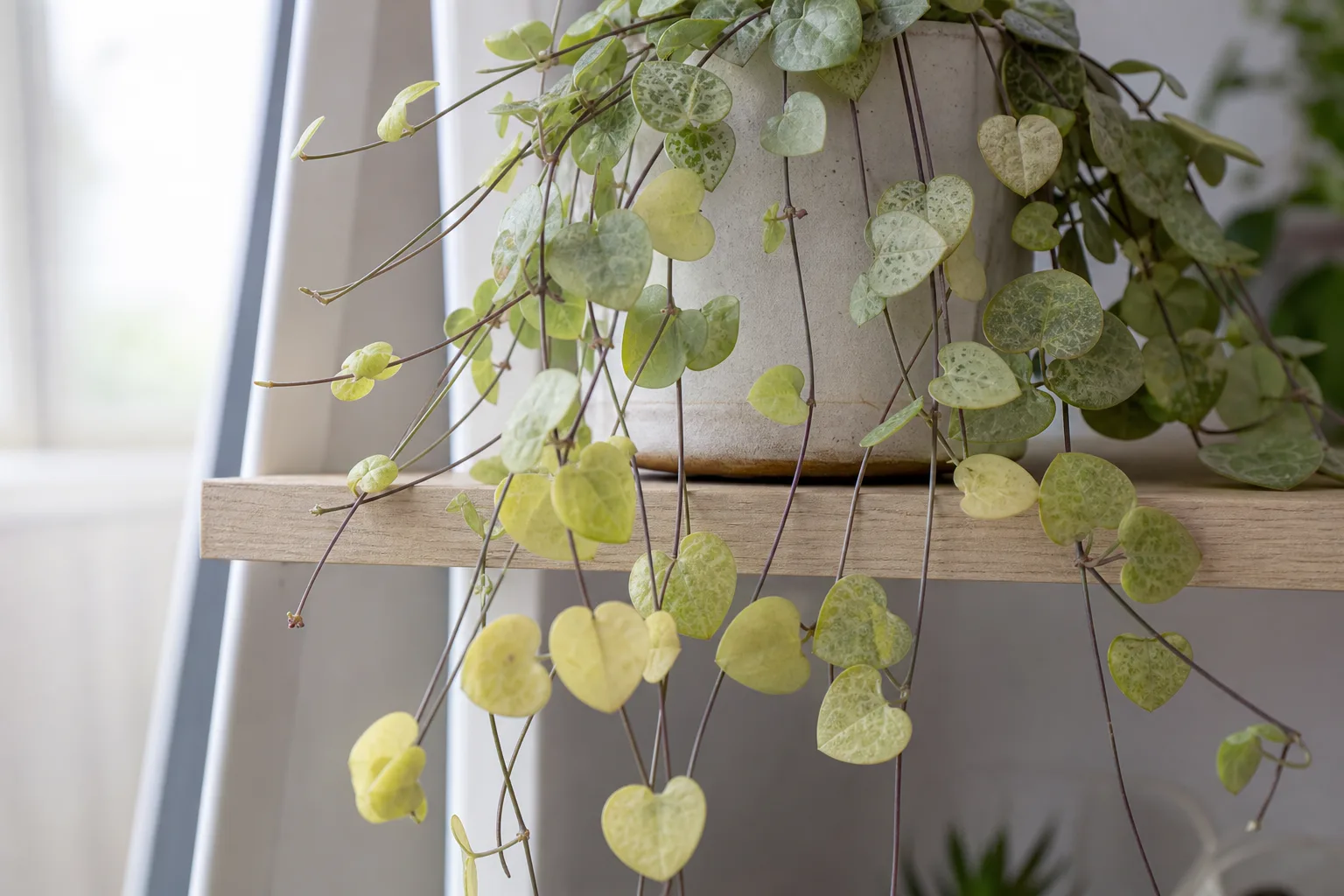
Compare the distribution of paling and the size of current growth; species and cultivar color can make nitrogen symptoms appear more or less dramatic.
Common mistakes that prolong damage
Do not chase fast greening with concentrated nitrogen. Excess nitrogen can produce weak, overly soft growth, worsen salt load, and shift growth away from flowers in flowering plants.
Common nitrogen-specific mistakes include choosing a high-nitrogen product before checking the complete analysis, doubling a dose to “catch up,” feeding a dormant plant simply because its oldest leaf yellowed, and reading naturally pale or variegated foliage as a deficiency. Another is judging success by one leaf darkening after a move to better light while ignoring that several variables changed together.
An organic-derived nitrogen source still has a release pattern and a dose; it is not automatically appropriate for every indoor pot. Mineralization may be slow in cool indoor media, while excessive material can disrupt the root zone. Use a container-labeled product and rate rather than adapting a garden-bed recommendation by guesswork.
Prevention for container-grown plants
Prevent recurring nitrogen shortage by matching supply to actual leaf and shoot production. Increase attention when brighter seasonal light accelerates growth, and reduce feeding when growth slows. Record the product’s nitrogen percentage and final dilution, not just the date, so a later review can distinguish insufficient frequency from an incorrectly mixed dose.
Deliver the planned nitrogen dose through an evenly moist, freely draining root ball, unless the product label directs otherwise. Channelled irrigation can feed the outside of a pot while leaving the core dry. Because every fertilizer also adds salts, retain clear drainage and periodically review water quality and deposits; Colorado State describes drainage as an important part of container salt management (container salt management).
Renew the substrate when its physical structure, not the calendar, shows that irrigation and aeration have become unreliable. At repotting, note whether the fresh product includes fertilizer and how long that charge is intended to last. That date provides a more useful starting point for the next nitrogen schedule than an annual reminder.
When testing or expert help is worthwhile
Ask a laboratory or extension diagnostician for help when uniform old-leaf paling affects several plants despite verified complete feeding, or when a valuable specimen keeps losing vigor. Provide whole-canopy photos, nitrogen percentages and dilutions, light history, mix age, water source, and root observations. Those details let the reviewer test a nitrogen hypothesis against light limitation and root dysfunction.
If nitrogen appears present but unavailable, test before manipulating pH repeatedly. Water alkalinity describes acid-neutralizing capacity rather than the pH number alone; UMass explains why it influences how irrigation water shifts growing-medium pH over time (water-test interpretation). Pair that information with the fertilizer’s nitrogen forms and a proper substrate test.
Practical safety and record keeping
Handle nitrogen fertilizers as the label requires: protect eyes and skin when directed, avoid breathing dust, and reserve measuring equipment for garden use. Keep the original container so the analysis and first-aid directions remain available. Secure concentrates from children and pets, and dispose of surplus solution according to the label and local rules rather than releasing a concentrated mix outdoors.
Record uncertainty honestly. “Pattern is compatible with nitrogen deficiency” is more accurate than “confirmed” without analytical evidence. Note what was ruled out, what changed, and what the next observable checkpoint will be. This protects the plant from repeated treatment and makes consultation more productive.
With several comparable plants, trial the corrected nitrogen program on a small group while maintaining the others safely at their established care. Compare leaf production and lower-leaf loss under the same light. This will not establish a research-grade dose response, but it can show whether the proposed feeding gap explains the collection-wide pattern.
Build a nitrogen case sheet with the plant name, number of yellow lower leaves, current shoot growth, pot and substrate age, and approximate light change across the season. Transcribe the complete guaranteed analysis from every input and calculate the actual concentrate-to-water ratio used. The combination often exposes a simple lapse, an uncounted slow-release charge, or a plant whose growth demand changed after moving to brighter light.
Delay judgment until the plant has produced tissue under the revised nitrogen supply. The leaf opening tomorrow was largely built before today’s feeding, and an old yellow leaf may still be abandoned. At the review point, compare new leaf size, shoot extension, the upward movement of paling, and root-zone behavior. If growth remains weak with adequate light and a verified complete feed, stop escalating nitrogen and investigate roots, pH, or a different disorder.
Conclusion
Nitrogen deficiency is most credible when uniform older-leaf paling, reduced active growth, healthy roots, and a genuine complete-fertilizer gap occur together. If that evidence is present, resume balanced nutrition conservatively. If roots are wet and failing or salts are accumulating, fertilizer is the wrong first treatment. Leaves made after the correction reveal whether nutrition and growing conditions are aligned more reliably than an old yellow leaf ever can.
Plants commonly affected
These houseplants often struggle with nitrogen deficiency. Open a care guide or plant-specific troubleshooting page for tailored fixes.
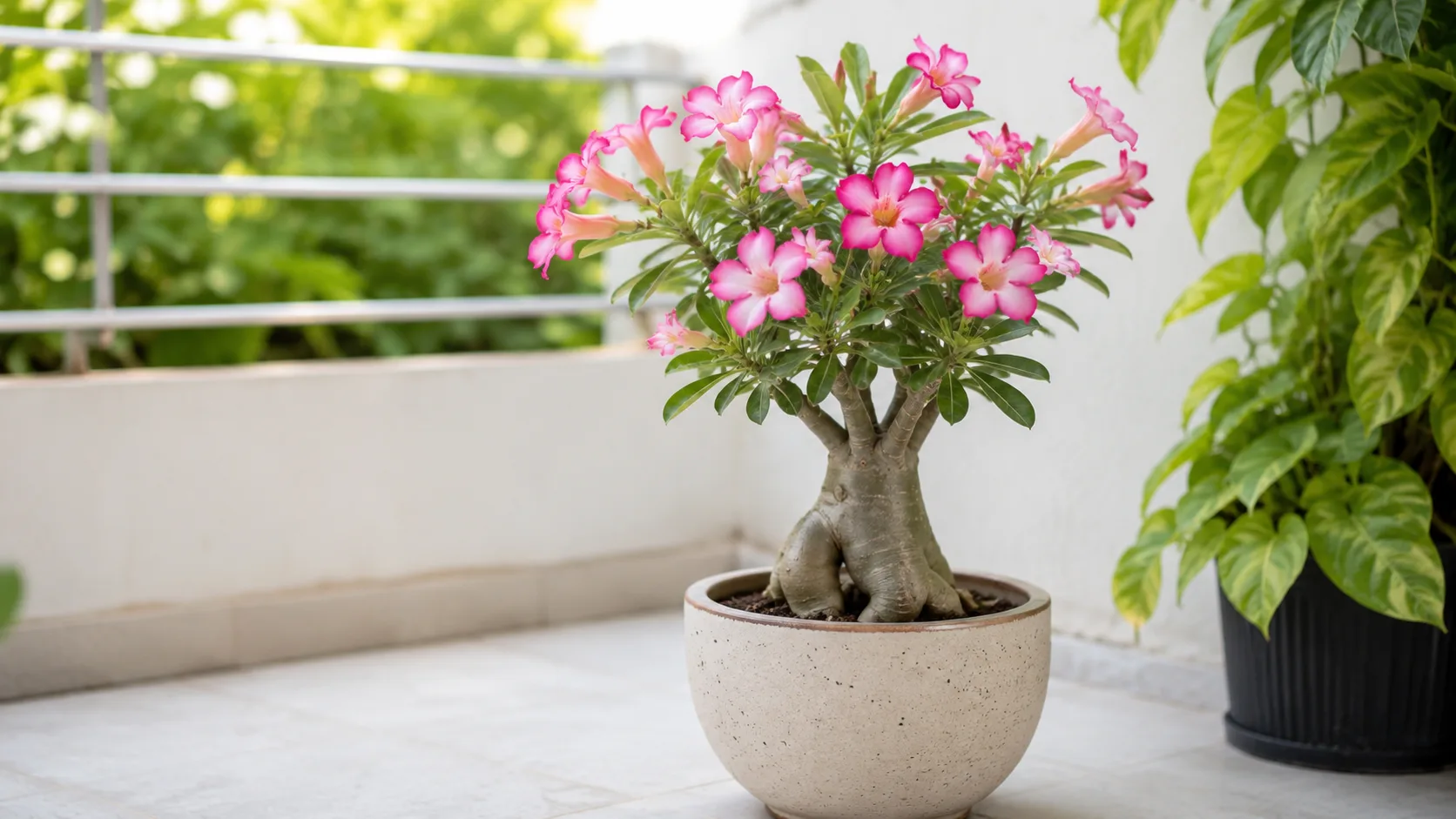 Medium
Adenium
Likely causeCommon nitrogen deficiency pattern on Adenium under indoor care stress.
Quick fixInspect roots, watering, light, and pests; adjust one variable and monitor new growth.
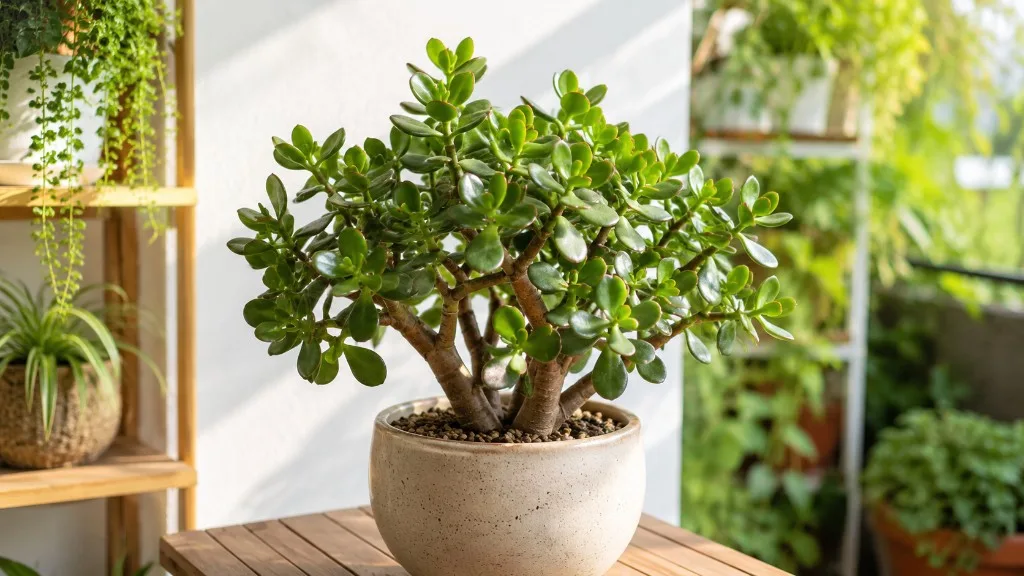 Medium
African Milk Tree
Likely causeCommon nitrogen deficiency pattern on African Milk Tree under indoor care stress.
Quick fixInspect roots, watering, light, and pests; adjust one variable and monitor new growth.
 Medium
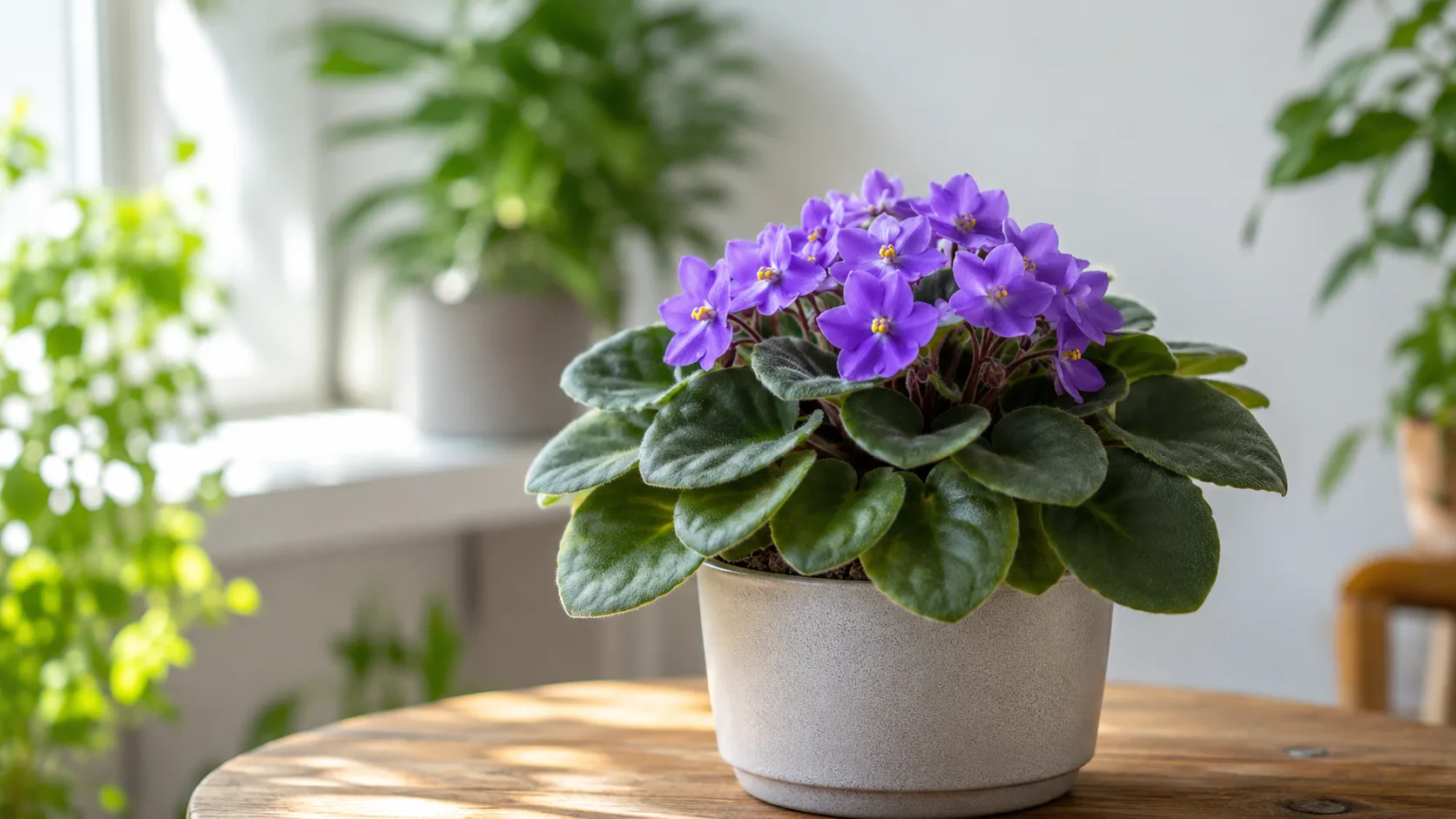
African Violet
Likely causeNitrogen Deficiency on African Violet: Even in the worst cultural conditions, African violets are efficient at storing and transferring scarce nutrients to maintain life in the center of the crown. As a result, the symptoms of deficiency d
Quick fixInspect African Violet, confirm nitrogen deficiency matches your symptoms, then adjust care or treat per authoritative guides.
 Medium
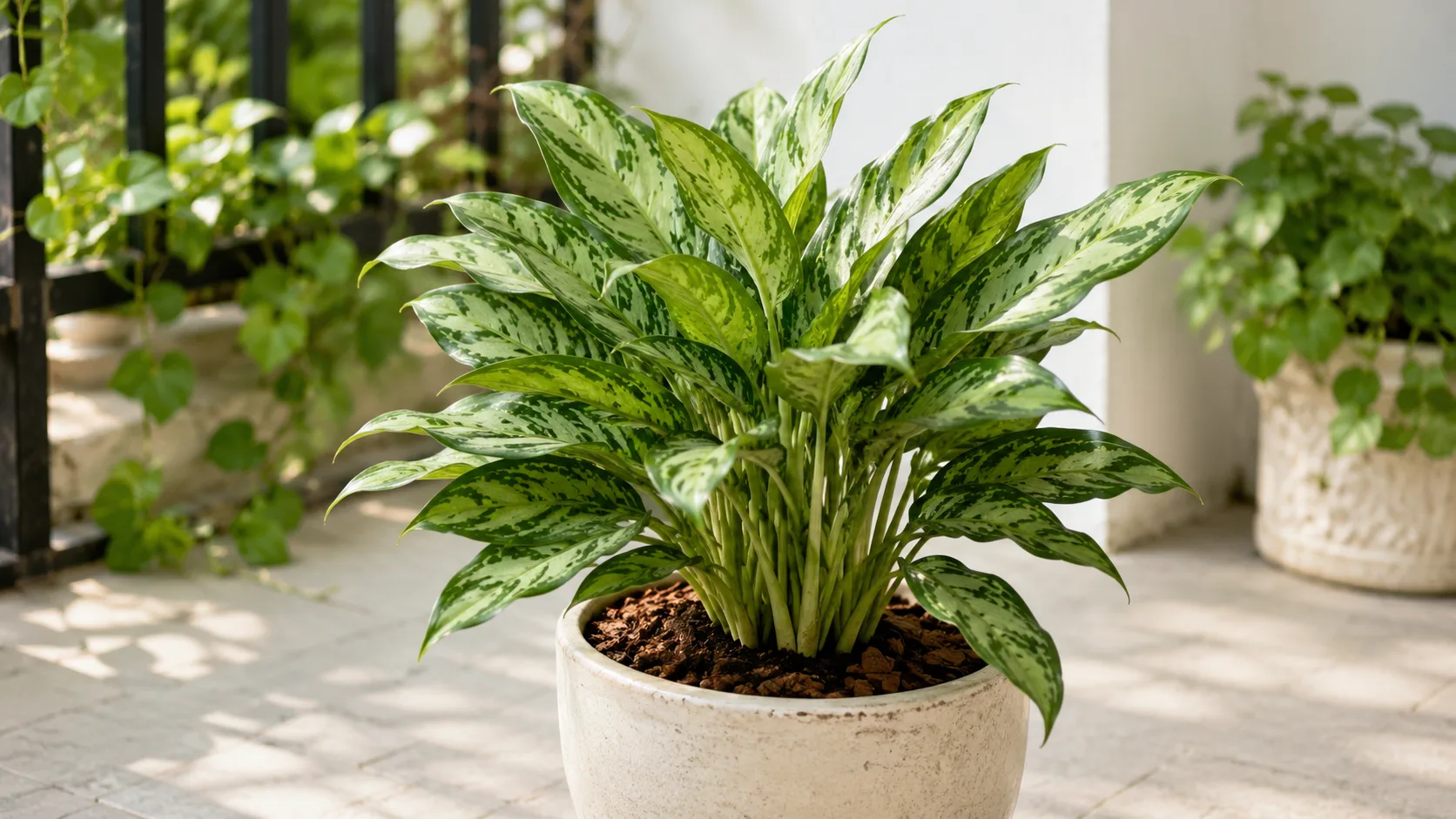
Aglaonema
Likely causeCommon nitrogen deficiency pattern on Aglaonema under indoor care stress.
Quick fixInspect roots, watering, light, and pests; adjust one variable and monitor new growth.
 Medium
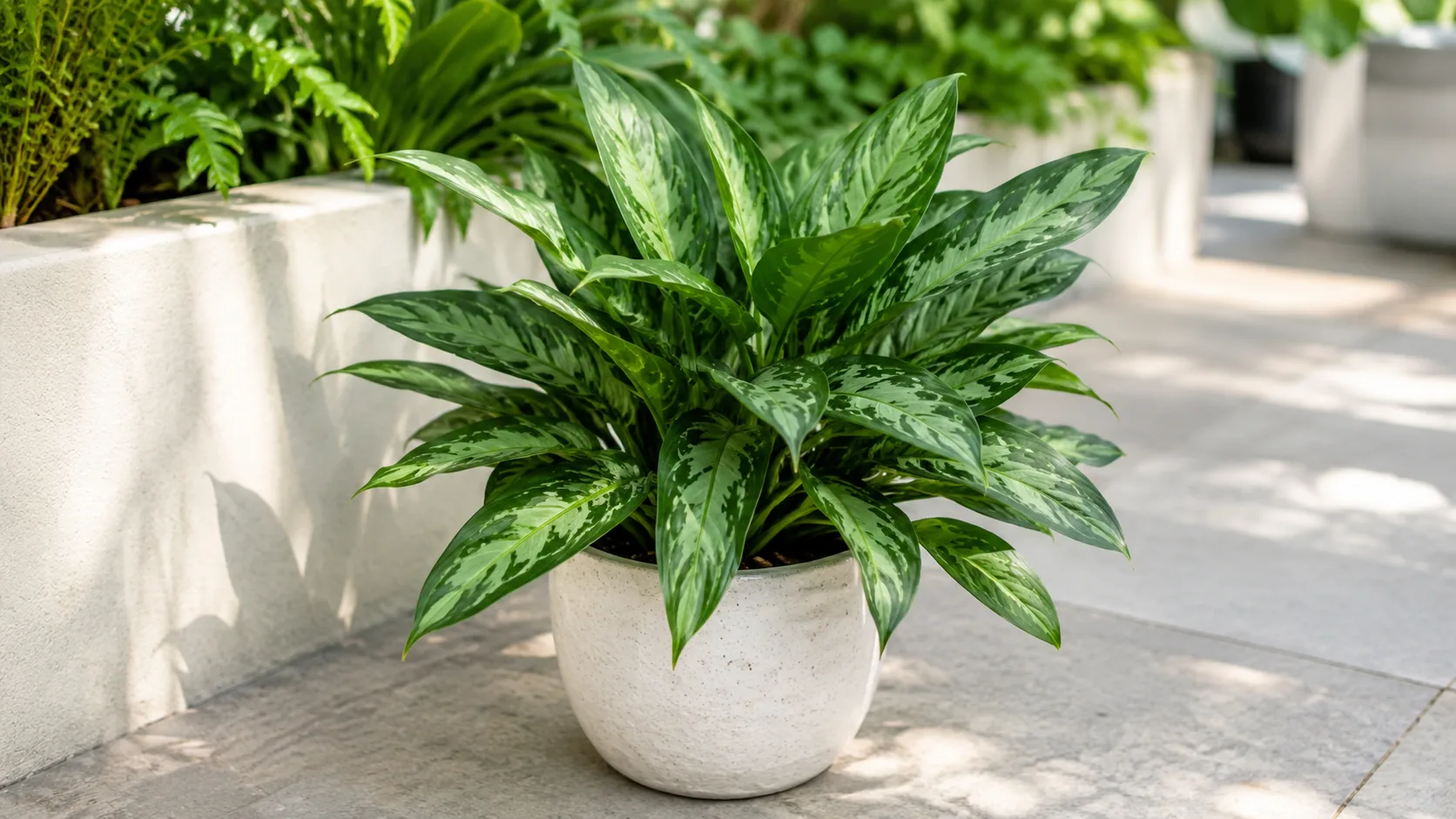
Aglaonema Cutlass
Likely causeCommon nitrogen deficiency pattern on Aglaonema Cutlass under indoor care stress.
Quick fixInspect roots, watering, light, and pests; adjust one variable and monitor new growth.
- Medium
Aglaonema Lady Valentine
Likely causeCommon nitrogen deficiency pattern on Aglaonema Lady Valentine under indoor care stress.
Quick fixInspect roots, watering, light, and pests; adjust one variable and monitor new growth.
- Medium
Aglaonema Maria
Likely causeCommon nitrogen deficiency pattern on Aglaonema Maria under indoor care stress.
Quick fixInspect roots, watering, light, and pests; adjust one variable and monitor new growth.
- Medium
Aglaonema Pictum Tricolor
Likely causeCommon nitrogen deficiency pattern on Aglaonema Pictum Tricolor under indoor care stress.
Quick fixInspect roots, watering, light, and pests; adjust one variable and monitor new growth.
 Medium
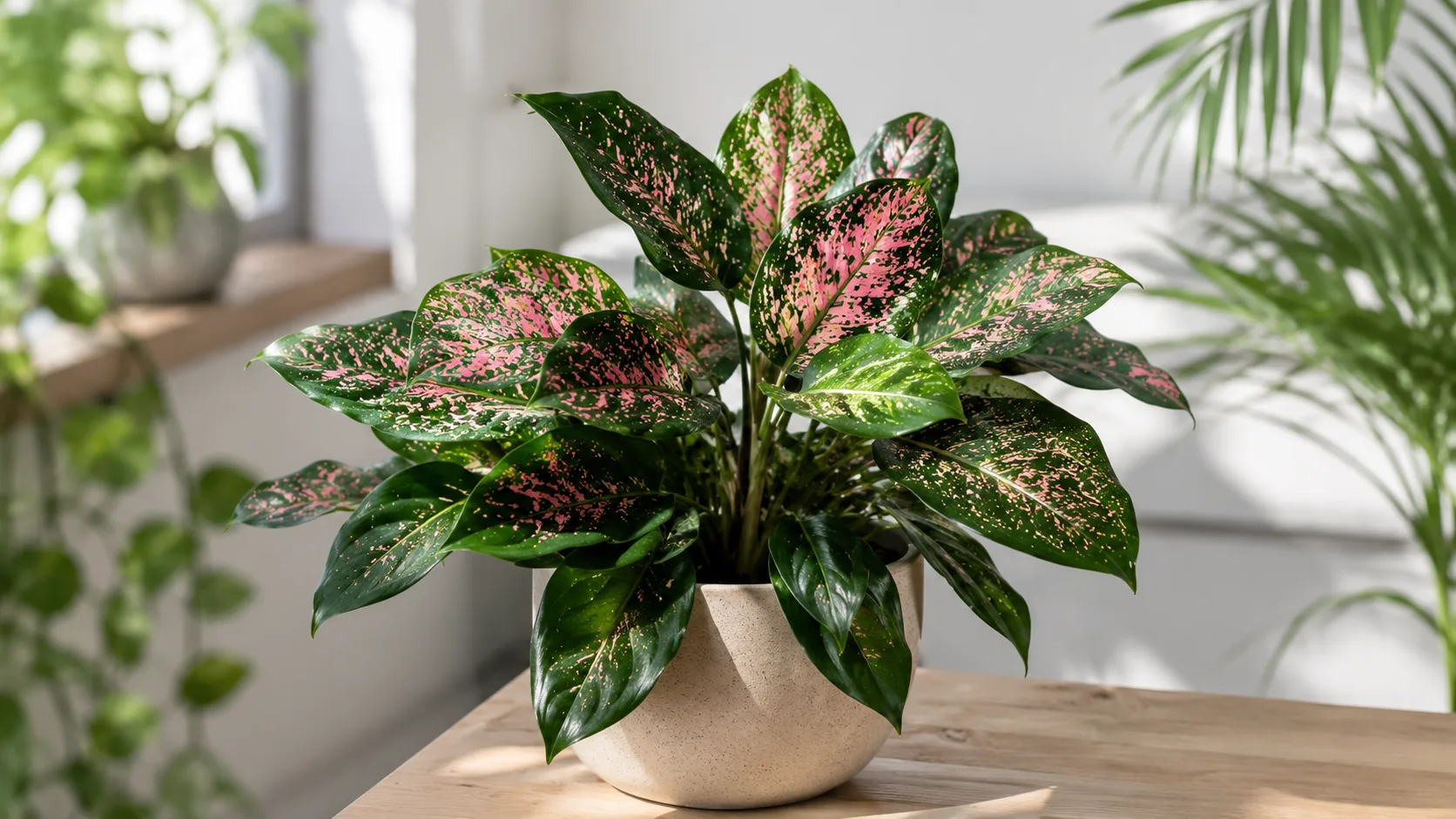
Aglaonema Pink Dalmatian
Likely causeCommon nitrogen deficiency pattern on Aglaonema Pink Dalmatian under indoor care stress.
Quick fixInspect roots, watering, light, and pests; adjust one variable and monitor new growth.
- Medium
Aglaonema Red Siam
Likely causeCommon nitrogen deficiency pattern on Aglaonema Red Siam under indoor care stress.
Quick fixInspect roots, watering, light, and pests; adjust one variable and monitor new growth.
 Medium
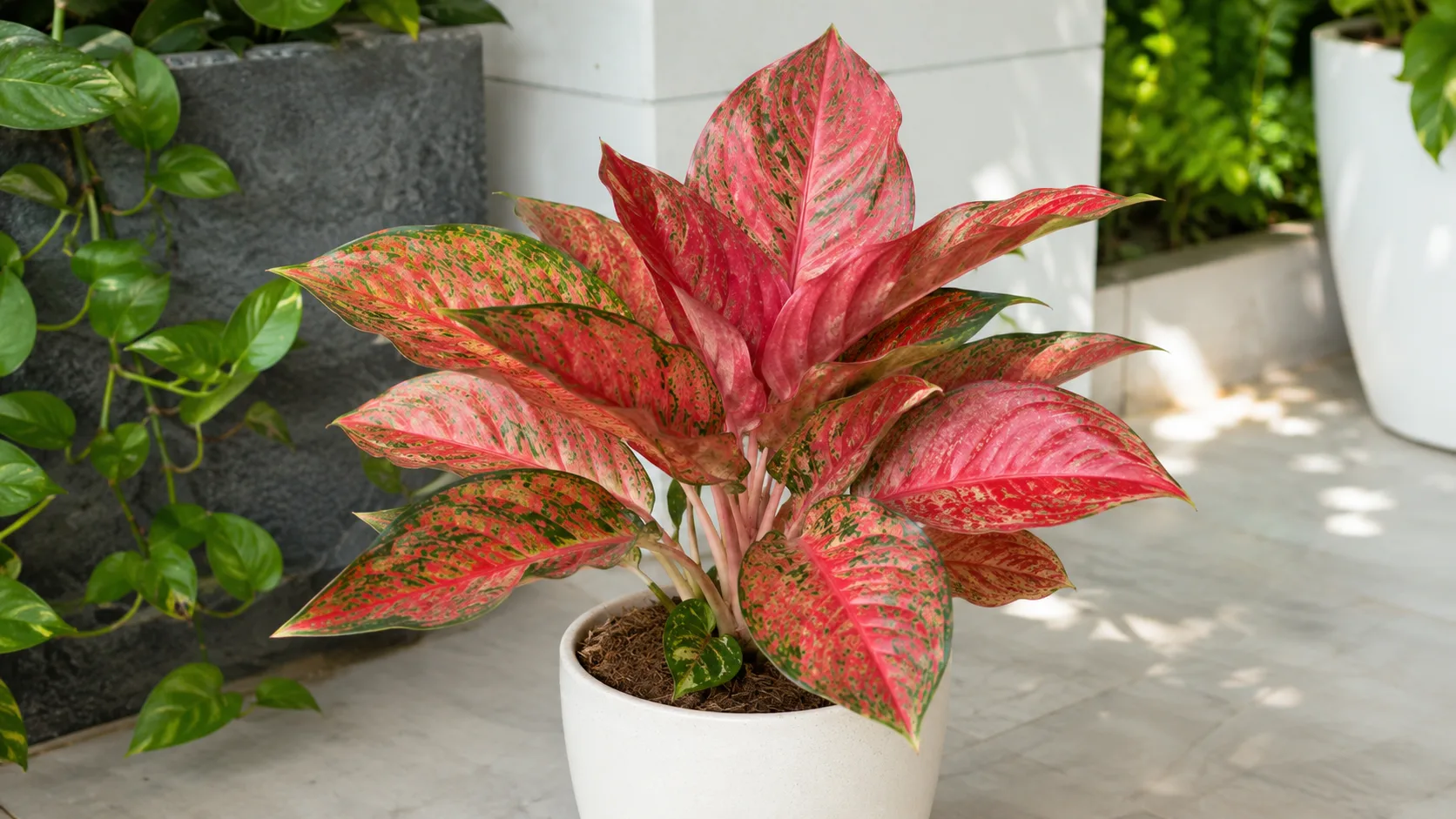
Aglaonema Red Valentine
Likely causeCommon nitrogen deficiency pattern on Aglaonema Red Valentine under indoor care stress.
Quick fixInspect roots, watering, light, and pests; adjust one variable and monitor new growth.
 Medium
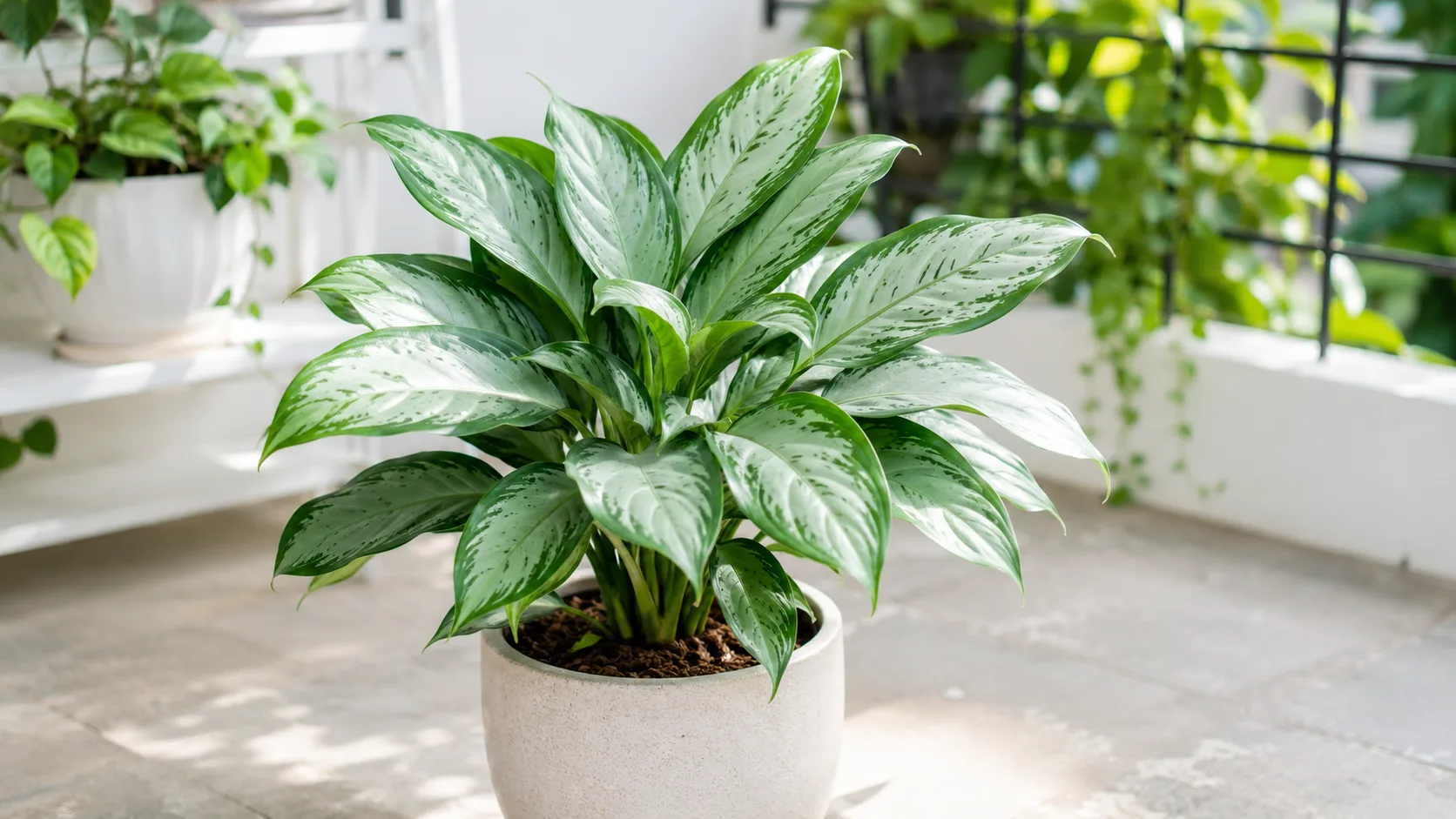
Aglaonema Silver Bay
Likely causeCommon nitrogen deficiency pattern on Aglaonema Silver Bay under indoor care stress.
Quick fixInspect roots, watering, light, and pests; adjust one variable and monitor new growth.