Nitrogen for Plants: How to Feed Your Garden Safely
Learn what nitrogen does for plants, spot deficiency, read N-P-K, choose amendments, calculate a dose, and avoid lush-but-fruitless growth.
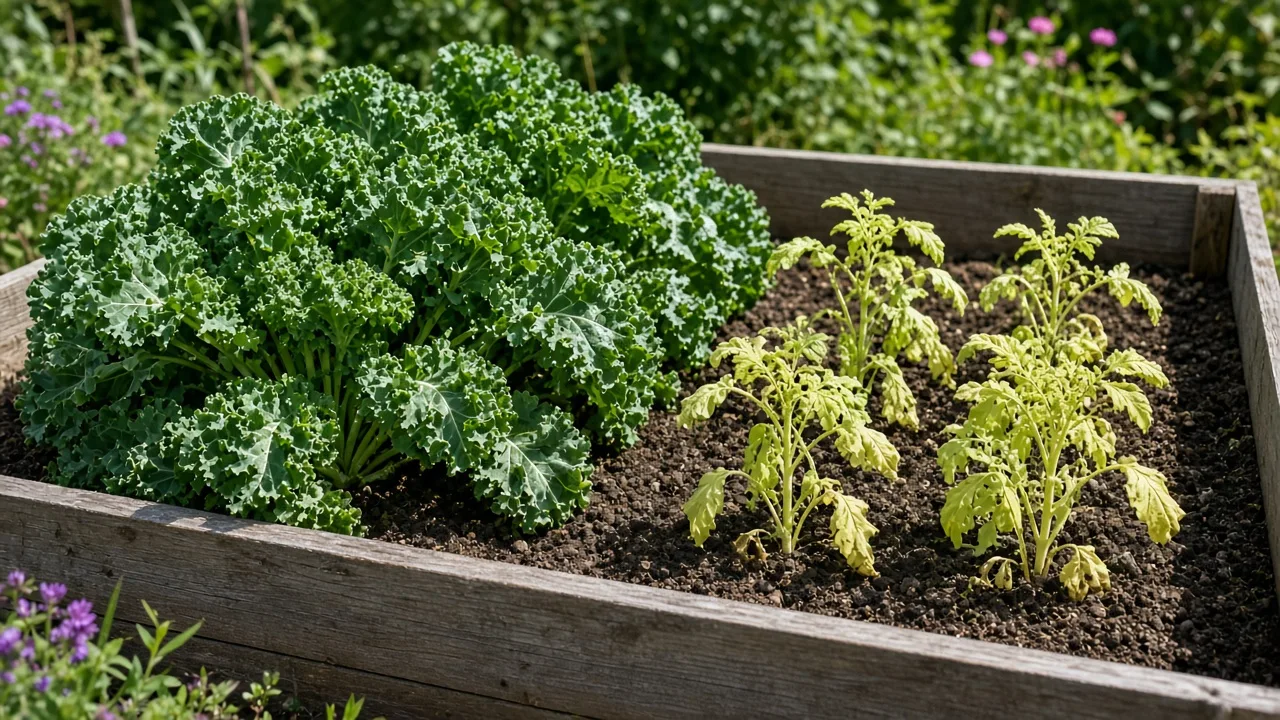
If a garden is producing small leaves, slow growth, or a washed-out green color, nitrogen may be part of the problem. But a bag of high-nitrogen fertilizer is not a universal cure. Nitrogen only helps when it is missing, available to roots, and applied at a rate the plant can use.
The most reliable approach is simple: diagnose before feeding, use the soil report and product label to calculate a dose, and split applications around active growth. That sequence gives you the lush foliage nitrogen is known for without creating weak, overgrown plants, poor fruiting, fertilizer burn, or nutrient runoff.
What Nitrogen Actually Does
Nitrogen is a primary plant macronutrient, meaning plants need it in relatively large quantities. It is part of chlorophyll, which captures light for photosynthesis, and it is also a building block of amino acids, proteins, and genetic material. Oklahoma State University Extension describes nitrogen as a main component of chlorophyll, amino acids, and proteins; that explains why a shortage shows up first as weak, pale growth rather than one isolated cosmetic flaw.
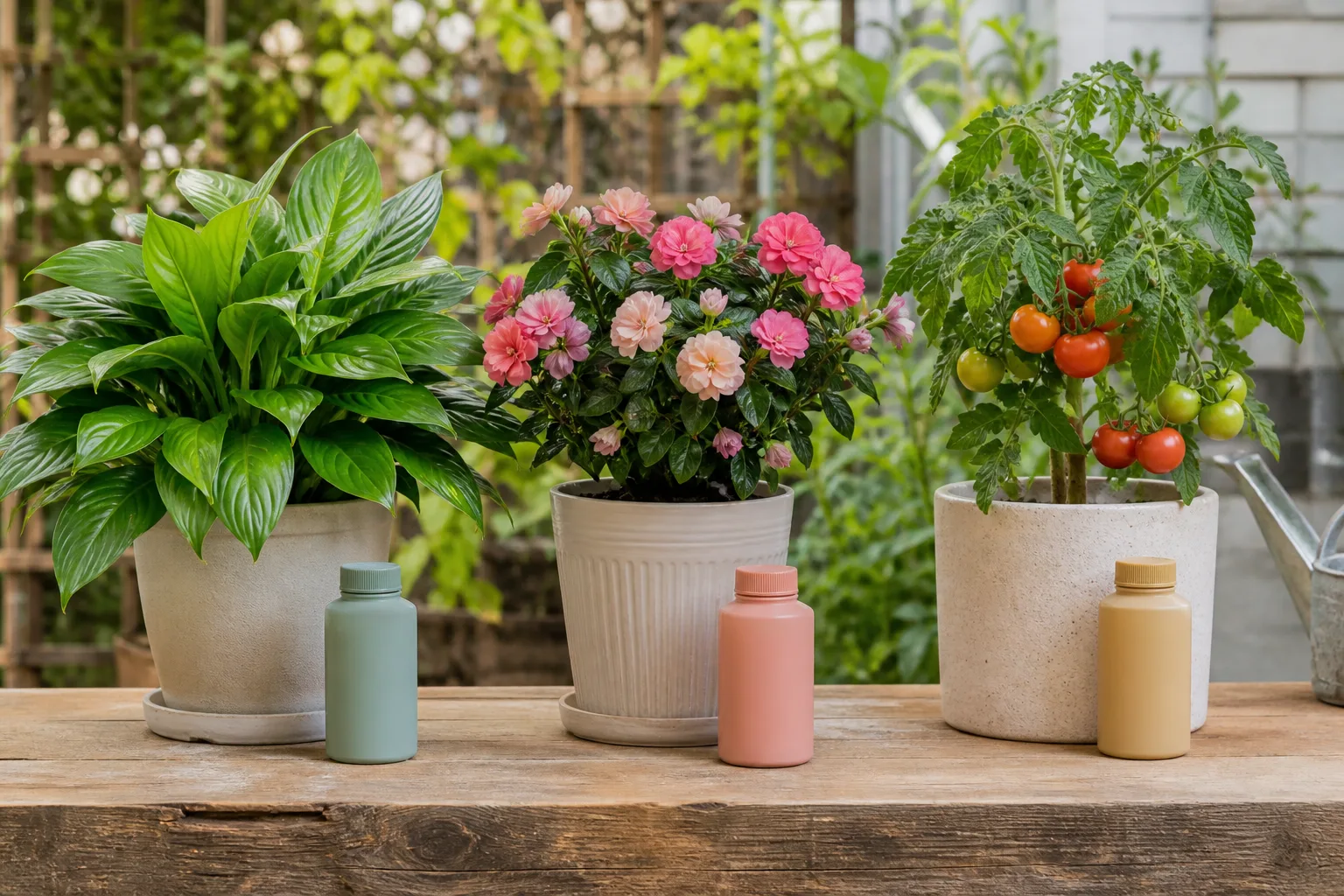
Think of nitrogen as a growth-and-leaf-production nutrient, not as a general “plant energy” product. A healthy supply supports new stems, foliage, and the enzymes that keep growth moving. It does not replace light, water, oxygen around the roots, pollination, suitable temperature, or the other nutrients needed for flowers, fruit, and roots.
Plants mainly take up nitrogen as dissolved nitrate or ammonium. Nitrogen in a compost pile, dried plant material, or a meal amendment must usually be processed by soil organisms before roots can use it. The Royal Horticultural Society’s explanation of nutrient uptake notes that nutrients must be soluble and that microorganisms help release usable forms from complex organic material.
How to Tell If Nitrogen Is the Limiting Nutrient
Nitrogen is mobile inside a plant. When supply is short, a plant can move some nitrogen out of older leaves to protect newer growth. The classic pattern is uniform paling or yellowing that begins on mature, lower leaves, followed by slow growth and a smaller plant. Penn State Plant Science lists pale green to yellowish foliage, stunted growth, early aging of older leaves, and yellow-brown drying as characteristic symptoms.
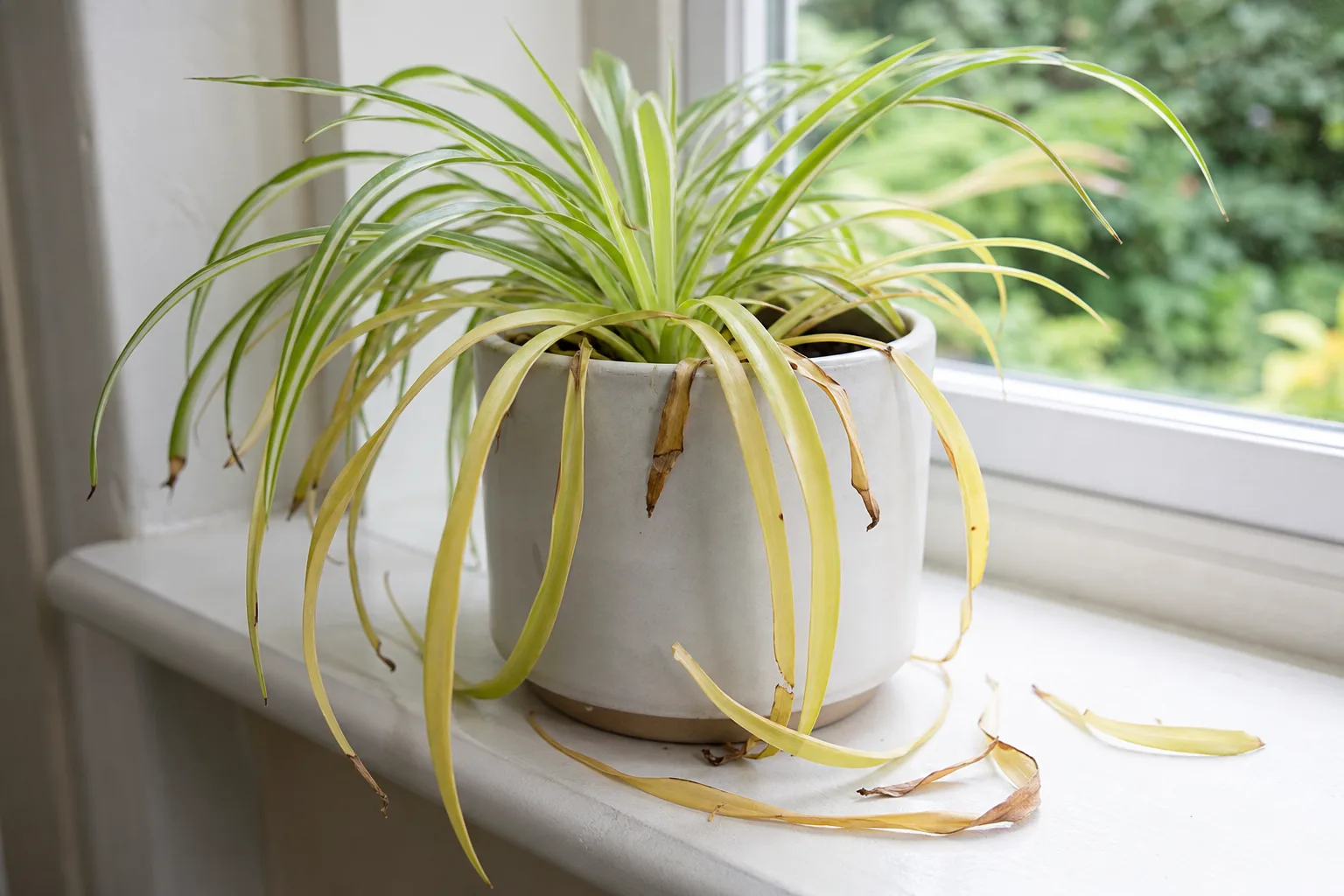
Look for a pattern rather than a single leaf. Likely nitrogen shortage becomes more plausible when several plants of the same crop are uniformly pale, new leaves are smaller than expected, growth is slow despite adequate light, and the oldest foliage declines first. Heavy rain, repeated harvests, fresh topsoil with little fertility, a sandy bed, or a container that has been watered frequently can all make nitrogen shortage more likely.
Separate Nitrogen Deficiency From Similar Problems
Yellow leaves do not prove that nitrogen is missing. A plant with damaged roots, poor drainage, drought stress, a pest infestation, or an unsuitable pH may also lose color because it cannot take up nutrients. Nitrogen deficiency tends to be more evenly yellow across the leaf, while iron deficiency often appears first on young leaves with greener veins, although plant species and severity can blur these patterns.
Use the following quick checks before feeding:
- Which leaves changed first? Older, lower leaves point more toward a mobile nutrient such as nitrogen; young leaves suggest other causes deserve attention.
- Is the whole bed affected? A single pale plant may have a root, pest, or transplant problem. Uniform symptoms across a crop make a soil or feeding issue more plausible.
- What does the soil feel like? Bone-dry soil, standing water, or a sour compacted layer can block uptake even when nitrogen is present.
- What changed recently? New mulch, a large compost application, a cold snap, heavy rain, or a fertilizer dose can change the diagnosis.
- Is growth actually slow? Pale color alone is not enough. Some naturally light-green cultivars are healthy, and lower leaves can age normally.
Do not keep adding nitrogen simply because a leaf remains yellow for a few days. Existing damaged leaves may not turn green again, and correcting a real deficiency is better judged by the color and size of new growth over the following weeks.
Why a Soil Test Comes Before More Fertilizer
A soil test is the best way to find out whether nitrogen is the missing piece, especially in a garden that has received compost, manure, fertilizer, or purchased topsoil. Send a representative sample to a regional soil laboratory or extension service and request the crop or garden interpretation, not only a pH strip reading.
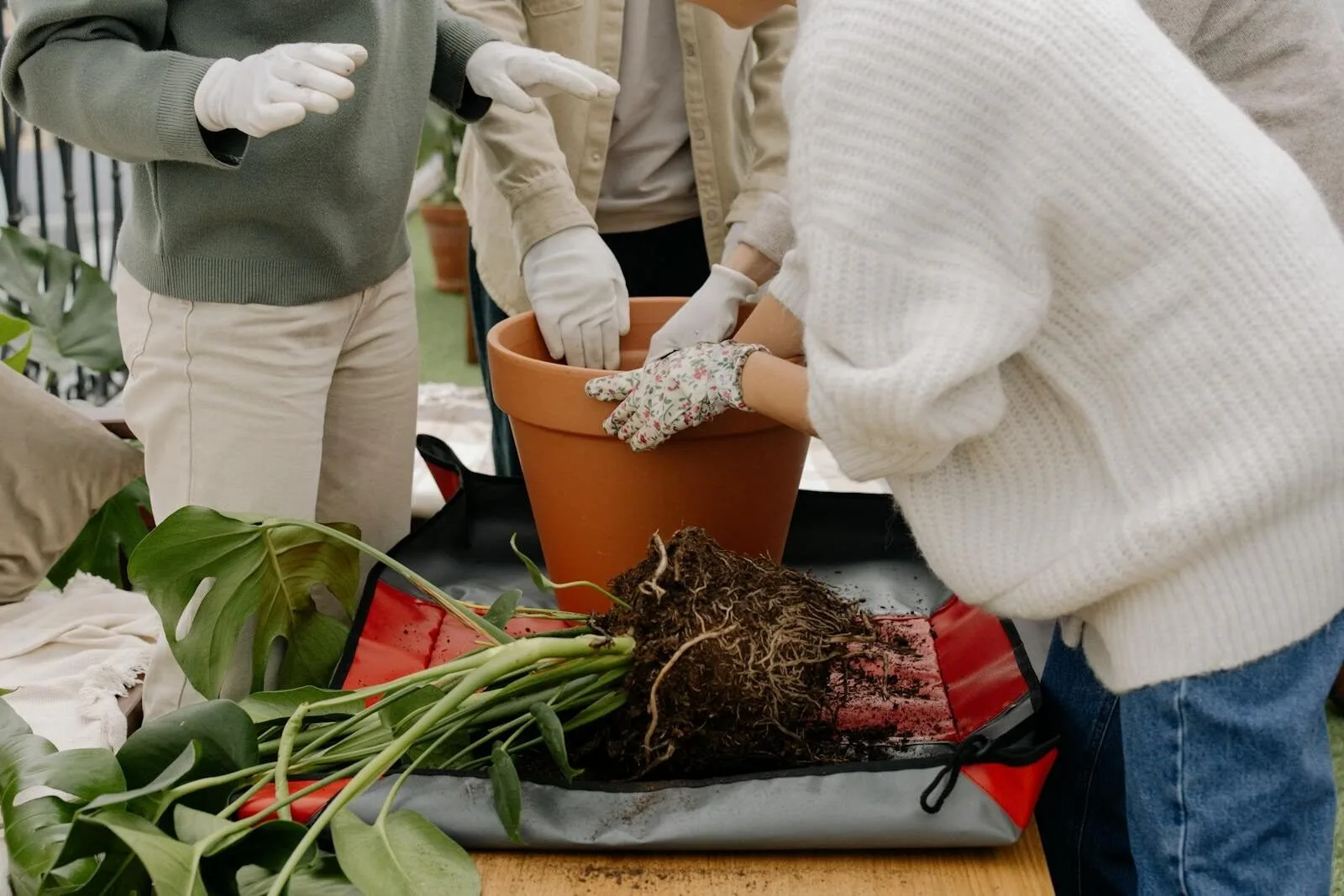
Sample separate areas when they are managed differently: a vegetable bed, lawn, perennial border, and compost-amended raised bed should not automatically share one sample. Mix several small cores from the same root-zone depth, remove mulch and surface debris first, and follow the laboratory’s instructions. A poor sample can produce a precise-looking report that describes the wrong part of the yard.
Read the report for more than nitrogen. Check pH, organic matter if provided, phosphorus, potassium, and the lab’s recommended application rate. Oklahoma State University’s soil-test guide explains that soil tests help identify nutrient balance and that the recommendation depends on the crop and soil conditions.
Nitrogen is particularly easy to lose or change because irrigation and rain can move it down through the soil while microbes continually convert it between forms. Treat the report as a decision for the crop and season it represents, then keep notes on what you applied and how the plants responded.
If the report says nitrogen is adequate, stop looking for a nitrogen solution. Investigate light, watering, roots, pests, temperature, compaction, and pH instead. Fertilizer cannot make a waterlogged bed oxygen-rich or make a shade-grown tomato behave like one in full sun.
How to Read N-P-K and Calculate a Dose
The three numbers on a fertilizer bag are the percentage by weight of nitrogen, available phosphate, and soluble potash, in that order. The first number is the one to use when you are calculating nitrogen. A product labeled 12-0-0 contains 12 percent nitrogen by weight; a 10-10-10 product contains 10 percent nitrogen, but it also adds phosphorus and potassium whether your soil needs them or not.
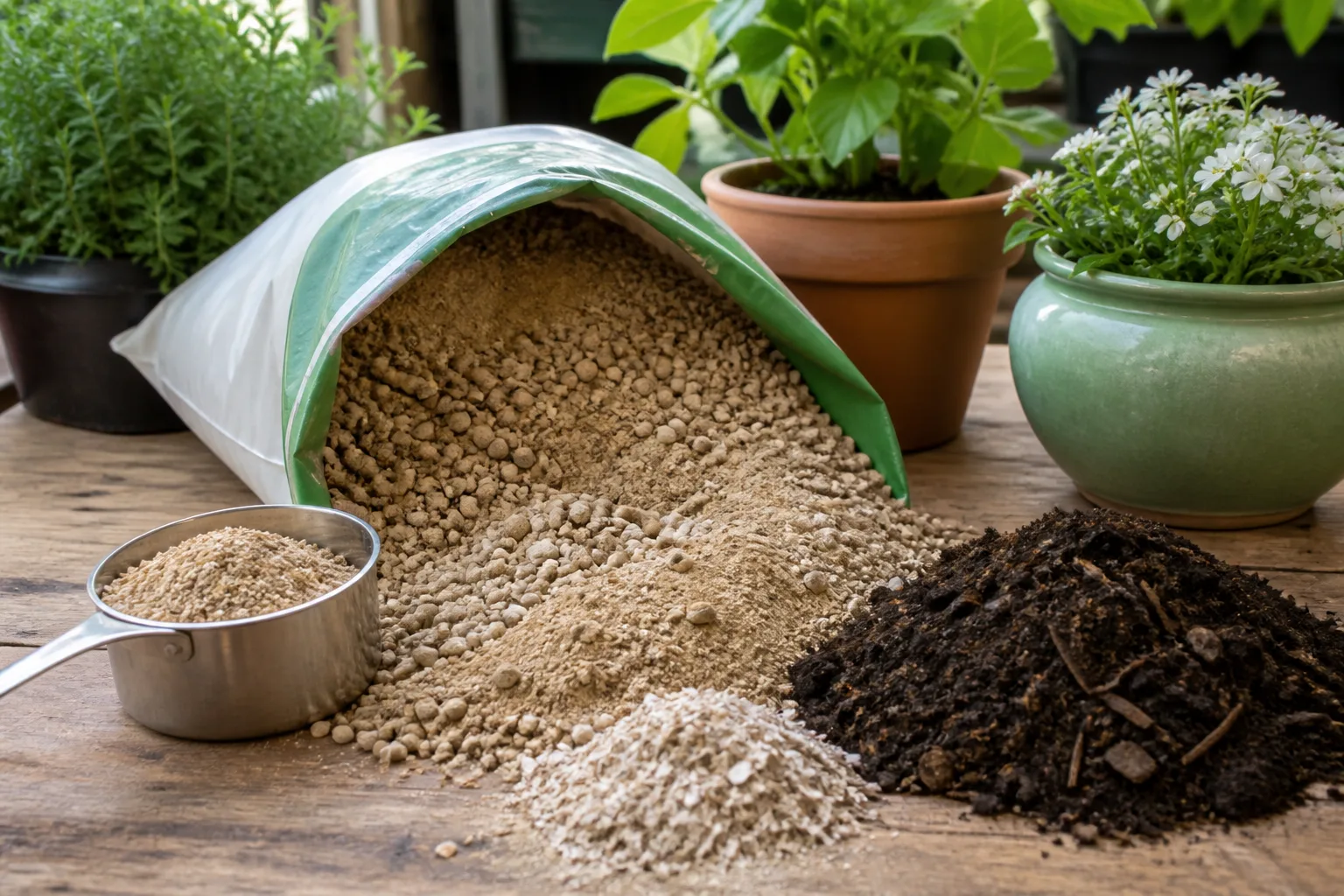
Use the soil report’s recommendation rather than choosing a rate from a generic chart. The basic calculation is:
- Nitrogen needed = garden area ÷ 1,000 × report rate in pounds of nitrogen per 1,000 square feet.
- Fertilizer needed = pounds of nitrogen needed ÷ the product’s nitrogen percentage as a decimal.
For example, suppose a 300-square-foot bed has a report calling for 1 pound of nitrogen per 1,000 square feet, and you choose a 12-0-0 product. The bed needs 0.3 pound of actual nitrogen: 300 ÷ 1,000 × 1. The product amount is 0.3 ÷ 0.12, or 2.5 pounds of product. That is a math example, not a universal recommendation; your crop, soil, region, and label may call for a different amount or a split application.
Check the units before you calculate. Some reports use pounds per acre, pounds per 100 square feet, grams per square metre, or a recommendation based on a particular crop row. Convert the area and rate to matching units, and never assume that “12 percent nitrogen” means 12 percent of the garden should receive fertilizer.
Avoid choosing a complete fertilizer just because the bag has three numbers. University of Minnesota Extension advises choosing an N-P-K ratio close to the soil-test recommendation and avoiding extra phosphorus when it is not needed. A single-nutrient or low-phosphorus product can be the more responsible choice when nitrogen is the only gap.
Best Nitrogen Sources for Garden Soil
There is no single best nitrogen source. Choose by asking three questions: How quickly must the plant respond? How much nitrogen does the material actually contain? What else will it add to the soil?
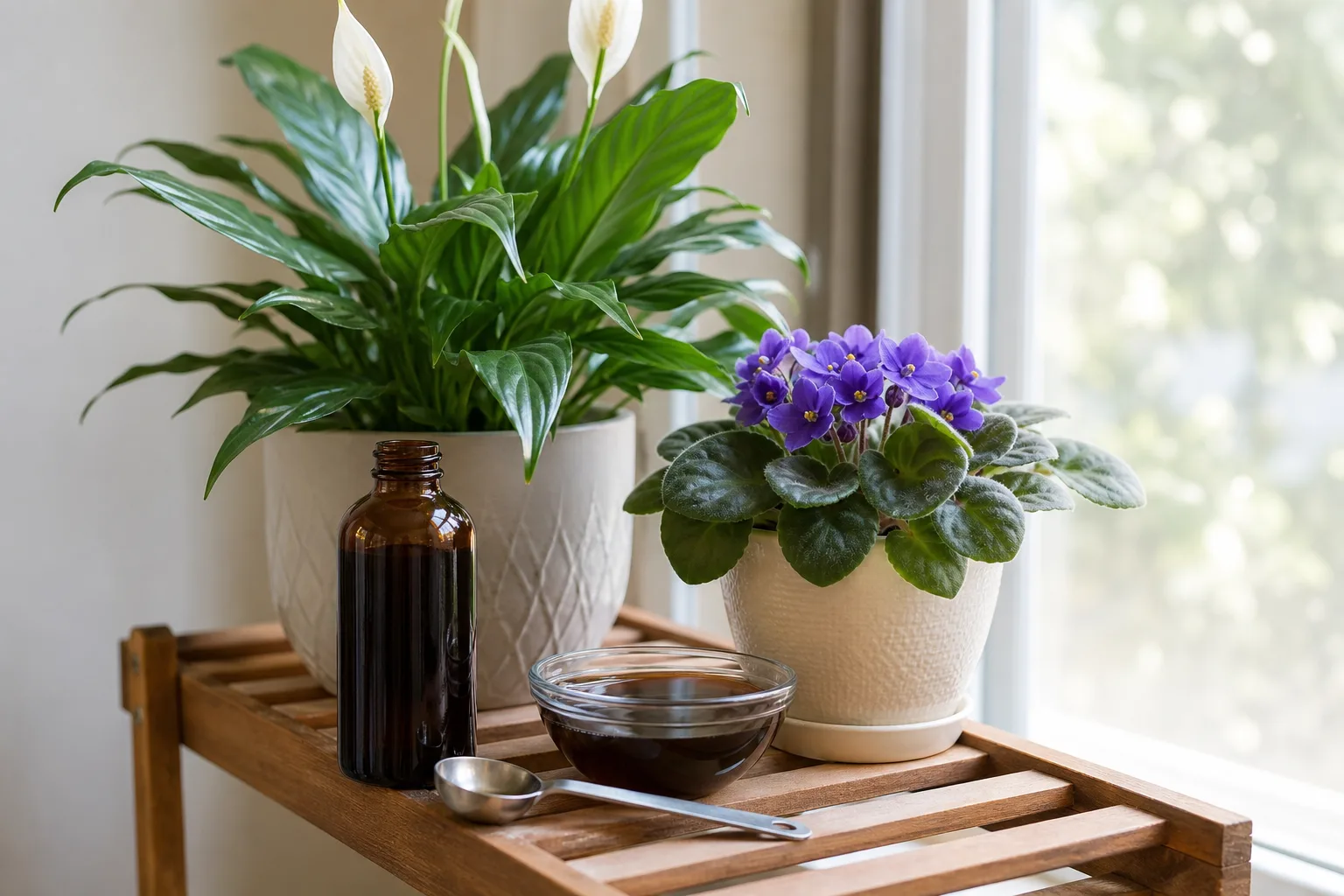
| Source | Release pattern | Best fit | Main caution |
|---|---|---|---|
| Finished compost | Slow and variable | Building organic matter and feeding established beds | Nitrogen content varies; repeated heavy applications can add excess phosphorus. |
| Grass clippings | Slow as they decompose | Surface mulch around actively growing crops | Use herbicide-free clippings and keep layers thin enough to avoid a wet mat. |
| Blood or feather meal | Organic, usually slower than a soluble feed | A measured nitrogen-only amendment when a test supports it | Concentrated products can burn roots and may attract animals. |
| Fish emulsion or liquid feed | Faster, label-dependent | Containers or a temporary correction during active growth | Odor, salt concentration, and overapplication are real risks. |
| Synthetic soluble fertilizer | Fast | Precise correction when a report and label support it | Easy to overapply; runoff and burn happen quickly. |
| Controlled-release fertilizer | Gradual and more even | Containers, raised beds, and long-season crops | Release depends on moisture and temperature; it still counts toward the total dose. |
Compost, Mulch, and Grass Clippings
Finished compost is primarily a soil improver with a modest nutrient contribution, not a guaranteed high-nitrogen fertilizer. It adds carbon-based organic matter, improves structure, and supports the organisms that mineralize nutrients. Compost is a good default for a bed that needs better water-holding and aggregation, but it is a poor tool for delivering a precisely measured nitrogen dose.
Use mature compost as a surface mulch or in the proportion recommended for your soil and crop. Avoid piling unfinished compost against stems or roots. If the compost contains a lot of manure, it may also add substantial phosphorus and soluble salts, so repeating large applications can create a new imbalance while you are trying to solve nitrogen shortage.
Grass clippings return nitrogen to soil as they decompose. Oklahoma State University Extension notes that leaving clippings on a lawn returns much of their nitrogen and other nutrients. In a garden bed, use a thin, loose layer of clean clippings rather than a thick green blanket. Do not use clippings from turf treated with herbicides until the product label confirms the required waiting period and safe use around edibles.
Mulch moderates wet-dry swings and helps hold nutrients near roots, but it cannot fix a wrong rate. Keep it off plant crowns and stems.
Blood Meal, Fish Emulsion, and Plant Meals
Blood meal is a concentrated animal byproduct with a high nitrogen percentage and little phosphorus or potassium. It can make sense when a soil test identifies nitrogen as the need and you want an organic, dry amendment. Epic Gardening’s blood-meal guide emphasizes both its high nitrogen content and the danger of overapplication; product percentages and instructions vary, so use the label rather than copying a cup-per-area rule from another bag.
Feather meal, alfalfa meal, cottonseed meal, and soybean meal are other options, but their nitrogen content, release speed, and side nutrients differ. Plant meals are usually better for planned soil building than for rescuing a severely deficient plant today. Blood and feather products may fit where phosphorus is already high, but only a label and soil report can confirm that choice.
Fish emulsion and other liquid feeds dissolve quickly and are convenient for containers or a short-term correction. They are not automatically gentle: a concentrated solution can damage roots, leaves, or beneficial soil life. Measure the dilution, apply to already-moist soil when the plant is actively growing, and do not mix several liquid products unless their labels say they are compatible.
Coffee grounds add organic matter but are not a dependable quick nitrogen fertilizer. Compost them instead of spreading a thick layer around seedlings.
Synthetic and Controlled-Release Fertilizer
Synthetic nitrogen is not inherently wrong, and organic nitrogen is not automatically safe. Soluble synthetic products offer a known percentage and fast response, which can be useful when a soil report identifies a deficiency during active growth. The trade-off is a narrow margin between enough and too much, especially in a small pot or sandy bed.
Controlled-release granules slow delivery through a coating or formulation. They can reduce the temptation to feed every time a plant looks slightly pale, but they do not eliminate the need for measurement. Warm conditions, irrigation, and the product’s coating affect release, so follow the label’s rate and expected duration. Count the nitrogen already supplied by a coated product before adding a liquid feed on top.
Nitrogen-Fixing Crops and Cover Crops
Peas, beans, clover, vetch, and other legumes can partner with Rhizobia bacteria in root nodules. The bacteria convert atmospheric nitrogen into forms the legume can use, while the plant supplies the bacteria with energy. When the crop’s roots, stems, and leaves remain in the bed and decompose, some of that nitrogen becomes available to a following crop.
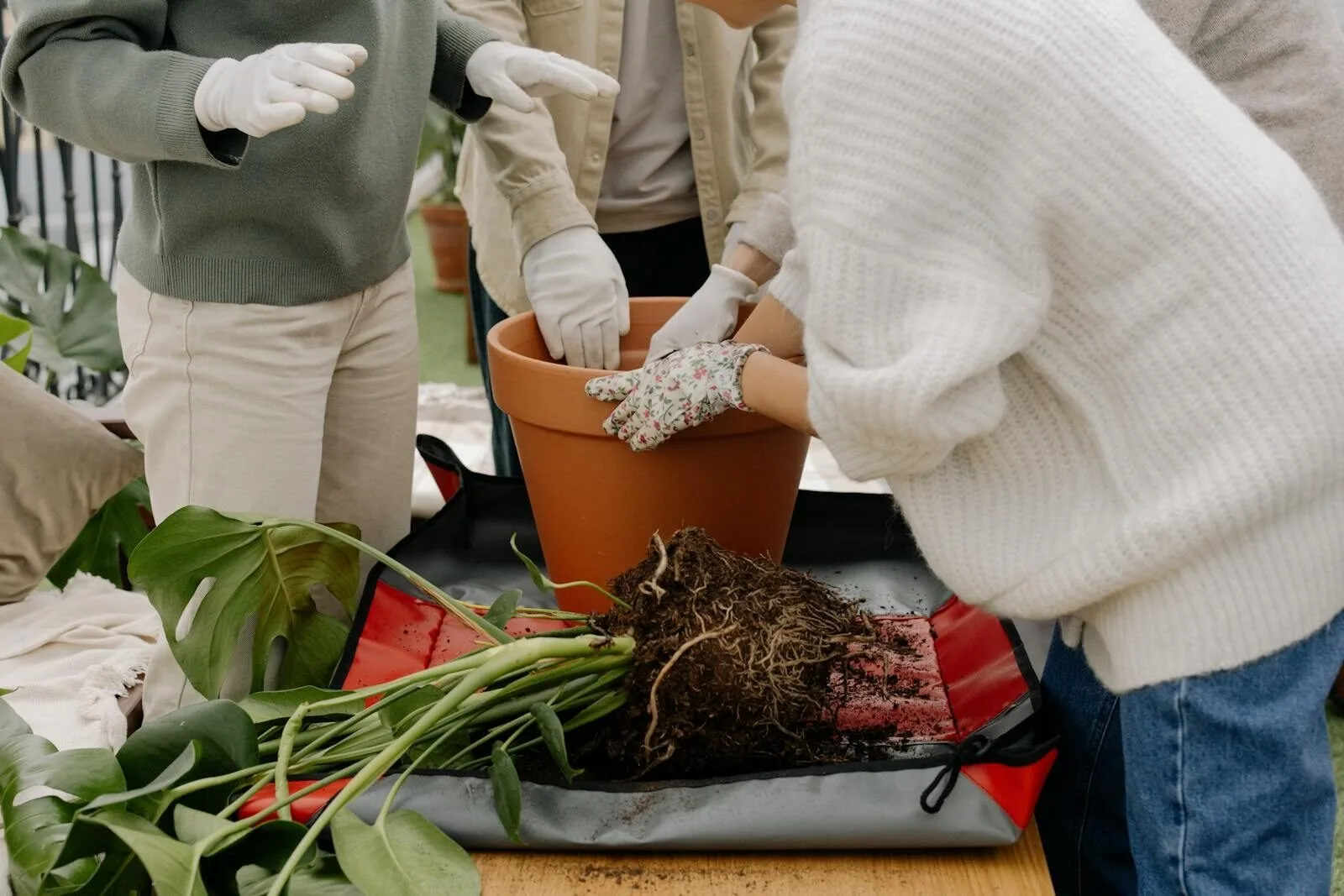
That does not mean a row of beans instantly fertilizes a neighboring tomato. The nitrogen is tied up in the living plant until biomass returns to the soil, and harvesting pods removes nutrients from the bed. Epic Gardening’s nitrogen-fixing plant overview describes legumes as both nitrogen fixers and useful cover crops; the practical takeaway is to grow them as part of a rotation and leave or compost appropriate residues.
For a home garden, choose a legume that fits the season and region: peas or fava beans for cooler weather, beans or cowpeas for warm weather, and clover or vetch as a cover crop where they will not become invasive. Inoculated seed can be useful where the right bacterial partners are absent, particularly in a new bed or a crop family that has not been grown there before. Buy inoculant matched to the legume rather than assuming one product works for every seed.
Terminate a cover crop before mature seed forms and stems become difficult to manage. Chop and compost it, cut it at the right stage, or let the residue decompose on the surface in a no-dig system. Give decomposition time before planting a hungry crop, and remember that the cover crop competes for water and light while it grows.
When to Apply Nitrogen
Apply nitrogen when the plant can use it: during active growth, with enough moisture for roots to take up dissolved nutrients, and early enough for new growth to mature. In many temperate gardens that means spring or early summer, but local soil temperature, crop calendar, greenhouse conditions, and climate matter more than a single date.
Use a small pre-plant dose only when the soil test or crop recommendation supports it. For a long-season crop, a split application is often more efficient than putting the entire seasonal amount on the bed before planting. The first portion supports establishment; a later side-dress can replace nitrogen lost to leaching or removed in harvested leaves.
Do not feed frozen soil, saturated soil, drought-stressed plants, or plants that have stopped growing because of extreme heat. Roots cannot use a fertilizer dose well when oxygen is missing or the plant is shutting down. Avoid applying before a forecast of heavy rain, when soluble nitrogen can leave the root zone or move toward drains and streams.
Late-season nitrogen deserves special caution. RHS guidance on how plants absorb nutrients and when they need them recommends nitrogen-rich feeding in spring when growth begins and warns that late feeding can encourage soft growth vulnerable to cold. In warm climates with year-round growth, use the crop’s actual growth cycle and local recommendations rather than applying a northern “stop date.”
Crop-Specific Timing: Leafy Greens vs. Fruiting Plants
Different crops turn nitrogen into different useful outcomes. Match the timing to the part you plan to harvest:
- Leafy greens: Lettuce, kale, chard, and similar crops use nitrogen to build leaves. A modest pre-plant dose and small follow-up applications can make more sense than one heavy dose, especially after repeated harvests. Stop or reduce feeding as the crop approaches harvest if the label or local guidance calls for it.
- Corn: Corn has a long, fast-growing season and can benefit from a planned side-dress when plants are established, but the rate should come from a soil or crop recommendation. Split feeding also limits the time nitrogen sits exposed to leaching.
- Tomatoes and peppers: Supply enough nitrogen for establishment and early leaf growth, then avoid chasing darker foliage after flowering begins. Excess nitrogen can produce a large leafy plant with fewer flowers or fruits, so shift attention to the crop’s complete nutrient and watering needs rather than adding more N.
- Root crops: Carrots, beets, radishes, and turnips need foliage, but excessive nitrogen can favor tops over the storage root. Start with a test and resist high-nitrogen rescue applications when the roots are the crop.
- Peas and beans: Legumes often require less supplemental nitrogen than non-legumes because of their bacterial partnership. They still need an appropriate pH, moisture, and other nutrients, and a weak legume is not automatically fixed by more nitrogen.
- Flowers and ornamentals: Nitrogen supports early stems and leaves, but too much can delay or reduce the display by keeping the plant in vegetative growth. Use a balanced plan for the flowering stage.
For crop-specific rates, use your regional extension service or soil lab. A fertilizer bag tells you what is in the product; it cannot know the history of your bed.
How to Apply Nitrogen Without Burning Plants
Spread granular fertilizer evenly over the target root zone, not in a concentrated pile beside the stem. Keep dry crystals off wet foliage and crowns. For established plants, the active roots often extend beyond the stem, so a light, even application across the bed is safer than a handful in the planting hole.
Follow the product’s instructions for incorporation and watering. Some products need to be watered into the root zone; others release gradually with ordinary irrigation. Do not “wash in” a suspected overdose by flooding a garden bed, particularly near a drain, pond, stream, or well. Watering a container thoroughly until drainage runs clear can help remove excess soluble salts, but do it where the runoff will not reach edible leaves or a waterway, and do not repeat it so often that roots stay saturated.
Wear the protective equipment listed on the label, store amendments closed and dry, and keep them away from children and pets. “Natural” does not mean harmless to roots, eyes, lungs, or wildlife. The label and local regulations control.
Containers, Raised Beds, and Sandy Soil
Containers need more careful feeding because roots occupy a small volume of mix and every drainage event can carry soluble nutrients away. Start with a potting mix that includes a stated starter charge, then wait for the interval on the label before feeding. A controlled-release product can be easier to manage than frequent strong liquid applications, but plants in bright, warm pots may use water and nutrients faster than plants in the ground.
Raised beds behave differently from native soil. They may contain rich compost at the start, then lose available nitrogen through harvest, leaching, and decomposition of carbon-heavy mulches. Test a representative bed instead of assuming every raised bed needs a high-nitrogen amendment each spring. Add finished compost for structure, then use a measured fertilizer only when the report or crop plan indicates a gap.
Sandy soil drains quickly and can leach nitrate below shallow roots. Smaller, well-timed applications and a surface mulch are usually more sensible than one large dose. Heavy clay has the opposite trap: nutrients may remain nearby, but compaction and poor aeration can limit root function. Improve structure and drainage rather than increasing fertilizer whenever plants look stalled.
What Too Much Nitrogen Looks Like
Excess nitrogen can look attractive at first. Plants may become unusually dark green, produce oversized leaves or long soft stems, and grow more foliage than flowers or fruit. In corn and other tall crops, weak growth may lodge or fall over. Tender foliage can also be more vulnerable to weather, pests, and disease, as RHS fertilizer guidance explains.
At the root zone, a concentrated soluble fertilizer can injure roots and leave a salty crust. The plant may wilt even though the soil is wet because damaged roots cannot move water normally. In a garden bed, excess nitrogen can leach away; Oklahoma State University Extension connects excess nitrogen and phosphorus movement with algae growth, low oxygen, and water-quality problems.
If you suspect an overdose, take these steps:
- Stop all fertilizer, compost tea, manure, and meal applications until you identify the source.
- Remove visible granules or pellets from the soil surface if doing so will not disturb roots.
- Check the label, calculate the actual nitrogen applied, and write down the area and date.
- For a container, flush with clean water only if the pot drains freely and the runoff can be contained responsibly; let the mix drain fully afterward.
- For a bed, maintain normal moisture, improve drainage, and wait for a soil test rather than trying to cancel nitrogen with another nutrient.
Do not respond to dark green leaves with a bloom booster, lime, or homemade remedy unless a test identifies that need.
Nitrogen, pH, Water, and Soil Biology
Nitrogen does not work alone. Soil pH changes nutrient availability, and extreme pH can make a plant look deficient even when the nutrient is physically present. Oklahoma State University’s soil-test guide notes that pH affects the soil environment and nutrient access; use the crop’s preferred range rather than trying to force every garden to the same number.
Organic nitrogen depends on soil life. Microorganisms mineralize nitrogen from compost, plant residues, manure, and meals, and their activity depends on temperature, moisture, oxygen, and the material’s carbon-to-nitrogen balance. The RHS nutrient guide explains that heavily fertilized or manured soil can support fewer beneficial mycorrhizal fungi because plants have less need to partner with them.
The best nitrogen plan therefore includes basic soil care: keep living roots in the bed, use finished organic matter, avoid compaction, mulch bare soil, rotate crops, and avoid unnecessary inputs. Fertilizer is a tool within that system, not a substitute for it.
A Low-Waste Nitrogen Plan for the Season
If nitrogen is indicated, choose the narrowest tool that solves the problem. Use finished compost or mulch when the larger need is soil structure and organic matter. Use a nitrogen-only product when phosphorus and potassium are already sufficient. Choose a fast liquid feed for a time-sensitive correction during active growth, or a slow source when you are preparing a bed ahead of planting.
Apply the calculated amount in split doses when the crop is long-season or the soil is sandy. Keep grass clippings in the garden when their treatment history makes that safe, grow a suitable legume cover crop between plantings, and return healthy plant residue to the compost system rather than removing every bit of biomass.
Inspect new growth instead of demanding that old leaves recover. Record the response two or three weeks after feeding, then adjust the next application based on evidence. This saves money, protects soil biology, and keeps nitrogen in a managed plant-soil system rather than a storm drain.
Conclusion
Nitrogen can be the missing link behind pale leaves and slow growth, but it is not a shortcut to a thriving garden. It works best when you confirm the need, understand the N-P-K label, choose a source that matches the crop and timing, and apply a measured dose while the roots are active.
Use compost and mulch to build the soil, legumes to support a longer rotation, and fertilizer to correct a documented gap. If plants remain yellow after a careful application, pause and reassess light, water, roots, pests, and pH. The healthiest garden is not the one with the most nitrogen; it is the one where nutrients, biology, moisture, and plant demand stay in balance.



