20 No-Grass Backyard Ideas That Feel Like a Retreat
Replace unused turf with 20 easy backyard lawn alternatives, including patios, gravel, groundcovers, native plants, and low-cost ways to phase the work.
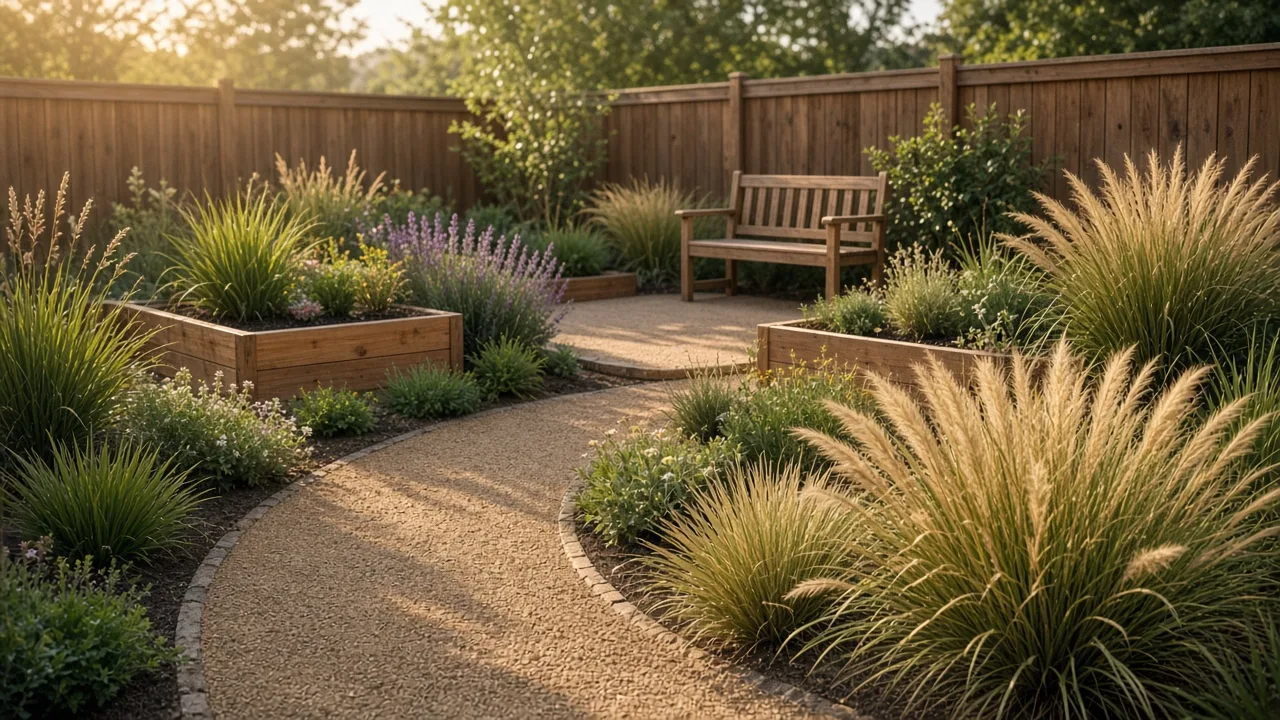
A grass-free backyard can be greener, more comfortable, and easier to use than a broad rectangle of turf—but only if the replacement fits the site. Gravel is useful for a seating area, not a soccer pitch. A native meadow can support wildlife, but it is not an instant, maintenance-free carpet. A shade groundcover may thrive beneath trees where grass fails, yet still need watering and weeding while it fills in.
The best no-grass backyard ideas are therefore less about choosing one fashionable material and more about giving each part of the yard a job. Use a firm surface where you walk, a planted community where you want habitat, and a living groundcover where you need to hold soil. The 20 ideas below are organized that way, with the practical limits included so you can spend money once and enjoy the result.
20 no-grass backyard ideas, grouped by the job they do
Think of this list as a menu, not a prescription. Measure the space you rarely use, note its sun and drainage, and choose one or two ideas that solve a real problem before you redesign the entire yard.
Plant-based replacements
1. A native meadow strip. Convert the sunniest, least-trafficked section into a mix of locally appropriate wildflowers and meadow grasses. Black-eyed Susan, butterfly milkweed, coreopsis, asters, goldenrod, little bluestem, or switchgrass may be useful examples depending on your region, but buy from a local native-plant source and check the species list rather than trusting a generic “wildflower” packet.
This is a low-cost option when you can wait for it to mature. Penn State Extension notes that perennial meadows may take up to three years to establish, and the early years need more weeding and mowing than the finished planting. Leave a crisp mown or mulched edge so the meadow looks intentional and so runners or volunteer plants do not creep into paths.
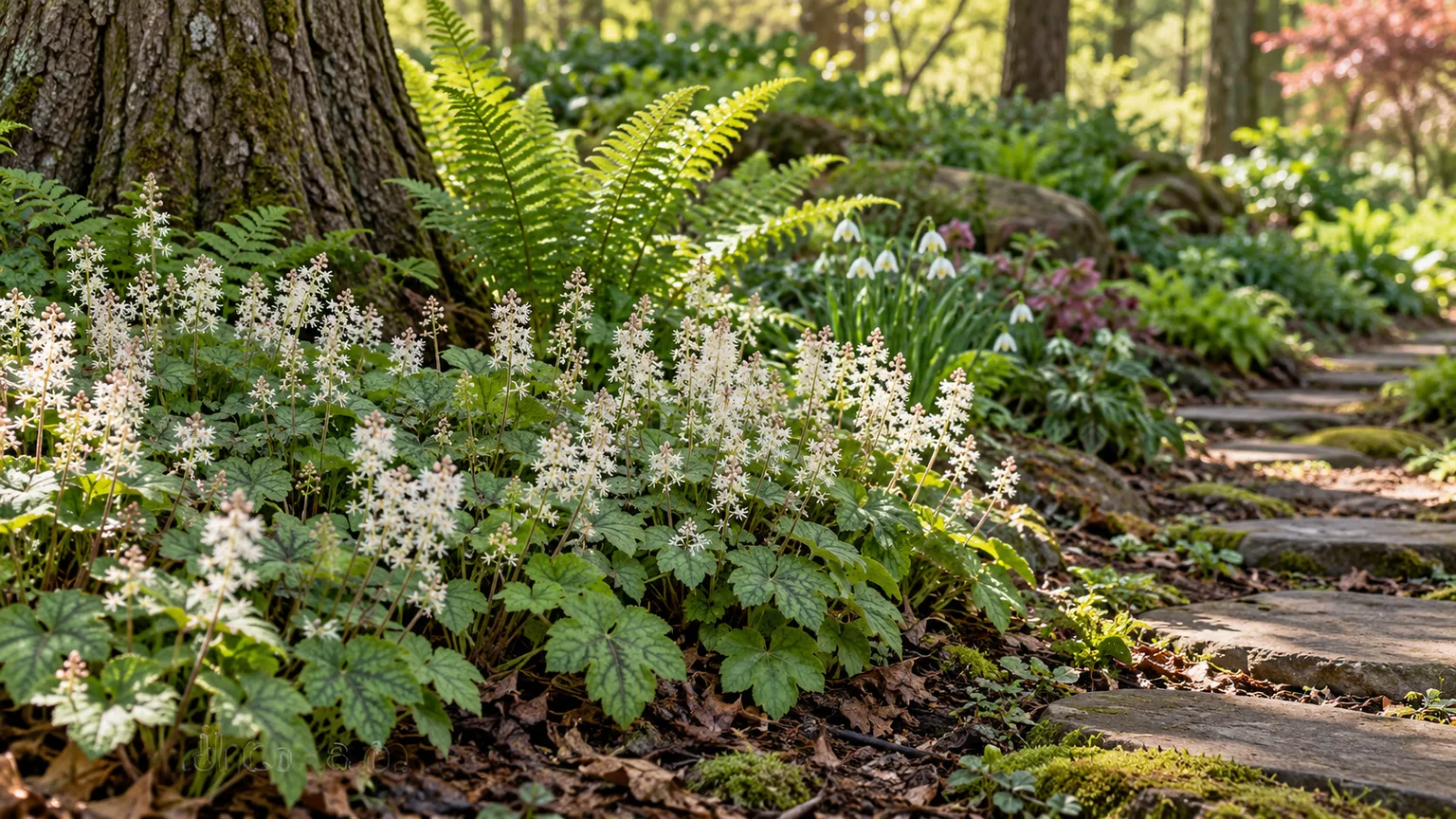
2. A shade garden under mature trees. Replace thin, thirsty turf beneath a canopy with layers of native shrubs, woodland perennials, ferns, and leaf mulch. The design can be as simple as a broad oval bed around the tree, with a path through it and a bench at the edge.
Do not pile soil or thick mulch against trunks, and do not assume every shade plant tolerates dry shade. Tree roots compete for moisture, so start with smaller plants, water them while they establish, and let fallen leaves become part of the soil-building system where practical.
3. Pennsylvania sedge or another regional sedge carpet. Sedges are grass-like plants that can create a soft, fine-textured ground layer in places where turf is too sunny, dry, or root-filled. Pennsylvania sedge is one example for dry shade in parts of the Midwest and Northeast; your local extension office can point you to a better regional match.
This is a living carpet, not a sports lawn. Wisconsin Horticulture Extension cautions that most groundcovers do not tolerate heavy foot traffic and still need irrigation, weed control, and occasional trimming until established. Lay stepping stones through it if people need to cross the area.
4. A creeping-thyme path edge. Use low-growing creeping thyme in a full-sun, sharply drained strip beside stone or pavers. The foliage stays close to the ground, flowers attract pollinators, and the aromatic texture makes a narrow path feel planted rather than paved.
Treat it as a light-foot-traffic accent, not a substitute for a durable walkway. Thyme dislikes wet, heavy soil, and even a plant advertised as stepable will not enjoy repeated shortcuts, wheeled loads, or winter salt. Set the stones first, then tuck thyme into the gaps and outer edge where it can spread without blocking the walking line.
5. A sedum-and-rock garden. A sunny, dry corner can become a sculptural planting of low sedums, drought-tolerant perennials, ornamental grasses, and a few well-placed rocks. Repeating one or two foliage colors will make inexpensive stone look designed instead of scattered.
The important detail is drainage. Sedums are poor candidates for a low, wet pocket or compacted clay that stays saturated; improve the planting zone or choose moisture-tolerant plants instead. Keep the rock garden away from play routes and use rounded or stable stones where children and pets pass.
6. A clover-forward bee lawn. If you still want a low, green surface for lounging but not a pure turf monoculture, a locally suitable clover mix can reduce the amount of grass and add flowers for pollinators. White clover can take light foot traffic, but its performance, winter behavior, and acceptance as a lawn alternative vary by climate and site.
This option is a compromise rather than a completely plant-free maintenance plan. Mow or trim when needed, avoid treating flowering areas with broad weed control, and think through barefoot use if your household is sensitive to bees. Keep a separate, firm route to the shed, grill, or clothesline so the planting is not constantly crushed.
7. A native shrub-and-perennial room. Turn a neglected rectangle into a small outdoor room with a backdrop of regionally native shrubs, a middle layer of flowering perennials, and mulch or groundcover below. Shrubs supply structure and privacy while the perennials provide seasonal color; this can look full even when the bed itself is inexpensive.
Choose mature height with windows and sight lines in mind, and place plants far enough from paths that branches will not become a weekly pruning job. Savvy Gardening’s border guidance emphasizes choosing plants that match moisture, stay out of paths, and do not choke neighboring plants—simple rules that prevent a “low-maintenance” bed from becoming a constant edging project.
8. Raised vegetable and herb beds. Replace lawn near the kitchen with two or three raised beds, a compost area, and a firm path wide enough to carry a hose or wheelbarrow. The beds create purpose, while the paths prevent the garden from becoming a muddy field after rain.
This is not the least-work idea, but it can be the most rewarding if you will actually grow and harvest food. Start with a small footprint, reuse clean materials, and keep the bed height and path width comfortable for the people who will tend it. A productive 8-by-12-foot zone is more useful than a large garden nobody can keep watered.
Hardscape and outdoor-room replacements
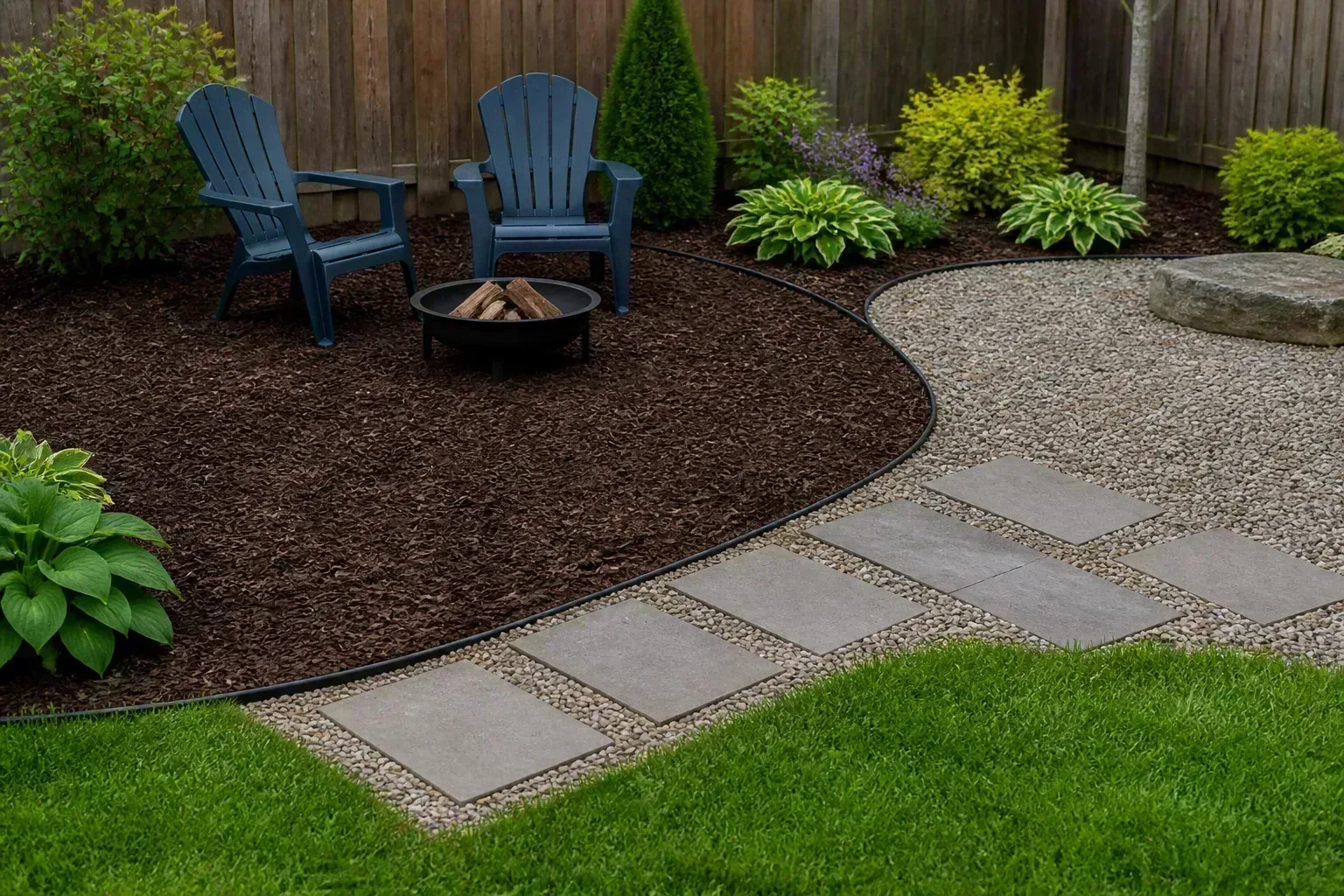
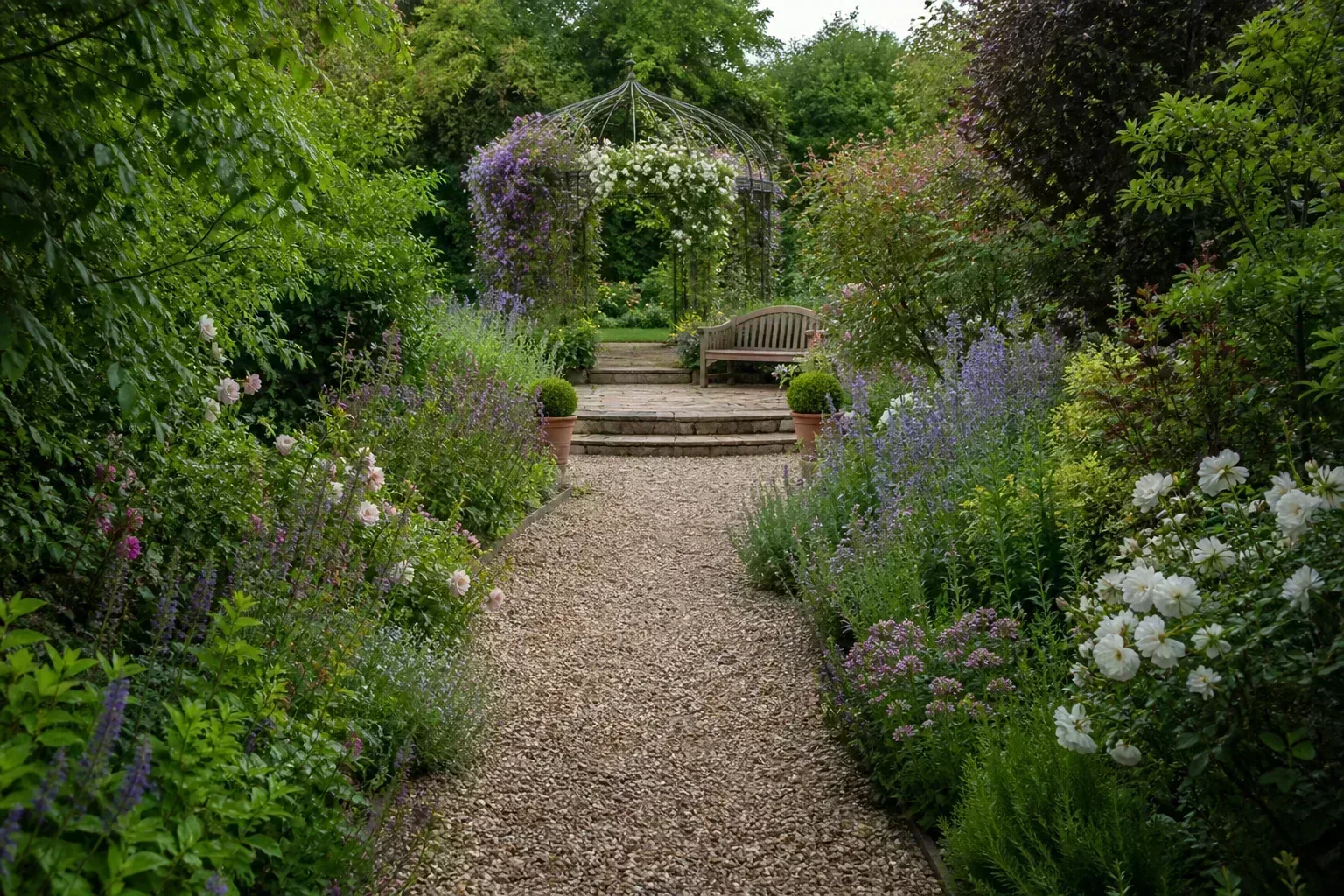
9. A gravel terrace with stepping stones. A compacted gravel seating pad is usually more forgiving of DIY mistakes than a full masonry patio and can be expanded in stages. Use a clear edge, a stable base, and large, level stepping stones from the door to the chairs so the surface feels deliberate and is easier to walk across.
Choose gravel that locks together rather than loose, round stone that rolls underfoot. Gravel can migrate into planting beds, collect leaves, and become uncomfortable for bare feet, so reserve it for a defined zone instead of spreading it across every square foot.
10. A decomposed-granite or crushed-stone lounge pad. Fine aggregate creates a smoother, more patio-like surface for two chairs, a small table, or a hammock stand. It is especially effective in a narrow backyard because the material visually recedes while a planted border adds softness.
The base and slope matter more than the label on the bag. Compact the surface in lifts, keep water moving away from the house, and plan a transition that does not spill onto a sidewalk. Test the pad with the furniture in place before finishing the edge; a surface that looks level can still be awkward for a chair or rolling cart.
11. A small paver courtyard. Replace a central patch of lawn with pavers or salvaged brick and surround it with planting beds. A simple rectangle is affordable to lay out, while a curved planted edge can make a small yard feel less boxy without requiring expensive custom cuts.
Keep the footprint proportional to the furniture you own. Leave enough room to pull out chairs and carry food, and use permeable joints or a carefully designed drainage route where appropriate. A patio is not automatically a stormwater solution: an impervious surface can send water somewhere else if the grade and outlet are ignored.
12. An outdoor dining zone. Place a table, umbrella, or shade sail on a firm surface near the house and let the rest of the yard become planting, gravel, or mulch. This is one of the easiest ways to make a lawn-free yard feel purposeful because the design begins with an activity rather than decoration.
Use the shortest comfortable route from the kitchen, provide a level landing for the table, and choose surfaces that sweep clean. A modest table on a well-built pad will be used more often than a huge patio that consumes the budget and leaves no money for shade or comfortable seating.
13. A fire-pit circle. A fire pit can replace a wide expanse of lawn with a gathering point built from pavers, gravel, or a noncombustible surface. Connect it to the house with a path and ring the outside with low plants that can handle the site rather than crowding the pit with dry mulch.
Check local fire rules and the manufacturer’s clearance requirements before buying anything. Keep overhanging branches, fences, structures, and flammable furnishings at a safe distance, and never treat a photo of a fire pit as a construction plan. If the zone will host children, prioritize a broad, unobstructed circulation path over extra chairs.
14. A hammock or nap nook on a small slab. A small concrete pad, deck, or properly supported gravel bay can create a destination without paving the entire backyard. Add shade from an existing tree or a canopy, then use containers and a narrow planted border to make the spot feel finished.
This works particularly well in a narrow or awkward yard because it gives the leftover space one clear purpose. Confirm that trees are healthy before attaching anything to them, and use a freestanding hammock when you cannot verify the strength and spacing of the supports.
15. A covered patio or pergola with planted edges. A roofed structure gives a lawn-free backyard a strong architectural center and creates shade, rain cover, and a place to store seating. Surround it with gravel, pavers, mulch beds, or containers instead of trying to make every surrounding inch hardscape.
Build or buy the structure to local requirements, and plan for roof runoff before you set the posts. A downspout that empties beside a foundation or erodes a planting bed will turn an attractive project into a drainage repair. Use the planted edges to soften the structure and provide a cooler transition to the rest of the yard.
Hybrid ideas that keep the yard flexible
16. A rain garden below a downspout. A shallow planted basin can turn a wet, underused part of the yard into a wildlife-friendly feature while slowing roof or driveway runoff. Use native plants matched to the basin’s wettest and driest zones, and shape the edge so it reads as a garden rather than a random hole.
This idea needs careful siting. Penn State’s rain-garden guidance recommends a percolation check, says the water should drain within 24 hours, and places rain gardens at least 10 feet from a building foundation; avoid septic areas, wells, utilities, tree roots, and permanently waterlogged ground. Call the appropriate utility-marking service before digging.
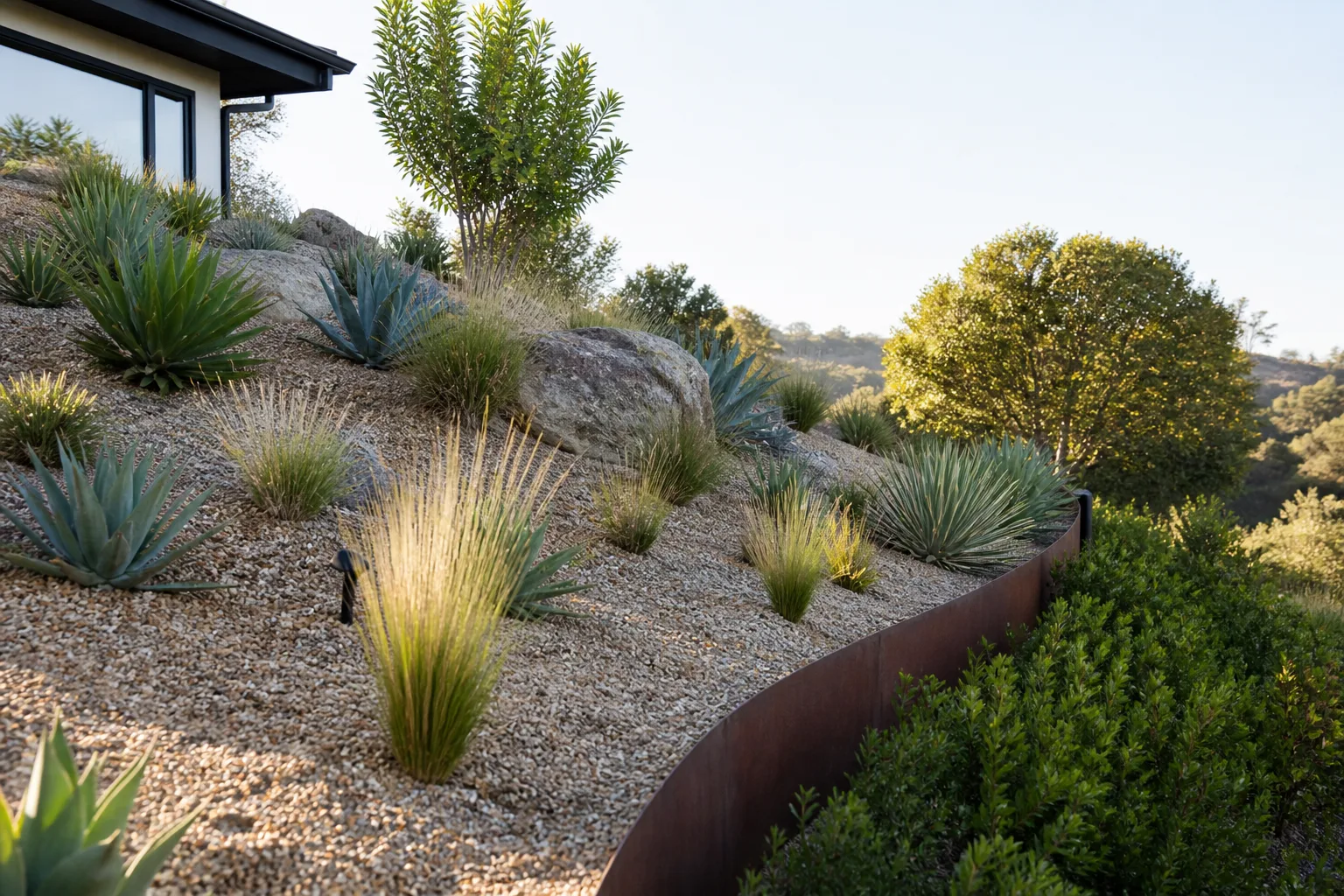
17. A slope with terraces, stone, and plants. Replace a difficult-to-mow bank with level or gently graded planting pockets, carefully placed rocks, and steps where people actually need to go. Low shrubs, sedges, and deep-rooted perennials can hold the composition together while the path provides access for inspection.
Do not stack landscape blocks or build a retaining wall on guesswork if the slope is tall, heavily loaded, or moving. Start by observing where water travels during a storm, then get the right professional help for structural work. On a small slope, a planted contour and a stable path may be safer and cheaper than an ambitious series of walls.
18. A narrow path with deliberate planting bands. In a side yard or long rectangle, use one clear path with alternating strips of mulch, gravel, shrubs, and low perennials. Repetition makes inexpensive materials feel cohesive and gives every zone a maintenance boundary.
Keep the walking surface wide enough for the people and tools that use it, with no plant that leans into the route at maturity. A crisp edge is not merely decorative: it keeps gravel out of the bed, gives a mower-free boundary a finished look, and makes future weeding faster.
19. A tree-canopy room with a soft landing. Keep the trees you already have, remove only unsafe or unwanted turf, and create a layered floor of leaf mulch, shade plants, stepping stones, and one seat. The result can feel like a woodland retreat without the cost of a large patio or the heat of a full stone yard.
Groundcovers and low plants can provide habitat and reduce erosion, but they are not instant mulch. Choose species that tolerate the actual dry or damp shade, leave room around trunks, and expect a period of watering and weeding while the planting fills in. A simple mown edge or path will make the natural look feel intentional.
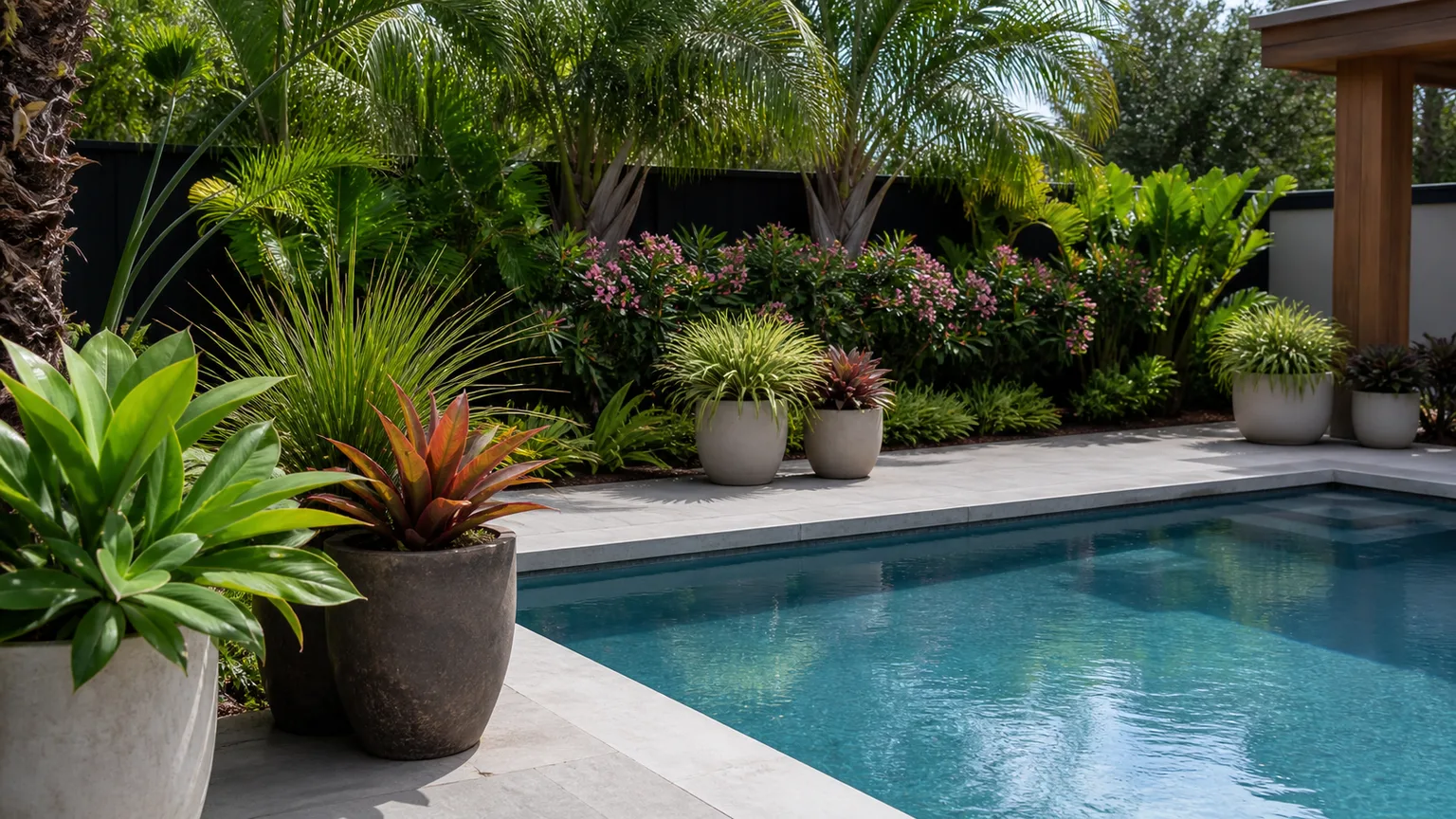
20. A pocket courtyard of containers and reclaimed materials. For a tiny backyard, rental, or space where digging is difficult, create a hard surface with salvaged pavers or a small gravel pad and use large containers for shrubs, herbs, and seasonal color. Add a vertical trellis, a bench, and one light source to turn a leftover corner into an outdoor room.
Containers cost more to water and replace than plants in the ground, so group them near a hose and select sizes that will not dry out in a day. Use saucers or drainage routes that do not send water against the foundation, and keep the layout movable until you know how the space works in every season.
Match the idea to your yard before you buy materials
The same material behaves differently in different yards. A quick site audit—sun, soil, slope, drainage, access, and use—will eliminate most expensive mismatches before you order stone or plants.
Sun, heat, and soil moisture
Watch the proposed area for a full day if possible, including the late-afternoon heat that can scorch a new planting. Full-sun, fast-draining sites favor creeping thyme, sedum, drought-tolerant native plants, and gravel gardens; a low, wet pocket favors moisture-tolerant plants or a properly designed rain garden instead. Do not “fix” wet soil by automatically adding more rock. First determine whether the issue is compaction, a downspout, a grade problem, or naturally slow-draining clay.
For plant-based replacements, match the plant community to the site rather than trying to make the site imitate a catalog photo. Savvy Gardening’s meadow-grass overview separates cool-season and warm-season grasses and recommends considering light, runoff, soil drainage, slope, and land use before choosing a mix. That is the right order: observe first, buy second.
Shade, tree roots, and slopes
Deep shade and dry shade are not the same condition. Beneath mature trees, irrigation may be limited by roots and rainfall interception, while a north-facing open bed may stay cooler and damp. Wisconsin Horticulture Extension describes groundcovers as useful for shade and difficult areas but stresses that they are not maintenance-free and generally do not withstand heavy foot traffic.
Slopes add a second question: where does the water go? A planted slope can reduce erosion, but loose gravel placed on a steep grade may migrate downhill. Use stable paths, deep-rooted plants suited to the region, and structural help when a retaining wall or major grade change is involved.
Foot traffic, pets, and play
Draw the routes people already take, not the routes you wish they would take. Keep a firm, slip-resistant path from the house to the gate, grill, shed, and trash area, and put softer plantings outside that circulation line. If a dog runs a fence line or children play in one rectangle, design for that behavior rather than hoping a delicate groundcover will redirect it.
Penn State Extension recommends retaining some turf or another durable surface when a yard needs play, pet, or walking areas. You can keep the lawn-free goal and still reserve a compact, purposeful zone with pavers, compacted aggregate, or a durable locally suitable planting rather than sacrificing the whole design to foot traffic.
Remove turf in a way your soil can recover from
Grass removal is where many inexpensive-looking makeovers become expensive. The goal is not merely to make green blades disappear; it is to leave a surface that drains, supports roots, and does not fill with the same weeds next season.
Three practical removal methods
Sheet-mulching is often the gentlest DIY choice for a bed or small-to-medium zone. Cut the existing grass short, overlap plain cardboard or several layers of newspaper, wet it thoroughly, and cover it with finished compost and a deep layer of organic mulch. Keep the paper and mulch away from woody trunks, and allow time for the layers to settle before planting.
Sod cutting or digging is faster when you need a clean grade for a patio or want to plant immediately. A shovel works for a small bed; a rented sod cutter saves labor on a larger area, but it also removes a layer of topsoil and leaves you responsible for disposal or reuse. Check the final grade before bringing in stone.
Solarization or smothering can work on a small area during a suitable warm season. Penn State Extension describes covering vegetation for an extended period so it is killed beneath the cover; the exact timing depends on climate and material. Avoid treating a sheet of plastic as a permanent soil solution, and do not disturb the area until you have a plan for erosion control and replanting.
Whatever method you use, inspect the exposed soil for perennial weeds, compacted layers, buried debris, and water movement. Penn State’s turfgrass-alternative guidance describes mechanical removal, smothering, and herbicide-based options, but avoid routine herbicide use as a shortcut; if you consider any chemical treatment, follow the product label, local rules, and re-entry or planting instructions exactly.
Phase the project for a lower upfront cost
Start with the area you see most often or the area that causes the biggest maintenance headache. A 10-by-12-foot seating zone with a finished edge can teach you more about gravel, drainage, shade, and furniture than a rushed conversion of the entire yard.
Joe Gardener’s groundcover discussion recommends a slow-and-steady approach, noting that a small bed can be expanded over a year or two. That pacing also protects your budget: you can reuse stone, divide established plants, grow some plants from seed, and adjust the design after a season of real use. Leave a temporary mulch path where the permanent route is not yet decided.
Budget and maintenance reality check
“Affordable” depends on what you are replacing and what work you can safely do yourself. A small planted bed may cost little to start but require watering and weeding; a patio may cost more upfront but give you a stable, low-effort surface. Compare the full first-year cost, not just the price of the visible material.
Where grass-free projects go over budget
The common surprises are soil removal, delivery fees, edging, base preparation, drainage corrections, steps, and disposal. Plants are another hidden cost when a design is spaced too widely and then needs a second round of purchases to look intentional. Draw the footprint to scale, calculate the area, and price the unglamorous layers before committing to the surface.
Reuse is valuable when it is safe and appropriate: clean salvaged brick, on-site boulders, divided perennials, leaf mulch, and existing trees can provide character. Do not reuse contaminated fill, unstable pavers, diseased plants, or mystery materials near food gardens. Borrowing a tool or renting equipment for one day may be cheaper than buying a tool you will not use again.
What “low maintenance” actually means
A no-grass yard still needs a maintenance plan. Gravel needs raking and occasional top-up; planted beds need weeding while they fill; shrubs need inspection and selective pruning; patios need sweeping; rain gardens need an outlet and an inspection after storms. Groundcovers reduce recurring mowing but are not maintenance-free, a point Wisconsin Extension makes explicitly.
Meadows and native plantings also have a visible seasonal rhythm. Penn State Extension describes more frequent mowing and weed control during establishment, followed by occasional inspection and an annual cut once the planting is mature. Decide whether you like that rhythm before choosing the idea, and make the edges clear enough that neighbors, visitors, and future buyers can understand the design.
The most useful first action is simple: mark the section of lawn you mow but do not use, photograph it at morning and late afternoon, and watch it during the next rain. Then choose the smallest replacement that solves one problem—seating, drainage, shade, access, food, habitat, or privacy. A good grass-free backyard grows from those decisions, one workable zone at a time.
Conclusion: Build the yard you will use
The best backyard lawn alternative is not the one that looks cheapest in a photo; it is the one that matches your soil, climate, slope, time, and habits. Use gravel and pavers for movement and gathering, groundcovers for suitable low-traffic areas, native plants for habitat and structure, and rain-garden or slope planting where water is the real problem.
Keep the first project small enough to finish well. A clear edge, sound drainage, a comfortable path, and plants chosen for the actual site will make a modest no-grass yard look intentional—and stay enjoyable long after the last strip of turf is gone.