Fertilizer Burn on Houseplants: Signs and Fixes
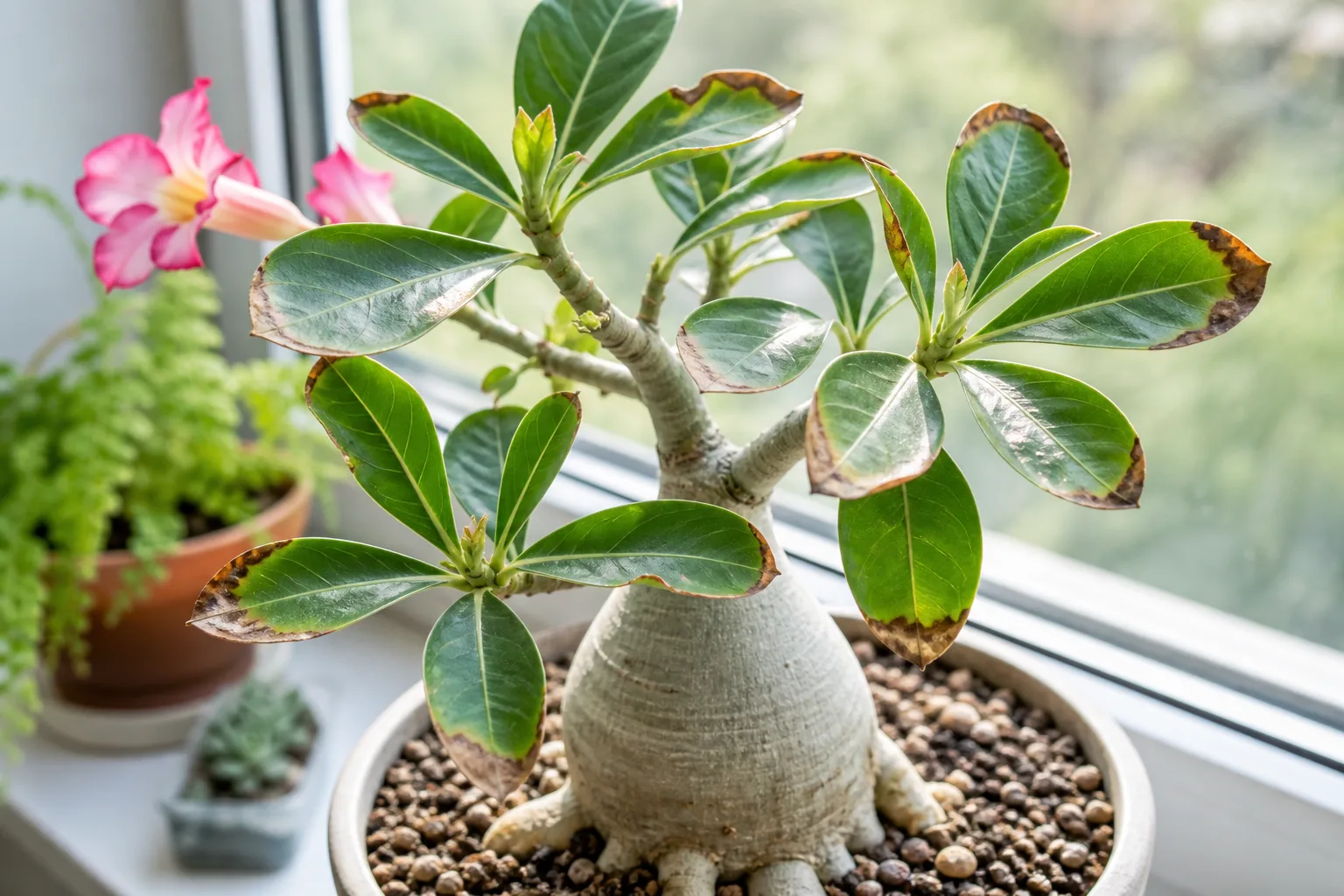
Fertilizer burn is salt injury, not a sign that a plant needs more food. When dissolved fertilizer salts build up faster than roots can use them, water is pulled away from root tissue and tender feeder roots are damaged first. The top of the plant often responds with brown leaf edges, scorched tips, stalled growth, or sudden collapse after an otherwise ordinary feeding. The main diagnostic question is timing. If symptoms worsened soon after fertilizing, if a white crust formed on the soil or pot rim, or if the root ball stays chemically "hot" from repeated feeding without periodic flushing, excess salts move to the top of the suspect list. The fix is usually to stop feeding, leach the pot thoroughly, and reassess the plant after clean new growth appears.
Fertilizer Burn on Houseplants
Still unsure?Match your symptoms to the most likely problems in under a minute.Run diagnosis →Understand and fix fertilizer burn
Fertilizer burn is salt injury, not a sign that a plant needs more food. When dissolved fertilizer salts build up faster than roots can use them, water is pulled away from root tissue and tender feeder roots are damaged first. The top of the plant often responds with brown leaf edges, scorched tips, stalled growth, or sudden collapse after an otherwise ordinary feeding. The main diagnostic question is timing. If symptoms worsened soon after fertilizing, if a white crust formed on the soil or pot rim, or if the root ball stays chemically "hot" from repeated feeding without periodic flushing, excess salts move to the top of the suspect list. The fix is usually to stop feeding, leach the pot thoroughly, and reassess the plant after clean new growth appears.
Overview
Fertilizer burn is salt injury, not a sign that a plant needs more food. When dissolved fertilizer salts build up faster than roots can use them, water is pulled away from root tissue and tender feeder roots are damaged first. The top of the plant often responds with brown leaf edges, scorched tips, stalled growth, or sudden collapse after an otherwise ordinary feeding.
The main diagnostic question is timing. If symptoms worsened soon after fertilizing, if a white crust formed on the soil or pot rim, or if the root ball stays chemically "hot" from repeated feeding without periodic flushing, excess salts move to the top of the suspect list. The fix is usually to stop feeding, leach the pot thoroughly, and reassess the plant after clean new growth appears.
How to identify it
- Brown or tan leaf tips appear shortly after feeding.
- Leaf margins crisp first while the center of the leaf may stay green.
- White or yellowish crust forms on the soil surface, pot rim, or drainage edge.
- Potting mix dries oddly fast or roots look shrunken after repeated fertilizer use.
- Damage is often worst on tender new growth, recently rooted cuttings, or stressed plants.
- One plant may burn while others nearby stay fine because only that pot was overfed.
When to worry
Act the same day if foliage scorches within days of feeding, roots look brown and shriveled, or the plant wilts even though the mix is still moist.
Common causes
Fertilizer mixed too strong
Double-dosing, eyeballing liquid feed, or using outdoor rates indoors can create a salt level roots cannot tolerate.
Feeding a dry root ball
Fertilizer applied to very dry media reaches roots in a concentrated pulse and burns fine root tissue more easily.
Frequent feeding without leaching
Even normal-strength fertilizer can accumulate in containers when salts are never flushed from the potting mix.
Sensitive roots or weak plants
Seedlings, cuttings, newly repotted plants, orchids, and drought-stressed houseplants burn faster than established vigorous plants.
Step-by-step fix
Stop fertilizer immediately
Do not add more feed, supplements, or "tonics" until the plant resumes normal growth. More nutrients worsen the salt load.
Flush the pot from the top
Run several pot volumes of clean water through the mix so dissolved salts can drain away. Empty saucers and cachepots completely.
Scrape off crusted surface deposits
Remove visible salt crust from the soil surface and pot rim so it does not dissolve back into the root zone with the next watering.
Repot if buildup is severe
Replace old heavily crusted or hydrophobic mix with fresh houseplant media when flushing alone is not enough or roots are already damaged.
Resume feeding cautiously
Restart at a weaker rate only after healthy new growth appears. Many indoor plants do better at half strength than at label maximums.
Watch new growth, not burned tips
Scorched tissue does not heal. Recovery shows up as clean emerging leaves and steadier growth over the next few weeks.
Prevention tips
- Dilute houseplant fertilizer conservatively and measure it precisely.
- Water dry plants first, then feed later when the root ball is evenly moist.
- Flush containers periodically with plain water to remove salt buildup.
- Reduce or pause feeding in winter, low light, or during plant stress.
Common mistakes
- Interpreting brown tips after feeding as a deficiency and fertilizing again.
- Leaving runoff in decorative pots where salts can wick back into the mix.
- Using Epsom salt or bloom boosters without evidence that the plant needs them.
Yucca and adenium fertilizer-burn images demonstrate patterns on different plants, not a diagnosis from appearance alone.
Quick Diagnosis
Acute fertilizer burn is injury associated with excess soluble salts in the root zone, often after a mixing error, repeated applications, stacked products or fertilizer applied under unsuitable conditions. Typical symptoms include brown leaf tips and margins, reduced growth, leaf drop, wilting and root-tip damage. A recent feed strengthens the diagnosis, but similar damage can come from hard-water salts, drought, root rot, sun scorch or cold.
First step: stop fertilizer and verify that the container drains and the root zone is not already saturated or rotting. If drainage is functional and salts are the likely problem, leach with plain water and discard all runoff. If the medium is waterlogged, the pot lacks drainage or roots are soft, do not keep pouring water through it; root assessment or medium replacement is safer.
Scope note: This page covers a suspected acute or cumulative salt injury in container-grown houseplants. Species differ greatly in salt tolerance, seasonal growth and water needs, so a yucca, fern, orchid and pothos should not share one fertilizer schedule or one flushing decision.
| Your pattern | Best guide |
|---|---|
| Crispy tips within days of one heavy or full-strength dose | This page - acute fertilizer burn |
| Gradual tip burn + white crust after regular winter feeding | Overfertilization |
| White crust with modest feeding; hard tap water | Salt buildup |
| Brown tips, little or no crust; gradual onset | Brown tips (fluoride/humidity) |
| Soft base + mushy roots after wet soil | Root rot |
What fertilizer burn looks like on a houseplant
Acute burn often has a post-feed timeline, while cumulative salt stress may build gradually. Neither pattern is proved by leaf appearance alone.
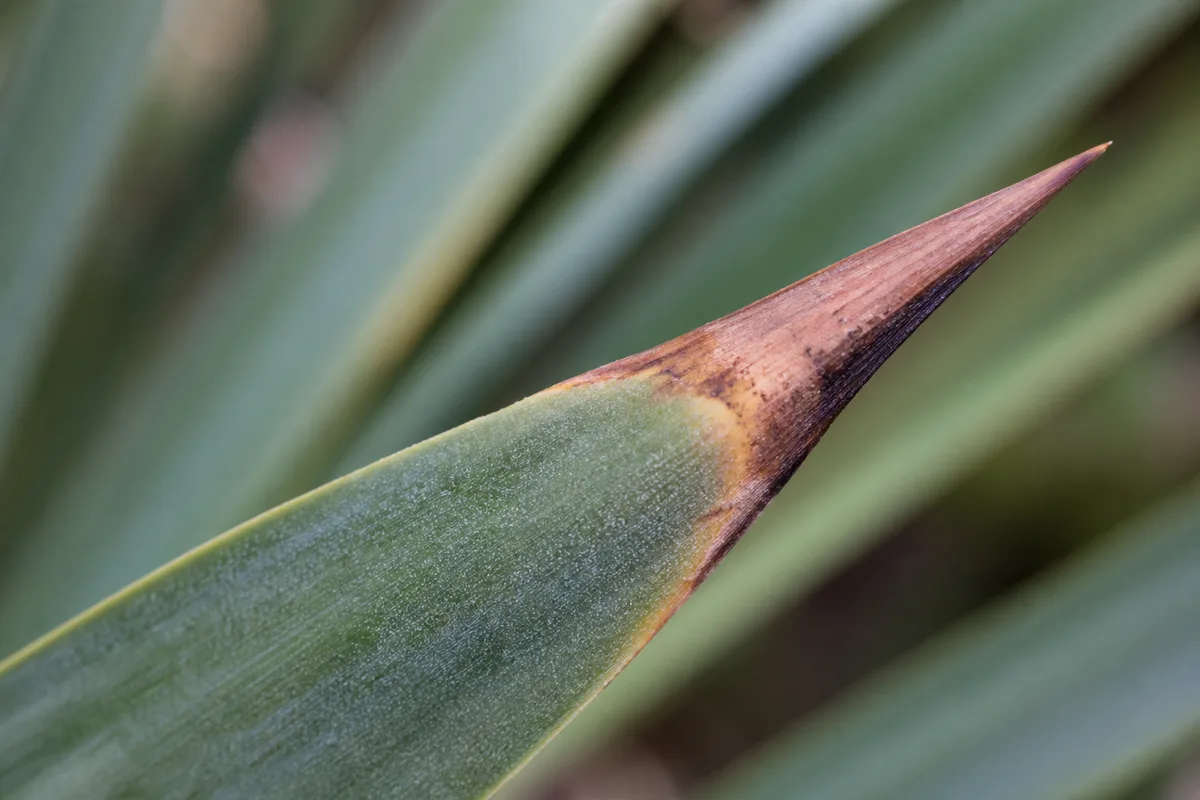
Representative yucca with fertilizer-burn symptoms. Use the image to inspect pattern and distribution, not to diagnose another species.
Typical acute burn signs:
- Uniform brown, dry tips or margins on multiple leaves at once-not isolated to one lowest blade
- Crispiness that appears within three to ten days of a fertilizer application
- White or tan crystalline crust on the soil surface or pot rim after the heavy dose
- Newest rosette leaves showing tip burn when the feed was recent and strong
- Wilting leaves even though soil feels moist-only in severe cases when root tips are damaged
- Firm stems, crowns or storage organs in mild-to-moderate cases; soft tissue suggests rot overlap instead
What stays normal:
- Stems, crowns or storage organs remain appropriately firm for the species
- Soil smells neutral, not sour or rotten
- No soft black tissue climbing the stem base
- A single old lowest leaf browning at the tip after months without feed is usually normal senescence-not acute burn
Burned tissue does not heal. Recovery is measured by new tissue emerging without fresh injury, not by old tips turning green again. Growth rate and the value of cosmetic trimming depend on the species.
Why excess fertilizer injures roots and leaves
Every fertilizer application adds dissolved ions to a container. When salts accumulate faster than water can carry them from the root zone, roots have more difficulty taking up water and can be directly injured. The visible result may be scorched tips and margins, stunting, wilt despite moist media or dead root tips. The University of Nebraska–Lincoln’s indoor-plant guidance and the University of Maryland both emphasize correct concentration and prevention of salt accumulation.
Common triggers across container plants include:
- A measuring or dilution error, especially with a concentrate
- Fertilizer applied to bone-dry soil-dry roots take up concentrated solution unevenly
- Feeding during slow or dormant growth when the plant uses little nutrient
- Stacking products-slow-release pellets in the mix plus a heavy liquid dose on the same week
- “Extra boost” after repotting before roots have settled
Slow-growing plants, recently repotted plants and salt-sensitive species can be injured by a program tolerated by a fast-growing plant in bright conditions. The correct rate comes from the product label and species-specific guidance—not a generic “half-strength every month” rule.
How to confirm acute fertilizer burn
Work through these checks in order. Post-feed timing plus crust is the strongest confirmation pair for this page.
- Timing - Did brown tips appear within three to ten days of fertilizing? Sudden multi-leaf damage right after feeding strongly suggests acute burn-not chronic overfertilization.
- Dose and method - Note product, guaranteed analysis, dilution, frequency and whether concentrate contacted dry roots or foliage.
- Soil surface - Scrape lightly with a finger. Fresh white crust after a recent feed confirms salt shock. Crust returning weeks later without a new dose points to chronic salt buildup instead.
- Leaf pattern - Multiple sword leaves with uniform dry margins at once fits burn. Gradual tip browning on many leaves over months without a feed event fits fluoride-see brown tips.
- Root, stem and crown check - Firm tissue plus a compatible feed history supports salt injury. Soft tissue, sour odor and persistently wet media suggest rot; flushing may worsen a waterlogged plant.
- Compare lookalikes - Sun scorch shows bleached or tan patches after a sudden move to harsh direct sun, not uniform tip necrosis after feeding. Underwatering curls leaves inward and leaves the pot very light-usually without fresh crust.
If timing matches a recent heavy feed and several signs align, treat fertilizer burn as a strong working diagnosis. Laboratory electrical-conductivity testing provides better confirmation when the plant or collection is valuable.
Lookalike decision table
| What you see | Likely cause instead | Quick check |
|---|---|---|
| Crispy tips within days of one heavy feed | Acute fertilizer burn | Timeline + crust after dose - this page |
| Gradual tip burn + crust after months of regular feeding | Chronic overfertilization | Winter feeds, stacked products - overfertilization |
| White crust, modest feeding, hard tap water | Tap-water mineral buildup | Little recent fertilizer - salt buildup |
| Brown tips, no crust, gradual onset | Fluoride or low humidity | No post-feed spike - brown tips |
| Yellow leaves + heavy wet pot, soft base | Overwatering / root rot | Sour smell; mushy roots - root rot |
| Bleached patches after window move | Sun scorch | Sun-facing side only; no recent feed |
First fix for a houseplant
Stop fertilizing, confirm drainage and root condition, then leach only when the pot can drain freely and roots are not waterlogged.
Move a freely draining pot to a sink or tub. Water slowly until drainage is established. The University of Maryland advises repeated clear-water irrigation for large pots with excessive salts and replacing the medium in smaller badly affected pots. If a thick crust covers the surface, remove the loose contaminated layer without damaging roots. Discard all runoff and follow the source plant’s normal post-leaching moisture requirement.
Do not treat a fixed three-round, 48-hour sequence as universal. The needed leaching volume depends on pot size, medium, salt level, drainage and species tolerance. Stop if the medium remains saturated, roots decline or the plant cannot drain.
After flushing, return to the species’ normal watering pattern. A yucca may need substantial dry-down, while a maidenhair fern should not be managed the same way. Hold fertilizer until roots are functioning and the plant produces healthy active growth; a fixed four-to-six-week pause is less useful than those biological signs.
Do not fertilize to “correct” the burn. Do not repot immediately unless flushing fails and roots show dark, shrunken tips when you inspect them.
Step-by-step recovery
Once you have flushed, work through these steps based on severity:
Mild case - firm plant, limited tip burn
- Stop feeding - Remove any visible slow-release pellets from the soil surface.
- Scrape crust - Remove white salt layer from the top of the mix without taking more than one quarter-inch of soil.
- Complete the three-round flush over 48 hours if you have not already.
- Trim only if useful - Remove fully dead tissue for appearance when the species tolerates trimming; salt injury itself is not contagious.
- Wait for new growth - Watch the center rosette for fresh leaves with clean margins.
Moderate case - wilting with moist soil, some root-tip browning
- Complete the three-round flush protocol.
- If crust returns within a week, unpot and rinse roots with plain water.
- Trim dark shrunken root tips; keep firm white or tan roots. Black mushy tissue points to root rot instead.
- Repot into fresh fast-draining cactus mix with no added fertilizer.
- Hold feed for at least six to eight weeks, then resume per the fertilizer guide schedule.
Severe case - extensive root injury or soft tissue
- Unpot and assess roots immediately.
- If the base or crown is soft and damage is spreading, isolate the plant and use a species-appropriate root-rot or propagation protocol.
- If upper tissue remains viable but most roots are damaged, repot into fresh species-appropriate medium and pause feeding until healthy roots and growth return.
Worked diagnostic example
Suppose a slow-growing plant and a fast-growing vine receive the same concentrated feed during a dim period. The slow plant develops synchronized brown margins and fresh crust while its roots remain firm. That sequence supports salt injury, but it does not justify copying a rigid rescue schedule from another species. Stop fertilizer, confirm drainage, leach cautiously if appropriate, and judge recovery on new growth. Label this an illustrative reasoning example unless dates, measurements and photographs document a real case.
Recovery timeline
Recovery speed depends on the dose, root damage, season and plant growth rate. A recent spike can be easier to remove than long-term accumulation, but acute injury can still be severe.
- Days 1–14: No new tip damage after flushing means the salt spike is dropping; old brown tips stay brown.
- Following active growth: Newly formed leaves should have cleaner margins if roots recover and salts were the cause; timing varies by species and season.
- Later growth cycles: Full cosmetic recovery depends on how much foliage must be replaced and how quickly that species grows.
Signs you are winning: healthy new growth, no expanding edge burn on fresh tissue, stable roots and normal species-appropriate dry-down.
Signs the problem is deepening: persistent wilting with wet soil, blackening at the stem base, or new burn on fresh leaves after you already flushed and stopped feeding-route to root rot or overfertilization before feeding again.
Mistakes to avoid
- Feeding again at full strength to “green up” burned leaves-adds more salts to an already shocked root zone
- Fertilizing during winter dormancy or right after repotting
- Applying fertilizer to dry soil without watering first
- Using one schedule for unrelated species—match the product and plant, not the neighboring pot
- Keeping the pot saturated after leaching—return to the species’ normal moisture range
- Repotting into fertilized potting mix while recovering from burn
- Ignoring white crust because upper tissue still feels firm—salts can accumulate before severe decline is visible
- Stacking repot, prune, and feed on the same weekend after a burn event
Keep fertilizer and runoff away from children and pets. Toxicity depends on the plant; for the pictured example, Yucca species are toxic to cats and dogs. Discard collected runoff safely rather than leaving it accessible.
Species care cross-check
Acute burn often follows a feeding mistake on an otherwise stable plant, but recovery must still respect species biology. A free-draining medium makes leaching possible; an orchid in bark, an African violet in fine mix and a succulent in gritty medium retain water and salts differently. Light and temperature also determine whether the plant is actively using nutrients.
If you corrected the dose but tips keep browning without crust and without a recent feed, switch to filtered or rainwater-fluoride from tap water mimics fertilizer burn at leaf edges and is covered on the brown tips page.
How to prevent acute fertilizer burn
Prevention is simpler than rescue: measure accurately, account for every fertilizer source and feed only during active growth.
- Follow the fertilizer label and a reliable guide for the identified plant; no single strength or interval fits all houseplants.
- Never pour concentrate directly into a pot or onto roots.
- Account for controlled-release fertilizer already present in commercial mix.
- Leach periodically only where the plant, medium, water quality and drainage make that appropriate.
- Review irrigation water and accumulated salts when the same pattern appears across several plants.
For container plants in active growth, the University of Minnesota recommends selecting fertilizer based on the plant’s needs and notes that lower-rate, more frequent applications can reduce nutrient loss. This is a general container principle, not permission to ignore a houseplant’s label, seasonal rest or salt sensitivity.
Match the pot and mix to the plant: oversized pots hold excess wet soil where salts concentrate, and heavy peat mixes retain minerals longer than gritty cactus blends.
When to worry
Fertilizer burn may be reversible when roots remain mostly healthy. Treat it as urgent when:
- Leaves wilt persistently while soil is wet
- The stem base, crown or storage organ softens or blackens
- Root inspection shows extensive dark, mushy, or shrunken tissue
- Burn spreads rapidly to new leaves after you already flushed and stopped feeding
In those cases, flushing alone may not be enough. Replace badly affected medium or use a species-appropriate root-rot and propagation protocol after identifying viable tissue.
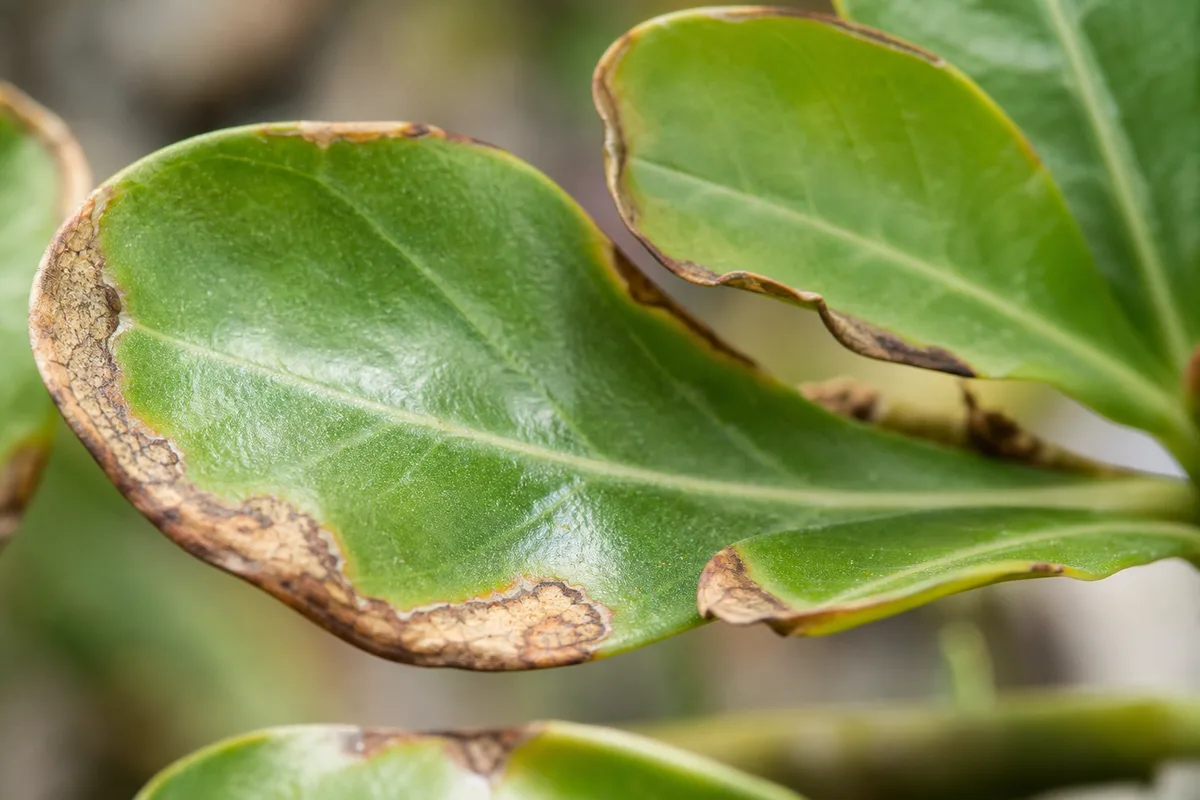
Fertilizer burn is best understood as soluble-salt injury. Fertilizers dissolve into charged ions in water. At appropriate concentrations those ions supply nutrients; at excessive concentrations they make it harder for roots to take up water and can directly injure fine root tissue. The University of Maryland Extension describes high soluble salts as a cause of brown leaf tips and margins, wilting, and root injury.
Timing is powerful evidence. Symptoms that begin within hours or days of a mismeasured dose, feeding a dry root ball, using a concentrate undiluted, or applying fertilizer to a stressed plant make burn more likely. A white crust on the mix or pot can support a chronic-buildup diagnosis, but minerals from hard water can also leave deposits.
Check whether the pot can drain before flushing. Leaching requires water to move through the root zone and leave the container; soaking a plant in a sealed decorative pot simply redistributes salts and prolongs saturation. Remove the nursery pot, clear drainage holes, empty runoff, and never let the pot stand in the concentrated drainage water.
For a mild case with firm roots and a freely draining mix, stop fertilizer and pass clean water slowly through the pot. University of Nebraska–Lincoln Extension recommends periodic leaching to manage soluble salts in houseplant media. Do not prescribe one universal number of pot volumes: water quality, plant sensitivity, potting medium, and drainage differ.
Repot when the mix cannot be leached, salts are severe, roots are extensively damaged, or the plant sits in a non-draining setup. Remove only tissue that is clearly dead or rotten, use a clean container and suitable fresh medium, and avoid jumping to a much larger pot. Repotting is not automatically safer than flushing because it adds root disturbance.
Do not neutralize fertilizer with another household substance. Vinegar, baking soda, sugar water, coffee grounds, Epsom salt, and “detox” tonics create new chemical variables and may add salts or shift pH unpredictably. Plain suitable water, drainage, and time are the conservative first tools.
An electrical-conductivity test measures the total soluble-ion concentration rather than identifying one nutrient. UMass Extension explains that EC is used to assess soluble salts in greenhouse media. Home meters have limitations, but a professional saturated-media extract can be useful when a valuable collection has recurring injury.
Recovery is not the disappearance of a brown tip. Necrotic tissue remains brown. Look for regained turgor, a normal wet-to-dry rhythm, firm roots, and later leaves without expanding scorch. Severe root loss can delay top growth for weeks, so prevent repeated “rescue” watering and feeding while the plant rebuilds.
Salt Buildup Versus a One-Time Overdose
A single mixing error creates an acute event; repeated feeding with little leaching creates chronic accumulation. The history changes whether a thorough flush or full media replacement is more appropriate.
Why Dry and Damaged Roots Burn More Easily
A concentrated solution contacting dehydrated or injured feeder roots adds osmotic stress to tissue that already has limited function. Water and stabilize a dry plant before any future feeding.
Keep the fertilizer package or photograph its guaranteed analysis and mixing directions. If professional help becomes necessary, the exact product, concentration, application date, pot size, and amount of runoff are more useful than the phrase “I fed it recently.” These details also prevent the same measuring error during the next feeding cycle.
Decide whether to leach, repot, or wait
The safest response depends on drainage and root condition, not just how dramatic the leaf margins look. Leaching is appropriate only when the pot has open drainage holes, the medium still accepts water, and roots are firm enough to tolerate another irrigation. In that situation, remove the inner pot from its decorative cover, pass suitable water slowly through the entire root ball, let runoff leave completely, and discard it where children and animals cannot reach it. Do not allow the container to sit in the same concentrated solution you are trying to remove.
Repotting is a higher-stress intervention. Reserve it for evidence that the medium cannot drain, a concentrate was spilled into a localized portion of the root ball, or roots are already badly injured. During inspection, distinguish naturally dark or stained roots from tissue that is soft, hollow, sloughing, or foul-smelling. Remove only clearly dead material with clean tools and choose a replacement mix suited to the species. An unnecessarily large pot can prolong saturation and trade salt injury for oxygen stress.
Waiting is often the correct branch after a mild dosing mistake has been diluted and the roots remain healthy. Stop fertilizer, keep light and temperature within the species’ normal range, and water according to the root ball rather than flushing repeatedly. Additional leaching can be harmful when the pot is already wet. The University of Maryland Extension’s guidance on fertilizer toxicity and high soluble salts emphasizes both salt injury and correction of the source.
Track evidence from the treatment date. Mark the newest leaf, photograph the margin under similar lighting, and record pot weight or moisture at each check. Existing brown tissue cannot demonstrate recovery because it will not become green. Stabilized wilting, roots that remain firm, resumed growth, and leaves formed without fresh scorch are more useful endpoints.
If injury continues after fertilizer has stopped, review all sources: controlled-release pellets in commercial mix, fortified potting products, hard irrigation water, foliar feeds, and a second person fertilizing the same plant. Electrical-conductivity testing can quantify a persistent salt problem in important collections. Escalate to a local extension service when several pots share the pattern, roots keep failing, or the exposure amount is unknown; repeated guesswork adds more variables to an already stressed root system.
Conclusion
Fertilizer burn is an exposure diagnosis: recent overfeeding, concentrated solution, dry roots at application, or measurable salt accumulation must support the scorched-margin pattern. Stop feeding, protect oxygen in the root zone, and leach only when the container drains freely; a saturated or root-rotted pot needs a different response. Existing necrosis is permanent, so use stable turgor, resumed root activity, and clean new leaves—not cosmetic improvement in old tissue—to decide whether first aid worked.
Plants commonly affected
These houseplants often struggle with fertilizer burn. Open a care guide or plant-specific troubleshooting page for tailored fixes.
 Medium
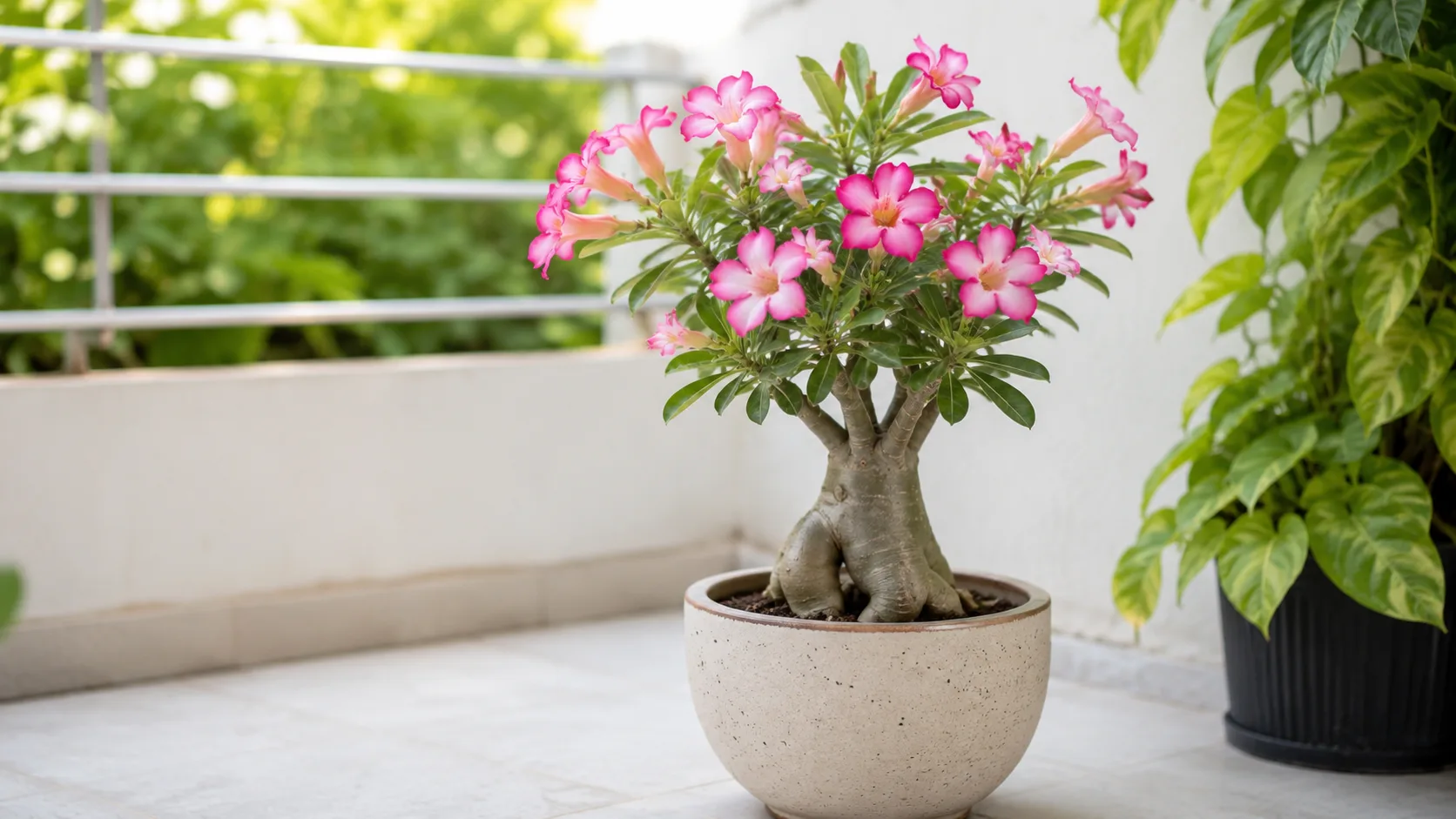
Adenium
Likely causeToo much fertilizer during weak light or dormancy builds salts that burn leaf margins and stress roots.
Quick fixStop feeding, flush with water if drainage is good, and resume half-strength feed only in warm active growth.
 Medium
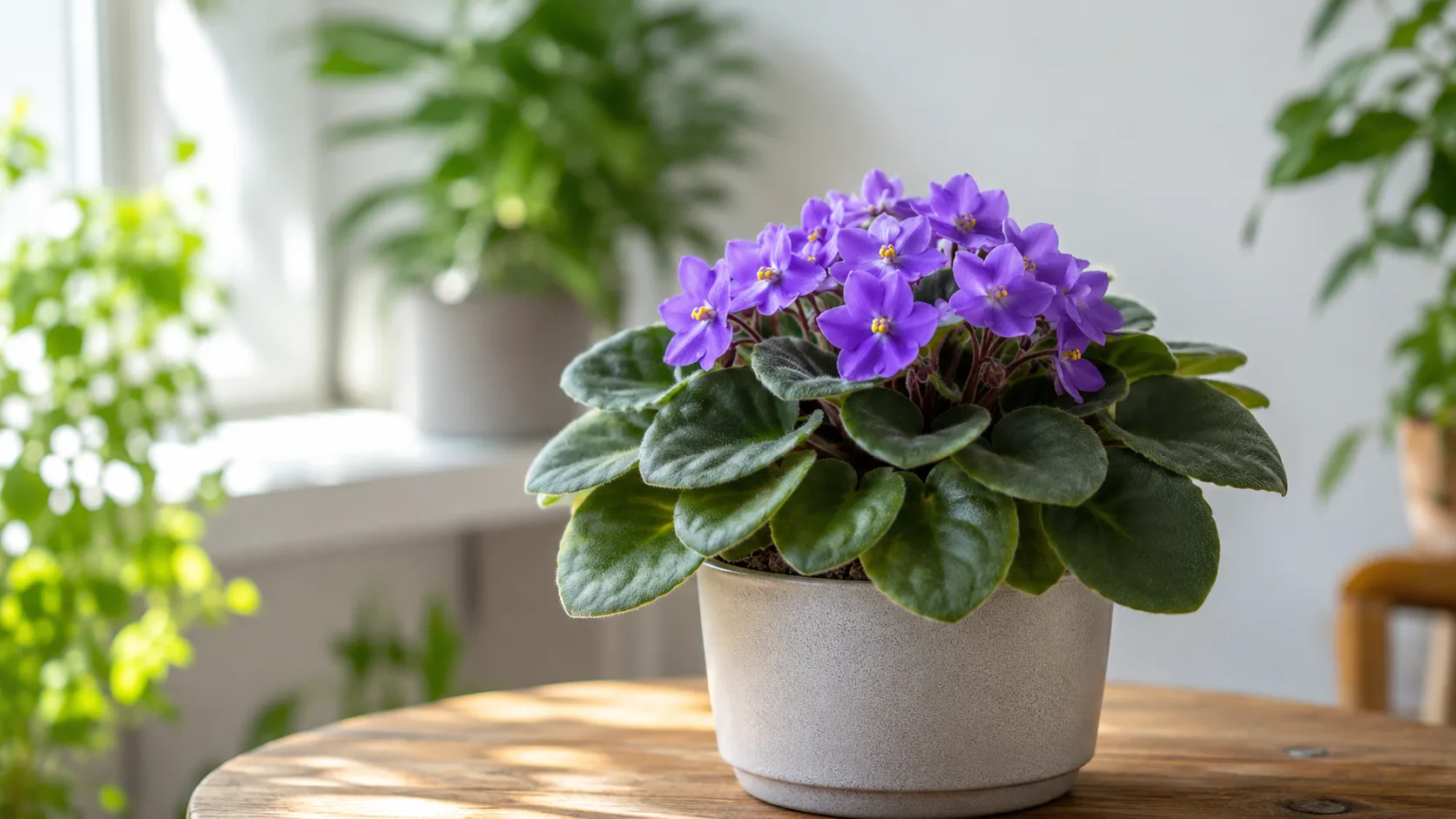
African Violet
Likely causeFertilizer Burn on African Violet: Want massive blooms? Discover the secrets to fertilizing African violets. We cover liquid vs. granules, organic options, and how to fix fertilizer burn.
Quick fixInspect African Violet, confirm fertilizer burn matches your symptoms, then adjust care or treat per authoritative guides.
 Easy
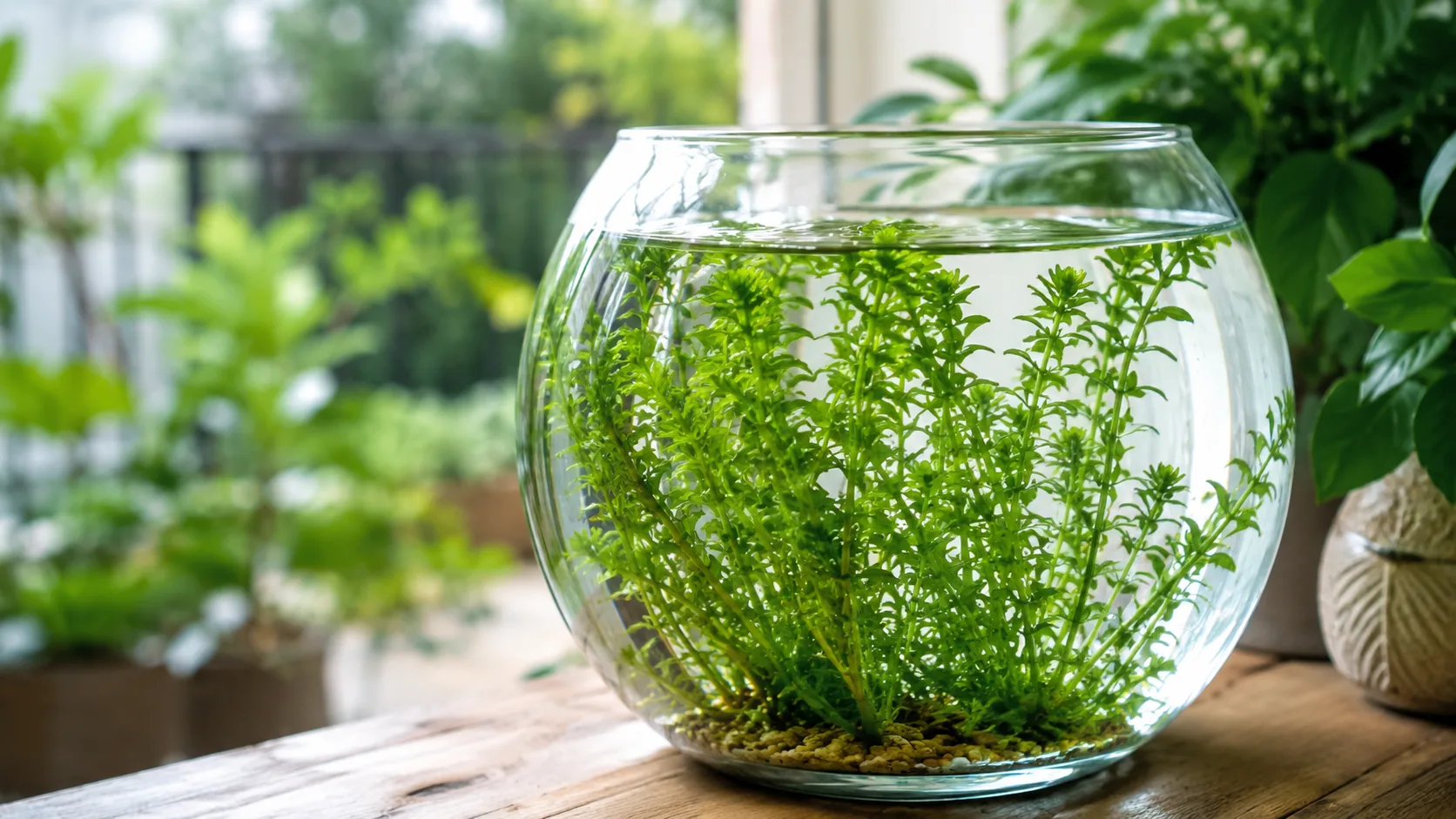
EasyAnacharis / Elodea
Likely causeExcess liquid fertilizer or dosing before submerged leaves establish, especially in new tanks.
Quick fixPause fertilizer 1–2 weeks, change 30–50% water, trim melted stems, then restart at half dose.
 Medium
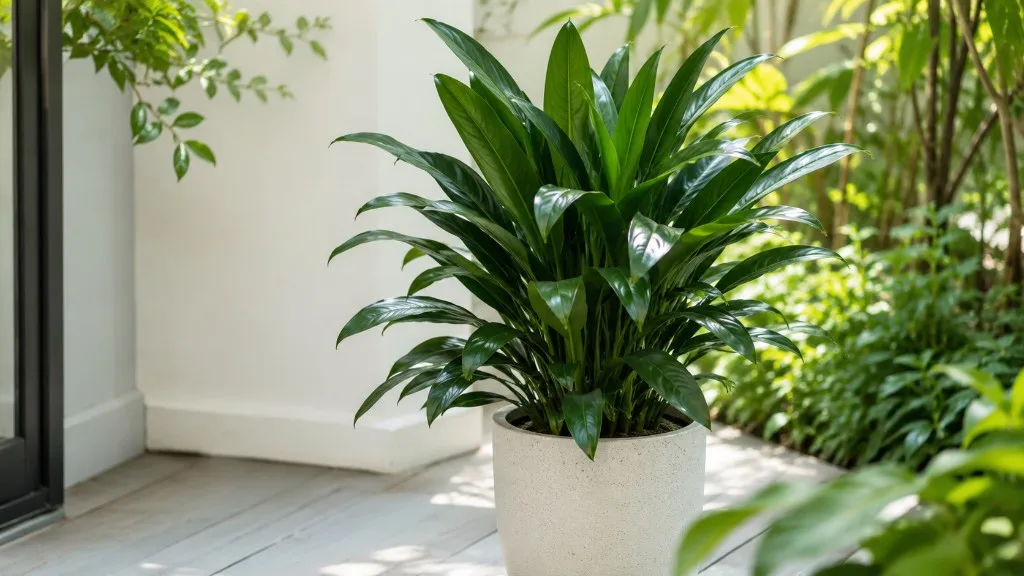
Janet Craig Dracaena
Likely causeAug 4, 2022 · Avoid getting the fertilizer solution on the leaves, as this can cause spotting or burn . If you’re using a slow-release fertilizer , follow the instructions for how much to use based on the size of your plant and pot. Always
Quick fixConfirm diagnosis on your Janet Craig Dracaena, then address the most likely care or pest factor described in current extension guidance.
 Medium
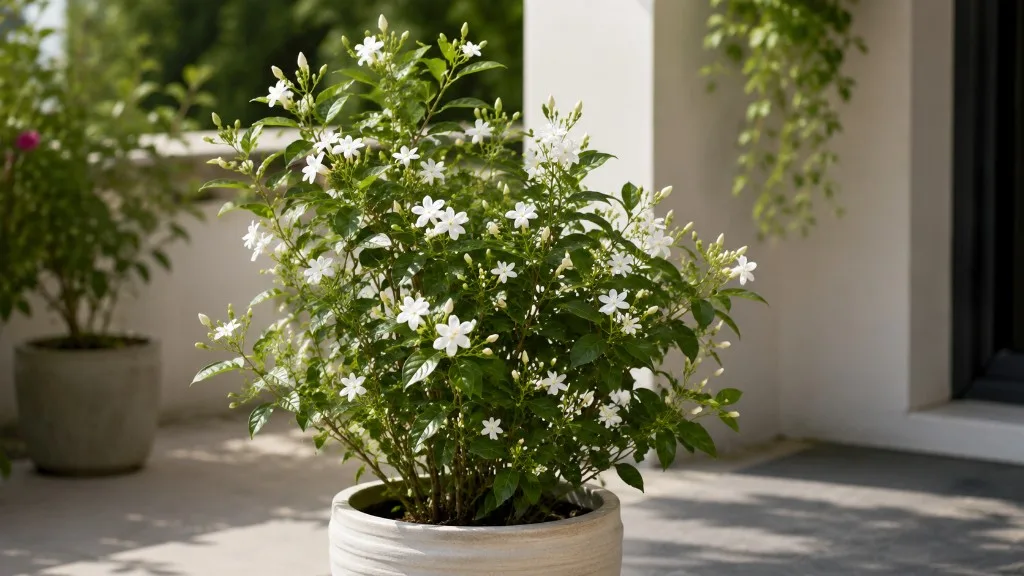
Jasmine
Likely causeOver- fertilizing your Jasmine may cause brown leaf tips and edges, yellowing, wilting leaves, and possibly a visible crust of fertilizer salts on the surface of the soil around the tree.
Quick fixConfirm diagnosis on your Jasmine, then address the most likely care or pest factor described in current extension guidance.
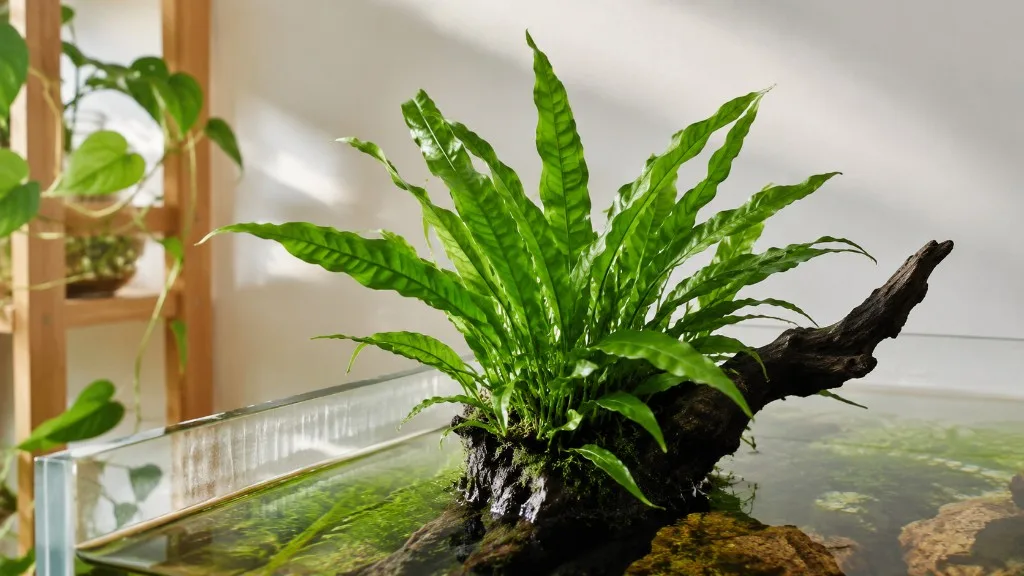 Easy
EasyJava Fern
Likely causeOf all the available aquarium plants in the trade, Java fern (Microsorum pteropus) is one of the most popular. Praised for its hardness and adaptability, it’s a suitable cultivar for a wide variety of tanks. Java fern care is simple and thi
Quick fixConfirm diagnosis on your Java Fern, then address the most likely care or pest factor described in current extension guidance.
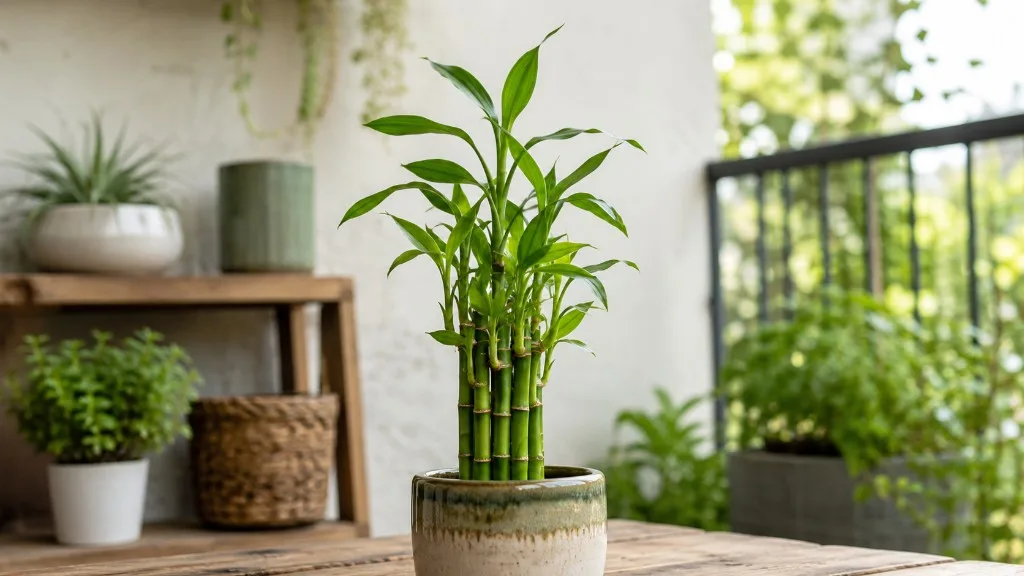 Medium
Lucky Bamboo
Likely causeOct 1, 2025 · A: Fertilizing Lucky Bamboo growing in rocks is similar to fertilizing water-grown plants. Simply dilute the fertilizer solution and pour it over the rocks, ensuring that the roots are submerged.
Quick fixConfirm diagnosis on your Lucky Bamboo, then address the most likely care or pest factor described in current extension guidance.
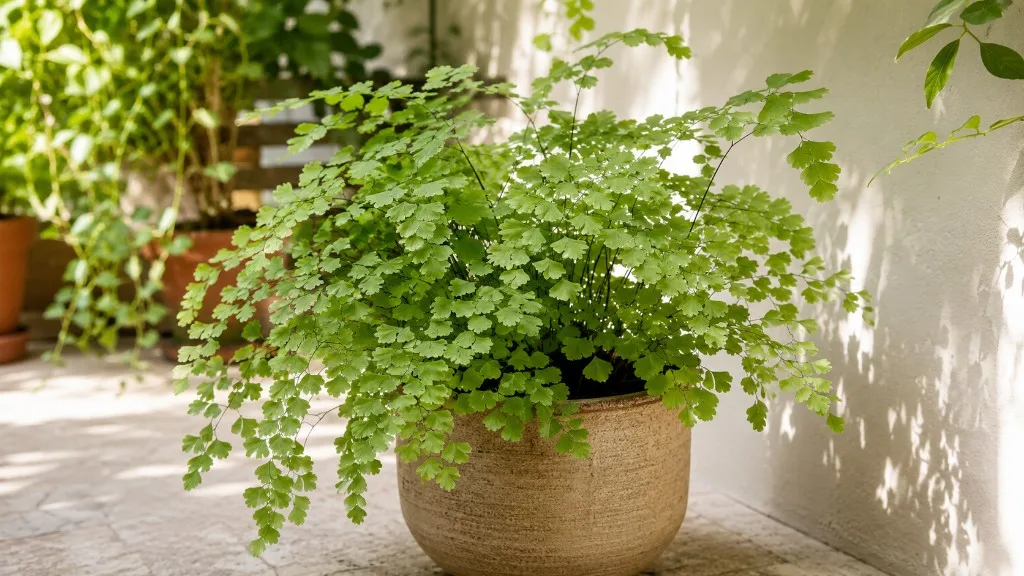 Medium
Maidenhair Fern
Likely causeAug 11, 2025 · Too much fertilizer can lead to chemical burn , impairing water and nutrient absorption. While some fertilization supports healthy growth, over-fertilization poses a significant risk. When selecting a fertilizer for maidenhai
Quick fixConfirm diagnosis on your Maidenhair Fern, then address the most likely care or pest factor described in current extension guidance.
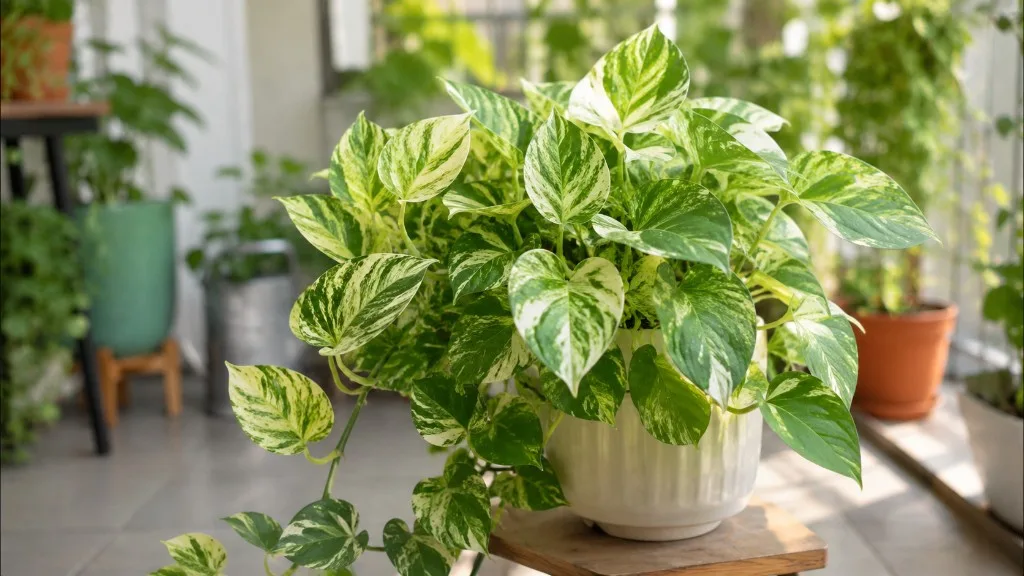 Medium
Manjula Pothos
Likely causeMar 5, 2023 · While Manjula Pothos isn’t a heavy feeder, it does appreciate some nutrients now and then. Over- fertilizing can lead to salt buildup in the soil, which can cause leaf burn and browning at the edges.
Quick fixConfirm diagnosis on your Manjula Pothos, then address the most likely care or pest factor described in current extension guidance.
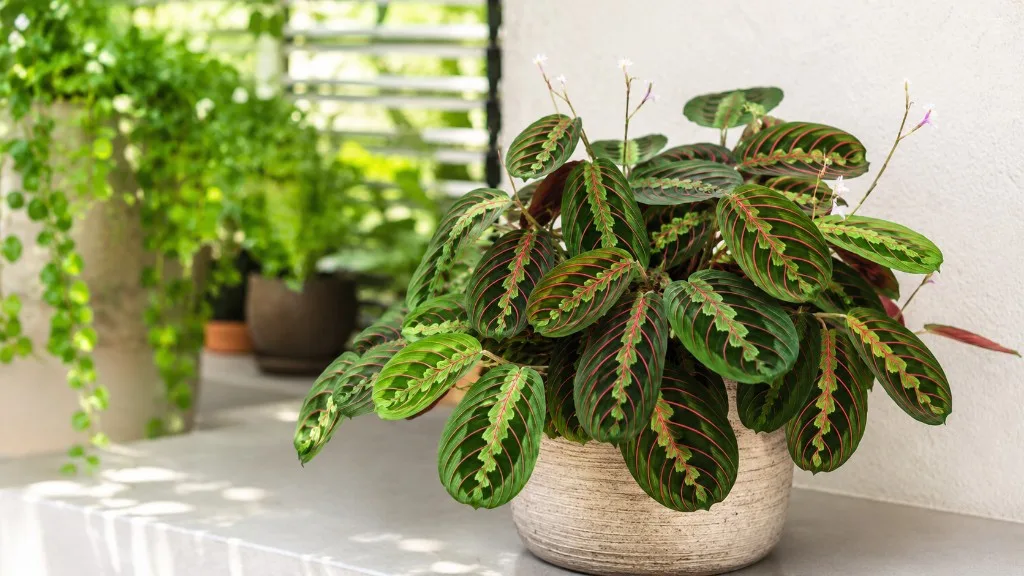 Medium
Maranta Leuconeura
Likely causeAug 4, 2023 · Fertilizers can cause leaf burns if left on the leaves for an extended period. If any fertilizer accidentally gets on the leaves, gently wipe it off with a damp cloth. For optimal growth, Red Maranta should be fertilized every
Quick fixConfirm diagnosis on your Maranta Leuconeura, then address the most likely care or pest factor described in current extension guidance.
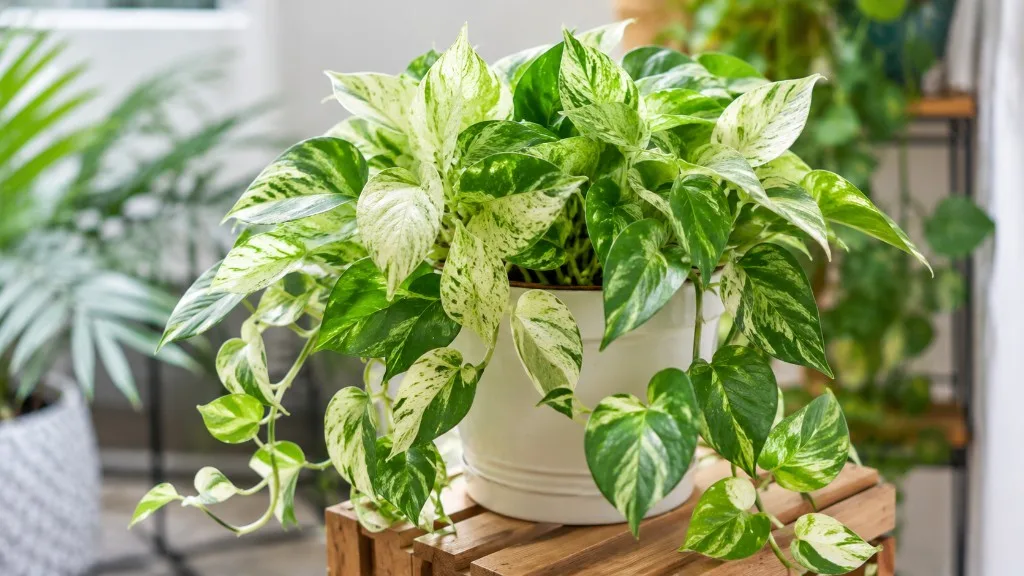 Medium
Marble Queen Pothos
Likely causeJan 20, 2024 · Marble Queen Pothos , with its striking, marbled leaves, is a delightful addition to any home. But if you want to keep those leaves vibrant and healthy, understanding the right way to fertilize this plant is essential.
Quick fixConfirm diagnosis on your Marble Queen Pothos, then address the most likely care or pest factor described in current extension guidance.
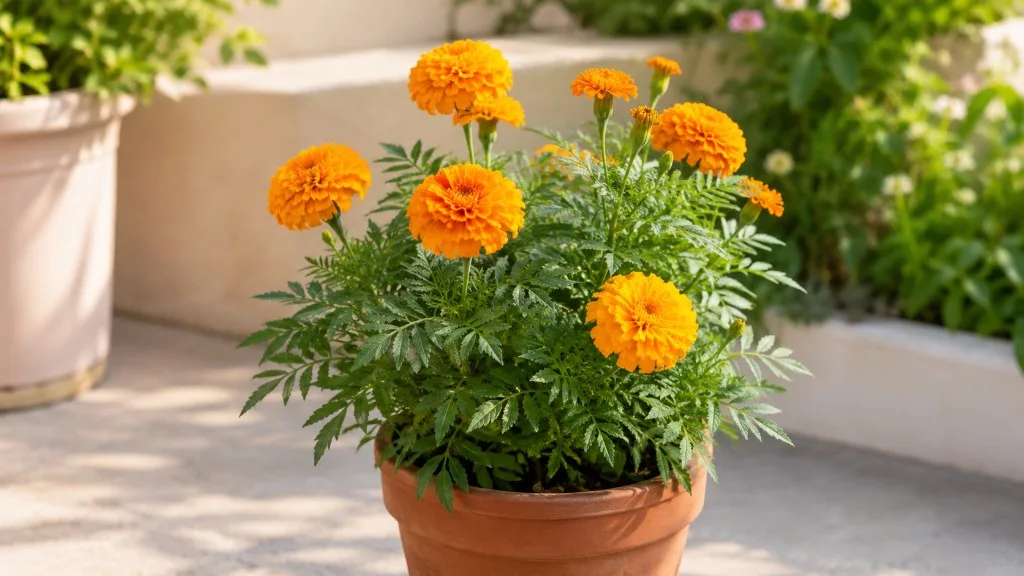 Medium
Marigold
Likely causeJan 31, 2026 · Fertilizer burn is a common issue that can occur when marigolds are overfertilized. This is often caused by applying too much fertilizer at once, resulting in an overabundance of nutrients that can scorch the leaves and damag
Quick fixConfirm diagnosis on your Marigold, then address the most likely care or pest factor described in current extension guidance.