Houseplant Nutrient Lockout: Causes and Fixes
Diagnose houseplant nutrient lockout: separate pH and salt blockages from true shortages, flush safely, and restart feeding.
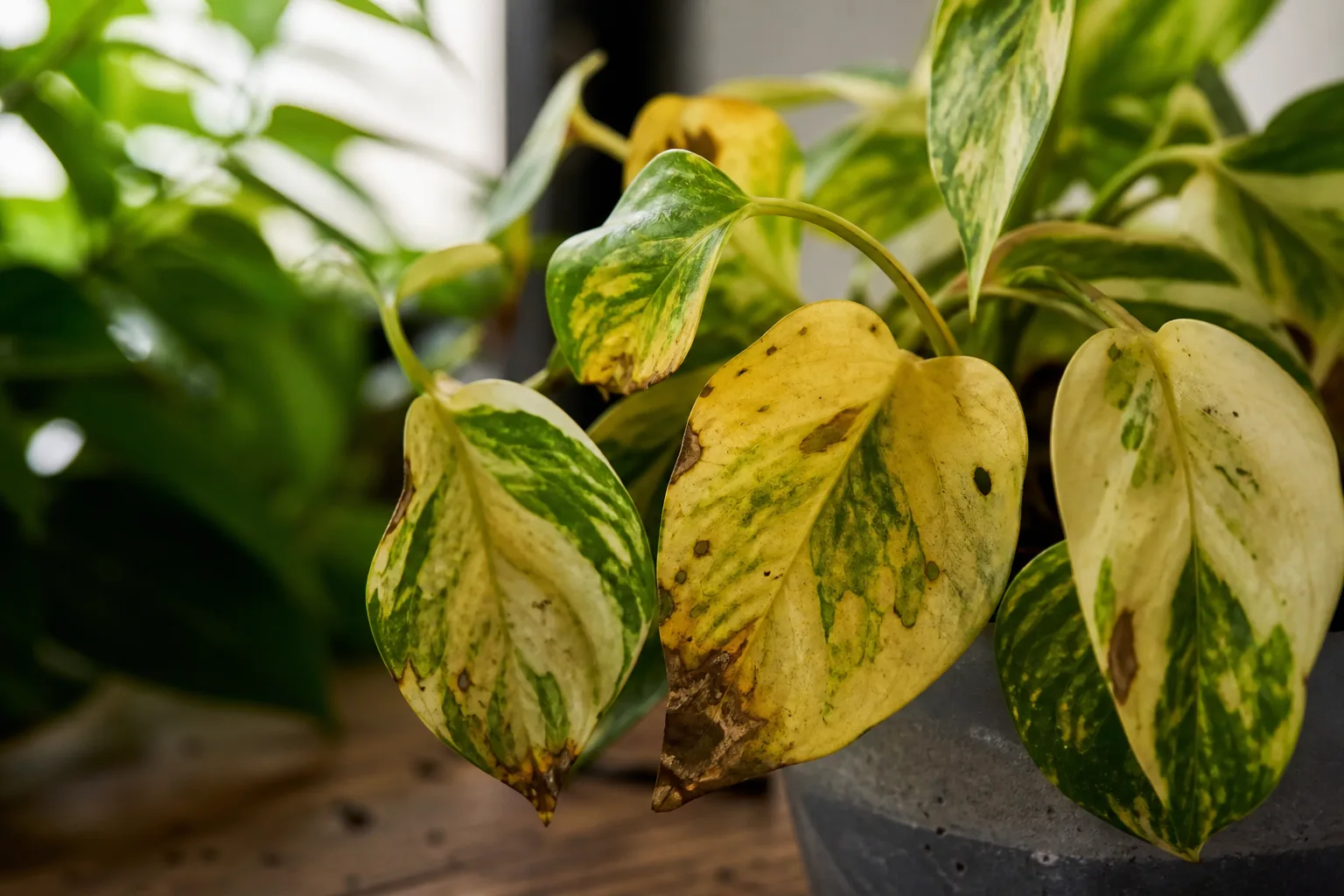
You fertilized last week. The plant still looks pale, tips keep browning, and new leaves open smaller than the last flush. Before you reach for a stronger dose, pause.
Ask three questions first: Did you fertilize recently? Is there white crust on the rim or mix surface? Are roots firm and pale, or brown and soft? Those answers usually decide whether you flush, repot, change water — or feed.
Nutrient lockout means nutrients are present in the pot, but roots cannot take them up efficiently. The plant can wear a deficiency costume while the fertilizer bottle sits half empty on the shelf. Extension literature usually names the mechanisms — soluble salts, pH extremes, damaged roots — while “lockout” is the practical umbrella growers use for that uptake failure. In containers, blind feeding raises salt levels without fixing uptake and can push a stressed plant into fertilizer burn.
Written by Sai Ananth; horticulture review by Dr. Priya Menon (botanist and indoor plant specialist).
What Nutrient Lockout Actually Means
In plain terms, lockout is a root-zone problem, not a shopping problem. Fertilizer salts dissolve into the water film around roots. Plants absorb ions from that solution. If the chemistry of that film is hostile — too salty, too acidic, too alkaline, or paired with dying roots — uptake slows even when the bagged mix still holds nutrients.
NC State Extension’s gardener handbook makes the chemistry point clearly: plant nutrient availability is strongly tied to pH in the soil solution, and at extreme high or low pH many nutrients become inaccessible because they are no longer dissolved in a usable form. Containers amplify this. Outdoor beds can leach excess downward into the landscape. A plastic nursery pot cannot. Every incomplete watering and every feed that never drains leaves a little more behind.
So “lockout” is not a single disease. It is a useful label for uptake failure driven by chemistry or root health. Treat the root zone first. Treat the nutrient label second.
Lockout vs True Deficiency vs Fertilizer Burn
These three get mixed up because the leaves overlap. The history of the pot usually does not.
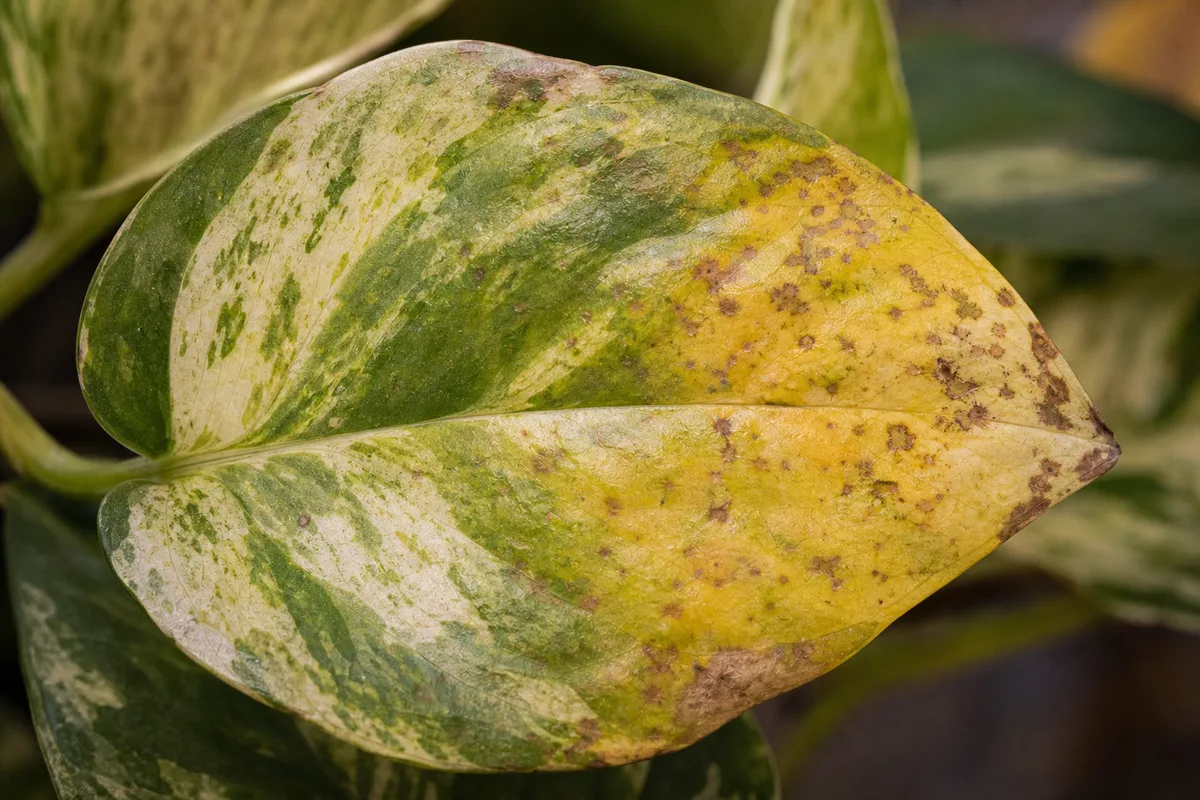
True deficiency means the media has genuinely run low on one or more nutrients. The RHS notes that plants in pots often show shortage signs once compost nutrients run out, and that dry containers also block uptake even when nutrients remain. Classic patterns exist — nitrogen yellowing starting on older leaves, potassium edge browning on mature leaves, iron yellowing on the newest growth — but patterns alone are not proof in a living room pot.
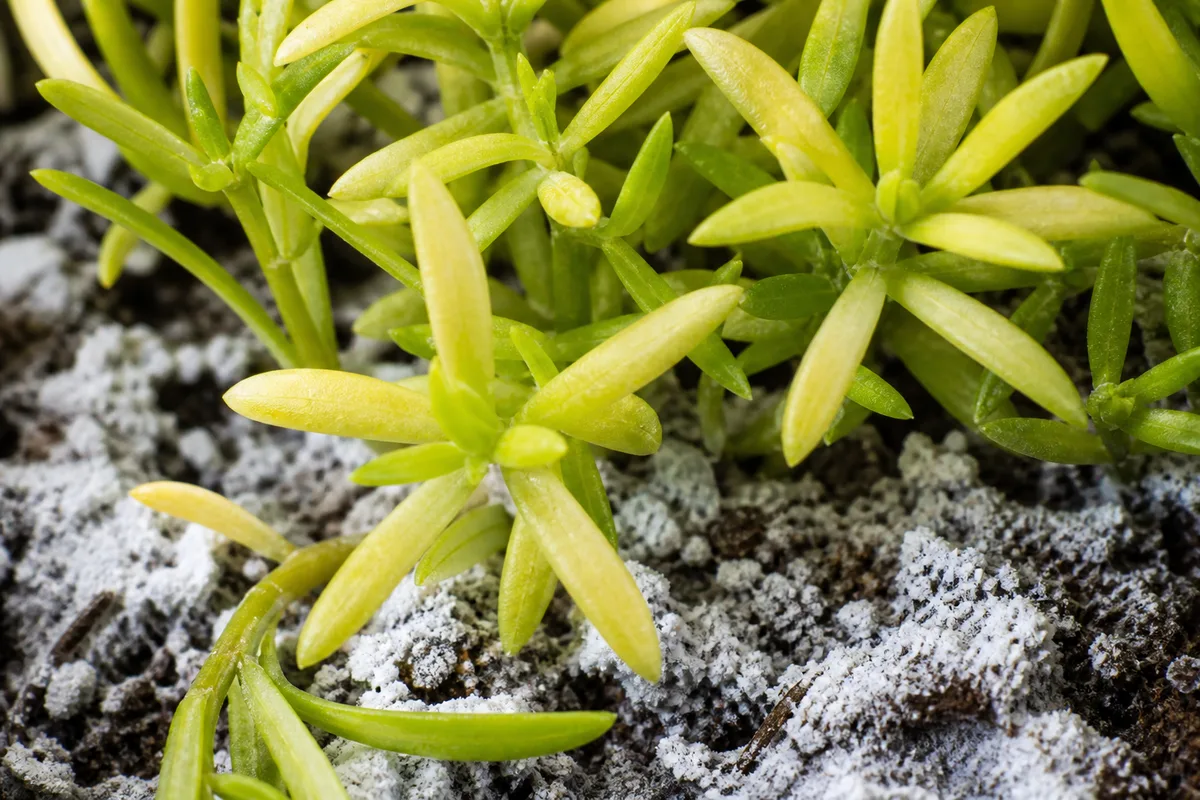
Fertilizer burn / salt injury means soluble salts are already high enough to injure roots and leaf margins. Clemson HGIC lists brown tips and edges among salt-related symptoms, and notes white-to-grey crusty deposits on the soil surface or pot rim as a salt-buildup clue (distinct from fuzzy mold). Full triage for tip burn after a heavy feed belongs on the fertilizer burn guide.
Nutrient lockout sits between those poles. Nutrients may still be in the mix, but salts, pH, or root stress prevent efficient uptake. The plant looks hungry. The root zone is the reason.
How to Tell Them Apart
| Clue | Likely lockout / salt stress | Likely true deficiency | Likely acute fertilizer burn |
|---|---|---|---|
| Feed history | Fed recently or often; never flushed | Months with little or no feed | One strong dose, dry-mix feed, or foliar granules |
| Pot surface | White/grey chalky crust | Little or no crust | May or may not show crust yet |
| Roots | Firm but stressed, or uneven dryness | Usually firm and pale if watering is sound | Often stressed; tips may burn fast |
| First move | Pause feed → leach or repot → fix water | Confirm light/roots → dilute complete feed | Pause feed → flush → hold fertilizer |
If the plant was fed often, never flushed, and shows crust plus tip burn while the mix stays moist, treat salt stress and lockout first — not a stronger feed. If the plant has not been fed for many months in old mix, light is adequate, roots look healthy, and there is no crust, a true shortage becomes more plausible. If the plant wilts in wet soil with dark soft roots, you may be looking at root rot blocking uptake, which can imitate lockout until the roots fail completely.
Softener water and single-nutrient “photo cures” are high-intent failure modes — rule them out early. Softener sodium is a salt source, not a kindness. Chasing iron or Epsom salt from a pale photo before you flush a chalky pot is how lockout becomes burn.
Why pH Blocks Nutrient Uptake
pH is a measure of acidity and alkalinity on a 0–14 scale. Seven is neutral. Below seven is acidic; above seven is basic. The scale is logarithmic, so each unit is a tenfold change. (NC State Extension)
For most mixed houseplant collections, a mildly acidic to near-neutral root zone keeps the widest set of nutrients available. A soil pH around 6.5 to 7.0 is often treated as a practical “ideal” band for many plants, though acid-loving species prefer lower values. (NC State Extension; RHS) Peat-based mixes start acidic and can drift as limestone components buffer, hard water deposits calcium and magnesium, and fertilizers leave residual salts.
You do not need a lab to act. You do need humility about cheap strip tests: they are directional, not surgical. Use them to catch extremes, then fix watering, water source, and feeding before chasing boutique pH potions.
Acidic Drift and Micronutrient Toxicity Risk
As pH falls, iron, manganese, zinc, and copper become more soluble. That can help acid-loving plants. It can also release toxic levels of manganese, zinc, or aluminum when pH drops below about 5.5 in mineral soils — a greenhouse and landscape warning that still matters when you repeatedly acidify a container without measuring. (NC State Extension)
For indoor growers, the practical risk is less “aluminum in garden clay” and more overcorrecting: vinegar flushes, heavy sulfur products, or endless “acidifying” feeds stacked on an already peat-heavy mix. If new growth looks burned or oddly spotted after aggressive acidifying, stop and reset the media rather than doubling the acid.
Alkaline Drift and Iron Chlorosis Lookalikes
As pH rises, iron and manganese become harder for roots to access. RHS describes iron deficiency as yellowing between veins that hits the youngest leaves hardest, common when ericaceous plants sit in alkaline or chalky conditions or in the wrong compost. (RHS) Hard tap water accelerates alkaline drift in pots because calcium and magnesium keep arriving with every watering. (RHS)
Interveinal yellowing on new leaves after months of hard-water irrigation often looks like an iron shortage. Sometimes it is a true shortage in exhausted mix. Often it is availability chemistry plus salt stress. Pouring chelated iron into a salty, alkaline pot without flushing is a common expensive miss. Fix water quality and salts first; see hard water for houseplants when crust returns even on a light feed schedule.
How Soluble Salts Create Lockout
Soluble salts are dissolved minerals from fertilizer and from the water itself. As moisture evaporates from the mix, salts stay behind. Colorado State PlantTalk lists brown tips, yellowing, and wilting while the soil is still moist as salt-buildup signs, with white crystal crust on the pot lip or soil surface as the most obvious clue.
High salts injure root hairs. Damaged roots take up less water and fewer nutrients. Leaves then signal “hunger” and “thirst” at the same time. That is lockout in everyday language: the pantry is not empty, but the doorway is swollen shut.
Clemson’s fertilizing guidance ties white film on the soil surface or crust on the rim and drainage hole to overfertilizing and/or overwatering patterns, and lists reduced growth, brown tips, lower-leaf drop, and wilting among salt-injury outcomes. The prevention habit is thorough watering with runoff that you empty from the saucer. (Clemson HGIC)
Hard Water, Softener Water, and Fertilizer Stack
Three salt sources stack in the same pot. Fertilizer contributes nutrient salts you chose. Hard water contributes calcium, magnesium, and companions you did not. Softened water is usually worse for containers because ion-exchange softeners swap hardness minerals for sodium — PlantTalk flags softened water as a salt source, and Clemson advises against watering with softened water because sodium and chloride add to the mix and can damage plants. (PlantTalk Colorado; Clemson HGIC) UConn likewise notes that softener systems commonly use sodium salts that accumulate in potting mix and injure plants, and recommends outdoor taps, rainwater, or bottled water for sensitive houseplants.
If your collection shows chalky rims, tip burn on calatheas and ferns, and crust that returns weeks after a flush, read the hard water guide next. Salt-sensitive examples with species pages include maidenhair fern salt build-up and Janet Craig Dracaena nutrient lockout. Lockout fixes fail when the irrigation water keeps reloading the root zone.
Symptoms and Leaf Patterns to Read First
Lockout rarely announces itself with one unique leaf stamp. You read pattern + timeline + pot evidence.
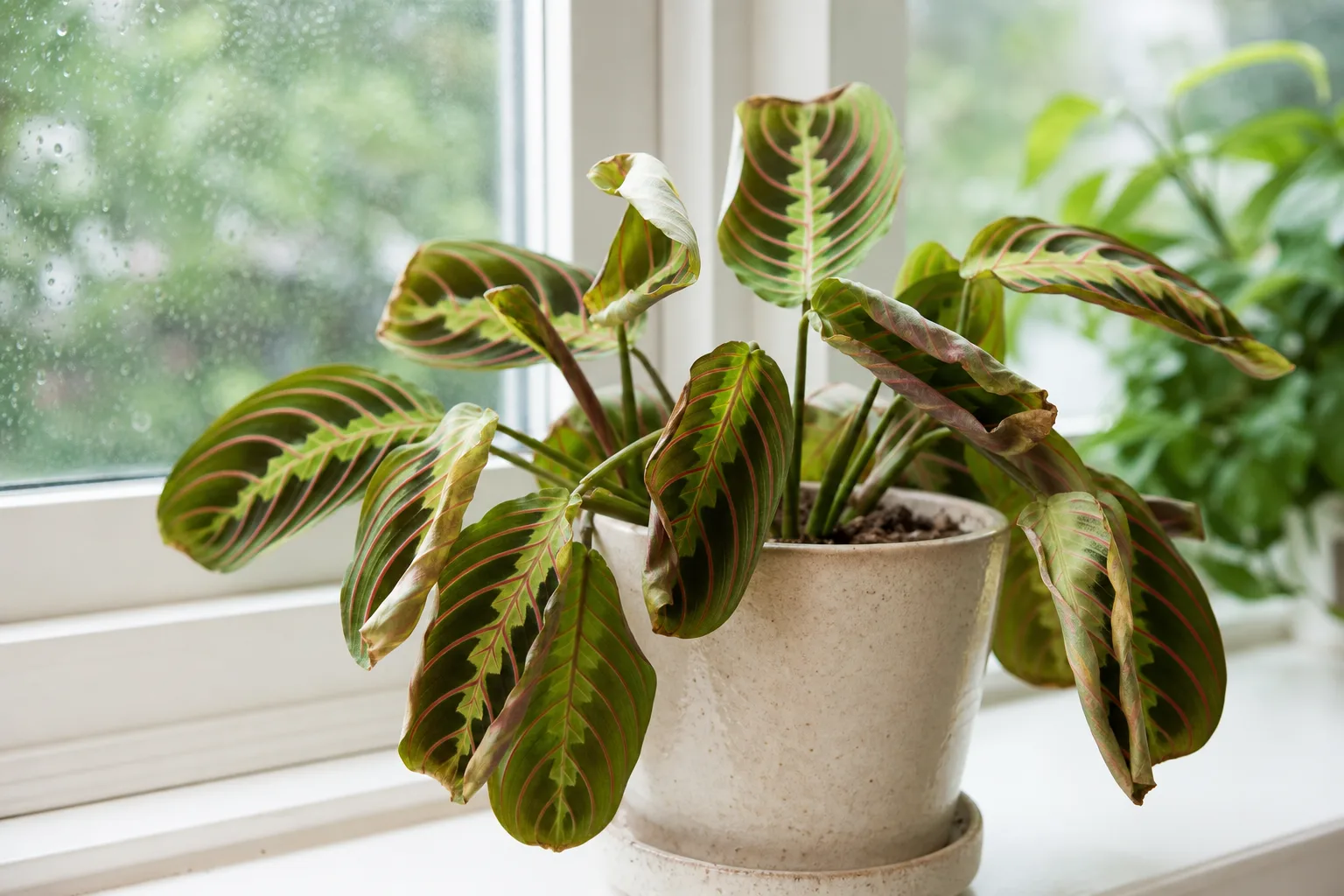
Watch for pale or yellowing foliage that continues after recent feeding, weak or stalled growth, brown tips or margins, and wilting while the mix is still moist. (PlantTalk Colorado; Clemson HGIC) Pale leaves have many causes — low light, nitrogen shortage, iron availability issues, root rot — so treat pale color as a prompt to investigate, not a cue to dose iron. Species-level examples include Philodendron Birkin pale leaves and Monstera adansonii nutrient lockout.
Mobile nutrients such as nitrogen, potassium, and magnesium often show first on older leaves when the plant reallocates. RHS describes potassium shortage as yellow or purple-red tints with browning from the edges of mature leaves, and magnesium as interveinal yellowing on older foliage. (RHS) Immobile nutrients such as iron show first on new growth. Use those patterns as hypotheses. Confirm with crust, water source, feed history, and root health before you buy a single-nutrient “cure.” For edge-burn patterns that look potassium-specific after you have already ruled out salts, see potassium deficiency in houseplants.
Diagnose Before You Feed More
Pause fertilizer the moment lockout is on the table. Feeding a salt-stressed plant is how tip burn escalates.
Work through this checklist:
- Confirm light is adequate for the species — pale, stretched growth in a dim corner is not a fertilizer emergency.
- Confirm the mix is not bone-dry or swamp-wet; both extremes block uptake. (RHS)
- Look for white mineral crust versus soft fuzzy mold. Clemson warns not to confuse crusty salt deposits with saprophytic soil fungi. (Clemson HGIC)
- Note whether symptoms worsened within days of a feed or crept in over months of hard tap and bottom-only watering.
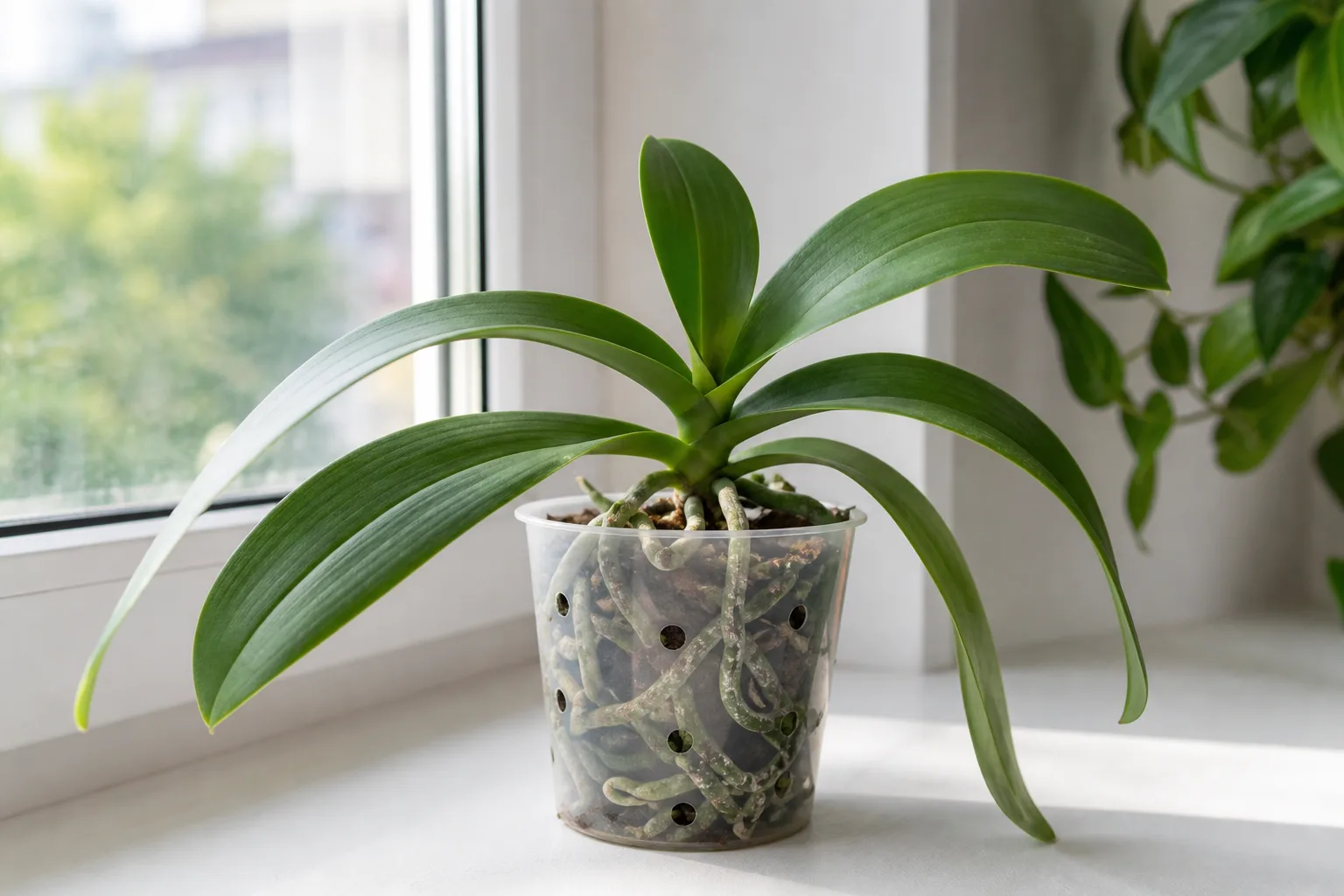
- Slide the plant from its pot if you can. Healthy roots are usually firm and light-colored for most tropical foliage plants. Brown, mushy, sour-smelling roots point to wet-soil damage first. Crowded circling roots with almost no mix left point to a rootbound plant that dries unevenly and accumulates salts in the remaining media.
Optional confirmation — EC / TDS pens: A handheld electrical conductivity (EC) or total dissolved solids (TDS) pen can help you compare the same pot before and after a deliberate leach, using the same water and a consistent soak-or-runoff method. Greenhouse growers use EC to track soluble salts in media; home pens are best as a relative “did the flush lower the reading?” tool, not as a diagnosis from one absolute number. Crust, feed history, and root feel still matter more than chasing a chart meant for commercial crops. If you do not own a meter, you do not need one to flush safely.
Crust on the rim, drainage hole, or surface is enough reason to leach before any feed. Timeline matters: sudden tip burn after a double-strength dose is acute burn. Slow pale decline with rising crust in a hard-water apartment is chronic salt and chemistry stress. Same leaf color, different first move.
How to Flush (Leach) a Houseplant Safely
Leaching means running enough clean water through the pot to dissolve and carry soluble salts out the drainage holes. Clemson’s watering guidance is blunt: when you water, water thoroughly until runoff exits the bottom — that washes excess salts and wets the lower root zone — then empty the saucer so the pot does not sit in the leachate. (Clemson HGIC)
For a deliberate flush when symptoms are already present, PlantTalk’s method is practical:
- Remove and discard the white crust and about one-half inch to one inch of surface mix if crust is heavy, without tearing roots.
- Set the pot in a sink or tub with clear drainage holes (no saucer).
- Fill the pot to the rim with room-temperature, non-softened water. Wait for free drainage.
- Repeat the fill-to-rim rinse at least a couple of times — more for large, crusty pots — so a large volume moves through the mix.
- Scrape salt off the pot exterior and saucer; wash the saucer.
- Replace the removed surface mix with fresh mix, water lightly, then water only when the original root ball needs it. (PlantTalk Colorado)
UConn likewise notes that leaching with copious free-draining water often reduces excess fertilizer salts, or that an extreme case may need a full media change. If your tap is very hard, a flush still removes fertilizer salts, but minerals in the flush water limit how “clean” the reset can be — rainwater, filtered, or RO blends help for sensitive plants after the emergency leach. Hold fertilizer for at least two to four weeks of recovery, longer if tips keep advancing.
When Flushing Is Not Enough
Flushing needs drainage. Pots without holes cannot leach reliably — repot into a drained container. Extreme salt damage, compacted anaerobic mix, or mostly dead roots need a media change, not another sink session. PlantTalk notes that in extreme cases the soil may need to be changed and the plant repotted. (PlantTalk Colorado)
Penn State notes that unglazed terracotta can pull water and soluble salts from the mix (helpful for salt management, but those pots also dry faster). (Penn State Extension) Plastic pots hold salts in place until you leach or replace the media.
If the plant collapses further after a heavy flush, you may have waterlogged an already weak root system. Let the mix return to an appropriate moisture band for that species before the next deep watering, and prioritize airflow and light over any feed.
Fix Plan: Correct Chemistry Without Guesswork
- Stop fertilizer. Do not “correct” pale leaves with a stronger dose while crust or moist wilt is present.
- Leach following the flush protocol if the pot drains.
- Change water habits if hard water or softener water is part of the story.
- Repot into fresh, well-aerated mix when media is exhausted, sour, or crust returns immediately.
- Restart feeding lightly only after new growth looks more normal — often at half label strength during active growth, and not in a deep winter rest. Clemson reminds indoor growers that low indoor light reduces fertilizer need, and winter rest periods often need no feed. (Clemson HGIC)
- Match the product to the problem only after chemistry is stable. A balanced complete fertilizer is the default for foliage plants; specialty potassium or iron products are secondary tools, not first aid. For product selection after recovery, see best fertilizer for indoor plants and how to fertilize indoor plants.
Common Mistakes That Make Lockout Worse
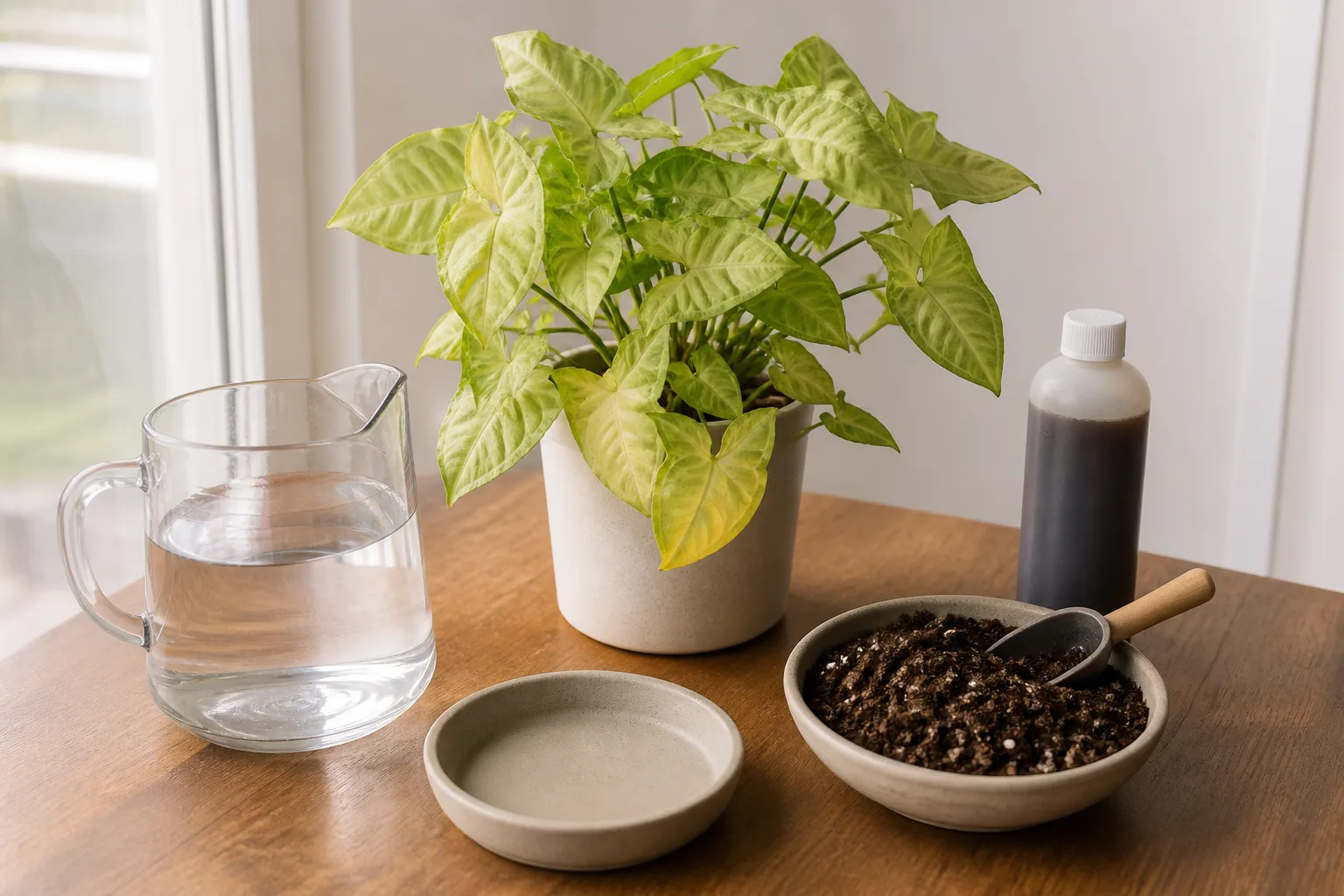
Feeding on a calendar while plants sit in low winter light piles salts into a pot that is barely growing. Bottom-watering only, for months, concentrates minerals near the surface as water evaporates upward. Leaving pots in saucer water reabsorbs the salts you just tried to remove. (Clemson HGIC; PlantTalk Colorado)
Another mistake is chasing single nutrients from a photo. High potassium feeds can reduce magnesium uptake; RHS flags that overapplication of potassium fertilizers leads to magnesium deficiency symptoms. (RHS) Epsom salt sprays and iron drenches are not universal pale-leaf cures. Fix salts, pH drivers, light, and roots before micronutrient theater.
Vinegar, lemon juice, and “kitchen acid” flushes are a popular myth for “pH lockout.” Kitchen acids can swing container chemistry unpredictably, especially in peat mixes that are already acidic, and they do not replace a proper leach of fertilizer salts. NC State’s availability guidance is about measured pH management — not improvising with pantry acids. If alkaline hard-water crust is the driver, change the water source and leach with clean water; do not pour vinegar hoping to unlock iron.
Prevention for Container Plants
Water thoroughly enough to produce runoff on a regular cadence, then dump the saucer. Fertilize at label rates or diluted more often during active growth, not “extra strong” when a plant looks sad. (Clemson HGIC; PlantTalk Colorado) Schedule a deliberate leach every month or two during heavy feeding seasons in hard-water homes, and less often in winter.
Choose water wisely for salt-sensitive tropicals. Resting tap water overnight does not remove hardness minerals; it mainly helps with temperature and some free chlorine. Keep softener water off the plant shelf. Refresh media on a realistic cycle — many foliage plants need fresh mix long before the decorative pot fails. Pair prevention with a sane fertilizer plan rather than improvising each time leaves pale.
Recovery Timeline and What Improves First
Dead tip tissue stays brown. Do not wait for scorched margins to turn green. Recovery shows up as steadier turgor, slower advance of browning, and cleaner new leaves over the next growth cycle — often two to six weeks for visible new growth in warm, bright conditions, longer in winter.
Keep records simple: date of flush, water source change, fertilizer restart date, and a photo of the newest leaf. If new leaves stay pale after a flush, better light, and a media reset, then consider a true deficiency pattern and a conservative, complete feed — not a random micronutrient stack.
Recovery checklist (success looks like this): newest leaves open closer to normal size and color; tip burn stops advancing on new tissue; plant holds turgor in moist (not swampy) mix; crust stays away after you changed water habits; dilute feed only after those signals, not before.
First-Hand Notes From Flushing Salt-Stressed Pots
These are LeafyPixels editorial bench notes from indoor pots — single-setup observations, not lab thresholds.
Hard-tap crust return (plastic 6-inch calathea, apartment hard water): Before a deliberate leach, a cheap TDS pen on runoff read about 1,180 ppm. After three fill-to-rim rinses with the same tap and emptying the saucer, a follow-up reading on similarly timed runoff dropped to about 420 ppm. Chalky rim crust was scraped at flush. On continued hard tap and light monthly feed, visible rim crust returned in roughly three weeks. After switching that pot to a rainwater/RO blend for irrigation, the same crust did not reappear over the next six weeks of observation. Lesson: a flush lowers the load; hard water reloads it.
Softener-line mistake (maidenhair fern): A temporary hose from a softener-fed kitchen tap produced tip burn and moist wilt within two watering cycles despite no fertilizer change. Moving the plant to rainwater and leaching once stopped tip advance; old brown tips stayed brown. Softener water was the salt spike, not “underfeeding.”
Pale leaves after feeding (Philodendron Birkin): New leaves opened pale after a full-strength weekly feed in old mix with light surface crust. No iron drench. One PlantTalk-style leach, two weeks without fertilizer, then half-strength complete feed once new growth stabilized. Newest leaves regained clearer green without chelated iron. The “deficiency costume” was salt/uptake stress.
Related Problems Worth Ruling Out
Brown tips can come from low humidity, uneven watering, fluoride sensitivity, hard water, or fertilizer salts — tip burn alone does not diagnose lockout. Compare Manjula pothos fertilizer burn and Philodendron Birkin salt build-up when crust and tip burn travel together. Yellow leaves span overwatering, age, pests, and nutrition. Root rot destroys uptake capacity and will not respond to fertilizer. Pest feeding and low light create pale, weak growth that looks nutritional until you check the undersides of leaves and the light meter.
If several plants decline together after a water-source change, suspect chemistry. If only one pot declines after a heavy feed, suspect that pot’s salt load or roots.
Next steps (pick one): fertilizer burn for acute tip scorch after overfeeding; hard water when crust returns on light feeds; pale leaves for broad color triage; a short symptom checklist only after you have a first action planned.
Conclusion
Houseplant nutrient lockout is the gap between nutrients in the pot and nutrients in the plant. pH extremes change which ions stay available. Soluble salts from fertilizer, hard water, and softener water injure roots and block uptake. True empty-media deficiency exists, but it is not the default explanation when you fertilized last Tuesday and the rim is chalky.
Judge success by new leaves, stopped tip advance, and stable turgor — not by brown tips turning green. Flush with clean runoff, empty the saucer, fix the water source, and only then resume light feeding. The goal is a root zone roots can drink from — not a stronger bottle.