Salt Build-Up in Plant Soil: Causes and Treatment
'Potting mix is the foundation of houseplant health. When you see White crust on soil or pot edges, brown leaf tips, the soil may be holding too much water, repelling water, or locking out nutrients. Fixing Salt Build-up often means adjusting mix, pot size, or watering habits-not just treating leaves. Track weekly progress after you change care, and note watering, light, and repotting dates so you can tell whether the symptom is improving or returning.'. Compare upper versus lower leaves, new versus old growth, and soil moisture at root depth before you treat, because the same visible symptom can come from watering, light, pests, or normal aging on different plants.
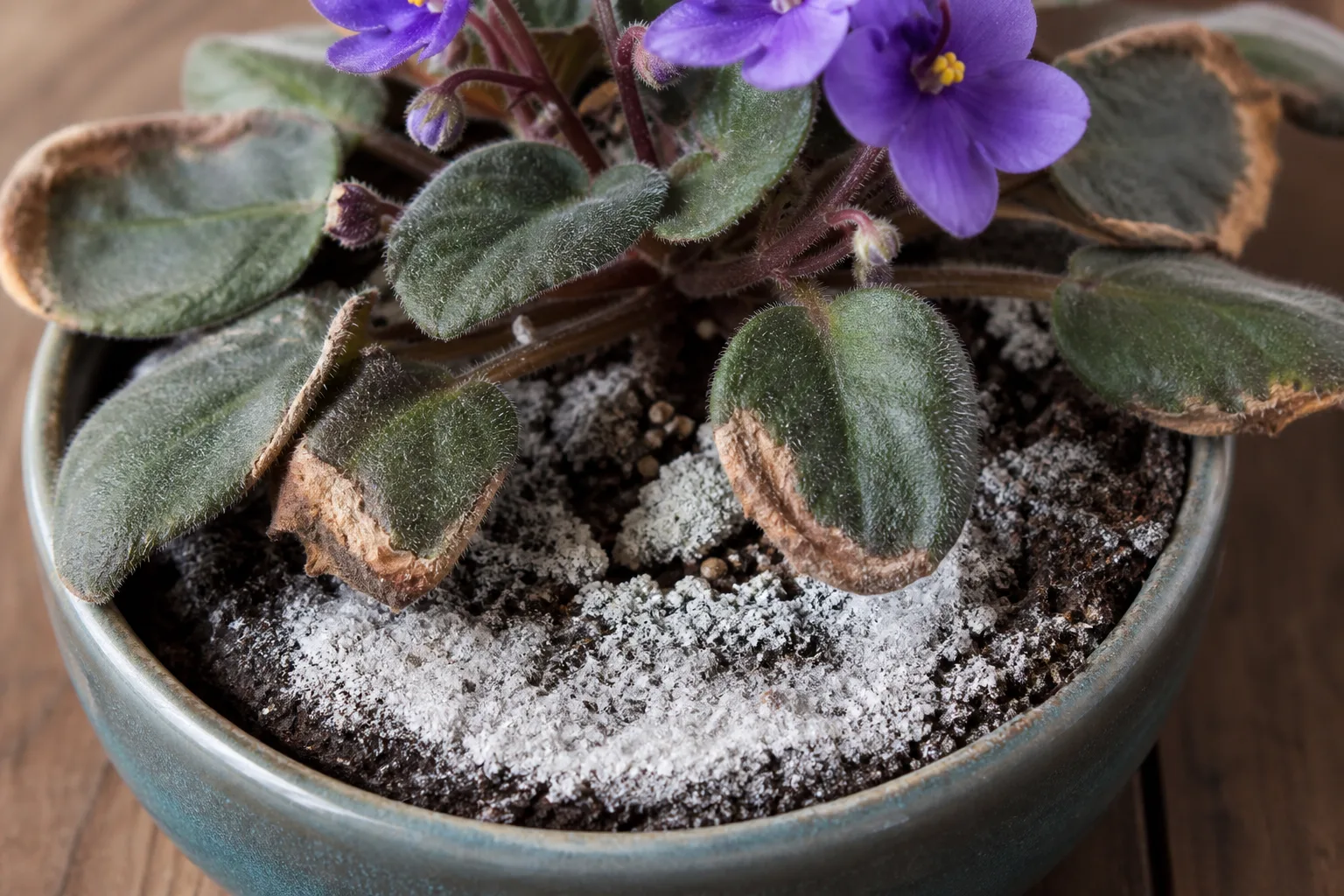
Salt Build-up on Houseplants
Still unsure?Match your symptoms to the most likely problems in under a minute.Run diagnosis →Understand and fix salt build-up
'Potting mix is the foundation of houseplant health. When you see White crust on soil or pot edges, brown leaf tips, the soil may be holding too much water, repelling water, or locking out nutrients. Fixing Salt Build-up often means adjusting mix, pot size, or watering habits-not just treating leaves. Track weekly progress after you change care, and note watering, light, and repotting dates so you can tell whether the symptom is improving or returning.'. Compare upper versus lower leaves, new versus old growth, and soil moisture at root depth before you treat, because the same visible symptom can come from watering, light, pests, or normal aging on different plants.
Overview
'Potting mix is the foundation of houseplant health. When you see White crust on soil or pot edges, brown leaf tips, the soil may be holding too much water, repelling water, or locking out nutrients. Fixing Salt Build-up often means adjusting mix, pot size, or watering habits-not just treating leaves. Track weekly progress after you change care, and note watering, light, and repotting dates so you can tell whether the symptom is improving or returning.'. Compare upper versus lower leaves, new versus old growth, and soil moisture at root depth before you treat, because the same visible symptom can come from watering, light, pests, or normal aging on different plants.
How to identify it
- Water pools on top or runs straight through without soaking in
- Soil stays wet for many days after one watering
- White crust on soil surface or pot rim
- Roots circling tightly or growing out drainage holes
- Musty smell or visible mold on soil surface
When to worry
Roots turning black, plant collapsing despite watering, or salt crust thick on soil means repot and flush before permanent damage.
Common causes
Old, broken-down potting mix
Peat-heavy soil compacts over time, reducing air pockets roots need. Salt Build-up is common in plants not repotted for years.
Wrong mix for the plant type
Succulents in all-peat mix rot; moisture lovers in pure bark dry out too fast. Mismatch shows up as White crust on soil or pot edges, brown leaf tips.
Salt and mineral buildup
Tap water and fertilizer leave salts that burn roots and cause crusty soil surfaces.
Pot too large for root ball
Excess soil holds water the roots cannot use, leading to chronic sogginess.
Step-by-step fix
Assess soil texture and moisture retention
Slide the plant out and smell the root ball. Crumbly, airy mix is healthy; dense, wet muck needs replacement.
Repot with appropriate fresh mix
Choose a blend matched to your plant-add perlite or bark for drainage, or more water-retentive components for ferns.
Flush salts if crust is present
Water deeply until excess runs from drainage holes. Repeat once, then resume normal care.
Right-size the container
Move up only 1–2 inches in diameter. Too large a pot worsens wet soil problems.
Adjust watering to new mix
Fresh soil dries on a different schedule-recheck moisture daily for the first two weeks.
Prevention tips
- Repot every 1–2 years for fast growers
- Use mixes suited to plant type, not garden soil indoors
- Flush soil periodically if using tap water and fertilizer
- Match pot size to root mass
Common mistakes
- Adding gravel at the bottom instead of using proper mix
- Repotting only with garden soil
- Jumping to a pot much larger than needed
White crust on a pot rim is visible, but the important problem may be invisible. Fertilizer and irrigation water carry dissolved ions into a container. Plants take up some, water evaporates, and the remainder can accumulate when runoff is limited. At excessive concentration, those soluble salts make water uptake harder and can injure fine roots.
Do not diagnose salinity from one brown leaf tip or one pale patch. Low humidity, inconsistent watering, root rot, fluoride sensitivity, sun injury, and physical damage can look similar. Confirm the deposit, review recent feeding and water, check drainage, and examine roots before choosing between a simple rinse and a full repot.
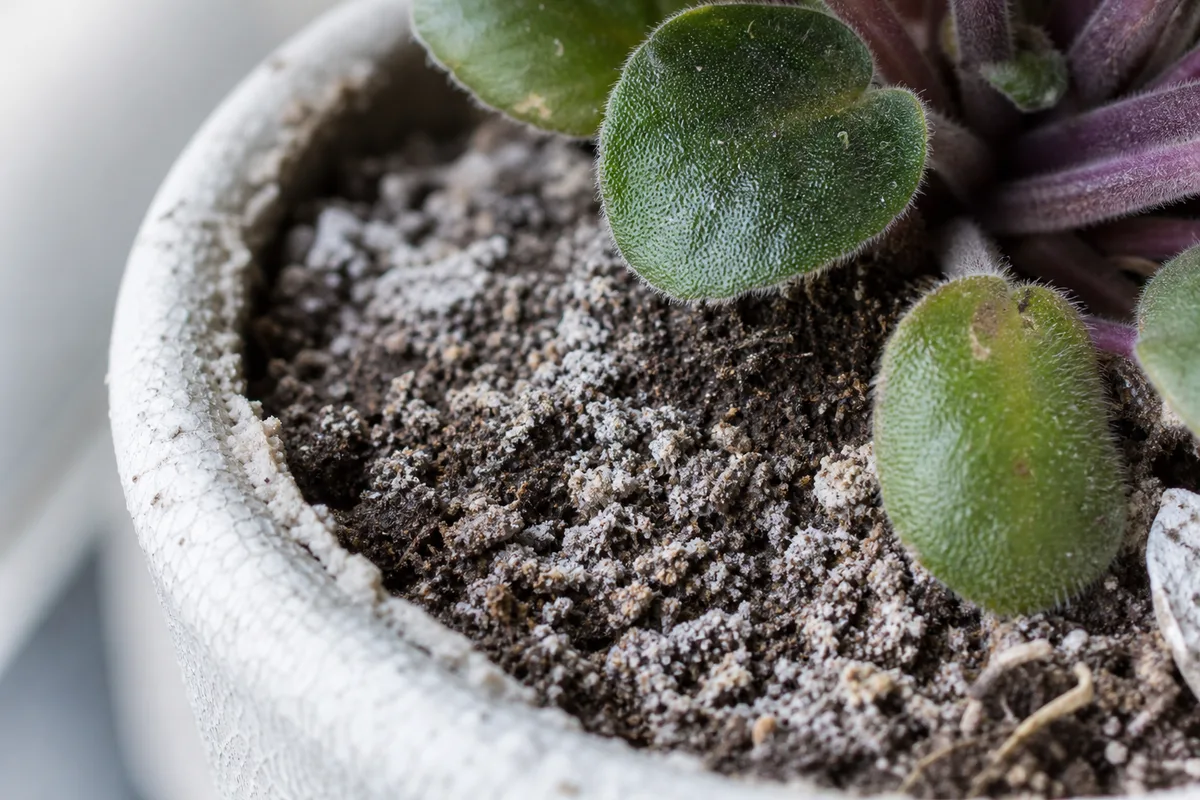
This guide is a conservative synthesis of extension guidance on soluble salts, fertilization, irrigation, and greenhouse media testing; it is not a substitute for a laboratory analysis and does not report a controlled leaching trial. The photographs show residue and plant symptoms that can support an investigation, but an image cannot identify the ions present or measure root-zone electrical conductivity.
Quick Diagnosis: What Soluble Salts Mean
In horticulture, “salts” does not mean only table salt. Fertilizer nutrients and many minerals in water exist as dissolved ions. A moderate concentration supplies nutrients; a high concentration can interfere with root water uptake and directly damage root tissue. University of Maryland Extension lists brown leaf tips and margins, wilting, stunting, and root injury among symptoms of fertilizer toxicity or high soluble salts.
Suspect accumulation when white or tan crystalline deposits coincide with repeated fertilizer, hard or saline irrigation water, minimal runoff, or a self-watering reservoir that is never refreshed. The diagnosis becomes stronger when symptoms begin after a concentrated feed or worsen between periodic flushes. It remains provisional until drainage and roots are checked.
Act quickly if a mixing error delivered a strong dose, the plant wilts in moist medium, roots are browning at the tips, or a salt-sensitive plant declines rapidly. A thin rim deposit on a vigorous plant is less urgent. Surface appearance estimates a history of evaporation; it does not measure the current concentration at every root.
| Evidence | Best first response | Escalate when |
|---|---|---|
| Thin crust; vigorous plant; open drainage | Clean the deposit, review inputs, and monitor | New crust or injury returns despite corrected feeding |
| Recent overfeed; firm roots; evenly wettable, free-draining mix | Pause fertilizer and leach conservatively | The pot cannot drain or the plant worsens in wet mix |
| Persistent symptoms; uncertain water quality or nutrient history | Test irrigation water and container medium with a defined method | Results remain abnormal or the collection shares the problem |
| Collapsed mix, blocked drainage, or extensive root injury | Repot into fresh compatible medium | The crown is failing or too few healthy roots remain |
Identify Salt Deposits Correctly
Examine where the material occurs and how it behaves. Salt deposits often form at evaporation zones: the soil surface, drainage hole, unglazed pot wall, saucer edge, or water line in a reservoir. They can be powdery, gritty, or crystalline and tend to recur in the same wet-dry boundary.
Photograph the plant and deposit before cleaning. Record fertilizer products, concentration, dates, watering source, and whether runoff was discarded or reabsorbed. This timeline often provides more diagnostic value than the color of the crust.
Salt Crust, Mold, Algae, and Hard-Water Marks
Fungal growth is usually soft, fuzzy, or web-like and may spread over organic debris. Mineral crust is usually hard or gritty, with no filaments. Green slick coverage points more toward algae, while round pale beads distributed through commercial mix may be controlled-release fertilizer prills rather than newly precipitated salts.
Hard-water deposits on leaves or glazed containers often follow splash patterns. Efflorescence can migrate through porous terracotta and appear on the exterior even when the plant looks healthy. The deposit proves that dissolved minerals moved and water evaporated, but it does not identify which ions are present.
Do not taste, sniff closely, or apply household acid as a test. Remove a small sample with gloves and observe it under magnification if needed. A laboratory water or media analysis is the appropriate route when composition matters.
Read the Plant and Root Symptoms
Salt injury often begins at leaf tips and margins because those tissues are endpoints of water movement, but the pattern is not exclusive. New growth may be smaller, older leaves may yellow or drop, and a plant can wilt even though the medium is moist. A recent fertilizer change strengthens the inference.
Inspect roots when symptoms are progressive. Salt-damaged root tips may be browned or shortened but relatively firm; rotten roots are often soft, collapsing, and associated with persistently wet, poorly aerated medium. Both problems can coexist because injured roots use less water, leaving the pot wet longer.
Species matter. Spider plants, dracaenas, prayer plants, and some palms are often discussed as sensitive to particular water constituents, but sensitivity varies with cultivar, environment, and total management. Do not use a species reputation to skip the diagnosis.
How Salts Accumulate in Containers
A container is a small, partly closed root environment. Each irrigation adds a quantity of dissolved material, and each evaporation cycle removes water without carrying the same ions away. If little solution exits the pot, concentration tends to rise over time.
Plants also change the chemistry by selectively taking up nutrients. Microbes, pH, substrate exchange sites, and controlled-release fertilizer all affect what remains in solution. That is why a white crust cannot reveal a complete nutrient balance.
Fertilizer, Irrigation Water, and Evaporation
Overconcentrated liquid fertilizer can cause an acute event. Correctly diluted fertilizer can still accumulate when applied too frequently, stacked with another product, or used while growth is slow. “More food” is not a recovery treatment for a stressed root system.
University of Nebraska–Lincoln Extension advises appropriate indoor-plant fertilization and periodic water movement through the medium to limit soluble-salt accumulation. Follow the fertilizer label, measure rather than guess, and adjust to active growth, plant type, and environmental conditions.
Colorado State University’s houseplant fertilizing guidance likewise warns that excess fertilizer contributes to soluble-salt injury. Products marketed as plant food, bloom boosters, tonics, and rooting supplements may all contribute dissolved ions, so inventory the entire routine rather than evaluating the main fertilizer alone.
Irrigation water may contribute calcium, magnesium, bicarbonate, sodium, chloride, fluoride, and other dissolved constituents. Hardness mainly describes calcium and magnesium; alkalinity reflects acid-neutralizing capacity; salinity describes the total dissolved-ion effect. One term cannot stand in for all the others.
High evaporation at the soil surface concentrates minerals there, especially with frequent shallow watering. A porous clay pot can reveal more exterior crust than plastic because water also evaporates through its wall. The material did not necessarily originate from the clay.
Drainage, Bottom Watering, and Reservoirs
Watering from below is useful for many plants, but it does not inherently wash salts downward and out. If every irrigation is absorbed from a saucer and no solution ever exits, ions can remain in the root zone and move toward evaporation surfaces. Alternate with appropriate top watering and complete drainage when the plant and medium tolerate it.
A pot without holes offers no simple leaching route. Pouring more water into it can turn a salinity concern into waterlogging. Move the plant to a draining inner pot or repot before attempting a flush.
Self-watering systems can maintain consistent moisture, but reservoirs need monitoring and periodic refreshment according to their design. Nutrient solution becomes concentrated as water is consumed and evaporates. Do not refill indefinitely without checking the manufacturer’s guidance and the plant’s response.
Runoff reabsorbed from a cachepot can return dissolved ions to the root ball. Remove the inner pot, water over a sink or collection tray, let it drain, and empty the outer vessel before replacement. Keep runoff away from children and pets.
How Excess Salts Affect Roots and Leaves
Dissolved ions lower the water potential of the root solution. As concentration rises, roots must expend more energy to take up water; at sufficiently high levels, water uptake falls and tissues can dehydrate even in moist medium. Specific ions can also reach toxic concentrations.
Fine root tips are especially vulnerable. Once they are injured, nutrient and water uptake decline, growth slows, and the root ball may remain wet longer. Adding more fertilizer to correct the resulting yellowing compounds the stress.
This creates a feedback loop that is easy to misread. The injured plant grows slowly and uses less water, the owner sees stalled growth and adds nutrients, and the wetter medium retains another dose. Breaking the loop requires pausing inputs, restoring drainage and root health, and waiting for evidence of active growth.
Leaf-tip burn records old injury; the brown tissue will not become green after salts are corrected. Judge success by stable margins, healthy new roots, and new leaves that develop without advancing damage. Some slow-growing plants need weeks or months to display that improvement.
Salinity can also alter nutrient availability and create apparent deficiencies. A leaf pattern alone cannot specify which ion is excessive or deficient. A professional substrate test is more reliable than treating colors with separate bottles.
Decide Whether to Leach, Refresh, or Repot
Choose the least disruptive method that can remove the source and restore a safe root environment. Surface cleaning is cosmetic but useful when the plant is healthy and the deposit is slight. Leaching is appropriate when roots are firm, the medium accepts water evenly, and drainage is excellent.
Repot when the medium is structurally collapsed, the pot cannot drain, roots are severely damaged, a large fertilizer spill remains in the substrate, or salts return quickly despite corrected inputs. Repotting is also sensible when a small root system sits in a large contaminated volume.
Do not leach a cold, saturated, rotten root ball simply by adding more water. In that situation, remove compromised medium and roots first. Likewise, do not bare-root a healthy plant for a thin rim stain that can be managed through future irrigation.
Before either intervention, identify the source. Stop fertilizer temporarily after suspected overfeeding, review any water-softener use, and inspect controlled-release granules. Removing salts without changing the input creates recurrence.
Do not replace one assumption with another. Household water softeners can change which ions reach the plant, but only a water report or suitable analysis shows what is present. If several plants develop the same pattern, test the shared water and fertilizer routine before repeatedly repotting individuals.
Flush a Stable Plant Safely
Take the plant to a sink, tub, or outdoor area where runoff can be collected and discarded safely. Confirm open drainage holes and protect surfaces from staining. Use room-temperature water with a known acceptable quality for the plant.
Apply water slowly and evenly so the entire root ball becomes wet rather than channeling down one side. Allow runoff to exit freely. Repeat in stages if needed, giving the medium time to drain; do not submerge the crown or leave the pot standing in the collected solution.
If the medium has become water-repellent, pre-wet it gradually before counting the event as a flush. Water that races through a wall gap removes little from the dry core. Confirm uniform moisture with pot weight and a clean skewer, then allow the leaching water to pass through the wetted root zone.
Avoid one universal instruction such as “use exactly four pot volumes.” Container size, medium porosity, initial salinity, root condition, and water quality change the amount required. Commercial growers calculate a leaching fraction and verify results with testing; at home, a conservative thorough flush plus monitoring is safer than an arbitrary flood.
Afterward, let the pot drain completely and return it to suitable light and temperature. Do not fertilize immediately. Empty and clean the saucer or cachepot so concentrated residue is not returned.
Scrape a heavy surface crust only after moistening it enough to limit dust. Replace a thin upper layer with compatible fresh medium without burying the crown. Cleaning the rim makes future recurrence easier to see.
Repot a Severe or Poorly Drained Case
Prepare fresh species-appropriate medium and a clean pot with open drainage. Select a size close to the remaining healthy roots. Oversizing adds water storage at the moment the plant’s uptake is weakest.
Remove contaminated loose medium gently. Trim only roots that are soft, hollow, or clearly dead, using cleaned tools. Firm roots do not need to be stripped because they touched salty media.
Set the plant at its original depth and water enough to settle the mix and produce drainage. If the roots were extensively damaged, keep the medium appropriately moist but not saturated while new roots form. Avoid direct harsh sun and heavy feeding during recovery.
Discard old contaminated medium rather than blending it into new houseplant mixes. Wash reusable pots and tools. For an unglazed pot with heavy efflorescence, clean it separately and rinse thoroughly before reuse.
Resume Fertilizer Without Repeating the Problem
Wait for active, stable new growth. Then use a fertilizer intended for the plant, at or below the label rate appropriate to the season. Measure concentrates with a dedicated tool and never combine products unless labels explicitly permit it.
University of Minnesota Extension notes that container-plant fertility should be matched to growth and that application strategy affects nutrient loss in its fertilizing and watering guidance. A low rate is not automatically harmless if applied continuously without drainage.
Record product, dilution, and date. If the pot already contains controlled-release fertilizer, account for it before adding liquid feed. Slow growth in winter is often a light and temperature issue rather than a request for more nutrients.
Periodic complete irrigation with runoff can reduce accumulation where water quality, plant type, and drainage allow. Never leave the pot soaking in its own concentrated runoff.
Test Water, Potting Mix, and Electrical Conductivity
Electrical conductivity, or EC, estimates the total concentration of dissolved ions by measuring how well a solution conducts electricity. UMass Extension explains the use of pH and EC testing for greenhouse crops. EC does not identify whether the ions are useful nutrients, sodium, chloride, or something else.
Home meters require calibration, clean probes, correct extraction methods, and temperature awareness. Comparing an uncalibrated reading from wet peat with a published greenhouse threshold can mislead because methods differ. Use trends cautiously or send a sample to a laboratory.
Write down the extraction method, units, calibration standard, sample timing, and water used. A reading without those details cannot be compared responsibly with a laboratory result or a published crop threshold. EC is evidence of total ionic concentration, not a diagnosis of “fertilizer burn” or proof that one named mineral is responsible.
A water report can distinguish hardness, alkalinity, sodium, chloride, fluoride, and total dissolved solids. If municipal water is implicated, check the current utility report or commission a test. Do not assume a countertop filter removes the constituent of concern; technologies differ.
Distilled or reverse-osmosis water can reduce incoming dissolved minerals, but extremely low-mineral water paired with no nutrient plan may create other problems. Rainwater quality depends on collection surfaces and local contamination. Choose water based on evidence and species sensitivity.
Sensitive Plants and Special Systems
African violets have fine roots and are commonly grown in small pots, so fertilizer concentration, wick reservoirs, and evaporation can shift quickly. Keep fertilizer conservative, refresh reservoirs, and avoid wetting foliage with cold water. The image on this page illustrates a symptom pattern, not a diagnosis applicable to every African violet.
Carnivorous plants are unusually sensitive to mineral-rich water and fertilizer because many are adapted to nutrient-poor habitats. Follow genus-specific botanical guidance rather than ordinary houseplant feeding. Orchids also vary widely by growth habit and substrate.
Hydroponic and semi-hydro systems require nutrient solution by design. Their EC should be managed with system-specific targets, pH, reservoir changes, and cultivar response. Flushing with plain water without a plan can destabilize nutrition as easily as it removes excess.
Pets may drink from saucers or chew fertilizer granules. Keep products and runoff inaccessible and follow label storage instructions. If exposure occurs, contact a veterinarian or poison service with the exact product label rather than relying on plant-care advice.
Mistakes and Unsafe Shortcuts
Do not neutralize an unknown crust with vinegar, lemon juice, baking soda, or other household chemistry. You may shift pH, damage roots, or create a different salt while learning nothing about the original deposit.
Do not keep fertilizing because damaged leaves look deficient. Do not mix a stronger dose to “push recovery,” and do not apply fertilizer to very dry roots. Rehydrate appropriately first and feed only after growth resumes.
Avoid trimming every brown tip as a progress measure. Cosmetic trimming is optional, but mark or photograph the damage margin so you can see whether it advances. New growth provides better evidence.
Do not confuse flushing with routine overwatering. Leaching is an intentional event performed through an open drainage route; chronic saturation is repeated irrigation before adequate air returns. If the pot cannot drain, repair the system first.
Monitor Recovery and Prevent Recurrence
After correction, monitor pot weight, drying time, root firmness, and new foliage weekly. Existing crust may remain on porous ceramic until cleaned, so judge whether new deposits appear. A stable plant can take several growth cycles to replace damaged foliage.
Allow enough time for the correction to show in new tissue. Fast-growing plants may produce a useful comparison leaf within weeks, while slow species can take months. Avoid shortening that interval by increasing light or fertilizer beyond the plant’s acclimated tolerance.
If symptoms continue despite corrected fertilizer and drainage, test the water and medium. Root pathogens, low humidity, fluoride sensitivity, or poor pH may be involved. Seek a local extension diagnostic service when a valuable plant declines without a clear pattern.
Prevent recurrence by measuring fertilizer, accounting for all nutrient sources, watering thoroughly when due, providing runoff, and emptying cachepots. Clean reservoirs and wicks on an appropriate schedule. Adjust feeding downward when light and growth decline.
Keep a simple record of EC or water reports only when the measurements are comparable. A number without method, units, calibration, and plant context creates false precision. The goal is a stable root environment, not the lowest possible mineral reading.
Escalate to a greenhouse or extension laboratory when a valuable plant declines despite corrected inputs, when several pots share the same unexplained injury, or when sodium, chloride, fluoride, or another specific constituent must be distinguished. Bring the fertilizer labels, water report, sampling method, and symptom timeline; a detached number without management history is harder to interpret.
Conclusion
Salt build-up in plant soil is an accumulation problem: dissolved ions enter with fertilizer and water, while limited drainage and evaporation leave them behind. White crust can support the diagnosis, but root symptoms, recent inputs, water quality, and drainage determine whether the plant is actually at risk.
Clean a mild deposit and correct the input. Leach a stable, well-drained plant deliberately, and repot only when salts, poor structure, or root damage make flushing unsafe or ineffective. Then resume measured feeding and monitor new growth—the clearest sign that the root zone has returned to balance.
Plants commonly affected
These houseplants often struggle with salt build-up. Open a care guide or plant-specific troubleshooting page for tailored fixes.
 Medium
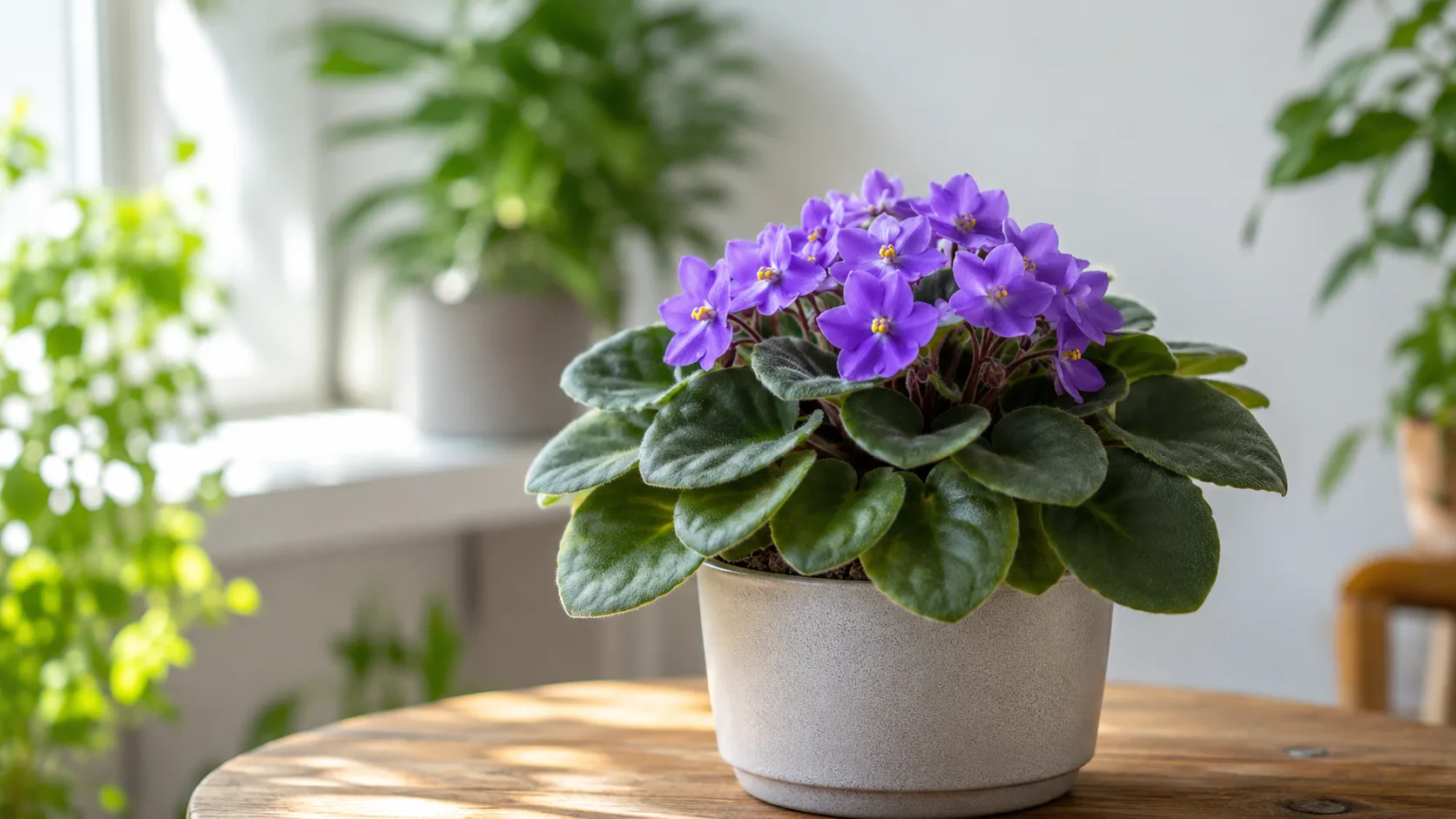
African Violet
Likely causeSalt Build Up on African Violet: Salt buildup in African violet soil appears first as a faint, chalky white or grayish crust along the pot's inner rim and surface soil—often within 2-3 weeks of using tap water or standard fertil
Quick fixInspect African Violet, confirm salt build up matches your symptoms, then adjust care or treat per authoritative guides.
 Medium
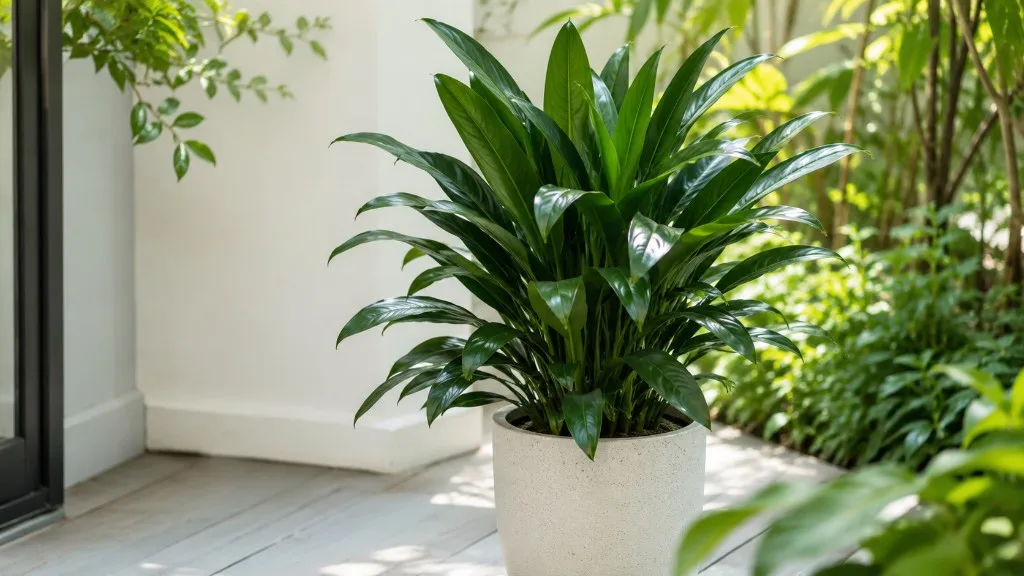
Janet Craig Dracaena
Likely causeFeb 4, 2023 · These plants are very sensitive to mineral salt build up which is evident from the white ring in the pot. They should ideally be repotted annually or at the very least flushed out several times a year and reported every two ye
Quick fixConfirm diagnosis on your Janet Craig Dracaena, then address the most likely care or pest factor described in current extension guidance.
 Medium
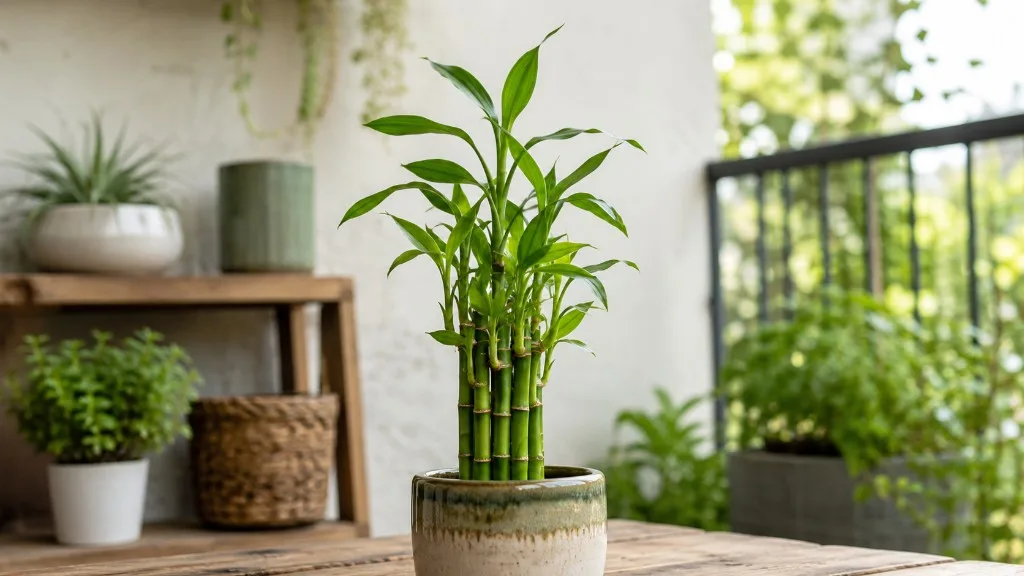
Lucky Bamboo
Likely causeAug 8, 2025 · In this article, we’ll explore how chlorine, fluoride, and mineral build - up affect Lucky Bamboo , and how you can provide the cleanest, healthiest water for optimal growth.
Quick fixConfirm diagnosis on your Lucky Bamboo, then address the most likely care or pest factor described in current extension guidance.
 Medium
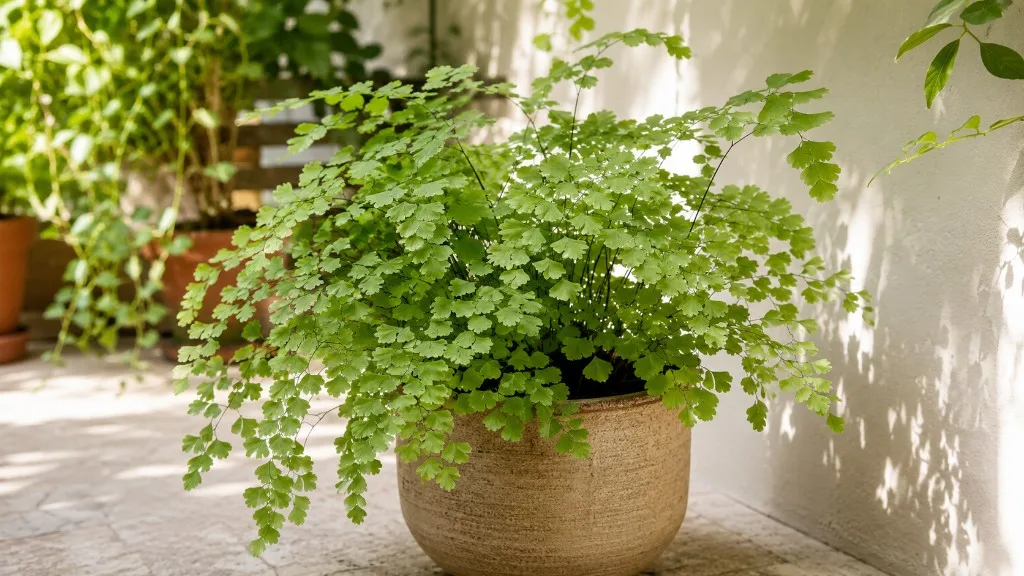
Maidenhair Fern
Likely causeJan 20, 2024 · Over-fertilizing can lead to salt build-up in the soil, which can harm the plant. If you notice white crusts on the soil surface or leaf tips turning brown, it might be a sign to flush the soil with water to remove excess sal
Quick fixConfirm diagnosis on your Maidenhair Fern, then address the most likely care or pest factor described in current extension guidance.
 Medium
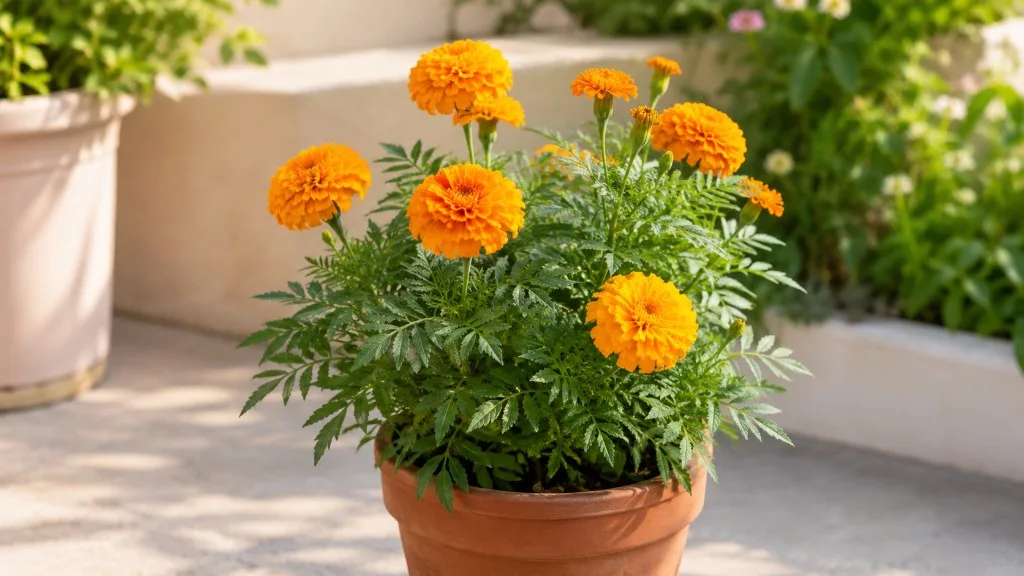
Marigold
Likely causeIt was further noted that as the salt stress increases the plant performance for all investigated traits decreased significantly. The varieties showed highly different responses for both seed and flowering related attributes.
Quick fixConfirm diagnosis on your Marigold, then address the most likely care or pest factor described in current extension guidance.
 Medium
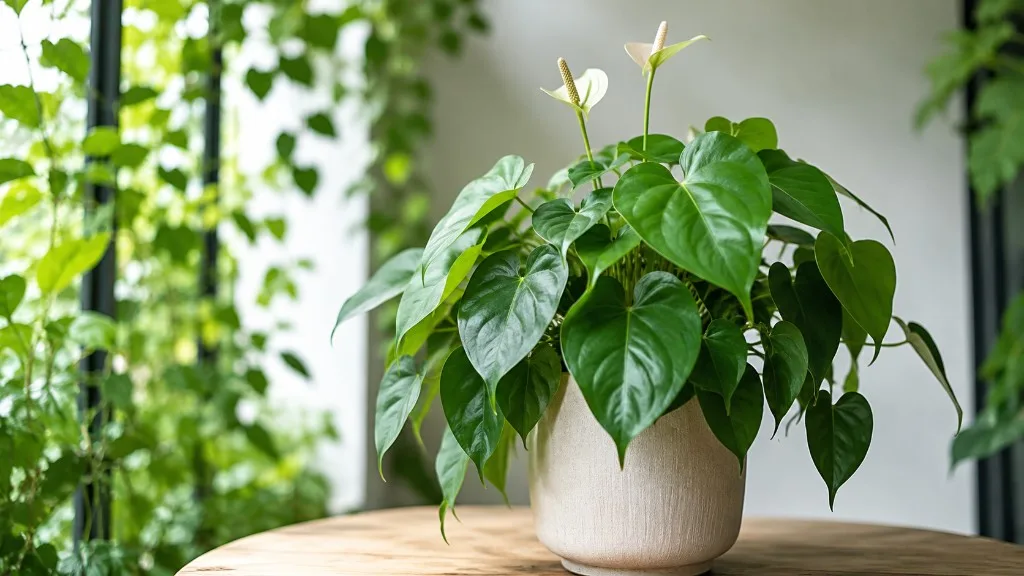
Heartleaf Philodendron
Likely causeAvoid over-fertilizing — too much fertilizer can cause salt build - up in the soil, leading to brown leaf tips and root damage. When in doubt, fertilize less rather than more.
Quick fixConfirm diagnosis on your Heartleaf Philodendron, then address the most likely care or pest factor described in current extension guidance.
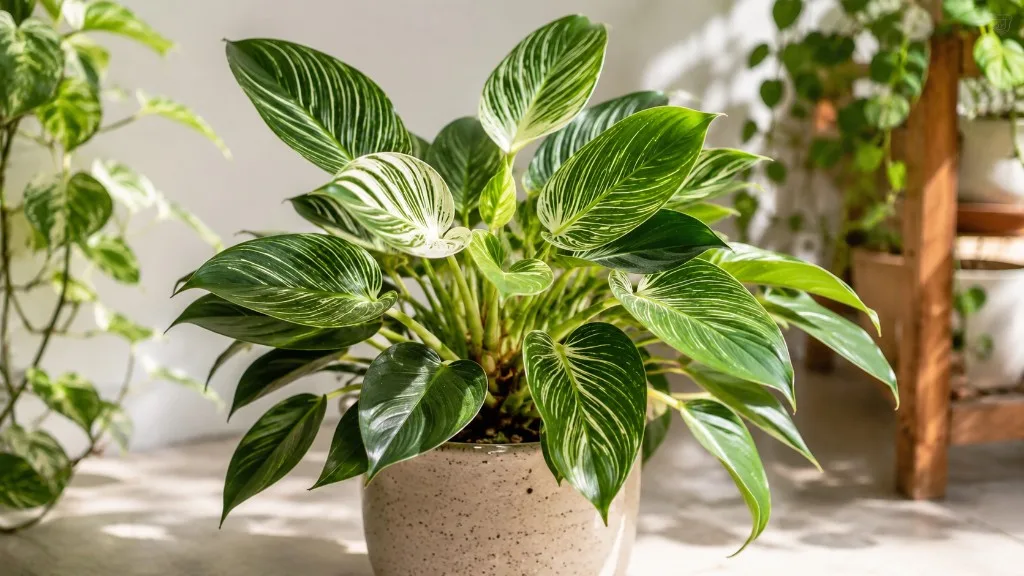 Medium
Philodendron Birkin
Likely causeSep 29, 2023 · This method allows water to thoroughly permeate the soil and reach its root system. As a bonus, this good soak also flushes out salt build - ups that might harm your plant over time.
Quick fixConfirm diagnosis on your Philodendron Birkin, then address the most likely care or pest factor described in current extension guidance.
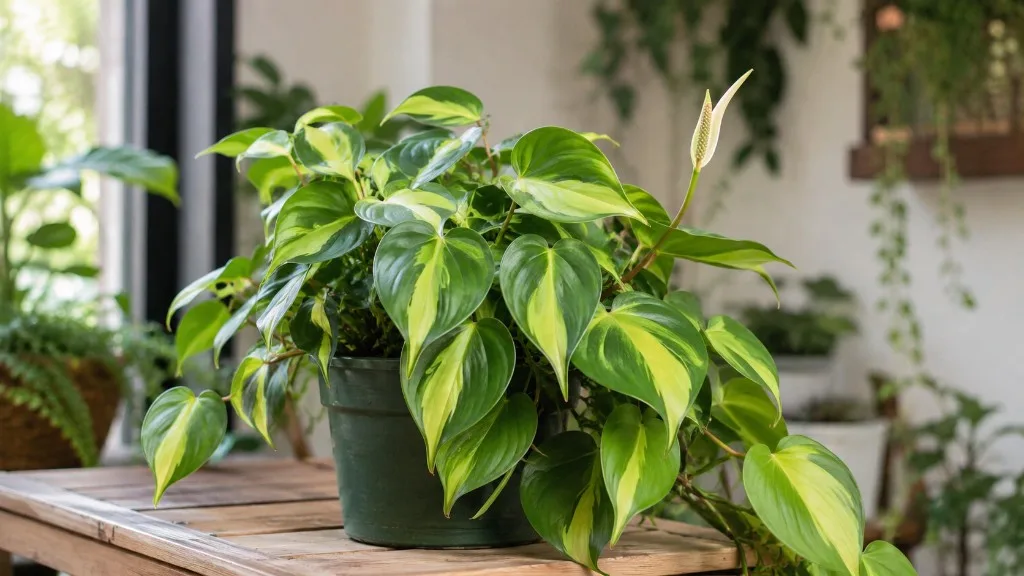 Medium
Philodendron Brasil
Likely causeJan 8, 2025 · Salt Build - up : Over time, salts from water and fertilizer can accumulate in the soil, damaging the roots and causing brown tips. Flush the soil by watering it thoroughly until water drains from the bottom of the pot.
Quick fixConfirm diagnosis on your Philodendron Brasil, then address the most likely care or pest factor described in current extension guidance.
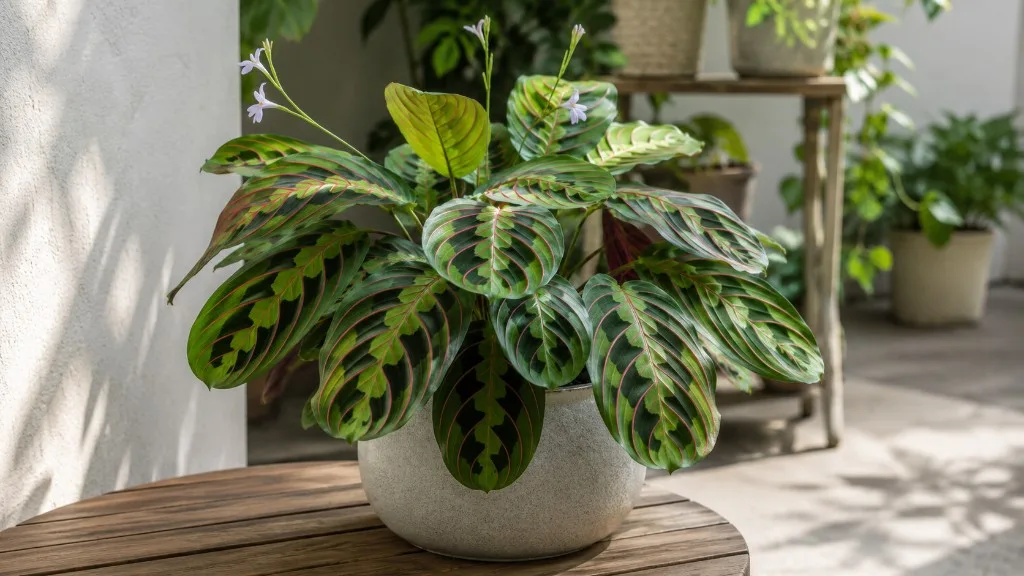 Medium
Prayer Plant
Likely causeOct 28, 2024 · Leaching the soil which means getting rid of salt buildup and mineral build -up is also part of Prayer Plant care. Mineral buildup happens when you use water that has high salts and minerals. May 14, 2026 · If large portions
Quick fixConfirm diagnosis on your Prayer Plant, then address the most likely care or pest factor described in current extension guidance.
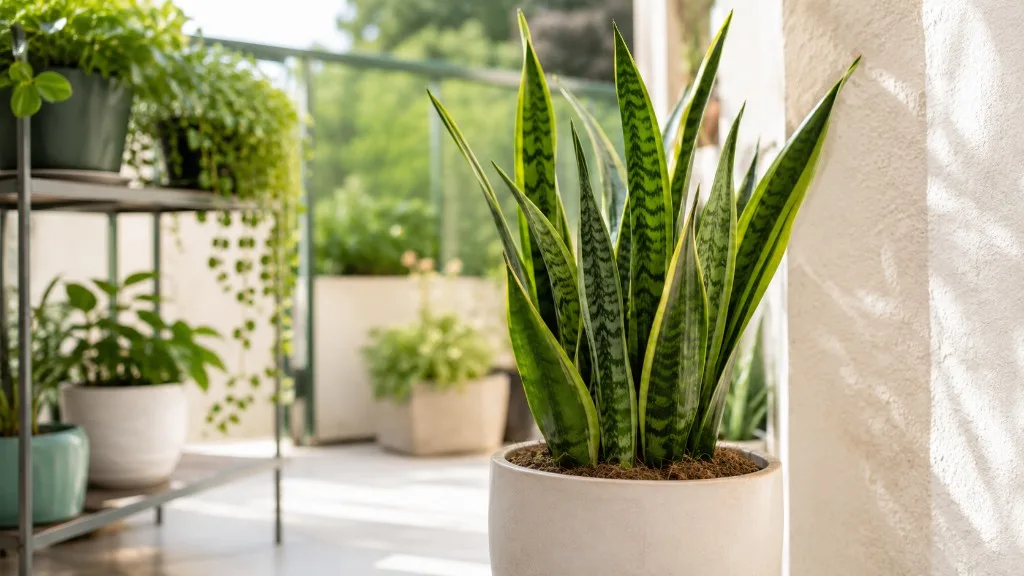 Medium
Snake Plant
Likely causeFluoride and mineral salts from tap water and fertilizer accumulate at Sansevieria leaf tips and as white crust on soil.
Quick fixSwitch to filtered or rainwater; flush pot thoroughly to dissolve salts; trim irreversibly browned tips.
 Medium
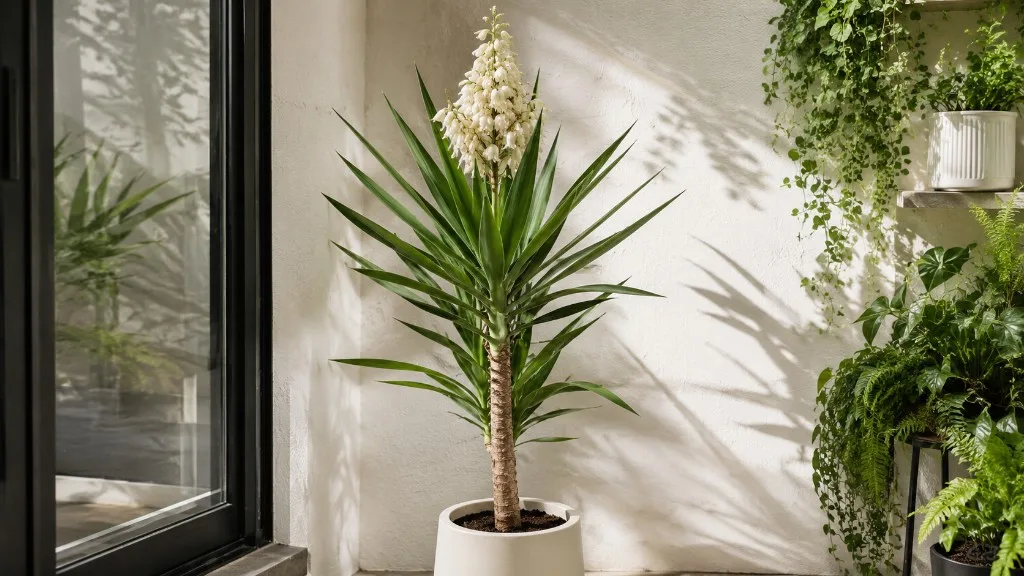
Yucca Plant
Likely causeFertilizer salts crust on yucca soil and burn leaf tips from the roots up.
Quick fixScrape surface salts; flush pot with water and use filtered water going forward.
 Medium
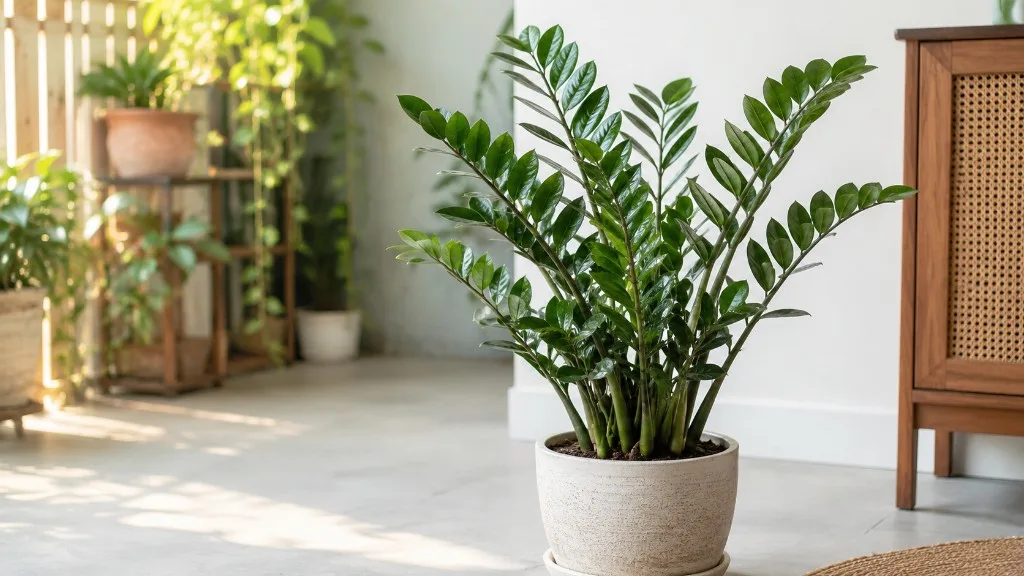
ZZ Plant
Likely causeFertilizer salts accumulate on ZZ soil surface, browning leaflet tips from root burn.
Quick fixScrape top inch of soil; flush pot with water; switch to quarter-strength feed once yearly.