30 Best Indoor Plants to Add Some Greenery to Your Home
Compare 30 indoor plants by light, size, watering, and pet risk. Find a realistic match for your rooms, then use simple care rules to help it settle in.
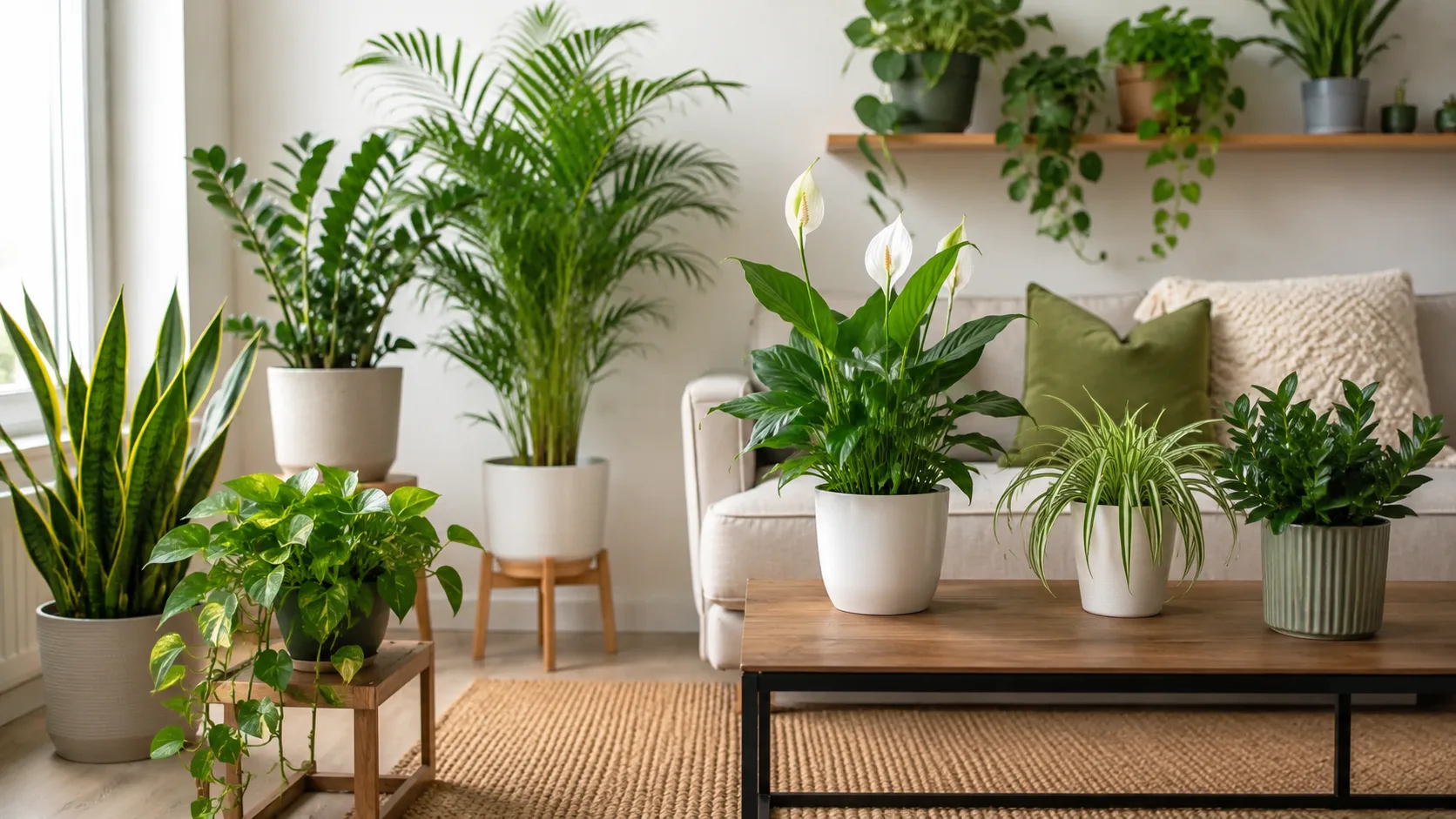
The best indoor plant for your home is the one that fits the light you have and the way you already care for plants. A succulent that wants a sunny sill will struggle in a dark hallway, while a moisture-loving fern can crisp up if you treat it like a cactus. This list covers upright foliage plants, trailing vines, succulents, palms, flowering plants, and indoor trees, with the trade-offs that are easy to miss on a store tag.
Use the categories to narrow the choice before you buy. If you are new to houseplants, start with one plant that matches an existing window and one care habit you can repeat; a collection of plants with different needs is harder to learn than a single well-matched one.
Before You Buy, Match the Plant to the Room
“Easy” is not a care plan. It usually means a plant tolerates a missed watering or a range of indoor conditions, but every living plant still needs enough light, a pot that can drain, and placement away from extreme heat or cold. The Royal Horticultural Society recommends considering a room’s light, humidity, and temperature before choosing a houseplant, because a windowless bathroom and a bright living-room sill are not equivalent growing spaces (RHS houseplant selection guide).
A plant that survives in a dim spot may grow slowly, lose variegation, or stretch toward the nearest window. A good match is one that can keep a compact shape and produce healthy new growth in your specific room, not just remain green for a few weeks.
Check the light where the plant will sit
Look at the actual shelf, table, or floor corner—not just the direction of the nearest window. Direct sun means the sunbeam lands on the leaves; bright indirect light is strong daylight with the plant shielded from the sunbeam for much of the day; medium light is farther from a bright window but still clearly lit; low light is a spot that receives daylight but little direct sun. A room that needs electric lights on during the day is too dim for most living houseplants unless you add a grow light.
Window direction is only a starting point. Trees, balconies, curtains, tinted glass, latitude, and seasonal sun angle all change what reaches a leaf. Light also drops sharply as you move farther into a room, so a plant a few feet from the window can receive substantially less than the one on the sill. Use a spot where you can read comfortably by daylight as a rough starting point, then watch new growth: long gaps between leaves, small leaves, or a plant leaning toward the window usually mean it needs more light. The Epic Gardening guide to houseplant light explains how distance and window exposure affect indoor light; a light-tolerant plant still cannot grow in darkness.
Match watering to your habits
Decide whether you are more likely to forget a watering or to give a plant a little water every day. If you forget, choose plants with thick leaves or water-storing rhizomes, such as a snake plant, ZZ plant, aloe, or jade. If you like checking the soil often, you may enjoy a prayer plant, peace lily, or fern, but those are less forgiving of a completely dry root ball.
No schedule works in every room. Pot size, potting mix, light, temperature, and season all change how quickly the root zone dries. Virginia Cooperative Extension recommends monitoring the soil rather than watering on a rigid calendar, thoroughly hydrating the mix when it is time, and letting the pot drain; a decorative outer pot is fine if you remove runoff instead of letting the plant sit in water (Virginia Cooperative Extension’s container-houseplant watering guide). Choose a container with a drainage hole and use a finger or wooden skewer to check moisture below the surface.
Check the mature footprint
A nursery plant is a temporary size, not a promise about its eventual shape. A pothos may trail several feet; a monstera needs room for a broad leaf canopy and climbing support; a palm can occupy a whole corner. Measure the floor, shelf, or hanging space and check whether the plant will need a trellis, sturdy pot, or pruning to stay where you want it.
Consider the width as well as the height. A compact pilea can sit on a desk, but a broad Boston fern needs elbow room and a light place to hang. If the only available spot is a narrow shelf, select a plant that naturally stays compact rather than planning to cut back a large species whenever it outgrows the furniture.
Put pet and child safety in the decision
Several popular houseplants in this list—including pothos, heartleaf philodendron, monstera, peace lily, dieffenbachia, and snake plant—are listed as toxic to cats or dogs in the ASPCA’s searchable plant database. Toxicity varies by species and the animal that eats it; “pet-friendly” marketing is not a substitute for checking the scientific name on the plant tag. The ASPCA also notes that eating any plant material can upset a dog or cat’s stomach, even when that plant is not listed as toxic (ASPCA Toxic and Non-Toxic Plants database).
If an animal or young child can reach leaves, choose a plant only after checking the exact name, then place it where it cannot be chewed or knocked down. Hanging a toxic vine does not make it safe for a cat that climbs; choose a verified non-toxic species instead. If a pet eats an unknown plant or shows symptoms, contact a veterinarian or animal poison-control service with the plant name or a clear photo.
Best Indoor Plants for Lower-Light Rooms
These plants are more tolerant of indirect or modest light than sun-loving succulents, but “low light” still means a place with usable daylight. In darker rooms, a ZZ plant or cast-iron plant is a better starting point than a fern; for the best long-term shape, put even shade-tolerant plants near a window rather than in the back of a room.
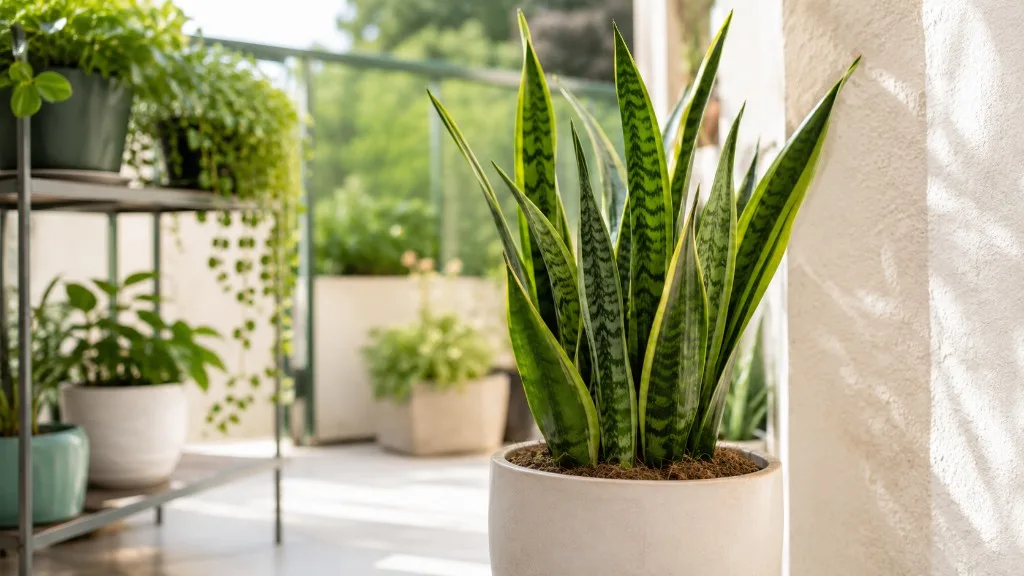
1. Snake plant (Dracaena trifasciata). Its upright, sword-shaped leaves fit narrow corners and small apartments, and it tolerates a wider range of indoor light than many leafy tropicals. It grows faster with good indirect light, but can sit in a lower-light room if you water sparingly; let the potting mix dry well before watering again. A pot without a drainage hole is a poor match because wet soil can rot the roots.
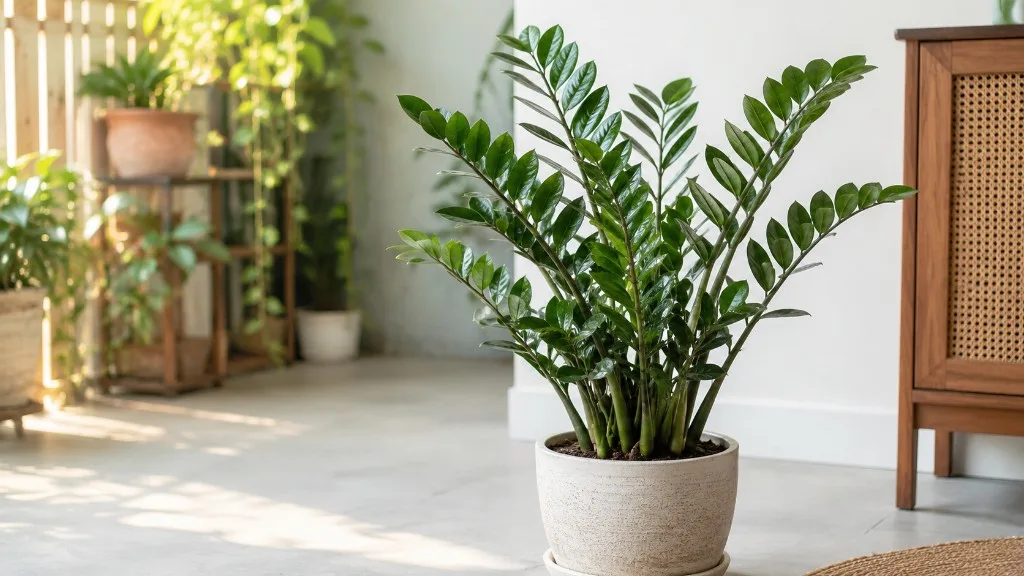
2. ZZ plant (Zamioculcas zamiifolia). The glossy, arching stems add a polished look without needing much attention. Thick underground rhizomes store water, so it handles a missed watering better than constant moisture; let the potting mix dry before watering. It will tolerate low light, though bright indirect light supports better growth. Gardening Know How also cautions that overwatering can rot those water-storing rhizomes (ZZ plant care guide).
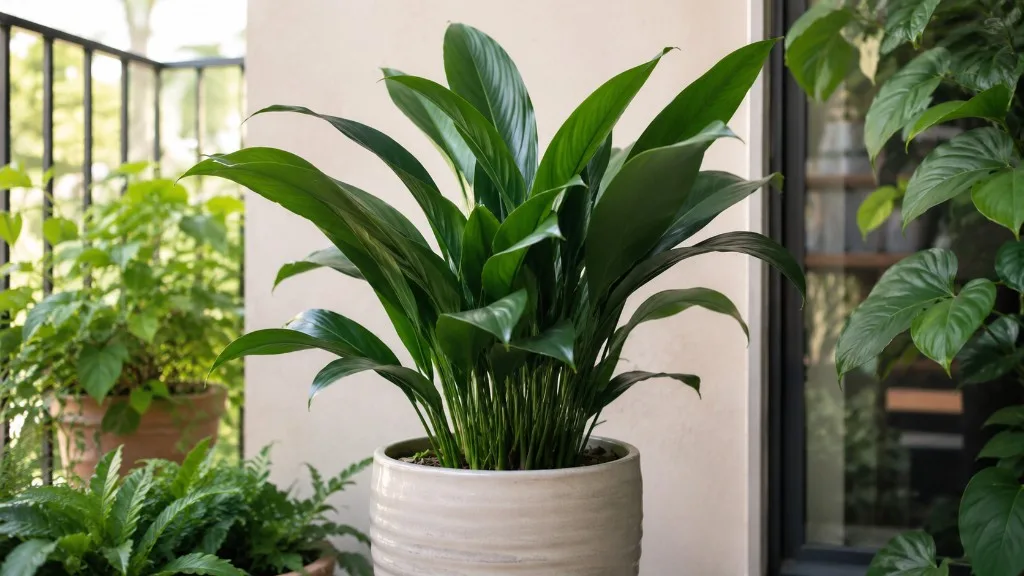
3. Cast-iron plant (Aspidistra elatior). Choose this slow-growing foliage plant for a spot with steady daylight that is too shady for many flowering plants. Its deep green leaves give a room a solid, upright shape without the rapid growth of a vine. Keep it out of harsh direct sun and do not keep the soil constantly wet; slow growth is a feature if you want a plant that will not quickly take over a shelf or floor corner.
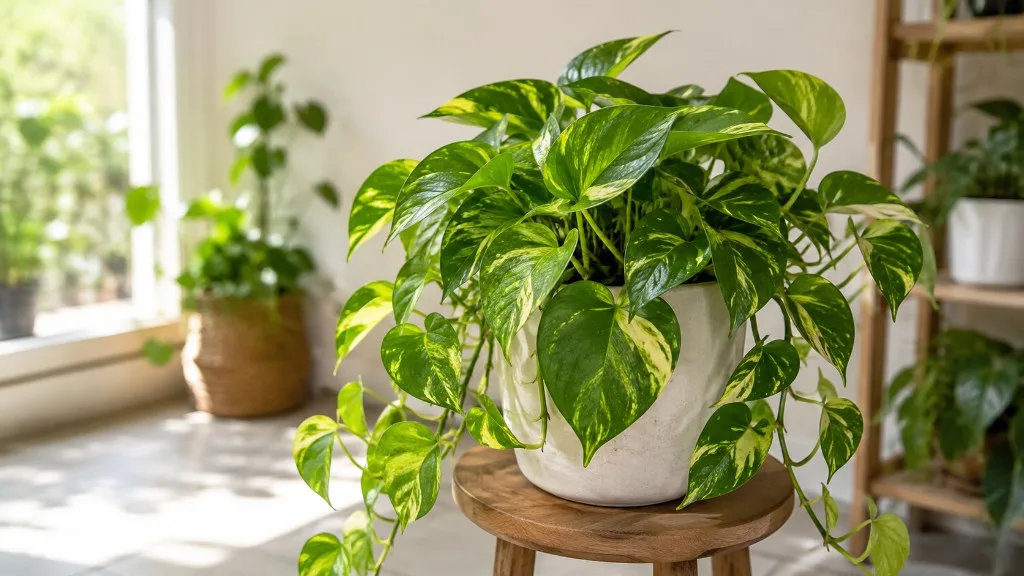
4. Pothos (Epipremnum aureum). Pothos is a flexible trailing vine for a high shelf, bookcase, or hanging pot, and it can also climb a support. Green varieties generally keep more foliage in medium light; white or yellow variegation shows best in brighter indirect light. Let the surface of the mix begin to dry between waterings, then water thoroughly and empty the saucer. Keep it away from pets that chew leaves.
5. Heartleaf philodendron (Philodendron hederaceum). This narrow-leafed vine is a good alternative to pothos when you want a softer cascade or a plant that can climb a small pole. Give it medium to bright indirect light and water after the upper part of the potting mix dries; dimmer light slows growth and extends the time between waterings. Like other philodendrons, it should be treated as toxic to pets and kept out of reach.
Best Trailing and Shelf-Friendly Indoor Plants
Trailing plants add greenery without taking up floor space, while compact plants can brighten a desk or bookcase. Check the shelf’s light before choosing a vine: it needs enough daylight where the leaves hang, not just at the pot.
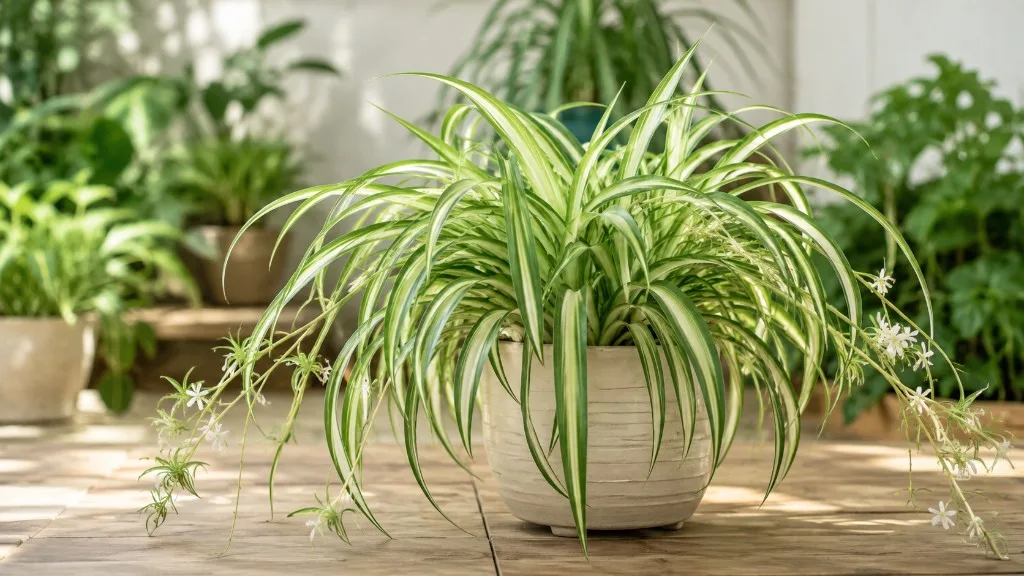
6. Spider plant (Chlorophytum comosum). Arching leaves and dangling plantlets give this easy-to-share plant a loose, lively shape. It grows well in bright indirect light and tolerates some gentle morning sun; water when the top layer of mix begins to dry rather than leaving its fleshy roots in soggy soil. It sends out offsets when mature, so it can fill another pot without needing a larger plant right away.
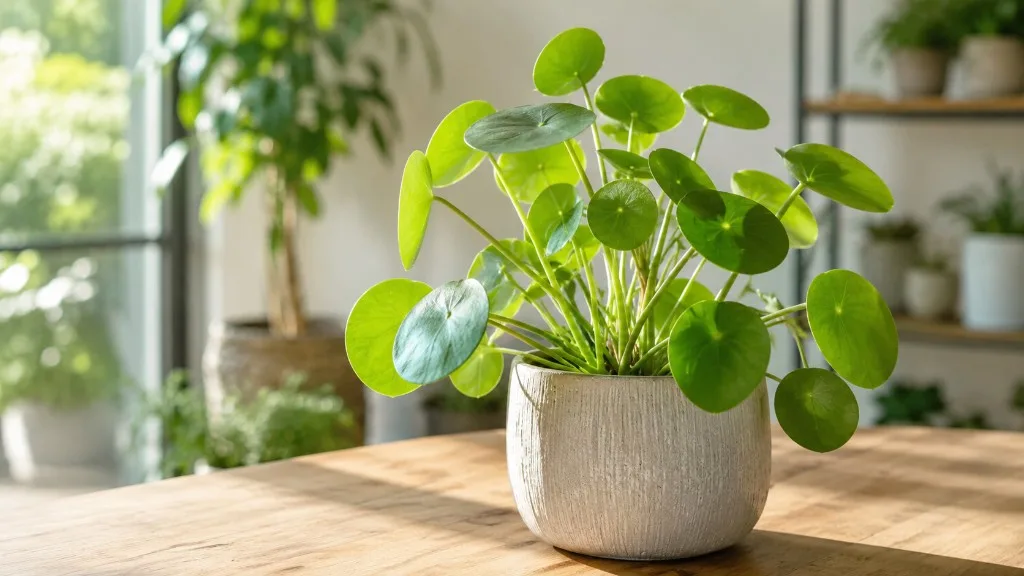
7. Chinese money plant (Pilea peperomioides). Round, coin-shaped leaves make this compact plant a good choice for a desk or small table. Give it bright indirect light and rotate the pot every week or two so stems do not lean toward the window. Allow the upper layer of soil to dry before watering; if it stays wet for long periods, the plant may lose leaves even though the surface looks harmless.
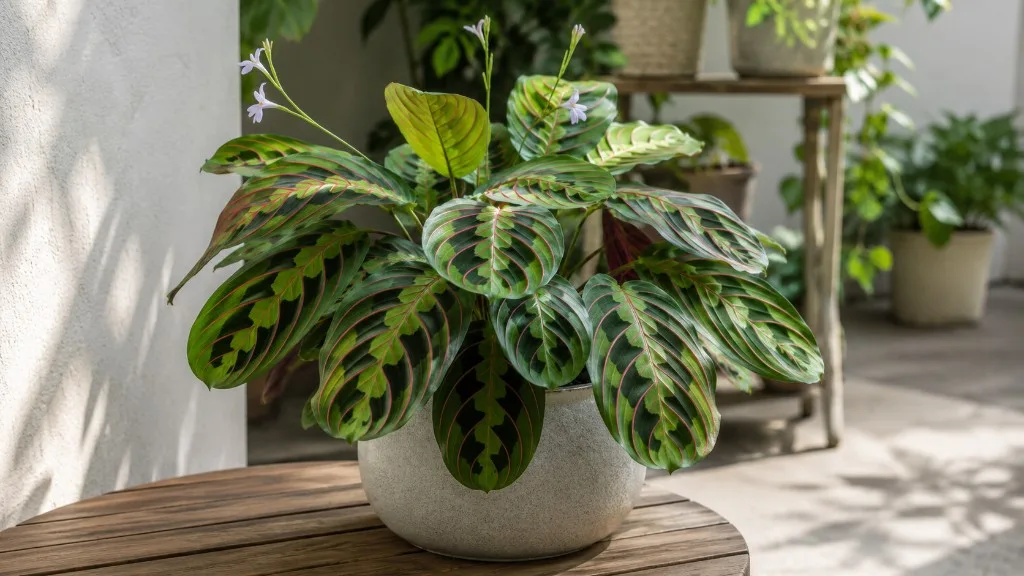
8. Prayer plant (Maranta leuconeura). The patterned leaves fold upward at night, so the plant adds movement as well as color. It prefers bright indirect light and evenly moist—but not soggy—soil, making it a better fit for someone who already checks plants regularly than for someone who wants a long interval between waterings. In very dry rooms it may develop crispy leaf edges, so group it with other plants or place a humidifier nearby rather than relying on occasional misting.
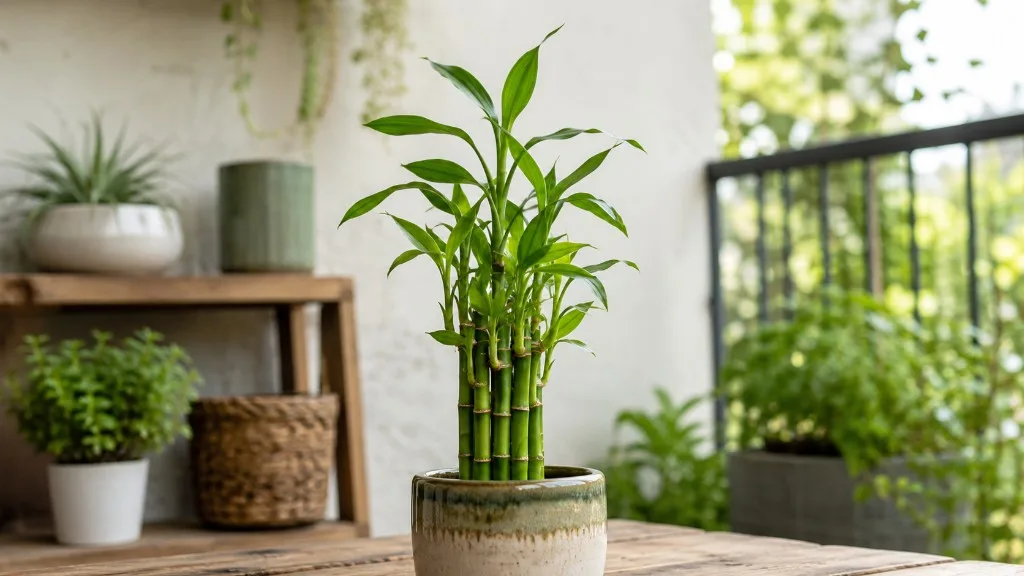
9. Lucky bamboo (Dracaena sanderiana). Despite its common name, this is a dracaena, not true bamboo. The stems can grow in soil or in a narrow vessel of water; in water, keep the roots covered without submerging the whole cane, refresh the water regularly, and rinse the container when it gets cloudy. Place it in bright or medium indirect light, away from strong sun that can bleach or scorch its leaves.
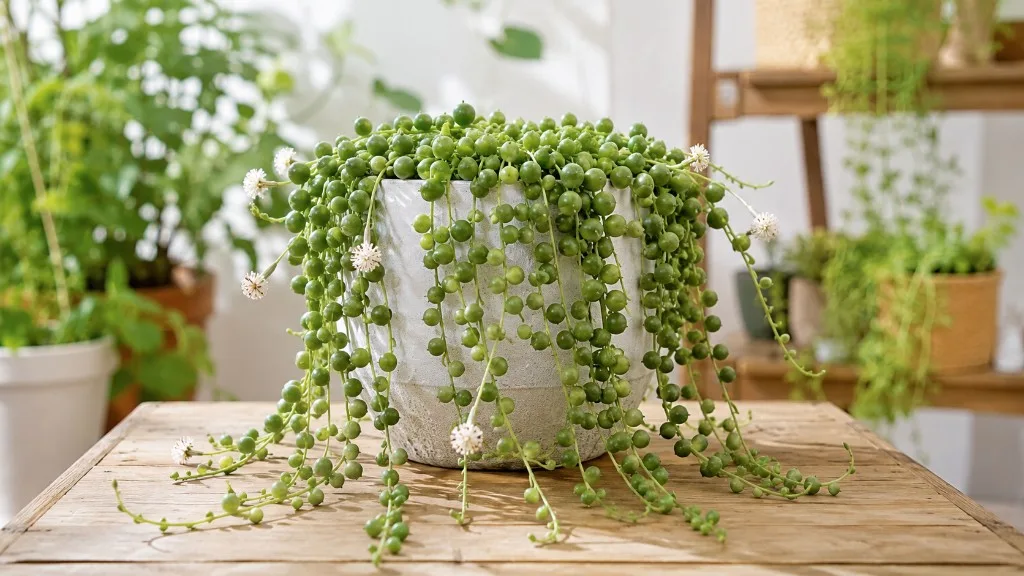
10. String of pearls (Curio rowleyanus). Small bead-shaped leaves trail over the edge of a hanging pot, making this succulent a striking choice for a bright window. It needs more light and less frequent watering than a pothos: wait until the mix is dry well below the surface, then water enough to moisten the root zone and let it drain. The stems and beads break easily, so hang it where it will not be brushed by people or pets.
Best Indoor Plants for Bright Windows
A sunny windowsill opens the door to succulents, but sunlight and dry soil do not mean a plant can go without checks. These choices need a bright position and a potting mix that drains; the most common mistake is watering them on the same rhythm as a tropical foliage plant.
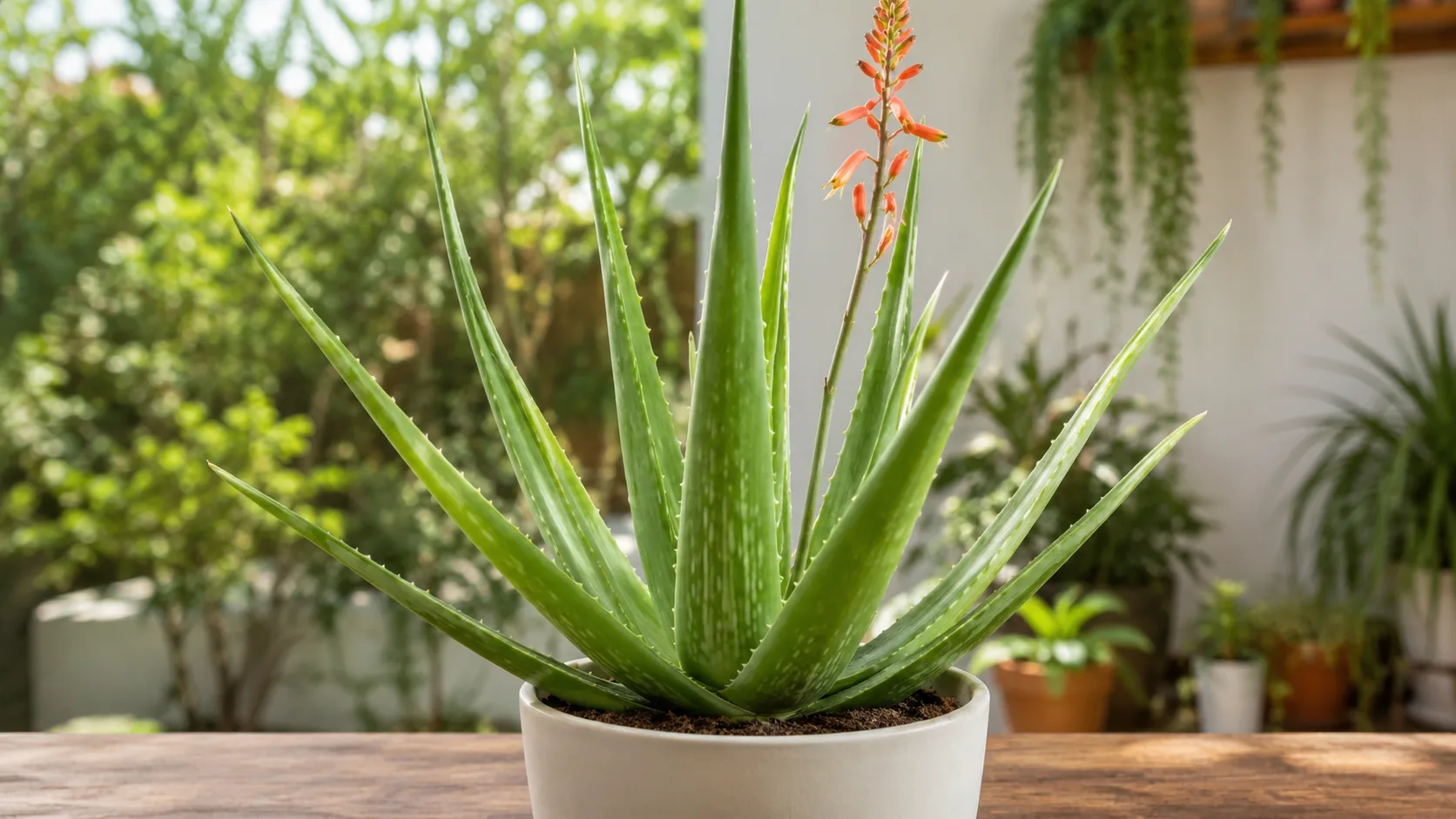
11. Aloe vera. The fleshy leaves hold water and form a sculptural rosette that can produce offsets around the base. Give aloe your brightest window and a fast-draining succulent mix; wait until the mix is dry through most of the pot before watering. An aloe moved from a shaded nursery to strong direct sun can scorch, so increase sun exposure gradually. Keep it away from pets, since ingestion can be harmful.
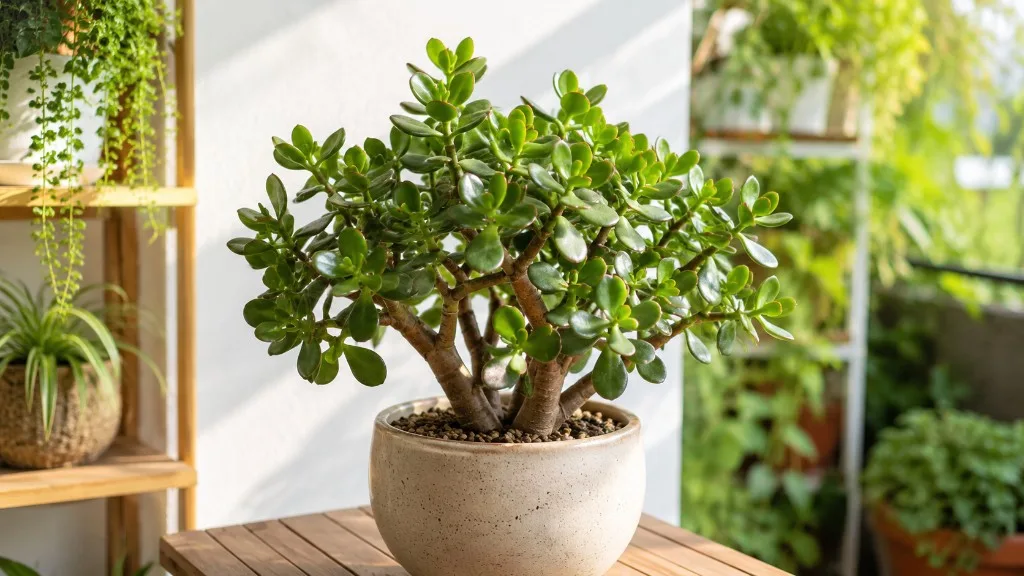
12. Jade plant (Crassula ovata). A jade plant can develop a woody stem and tree-like form over time, but it needs more light than a dim room can provide. Place it near a bright window, let the soil dry well between waterings, and use a pot with a drainage hole. If stems stretch or the plant leans, improve its light before pruning; shaping cannot make up for a site that is too dark.
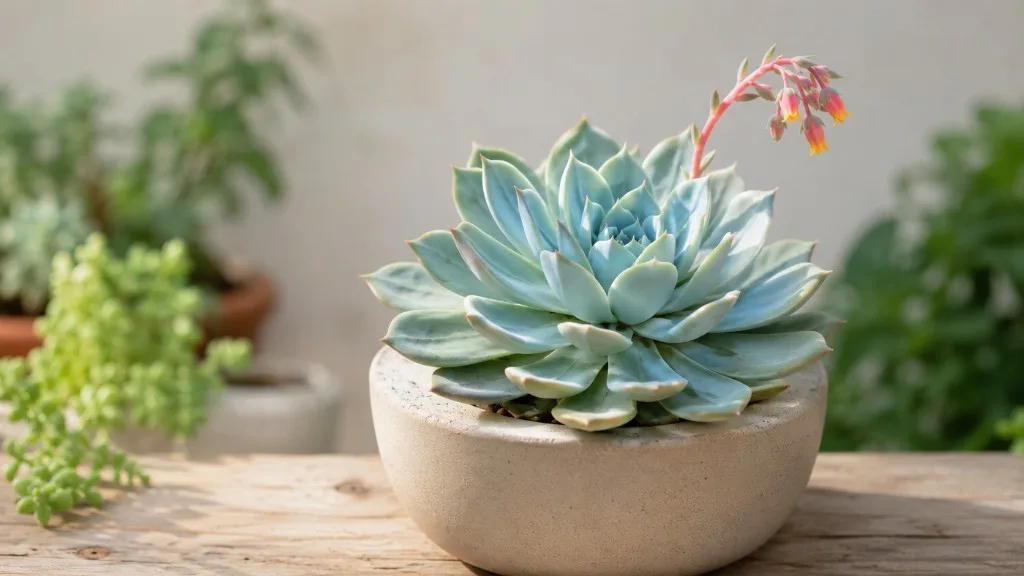
13. Echeveria (Echeveria spp.). The symmetrical rosettes work well on a bright sill or compact plant stand. They need strong light to stay tight; in a dim room, a rosette stretches and loses its neat shape. Use a gritty, free-draining mix, let the soil dry between thorough waterings, and avoid leaving water pooled in the center of the rosette.
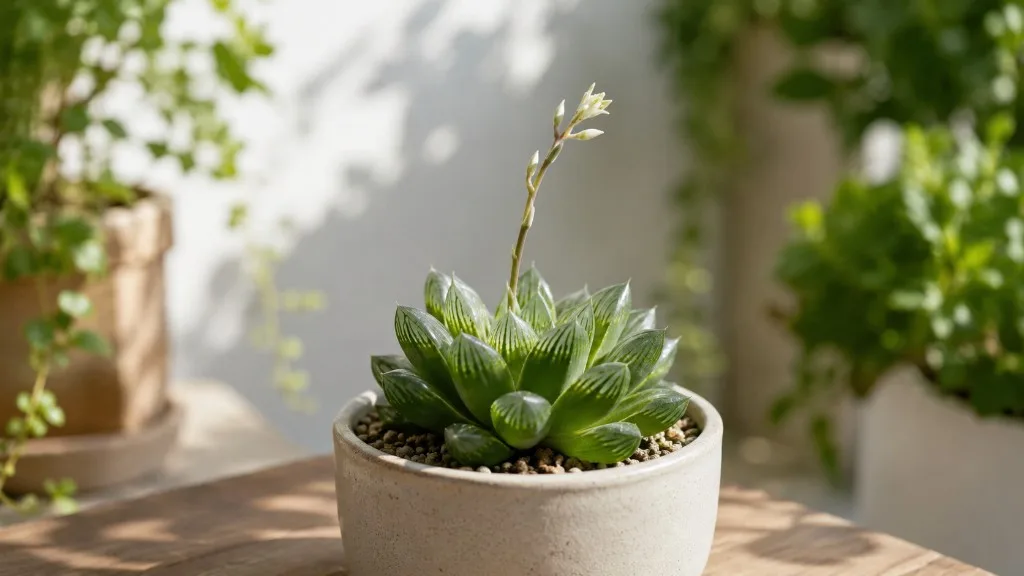
14. Haworthia (Haworthia and Haworthiopsis spp.). These small, banded succulents are a useful option for a bright desk or shelf that does not get hours of hot direct sun. Their compact rosettes take up little room, and they need less frequent watering than leafy tropical plants. Give them bright indirect light or gentle morning sun, then let the mix dry; prolonged wet soil is a bigger risk than a short dry spell.
15. Flapjack or paddle plant (Kalanchoe luciae). Broad, paddle-shaped leaves make this succulent look different from the smaller rosettes in the same category. It needs a very bright window to stay compact and color well; when it does not get enough light, the stem stretches and the leaves become less sturdy. Let the mix dry between waterings and give the plant enough width for its leaves to spread. Check its toxicity status before bringing it into a pet household.
Best Large Indoor Plants and Small Trees
A large plant can anchor a room, but size and light are linked: a plant that fills a corner also needs enough light across its canopy. Leave space for mature leaves, a stake, or occasional pruning, and avoid placing a new purchase where it blocks a doorway or heater.
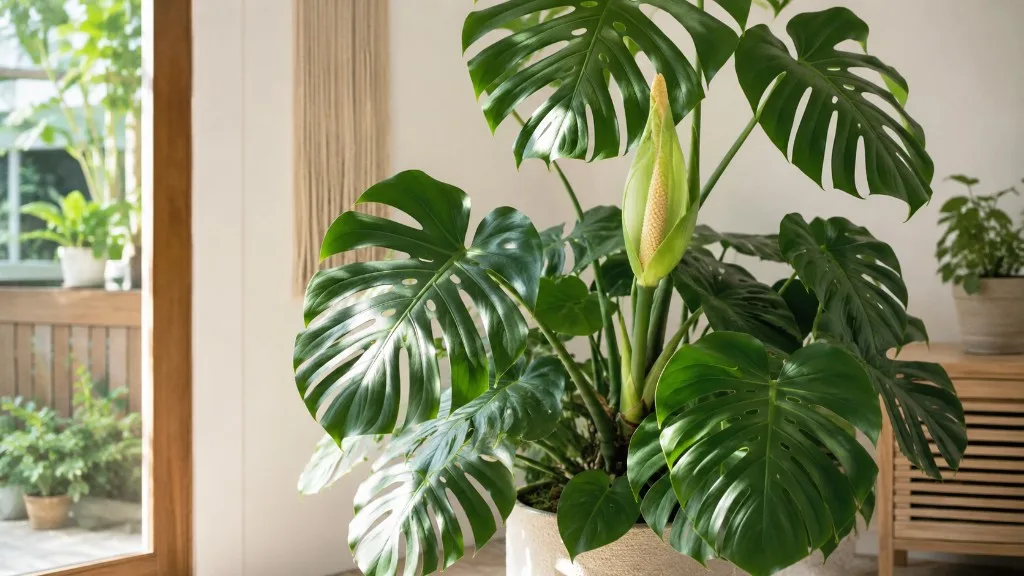
16. Monstera deliciosa. The Swiss-cheese plant earns its place as a floor plant because mature leaves develop dramatic splits and holes. It grows best in bright indirect light, with a moss pole or other support as it gets larger; rotate it so the new leaves do not all face one window. A young monstera may have solid leaves, so do not buy it expecting every leaf to be fenestrated at once. Keep it away from pets that chew.
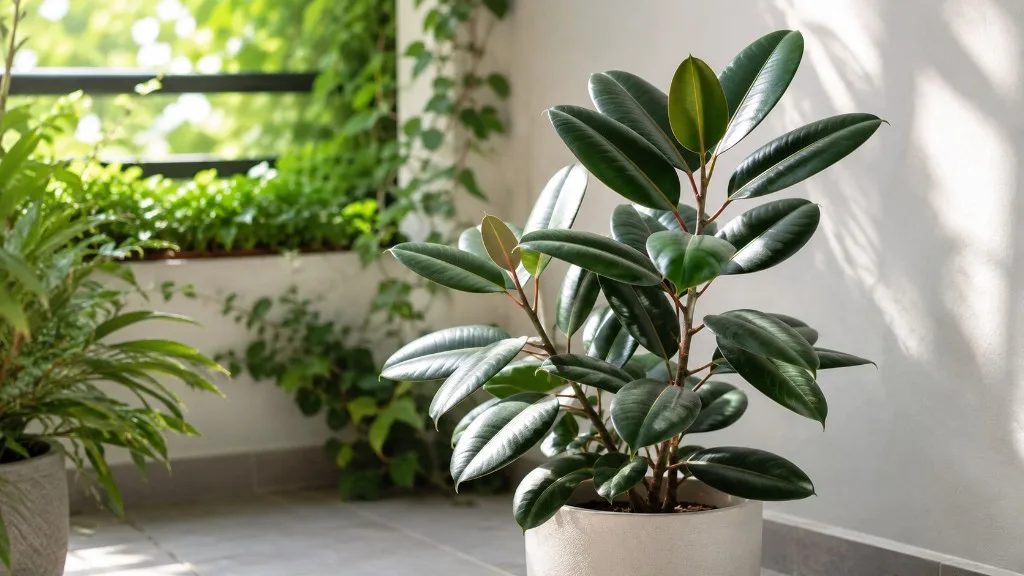
17. Rubber tree (Ficus elastica). Thick, glossy leaves create a strong vertical accent, and the plant can become a small indoor tree with time. Bright indirect light helps it keep its foliage and shape; let the upper soil dry between waterings and wipe dust from broad leaves with a damp cloth. Give it a stable position, since repeated moves or drastic changes in light can cause leaf drop. Its sap and leaves are not appropriate for pets to chew.
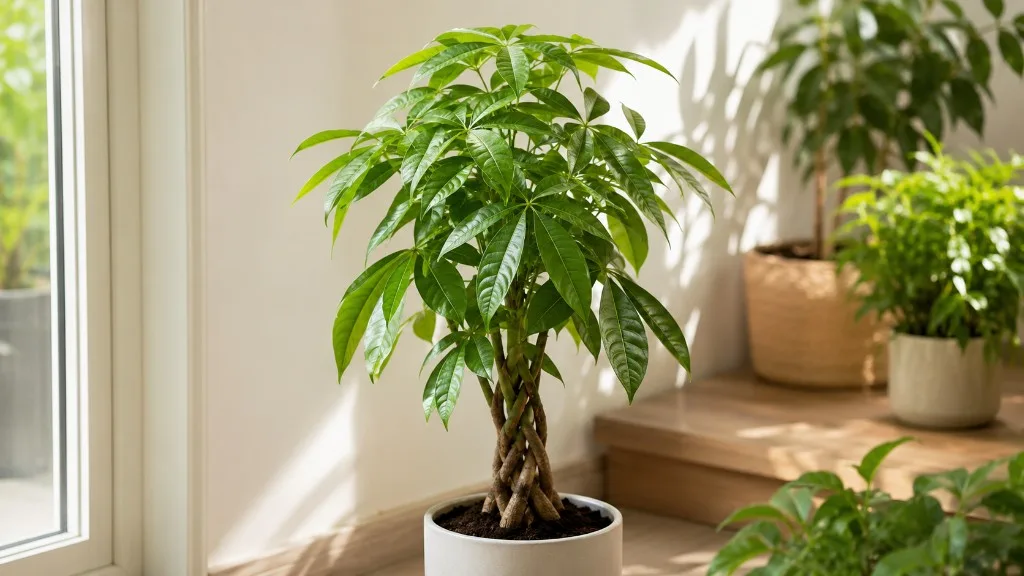
18. Money tree (Pachira aquatica). The braided trunks commonly sold in shops and the umbrella-shaped leaves make this a recognizable centerpiece. Place it in bright indirect light and water when the upper soil has begun to dry, then empty the saucer; it does not want to sit in water. Check the canopy width before buying because a small tabletop plant can grow into a floor-sized tree, especially if the room is warm and bright.
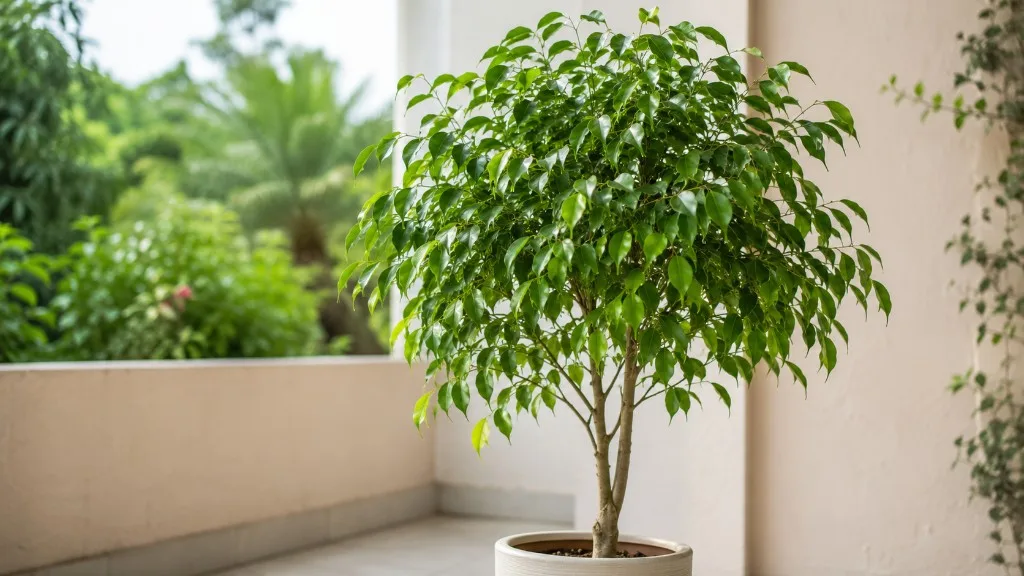
19. Weeping fig (Ficus benjamina). Fine leaves on arching branches give this indoor tree a lighter look than a rubber tree, but it is less forgiving of abrupt changes. Choose a bright, stable location and leave it there; moving it from window to window can trigger leaf drop while it adjusts. Water after the top of the mix dries, and buy it only if you have room for a plant that may become several feet tall.
20. Chinese fan palm (Livistona chinensis). The fan-shaped fronds bring a tropical outline to a bright room, but a young nursery palm needs more light and space as it grows than its pot suggests. Give it bright indirect light, moderate watering, and room for its broad leaves to open without rubbing a wall. It is not the right pick for a dark corner or a shelf; plan for a sizable floor plant and check its mature height before bringing it home.
Best Indoor Plants for Flowers and Softer Foliage
Flowering and soft-leaved plants bring a different texture than waxy vines or succulents, but they tend to need closer attention to light and moisture. Pick these if you enjoy checking the soil and grooming leaves, not if you want every plant to dry out between long trips.
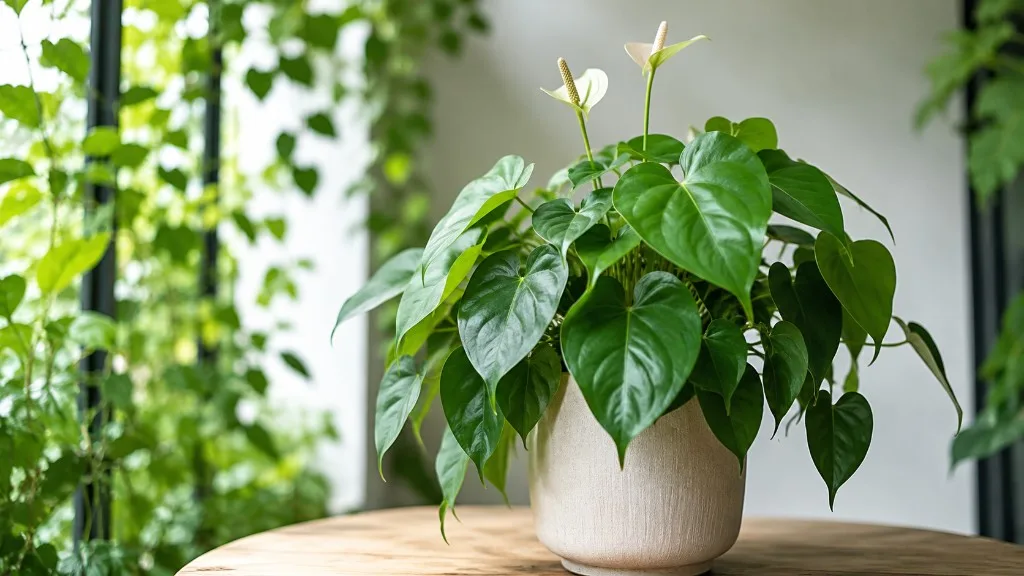
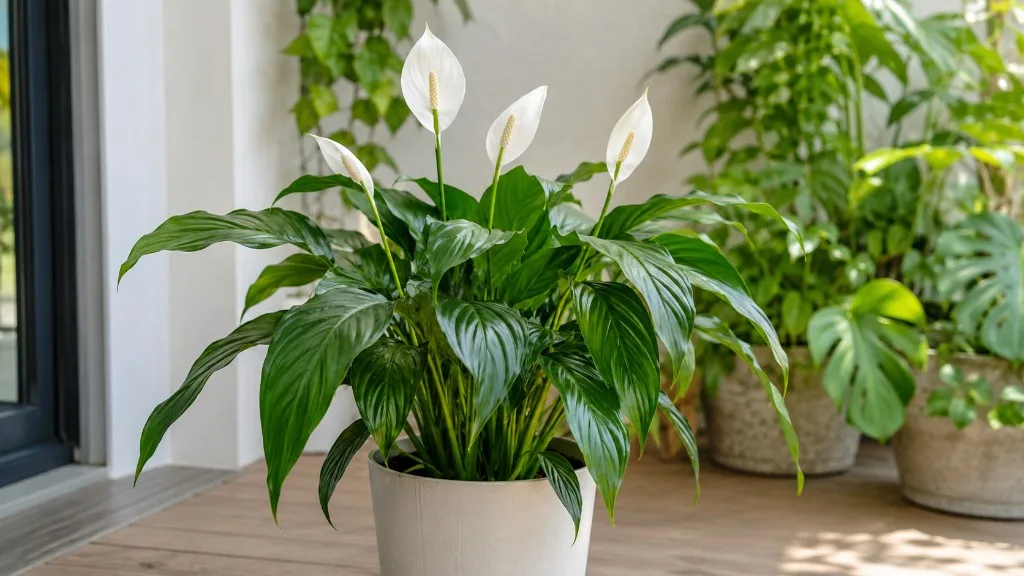
21. Peace lily (Spathiphyllum spp.). Deep green leaves and white spathes give it a clean, classic look, and it can bloom indoors when it gets enough indirect light. Water when the upper soil begins to dry and drain away extra water; drooping leaves can be a thirst signal, but repeated severe wilting stresses the plant. Despite the name, a peace lily is not a true lily, but it is still unsafe for pets to chew.
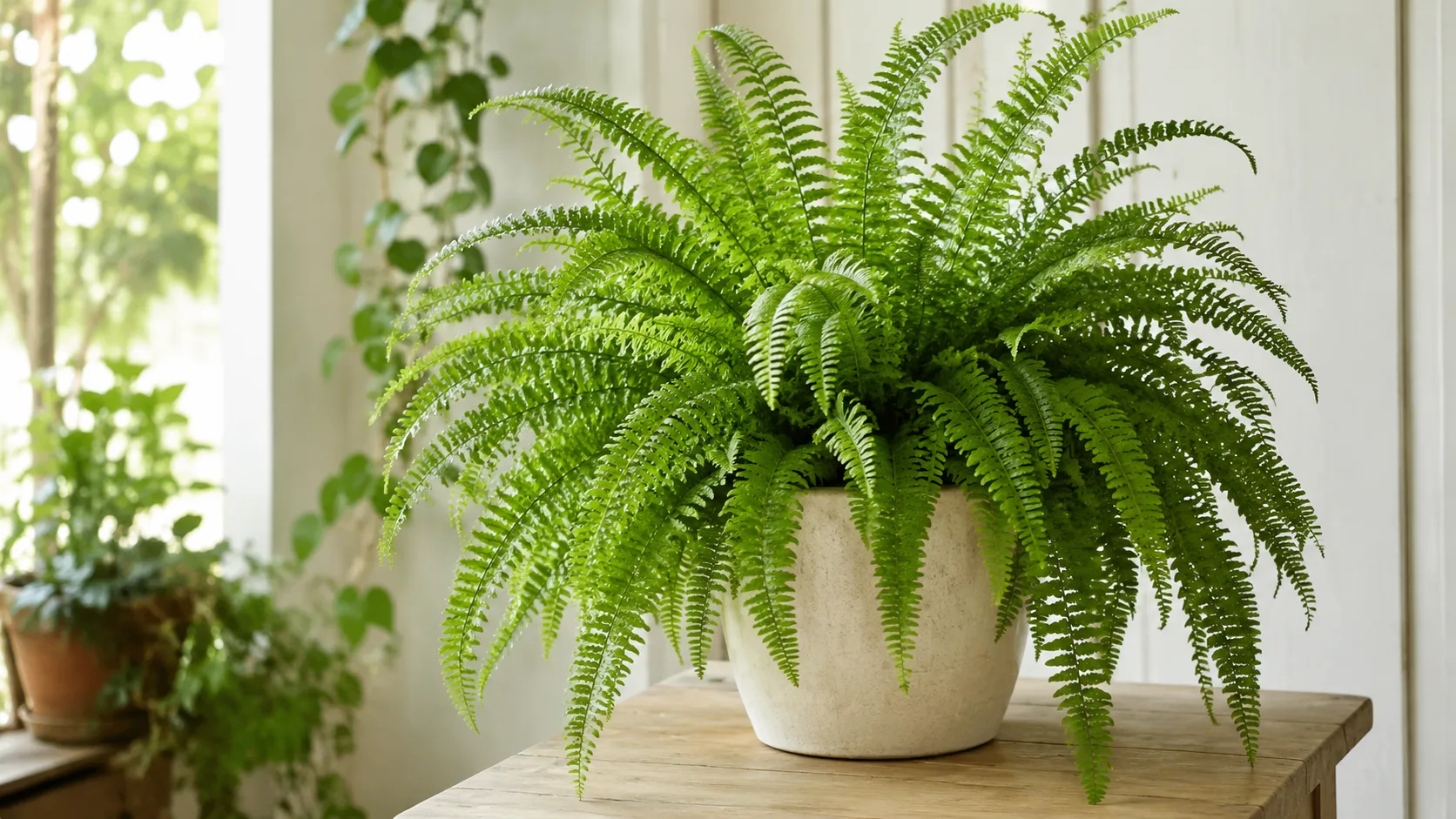
22. Boston fern (Nephrolepis exaltata). The arching fronds make a full hanging basket or a soft accent near a bright window. Boston ferns like evenly moist soil and higher humidity than many homes provide, so they need more frequent checks than a ZZ plant or snake plant. Do not let the root ball dry completely; if your room is hot and dry, a humidifier can help more than misting once a week.
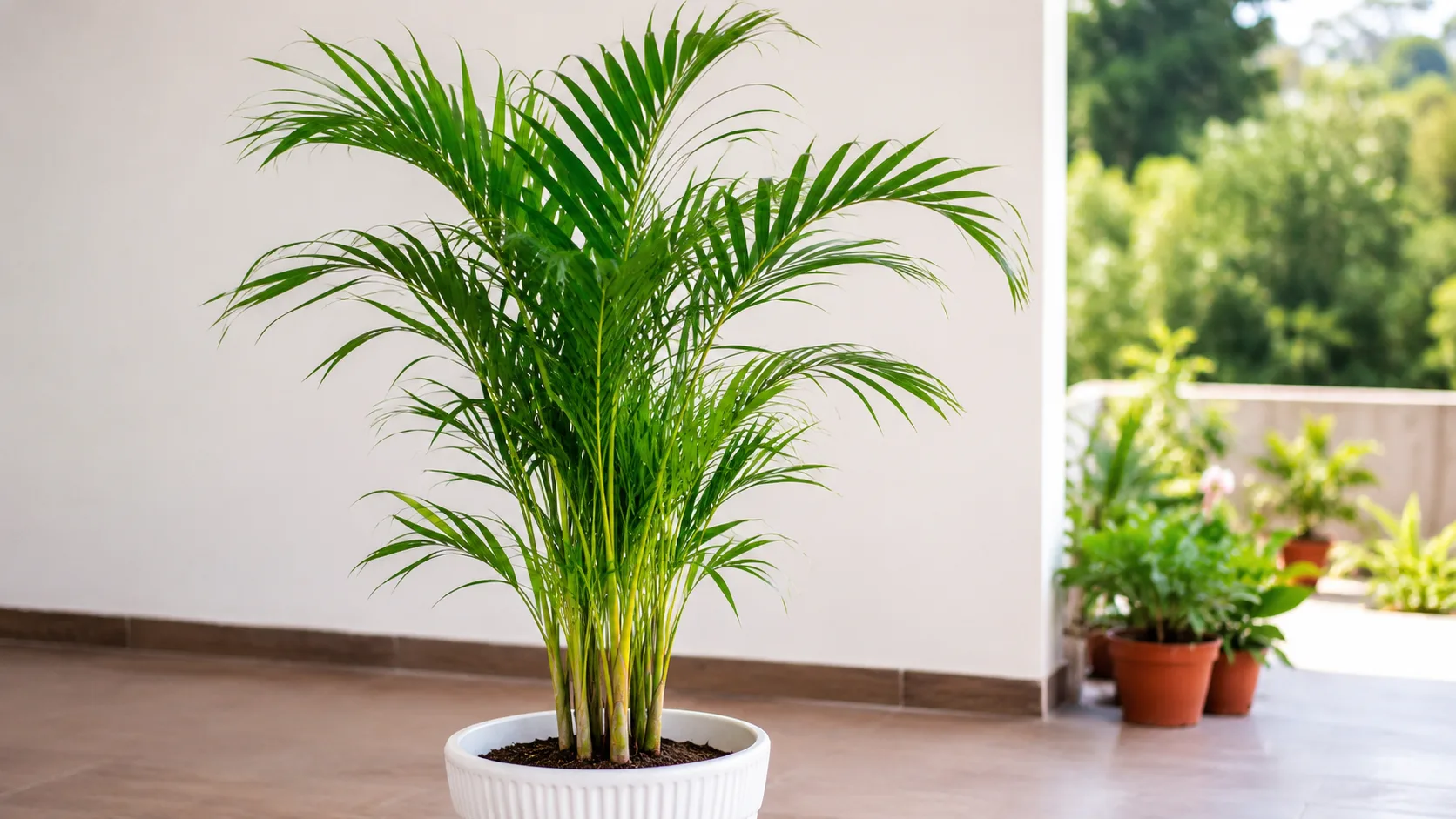
23. Areca palm (Dypsis lutescens). Feathered fronds add height and a tropical feel without the stiff form of a dracaena. Give it bright indirect light and space for the arching leaves to spread; water when the top layer of mix dries, adjusting the interval as light and temperature change. Its full canopy can occupy a surprising amount of width, so look at the plant’s mature spread before using it beside furniture.
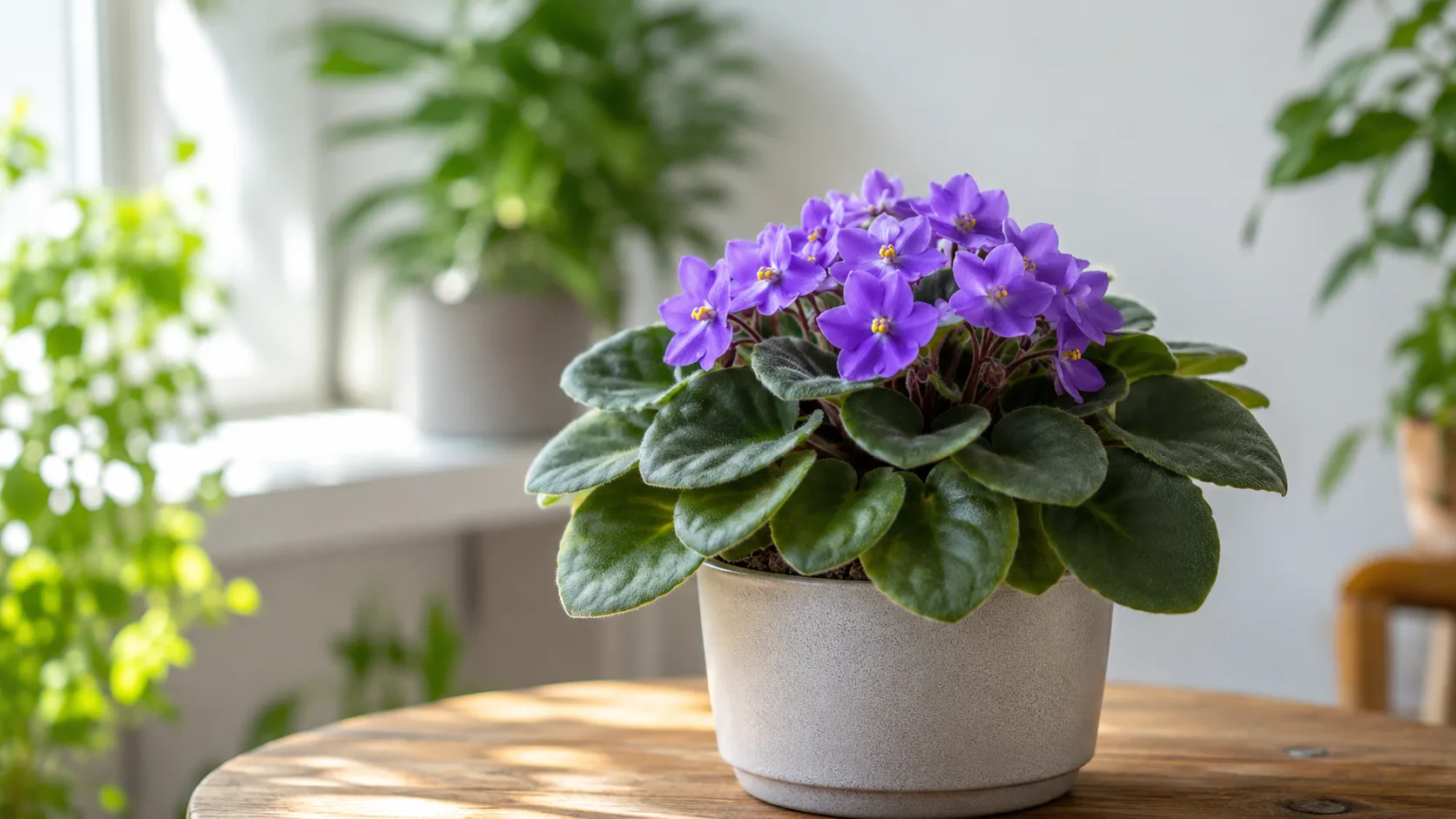
24. African violet (Streptocarpus sect. Saintpaulia). This compact flowering plant can rebloom indoors when it receives bright indirect light and steady care. Water the soil rather than splashing the fuzzy leaves, and never leave its pot standing in a full saucer. Bottom watering can be useful for plants with dense or fuzzy foliage; Virginia Cooperative Extension lists African violets among plants for which that method may help, as long as the pot has drainage holes and excess water is removed.
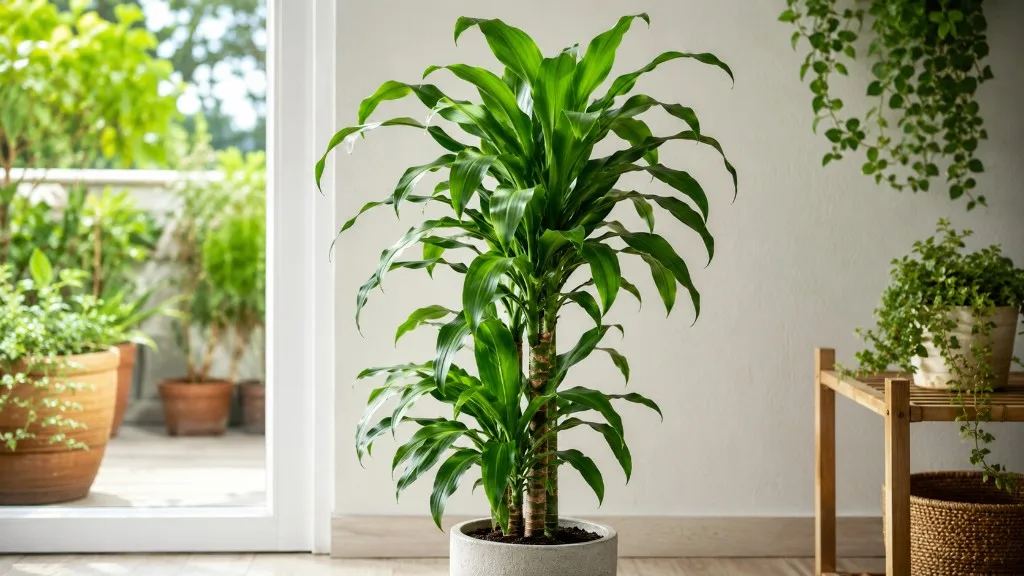
25. Corn plant (Dracaena fragrans). A cane-like trunk and arching leaves provide height without taking as much floor space as a palm. It is a good fit for medium to bright indirect light and a grower who prefers to let the soil dry somewhat between waterings. Check the plant’s eventual height, and do not keep it directly beside a heater or cold draft; those extremes can stress tropical foliage.
Best Architectural Indoor Plants for a Strong Silhouette
These last five choices offer unusual shapes or a stronger statement, but “unusual” can mean extra setup or a narrower range of conditions. Buy for the look you want, then give each plant enough of the light and physical support it needs to keep that look.
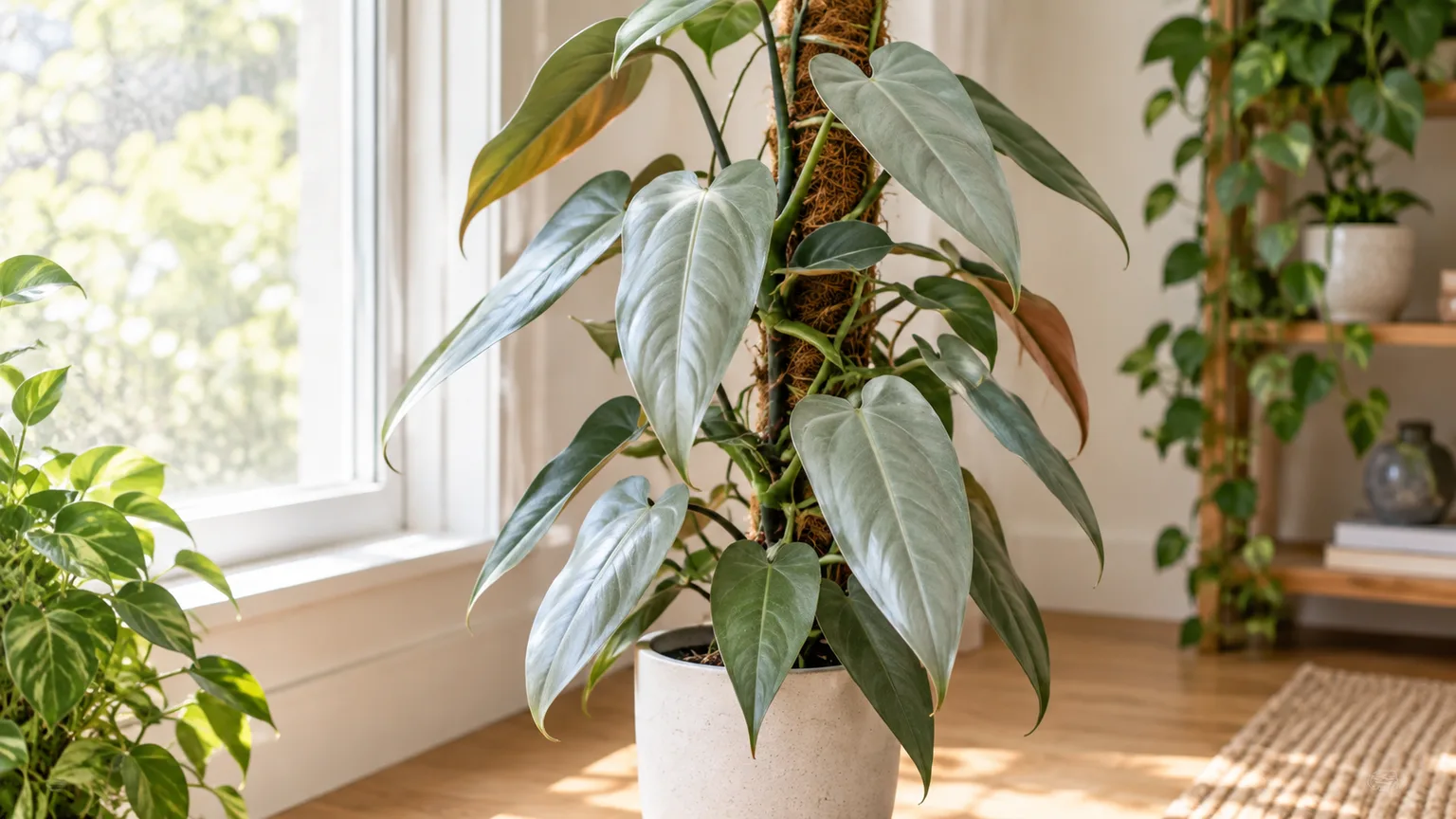
26. Silver sword philodendron (Philodendron hastatum). Arrow-shaped, silvery leaves stand out among the usual glossy greens, and a climbing support lets the plant show larger foliage as it matures. Give it bright indirect light and a pole or trellis; without enough light or something to climb, stems can look sparse. It needs more attention than a basic heartleaf philodendron and should not be chewed by pets.
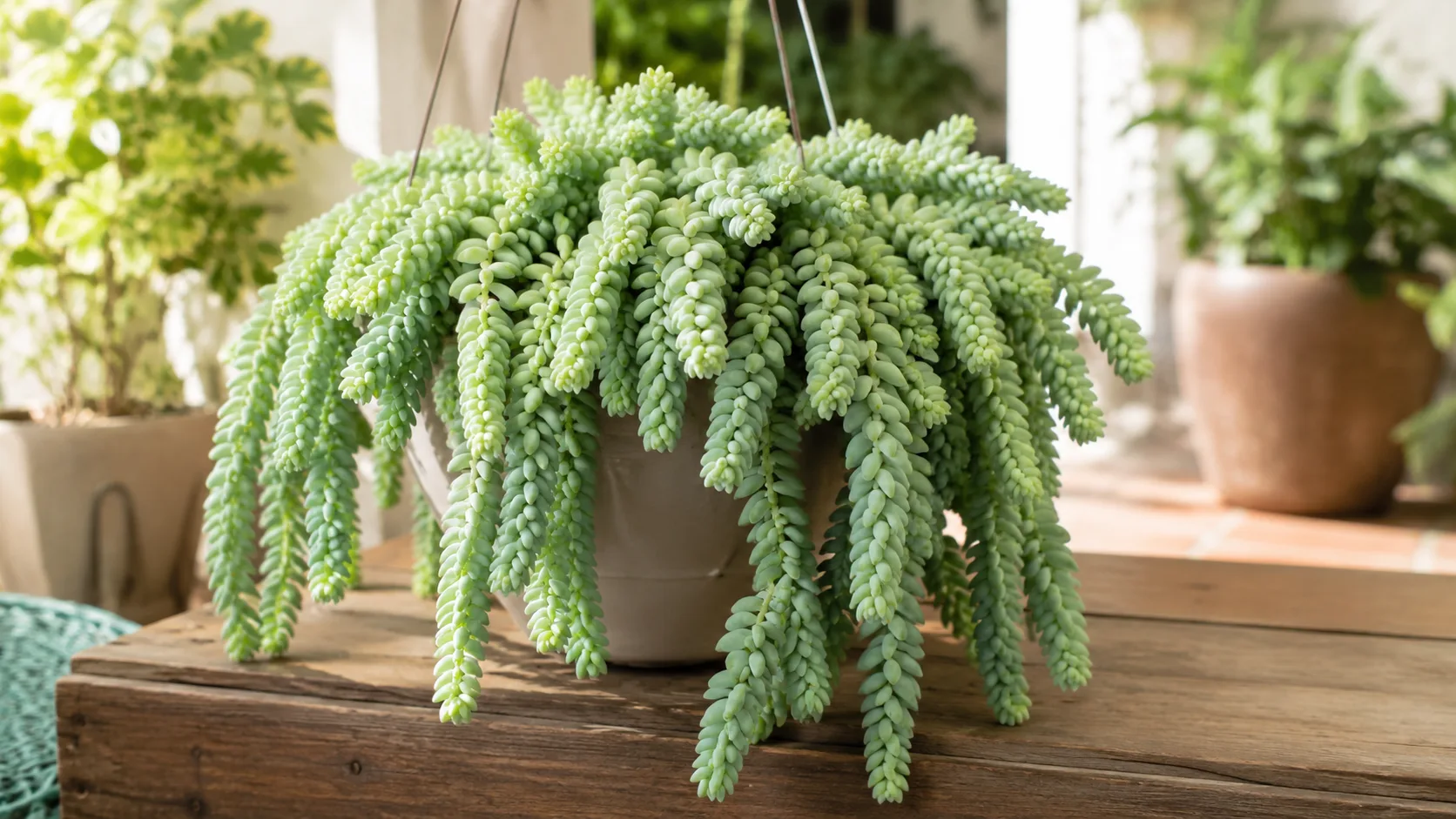
27. Donkey’s tail (Sedum morganianum). Thick stems trail over a high shelf with rows of plump leaves that look like beads. It needs a very bright position, a fast-draining succulent mix, and infrequent watering after the soil dries. The leaves detach easily when handled, so choose a place where the plant can hang undisturbed rather than using it in a busy walkway.
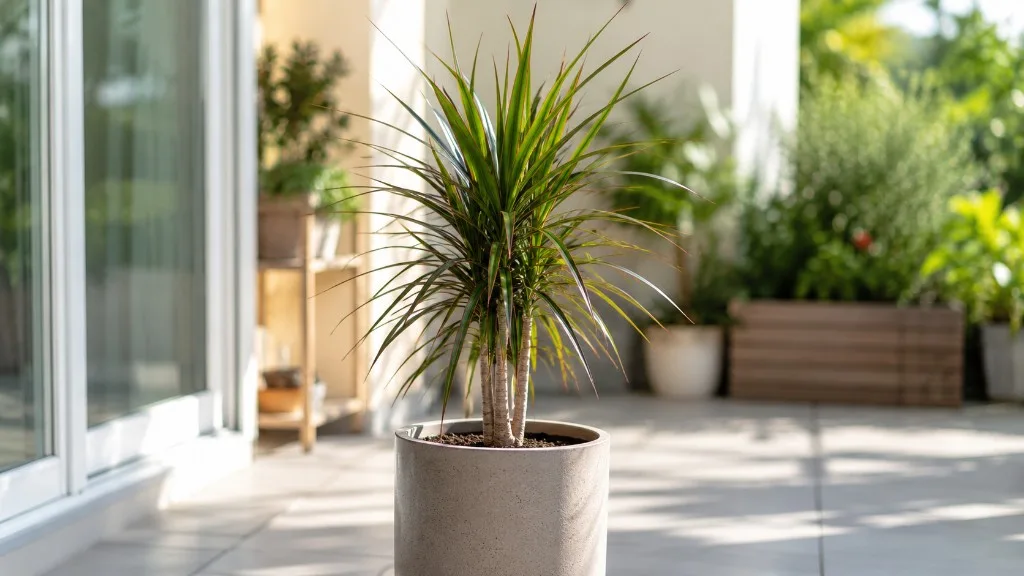
28. Dragon tree (Dracaena marginata). Narrow leaves gathered at the ends of upright canes give a room a clean, architectural line. It tolerates medium indirect light but grows better in a bright spot; allow the soil to dry partway before watering and turn the pot occasionally so it does not lean. The plant can grow taller than a tabletop display, so plan for its mature scale.
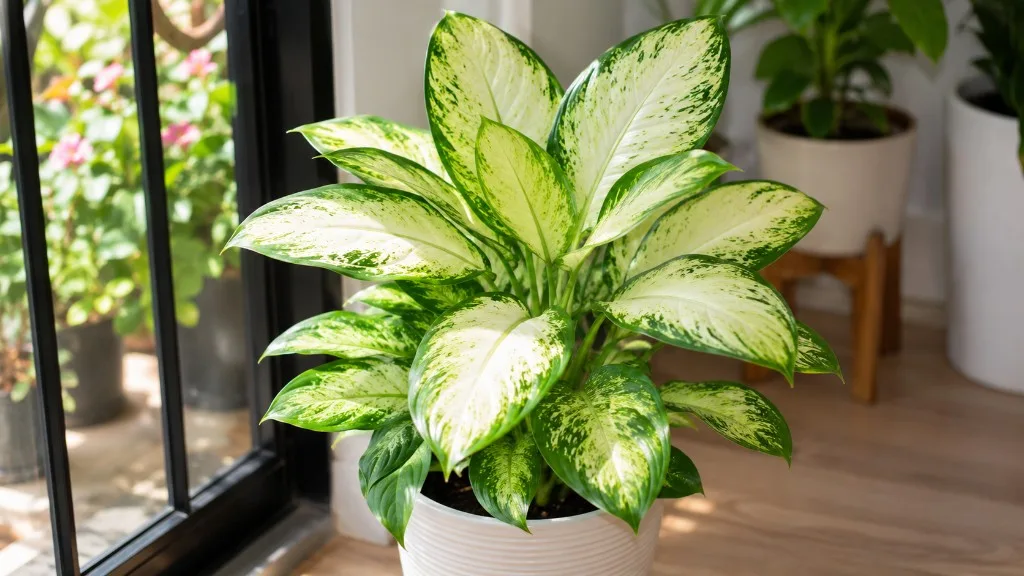
29. Dieffenbachia (Dieffenbachia spp.). Large patterned leaves make this a bold foliage choice for a warm room with medium to bright indirect light. Keep the potting mix lightly moist but not waterlogged, and give the plant space for its leaves to spread. Dieffenbachia is listed by ASPCA as toxic to pets; its sap can irritate the mouth and throat if chewed, so keep it out of reach of animals and young children.
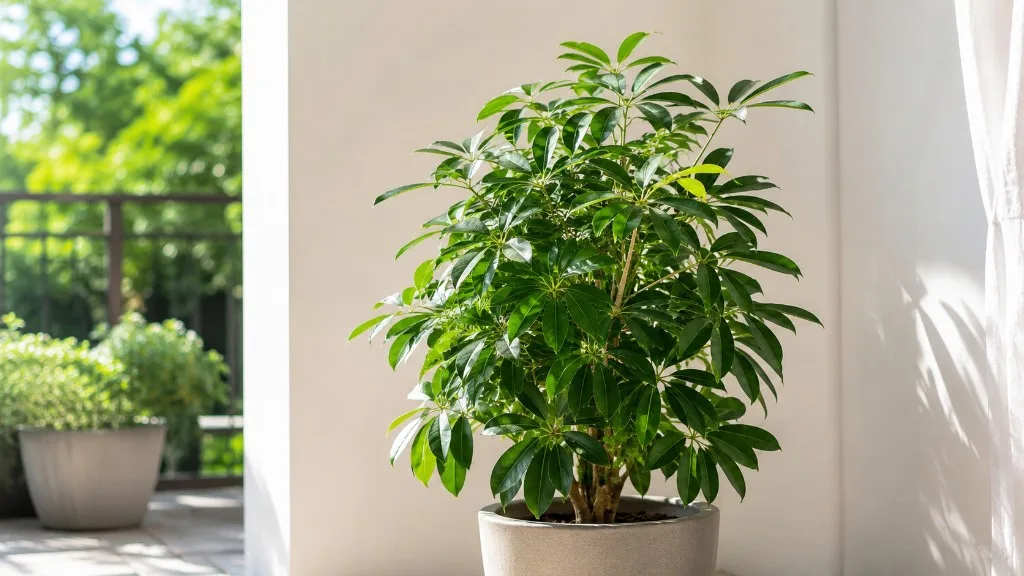
30. Schefflera (Schefflera spp.). The clustered leaflets resemble small umbrellas and can turn a bright corner into a leafy focal point. Give it bright indirect light, let the surface of the soil dry between waterings, and prune selectively if the plant becomes too tall or leggy. Schefflera can be toxic to pets, and it will need more room as it branches, so choose a stable floor position from the start.
Quick Comparison: Choose by Room and Routine
| Your space or habit | Good first choices | What to keep in mind |
|---|---|---|
| Lower-light room with daylight | Cast-iron plant, ZZ plant, snake plant | Growth may be slower; no plant thrives in darkness |
| Bright indirect window | Pothos, heartleaf philodendron, monstera, prayer plant | Vines and large leaves need room and may be toxic to pets |
| Sunny sill | Aloe, jade, echeveria, haworthia | Strong light and a drying mix matter more than frequent watering |
| Small shelf or desk | Chinese money plant, Haworthia, African violet | Measure the spread and keep enough space for new growth |
| You forget to water | ZZ plant, snake plant, jade, aloe | Still check the root zone; drought tolerance is not immunity to rot |
| You enjoy frequent care | Boston fern, prayer plant, peace lily, African violet | These need closer moisture or humidity checks |
| Curious pets or children | Check the ASPCA entry for the exact species first | Common names overlap; “non-toxic” also does not mean edible |
The comparison is a starting point, not a guarantee. A plant next to an unshaded south-facing window uses water differently from the same species placed three feet back, and a terracotta pot dries faster than a large plastic one. Recheck the plant’s condition when the season changes, especially if you turn on heat or move it to another room.
How to Set Up a New Houseplant
Keep the first setup simple
When you bring a plant home, inspect the leaves, stems, and soil for pests, then put it in a spot that matches its light needs. Keep the nursery pot inside a decorative cachepot if you want a particular look; the inner pot’s drainage holes make watering and runoff easier to control. Do not repot immediately just because the plastic pot is plain. Repot only if the plant is root-bound, the mix will not drain, or the nursery container is damaged.
Let the potting mix and the plant’s existing condition guide the first watering. A dry root ball may need a thorough drink, while damp soil is a reason to wait even if you just bought the plant. Water slowly until the mix is evenly moist and excess drains out, then empty the outer pot or saucer. This simple routine avoids the common cycle of watering a plant because it looks dry on top while its lower roots are still wet.
Watch the plant before changing its care
For the first couple of weeks, observe the same signs you will use later: how quickly the mix dries, whether new growth points toward the window, and whether leaves remain firm. A small amount of leaf drop after a move can happen as a plant adjusts, but widespread yellowing or soft stems call for a moisture and drainage check before you add fertilizer or move it again. Change one condition at a time so you can tell which adjustment helped.
As days shorten or the home gets warmer, watering needs change. Plants in brighter, warmer positions generally use water faster, while a cool plant in lower winter light may stay damp much longer. If you notice stretching, improve the light before trying to compensate with more fertilizer. If leaves turn mushy and soil remains wet, reduce watering frequency and check the pot’s drainage.
Conclusion
A good indoor plant makes the room greener without forcing you to fight the conditions you have. Start with the window and the space you can offer, then choose the plant whose watering needs fit your habits. For a forgiving first choice, try a cast-iron plant, ZZ, snake plant, or pothos in a suitable location; for a sunny sill, choose aloe, jade, or another succulent instead.
Before paying, check the scientific name, mature size, and pet-safety listing. Give the plant a draining pot, let it acclimate, and learn how quickly its own soil dries. That small amount of matching and observation does more for long-term success than buying the most fashionable plant on the shelf.