Overfertilization in Houseplants: Signs and Recovery
Nutrient problems are often misdiagnosed as watering or light issues. Overfertilization produces Burnt tips, crispy edges, white crust on soil when plants cannot access or process nutrients correctly. Before adding more fertilizer, confirm whether you are dealing with deficiency, excess, or locked-out nutrients in old soil. Track weekly progress after you change care, and note watering, light, and repotting dates so you can tell whether the symptom is improving or returning. Compare upper versus lower leaves, new versus old growth, and soil moisture at root depth before you treat, because the same visible symptom can come from watering, light, pests, or normal aging on different plants.
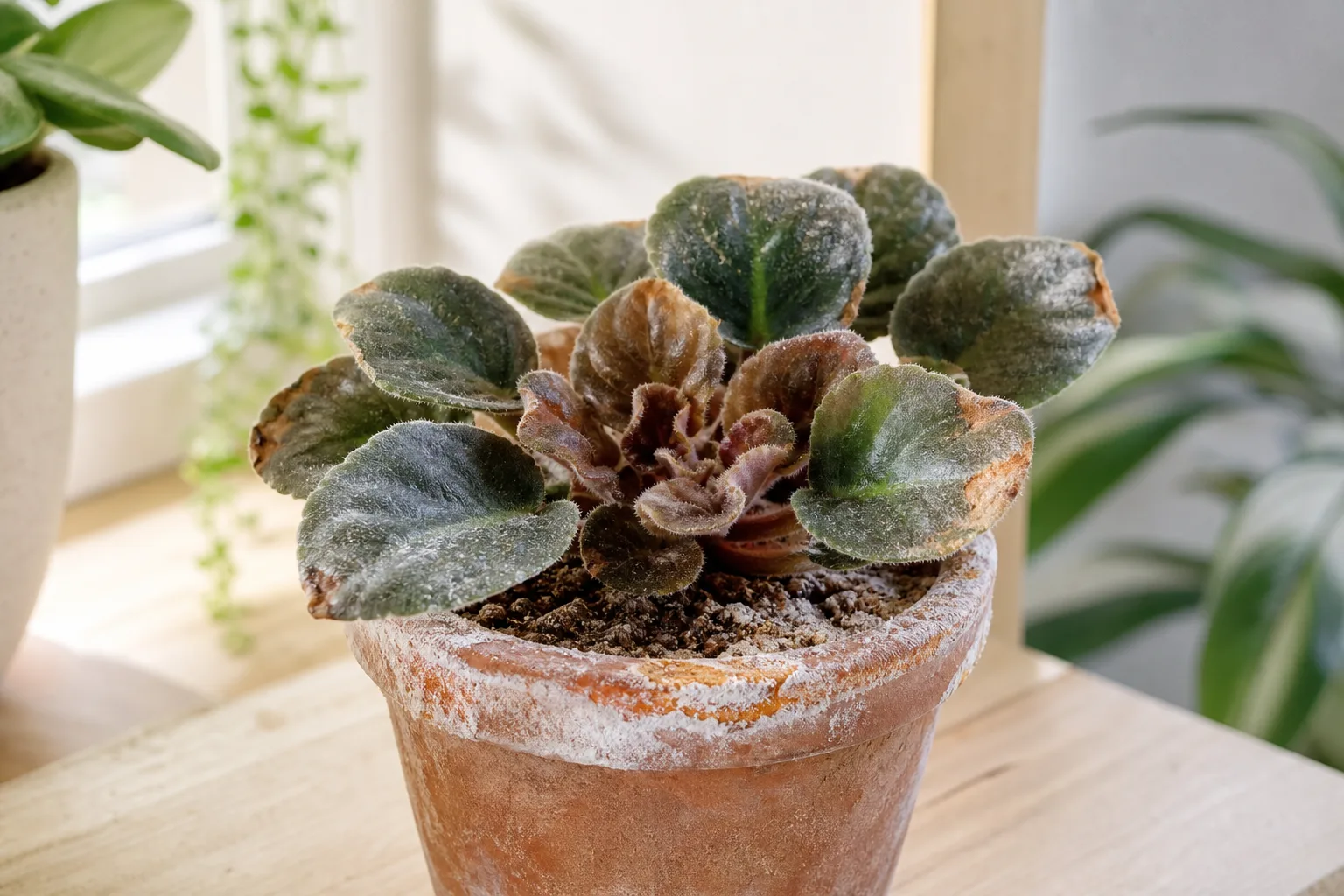
Overfertilization on Houseplants
Still unsure?Match your symptoms to the most likely problems in under a minute.Run diagnosis →Understand and fix overfertilization
Nutrient problems are often misdiagnosed as watering or light issues. Overfertilization produces Burnt tips, crispy edges, white crust on soil when plants cannot access or process nutrients correctly. Before adding more fertilizer, confirm whether you are dealing with deficiency, excess, or locked-out nutrients in old soil. Track weekly progress after you change care, and note watering, light, and repotting dates so you can tell whether the symptom is improving or returning. Compare upper versus lower leaves, new versus old growth, and soil moisture at root depth before you treat, because the same visible symptom can come from watering, light, pests, or normal aging on different plants.
Overview
Nutrient problems are often misdiagnosed as watering or light issues. Overfertilization produces Burnt tips, crispy edges, white crust on soil when plants cannot access or process nutrients correctly. Before adding more fertilizer, confirm whether you are dealing with deficiency, excess, or locked-out nutrients in old soil. Track weekly progress after you change care, and note watering, light, and repotting dates so you can tell whether the symptom is improving or returning. Compare upper versus lower leaves, new versus old growth, and soil moisture at root depth before you treat, because the same visible symptom can come from watering, light, pests, or normal aging on different plants.
How to identify it
- Compare old leaves vs new leaves-deficiencies often start on older or newer growth specifically
- Review last fertilizer date and dose
- Check if soil has not been changed in 2+ years
- Look for brown crispy leaf edges after feeding (burn)
- Note whether only one plant in the same window is affected
When to worry
Rapid leaf burn after fertilizing, or widespread collapse with very pale new growth, needs flushing soil and stopping feed immediately.
Common causes
Under-fertilizing during active growth
Plants in bright light and fresh soil use nutrients quickly. Long periods without feed can cause Overfertilization.
Over-fertilizing or wrong concentration
Salt buildup from too much fertilizer burns roots and leaf edges, mimicking drought stress.
Old, depleted potting mix
Nutrients wash out with repeated watering. Plants in the same soil for years run out of available minerals.
pH or soil chemistry imbalance
When soil pH is off, roots cannot absorb certain nutrients even if they are present-showing as Burnt tips, crispy edges, white crust on soil.
Step-by-step fix
Identify which leaves show symptoms
Older-leaf yellowing suggests mobile nutrient issues; new-leaf damage points to immobile deficiencies or burn.
Flush soil if fertilizer burn is suspected
Water deeply several times to leach salts. Hold fertilizer for 4–6 weeks.
Feed at half strength during growing season
Use a balanced houseplant fertilizer monthly in spring and summer if deficiency is likely.
Repot if soil is exhausted
Fresh mix restores baseline nutrition for plants that have not been repotted in years.
Monitor new growth
Healthy new leaves confirm you corrected the issue. Persistent symptoms may need a more specific supplement.
Prevention tips
- Fertilize lightly during active growth, not in winter dormancy
- Flush soil annually if using synthetic fertilizer regularly
- Repot on schedule so soil does not become depleted
- Always dilute fertilizer more than package minimum indoors
Common mistakes
- Fertilizing a dry or stressed plant
- Using full-strength outdoor fertilizer doses indoors
- Adding random supplements without diagnosing which nutrient is lacking
When a houseplant declines after a strong dose, overlapping products, or repeated feeding, the safest first move is simple: stop adding fertilizer and reconstruct what entered the pot. Brown tips, marginal scorch, wilting in moist media, stalled growth, injured root tips, and surface deposits can fit excess soluble salts, but none is unique to fertilizer burn.
This guide organizes the response by severity and root condition. It helps you choose among observation, leaching, and repotting without turning a fertilizer mistake into waterlogging or unnecessary root disturbance. General extension guidance cannot supply one flushing volume or recovery date for every container; species, drainage, medium, root damage, water quality, and the label all change the risk.
Quick diagnosis
Do these five things before choosing a treatment:
- Stop every nutrient product. Include tonics, foliar feeds, slow-release pellets, and fertilized irrigation water.
- Save labels and calculate the dose. Record concentrate volume, final water volume, dry product amount, application date, and whether the medium was dry.
- Test drainage. Confirm that water can leave freely and the pot will not sit in runoff.
- Assess roots and medium. Firm roots in open media may tolerate leaching; soft roots, sour odor, or collapsed mix changes the decision toward inspection and repotting.
- Separate active decline from old damage. Spreading scorch, wilting, or root deterioration requires prompt reassessment; stable old tips do not justify repeated treatment.
The University of Maryland describes mineral and fertilizer deposits as contributors to desiccation, tissue burn, altered medium pH, and impaired uptake. A white crust supports a salt problem but does not identify its source; hard-water minerals may contribute.
What overfertilization looks like
The most compatible pattern is brown leaf tips or margins, wilting despite moisture, stalled growth, dead root tips, or a pale crust after a heavy or repeated fertilizer application. Look for repetition across more than one leaf and relate it to growth stage. A single torn, sunburned, chilled, or aging leaf is weak evidence.
Use this image to compare tip and margin injury after a feeding event. Confirm the timing and inspect the root zone before calling the damage fertilizer burn.
Useful observations include:
- whether tips and outer margins browned after a recent application;
- whether the plant wilted while the substrate was still moist;
- whether dry fertilizer granules or concentrated solution touched roots or foliage;
- whether more than one product supplied nutrients at the same time;
- whether a measuring or dilution error is possible;
- whether crust formed rapidly on the medium or container;
- whether several plants fed from the same batch developed parallel injury.
Fertilizers contribute dissolved salts to the root zone. At excessive concentration those salts make water uptake harder and can directly injure roots; visible damage may appear as marginal scorch, tip necrosis, wilting, leaf drop, or reduced growth. Penn State’s plant-nutrition overview emphasizes that nutrient symptoms must be interpreted with nutrient function, mobility, moisture, pH, and balance rather than treated as isolated color codes (plant nutrition principles).
Why the symptom pattern matters
Fertilizer injury often has an event boundary. Leaves present before the dose may develop expanding tip or margin necrosis, while tissue formed after salts are removed provides the recovery record. Note that symptoms need not be immediate: a pot can appear normal after feeding and become more stressful as evaporation concentrates the root solution.
Drought and root rot can also cause wilting and brown tissue. A close timing link to feeding, visible deposits, a high electrical-conductivity result, or damage across plants receiving the same solution strengthens the excess-fertilizer hypothesis. The practical implication is simple: identify which tissue was developing when the problem began. Then compare that tissue with the next leaves produced under corrected care. This avoids declaring success because an old leaf happened to remain stable or declaring failure because dead tissue did not turn green.
Read old leaves and new leaves separately
Map injury by exposure as well as leaf age. Record scorched tips, dry margins, sudden wilt, and any granule or splash contact. Compare foliage that existed at the time of feeding with leaves initiated later. When every leaf age changes soon after one strong batch, an acute root-zone event is more plausible than a slowly developing single-element deficiency.
Overfertilization can disrupt water uptake and injure root tips, producing a mixed symptom pattern rather than the tidy age gradient of one missing nutrient. Older margins may scorch while emerging leaves stall or distort. That cross-canopy response, especially after a documented dose error, is a reason to stop adding nutrients rather than trying to identify a deficiency from mobility rules.
Use the timeline, not one photograph
Rebuild the application as an incident report. Record the product, analysis, measured concentrate, final water volume, volume delivered to the pot, whether the medium was dry, and all incorporated or controlled-release products. Include accidental double dosing and reused mixing containers. If injury clearly began before the application, fertilizer cannot be its original cause, though the dose may have compounded stress.
Photograph the whole plant immediately, then repeat the same views after the corrective irrigation and at each normal watering. Track the boundary of margin death, turgor, and the first leaf produced after the event. Pair images with dose calculations and, where available, EC results so apparent recovery is not based on camera color alone.
Check roots before nutrients
Overfertilization is primarily a root-zone emergency when concentrated salts surround roots. Check whether the pot drains, whether the core is wettable, and whether roots visible at openings remain firm. Avoid unnecessary unpotting in mild cases, but inspect directly when collapse, foul odor, blackened roots, or a large application error makes hidden injury likely.
Dry or hydrophobic media raises the risk of localized fertilizer concentration, while saturated media limits oxygen and slows recovery from damaged root tips. Dense root balls can channel a corrective watering past the center. Before leaching, establish that water can move through the occupied profile and leave through unobstructed drainage holes.
When roots are extensively brown, sloughing, or foul after a fertilizer event, replace contaminated or structurally failed medium rather than repeatedly soaking it. Preserve firm tissue, use clean tools, and choose a restrained pot size. A recovering root system needs stable moisture and aeration, not an immediate new feeding schedule.
Test pH and soluble salts responsibly
pH may shift with fertilizer form, but overfertilization should not be diagnosed from pH alone. The first measurement of interest is often the total soluble-ion load and the application history. If pH is also tested, use a calibrated container-media method and a crop-appropriate range; do not add acid or lime while the plant is already coping with an overdose.
EC can support an overfertilization diagnosis because it estimates the combined dissolved-ion concentration, but it cannot identify the source or a specific fertilizer ingredient. Rutgers recommends consistent monitoring and species-sensitive interpretation (soluble-salt monitoring). Record whether the sample was runoff, saturated-media extract, or another method before comparing values.
When the dose error is known and drainage is good, prompt source removal may matter more than laboratory confirmation for one ordinary plant. Testing is worthwhile for a valuable specimen, a recirculating or shared feed system, unexplained injury across a collection, or uncertainty about water salts. Sample before flushing when doing so will not dangerously delay action.
Rule out the closest lookalikes
Compare overfertilization with:
- Underwatering: crisp edges follow an abnormally dry root ball and improve in turgor after correct irrigation, without a dose event.
- Root rot: yellowing and collapse coincide with prolonged saturation, odor, and soft roots rather than high nutrient input alone.
- Sun or heat scorch: damage is strongest on the exposed side and follows a light or temperature change.
- Low humidity or inconsistent moisture: tip browning develops gradually without collection-wide injury after a shared feed.
- Chemical splash: sharply bounded spots correspond to droplets on foliage rather than salt concentration around roots.
- A nutrient deficiency: an age-linked chlorosis pattern develops gradually with a credible supply gap, not immediately after excessive feeding.
Check leaves and stems for pests before committing to a fertilizer-burn explanation, especially if damage is stippled or silvered rather than marginal. Isolate if insects are found. Avoid adding soap, oil, or another chemical stressor to foliage already dehydrated by a concentrated root solution.
Evidence-to-action comparison
| Evidence | Leading explanation | Lowest-risk next action |
|---|---|---|
| Recent overdose; open drainage; roots remain firm; medium structurally sound | Soluble-salt spike | Stop fertilizer and consider careful leaching |
| Repeated feeding; crust; elevated EC; plant otherwise stable | Accumulated salts | Stop inputs; assess staged leaching and water quality |
| Soft roots, sour odor, blocked drainage, or collapsed medium | Root failure plus possible salt injury | Inspect and repot rather than repeatedly saturating |
| Dry root ball before concentrated feed | Combined drought and fertilizer injury | Rehydrate appropriately; avoid another concentrated dose |
| Scorch limited to one exposed side after a move | Light or heat injury more likely | Correct exposure; do not flush without salt evidence |
| Old damage stable; roots and new growth healthy | Past injury | Observe and resume feeding only after active recovery |
The strongest fertilizer-burn case combines a credible overdose or overlapping inputs, compatible root-zone evidence, and symptoms beginning afterward. Washington State University notes that high salts in containers reduce water availability and can cause wilting and slowed growth (fertilizer-burn guidance); those signs should be interpreted alongside the dose record.
Choose the lowest-risk correction
Stop feeding. If drainage is open and roots remain viable, leach with low-salt water and let the pot drain fully; never leave runoff in the saucer. Repot when deposits are severe, the medium will not drain, or roots require inspection and removal of dead tissue.
Remove the source first: scrape away safely removable granules, empty nutrient-rich standing water, and stop every fertilizer and supplement. If drainage and species tolerance permit, leach; if the medium is structurally failed or heavily loaded, replace it. Do not add a “balancing” nutrient, acid, base, or home remedy—the immediate goal is to lower root-zone stress.
Read the label to reconstruct the overdose and find its first-aid, handling, and application instructions. Calculate the actual concentrate-to-water ratio rather than relying on “strong” or “half strength.” NC State explains that controlled-release fertilizer can reduce an initial salt spike but still damages roots when the application rate is excessive (container nutrient management).
A step-by-step recovery plan
- Stop all nutrient inputs. Remove the plant from fertilizer solution and retain the labels.
- Calculate the exposure. Recheck product, concentration, volume, and overlapping slow-release sources.
- Confirm drainage. Make sure corrective water can wet the root ball and leave the pot.
- Remove accessible excess. Lift loose granules without tearing healthy roots.
- Choose leaching or replacement. Base the choice on species tolerance, root condition, medium structure, and severity.
- Discard drainage. Never let concentrated runoff wick back through the container.
- Stabilize the environment. Provide appropriate light and temperature without suddenly intensifying either.
- Delay feeding. Wait for root function and active growth rather than using a fixed calendar.
- Document new growth. Track leaves initiated after the incident.
- Reintroduce one labeled program. Count every nutrient source and measure accurately.
For a freely draining, leach-tolerant plant, apply low-salt water slowly enough to wet the profile, allow it to exit, and remove the effluent. Maryland recommends top flushing and fresh medium when deposits are severe (salt-deposit management). Do not prescribe a universal number of pot volumes: additional water can harm a succulent or a root-rotted plant even while it lowers salts.
Repot when granules cannot be removed, deposits are extreme, the substrate no longer drains, or roots require treatment. Retain firm roots, clean residue from the container, and replace with an appropriately sized volume of suitable mix. Check whether the new medium has a starter charge before deciding when any fertilizer should return.
How to monitor recovery
Scorched margins will not rebuild after salts are removed. Evaluate whether the injury has stopped and the roots have resumed function:
- wilting no longer occurs while the root ball is appropriately moist;
- the boundary of tip and margin necrosis stops advancing;
- roots visible at the pot edge remain firm and light-colored for that species;
- new leaves expand without fresh scorch;
- the container returns to its expected drying rhythm;
- EC or visible deposits do not rebound before feeding resumes.
Recovery time reflects the dose, lost root area, species, season, and light. Use the next actively produced leaf or shoot as the checkpoint rather than promising improvement in a set number of days. Rapid crown collapse, continued wilt in moist mix, or spreading root decay requires reassessment rather than another flush.
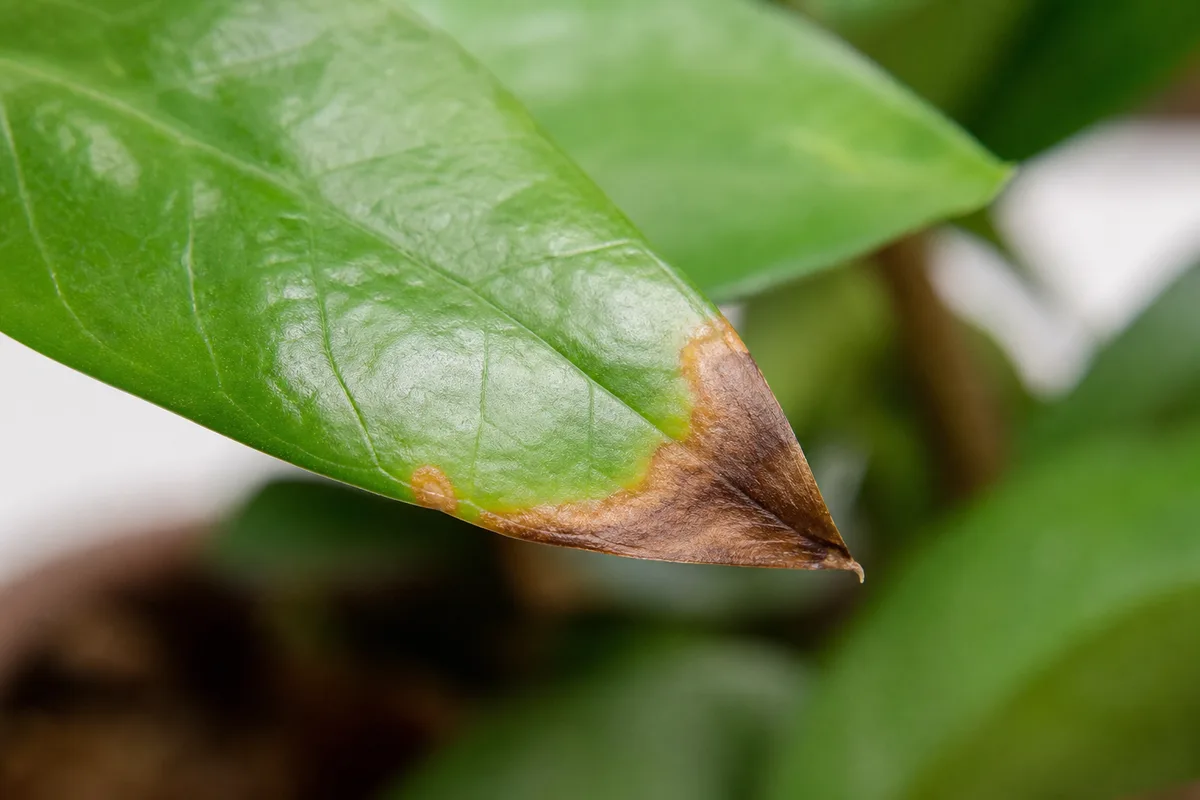
A close view can document salt-associated tip and margin death, but the feeding calculation and root response distinguish it from drought or heat scorch.
Common mistakes that prolong damage
Do not neutralize one fertilizer with another amendment, repeatedly flush a rotting plant, or assume that more water is harmless. Leaching must be matched to species tolerance, root condition, and working drainage.
Frequent overdose mistakes include measuring concentrate with an unmarked cap, applying liquid feed on top of controlled-release pellets, fertilizing bone-dry mix, doubling a missed dose, and using outdoor rates in a small indoor pot. During recovery, growers may compound injury by placing the plant in intense light to “boost” growth or by repeatedly flushing roots that cannot tolerate prolonged saturation.
Organic-derived, slow-release, and “natural” fertilizers can still be overapplied or overlap with other sources. Release may continue after the visible granules are removed, depending on the material and conditions. Treat the label rate, pot volume, plant demand, and existing substrate charge as one calculation.
Prevention for container-grown plants
Prevent repeat injury with a single nutrient plan that lists every source in the container. Scale application to active growth and available light, measure concentrate and water separately, and never use fertilizer to compensate for poor drainage or dim conditions. Record the dose as numbers so another person can reproduce the calculation.
Keep drainage holes functional and empty saucers after routine irrigation so dissolved salts can leave rather than cycle back into the pot. Colorado State identifies drainage and salt management as core container practices (container salt management). Whether periodic leaching is safe depends on the species, medium structure, and water quality.
Use repotting records to prevent accidental product stacking. Note the date, incorporated fertilizer, and intended release period of the new medium. Replace substrate when salt deposits or structural breakdown prevent even watering; clean the reused pot so old residue does not contaminate the new nutrient plan.
When testing or expert help is worthwhile
Contact an extension service or laboratory when a shared fertilizer batch injures multiple plants, a valuable specimen continues collapsing after source removal, or the exposure cannot be reconstructed. Bring the exact labels, measuring tools, batch calculation, water source, substrate details, root photographs, and before-and-after timeline.
If injury recurs at a correctly measured fertilizer rate, analyze irrigation water as a possible contributor to total salts and pH drift. UMass distinguishes water alkalinity—its acid-neutralizing capacity—from pH (water-test interpretation). Pair water results with a consistent medium EC method before changing the formula again.
Practical safety and record keeping
During cleanup, follow the product label for gloves, eye protection, ventilation, and spill handling. Use dedicated measuring tools and keep the original package for analysis and first-aid information. Secure leftover concentrate and granules from children and pets, and follow local disposal requirements for excess fertilizer solution.
Record uncertainty honestly. “Pattern is compatible with overfertilization” is more accurate than “confirmed” without analytical evidence. Note what was ruled out, what changed, and what the next observable checkpoint will be. This protects the plant from repeated treatment and makes consultation more productive.
If one fertilizer batch reached several similar plants, compare exposed and unexposed pots while keeping normal care stable and safe. Record dose, symptoms, and new growth for both groups. That natural comparison can strengthen or weaken the overdose hypothesis without deliberately exposing additional plants.
Build an exposure record with plant name, pot volume, substrate age and incorporated feed, product analysis, amount of concentrate, final solution volume, amount delivered, and whether the root ball was dry. Photograph labels, measuring devices, deposits, roots, and the whole plant. These details often reveal a decimal error or overlapping nutrient source that symptoms alone cannot identify.
Do not call the incident resolved because wilt improves after one flush. Check whether margin death stops, roots remain firm, and tissue initiated afterward expands normally. Conversely, do not interpret an old leaf continuing to brown as proof that salts remain high. If new injury appears after the source was removed and EC normalized, revisit heat, drought, disease, and root damage rather than resuming fertilizer.
Conclusion
For suspected overfertilization, the sequence matters more than the urge to “flush immediately.” Stop inputs, reconstruct the dose, confirm drainage, and inspect the roots. Leach only when excess salts are plausible and the root system and species can tolerate thorough watering; repot when drainage, media structure, or roots have failed. Burned tissue will not turn green. Recovery means stable roots, a normal wet–dry cycle, no expanding injury, and clean growth after the root zone has recovered.
Plants commonly affected
These houseplants often struggle with overfertilization. Open a care guide or plant-specific troubleshooting page for tailored fixes.
 Medium
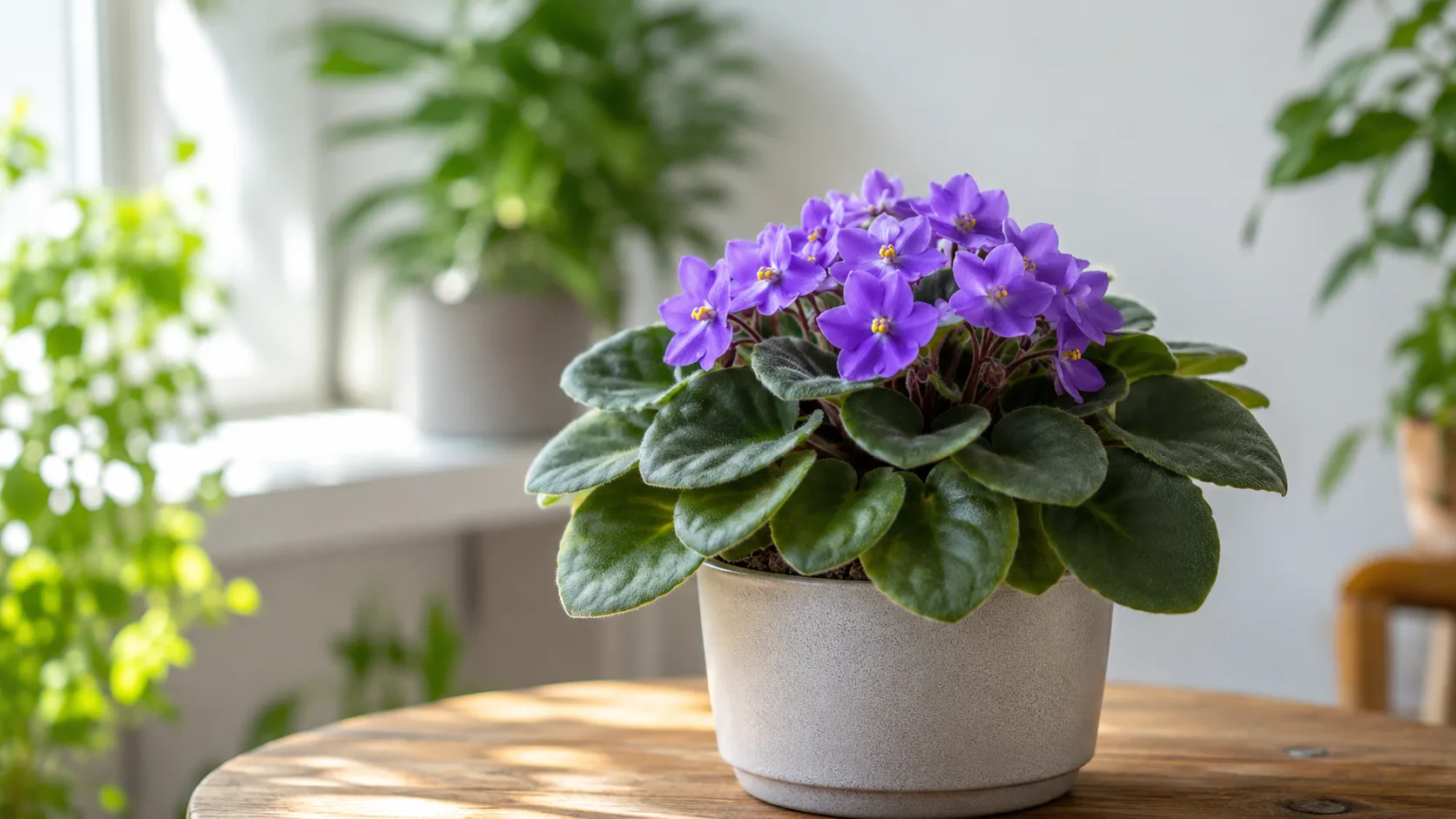
African Violet
Likely causeOverfertilization on African Violet: A good fertilizer is vital for the health of African Violets. A good fertilizer replenishes soil that has been depleted of the essential elements which make plants grow, while maintaining a fully-deve
Quick fixInspect African Violet, confirm overfertilization matches your symptoms, then adjust care or treat per authoritative guides.
 Easy
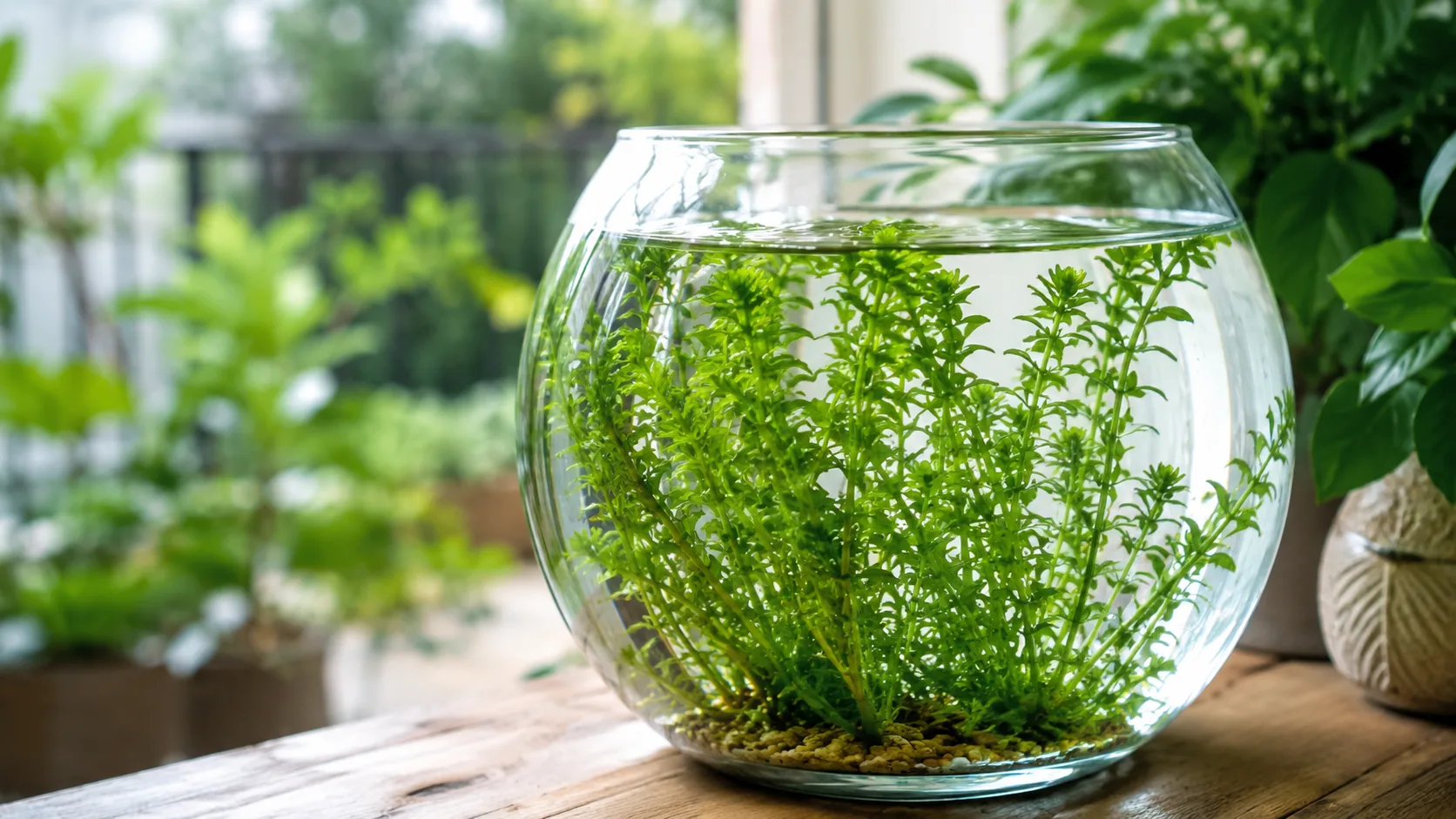
EasyAnacharis / Elodea
Likely causeFull-strength daily dosing in low-tech tanks or combining liquid ferts with heavy fish bioload.
Quick fixHalve fertilizer dose, increase water-change frequency, and trim algae-coated or mushy stems.
 Easy
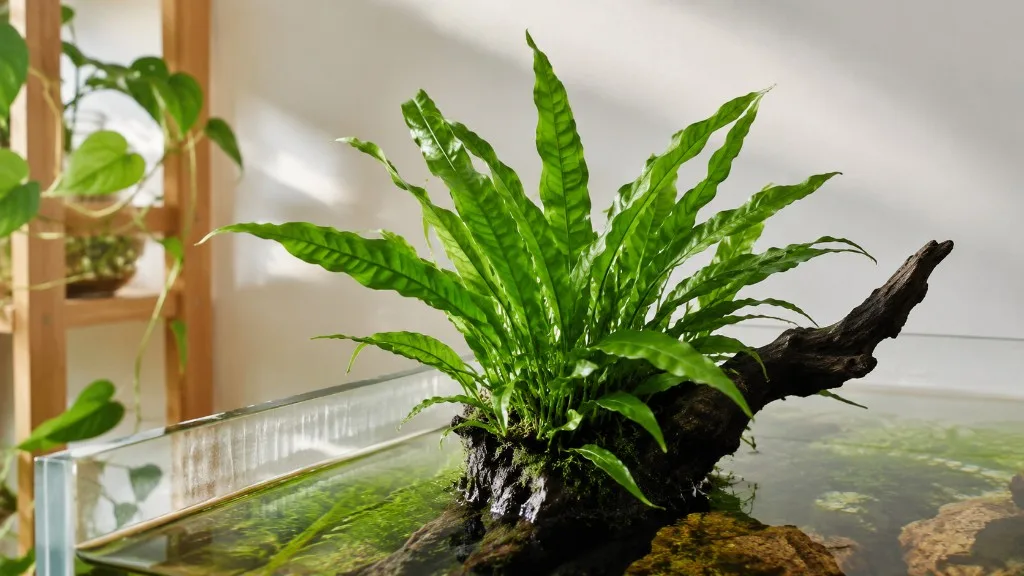
EasyJava Fern
Likely causeMay 10, 2024 · Java Fern absorbs nutrients directly from the water through its leaves. While it can survive without additional fertilization , a liquid aquarium plant fertilizer can aid in maintaining its vibrant green hue and promote growt
Quick fixConfirm diagnosis on your Java Fern, then address the most likely care or pest factor described in current extension guidance.
 Medium
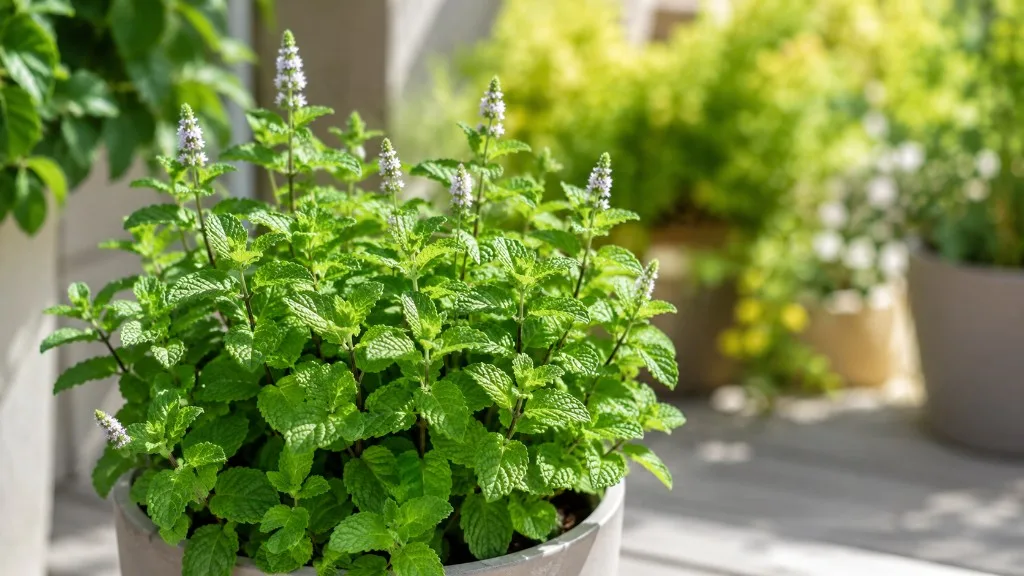
Mint
Likely causeExcess nitrogen produces lush but tasteless mint leaves and can burn roots in small pots.
Quick fixFlush pot with clean water; resume half-strength feed only when growth is healthy; pinch tips instead of heavy feeding.
 Medium
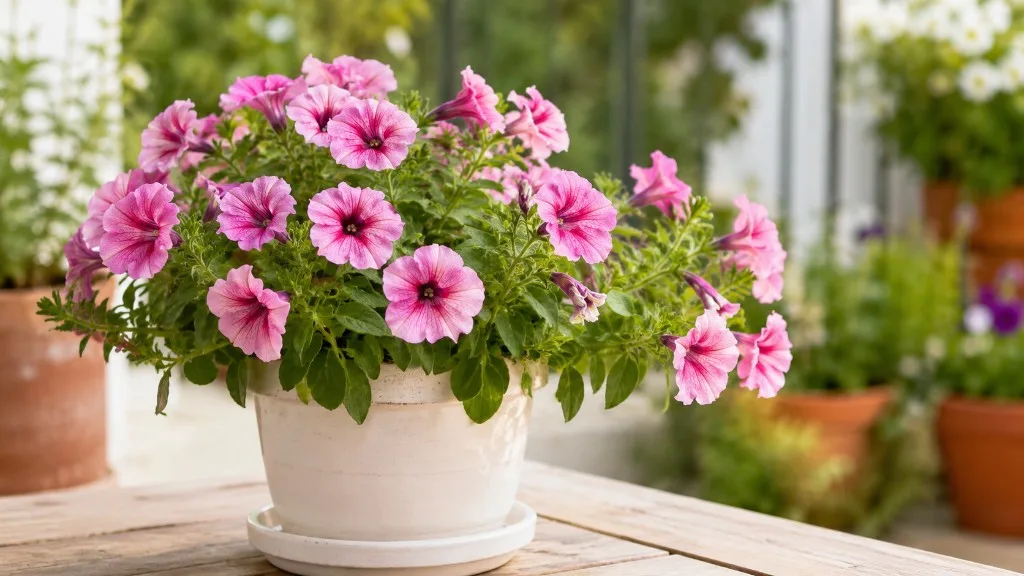
Petunia
Likely causeExcess fertilizer salts or high-nitrogen feeds scorch petunia leaves and suppress flowering.
Quick fixStop feeding; flush the container with water until it runs freely from drainage holes several times.
 Medium
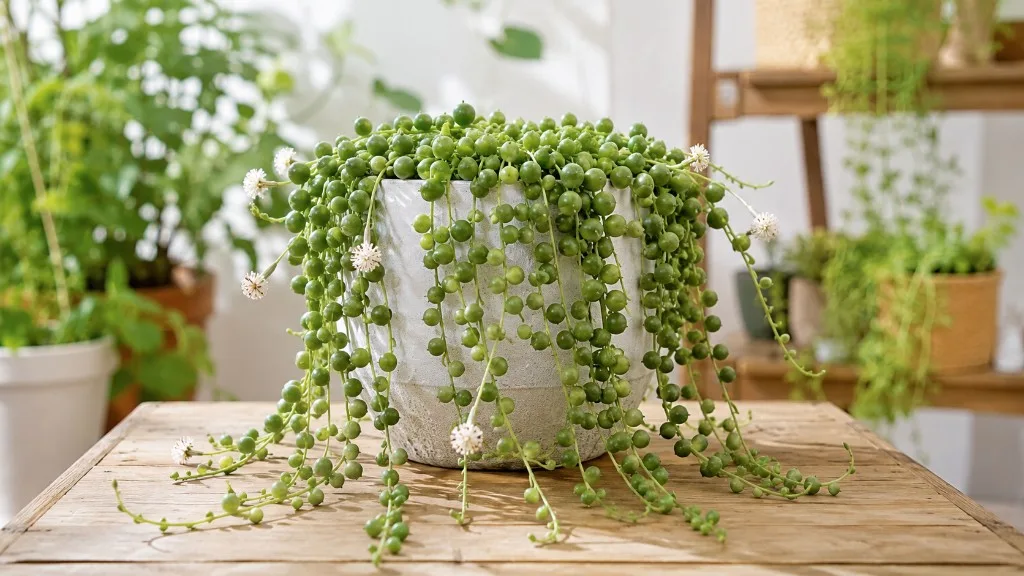
String of Pearls
Likely causeWhat Does Overfertilization Damage Look Like on String of Pearls? Overfertilization damage on string of pearls typically looks like a "burn" or "scorch" on the plant's delicate tissues, as excess salts draw moisture out of the plant.
Quick fixConfirm diagnosis on your String of Pearls, then address the most likely care or pest factor described in current extension guidance.
 Medium
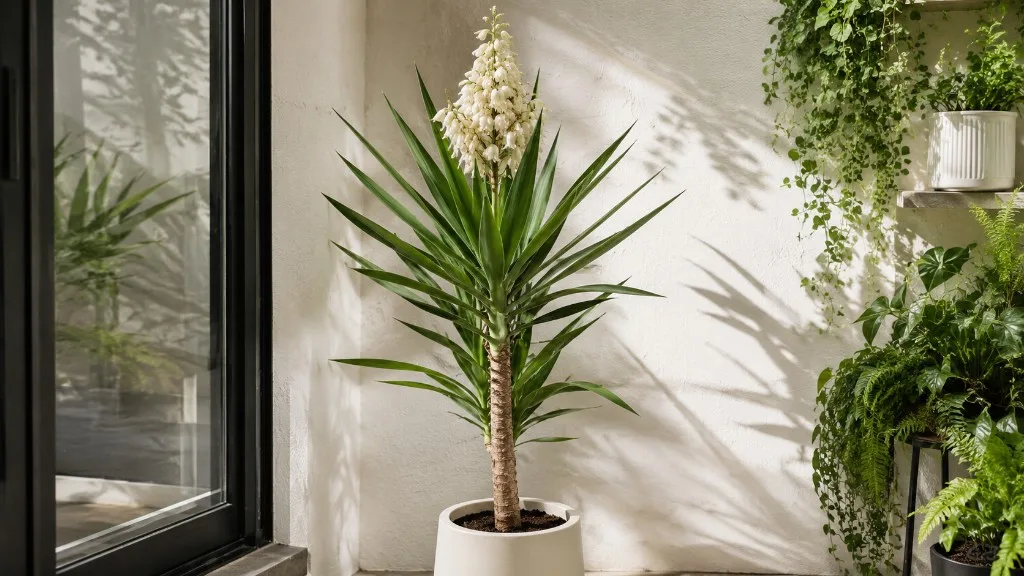
Yucca Plant
Likely causeExcess fertilizer accumulates salts that burn yucca leaf tips and slow growth.
Quick fixFlush soil; feed sparingly every 2–3 months during spring and summer.
 Medium
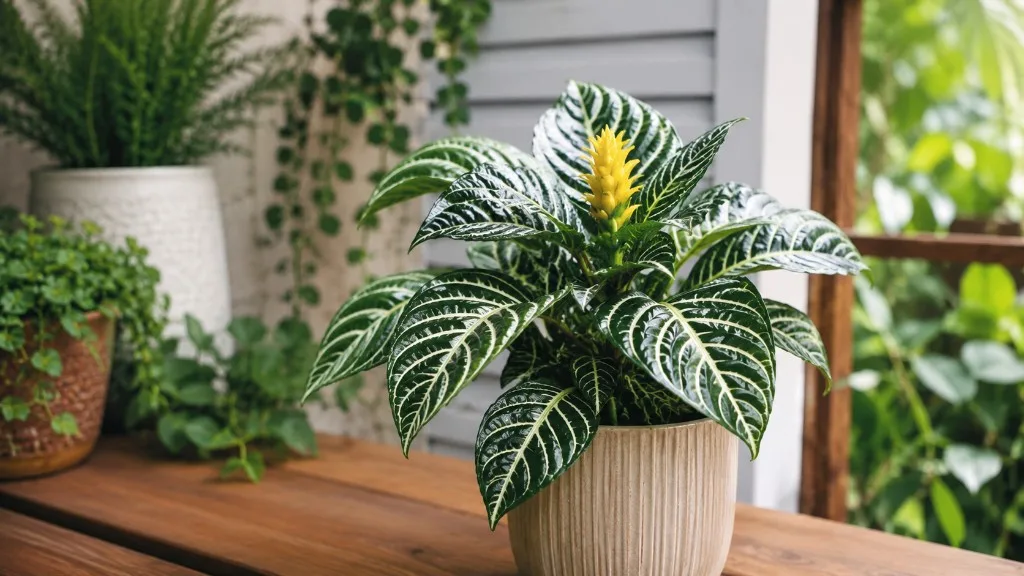
Zebra Plant
Likely causeHeavy feeding causes white soil crust and crispy edges on Aphelandra squarrosa.
Quick fixFlush soil; feed every two weeks at half strength with organic fertilizer only.
 Medium
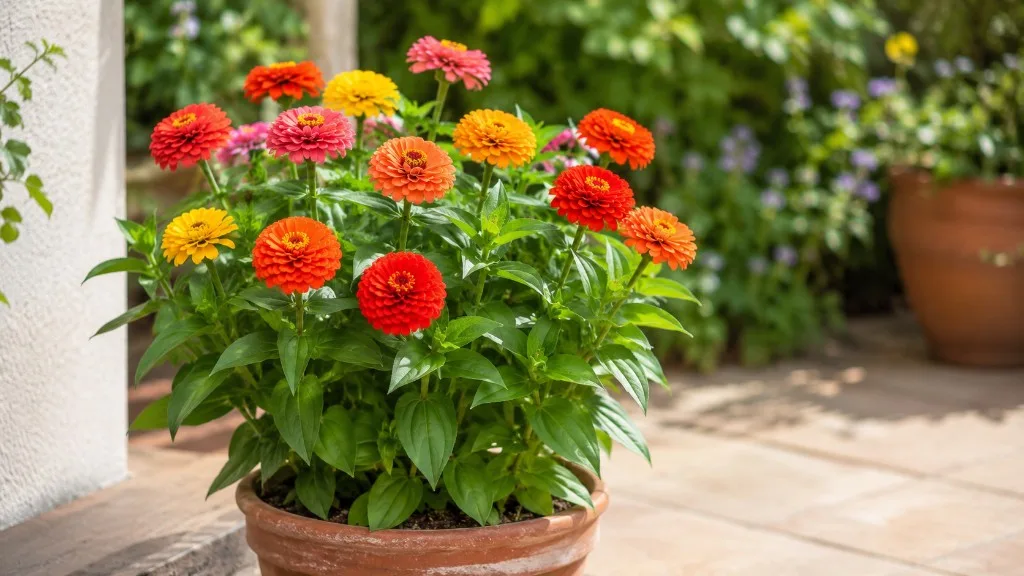
Zinnia
Likely causeExcess nitrogen produces tall leafy zinnias with fewer and smaller flowers.
Quick fixSwitch to balanced or phosphorus-heavy fertilizer at half strength every 3–4 weeks.
 Medium
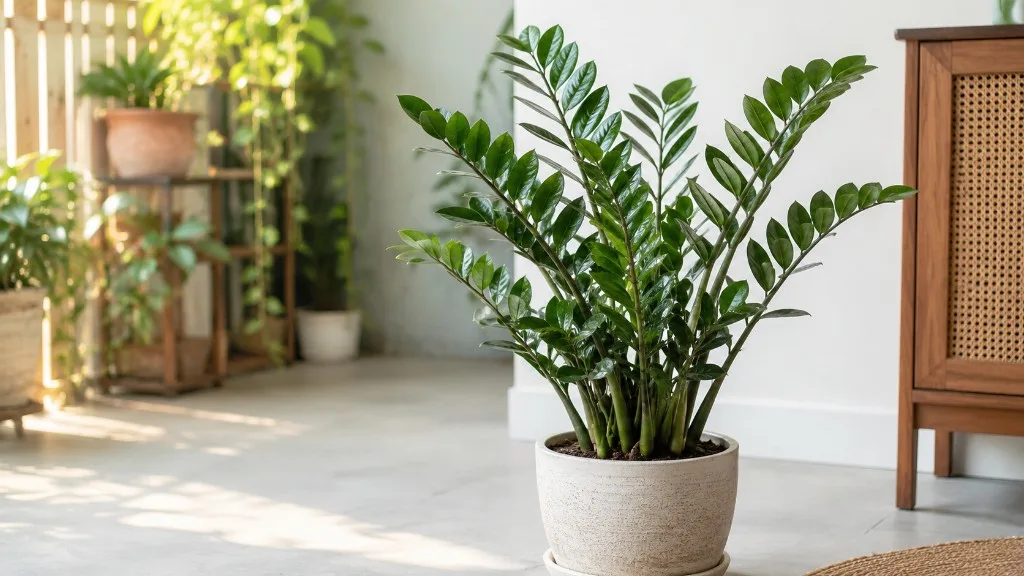
ZZ Plant
Likely causeHeavy feeding burns ZZ leaflet edges because rhizomes store excess salts.
Quick fixFlush soil with water once; feed only once or twice at quarter strength in spring.