Crispy Leaves on Houseplants: Causes and Recovery Steps
'Leaf problems are often the first sign something is off with a houseplant. Crispy Leaves can look alarming, but the fix depends on where symptoms start, how fast they spread, and what the soil and roots are doing. This guide walks through how to identify Dry, brittle leaves caused by heat, underwatering, or low humidity, rule out look-alikes, and treat the underlying cause. Track weekly progress after you change care, and note watering, light, and repotting dates so you can tell whether the symptom is improving or returning.'. Compare upper versus lower leaves, new versus old growth, and soil moisture at root depth before you treat, because the same visible symptom can come from watering, light, pests, or normal aging on different plants.

Crispy Leaves on Houseplants
Still unsure?Match your symptoms to the most likely problems in under a minute.Run diagnosis →Understand and fix crispy leaves
'Leaf problems are often the first sign something is off with a houseplant. Crispy Leaves can look alarming, but the fix depends on where symptoms start, how fast they spread, and what the soil and roots are doing. This guide walks through how to identify Dry, brittle leaves caused by heat, underwatering, or low humidity, rule out look-alikes, and treat the underlying cause. Track weekly progress after you change care, and note watering, light, and repotting dates so you can tell whether the symptom is improving or returning.'. Compare upper versus lower leaves, new versus old growth, and soil moisture at root depth before you treat, because the same visible symptom can come from watering, light, pests, or normal aging on different plants.
Overview
'Leaf problems are often the first sign something is off with a houseplant. Crispy Leaves can look alarming, but the fix depends on where symptoms start, how fast they spread, and what the soil and roots are doing. This guide walks through how to identify Dry, brittle leaves caused by heat, underwatering, or low humidity, rule out look-alikes, and treat the underlying cause. Track weekly progress after you change care, and note watering, light, and repotting dates so you can tell whether the symptom is improving or returning.'. Compare upper versus lower leaves, new versus old growth, and soil moisture at root depth before you treat, because the same visible symptom can come from watering, light, pests, or normal aging on different plants.
How to identify it
- Note which leaves are affected-oldest lower leaves vs newest growth
- Check whether spots are dry and crispy or soft and spreading
- Inspect leaf undersides for pests, webbing, or sticky residue
- Compare light exposure-did the plant move or get direct sun recently?
- Feel soil moisture before assuming the issue is only on the leaves
When to worry
Soft brown patches spreading fast, black stems, or more than a third of leaves declining in a week warrants urgent inspection for rot or disease.
Common causes
Watering stress
Both over- and underwatering show up on leaves first. Yellowing, browning, and drop often trace back to roots sitting too wet or too dry.
Low humidity or harsh tap water
Dry indoor air and mineral buildup cause brown tips and edges on sensitive plants like calatheas and peace lilies.
Incorrect light
Too little light weakens leaves; too much direct sun scorches them. Dry, brittle leaves caused by heat, underwatering, or low humidity after a window move often points to light.
Pests or fungal disease
Stippling, webbing, spots with halos, or powdery patches mean the leaf damage may be infectious or insect-related-not just care stress.
Step-by-step fix
Document the pattern
Photograph affected leaves and note whether damage is on old growth, new growth, or one side of the plant.
Check soil, roots, and drainage
Confirm moisture at root level and that the pot drains. Many leaf issues resolve once watering stabilizes.
Adjust light and humidity
Move to bright indirect light if leggy or faded; pull back from harsh sun if scorched. Group plants or use a humidifier for crispy edges.
Treat pests or fungus if present
Isolate affected plants. Wipe leaves, use insecticidal soap for pests, and improve airflow for fungal spots.
Remove damaged tissue
Trim fully yellow or brown leaves at the base. Partial brown tips can be trimmed for appearance; they will not turn green again.
Prevention tips
- Water based on soil dryness, not leaf appearance alone
- Keep plants in appropriate light for their species
- Inspect leaves monthly for early pest signs
- Use filtered water on sensitive foliage plants
Common mistakes
- Removing all yellow leaves before fixing the root cause
- Fertilizing a stressed plant hoping leaves green up faster
- Spraying leaves at night, which encourages fungal spots
Quick Diagnosis
Crispy leaves describe dry, papery, brittle necrotic tissue, not one cause with one fix. Drought, impaired wet roots, harsh light, heat, low humidity, soluble salts, and some pests can all end in dry tissue. Match the location and texture with soil, roots, exposure, and species requirements before acting.
The five causes that cover most indoor houseplants:
- Fluoride and salt margin necrosis - Tan-to-brown papery crispy margins on otherwise firm deep-green leaves after months of tap water.
- Drought crisping in brighter placements - Crisp brown edges on a light dry pot with mix dry halfway down.
- Root failure on wet mix in low light - Stiff papery margins on lower leaves while the pot stays heavy and wet-roots cannot supply edges despite damp soil.
- Sun scorch - Bleached or tan crispy patches on leaves moved suddenly to harsh afternoon sun.
- Salt and fertilizer buildup - Crispy margins with white crust on soil surface after heavy feeding or hard water.
Begin by testing the root ball, because the same brittle edge can occur at opposite moisture extremes. Lift the container, then sample below the dry-looking surface. A feather-light pot and uniformly dry mix support dehydration. A weighty pot with damp material clinging to a skewer supports impaired wet roots. When moisture cycling is normal, move on to the shape of the lesion, recent sun or heat exposure, fertilizer history, and known sensitivity of the species.
Damaged tissue does not re-green-focus on stopping spread and watching for clean new crown leaves. For damage limited to narrow tips only, start with brown tips on houseplants. Full species context: the species care guide.
Crispy leaves vs. brown tips on houseplants
Houseplant owners often search both terms because fluoride injury produces crispy margin tissue-but the diagnostic scope differs.
Brown tips describe damage confined to the tip or a narrow margin. Drought, low humidity, accumulated soluble salts, root stress, physical damage, and fluoride sensitivity in certain plant groups can all create that geometry. “Crispy leaves” is broader: the dry papery texture may cover an edge, patch, or much of a blade.
Crispy leaves (this page) covers broader papery necrosis: wide margin bands that feel dry and brittle, drought-crisped edges on a light pot, stiff margins when roots fail on chronically wet mix, tan scorch patches from direct sun, and salt-burn margins with visible crust on the soil.
| Symptom scope | Texture | Pot / soil | Likely cause | Read next |
|---|---|---|---|---|
| Tips and narrow margins only | Crispy, firm blade | Normal dry-down | Fluoride / salts | Brown tips |
| Wide papery margins, green center | Crispy, firm | Normal dry-down; tap water history | Fluoride / salts (this page) | Switch water; flush mix |
| Crisp brown edges, slight droop | Papery edges | Light, dry halfway down | Drought | Watering guide |
| Stiff papery margins, lower leaves | Crispy but plant limp | Heavy, wet at depth | Root failure / overwatering | Overwatering, root rot |
| Tan bleached patches after bright move | Crispy necrotic zones | Variable | Sun scorch | Sunburn guide |
| Crispy margins + white soil crust | Papery | Variable | Salt buildup | Salt build-up |
If whole strap leaves turn soft yellow-brown rather than papery-crisp, route to brown leaves first-that page covers wider tissue failure patterns.
What crispy leaves look like on houseplants
“Crispy” is a tactile observation: affected tissue is papery, brittle, and easily cracked. Use an undamaged leaf on the same plant as the control, because a fern leaflet and a succulent blade do not share a normal texture. Next map whether the dead tissue forms a uniform edge, an exposure-facing patch, or scattered feeding scars.
Compare both photographs with healthy tissue on the same plant. They illustrate texture and distribution, not a confirmed cause.
Fluoride and salt margin necrosis
- A fairly even tan band begins at the tips or outer margin while much of the blade remains green.
- The border snaps or crumbles rather than feeling water-soaked.
- Successive leaves may repeat the edge pattern after long-term exposure to the same irrigation source.
- The petiole and central blade stay firm, and the pot completes its expected wet-to-dry cycle.
- Mineral residue can support a soluble-salt explanation, but residue alone does not distinguish fertilizer salts from hard-water deposits.
- Fluoride moves higher on the list only for a documented sensitive species with a compatible exposure history.
For tip-focused fluoride protocols, see brown tips.
Drought crisping
- The whole plant may lose turgor before margins harden into a brittle brown rim.
- A skewer emerges nearly clean from the root depth, and the container is much lighter than just after watering.
- Water may race around a shrunken root ball instead of soaking into its center.
- Leaves nearest heat or the brightest exposure can show damage first because demand is highest there.
- Firm stems and improved turgor after even rewetting distinguish this track from advanced root decay.
Root failure on wet mix (overwatering lookalike)
- Lower foliage develops dry-feeling edges even though moisture is still present at root depth.
- The expected loss of pot weight barely occurs between checks, especially after a move to lower light.
- New leaves pause or emerge smaller while older blades become limp around the crisp border.
- A musty odor, soft stem base, or roots that slough shifts the problem from cultural stress to possible rot.
- Fungus gnats can corroborate prolonged surface moisture but do not diagnose root condition.
- Rewatering on appearance alone is risky here; verify the damp root zone before choosing a dry-down response.
See overwatering and root rot when stem tissue softens.
Sun scorch
- Pale areas appear on the surface oriented toward the strongest beam, later drying to tan tissue.
- The outline follows exposure rather than the entire leaf margin; overlapped or shaded portions may be spared.
- Event history usually includes a sudden move, removal of a curtain, or an abrupt increase in direct window light.
- A one-sided patch pattern is more persuasive than crisp texture alone, which can result from several stresses.
See sunburn and scorched leaves for relocation detail.
Salt and fertilizer burn
- Crispy margins on multiple leaves after a feed cycle or prolonged hard-water use
- White or pale crust on soil surface, pot rim, or clay pot exterior
- Often follows heavy or frequent feeding when growth and water use are slow
- Stems usually firm if rot has not started
- Overlaps salt build-up and fertilizer burn guides
Why Houseplant Leaves Turn crispy leaves
Low-light office biology and slow transpiration
As indoor light declines, photosynthesis and water use commonly slow. A container that dried promptly near a bright window can remain saturated far longer after a move into a dim room, even when the watering date has not changed.
A watering interval borrowed from another plant can leave this root ball chronically wet in a dim room. Damaged roots cannot supply leaf margins even though soil feels damp-producing stiff papery crisp margins on lower leaves while the pot stays heavy. That pattern is detailed in overwatering.
Water chemistry deserves a narrower test than “tap water is bad.” Fertilizer and irrigation salts may concentrate in containers that are never leached, whereas fluoride injury is documented most often in susceptible groups, including dracaenas and spider plants. Give that explanation weight only when the plant identity, repeated exposure, and marginal pattern agree.
Fluoride sensitivity and salt buildup
Fluoride is therefore a conditional diagnosis, not a default label for every brittle edge. The PNW Plant Disease Management Handbook documents tip and margin injury and identifies susceptible plants. Check the botanical identity and exposure history before changing the water source.
Excess fertilizer ions and minerals left by irrigation can both raise the root-zone salt load. Look for a repeated edge pattern across multiple leaves, visible deposits, and a record of strong feeding or little leaching. If roots and stems remain sound, stop the input and correct the accumulation; if roots are soft, salt management alone is inadequate.
Watering mismatch across light levels
There is no universal interval for preventing crispy foliage. A plant’s species, active root mass, container volume, substrate, room temperature, and light all alter dry-down. Lift the pot and sample moisture below the surface each time rather than counting days.
Use the watering and light guides together when a seasonal move changes how quickly the same pot dries.
How to confirm the cause
Use a two-pass check. The first pass separates dry roots from damp roots; the second explains the geometry of the dead tissue.
- Establish a wet and dry reference. Compare today’s pot weight with its weight after a thorough irrigation instead of relying on “heavy” or “light” in isolation.
- Probe the active root depth. Surface bark can be dry over a wet core, while peat can shrink and stay dry inside even after water exits the drainage hole.
- Map the lesion. An even peripheral band supports a root-zone or dissolved-salt process; exposure-facing islands support scorch; stippled or scarred tissue warrants a pest inspection.
- Review the sequence. Note whether wilting preceded the crisp edge, whether the lesion followed a bright move, or whether it appeared after feeding.
- Check structural tissue. A firm crown and roots permit conservative cultural correction. Soft, hollow, or foul-smelling tissue requires the root-rot pathway.
- Identify the plant before blaming fluoride. Confirm that the species is documented as sensitive, then compare its water history and new-leaf pattern.
- Mark a boundary. Photograph the advancing edge so the next check can show whether tissue death has actually stopped.
Confirmation decision table
| Pattern | Leaf texture | Pot / mix | stem | Likely cause | First direction |
|---|---|---|---|---|---|
| Tan papery margins, green blade center | Crispy, firm | Normal dry-down | Firm | Fluoride / salts | Switch water; flush mix |
| Crisp brown edges, slight droop | Papery edges | Light, dry halfway | Firm | Drought | One thorough soak; fix rhythm |
| Stiff papery margins, lower leaves | Crispy, plant limp | Heavy, wet at depth | Firm to soft | Root failure / overwatering | Stop water; inspect roots if soft |
| Tan patches after bright move | Crispy necrotic zones | Variable | Firm | Sun scorch | Filter light; acclimate |
| Crispy margins + white crust | Papery | Variable | Firm | Salt buildup | Stop feed; flush mix |
| Tips only, narrow band | Crispy | Normal | Firm | Fluoride (tip scope) | Brown tips guide |
Fluoride becomes the leading explanation only when a susceptible plant repeatedly receives a relevant water source, roots remain firm, dry-down is appropriate, and new leaves reproduce a tip-to-margin pattern. Without that chain of evidence, retain salts, drought, root impairment, and exposure as alternatives.
You have confirmed drought crisping when crisp brown edges appear on a light pot with mix dry halfway down and stem stays firm.
You have confirmed root failure on wet mix when stiff papery margins appear on lower leaves, the pot stays heavy, crown growth has stalled, and half-depth moisture stays wet days after the last watering.
Choose the first intervention by crisping pattern
Choose the branch supported by pot state and exposure history, then hold other variables steady. Multiple simultaneous interventions make it difficult to tell what helped and can compound stress.
Fluoride or dissolved salts (firm roots, repeated peripheral band): Stop the suspected source. For a documented fluoride-sensitive plant, trial rainwater, distilled water, or reverse-osmosis water for subsequent irrigations. If the mix drains freely, leach accumulated salts gradually and let runoff escape; do not prescribe the same flush to a saturated pot. Pause fertilizer, retain enough damaged tissue to track spread, and use the brown-tips protocol when injury is confined to the tip.
Drought crisping (light pot, dry mix): Rewet the entire root ball slowly. If water races down a gap beside shrunken mix, apply it in several passes until the substrate is evenly moist and a little drainage appears, then empty the saucer. Base the next watering on renewed pot-weight and depth checks, not the date of this rescue.
Impaired wet roots (damp core, little change in pot weight): Withhold the next irrigation until the root zone reaches the species’ proper endpoint, improve drainage around the inner pot, and remove standing runoff. Do not force drying with a heater. Inspect roots when odor, crown softness, or continued collapse indicates decay; otherwise avoid an unnecessary emergency repot and monitor the next moisture cycle.
Sun scorch: Pull the plant back from the intense beam or diffuse it with a sheer curtain while retaining useful ambient light. If the species ultimately needs that brighter site, increase exposure in stages and assess only leaves formed after the move. The tan papery patches are permanent; the sunburn guide covers acclimation in detail.
Salt and fertilizer burn: Stop all feeding until new leaves show clean margins. Flush with plain low-fluoride water at two to three times pot volume if drainage is good. See salt build-up for repeat-flush timing.
Recovery timeline
Fluoride or salt margins - Draw a small reference mark where healthy tissue meets the dry band. The original rim remains brittle, but the boundary should stabilize after the source is corrected. Leaves initiated under the revised water and feeding routine provide the stronger test.
Drought crisping - Limp portions that remain alive may regain turgor after the root ball is evenly rewetted, but a brittle edge is dead and stays brittle. Over the following growth cycle, look for leaves that reach full size without the dry band widening.
Impaired wet roots - Expect the root ball to resume a repeatable loss of weight before expecting vigorous foliage. A firm crown and a new leaf that expands without fresh edge death are favorable signs. Softening tissue or continued wet wilt means inspection can no longer be deferred.
Sun scorch - Record the edge of each pale patch before changing exposure. Success means those lesions stop expanding and later leaves develop without bleached zones; it does not mean the original patch turns green.
Salt burn - Crispy margins on existing leaves stay damaged. New crown leaves should show clean edges within two to four weeks after flushing and stopping fertilizer.
What not to do
Do not translate “dry texture” into “needs water.” Test the substrate first; papery margins can coexist with a saturated, oxygen-poor root ball.
Do not assume all crispy margins mean drought-office overwatering produces stiff papery margins on a heavy wet pot, and adding water makes it worse.
Do not keep repeating the same irrigation source on a confirmed fluoride-sensitive species when new margins continue to burn despite sound roots and moisture management; compare a low-fluoride trial instead.
Do not expect misting to soften dead tissue or remove dissolved minerals from the root zone. If humidity is genuinely unsuitable for the identified species, change the surrounding environment without keeping foliage chronically wet.
Do not water on a fixed weekly calendar. Recheck moisture through the root ball and use the endpoint documented for the species; lower light often slows dry-down, but species differ.
Do not combine a root disturbance, major trim, and feed as a one-day “reset.” Stage only the intervention the evidence supports and wait for a measurable response.
Do not assume softened water solves mineral injury. Sodium-based softened water can increase the salt load in containers.
If pets can reach fallen or trimmed leaves, identify the plant first and consult a veterinary poison resource for that exact species; toxicity cannot be inferred from the crispy symptom.
How to prevent crispy leaves next time
Match water quality to the species and evidence. A low-fluoride source may help a known sensitive plant after other causes are excluded; it is not the default diagnosis for all crispy foliage. Review fertilizer, total dissolved salts, root health, drought history, heat, light, and humidity too.
Calibrate the container, not the calendar. Learn the pot’s post-watering weight and the species’ safe moisture endpoint, then adjust as light, temperature, root mass, and substrate structure change.
Prevent salt concentration - Fertilize only during appropriate growth and occasionally leach a freely draining pot with suitable water. Let the local water analysis, species sensitivity, and evidence of crusting determine whether a low-mineral source is worthwhile.
Stage increases in light - Move a plant closer to a strong window in increments, watching exposed leaves between steps. Sudden placement in direct sun is more likely to produce localized papery patches than a gradual transition.
Use a marked-leaf check. Photograph one damaged edge and the newest leaf under similar lighting. A stationary boundary and clean expanding foliage reveal progress earlier than an impression of the whole canopy.
Practical checks
Urgency check
Act promptly if a damp root ball is paired with a soft crown, foul odor, collapsing petioles, or roots that lose their outer tissue when touched. Those findings justify root assessment even though the visible edge feels dry.
Investigate within days when new brittle zones continue appearing despite a normal moisture cycle, or when a recent exposure event has damaged a large share of the light-facing canopy.
Monitor methodically when the plant and roots remain firm and damage is confined to a slow-moving peripheral band. Review species sensitivity and inputs before disturbing the root system.
Best inspection order
Texture and lesion map → post-watering weight reference → moisture at root depth → exposure timeline → feed and irrigation records → species sensitivity → crown and root firmness → marked new-leaf comparison
When to worry - wet mix with soft stem or sour soil
Crispy margins on firm stem with appropriate dry-down are usually cosmetic fluoride or salt stress-not an emergency. Escalate immediately when:
- stem tissue softens at the soil line
- Mix smells sour or musty when you lift the plant
- Yellow leaves cluster on a heavy wet pot alongside papery margins
- Crown growth has stalled for weeks in warm indoor temperatures
- Black or slimy roots appear after unpotting
Those signs point to root rot or advanced overwatering-not a water-quality switch alone. Trim rotten roots, repot into fresh well-draining mix, and stretch dry-down to match your light level before resuming filtered water.
Use related guides only when the evidence fits: a dry root ball supports underwatering, a heavy wet root ball supports overwatering or root injury, white crust and feeding history support salt buildup, and one-sided bleached patches support sunburn. Damage limited to the tip belongs on the brown-tips path; curling without dry papery tissue needs a separate leaf-curl diagnosis.
The RHS houseplant leaf-damage guide links browning with several cultural problems, including water, heat, light, and root conditions. The UC IPM houseplant problem key also lists water extremes, root disease, salts, compaction, poor drainage, and sudden environmental change. Together they support checking the root zone and recent history before blaming humidity alone.
The Colorado State diagnostic guide recommends reading pattern, distribution, and environmental history together, which matters when the same papery texture can follow dry roots or impaired wet roots. The University of Maryland root-rot guide supports root inspection when decline continues in wet mix, while the Royal Horticultural Society recovery guide favors correcting the underlying condition rather than stacking treatments.
Conclusion
Crispy leaves show that tissue has dried or died, but the pathway may involve dry soil, impaired wet roots, harsh light, heat, low humidity, salts, or pests. Use the whole pattern and root-zone evidence to choose one correction. Old crisp tissue will not recover; stabilization, a normal moisture cycle, and healthy new growth show that your diagnosis and response are working.
Plants commonly affected
These houseplants often struggle with crispy leaves. Open a care guide or plant-specific troubleshooting page for tailored fixes.
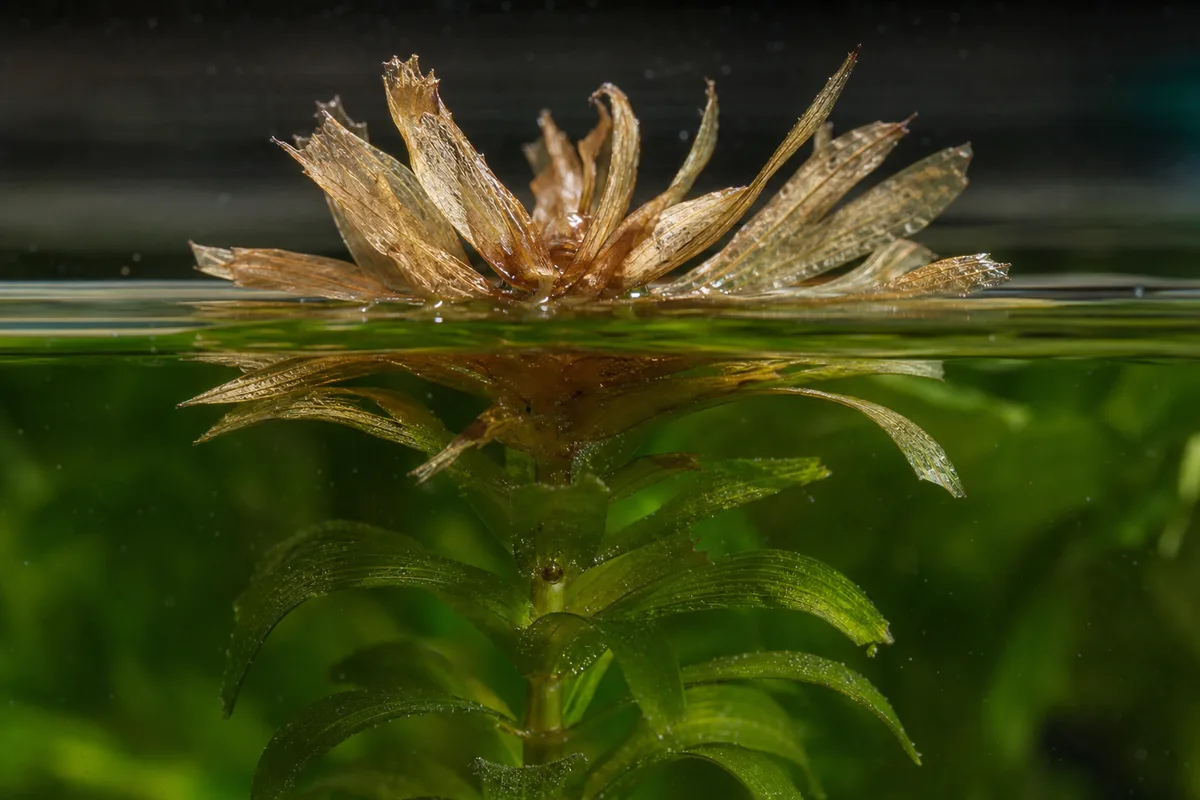
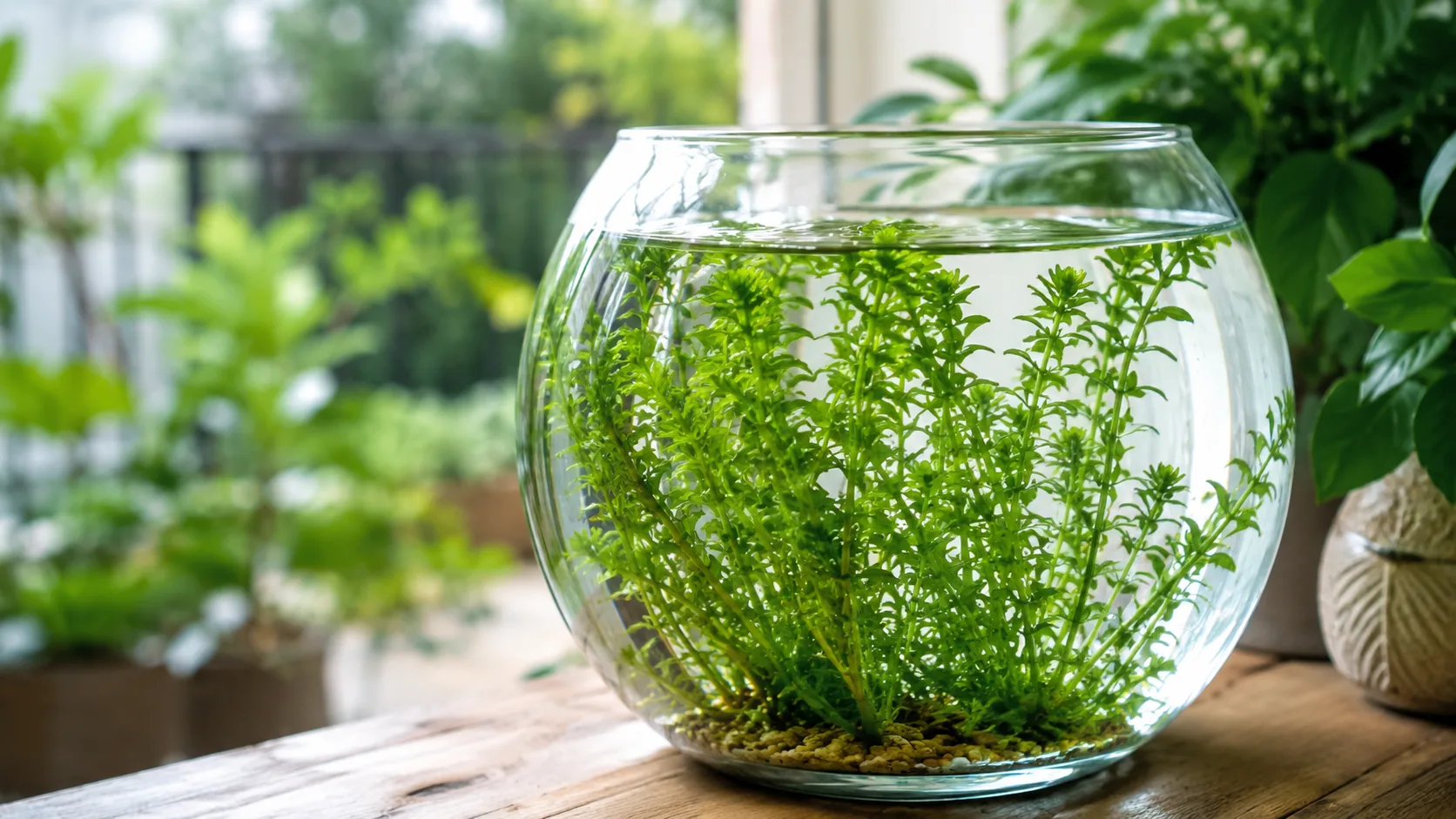 Easy
EasyAnacharis / Elodea
Likely causeFloating mats or emergent stems left above water long enough to desiccate.
Quick fixRe-submerge healthy stems immediately, trim dried tissue, and keep all growth fully underwater.
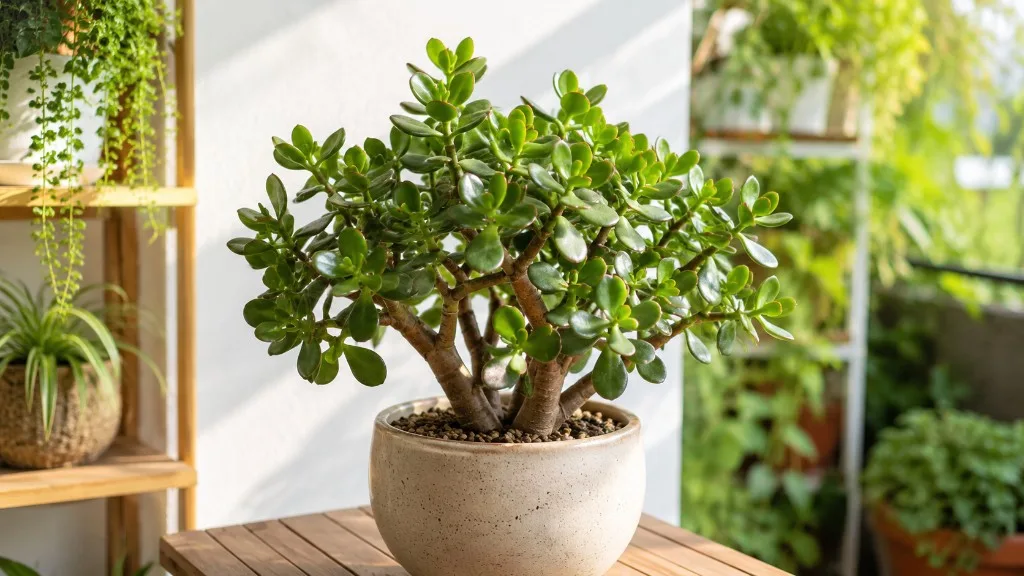 Medium
Jade Plant
Likely causeHow to Fix jade plant Crispy Leaves : 4 Texture-Restoring Solutions There’s nothing more disheartening for a plant lover than running your fingers over the leaves of your beloved jade plant and feeling a dry, papery crunch instead of that s
Quick fixConfirm diagnosis on your Jade Plant, then address the most likely care or pest factor described in current extension guidance.
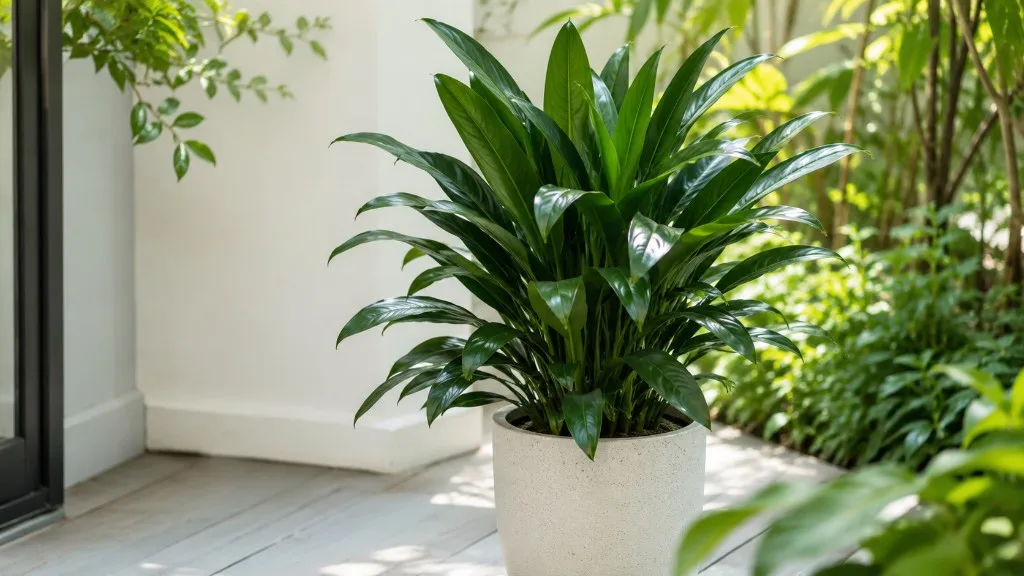 Medium
Janet Craig Dracaena
Likely causeFeb 25, 2026 · Once a leaf tip has turned brown and crispy , the cells in that area are dead and cannot recover. Your focus should be on stopping new tips from turning brown and maintaining the health of the remaining green foliage.
Quick fixConfirm diagnosis on your Janet Craig Dracaena, then address the most likely care or pest factor described in current extension guidance.
 Medium
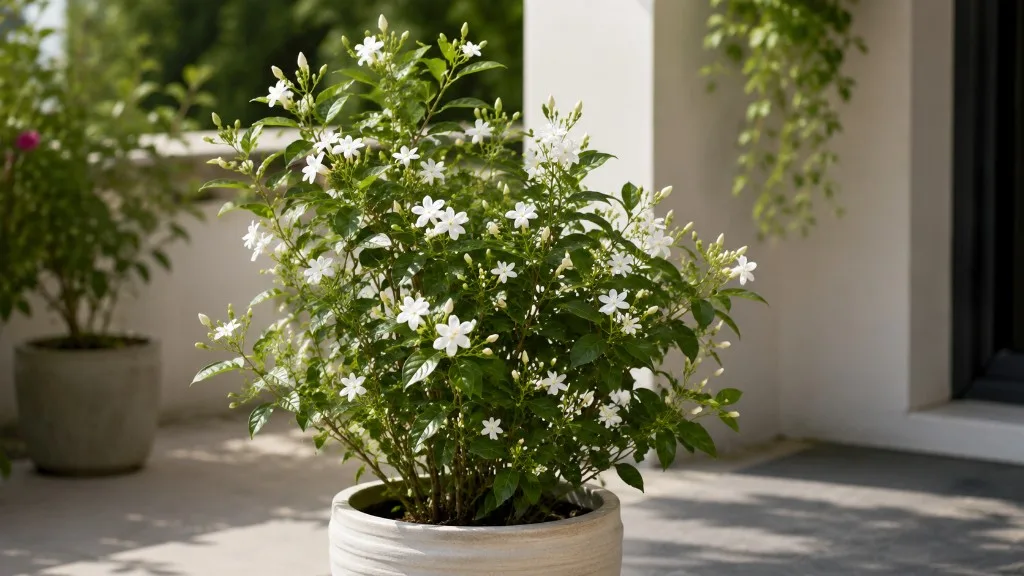
Jasmine
Likely causeMay 14, 2026 · How to spot it: Leaves may turn brown and crispy , especially at the edges. The soil feels dry to the touch. The plant may wilt. Why it happens: Infrequent watering, especially during hot weather, or planting jasmine in very
Quick fixConfirm diagnosis on your Jasmine, then address the most likely care or pest factor described in current extension guidance.
 Medium
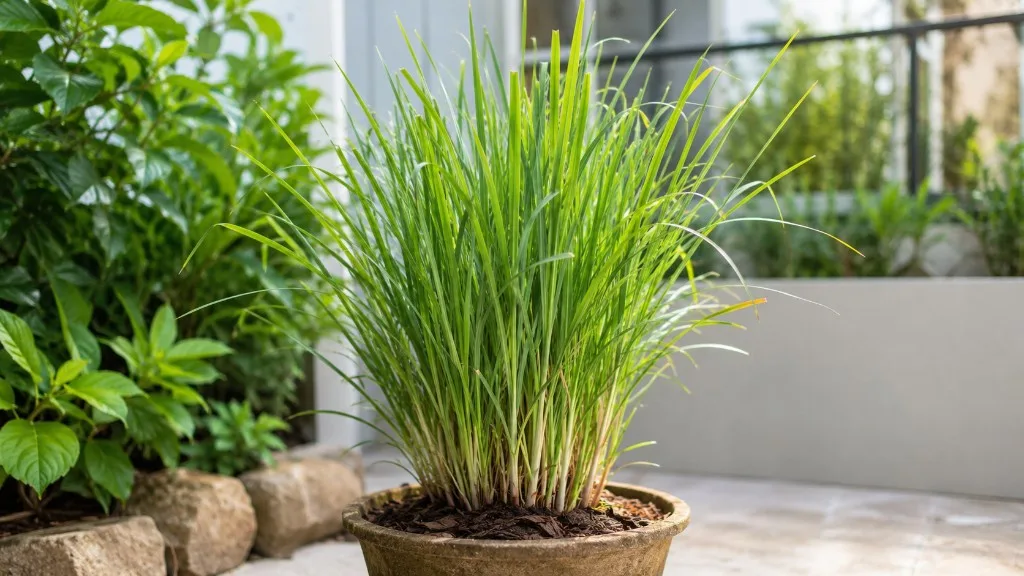
Lemongrass
Likely causeApr 6, 2025 · Wondering what to do with lemongrass leaves ? Discover creative and practical ways to use them in teas, cooking, natural remedies, and DIY home products.
Quick fixConfirm diagnosis on your Lemongrass, then address the most likely care or pest factor described in current extension guidance.
 Medium
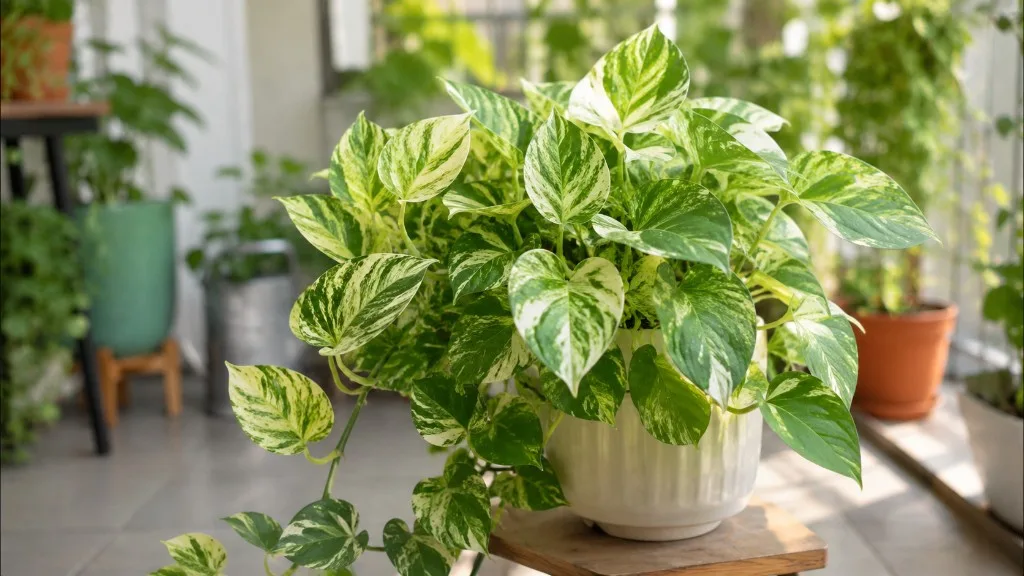
Manjula Pothos
Likely causeFeb 7, 2026 · The Manjula Pothos is a stunning variegated cultivar with heart-shaped leaves swirled in cream, white, silver-green, and green. Developed by the University of Florida, it's become a collector favorite for its painterly variega
Quick fixConfirm diagnosis on your Manjula Pothos, then address the most likely care or pest factor described in current extension guidance.
 Medium
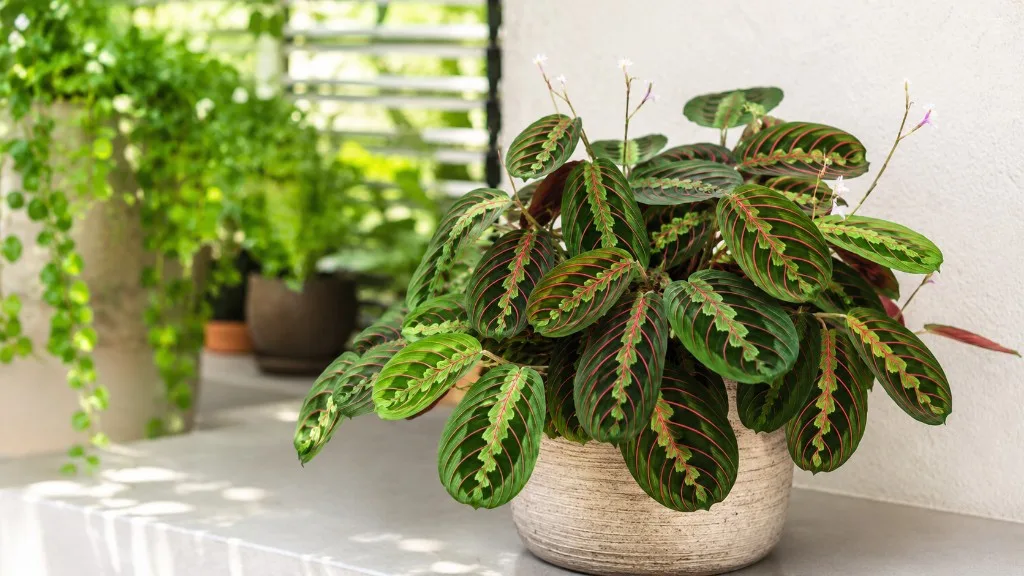
Maranta Leuconeura
Likely causeHave you ever walked up to your beautiful Prayer Plant (Maranta leuconeura ), eagerly waiting to see its leaves perform their stunning nightly folding dance, only to notice dry, crispy brown edges?
Quick fixConfirm diagnosis on your Maranta Leuconeura, then address the most likely care or pest factor described in current extension guidance.
 Medium
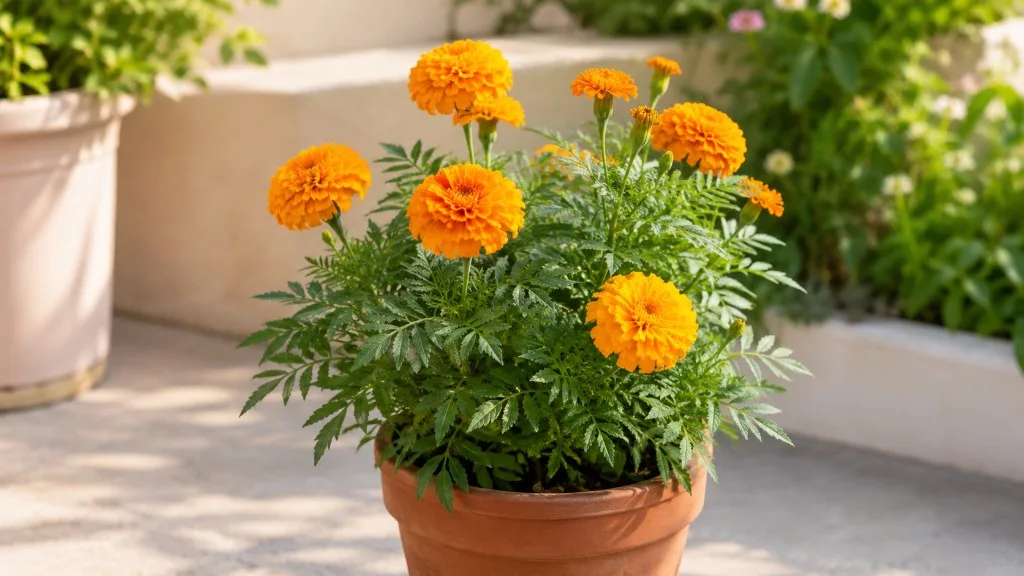
Marigold
Likely causeSep 2, 2025 · The fungus attacks the leaf structure, causing spots that enlarge, turn brown, and become crispy as the tissue dies. The solution is to improve air flow around me, water at the base to keep leaves dry, and remove any severely
Quick fixConfirm diagnosis on your Marigold, then address the most likely care or pest factor described in current extension guidance.
 Medium
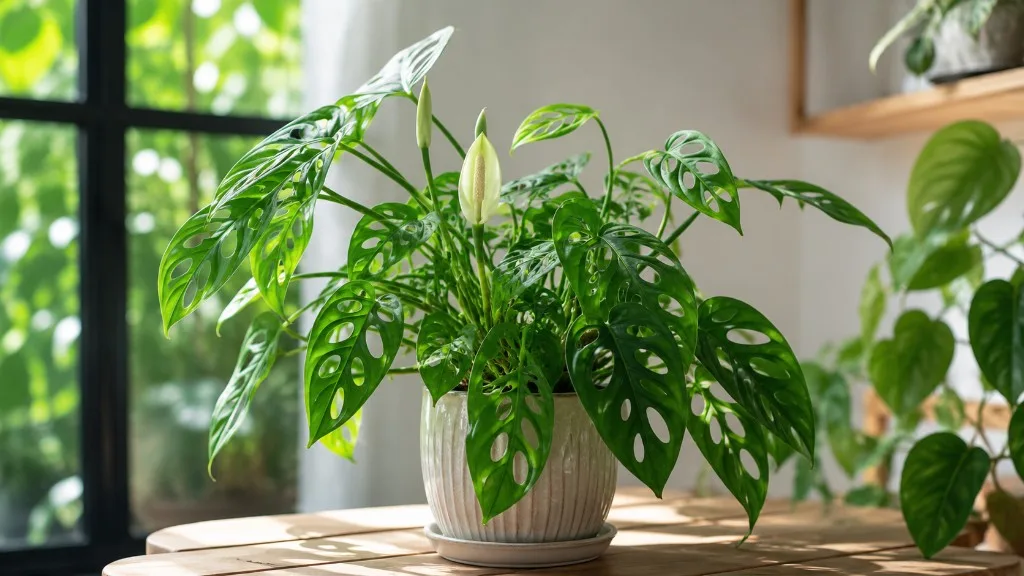
Monstera Adansonii
Likely causeMar 13, 2025 · Monstera deliciosa: The most popular variety, Monstera deliciosa, is known for its large, dark green leaves that can reach 2 feet or more across and are decorated with fenestrations, says …
Quick fixConfirm diagnosis on your Monstera Adansonii, then address the most likely care or pest factor described in current extension guidance.
 Medium
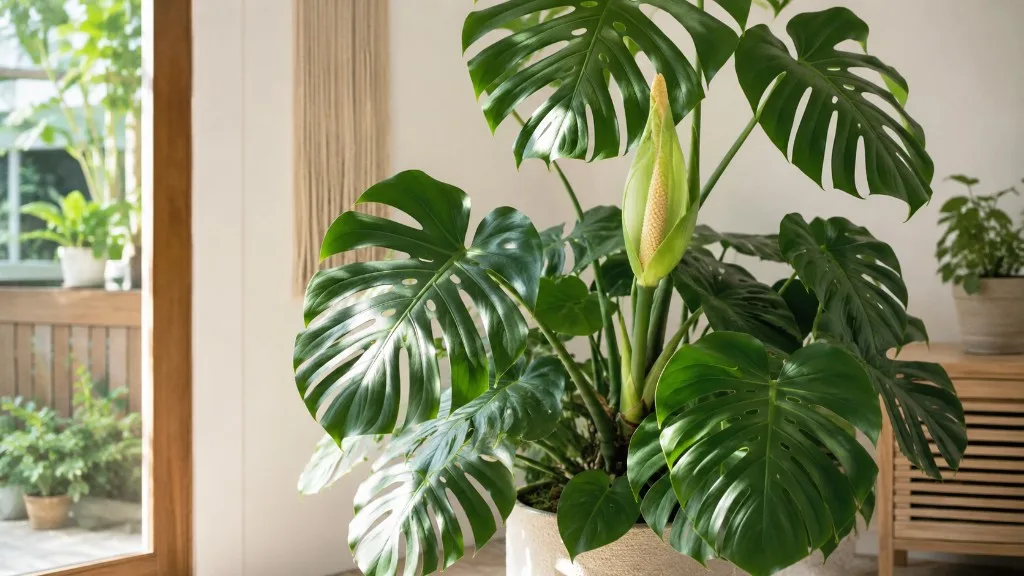
Monstera Deliciosa
Likely causeMar 13, 2025 · Monstera deliciosa: The most popular variety, Monstera deliciosa, is known for its large, dark green leaves that can reach 2 feet or more across and are decorated with fenestrations, says …
Quick fixConfirm diagnosis on your Monstera Deliciosa, then address the most likely care or pest factor described in current extension guidance.
 Medium
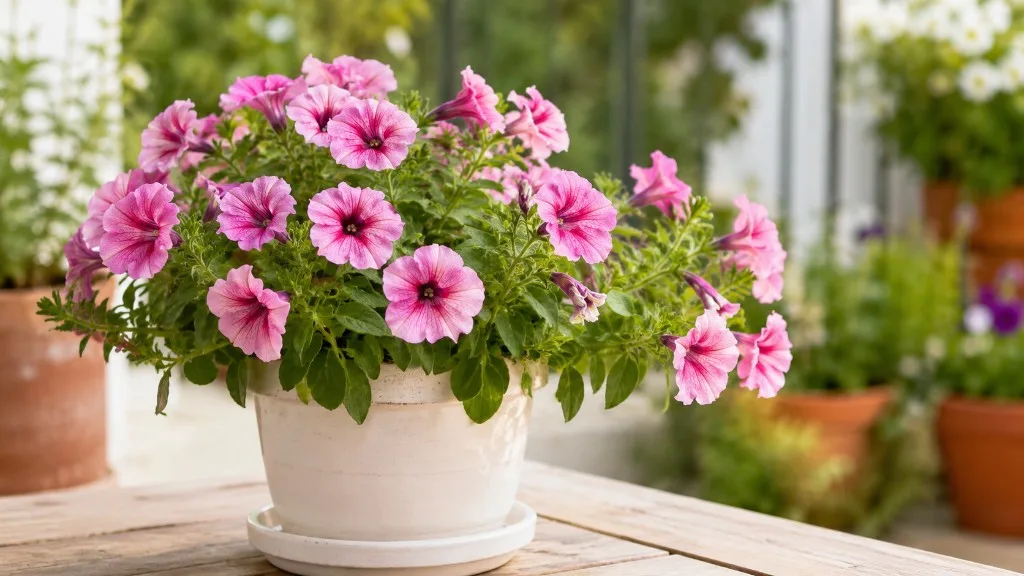
Petunia
Likely causeChronic underwatering or heat-wave transpiration loss dries petunia leaves to a papery texture.
Quick fixWater deeply in early morning; if soil repels water, submerge the basket 30 minutes to rehydrate.
 Medium
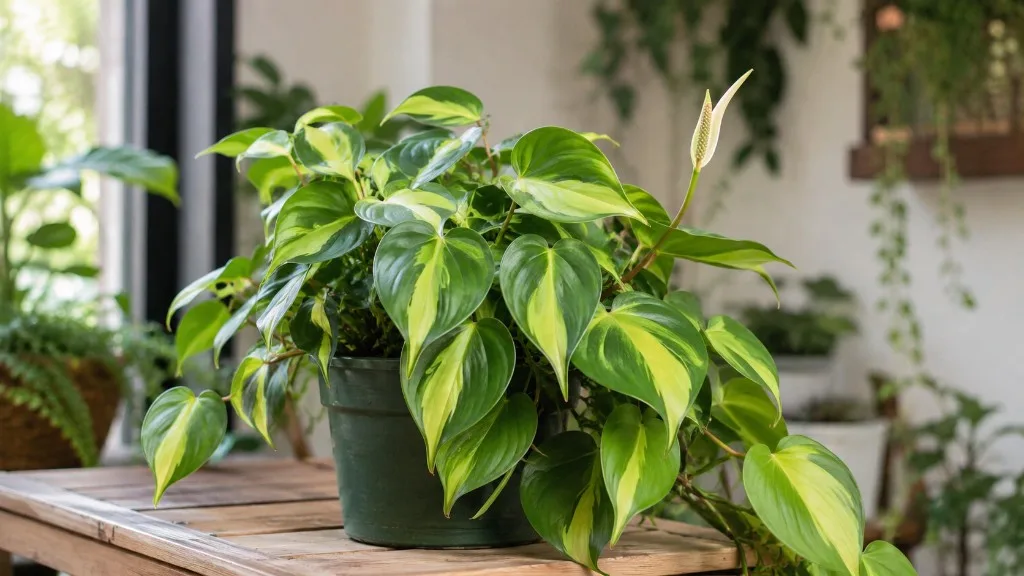
Philodendron Brasil
Likely causePhilodendron hederaceum is native to humid tropical forests and prefers humidity above 50%. The thin, heart-shaped leaves of the Brasil cultivar lose moisture through their tips and edges faster than thicker-leaved aroids, so crispy brown t
Quick fixConfirm diagnosis on your Philodendron Brasil, then address the most likely care or pest factor described in current extension guidance.