Alkaline Soil in Houseplants: Signs and Solutions
Potting mix is the foundation of houseplant health. When you see Pale leaves, nutrient deficiency symptoms, the soil may be holding too much water, repelling water, or locking out nutrients. Fixing Soil Too Alkaline often means adjusting mix, pot size, or watering habits-not just treating leaves. Track weekly progress after you change care, and note watering, light, and repotting dates so you can tell whether the symptom is improving or returning. Compare upper versus lower leaves, new versus old growth, and soil moisture at root depth before you treat, because the same visible symptom can come from watering, light, pests, or normal aging on different plants.
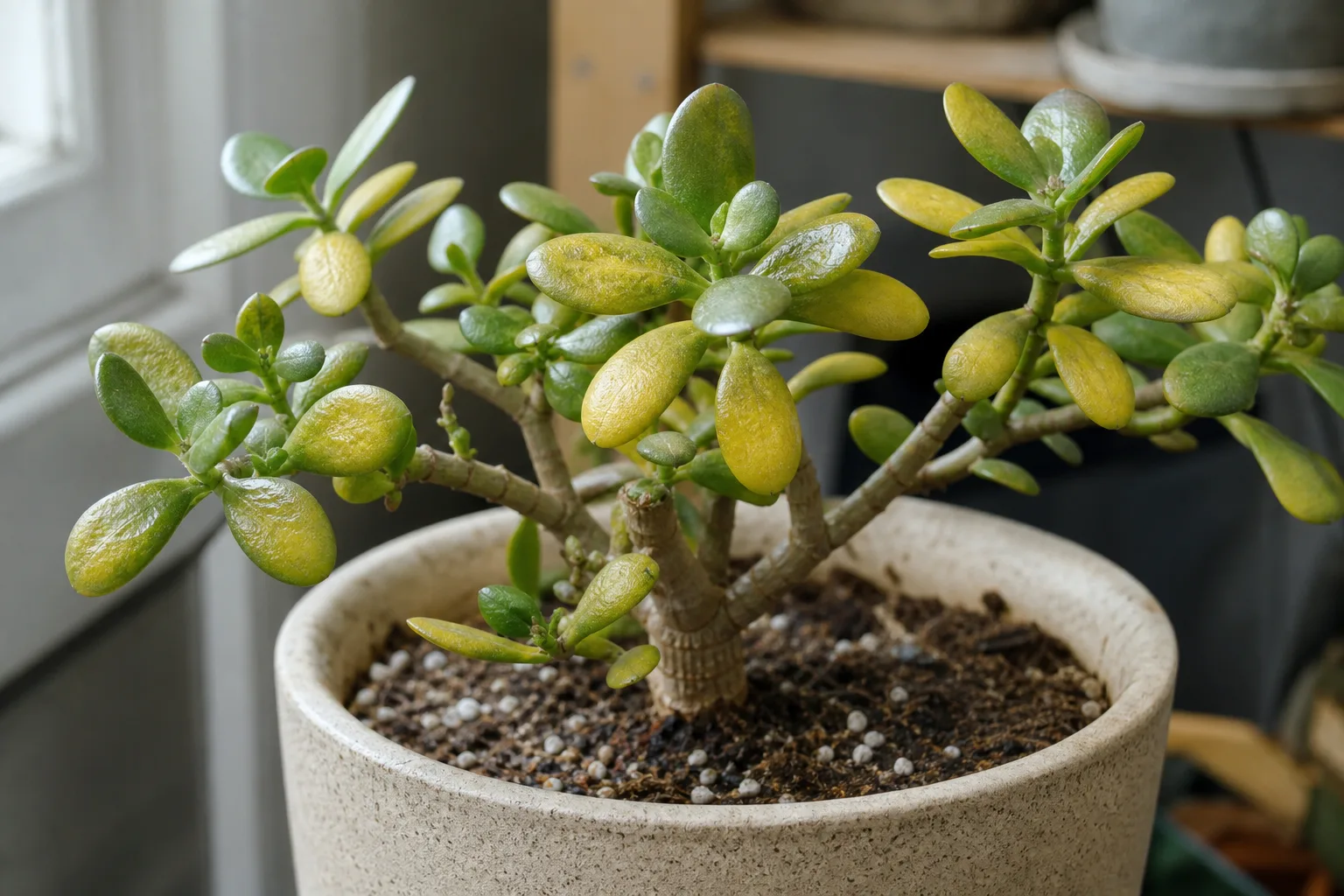
Soil Too Alkaline on Houseplants
Still unsure?Match your symptoms to the most likely problems in under a minute.Run diagnosis →Understand and fix soil too alkaline
Potting mix is the foundation of houseplant health. When you see Pale leaves, nutrient deficiency symptoms, the soil may be holding too much water, repelling water, or locking out nutrients. Fixing Soil Too Alkaline often means adjusting mix, pot size, or watering habits-not just treating leaves. Track weekly progress after you change care, and note watering, light, and repotting dates so you can tell whether the symptom is improving or returning. Compare upper versus lower leaves, new versus old growth, and soil moisture at root depth before you treat, because the same visible symptom can come from watering, light, pests, or normal aging on different plants.
Overview
Potting mix is the foundation of houseplant health. When you see Pale leaves, nutrient deficiency symptoms, the soil may be holding too much water, repelling water, or locking out nutrients. Fixing Soil Too Alkaline often means adjusting mix, pot size, or watering habits-not just treating leaves. Track weekly progress after you change care, and note watering, light, and repotting dates so you can tell whether the symptom is improving or returning. Compare upper versus lower leaves, new versus old growth, and soil moisture at root depth before you treat, because the same visible symptom can come from watering, light, pests, or normal aging on different plants.
How to identify it
- Water pools on top or runs straight through without soaking in
- Soil stays wet for many days after one watering
- White crust on soil surface or pot rim
- Roots circling tightly or growing out drainage holes
- Musty smell or visible mold on soil surface
When to worry
Roots turning black, plant collapsing despite watering, or salt crust thick on soil means repot and flush before permanent damage.
Common causes
Old, broken-down potting mix
Peat-heavy soil compacts over time, reducing air pockets roots need. Soil Too Alkaline is common in plants not repotted for years.
Wrong mix for the plant type
Succulents in all-peat mix rot; moisture lovers in pure bark dry out too fast. Mismatch shows up as Pale leaves, nutrient deficiency symptoms.
Salt and mineral buildup
Tap water and fertilizer leave salts that burn roots and cause crusty soil surfaces.
Pot too large for root ball
Excess soil holds water the roots cannot use, leading to chronic sogginess.
Step-by-step fix
Assess soil texture and moisture retention
Slide the plant out and smell the root ball. Crumbly, airy mix is healthy; dense, wet muck needs replacement.
Repot with appropriate fresh mix
Choose a blend matched to your plant-add perlite or bark for drainage, or more water-retentive components for ferns.
Flush salts if crust is present
Water deeply until excess runs from drainage holes. Repeat once, then resume normal care.
Right-size the container
Move up only 1–2 inches in diameter. Too large a pot worsens wet soil problems.
Adjust watering to new mix
Fresh soil dries on a different schedule-recheck moisture daily for the first two weeks.
Prevention tips
- Repot every 1–2 years for fast growers
- Use mixes suited to plant type, not garden soil indoors
- Flush soil periodically if using tap water and fertilizer
- Match pot size to root mass
Common mistakes
- Adding gravel at the bottom instead of using proper mix
- Repotting only with garden soil
- Jumping to a pot much larger than needed
Pale leaves with green veins can point toward a root-zone chemistry problem, but they do not prove that a houseplant’s soil is too alkaline. The same pattern can follow damaged roots, chronic wetness, low light, pests, or a genuine shortage of nutrients. Test first, then correct the cause that produced the result; changing pH on visual evidence alone can turn one manageable problem into several.
The practical goal is not to force every pot to one “perfect” number. It is to keep the root-zone pH within a range the particular plant and fertilizer system can tolerate, while maintaining air, drainage, and healthy roots. That requires three kinds of evidence: what the plant is doing, what the media and roots look like, and what a repeatable pH test actually shows.
What “Too Alkaline” Means in a Pot
pH describes how acidic or alkaline a solution is on a logarithmic scale. In container culture, growers usually care about the pH of the water held around media particles, because that is the chemical environment roots encounter. The Royal Horticultural Society explains both the scale and the broad relationship between pH and plant performance in its soil pH testing guidance.
“Too alkaline” is therefore relative, not a diagnosis produced by any number above 7. A cactus, pelargonium, African violet, fern, and carnivorous plant do not share identical root-zone preferences. Even within one genus, cultivar, fertilizer, media ingredients, and irrigation water can change what works. Use species guidance and trends over time instead of applying a universal target copied from a chart.
A pot is also a small, actively managed system. Irrigation adds dissolved minerals, fertilizer supplies ions, roots exchange charged compounds, and organic components decompose. Unlike garden soil, a container has limited volume and little capacity to dilute repeated inputs, so management errors can become visible quickly.
pH Changes Nutrient Availability, Not the Nutrient Total
High pH can make certain nutrients less available to roots even when those elements are physically present in the mix. Iron and manganese problems are commonly associated with high-pH media, and their reduced availability may affect chlorophyll formation and new growth. This is often called nutrient lockout, though the phrase should not imply that all uptake stops.
Penn State’s current water-quality guidance makes the practical distinction clear: growing-medium pH affects nutrient availability, while irrigation-water pH and alkalinity together determine how strongly repeated watering can move that medium over time (greenhouse water-quality toolkit). That is why a leaf symptom, a tap-water pH strip, and a root-zone test answer three different questions.
The distinction matters because adding more general fertilizer may increase soluble salts without fixing the chemistry that restricts a micronutrient. A laboratory test may show adequate total nutrition while the plant still expresses a deficiency pattern. Conversely, a plant with failing roots may be unable to take up nutrients even when both pH and fertilizer supply are reasonable.
Nutrient relationships overlap. Excessive concentrations of one element can interfere with another, and a severe pH shift can alter several nutrients at once. A single pale leaf is therefore not a reliable field assay; the pattern, plant species, root health, and measured media conditions all matter.
Signs That Justify a pH Test
The most useful clue is a consistent pattern on active growth, especially when care and root conditions otherwise look sound. New leaves that emerge pale while veins remain greener can be consistent with iron-related chlorosis. Stalled shoots, unusually small new leaves, or repeated chlorosis after appropriate feeding also justify checking the root zone.
Look for supporting context: a long history of hard-water deposits, repeated additions of lime-containing material, an unsuitable media recipe, or a test result that stays above the plant’s recommended range. White crust on the pot rim indicates deposited minerals or fertilizer salts, but it does not identify pH by itself. Salt concentration and pH are different measurements.
An isolated older leaf that yellows and drops may simply be aging. Widespread yellowing in saturated mix points more strongly toward root stress, while pale growth on the dim side of a room may reflect insufficient light. Testing is most useful when it answers a specific question raised by several observations, not when it substitutes for inspecting the whole plant.
Read New Growth, Old Growth, and the Root Zone Together
Mobile nutrients can be moved from older tissues to newer ones, so some deficiencies appear first on old leaves; less-mobile nutrients often show more clearly in young growth. This is a useful clue, not a verdict. Disease, genetic variegation, cold damage, and root injury can disrupt textbook patterns.
Compare three zones. First, examine the newest fully expanded leaves and the leaves below them. Second, check moisture at root depth and smell the root ball. Third, inspect several roots if decline continues: firm, intact roots support a chemistry hypothesis, while dark, soft, sloughing roots shift priority to a root-health problem.
Document the plant under the same light once a week. Mark the newest leaf with a loose tag or note its position, because damaged leaves rarely regain perfect color. Improvement is better judged by healthier new growth and stable roots than by waiting for old chlorosis to disappear.
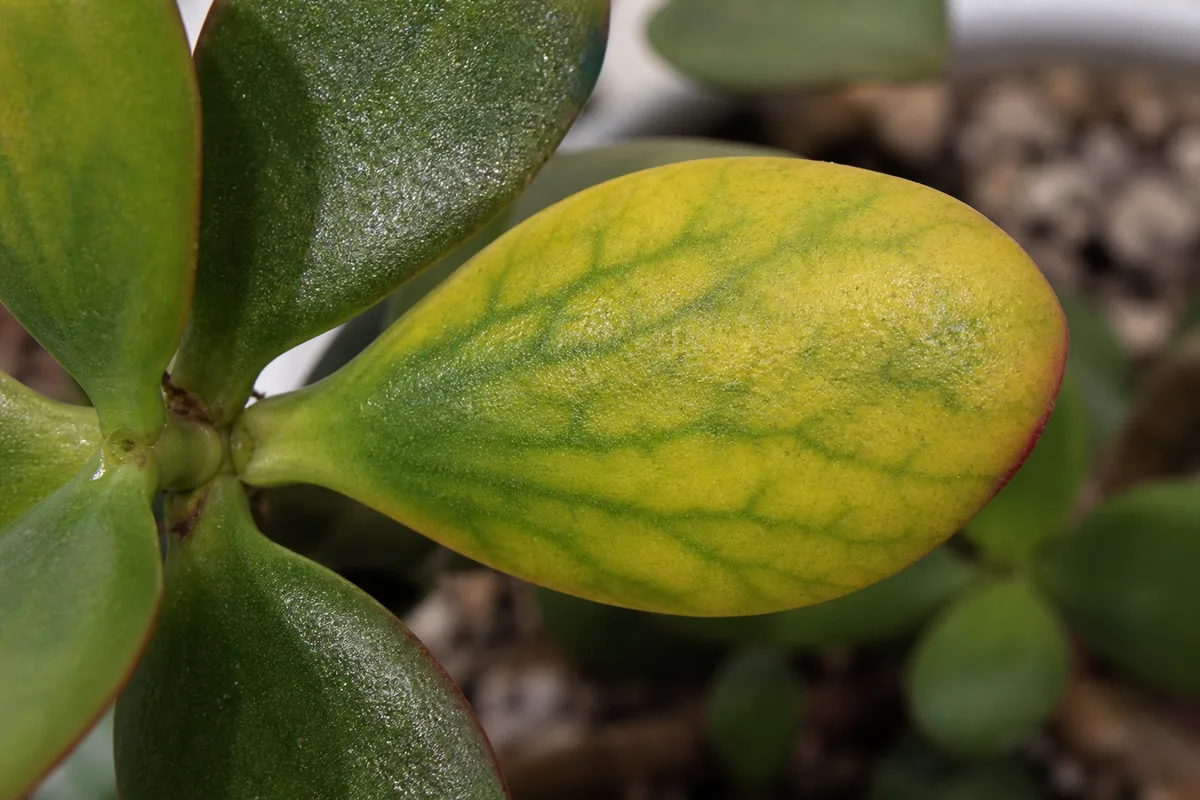
Rule Out Lookalikes Before Changing pH
UC Statewide IPM lists numerous non-pH causes of houseplant yellowing and poor growth, including water problems, insufficient light, excess fertilizer, compacted media, temperature stress, pests, and root crowding (houseplant problem guidance). Each can reduce nutrient uptake or chlorophyll without the media being alkaline. Treating all of them with an acidifier is poor diagnosis.
Check light relative to the species, not to a room label such as “bright.” Check whether water drains freely and whether the pot sits in runoff. Inspect leaf undersides and growing points for mites, thrips, scale, or mealybugs. Ask what changed before the symptom: a move, repot, fertilizer dose, cold night, new water source, or pest introduction often provides a stronger lead than leaf color.
If the plant has been repeatedly fertilized, measure or investigate soluble salts as well as pH. A high electrical-conductivity reading can accompany root-tip burn and chlorosis. Flushing salts may help when drainage is good, but flushing is unsafe when the mix is already waterlogged or the roots are rotten.
High pH, Salt Stress, or Root Damage?
| Evidence | High pH becomes more plausible | Salt stress becomes more plausible | Root damage becomes more plausible |
|---|---|---|---|
| Leaf pattern | Repeated pale young growth, sometimes greener veins | Brown tips or margins, wilting, surface crust | General yellowing, collapse, stalled growth |
| Media history | Alkaline inputs or lime; measured high pH | Heavy fertilizer use; hard-water deposits | Mix stays wet, compacts, or was recently disturbed |
| Root check | Roots mostly firm and intact | Fine-root tips may be injured | Roots soft, broken, hollow, or sloughing |
| Best next test | Repeatable media-pH test | EC or soluble-salts test | Physical root inspection or diagnostic lab |
These patterns overlap. High-pH irrigation water can also deposit salts; damaged roots can cause nutrient symptoms; and an oversized pot can combine saturation with chemical imbalance. When evidence points in several directions, correct the clearest physical hazard—such as standing water—before fine-tuning chemistry.
Why Container Media Becomes Too Alkaline
Commercial media may include limestone to neutralize the natural acidity of ingredients such as peat. That is intentional, but a mix designed for one crop may not suit an acid-sensitive plant. Old mix can also change as components decompose and repeated irrigation or fertilizer inputs accumulate.
Irrigation water is a frequent contributor, especially over months. Water carrying bicarbonates and carbonates can neutralize acidity in the media and gradually push pH upward. Visible limescale on kettles and taps is a useful clue that water deserves investigation, but only a water report or test can quantify the relevant chemistry.
Fertilizers differ in their potential effect on media pH. Some nitrogen forms tend to be acidifying over time; others can have a more basic reaction. That effect is not permission to choose fertilizer by an “acid-loving” label alone—the formulation still needs to suit the plant, dose, season, and water.
Water pH and Water Alkalinity Are Different
Water pH is a snapshot of hydrogen-ion activity. Alkalinity describes the water’s capacity to neutralize acid, commonly driven by bicarbonates and carbonates. A water sample can have a moderately high pH but low buffering capacity, or a less dramatic pH with enough alkalinity to raise media pH through repeated use.
For interpretation, Penn State recommends considering pH, alkalinity, hardness, and electrical conductivity as a set rather than treating pH as a complete water analysis (irrigation-water test guidance). For a household grower, the actionable lesson is simple: do not calculate an acid dose from the tap-water pH alone.
This difference explains why adding a measured acid to irrigation is a technical practice, not a casual kitchen recipe. Professional growers use a water analysis, target alkalinity, compatible fertilizer, calibrated equipment, and safe handling. Without those controls, a household grower can overshoot, injure roots, or create a solution whose pH changes again after contact with media.
If your water utility publishes a report, look for alkalinity or bicarbonate values rather than relying only on pH. For a valuable collection with recurring chlorosis, send water and media samples to a horticultural laboratory. One accurate report can prevent months of alternating supplements and repotting.
How to Test Houseplant Potting Mix pH
Do not push a garden probe into one damp spot and treat the display as unquestionable. Inexpensive probes vary in accuracy, salts affect readings, and the top centimeter may differ from the active root zone. A more useful home comparison uses a calibrated meter or fresh test kit, consistent water, and samples from several locations in the pot.
Take media from the root zone without removing so much that the plant becomes unstable. Avoid fertilizer granules, surface crust, and drainage debris. Mix the subsamples, follow the test manufacturer’s specified media-to-water ratio and waiting time, then record the value, date, irrigation source, and recent fertilizer use.
Repeat a surprising result before acting. Test a known reference or calibration solution if your equipment supports it, and compare with an unaffected pot using similar media. A difference between pots can be more informative than a single absolute reading from an uncalibrated tool.
Sampling and Interpreting the Result
A measured value matters only beside a plant-specific reference range and the method used. Slurry, saturated-media extract, and pour-through methods can produce different numbers, so compare like with like. Professional testing is particularly worthwhile when fertilizer salts, water alkalinity, or crop value raises the cost of guessing.
The RHS recommends testing multiple samples in a landscape context because pH varies across space; the same principle applies at smaller scale to an unevenly watered container. Sample more than the surface and avoid testing immediately after a concentrated feed. Record the method so a later test shows a real trend rather than a method change.
If the reading is only slightly outside a broad recommendation and the plant is growing well, observation may be safer than intervention. If repeat tests are high, new growth is chlorotic, and roots remain healthy, a controlled correction is justified. If roots are damaged, restore the physical root environment first because chemistry cannot compensate for dead tissue.
Choose the Least Disruptive Fix
Match the fix to the driver. Remove standing runoff and stop excessive fertilizer before adding anything. If deposits are light, roots are healthy, and the mix drains freely, thorough leaching with suitable water may reduce accumulated soluble salts, though it will not reliably overcome continuing high-alkalinity irrigation.
If the media itself was inappropriate, old, compacted, or heavily crusted, repotting can provide a cleaner reset. The RHS advises choosing a growing medium suited to the plant rather than assuming one compost works for every houseplant (houseplant growing-media guidance). Use a container only modestly larger than the sound root mass and preserve healthy roots.
Correcting a suspected nutrient symptom with a micronutrient product may produce short-term greening when the diagnosis is right, but it does not remove the cause of repeated high pH. Follow the product label, avoid stacking supplements, and do not exceed a dose to speed recovery. More concentrate raises the risk of salt injury.
When Water or Fertilizer Is the Driver
For a small collection, switching sensitive plants to rainwater, distilled water blended appropriately, or another lower-alkalinity source can be simpler than acidifying tap water. Confirm that the alternative is safe and practical, store rainwater cleanly, and remember that very low-mineral water does not replace a balanced fertilizer.
Review the fertilizer label and application history. Reduce frequency during low-light or slow-growth periods, measure concentrate rather than estimating, and occasionally leach a freely draining pot when the species and root health allow. Do not keep soil continuously wet merely to “flush” it.
For a large or valuable collection, obtain a water analysis and ask a laboratory or Extension specialist to interpret alkalinity, media pH, and electrical conductivity together. A recommendation based on all three is more defensible than selecting an acid-forming fertilizer from the pH number alone.
When Repotting Is the Better Reset
Repot when the mix is structurally failed, contaminated with heavy deposits, wrongly limed for the plant, or difficult to rewet and drain evenly. The RHS repotting method emphasizes a suitable container, appropriate medium, and careful handling rather than automatically moving to a much larger pot (repotting guidance). Avoid stripping every particle from fine roots unless disease or contamination makes that necessary.
Water according to the plant and new mix after repotting. There is no universal rule to leave all pruned roots dry for several days; a fern and a succulent respond differently. Keep conditions stable, withhold strong fertilizer until recovery is evident, and avoid combining repotting with drastic pruning, relocation, and pest treatment unless an urgent hazard demands it.
Use the new mix as a controlled reset. Note its ingredients, initial pH if available, pot size, and water source. Those details make a later recurrence traceable instead of mysterious.
Why Quick Acid Hacks Backfire
Vinegar, lemon juice, coffee grounds, and other household amendments are often recommended because they are familiar and acidic. Their effect in a buffered potting mix is difficult to predict, their concentration varies, and a low-pH irrigation event can injure roots without producing stable control. Organic residues can also change decomposition and microbial activity.
Elemental sulfur is used to lower garden-soil pH through microbial oxidation, but that process is slow, temperature-dependent, and difficult to dose safely in a small indoor container. Products intended for field soil should not be improvised into a houseplant pot. Use a labeled container-crop product or a professionally interpreted water-management plan.
Do not bury iron nails, add random Epsom salt, or combine micronutrient products. Iron nails do not provide a controlled plant-available dose, while Epsom salt supplies magnesium and sulfur rather than iron. Treat the measured constraint, not the color of the label.
Monitor Recovery Without Chasing a Number
After one controlled change, hold the other major variables steady. Keep the plant in species-appropriate light, water by the root zone rather than a calendar, and avoid another fertilizer change for at least enough time to observe new growth. A log prevents an anxious series of interventions from obscuring cause and effect.
Use the log as a small diagnostic trial: record the intervention date, test method, starting value, water source, fertilizer, and which leaf emerged afterward. This does not turn a home observation into a laboratory experiment, but it makes the reasoning auditable and reduces the temptation to credit whichever remedy was applied most recently.
Healthy recovery appears first as a stable crown, functioning roots, and better-colored new leaves. Existing chlorotic tissue may improve only partly or not at all. Photograph the newest growth weekly and compare leaf size, vein contrast, and the rate at which the mix dries.
Retest with the same method after enough irrigation cycles for the change to affect the root zone. If pH falls but the plant worsens, stop treating the number and reassess roots, pests, light, and salts. A successful chemical correction cannot rescue a physical root failure that was missed.
Prevent High-pH Problems
Start with a named, plant-appropriate growing medium and a pot with functional drainage. Keep the bag or photograph its ingredients and date. Avoid adding garden lime, wood ash, or unmeasured amendments unless a reliable recommendation for that plant and container system calls for them.
Learn the irrigation water that supports your collection. A utility report, aquarium-style alkalinity kit used correctly, or laboratory analysis can reveal whether sensitive species need a different source. Clean deposits from saucers and cachepots so runoff is not repeatedly reabsorbed.
Feed modestly during active growth, follow the label, and observe the plant rather than chasing a calendar. Periodically inspect roots and media structure. Prevention is less about constant testing than about keeping a record of inputs and noticing when the system changes.
When to Seek a Laboratory or Expert Diagnosis
Seek help when a valuable plant declines despite healthy-looking roots and a measured correction, when several plants on the same water source develop the same pattern, or when test methods give conflicting results. A horticultural laboratory can measure media pH and electrical conductivity with standardized methods and may analyze irrigation alkalinity and nutrients.
Root or crown decay, rapid collapse, and spreading lesions need a different path. Wisconsin Extension notes that several organisms can cause houseplant root rot and that visual symptoms alone do not identify the pathogen (root-rot guidance). Isolate the plant, avoid sharing runoff, and consult a diagnostic clinic rather than applying a generic fungicide.
If you disinfect tools after handling suspect roots, remove soil and debris first; the University of Minnesota explains that cleaning is necessary because debris can reduce disinfectant effectiveness (tool sanitation guidance). Follow label contact times and protect yourself from the disinfectant.
Conclusion
Alkaline soil in a houseplant is a measured root-zone condition, not a synonym for yellow leaves. Confirm the pattern, inspect roots and media, test with a repeatable method, and compare the result with plant-specific guidance. Then address the driver—water alkalinity, fertilizer practice, unsuitable media, or salt accumulation—with the least disruptive correction.
The strongest plan changes one major variable, records it, and judges new growth rather than damaged leaves. If the evidence conflicts or several plants are affected, laboratory testing is usually cheaper and safer than cycling through acidifiers, supplements, and repeated repotting.
Plants commonly affected
These houseplants often struggle with soil too alkaline. Open a care guide or plant-specific troubleshooting page for tailored fixes.
 Medium
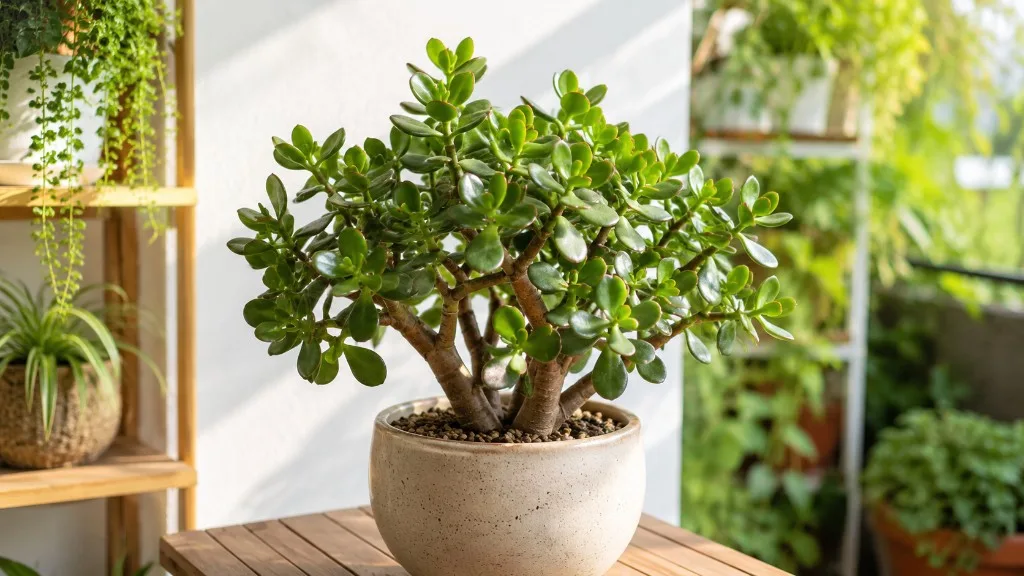
Jade Plant
Likely causeJul 17, 2025 · Will using acidic soil harm my Jade Plant? No , using acidic soil will not harm your Jade Plant. In fact, it can provide several benefits, including promoting healthy root development, preventing nutrient deficiencies, and en
Quick fixConfirm diagnosis on your Jade Plant, then address the most likely care or pest factor described in current extension guidance.
 Medium
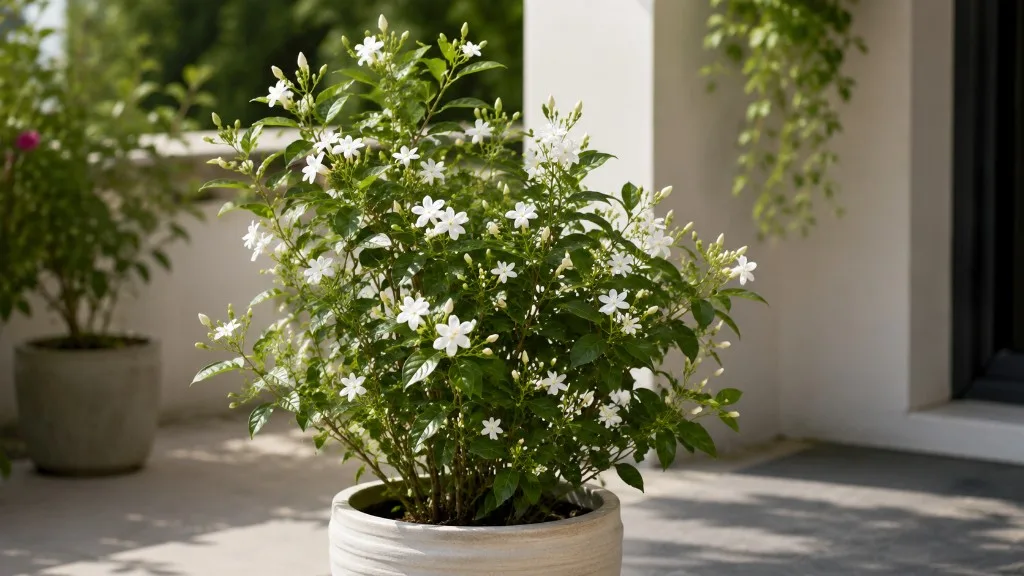
Jasmine
Likely causeJul 17, 2025 · A soil pH that is too high or too low can affect the availability of nutrients for jasmine plants. For example, if the soil is too alkaline, it can lead to a deficiency of essential nutrients like iron, manganese, and zinc .
Quick fixConfirm diagnosis on your Jasmine, then address the most likely care or pest factor described in current extension guidance.
 Medium
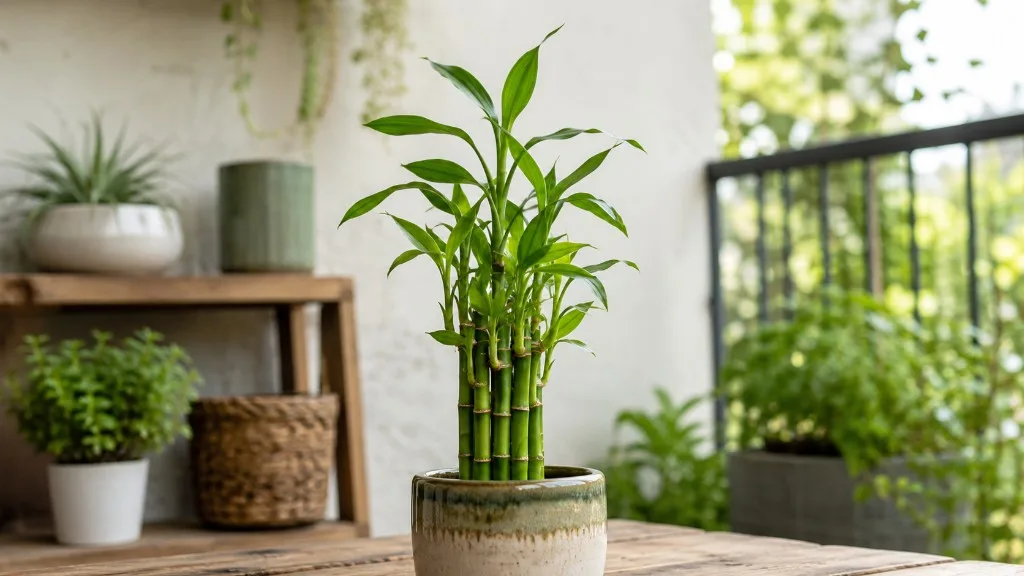
Lucky Bamboo
Likely causeLucky bamboo prefers a slightly acidic to neutral pH between 5.5 and 6.5. A pH-balanced mix ensures the plant can absorb iron and magnesium properly, preventing leaf yellowing (chlorosis).
Quick fixConfirm diagnosis on your Lucky Bamboo, then address the most likely care or pest factor described in current extension guidance.
 Medium
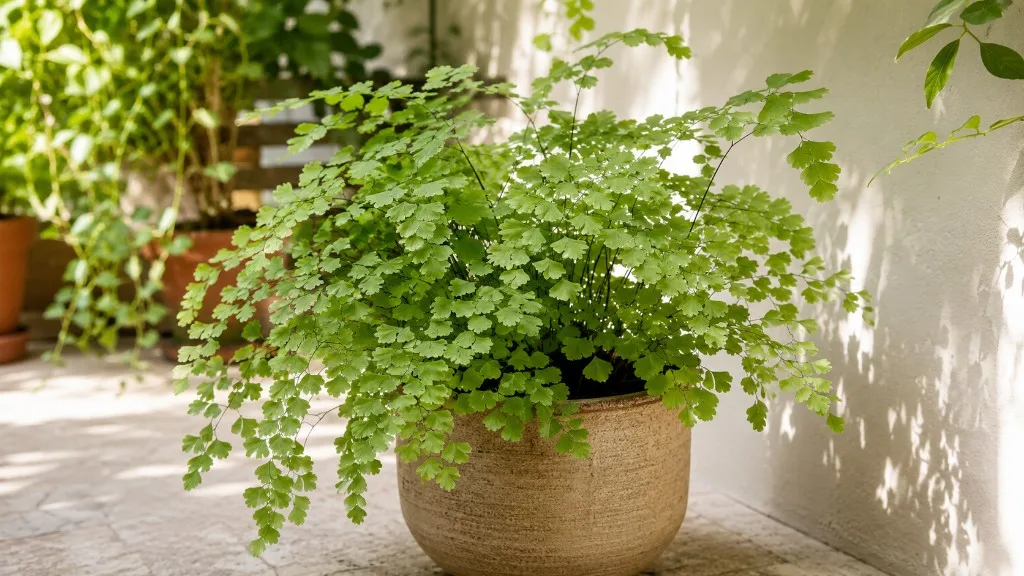
Maidenhair Fern
Likely causeJan 17, 2025 · The ideal soil type for maidenhair ferns is well-draining, rich, deep hummus with an alkaline pH , contrasting with most ferns that prefer slightly acidic soil. A recommended soil mix consists of one part potting mix, one par
Quick fixConfirm diagnosis on your Maidenhair Fern, then address the most likely care or pest factor described in current extension guidance.
 Medium
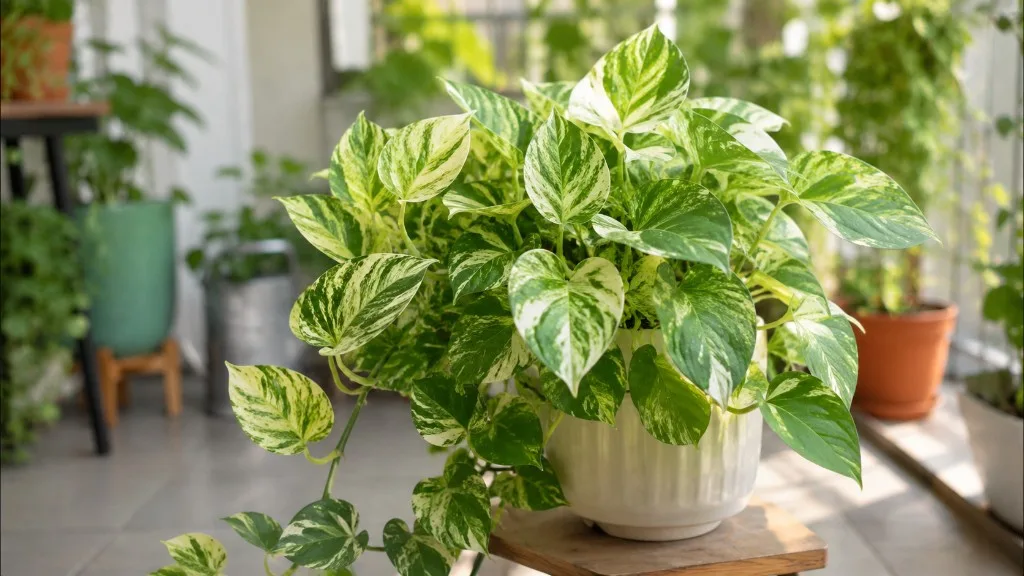
Manjula Pothos
Likely causeJan 20, 2024 · Speaking of pH, it's worth mentioning that Manjula Pothos prefers a slightly acidic soil , with a pH range of about 6.0 to 6.5. This range is ideal because it allows the plant to absorb nutrients effectively.
Quick fixConfirm diagnosis on your Manjula Pothos, then address the most likely care or pest factor described in current extension guidance.
 Medium
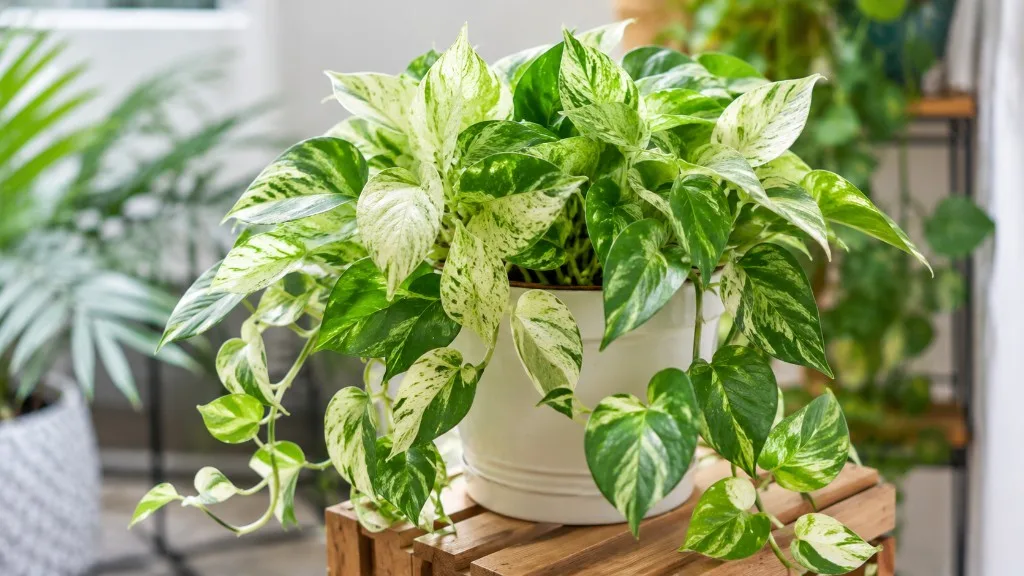
Marble Queen Pothos
Likely causeJan 9, 2026 · pH and nutrients should support pothos without high salinity. Many ready-to-use potting mixes are formulated for tropical houseplants and provide a balanced nutrient profile.
Quick fixConfirm diagnosis on your Marble Queen Pothos, then address the most likely care or pest factor described in current extension guidance.
 Medium
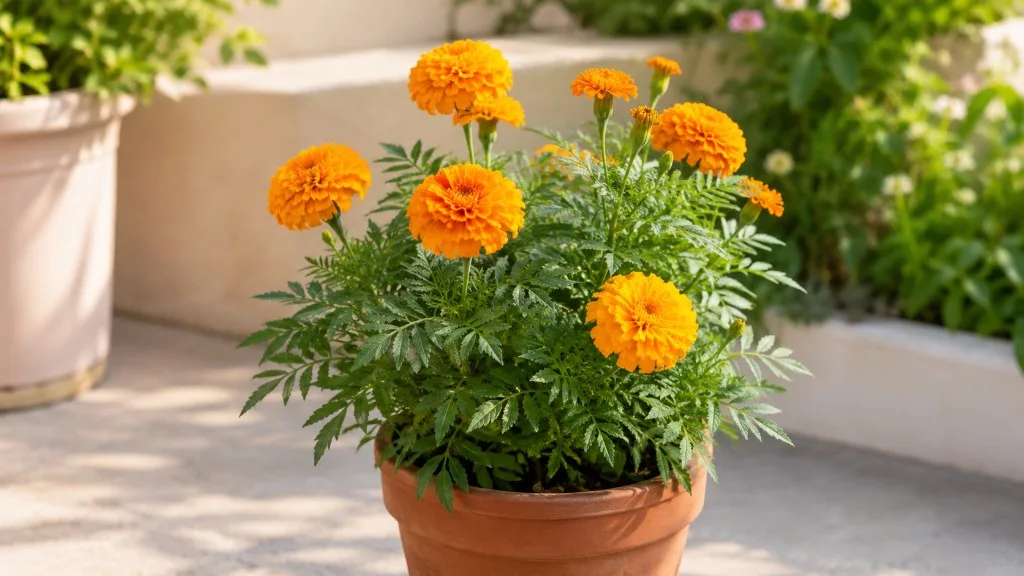
Marigold
Likely causeApr 29, 2026 · The most common and effective material for this is garden lime. Conversely, if your soil is too alkaline , or above 7.5, you need to increase the acidity. Adding organic matter like pine needles, peat moss, or elemental sulfu
Quick fixConfirm diagnosis on your Marigold, then address the most likely care or pest factor described in current extension guidance.
 Medium
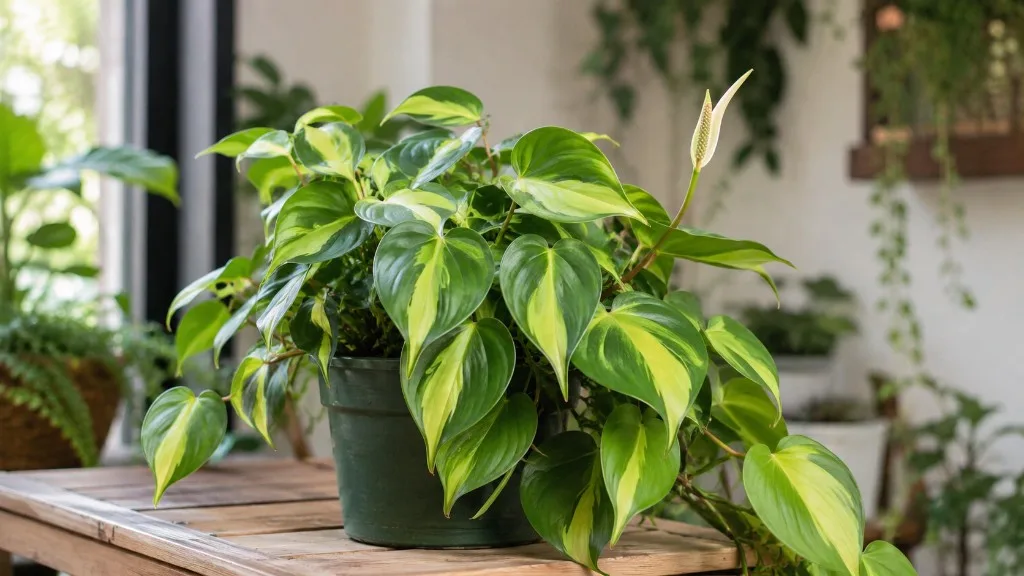
Philodendron Brasil
Likely causeAug 6, 2025 · Philodendrons prefer slightly acidic to neutral soil pH. Selecting natural, organic, and chemical-free mixes helps preserve soil health and mimics native jungle conditions, enhancing plant vigor.
Quick fixConfirm diagnosis on your Philodendron Brasil, then address the most likely care or pest factor described in current extension guidance.
 Medium
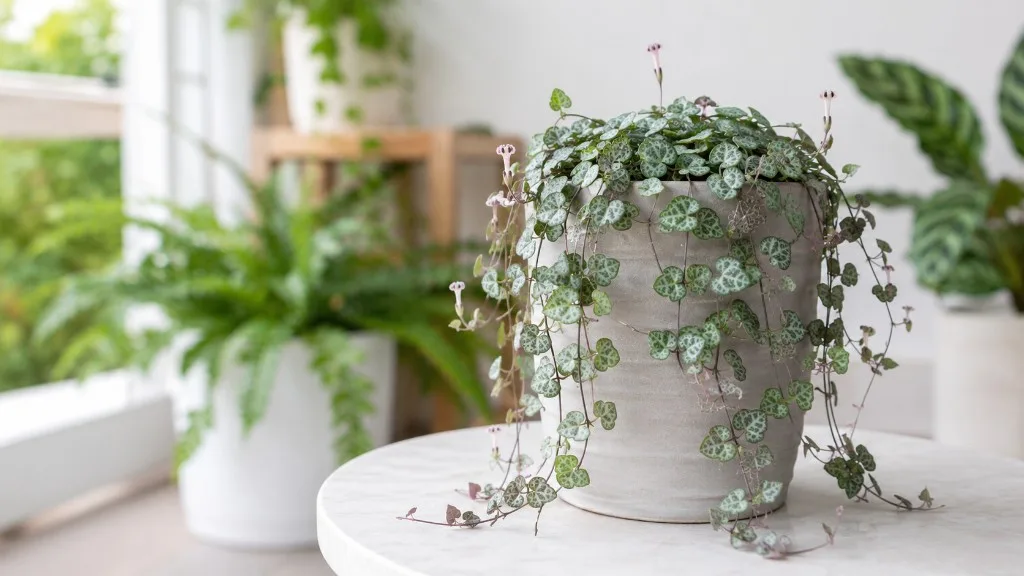
String of Hearts
Likely causeMar 15, 2026 · To keep Ceropegia woodii thriving in an apartment, prioritize light over all else. Provide bright, indirect sunlight, and only water when the leaves feel soft and pliable—a method known as the “taco test.” Avoid dense, moistu
Quick fixConfirm diagnosis on your String of Hearts, then address the most likely care or pest factor described in current extension guidance.
 Medium
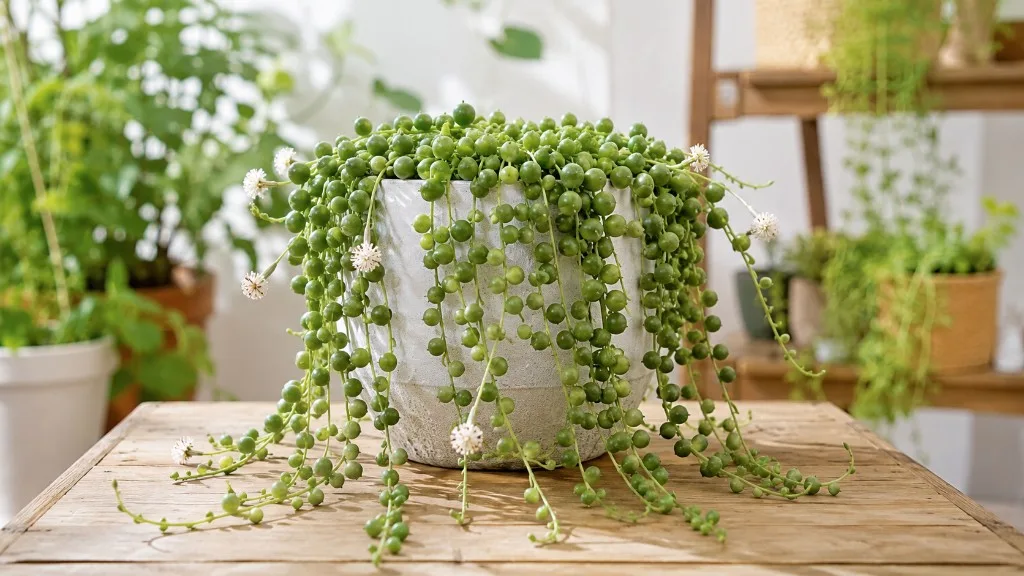
String of Pearls
Likely causeLearn about the best soil for String of pearls ( Curio rowleyanus ). Discover optimal soil types, pH levels, drainage requirements, and soil care tips for healthy growth.
Quick fixConfirm diagnosis on your String of Pearls, then address the most likely care or pest factor described in current extension guidance.