How to Make Soil More Acidic: 7 Practical Ways
Lower soil pH safely for blueberries, azaleas, and other acid-loving plants. Compare seven amendments, timing, mistakes, and how to tell the change is working.
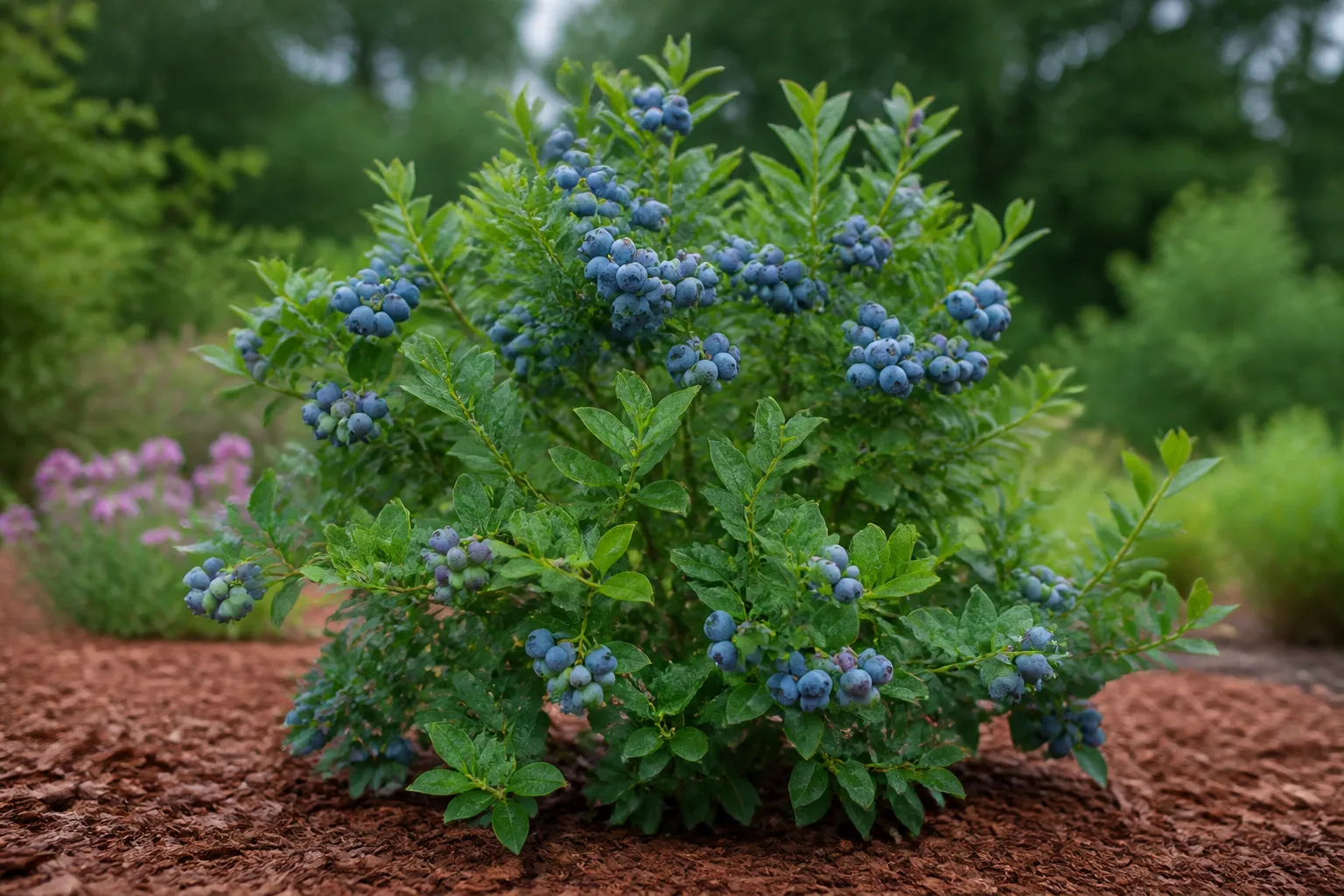
If an azalea, blueberry, gardenia, or rhododendron is struggling, a low soil pH may be part of the story—but it is not the first thing to assume. Yellow leaves can also come from poor drainage, damaged roots, drought, compacted soil, or a nutrient shortage unrelated to pH. The safest way to make soil more acidic is to test first, choose a method that matches the site, and change the root zone gradually.
The seven methods below are not interchangeable. Elemental sulfur is the main tool for a planned, lasting shift. Iron sulfate works faster but needs more care. Acid-forming fertilizer can help when the plant needs nitrogen anyway, while a container plant may be better served by replacing its mix or correcting alkaline irrigation water. Kitchen scraps and citrus juice have narrower uses than gardening folklore suggests.
Start with a Soil Test, Not an Acidifying Shortcut
Take a representative sample from the plant’s active root zone before adding anything. For an established bed, collect several small cores from the same depth around the canopy rather than testing one handful beside the stem. Remove mulch and surface debris, mix the cores in a clean container, and submit the sample to a reliable soil-testing service if you need an amendment recommendation rather than only a pH number.
A home test can tell you whether the sample is broadly acidic or alkaline, but it rarely tells you how strongly the soil resists change. That resistance is often called buffering capacity or lime requirement. A sandy soil with little organic matter may shift quickly; a clay-rich or limestone-derived soil may neutralize an acidifying amendment and need a different plan. Those differences are why a universal “add this many cups” recipe can burn roots in one garden and do almost nothing in another.
Test the growing medium in a container separately from the ground outside. A potting mix is a small, enclosed root zone, and its pH can move more quickly with fertilizer or irrigation water. If a plant is already showing yellow leaves, do not bury the diagnosis under sulfur before checking roots, moisture, and drainage.
Read pH Together With Texture and Lime Requirement
The pH scale is logarithmic, so a one-point change represents a large shift in acidity. The number still needs context: blueberries generally need a more acidic root zone than many landscape plants, while a typical garden vegetable bed usually does not benefit from being pushed into a strongly acidic range. Your plant’s preferred range, soil texture, organic matter, and test-lab recommendation belong in the same decision.
High pH can reduce the availability of iron even when iron is present in the soil. That can produce iron chlorosis, in which newer leaves turn yellow while the veins remain greener. Utah State University Extension explains that correcting iron chlorosis may require addressing high pH, drainage, compaction, or root conditions rather than simply applying more iron (Utah State University Extension).
Match the Method to the Plant and the Root Zone
Use this quick decision rule before you buy an amendment:
| Situation | Best starting direction | Why |
|---|---|---|
| New bed or planting area needs a lasting pH shift | Elemental sulfur, guided by a soil test | Slow, biologically mediated, and usually more durable than liquid acids |
| Established plant has iron chlorosis and the soil needs a quicker response | Iron sulfate or a labeled iron product | Faster than elemental sulfur, but easier to overapply |
| Plant needs nitrogen and the soil is only mildly alkaline | Acid-forming fertilizer | Adds nutrition while gradually acidifying, but can add excess salts or nitrogen |
| Container mix is wrong or irrigation water is alkaline | Replace or rebuild the mix; then manage water quality | A small root zone is easier to correct than a whole bed |
| You are considering coffee, lemon juice, vinegar, or Epsom salt | Pause and test first | These are unreliable or temporary pH tools and can create new problems |
Do not acidify a shared bed just for one plant if neighboring species prefer neutral or alkaline conditions. A separate raised bed, container, or amended planting pocket may be the more precise solution.
1. Elemental Sulfur for a Planned, Lasting Shift
Elemental sulfur is the most useful general-purpose amendment when a soil test shows that the bed truly needs a lower pH. Soil microorganisms gradually convert sulfur into acidic compounds, so the process depends on moisture, warmth, aeration, particle size, and biological activity. It is a months-to-seasons project, not a same-week rescue.
Apply it ahead of planting when possible and incorporate it evenly into the root-zone soil according to the soil-test recommendation and product label. It is much harder to distribute safely around the roots of a mature shrub without disturbing them. For a new blueberry or azalea bed, correcting the soil before planting is usually easier than trying to chase pH after the root system is established.
When sulfur is the best fit
Choose sulfur when you have time, a defined planting area, and a test showing that the soil’s buffering capacity will allow a meaningful change. Re-test after the expected reaction period instead of adding more because the first application seems invisible. If the pH is still high, the next application should be based on the new test—not on the original dose.
Sulfur is not a substitute for good drainage or organic matter. A low-pH bed that stays waterlogged can still suffocate roots, and an acidic soil can still be nutrient-poor. Treat pH as one part of the root-zone design.
2. Iron Sulfate (Ferrous Sulfate) for Faster Correction
Iron sulfate, also called ferrous sulfate, can lower pH faster than elemental sulfur and can supply iron at the same time. That makes it useful when a confirmed high-pH root zone is contributing to iron chlorosis and the plant needs a more immediate intervention while the longer soil correction develops.
The trade-off is a narrower safety margin. Overapplication can injure roots, stain hardscape, and add unnecessary salts. Use only a product labeled for the crop and application site, follow the rate exactly, and keep granules or concentrated solutions off foliage unless the label specifically permits a foliar treatment. A leaf response does not prove the soil pH has been fixed; it may only mean the plant received accessible iron for a short period.
3. Acid-Forming Fertilizer When Feeding Is Also Needed
Some fertilizers gradually acidify soil as their nitrogen is transformed in the root zone. They can be useful when the plant genuinely needs feeding and the pH problem is modest. Read the analysis and ingredients rather than choosing a bag because it says “for acid-loving plants.” An acid-forming product is still fertilizer, not a free pass to apply more often.
Ammonium-based products, including ammonium sulfate, can burn roots when concentrated near the crown or applied to dry soil. Iowa State University Extension’s discussion of post-plant nitrogen applications illustrates the broader point: placement, rate, moisture, and crop sensitivity all matter (Iowa State University Extension and Outreach). Water the root zone as directed after application, never mix products unless the labels allow it, and do not use high-nitrogen fertilizer to solve a leaf-color problem caused by root damage.
This method works best as maintenance, not as a dramatic pH rescue. A soil test can tell you whether the plant needs nitrogen at all. If nitrogen is already adequate, sulfur or a root-zone change is usually a cleaner decision.
4. Sphagnum Peat Moss for a Small Organic-Matter Adjustment
Sphagnum peat moss can add organic matter and modest acidity when it is mixed through a new planting area in substantial proportion. Its effect is limited and temporary compared with a properly planned sulfur application, and it is not a reliable way to correct a mature bed from the surface.
If you use peat, mix it evenly into the soil before planting rather than creating a concentrated acidic pocket around one root ball. Avoid filling a hole with a dramatically different texture from the surrounding ground; water can collect at the interface, leaving roots wet even though the amended pocket feels loose.
Peat also has a sourcing and sustainability trade-off, so do not treat it as the default answer for every acidic plant. In a container, a purpose-built acid-loving mix may be more predictable. In a landscape bed, a soil test and sulfur plan usually give you better control over the long-term pH target.
5. Aluminum Sulfate Only for Specific, Cautious Uses
Aluminum sulfate is fast-acting, but it is not the routine choice for lowering garden soil pH. Excess available aluminum can damage roots, especially as soil becomes more acidic. A peer-reviewed review of aluminum toxicity describes how aluminum becomes a greater problem in acidic soils (Importance of Mineral Nutrition for Mitigating Aluminum Toxicity). The New Jersey Department of Health also classifies concentrated aluminum sulfate as a hazardous substance and warns about its corrosive behavior when mixed with water (Aluminum Sulfate Hazardous Substance Fact Sheet).
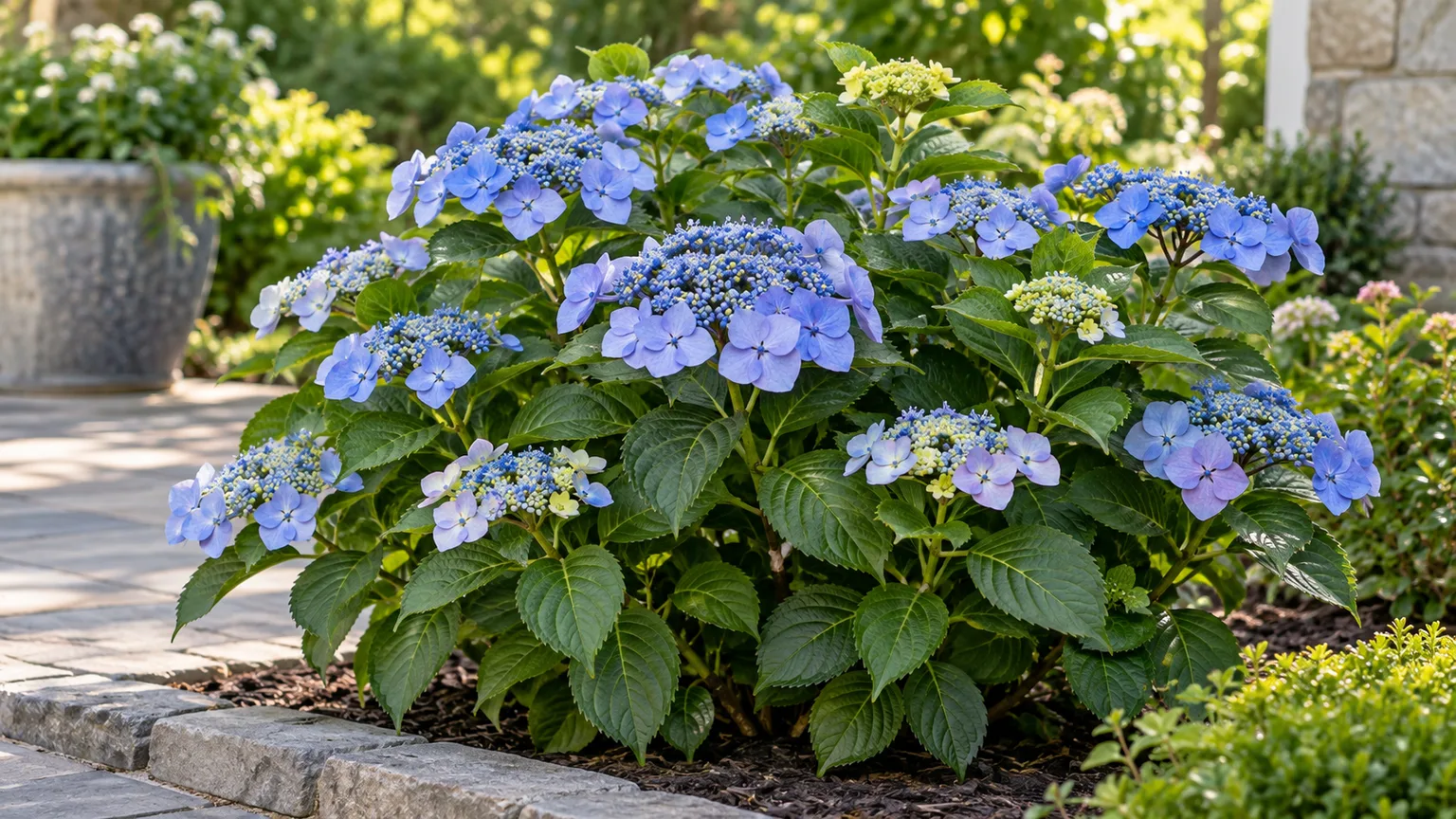
The narrow exception many gardeners know is bigleaf hydrangea flower color. Aluminum availability is part of the blue-flower equation, but flower color also depends on cultivar, soil conditions, and the plant’s genetics. Mississippi State University Extension explains the relationship and the limits of color-changing treatments (How to Change the Color of Hydrangeas). If your goal is simply to grow a blueberry, azalea, or gardenia, choose a less hazardous pH strategy and do not add aluminum sulfate because it sounds faster.
6. Acidic Organic Mixes and Pine Bark for Containers
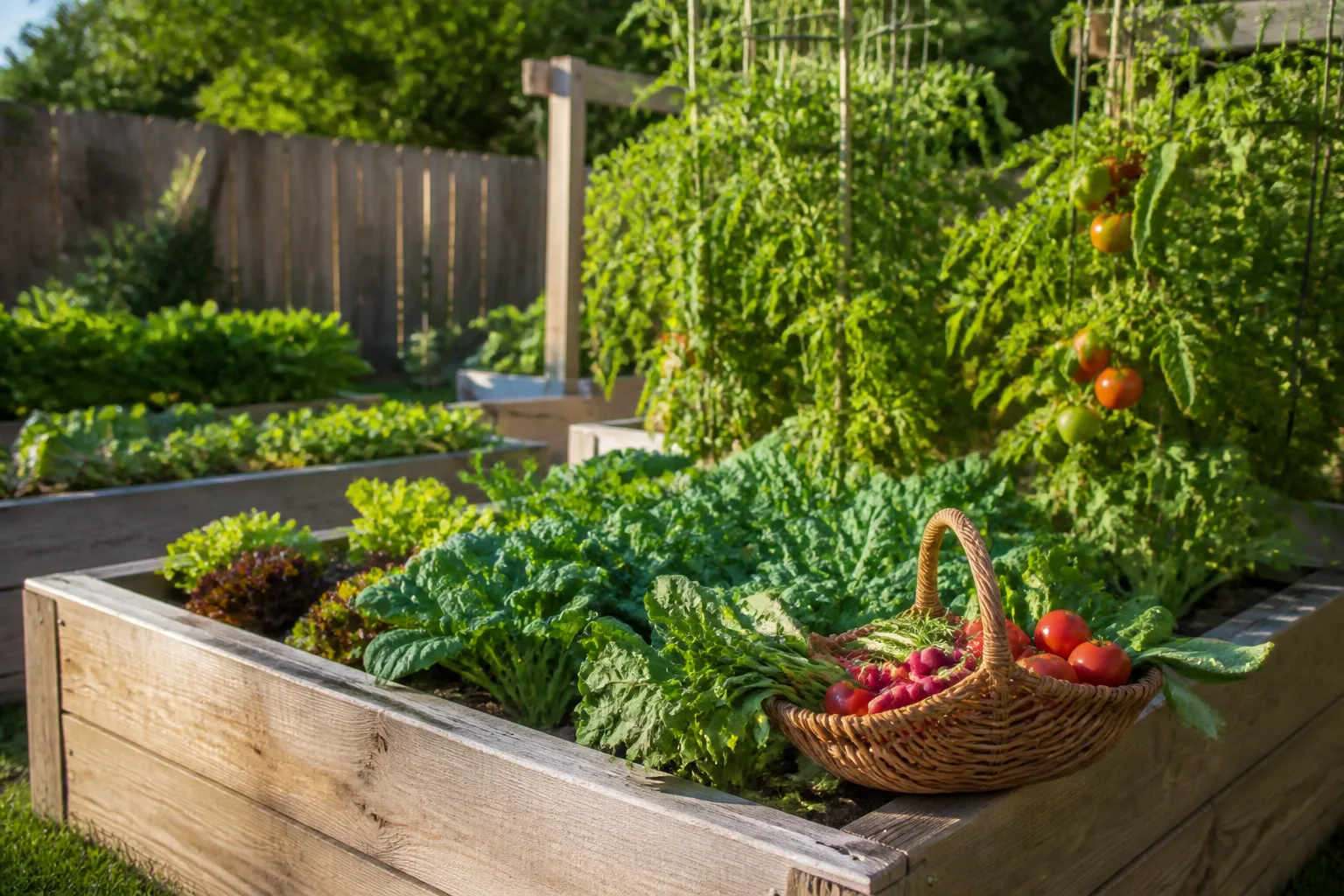
For a potted acid-loving plant, rebuilding the root zone can be more reliable than trying to acidify old mix with liquids. Use a commercial mix formulated for acid-loving plants or a well-draining blend that includes compatible organic components such as fine pine bark, then repot only when the plant’s condition and season make root disturbance reasonable.
This is a root-zone replacement, not a promise that pine bark will permanently lower the pH of a landscape bed. Choose a container with drainage, leave the crown at the same height, and do not compact the mix around the roots. After repotting, water thoroughly so the mix settles, then let the plant’s moisture needs—not a calendar—set the next watering.
For a raised bed, bark fines and organic matter can improve structure and root conditions, but they should not replace a pH test. Organic materials mature and decompose at different rates, so their effect on pH is less predictable than a measured amendment.
7. Manage Alkaline Irrigation Water in Containers
Hard or alkaline irrigation water can slowly push a small container root zone upward even when the starting potting mix was appropriate. If a soil or media test shows a pH drift and you see white mineral deposits on the pot, saucer, or soil surface, water chemistry may be part of the problem.
The practical fix is to test the water or use a known lower-alkalinity source, then choose a fertilizer or water-treatment plan appropriate for the plant. Do not add lemon juice or vinegar by guesswork: the liquid may briefly change the water in the can while doing little to the root-zone reserve, and concentrated acid can damage roots. If salt buildup is also present, occasional thorough flushing may help only when the container drains freely; it is not a remedy for a pot with blocked drainage.
What About Coffee Grounds, Compost, and Lemon Juice?
These materials are often presented as easy acidifiers, but their usefulness depends on the job. Treating them as a universal pH solution is how gardeners end up with crusted soil, nutrient imbalance, or a plant that is still growing in alkaline conditions months later.
Coffee grounds and compost
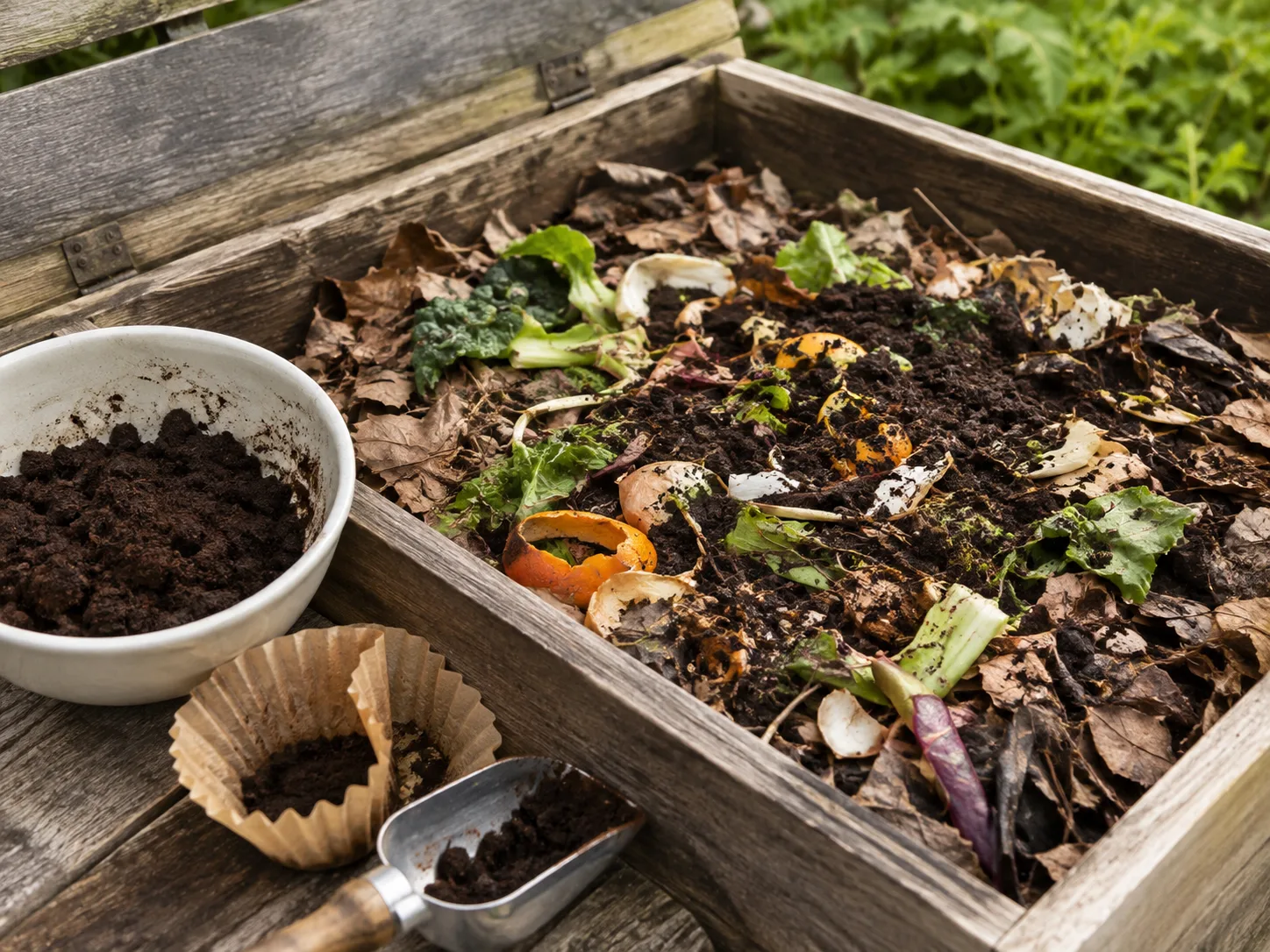
Used coffee grounds are not a dependable way to lower soil pH. They can contribute organic matter and belong in a balanced compost system, but their acidity changes with brewing and decomposition. If you use grounds, mix a modest amount into compost or soil rather than piling a thick, wet layer against stems. LeafyPixels’ coffee-grounds guide covers the practical difference between recycling grounds and trying to use them as fertilizer.
Finished compost is valuable for structure, moisture management, and biological activity, but mature compost is not a precision acidifier. Some composts are neutral or alkaline, especially if they contain a lot of manure or mineral material. Add it to improve the soil’s function, then use a tested amendment if the pH itself needs to move.
Lemon juice is a water correction, not a soil strategy
Lemon juice can make irrigation water test acidic immediately, but soil has buffering capacity and can neutralize a small amount of household acid. The effect is short-lived and difficult to dose without knowing the water’s alkalinity. Repeated unmeasured applications can also create an uneven root zone or add organic residue.
Use citrus juice only as a measured water experiment for a container when you know the starting water chemistry and have a reliable way to verify the result. For garden beds, use a soil test and an amendment designed for soil. Vinegar, baking soda, and Epsom salt are not safer substitutes: Epsom salt does not lower pH, while baking soda raises sodium and pH.
A Safer Application Sequence
Once you know the plant’s preferred range and the soil test confirms a need, use this sequence:
- Map the root zone. Decide whether you are treating a whole bed, a planting pocket, a raised bed, or a container. Keep different plant preferences separated when possible.
- Choose one main lever. Start with sulfur for a planned long-term change, iron sulfate for a targeted faster correction, or a new acid-loving mix for a container. Do not stack several acids because the first one feels slow.
- Follow the test and label. Use the lab’s amendment recommendation where available, and use the product label for application rate, protective equipment, storage, and crop restrictions.
- Apply evenly to moist, workable soil. Avoid concentrated bands against stems, exposed roots, or the crown. Incorporate only as deeply as the plant’s roots and the product guidance allow.
- Water and watch. Keep moisture consistent, but do not turn an amendment into a saturated root zone. Record the date, material, rate, and weather so you can interpret the plant’s response.
- Re-test before repeating. Wait through the method’s expected reaction period. A second application should be a measured correction, not a reaction to impatience.
Common Mistakes That Keep Soil Too Alkaline—or Push It Too Far
The most common mistake is acidifying a plant that does not need acidic soil. A yellow leaf is a symptom, not a pH test. Check moisture, drainage, roots, pests, light, and fertilizer history before changing chemistry.
The next mistake is treating pH as uniform. A planting hole, the soil under mulch, and the soil a few feet away may have different organic matter and limestone content. Amend the area that actually contains the roots, and do not let an acid-loving planting pocket drain into a bed of plants that prefer a higher pH without considering the effect.
Overapplying fast products is another avoidable failure. Aluminum sulfate and iron sulfate are not “more effective” because they work quickly; they are simply less forgiving. Ammonium sulfate can supply too much nitrogen, and any soluble fertilizer can increase salt stress when the soil is dry or drainage is poor.
Finally, do not judge success by one new leaf or by a single pH strip. Plant response lags behind soil chemistry, and a leaf that stays green after iron treatment does not prove the root zone is balanced. Record the test, the application, new growth, soil moisture, and any recurrence of chlorosis.
How to Tell Whether the Fix Is Working
The strongest evidence is a repeat soil or media test that moves toward the plant’s target range without overshooting it. The next best evidence is healthy new growth, normal moisture behavior, and the gradual disappearance of a pH-related symptom after other causes have been ruled out.
If new leaves remain yellow between the veins, check whether the pH actually changed and whether the roots are healthy. In compacted or waterlogged soil, iron may remain unavailable even after you add an iron product. If pH is now in range but chlorosis continues, stop adding acid and investigate drainage, root damage, pests, or a different nutrient issue.
Do not expect a whole established landscape bed to become permanently acidic after one treatment. Rain, irrigation water, plant residues, fertilizer, and the minerals in the native soil keep changing the root zone. A good plan may be a seasonal test, modest maintenance, mulch that protects moisture, and a separate bed for plants with genuinely different chemistry needs.
Conclusion
The best way to make soil more acidic is not the fastest liquid you can pour into a watering can. It is the method that matches the plant, the root zone, the soil’s buffering capacity, and the amount of time you have. For most planned garden corrections, test-guided elemental sulfur is the durable starting point; iron sulfate can help with a quicker targeted response, while acid-forming fertilizer, a purpose-built container mix, or better irrigation water may solve a narrower problem.
Test first, change one variable at a time, and re-test before repeating. That slower approach protects roots, avoids unnecessary aluminum or fertilizer salts, and gives acid-loving plants a stable root zone instead of a short-lived pH swing.