6 Yard Pest Attractants to Remove This Summer
Find six common yard pest attractants—from standing water to pet food—and learn the first fix for each to reduce mosquitoes, roaches, ants, and rodents.
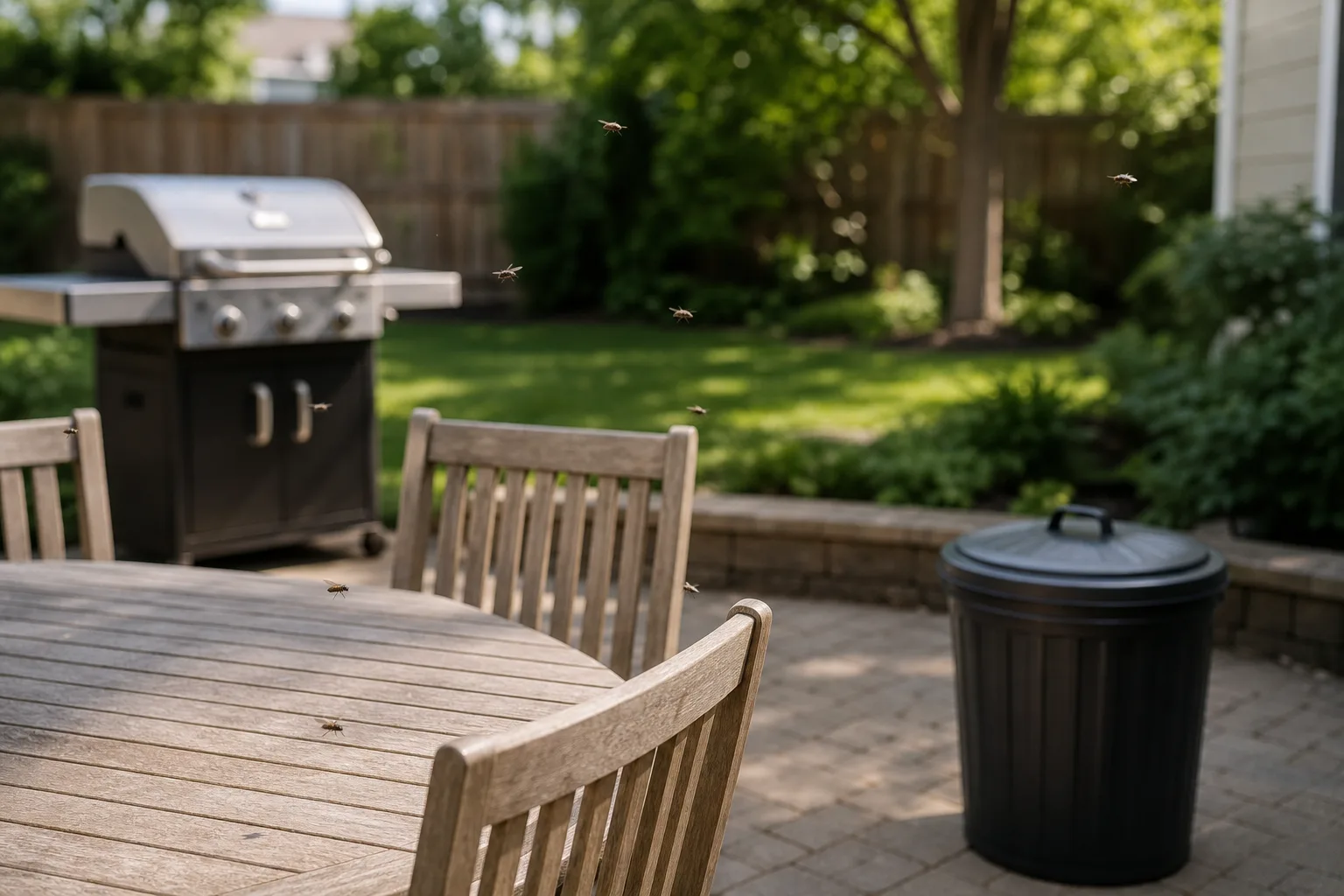
If roaches, ants, flies, mosquitoes, or rodents keep appearing outdoors, start by looking for what your yard is providing. Most pest pressure comes back to three resources: food, water, and shelter. A grill with grease, a flowerpot saucer after rain, or a stack of boxes in a shed can supply one or more of them without looking like a pest problem.
That does not mean a tidy yard will be pest-free. Wildlife moves through gardens, beneficial insects belong there, and weather can push pests toward homes even when a property is well maintained. The useful goal is narrower: remove the easy, repeatable resources close to patios, doors, garages, sheds, and outdoor feeding areas so pests have fewer reasons to settle in.
How ordinary yard clutter becomes a pest resource
Pests do not respond to the label on an object; they respond to its conditions. A clean birdbath can be a water source, a fallen log can be valuable habitat, and a closed compost bin can be a responsible garden tool. The risk rises when an object holds moisture, food residue, or a dark undisturbed gap for days at a time.
The fastest way to prioritize cleanup is to ask three questions: Can this hold water? Can it smell or contain food? Can an animal hide under, inside, or behind it? An item that answers “yes” to two or three questions deserves attention before a harmless-looking decorative object that answers “no” to all three.
Why the same fix will not work for every pest
Standing water is mainly a mosquito-management problem, although damp edges can also support other insects. Pet food, grease, fallen fruit, and unsealed garbage are stronger food signals for ants, flies, cockroaches, rats, and mice. Woodpiles, cardboard, dense vegetation, and leaf litter are mainly shelter, but shelter becomes much more attractive when it stays damp.
That distinction matters because spraying adult insects does not drain a mosquito nursery, and removing a food bowl will not seal a hole under a shed. Think in layers: remove the resource, make the area less comfortable, and then address entry points or an established population if activity continues.
1. Standing water in containers, covers, and low spots
This is the first thing to check after rain. Mosquito larvae can develop in birdbaths, plant saucers, buckets, toys, clogged gutters, tarps, grill covers, tree holes, and other objects that hold nearly still water. The UC Statewide Integrated Pest Management Program notes that even a very small amount of standing water can support larvae, and in warm summer conditions some species can complete their life cycle in a week or less.
Walk the yard at eye level with containers, not just across the lawn. Water may sit in the fold of a cover, the bottom of a wheelbarrow, the rim of an upside-down pot, or a shallow depression where irrigation collects. If you can safely empty the object, do it immediately; if it repeatedly holds water, change the object or fix its drainage rather than relying on memory.
The best mosquito control is usually source control. Empty and store buckets upside down, drill or repair drainage where appropriate, remove unused toys, stretch tarps so they do not sag, clear gutters and downspouts, and fix low spots that stay wet. The goal is not to make every garden surface dry; it is to stop small, stagnant reservoirs from surviving long enough to produce new adults.
Empty it, drain it, or make it intentionally managed
Some water features are part of the garden and should not simply be drained. For a birdbath, replace the water at least weekly and scrub the basin when it becomes slimy. Pet dishes and livestock troughs need a regular refresh as well, especially during hot weather when algae, insects, and debris build up quickly.
Rain barrels and ponds need a different approach. Seal rain-barrel openings with a suitable screen or lid, keep filters free of debris, and inspect for leaks. In a pond or water garden, use circulation, maintain water quality, and choose any larvicide only after checking the product label and whether it is appropriate for that specific water feature. The UC IPM guidance identifies Bacillus thuringiensis israelensis products as a larval control option for certain situations, but a label is not interchangeable with general internet advice.
Do not treat every puddle with a chemical just because mosquitoes are annoying. Drainage, covering, cleaning, and a weekly inspection usually have a clearer benefit and fewer non-target effects. If mosquito activity remains intense after obvious breeding sites are removed, contact your local mosquito or vector-control agency; nearby properties, storm drains, and natural water can contribute to the problem.
2. Wet leaves, grass clippings, and unmanaged compost
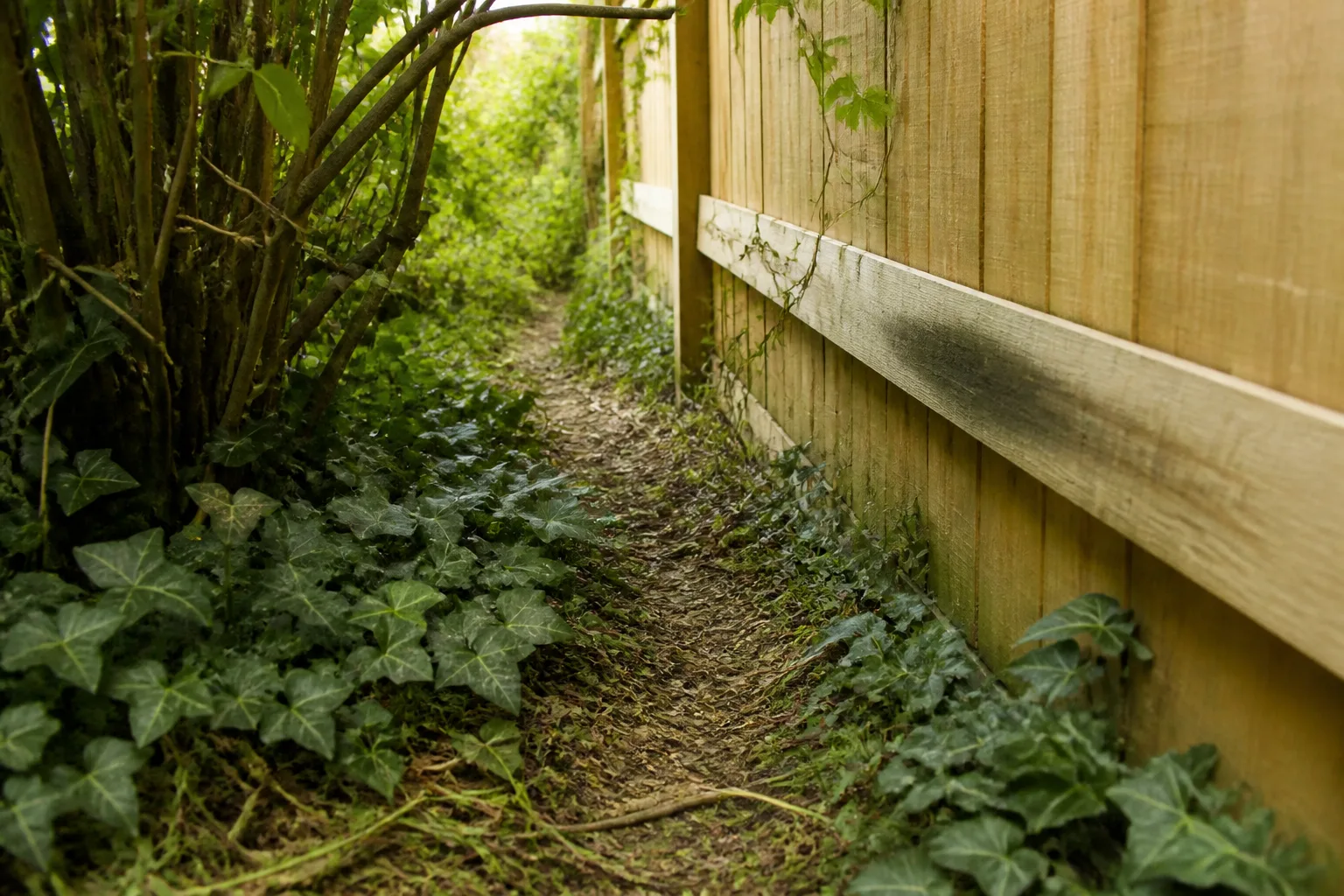
Organic matter belongs in a yard, but piles of wet leaves, thick grass clippings, fallen fruit, and damp debris create a cool, protected layer where insects and rodents can forage or hide. Grass clippings left in a dense mat can stay wet against soil and patios. Fallen fruit can become a concentrated food source, while debris tucked under a deck or shed creates a quiet travel route.
The UC IPM rat guide specifically recommends removing garden debris and fallen fruit, keeping garbage covered, and tidying off-the-ground storage. It also notes that rats may burrow beneath compost piles or garbage cans. That is a more useful warning than “remove all mulch”: good mulch can protect soil and plants, while a neglected pile against a wall can become a hiding place.
Clear clippings from paved areas after mowing, collect fallen fruit before it softens, and pull wet leaves away from doors, foundation vents, and the bases of sheds. Under shrubs, keep enough open ground to see whether droppings, runways, burrows, or gnawing are appearing. You are not trying to sterilize the landscape; you are removing the concealed, undisturbed pockets closest to people and buildings.
Keep compost useful without making a refuge
Compost should be managed, not abandoned. Use a bin with a secure lid or a well-built enclosure, keep fresh food scraps covered with dry carbon material, and avoid placing the pile directly against the house, garage, or shed. If you see repeated burrows underneath, move the system after checking local composting guidance and eliminate the food source that is drawing animals to it.
You can also make the garden less attractive to rodents by thinning dense vegetation near structures and keeping vines from creating a hidden bridge to the roof. The recommendation is not to remove every shrub or native planting. It is to create a visible, inspectable gap around buildings so a pest cannot move from ground cover to a wall, vent, or doorway without being noticed.
Pest prevention also does not require killing every insect you see. Savvy Gardening makes the useful point that a healthy garden can support beneficial insects that help keep plant-eating pests in check. Remove concentrated waste and shelter near the home, but keep flowering plants, healthy soil, and reasonable habitat where they serve the garden rather than the pest problem.
3. Grills, outdoor tables, and leftover grease
A grill can be a pest attractant even when no food is visible. Grease on the grates, drip tray, side shelves, handles, and the paving beneath the grill provides odor and residue that ants, flies, wasps, and rodents can investigate. A sticky outdoor table can do the same, particularly after a sweet drink spills and dries.
Clean the parts that collect residue, not just the cooking surface. Empty or replace a grease tray before it overflows, wipe the table after meals, rinse reusable serving dishes, and sweep crumbs from the deck or patio. Covering the grill helps protect it from rain and debris, but a cover does not make old grease disappear; clean before covering and inspect underneath after wet weather.
Timing matters. A quick wipe after a cookout is more valuable than a heroic deep clean after several nights of residue and insect activity. If a grill is next to a wall, dense shrub, or trash bin, give it enough clearance to inspect behind and beneath it. That small change can reveal trails, droppings, nesting material, or a leak that would otherwise go unnoticed.
Avoid spraying insecticide on cooking surfaces or using an unapproved household cleaner where food is prepared. For a persistent wasp nest, rodent problem, or heavy fly population, identify the source first and follow the product label or seek professional help rather than fogging the entire patio.
4. Firewood stacked on the ground or beside the house
Firewood is supposed to provide shelter for people, not for carpenter ants, termites, spiders, beetles, mice, and other animals. Wood that sits directly on damp ground has poor airflow and is more likely to stay wet. A stack pressed against siding or a garage also creates a concealed strip where pests can move from the pile to the building.
Purdue Extension recommends keeping firewood at least 3 feet from a building and stacking it off the ground when possible to improve air circulation and drying. Its firewood guidance also warns that firewood should not be treated with insecticides because the wood will later be burned. The practical takeaway is simple: change the storage setup instead of trying to chemically sterilize the pile.
Do not bring an entire season’s supply indoors. Bring in only what you expect to burn within a day or two, inspect pieces as you carry them, and leave questionable wood outside. Do not move firewood long distances unless local rules allow it; transporting wood can spread wood-boring pests and tree diseases to new areas.
Build a safer summer firewood setup
Use a stable rack, concrete blocks with a suitable support, or another structure that keeps the lowest pieces above the soil. Leave open space beneath and around the stack so rain and air can move through, and use a cover that sheds rain while leaving the sides open enough for ventilation. Keep the pile away from the foundation, doors, windows, and dense vegetation.
The stack does not need to be immaculate. You are looking for a dry, visible, accessible arrangement rather than a tight wall of logs hidden behind a shed. During a weekly inspection, lift or move a few pieces with gloves and look for ants, mud tubes, frass, gnawing, droppings, or a damp, collapsing base.
If firewood is the only place you see a few harmless insects, that is not automatically an infestation. If insects are emerging indoors, the pile is wet and decayed, or you see signs of termites or carpenter ants on the building, arrange a local inspection before applying any product.
5. Cardboard boxes and loose paper in sheds
Cardboard is convenient storage and poor long-term outdoor furniture. In a shed, garage, or covered porch, stacked boxes can stay damp, collapse into dark layers, and remain undisturbed for months. Those conditions provide shelter for cockroaches, spiders, silverfish, rodents, and other pests even when the box started out clean.
The issue is not that cardboard magically summons roaches. It is that cardboard creates a dark, layered hiding place and can retain food smells or moisture. A practical industry explanation from HiCare identifies cardboard clutter, unsealed trash, pet food, and damp spaces as common cockroach attractants; the useful part of that advice is the focus on conditions rather than superstition about one material.
Do not store moving boxes directly on the floor or against a damp wall. Break down clean boxes for recycling, discard boxes that are wet, greasy, or showing droppings, and move seasonal items into hard-sided containers with lids when the storage area is pest-prone. Leave a narrow inspection gap around walls so you can see leaks, frass, droppings, and insect skins.
Cardboard can still be useful for short-term packing or sheet-mulch projects, but keep it dry and purposeful. Once it becomes a permanent pile that nobody moves, it has crossed from useful material into shelter.
6. Outdoor food, birdseed, and trash
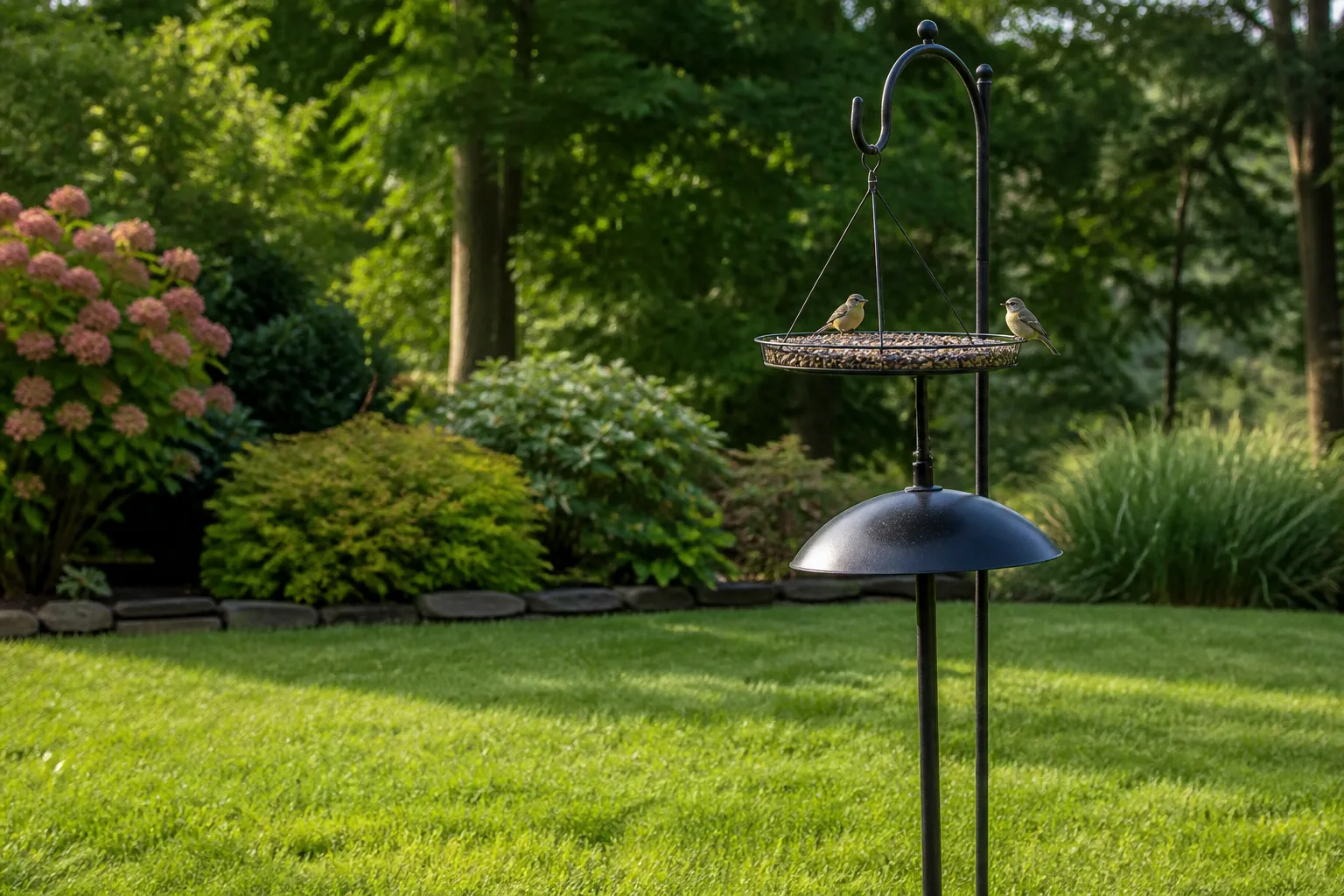
Outdoor food is the most obvious resource and one of the easiest to overlook because it often arrives in small amounts. A pet bowl left overnight, seed scattered beneath a feeder, fruit fallen from a tree, greasy paper towels, and an open trash can can feed different pests on the same property. Ants and flies find residue quickly; rodents take advantage of a predictable meal; cockroaches use food and moisture together.
The UC IPM rat guidance recommends feeding pets only the amount they will eat at one feeding, bringing food inside at night, storing pet food in rodent-resistant containers, and keeping garbage in containers with tight-fitting lids. It also recommends cleaning food residue from receptacles, whether they are full or empty. That last detail matters: a nearly empty bin can still smell like grease or meat.
Bird feeding is a judgment call, not an automatic mistake. If you feed birds, choose a feeder that limits spillage, use a tray or catchment that you can clean, sweep beneath it regularly, and avoid placing it beside a door, window, shed, or dense shrub where rodents can hide. Pause feeding temporarily if you are seeing repeated rat activity and local wildlife guidance supports doing so.
Use a five-minute food-and-bin reset
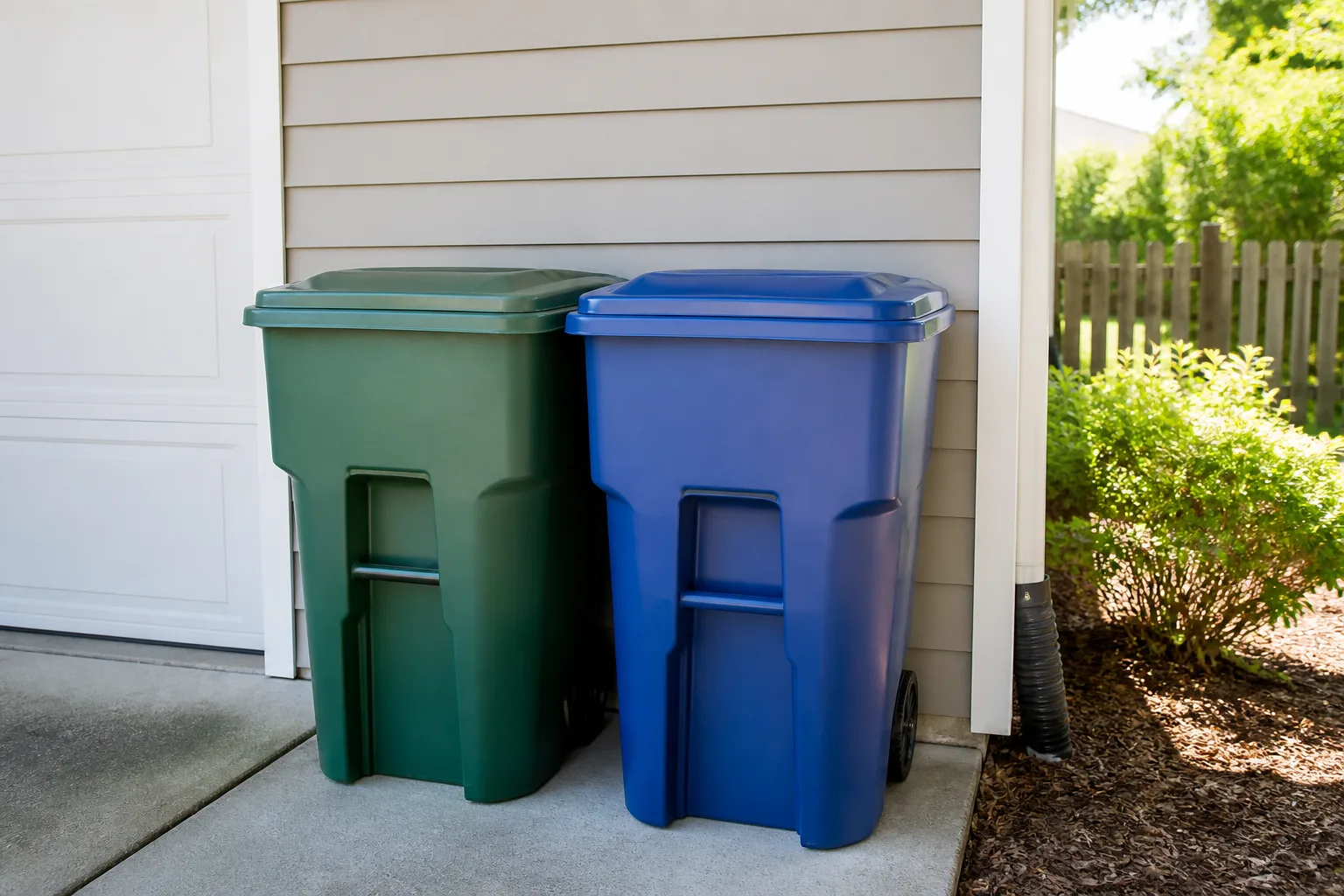
At the end of the day, run this short sequence:
- Bring pet bowls inside, or wash and empty them if they must remain outside.
- Sweep spilled birdseed and collect fallen fruit near patios, sheds, and feeding areas.
- Rinse food residue from outdoor trash or recycling containers when needed.
- Replace cracked or ill-fitting lids; secure the lid so wind and animals cannot open it.
- Store bags of seed, pet food, and treats in a hard-sided, closed container.
Keep bins on a hard, inspectable surface instead of in a tangle of shrubs or against a shed wall. If the bottom of a bin leaks, the lid does not close, or a rat can burrow beneath it, replacement or relocation is more useful than adding a scent-based repellent. Clean the area around the bin as well; spilled liquid and food scraps can keep attracting pests after the container itself is closed.
The same logic applies to a picnic table, outdoor refrigerator, or poolside snack station. Empty cans, fruit peels, and used paper products belong in a closed receptacle promptly. If you host a cookout, do a final sweep before dark rather than waiting for the next morning.
Run a 15-minute weekly yard pest inspection
A short inspection prevents small attractants from becoming permanent habits. Walk a consistent route from the front door to the patio, grill, bins, shed, woodpile, compost, garden beds, and fence line. Check the spaces people usually skip: under covers, behind bins, beneath decks, around downspouts, inside pot saucers, and along the foundation.
Use this order so you fix the highest-value resources first:
| Check | Look for | First action |
|---|---|---|
| Water | Puddles, saucers, tarps, clogged gutters, leaking hoses | Drain, cover, repair, or manage according to the label |
| Food | Bowls, birdseed, fallen fruit, grease, open trash | Remove residue and move food into sealed storage |
| Shelter | Wet debris, cardboard, woodpiles, dense growth | Clear, raise, thin, or relocate so the area can be inspected |
| Access | Gaps under doors, vents, screens, foundation openings | Repair screens, add sweeps, and seal appropriate openings |
Take a photo of anything you cannot fix immediately and write down where it is. A forgotten sagging cover that repeatedly holds water is easier to solve when you know which object to replace. The goal is a repeatable maintenance loop, not a one-time purge followed by the same conditions next month.
What to do when you find evidence
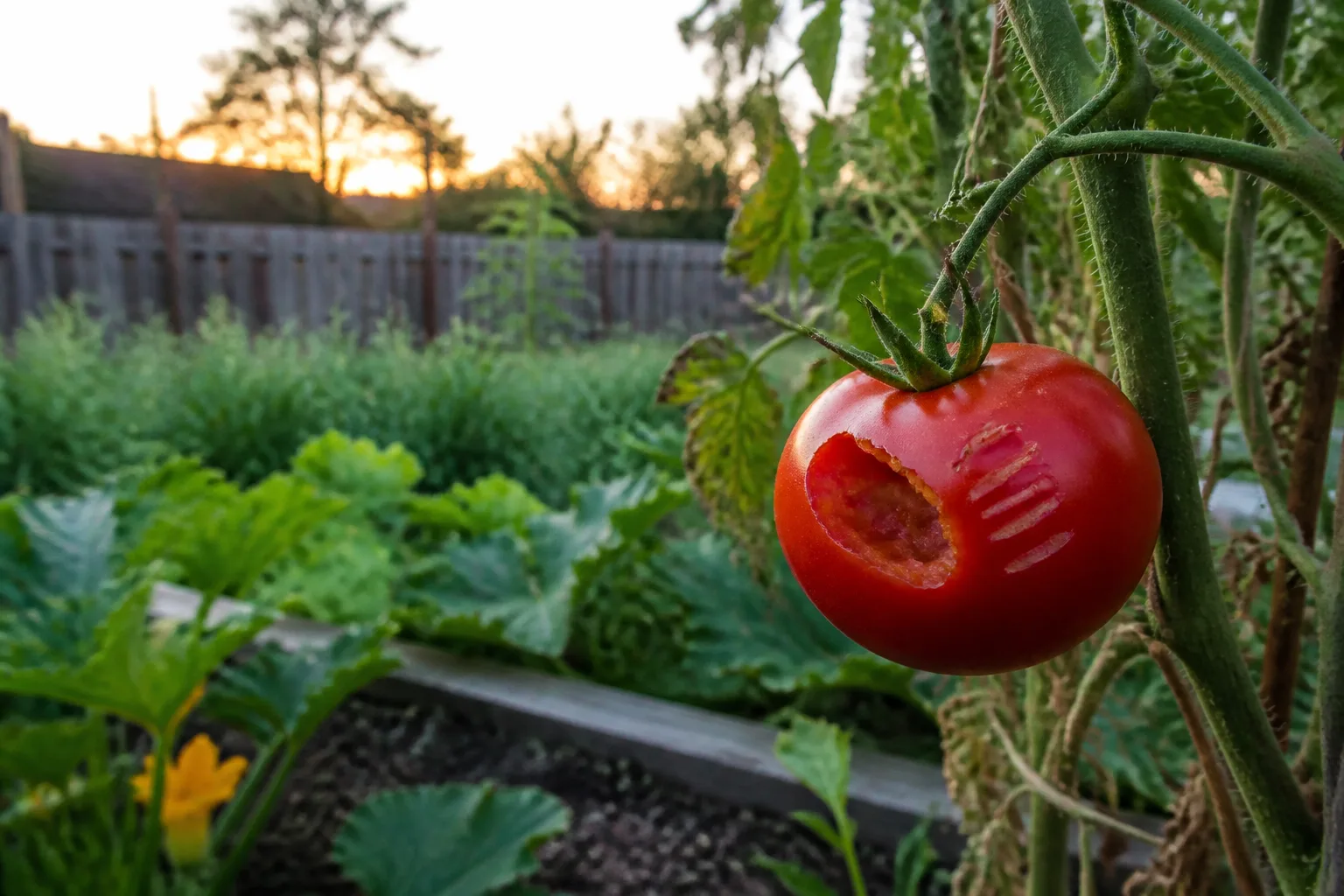
Look for patterns instead of chasing one insect. A few ants around a flowering plant may be normal; an indoor-facing trail that begins at a leaking hose or food spill deserves cleanup and monitoring. A single mouse sighting is different from droppings, gnaw marks, nests, burrows, or repeated movement along a fence.
Do not disturb rodent droppings or nests with a dry broom or leaf blower. Keep children and pets away, use appropriate protective measures, and follow local public-health guidance for cleanup. If droppings recur after food and shelter are removed, the animal is entering a building, or you find a nest near wiring, call a qualified pest professional.
When yard cleanup is not enough
Sanitation reduces the reasons pests stay, but it cannot prevent every pest from crossing a property. A neighboring compost pile, leaking irrigation line, storm drain, wooded lot, shared wall, or naturally wet area can keep supplying pressure. Some pests also arrive inside firewood, packages, plants, or outdoor furniture.
The University of California San Diego rodent-prevention guidance treats exclusion as part of prevention: repair gaps, improve storage, and remove food and water rather than relying on one treatment. The Fine Gardening guide to protecting gardens from hungry critters likewise emphasizes combining physical barriers and habitat changes instead of expecting one repellent to solve every wildlife problem.
Escalate when the evidence says you have an established problem. Repeated droppings, gnawing, nests, burrows, indoor sightings, a damaged electrical cable, a persistent mosquito source you cannot drain, or a nest near a doorway all justify expert help. Identification matters: the right response for roof rats, Norway rats, ants, cockroaches, and mosquitoes is not interchangeable.
Choose the safest next step
If you use a pesticide, larvicide, or rodenticide, choose a product registered for the intended site and pest, follow the label, and keep it away from children, pets, wildlife, food, and water unless the label specifically allows that use. Rodenticides deserve extra caution: UC IPM notes that all rodenticides are toxic to non-target species, pets, and people. Do not scatter bait around a yard as a substitute for sealing entry points and removing food.
Routine broad-spectrum spraying can also harm beneficial insects and leave the resource problem untouched. Start with drainage, cleanup, storage, and exclusion; then use targeted treatment only when the pest is identified and the product is appropriate. If you cannot confidently identify the pest or the problem keeps returning, a licensed local professional can inspect the property and build a plan around the actual entry points and habitat.
Conclusion: Remove the easy resources first
The most useful summer pest routine is not a shelf of repellents. It is a weekly pass that drains standing water, clears wet debris, cleans food residue, raises and relocates firewood, replaces damp cardboard, and brings outdoor food inside before nightfall. Those changes remove the water, food, and shelter that make a yard worth revisiting.
Begin with the item that can support the fastest repeat cycle—usually standing water or an accessible food source—then inspect the nearby storage and building edges. If activity continues after the easy resources are gone, treat that as information rather than failure: look for an entry point, a hidden nest, or a source beyond your property, and get an appropriate inspection instead of adding more spray.



