Flowers Turning Brown: Causes and Safe Fixes
Getting houseplants to bloom indoors is tricky because homes rarely match native conditions. Flowers Turning Brown with Petals brown, dry, or rot before normal aging can mean the plant is too young, light is wrong, humidity shifted, or buds were stressed during shipping or repotting. Track weekly progress after you change care, and note watering, light, and repotting dates so you can tell whether the symptom is improving or returning. Compare upper versus lower leaves, new versus old growth, and soil moisture at root depth before you treat, because the same visible symptom can come from watering, light, pests, or normal aging on different plants.
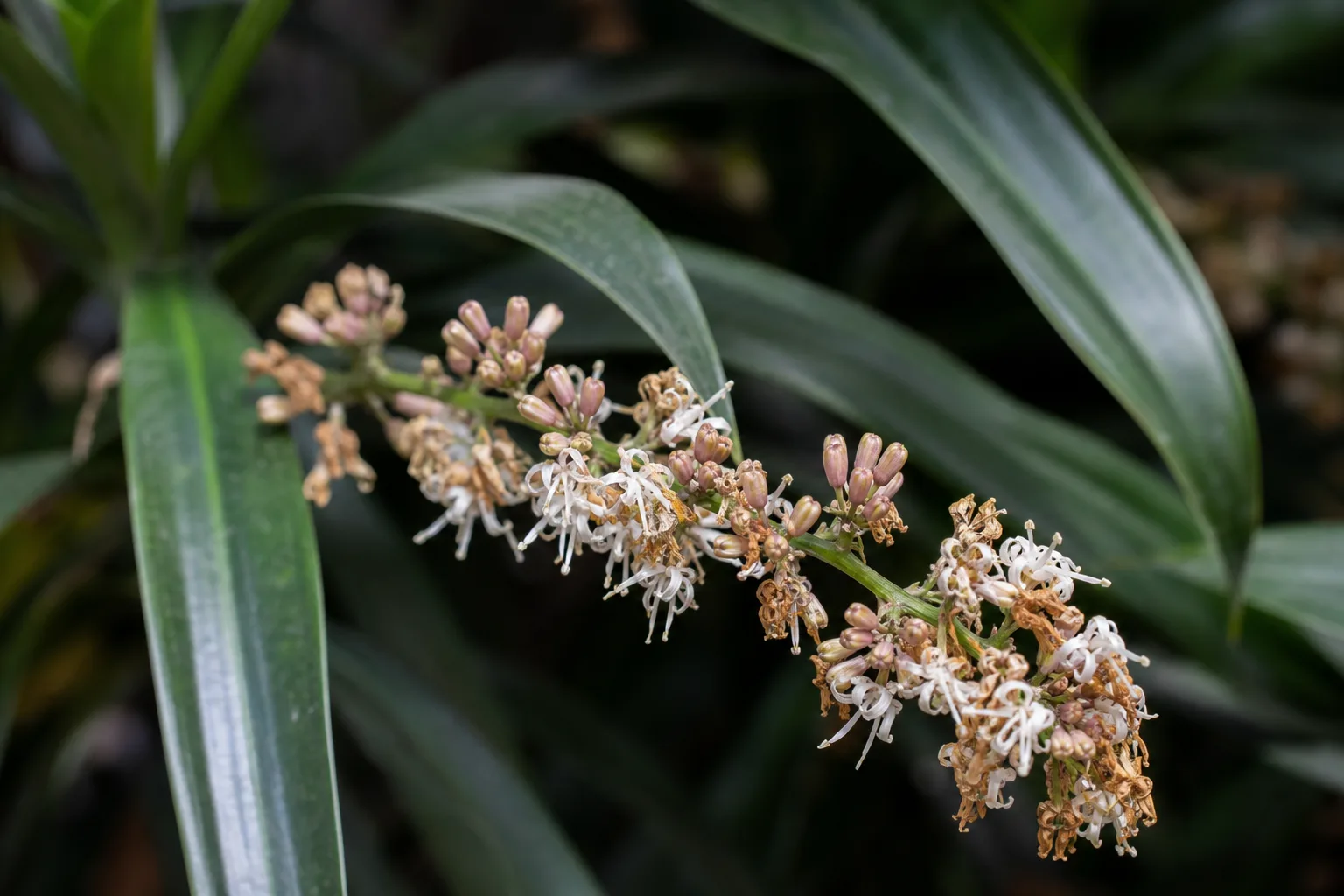
Flowers Turning Brown on Houseplants
Still unsure?Match your symptoms to the most likely problems in under a minute.Run diagnosis →Understand and fix flowers turning brown
Getting houseplants to bloom indoors is tricky because homes rarely match native conditions. Flowers Turning Brown with Petals brown, dry, or rot before normal aging can mean the plant is too young, light is wrong, humidity shifted, or buds were stressed during shipping or repotting. Track weekly progress after you change care, and note watering, light, and repotting dates so you can tell whether the symptom is improving or returning. Compare upper versus lower leaves, new versus old growth, and soil moisture at root depth before you treat, because the same visible symptom can come from watering, light, pests, or normal aging on different plants.
Overview
Getting houseplants to bloom indoors is tricky because homes rarely match native conditions. Flowers Turning Brown with Petals brown, dry, or rot before normal aging can mean the plant is too young, light is wrong, humidity shifted, or buds were stressed during shipping or repotting. Track weekly progress after you change care, and note watering, light, and repotting dates so you can tell whether the symptom is improving or returning. Compare upper versus lower leaves, new versus old growth, and soil moisture at root depth before you treat, because the same visible symptom can come from watering, light, pests, or normal aging on different plants.
How to identify it
- Buds form but drop before opening
- Plant has never bloomed despite years of care
- Flowers fade quickly after opening
- Recent repot, move, or dry air episode preceded bud drop
- Plant is still juvenile for its species
When to worry
All buds drop after a big environmental shock while roots are wet-check for rot and drafts, not just light.
Common causes
Insufficient bright light
Many bloomers need brighter light than foliage-only plants. Dim spots prevent bud formation entirely.
Inconsistent watering during bud set
Letting soil dry completely or staying too wet while buds form causes Flowers Turning Brown.
Dry air and drafts
Heat vents and air conditioning dry buds quickly, especially on orchids and holiday cacti.
Recent repotting or relocation
Bud drop is common after stress-even if long-term the move was beneficial.
Step-by-step fix
Confirm the plant is mature enough to bloom
Some species need years or specific size before flowering indoors.
Increase bright indirect light
Move closer to a window or supplement with grow lights during bud formation.
Stabilize watering and humidity
Keep soil evenly moist for budded plants; avoid soggy or bone-dry swings.
Avoid moving or repotting while buds form
Wait until after the bloom cycle to repot or change rooms.
Use appropriate bloom fertilizer if needed
Phosphorus-forward feed at half strength during bud set for heavy bloomers-only during active growth.
Prevention tips
- Research species-specific bloom triggers before buying
- Keep humidity steady around budded plants
- Do not repot while buds are visible
- Provide winter cool period for plants that need it to set buds
- Document which leaves show symptoms first and whether the soil is wet, dry, or compacted before changing multiple variables at once.
Common mistakes
- Repotting when buds appear hoping for 'more energy'
- Placing bloomers in low-light corners
- Over-fertilizing with nitrogen, which pushes leaves over flowers
Brown flower tissue is dead tissue, but that fact alone does not reveal why it died. A bloom may brown because it completed its normal lifespan, dried in hot sun, lost water after root stress, bruised against a window, was fed on by thrips, or developed a petal blight such as Botrytis. The correct response ranges from simple deadheading to isolation and disease management.
Start with what you can observe without disturbing the plant: Which blooms are affected? Are they the oldest? Is the tissue dry and crisp, soft and water-soaked, spotted, or distorted? Does damage face the window, begin at petal edges, or spread from the flower center? Are nearby buds, leaves, stems, and roots healthy?
Avoid diagnosing from “brown” alone. Brown is the final color of many unrelated injuries. Pattern, texture, timing, and context are what turn it into useful evidence.
This guide ranks causes with a home-triage method based on bloom age, tissue texture, damage distribution, recent conditions, and whole-plant health. It synthesizes extension-service and horticultural guidance, but visual clues cannot confirm a pathogen. Isolate the plant and seek local diagnostic help when soft lesions spread quickly, gray growth appears, several nearby plants develop similar symptoms, or treatment would require a pesticide you cannot confidently select and apply from its label.
Quick Answer: The Main Reasons Petals Brown
The most common cause groups are:
- Normal flower aging: oldest blooms discolor, dry, and fall while newer flowers remain healthy.
- Water loss: dry roots, hot air, or strong airflow desiccates petals and margins.
- Root dysfunction: saturated or decayed roots cannot supply flowers effectively.
- Light and temperature injury: hot direct sun, cold glass, or abrupt temperature swings damage exposed tissue.
- Prolonged petal wetness: cool, humid, stagnant conditions favor Botrytis and other decay.
- Pest feeding: thrips and other insects scar, distort, or brown flowers.
- Physical or chemical injury: handling, rubbing, sprays, fertilizer splash, or cleaning products injure delicate petals.
More than one factor may operate together. A wet root ball in low winter light can weaken the plant while wet petals and stagnant air favor disease. A hot window can both scorch flowers and dry the pot faster. Look for a chain of evidence rather than forcing one label onto every symptom.
Before intervening, count affected blooms and note their position. A one-sided pattern points toward a localized exposure such as glass, sun, airflow, or contact. Random scattered lesions can fit splash or pest activity. A sequence that follows flower age supports senescence. Distribution is often more diagnostic than color intensity.
Begin With Bloom Age and Tissue Texture
Map the symptom before changing care. On a spike or cluster, identify the order in which flowers opened. Normal decline typically follows that order. If the first-opened flower browns first and unopened buds continue normally, senescence is a strong explanation. If every bloom develops lesions at once, age is not enough.
Next, touch only if necessary and use clean hands. Crisp brown margins suggest desiccation, heat, sun injury, or normal drying. Soft, translucent, or water-soaked tissue raises concern about chilling, physical collapse, or rot. Discrete spots that enlarge under humid conditions are more consistent with a pathogen than uniform edge drying.
Check both sides of petals and look inside the flower with magnification. Thrips hide in tight spaces. Gray fuzzy growth is a disease sign, while tan spots alone are a symptom with several possible causes.
Mark the edge of a lesion in a photograph and compare it 24 hours later. Infectious or continuing environmental damage often expands; a bruise or one-time splash injury may remain sharply limited. Keep conditions stable during that comparison. If you move, spray, prune, and water simultaneously, any change becomes difficult to interpret.
Dry, Soft, Spotted, or Distorted?
| Flower symptom | Leading possibilities | Confirmation clues |
|---|---|---|
| even drying on oldest bloom | normal senescence | younger flowers remain normal |
| crisp brown margin on exposed side | heat, direct sun, dry airflow | aligns with window or vent |
| limp or crisp entire display | root-zone water stress | pot and roots corroborate |
| soft brown tissue | chilling, wet injury, decay | recent cold or prolonged wetness |
| expanding tan/brown spots | Botrytis or another blight | humidity, petal wetness, gray growth |
| streaks, distortion, black specks | thrips | insects found by tapping or magnification |
| isolated crease or bruise | physical injury | contact point, no spread |
This table prioritizes inspection; it does not replace a laboratory diagnosis. Several causes produce similar early lesions. If a high-value plant is declining rapidly, send tissue through a local extension diagnostic service instead of repeatedly applying products.
Normal Senescence and Harmless Browning
Flowers are designed to age. After their reproductive or display function, cellular processes change, petals lose water and structural integrity, pigments break down, and tissue browns. The exact sequence varies by species and whether the flower was pollinated.
A plant bought in full bloom may already be late in its cycle. The display is new to your home, not biologically new. Transport and acclimation can shorten what remains, but older flowers browning while the plant stays firm is not a crisis.
Normal aging is most convincing when:
- only the oldest flowers are affected;
- browning progresses gradually and fairly evenly;
- petals are dry rather than slimy;
- new buds open with normal shape and color;
- leaves and roots show no decline; and
- the symptom does not jump to young tissue.
Deadhead if the species benefits or the flowers are unattractive. Leaving one dry old flower briefly is usually not harmful, but fallen and decomposing petals should not accumulate on moist media.
Heat, Direct Sun, Cold, and Dry Air
Petals are thin and can be damaged by conditions the foliage survives. Direct sunlight through glass may heat flowers sharply, particularly after a plant has been grown or displayed in lower light. Bleaching may appear before browning; later, exposed areas become papery.
The University of Maryland Extension indoor-light guide explains how window orientation, seasonal sun angle, and distance strongly alter plant-level light. If only the window-facing petals brown, light and heat deserve attention. Acclimate plants gradually rather than moving them abruptly from shade to hours of direct sun.
Forced air increases water loss. A heating register can dry petal margins while the rest of the room seems comfortable. Air conditioning may combine fast airflow with chilling. Move flowers out of the direct stream, but do not eliminate all circulation; gentle airflow helps surfaces dry.
Cold injury often produces dark, translucent, or collapsed tissue after contact with glass, transport, or a draft. The timing may lag behind the event. Review the previous several days, not just current conditions.
Avoid universal temperature prescriptions. A cool-growing orchid and a tropical hibiscus differ. Use plant-specific guidance, then prevent abrupt extremes around the recommended range.
Watering Problems and Root Failure
A flower cannot stay hydrated when its root-to-stem water pathway fails. Dry media can cause loss of turgor and crisp browning. Persistently saturated media can injure roots, leading to wilting and browning even though water is abundant in the pot.
Check moisture below the surface and assess pot weight. Look inside decorative cachepots for standing water. If decline persists, inspect roots: healthy roots are generally firm; rotted roots often become brown or black, soft, and may lose their outer tissue. Root appearance varies by species, so compare with reliable plant-specific references.
The Missouri Botanical Garden’s indoor-plant problem guidance emphasizes interacting environment and culture. Water use changes with light, temperature, container size, root health, and mix structure. A weekly schedule cannot account for those shifts.
If the root ball is dry but roots are sound, water evenly until excess drains. If mix stays wet, stop calendar watering and correct drainage or environmental causes. Do not repeatedly give small sips, and do not add water to a wet, wilting plant.
Too Dry and Too Wet Can Converge
Both extremes reduce water delivery to flowers, but supporting clues differ.
With drought, the pot is light, mix is dry at root depth, leaves may lose firmness, and petal margins often crisp. After proper rehydration, leaves may recover firmness, but brown petals will not.
With chronic saturation, the pot remains heavy, leaves may yellow or remain limp, growth slows, and the mix may smell sour. Roots may be soft or discolored. Adding water because the flowers look dry can accelerate decline.
A hydrophobic mix complicates the distinction. Water may run down the container wall without wetting the central root ball. Verify moisture after watering rather than assuming drainage means complete hydration.
Repot only when the medium or roots require it. A flowering plant with manageable, healthy roots does not benefit from reflexive repotting. Severe rot, collapsed media, or a container without drainage may justify disturbing the bloom cycle to protect the plant.
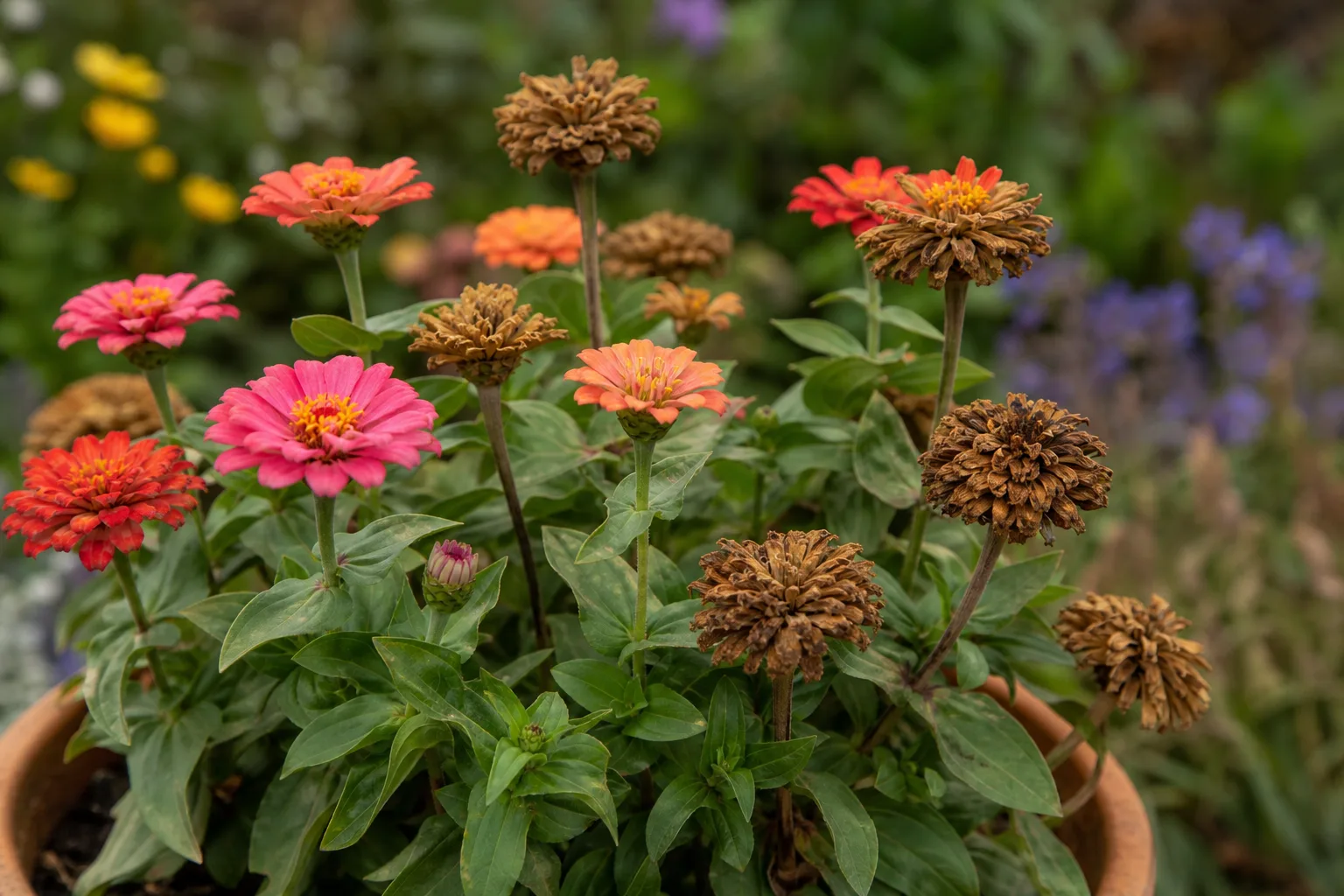
Wet Flowers, Poor Airflow, and Botrytis
Botrytis cinerea, commonly called gray mold, can infect many ornamental plants and attack flowers, buds, leaves, and stems. Petals may develop small tan or brown spots that enlarge, and under favorable conditions affected tissue may show gray fuzzy sporulation.
The University of Wisconsin Extension’s gray mold guidance notes the pathogen’s association with moist conditions and aging or damaged material. The NC State Extension disease chapter likewise stresses that disease development depends on a susceptible host, a pathogen, and favorable environment.
Botrytis is more plausible when:
- spots enlarge or merge rather than remaining static;
- tissue is soft or blighted rather than evenly crisp;
- gray growth appears;
- old petals stay wet or rest on moist mix;
- humidity is high and air movement is limited; or
- disease spreads to adjacent buds or plants.
Uniform brown edges in hot, dry air are not classic evidence of Botrytis. Neither is one bruised petal. Do not use a fungicide merely because a flower is brown.
Remove affected flowers and fallen debris, reduce prolonged petal wetness, space plants, and provide gentle circulation. Water the root zone without splashing flowers when disease pressure is high. Bag suspect debris; do not compost actively diseased material indoors.
Thrips and Other Direct Flower Damage
Thrips are tiny, slender insects that often feed in flowers. Their rasping-sucking injury can produce pale streaks, silvery scars, brown patches, distorted petals, failed buds, and dark fecal specks. Damage may become obvious only as petals expand.
Tap a flower over white paper and inspect the fallen material with magnification. Examine bud seams and the flower throat. Sticky cards can help monitor flying adults but do not prove that every brown spot is thrips damage.
If pests are confirmed, isolate the plant and inspect nearby flowering plants. Remove heavily infested flowers if compatible with the management plan. Choose a product specifically labeled for the pest, plant, and setting, and follow the label. Flowers can hide life stages, so integrated management may require repeated monitoring and label-timed treatment.
Spider mites, aphids, caterpillars, slugs, and beetles can damage flowers too, though the likely pest depends on the plant and whether it grows indoors or outdoors. Identify the organism rather than selecting a pesticide by symptom color.
Physical injury is even more common. Petals may rub a window, catch in a wrapper, or be handled repeatedly. Chemical injury can follow aerosol cleaners, concentrated foliar feed, pesticide misuse, or hard-water residue on sensitive blooms. Damage that appears immediately after contact and does not spread supports a noninfectious cause.
Review nearby household activity. Glass cleaner, room fragrance, cooking grease, paint fumes, and spray drift can reach flowers even when nothing was applied directly to the plant. Move plants before spraying household products. Rinsing delicate flowers after exposure can add mechanical and moisture injury, so remove badly damaged blooms and protect the next ones instead.
Pollen can also be mistaken for spots or pest residue. Examine material under magnification before treating. Thrips fecal specks tend to accompany feeding scars or insects; loose pollen matches the flower’s structures and brushes away without an expanding lesion.
A Step-by-Step Triage Plan
Use this sequence:
- Mark flower age. Determine whether the oldest blooms are simply ending.
- Photograph the pattern. Include the whole plant and close-ups.
- Check texture and spread. Dry and static differs from soft and expanding.
- Review recent events. Heat, cold, watering, sprays, shipping, and moving.
- Check root-zone moisture and drainage. Do not diagnose from petals alone.
- Inspect for pests. Use magnification and tapping tests.
- Remove decaying tissue. Improve sanitation without overpruning.
- Stabilize care. Change only the factor supported by evidence.
- Monitor new flowers. Existing brown tissue will not heal.
Do not wait when the crown or stem is soft, roots are extensively rotten, gray growth spreads quickly, or pests are appearing on multiple plants. Those signs justify faster isolation and professional or extension support.
Isolation, Sanitation, and Safe Treatment
Isolate if you find live pests, rapidly spreading lesions, fuzzy sporulation, or similar new damage on neighbors. Keep the plant in suitable light and temperature during isolation; a dark closet can create new stress.
Cut off diseased or badly infested flowers with clean tools. Disinfect tools between plants using a method appropriate for the tool material, and prevent the disinfectant from contacting plant tissue unless labeled for that use. Wash hands after handling suspect material.
Environmental management is often the first disease-control step: remove dead flowers, reduce leaf and petal wetness, and improve spacing and gentle airflow. If a pesticide or fungicide is needed, the legal label controls where, how, and how often it may be used. More product is not more effective and can injure flowers.
The Iowa State Extension discussion of brown peony buds illustrates an important diagnostic point: brown buds can result from fungal disease, environmental stress, or other causes, so inspecting the whole pattern matters even when the specific host differs.
Deadheading Without Damaging the Plant
Remove a spent flower at the plant-appropriate point. Some species are pinched just below the bloom; others have a flower stalk removed to its base; orchids need species-specific spike decisions. Avoid cutting healthy leaves or an emerging side bud.
Deadheading improves appearance and removes tissue that can harbor decay. In some plants it reduces seed formation and supports further flowering, but it does not guarantee rebloom. The Royal Horticultural Society’s deadheading guide explains why the response differs among plant groups.
Use clean, sharp tools for fibrous stalks. Support the stem so the cut does not tear. Bag moldy or pest-infested flowers. Dry, healthy spent blooms can be disposed of normally, but do not leave a thick layer of petals on damp potting mix.
If nearly every flower is affected but foliage is healthy, removing the entire display may simplify sanitation and allow the plant to redirect resources. If the plant is also declining, flower removal is only one part of root and environmental diagnosis.
What Recovery Looks Like
Brown tissue cannot turn healthy again. Recovery means the cause stops advancing and later buds open normally.
After correcting excessive sun or forced air, existing edges remain brown but uninjured areas should stop expanding. After stabilizing water, leaves and new growth should regain normal function if roots remain viable. After effective pest management, new flowers should lack fresh feeding scars, though old damage remains.
With Botrytis, success means infected tissue has been removed, new lesions stop appearing, and flowers remain dry enough to avoid recurrence. Continue monitoring because spores and susceptible aging tissue may remain in the environment.
Keep dates and photographs. If later flowers improve, the correction is evidence—not absolute proof—because weather and the plant’s cycle also change. If damage recurs, revisit your assumptions rather than increasing treatment automatically.
Preventing Premature Brown Flowers
- Learn the normal lifespan and light needs of the species.
- Acclimate plants gradually to stronger sun.
- Keep flowers away from hot glass, cold panes, and direct vents.
- Water according to root-zone moisture and empty standing drainage water.
- Avoid routinely wetting petals, particularly in cool or humid rooms.
- Remove aging flowers and fallen debris.
- Provide gentle air movement without a drying blast.
- Quarantine and inspect new flowering plants for thrips.
- Test sprays on a small area when the label allows.
- Use balanced nutrition only when the plant is actively growing and roots are healthy.
- Avoid repotting merely because petals aged.
The safest prevention strategy is stability plus observation. Flowers will still age and brown eventually. The target is not permanent petals; it is a bloom cycle that progresses in the normal order without avoidable injury or spread.
Conclusion
Flowers turn brown through both harmless and serious processes. Old blooms dry naturally. Hot sun, vents, cold glass, dry roots, saturated media, thrips, physical injury, and Botrytis can create premature browning that looks superficially similar.
Use age and texture first. Dry, orderly fading on the oldest flowers usually calls for deadheading. Soft tissue, expanding spots, gray growth, distortion, live pests, or whole-plant decline requires deeper investigation. Check the roots and environment before applying fertilizer, fungicide, or insecticide.
Remove dead or diseased flowers, stabilize the supported cause, and judge success by the next blooms. Brown tissue will not reverse, but a sound diagnosis can protect the flowering cycles that follow.
Plants commonly affected
These houseplants often struggle with flowers turning brown. Open a care guide or plant-specific troubleshooting page for tailored fixes.
 Medium
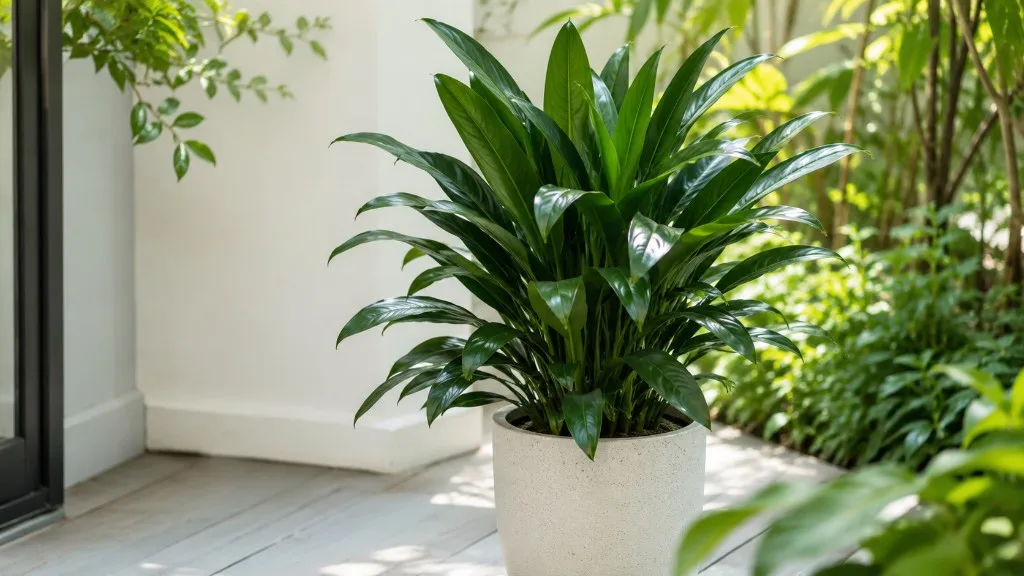
Janet Craig Dracaena
Likely causeFeb 25, 2026 · I’m here to tell you that those dracaena janet craig brown tips are usually a cry for help, and with a little expert guidance, you can diagnose the problem and bring your plant back to its lush, vibrant self.
Quick fixConfirm diagnosis on your Janet Craig Dracaena, then address the most likely care or pest factor described in current extension guidance.
 Medium
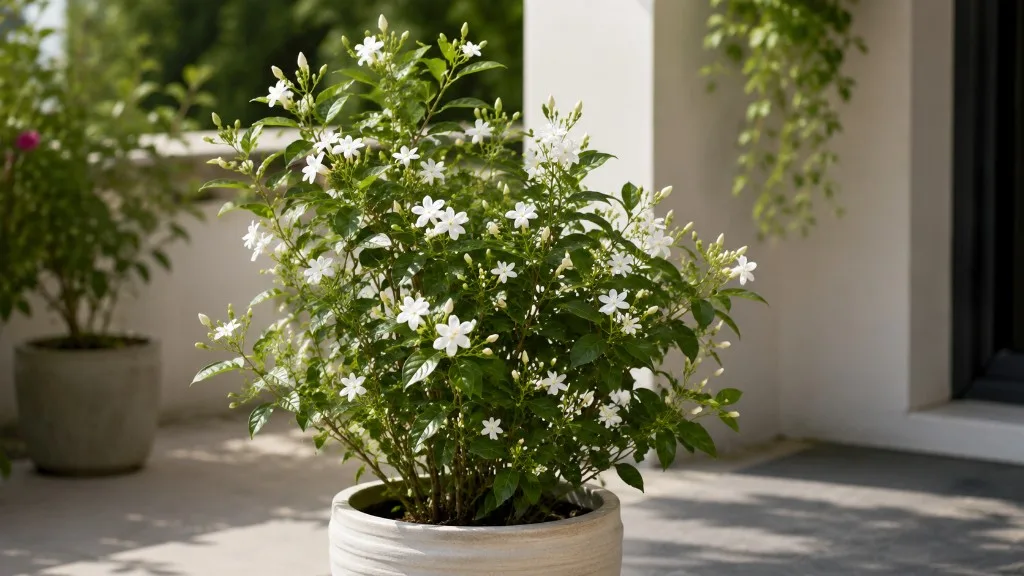
Jasmine
Likely causeCold temperatures and biting wind can cause jasmine to develop crunchy, brown leaves and die back. Placing star jasmine on a wall facing north or east will minimize winter damage. View all Leaves fall off from the Jasmine plant If your Jasm
Quick fixConfirm diagnosis on your Jasmine, then address the most likely care or pest factor described in current extension guidance.
 Medium
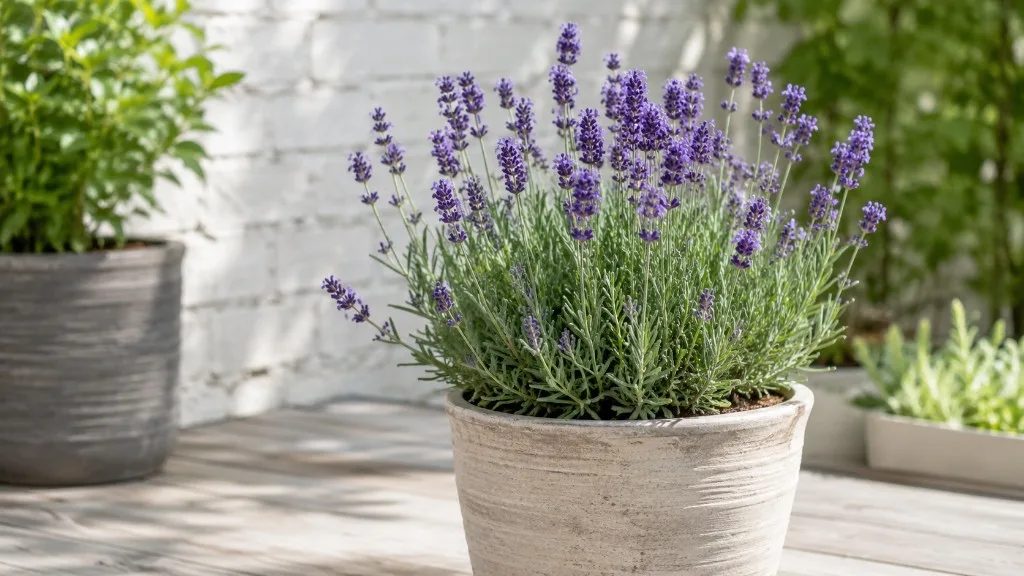
Lavender
Likely causeLearn how to grow lavender for fragrance, beauty, and pollinators! Get planting and care tips, discover edible varieties, and explore lavender’s culinary and medicinal uses.
Quick fixConfirm diagnosis on your Lavender, then address the most likely care or pest factor described in current extension guidance.
 Medium
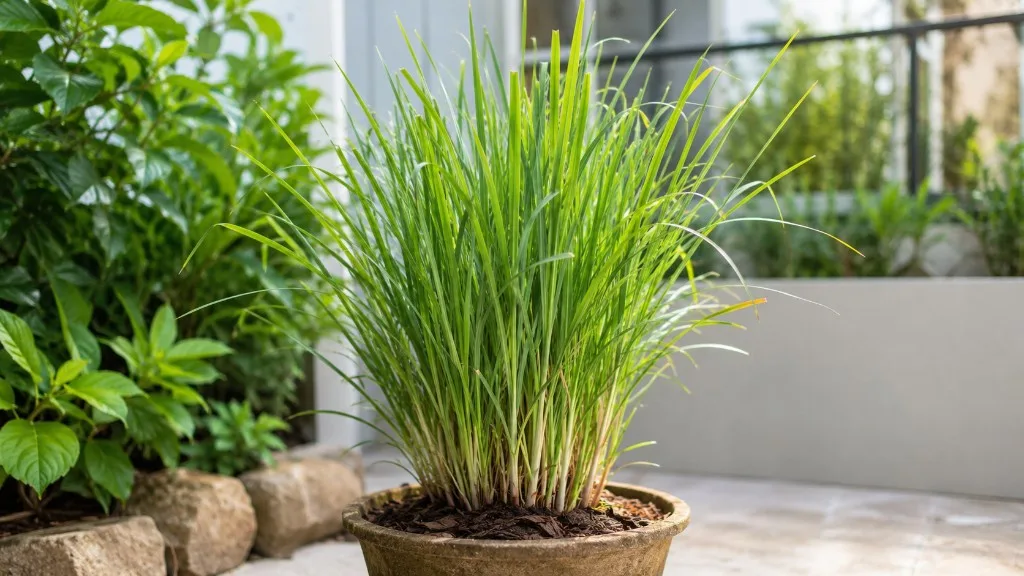
Lemongrass
Likely causeLemongrass can start turning brown because of 1) aging, 2), underwatering, 3), overwatering, 4), too little light, 5) too much light, 6) cold temperatures, 7) nitrogen deficiency, 8) pest damage, and 9) plant diseases.
Quick fixConfirm diagnosis on your Lemongrass, then address the most likely care or pest factor described in current extension guidance.
 Medium
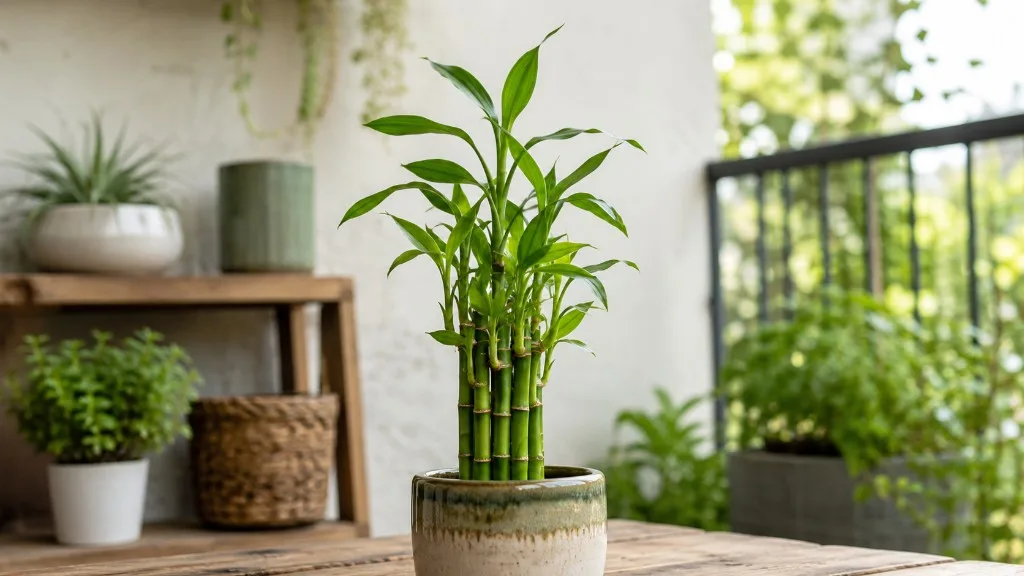
Lucky Bamboo
Likely causeJan 23, 2022 · Even though lucky bamboos are nearly indestructible, they can still become ill. Lucky bamboo turning brown is a common occurrence, significantly if it’s growing in water or if you’ve neglected it. While this is entirely natur
Quick fixConfirm diagnosis on your Lucky Bamboo, then address the most likely care or pest factor described in current extension guidance.
 Medium
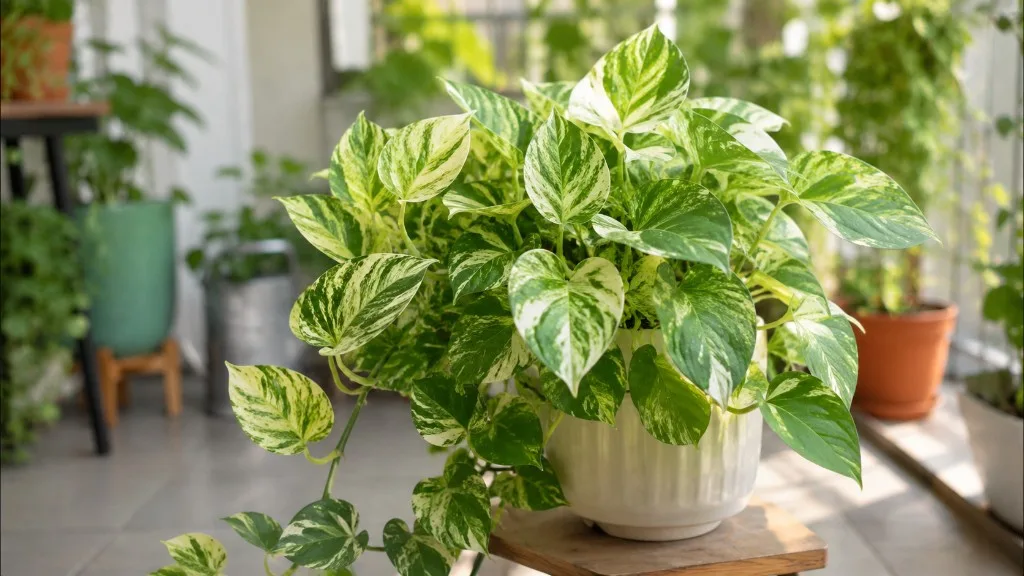
Manjula Pothos
Likely causeDec 19, 2025 · It’s disheartening, isn’t it? You nurture your plants, admire their vibrant foliage, and then one day, you notice those dreaded brown spots creeping onto the leaves of your beloved Manjula Pothos. It’s a common experience for
Quick fixConfirm diagnosis on your Manjula Pothos, then address the most likely care or pest factor described in current extension guidance.
 Medium
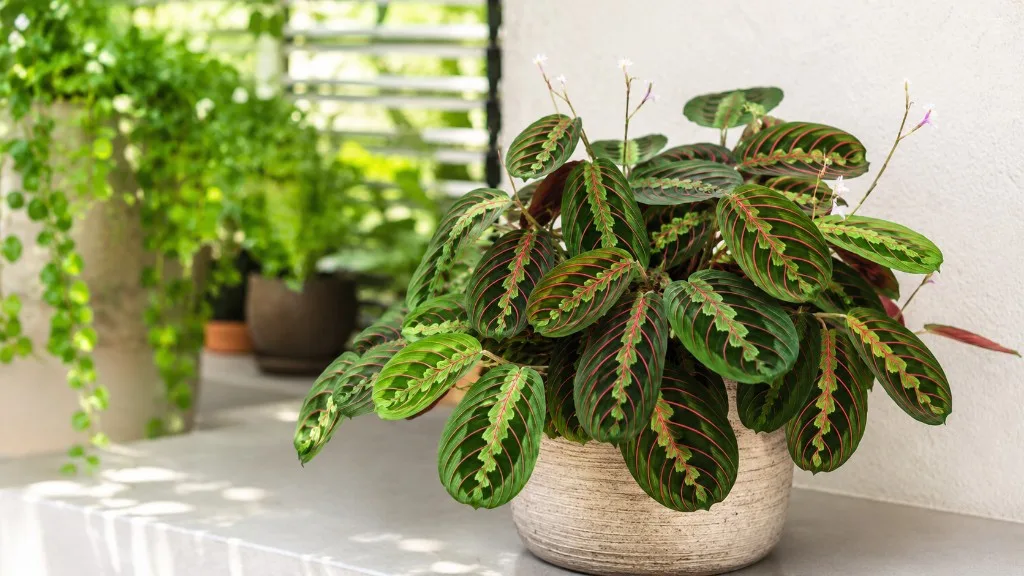
Maranta Leuconeura
Likely causeMaranta Plants prosper in a humidity of 60-80%. Too low humidity will result in brown leaf tips and edges. To increase humidity, group the plants together, set the pot on a wet pebble tray or use a cool mist humidifier. Do not mist the leav
Quick fixConfirm diagnosis on your Maranta Leuconeura, then address the most likely care or pest factor described in current extension guidance.
 Medium
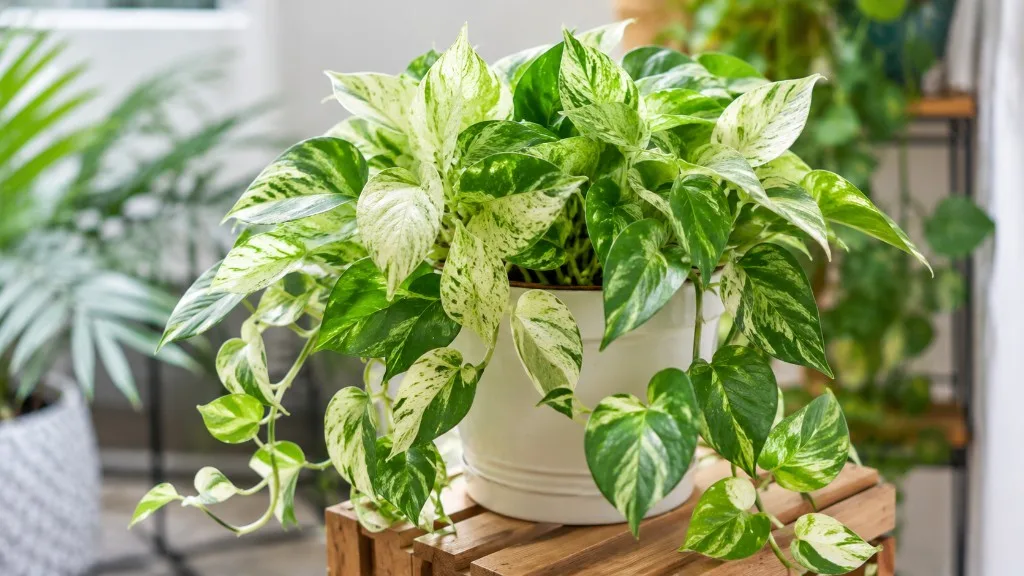
Marble Queen Pothos
Likely causeMay 24, 2026 · What Does the Browning Pattern Tell You? The fastest way to diagnose the problem is to look at the shape, texture, and location of the brown areas. Do this before changing your watering routine.
Quick fixConfirm diagnosis on your Marble Queen Pothos, then address the most likely care or pest factor described in current extension guidance.
 Medium
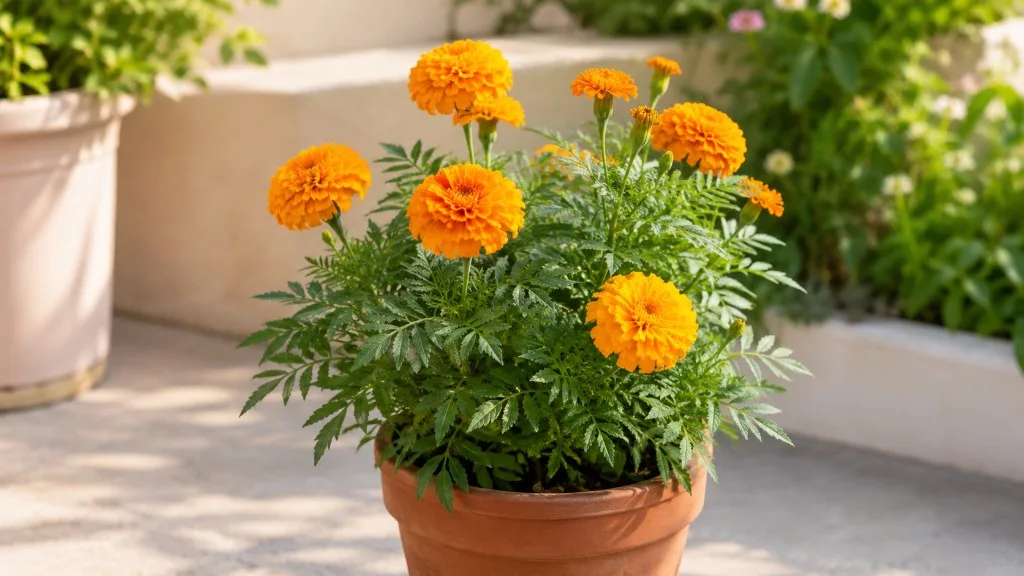
Marigold
Likely causeGrow vibrant marigolds effortlessly, ensuring non-stop flowers all season with proper care, pest control, and thriving plants.
Quick fixConfirm diagnosis on your Marigold, then address the most likely care or pest factor described in current extension guidance.
 Medium
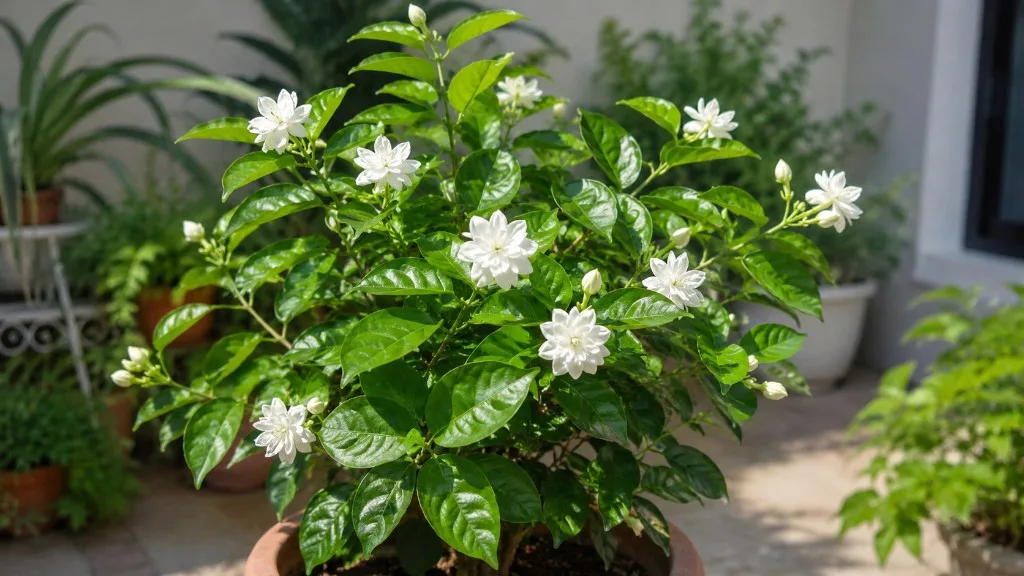
Mogra
Likely causeApr 23, 2024 · Why are my Mogra flowers turning brown ? The browning and dropping of flower buds may be indicative of an excess or insufficient water supply, necessitating a comprehensive drainage assessment and adjustments to the water int
Quick fixConfirm diagnosis on your Mogra, then address the most likely care or pest factor described in current extension guidance.
 Medium
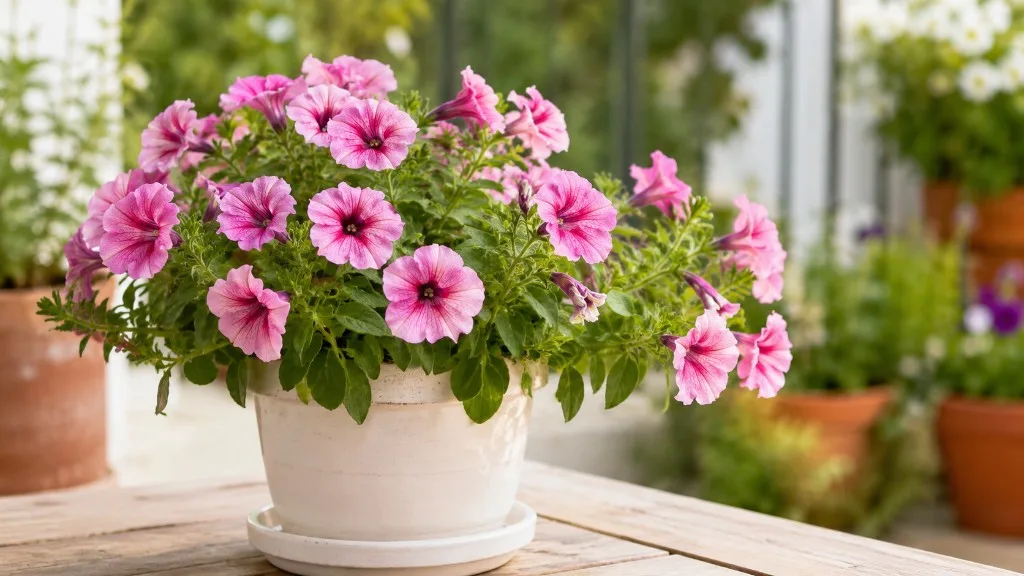
Petunia
Likely causeBotrytis gray mold infects wet petunia petals, causing brown, water-soaked flower tissue.
Quick fixRemove brown flowers immediately; stop overhead watering and increase spacing for airflow.
 Medium
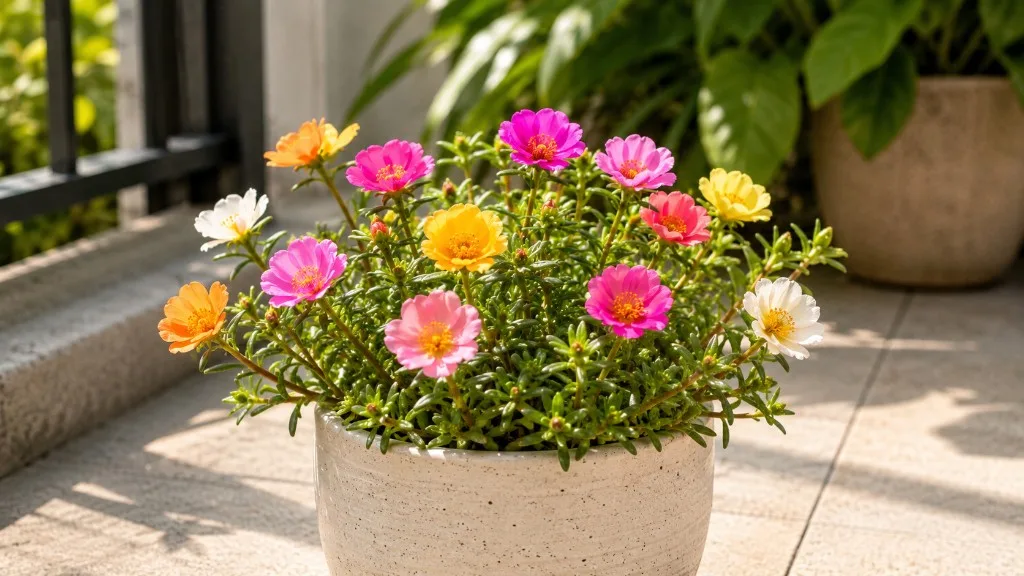
Portulaca
Likely causeFeb 14, 2026 · Portulaca produces new flower buds throughout the season. If the plants go through a particularly warm spell of weather and get plenty of water, they may produce buds very quickly, and it may appear that some of these buds tu
Quick fixFollow extension or botanical guidance for Portulaca flowers turning brown; adjust care before applying broad treatments.