Pot Too Small for a Plant: Signs and Repotting
The container matters as much as soil and watering. Pot Too Small with Roots crowded, plant dries quickly, growth slows often means the pot is wrong sized, lacks holes, or traps water in a decorative outer shell. Track weekly progress after you change care, and note watering, light, and repotting dates so you can tell whether the symptom is improving or returning. Compare upper versus lower leaves, new versus old growth, and soil moisture at root depth before you treat, because the same visible symptom can come from watering, light, pests, or normal aging on different plants.
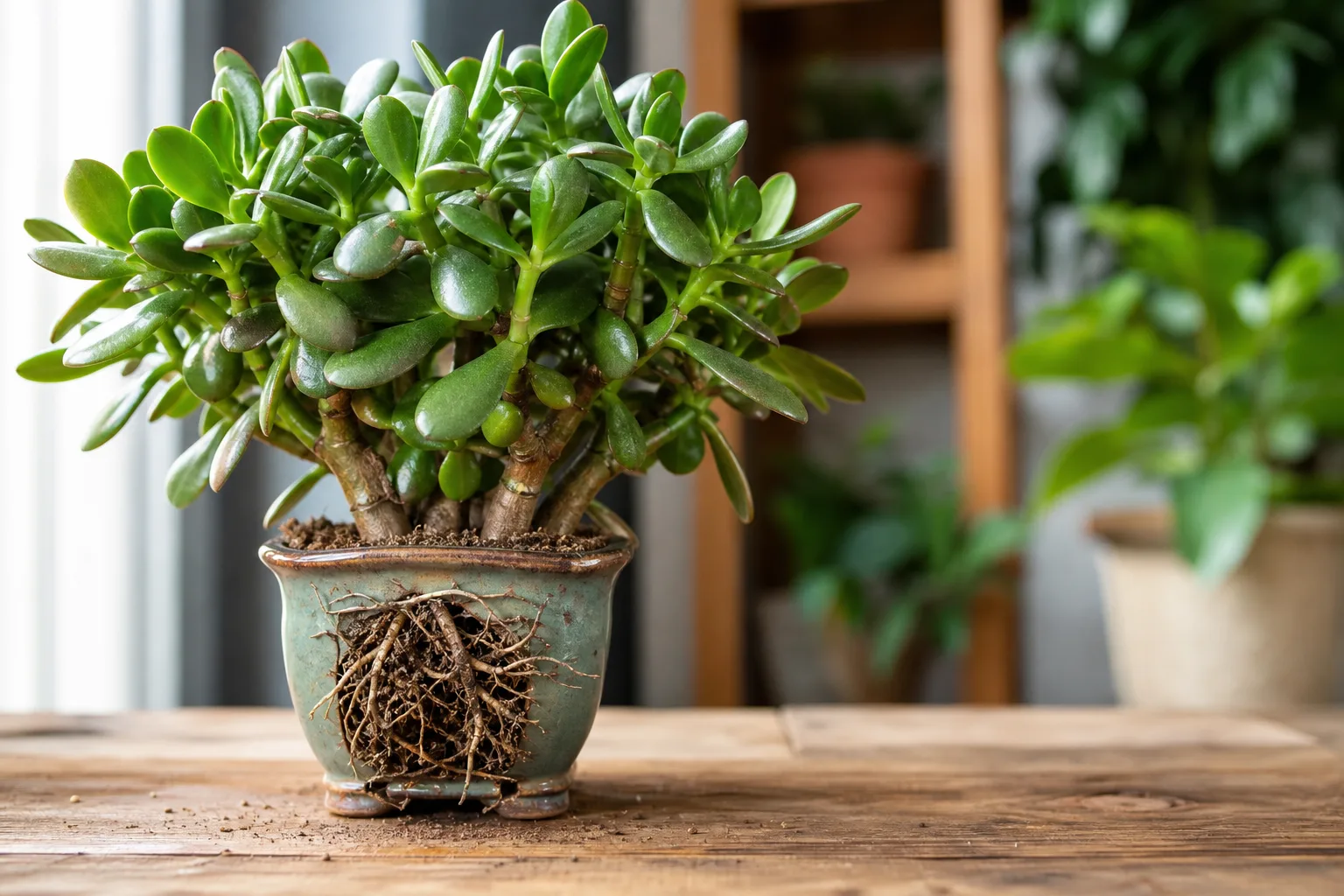
Pot Too Small on Houseplants
Still unsure?Match your symptoms to the most likely problems in under a minute.Run diagnosis →Understand and fix pot too small
The container matters as much as soil and watering. Pot Too Small with Roots crowded, plant dries quickly, growth slows often means the pot is wrong sized, lacks holes, or traps water in a decorative outer shell. Track weekly progress after you change care, and note watering, light, and repotting dates so you can tell whether the symptom is improving or returning. Compare upper versus lower leaves, new versus old growth, and soil moisture at root depth before you treat, because the same visible symptom can come from watering, light, pests, or normal aging on different plants.
Overview
The container matters as much as soil and watering. Pot Too Small with Roots crowded, plant dries quickly, growth slows often means the pot is wrong sized, lacks holes, or traps water in a decorative outer shell. Track weekly progress after you change care, and note watering, light, and repotting dates so you can tell whether the symptom is improving or returning. Compare upper versus lower leaves, new versus old growth, and soil moisture at root depth before you treat, because the same visible symptom can come from watering, light, pests, or normal aging on different plants.
How to identify it
- No drainage holes or holes blocked by roots or debris
- Plant in a pot much larger than the root ball
- Water sits in outer decorative pot for days
- Terracotta vs plastic drying at very different rates
- Roots growing out holes or pushing pot outward
When to worry
Standing water in cache pots with no drainage plus wilting means root damage-unpot and inspect immediately.
Common causes
No drainage holes
Water has nowhere to exit. Even careful watering leads to soggy roots and Pot Too Small.
Oversized pot
Too much soil holds excess moisture around a small root system.
Double-potting without emptying saucers
Cache pots look great but become reservoirs when inner pots drain into standing water.
Wrong material for watering style
Terracotta dries fast; glazed ceramic holds moisture longer-mismatch causes Roots crowded, plant dries quickly, growth slows.
Step-by-step fix
Confirm drainage path
Water should exit within minutes. Drill holes if safe, or repot into a container with drainage.
Right-size the pot
Choose a pot 1–2 inches wider than the root ball for most houseplants.
Empty saucers after watering
Never let plants sit in runoff for more than 30 minutes.
Match pot material to plant needs
Use terracotta for succulents; glazed or plastic for moisture-loving tropicals if you water less often.
Repot if roots are severely bound
Gently loosen circling roots and move to appropriate size with fresh mix.
Prevention tips
- Always use drainage holes for long-term houseplant health
- Size up gradually, not dramatically
- Empty decorative pot reservoirs after watering
- Choose pot material consciously for your watering habits
- Document which leaves show symptoms first and whether the soil is wet, dry, or compacted before changing multiple variables at once.
Common mistakes
- Keeping plants in nursery pots inside sealed decorative pots forever
- Drilling no holes because 'this plant likes moisture'
- Jumping from a 4-inch to a 10-inch pot
A pot too small for a plant can restrict rooting space, hold too little water for the canopy, and make routine care increasingly difficult. The most convincing pattern is not one root peeking through a hole. It is a dense root ball combined with rapid drying, poor water penetration, instability, or growth that has slowed despite otherwise suitable care.
Repotting is usually straightforward, but diagnosing first matters. Wilting can come from dry media, saturated damaged roots, heat, pests, or a recent move. Slow growth can reflect low light or a normal dormant period. If you move a plant into a much larger pot based on one ambiguous symptom, you may trade crowding for a large volume of persistently wet mix.
The short answer
Confirm root crowding by examining the root ball. Repot when roots densely circle the outside, form a thick mat at the base, leave little structured media, or make the plant dry much faster than its conditions explain. Penn State Extension lists rapid drying and roots growing through drainage holes as useful signs, then recommends removing the plant to inspect root density.
Choose a draining container only modestly larger than the current root ball. Preserve healthy roots, loosen only what needs loosening, set the plant at its former depth, and use a suitable fresh mix. Water to settle the media, drain fully, and then return to need-based watering rather than keeping the new mix constantly wet.
If the roots are not dense, keep looking. A compacted or water-repellent root ball can mimic crowding because water runs around it. A large top-heavy canopy can make a pot unstable even when roots have room. Pot symptoms must agree with root evidence.
What a too-small pot changes
Roots and potting mix share the container volume. As roots occupy more space, the pot often holds less readily available water, and transpiration can empty that supply quickly. The interval between thorough waterings shrinks. Missing one watering may produce a more dramatic wilt than it did a year earlier.
Dense roots can also redirect water. Water may race down the gap between a shrunken root ball and the pot wall, appearing at the drainage hole before the center is wet. Alternatively, tightly packed fine roots and degraded media may slow infiltration. In either case, visible runoff does not prove that the root zone was evenly moistened.
Physical stability changes too. A leafy or tall plant in a narrow, lightweight pot tips easily. Roots may push the root ball upward, distort a plastic nursery pot, or clog outlets. These are practical reasons to intervene even if the plant remains green.
Strong signs of root crowding
Look for a pattern of several signs:
- the pot needs water far more often under comparable light and temperature;
- roots form multiple circles around the wall or a dense pad at the base;
- very little loose, structured mix remains visible;
- the root ball lifts out as a tight container-shaped mass;
- water penetrates unevenly despite careful technique;
- roots or the expanding root mass deform the pot;
- the plant repeatedly tips because canopy and base are badly out of balance.
No single percentage of roots to media fits every species. Some fine-rooted plants naturally create a dense-looking network, while plants with thick storage roots may appear crowded with fewer roots. Compare the current root ball with its prior condition and with normal growth for the species.
Crowding is most actionable when it affects care. If water still penetrates evenly, moisture lasts an appropriate interval, the plant is stable, and new growth is healthy, repotting may be optional. A full-looking root ball is not automatically an emergency.
Clues that do not prove the diagnosis
One root at a drainage hole is weak evidence. Roots follow moist, oxygenated paths and can reach an opening while much of the mix remains unoccupied. Look through several holes and inspect the root ball before deciding.
Slow growth is also nonspecific. Low light reduces photosynthesis; cool temperatures slow many tropical plants; recent propagation leaves a small root system; nutrient problems, pests, and normal seasonal rhythm can limit growth. Repotting cannot correct inadequate light and may add stress.
Yellow leaves or wilting do not distinguish a small pot from a wet oversized one. Check moisture at depth. A crowded dry root ball may recover after thorough rehydration, while a wet root ball that remains limp requires a different investigation.
Inspect the root ball correctly
Water lightly a day before inspection if the mix is extremely dry and crumbly, unless the plant is already saturated. Lay the pot on its side, support the stem base and root ball, and flex or tap the container. Do not yank the plant by its leaves or main stem.
Examine the sides and base without immediately tearing roots apart. Healthy roots vary in color but should generally be firm and intact. Note whether roots circle loosely with visible media between them or form a solid mat. Smell the mix and check whether the core is dry, moist, or waterlogged.
Return the plant to its pot if evidence is inconclusive and conditions are stable. An inspection does not obligate a repot. If the root ball is extremely tight, prepare the replacement before prolonged exposure so fine roots do not dry.
Rule out watering, mix, and light problems
A root ball that dries fast may simply be receiving stronger light or warmer airflow. Review location and season. More leaf area after a growth flush also increases water use; that is healthy demand, not necessarily a defective pot.
Old peat-based media can become water-repellent when very dry. Water then bypasses the center, imitating the rapid runoff of a root-bound plant. Rehydrate gradually from the top or soak a draining nursery pot briefly, then allow complete drainage. If the root ball now holds water normally and roots are not dense, replacement may be unnecessary.
Dense garden soil can reduce aeration and penetration even in a small pot. Penn State advises using a soilless container mix rather than straight garden soil, which can be heavy and prevent proper drainage. Correct media problems based on the plant’s needs, not by merely increasing pot size.
Decide whether to repot
Repot when crowding disrupts watering, roots are severely matted or circling, the pot is distorted, or the plant is unstable. Also consider repotting when degraded media no longer accepts water or drains predictably. Combine evidence rather than acting on an arbitrary anniversary.
Active growth is often a convenient time because roots can colonize new media. Penn State identifies spring as a favorable time for many houseplants, but indoor species and climates differ. An urgent physical problem does not have to wait months for a calendar date.
The Royal Horticultural Society warns against moving into a dramatically larger pot, because unused compost can remain wet around a smaller root ball. That does not make every generous size increase harmful, but it strengthens the case for choosing the next container from the measured root ball rather than the foliage.
Use the smallest intervention that solves the problem. A healthy, moderately crowded plant may only need a modest up-pot. A specimen kept at a fixed display size may need specialized root pruning and canopy management. A severely stressed plant may need stabilization before aggressive root work.
When waiting is reasonable
Wait when the plant is flowering and sensitive to disturbance, the root ball is not truly dense, or conditions have just changed and you need a clearer baseline. Continue monitoring moisture, stability, and new growth. Waiting should be active observation, not neglect.
Some plants flower more readily when somewhat confined, but “likes to be root-bound” is often overstated. Tolerating a snug pot does not mean benefiting from a solid mass that cannot be watered evenly. Define the acceptable condition by plant performance, not folklore.
If roots are escaping only because a self-watering reservoir or moist cachepot attracts them, trim or redirect according to that system’s instructions and reassess the main root ball. The external roots may indicate opportunity rather than internal crowding.
Choose the next container size
The new pot should be slightly larger, not a dramatic jump. Penn State’s repotting guidance recommends a slightly larger container. For many ordinary small houseplants, an increase of roughly 2.5–5 cm (1–2 inches) in diameter is a practical starting point, but root shape and species matter more than the slogan.
Compare actual root-ball dimensions with the pot’s internal dimensions. A tall narrow root ball may fit a pot that looks small from above; a shallow fibrous root system may suit a broader, shallower form. Leave enough room for a useful layer of fresh mix without surrounding roots with a vast wet reservoir.
Require open drainage holes. A larger sealed decorative pot is not a safe upgrade simply because it provides space. Use it as a cachepot around a draining liner if you want the appearance. Ensure the liner is easy to remove and does not sit in runoff.
Prepare the pot and mix
Clean a reused container and remove old root fragments and deposits. Confirm that openings are clear. If the plant carries pests or suspected disease, avoid sharing tools or media and sanitize according to appropriate horticultural guidance.
Choose mix for the species and your conditions. Aroids may use a structured blend with bark and coarse components; succulents typically require faster aeration and drying; ferns may need more moisture retention. These are broad groups with exceptions, so use reliable species-specific guidance.
Lightly premoisten bone-dry media so it settles evenly. Do not create a gravel drainage layer. Penn State’s garden-myth review explains that coarse material at the bottom can hinder water movement and takes up container space.
Repot a crowded houseplant
Place enough mix in the new pot to keep the crown at approximately its old level. Set the root ball centrally and fill around it in stages. Firm gently with fingers or by tapping the pot; hard compression removes air spaces and defeats the purpose of fresh structured media.
Avoid burying stems, crowns, or succulent leaves. If the plant needs support, stake it without using extra-deep planting as an anchor. Leave a watering space below the rim so a thorough dose does not immediately overflow.
Water evenly until runoff appears, allow it to drain, and empty the saucer or cachepot. This settles mix around roots and reveals blocked holes. If the old root ball was extremely dry, check that its center accepted water rather than assuming the new outer mix solved the problem.
Manage circling and matted roots
Fine, flexible roots can often be teased outward gently. Focus on the lower mat and obvious circles instead of dismantling the entire root system. Minor breakage is difficult to avoid, but indiscriminate cutting reduces water uptake when the plant is already stressed.
Thick woody circling roots and fleshy storage roots require different treatment. Do not slice them using a generic social-media technique. Seek species-specific guidance, particularly for palms, orchids, caudiciforms, bulbs, and plants that resent root disturbance.
If a root mass is so dense that water cannot enter, several shallow vertical releases may be appropriate for tolerant species, but this is a judgment call. Clean the cutting tool and avoid removing more root than needed. Preserve firm healthy tissue.

Water after repotting
The new outer media changes how the container holds water. The old root ball may dry at a different rate from the fresh mix, creating a two-zone pot. Check both zones for the first several waterings and apply water slowly across the surface.
Do not keep the pot constantly wet to “encourage roots outward.” Roots need oxygen as well as moisture. University of Maryland Extension advises checking potting-media moisture and watering houseplants according to need instead of following a rigid schedule.
Terracotta may dry faster than plastic or glazed ceramic. Penn State notes this material difference, so the same plant and mix can need different intervals after a container change. Observe rather than copying the old calendar.
Recovery and warning signs
Brief drooping can follow root disturbance, but continuing collapse is not normal recovery. Keep light and temperature suitable and stable. Do not move a shade-acclimated plant into direct sun simply to dry the pot, and do not place it against a heater.
Old damage may remain. Look for a stable canopy, firm stems, a predictable moisture cycle, and eventually healthy new growth. Photograph weekly and record watering so gradual improvement is visible.
Investigate promptly if media stays saturated, odor develops, the crown softens, or leaves continue declining. The new pot may be too large, outlets may be blocked, roots may have been damaged, or the original diagnosis may have missed pests or disease.
Keep a plant in the same pot
Large specimens, bonsai, and plants constrained by display space may remain in the same container through planned root and media renewal. This is more advanced than up-potting. Remove the plant, prune roots conservatively according to species, replace exhausted mix, and balance canopy demand if appropriate.
Do not attempt severe root pruning on an unhealthy plant without expert guidance. Root loss reduces water uptake, and a large canopy can wilt. Timing, tool hygiene, and aftercare matter.
Top-dressing alone is not equivalent to root-zone renewal. Replacing the upper layer can refresh appearance and some nutrients, but it does not correct a solid lower root mat or blocked drainage.
Special cases and plant differences
Orchids may grow aerial roots outside a pot as normal behavior. Epiphytes are not diagnosed by ordinary soil-plant rules. Cacti and succulents can have small root systems relative to their bodies and may remain in compact pots for stability and water control.
Fast-growing tropical foliage plants may use new space quickly. Slow-growing plants may need a smaller increment. Bulbs often have specific planting depths and seasonal cycles. Research the species before interpreting “crowded.”
Recently propagated plants are especially easy to overpot. Their canopy may look substantial while roots remain limited. Size the pot to roots, provide suitable humidity and light, and enlarge only after establishment.
Mistakes that create a second problem
The classic mistake is jumping from a small nursery pot to a decorative container several sizes larger. Extra media retains extra water before roots occupy it. Another is fertilizing immediately at high strength; stressed roots and fresh fortified mix can make added salts unnecessary.
Do not pull apart every root or wash all media away as a ritual. Bare-rooting can be appropriate for contaminated or severely degraded media, but it is not required for every crowded plant. Preserve a stable root core when it is healthy.
Finally, do not water on the old schedule. The larger volume, different material, and fresh mix change drying behavior. Recalibrate using depth checks and pot weight.
Prevention and monitoring
At watering time, note how quickly water enters, how evenly it exits, and how long the root zone remains appropriately moist. Monthly, inspect drainage holes and container shape. Roots appearing in several places plus faster drying justify a closer look.
Keep a simple repot record with old and new sizes, mix, date, and root observations. This makes later diagnosis far more reliable than memory. Avoid repotting solely because a year has passed.
Choose containers with the next maintenance step in mind. A nursery pot should lift easily from its cachepot; a heavy plant needs a stable base; and every conventional soil-filled pot needs a clear runoff path.
Measure change under comparable conditions. A pot that dried in four days during a bright, warm week cannot be compared fairly with one that took eight days during cool cloudy weather. Note room conditions, approximate leaf area, and whether the plant was flowering or producing new growth. These factors can explain a shorter interval without root crowding.
Watch how the root ball accepts water. Apply it slowly in two or three passes, giving the mix time to absorb between passes. If the center remains dry while water exits at the edge, temporary soaking of a draining inner pot may rehydrate the media; if dense roots leave almost no mix to rehydrate, repotting is the durable fix.
Build future space into the decision, but not years of unused space. A vigorous plant entering active growth may justify a slightly larger increment than a slow-growing specimen in winter. The correct pot provides room for near-term roots while still allowing the current root system to influence moisture use throughout most of the container.
If the plant must remain in a decorative outer pot, select a draining liner that fits without binding. Leave enough clearance to lift it, inspect runoff, and empty the reservoir. Convenience is a safety feature: a setup that is awkward to drain will eventually encourage skipped checks or shortcuts.
Conclusion
A small pot becomes a problem when crowding changes water supply, penetration, stability, or root health—not merely when one root is visible. Confirm the diagnosis by inspecting the root ball and ruling out changes in light, heat, media, and watering.
When repotting is justified, move up modestly, preserve healthy roots, maintain planting depth, and use a draining container with suitable structured mix. Recalibrate watering afterward and judge recovery by stable tissue and healthy new growth rather than an instant change in old leaves.
Plants commonly affected
These houseplants often struggle with pot too small. Open a care guide or plant-specific troubleshooting page for tailored fixes.
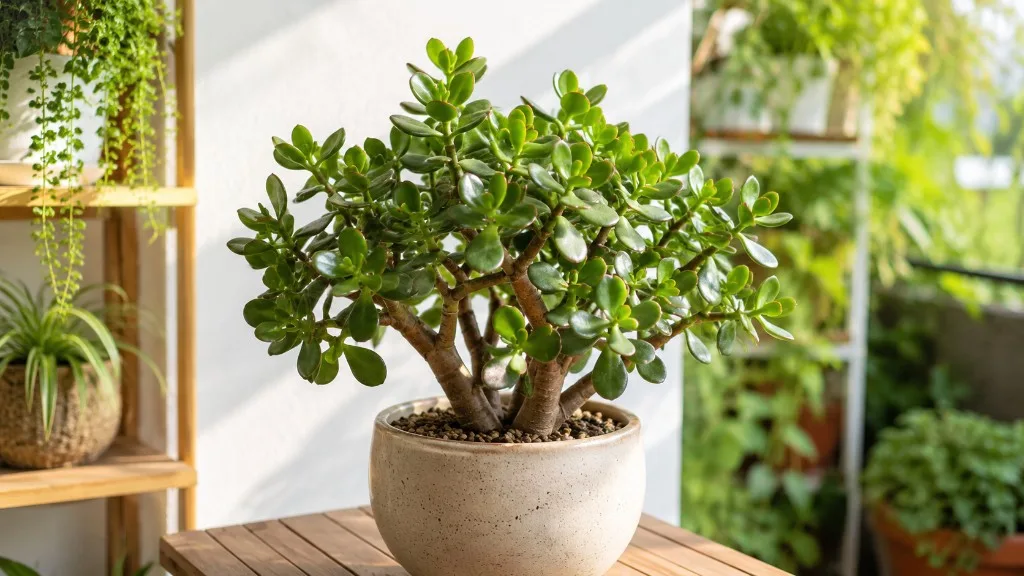 Medium
Jade Plant
Likely causeAug 31, 2025 · Both pots that are too large and too small create significant issues. Here is a simple jade plant pot size guide to follow. It seems logical, right? Give your plant a big pot with plenty of room to grow! Unfortunately, this i
Quick fixConfirm diagnosis on your Jade Plant, then address the most likely care or pest factor described in current extension guidance.
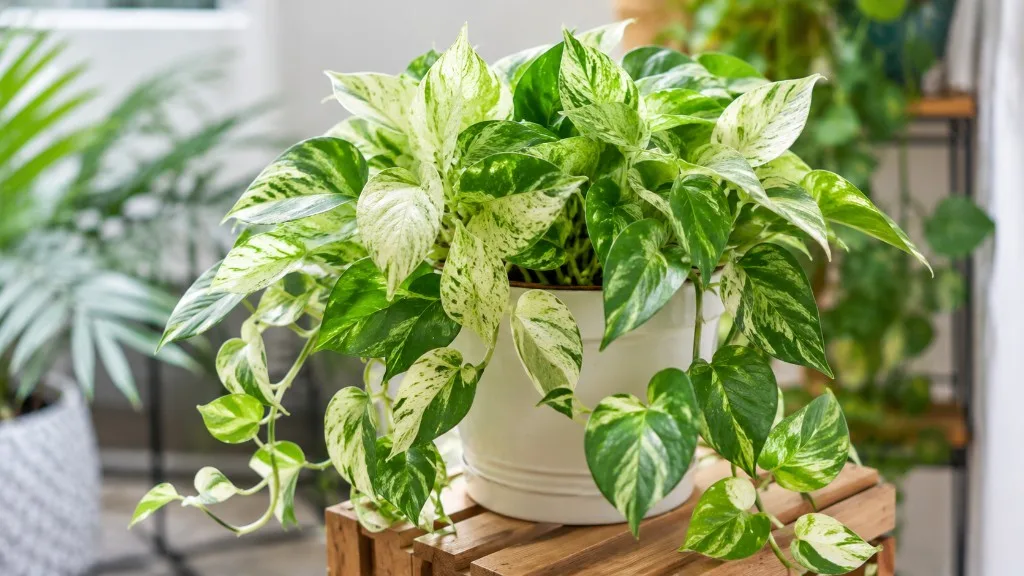 Medium
Marble Queen Pothos
Likely causeJan 20, 2024 · A pot that's too small will restrict root growth, while one that's too large can retain too much moisture, leading to root rot. A good rule of thumb is to choose a pot that is 1-2 inches larger in diameter than the current po
Quick fixConfirm diagnosis on your Marble Queen Pothos, then address the most likely care or pest factor described in current extension guidance.
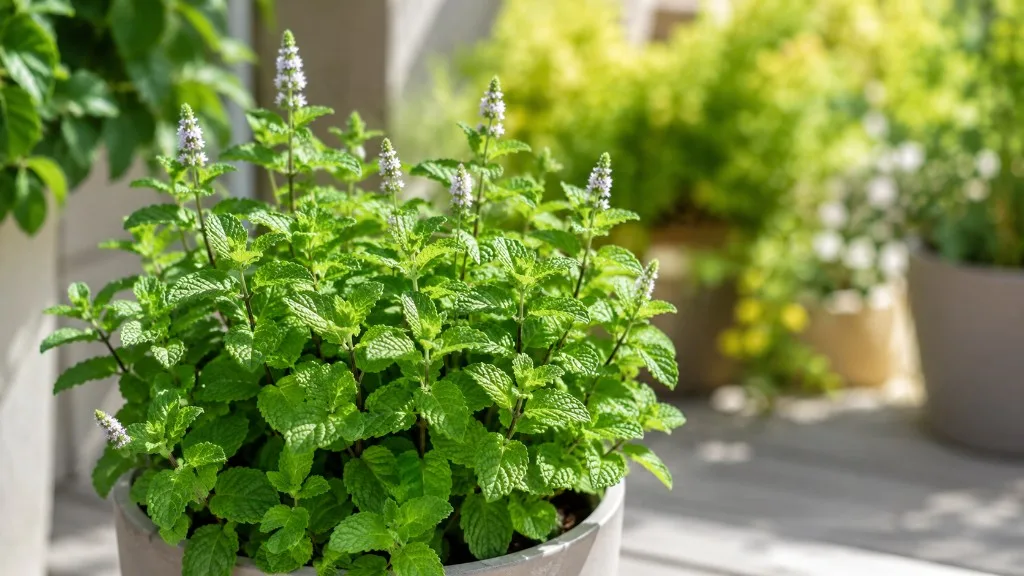 Medium
Mint
Likely causeMint outgrows small pots quickly; cramped rhizomes produce only edge growth and need daily watering.
Quick fixRepot into at least 20–25 cm wide container with drainage; divide if root mass is dense.
 Medium
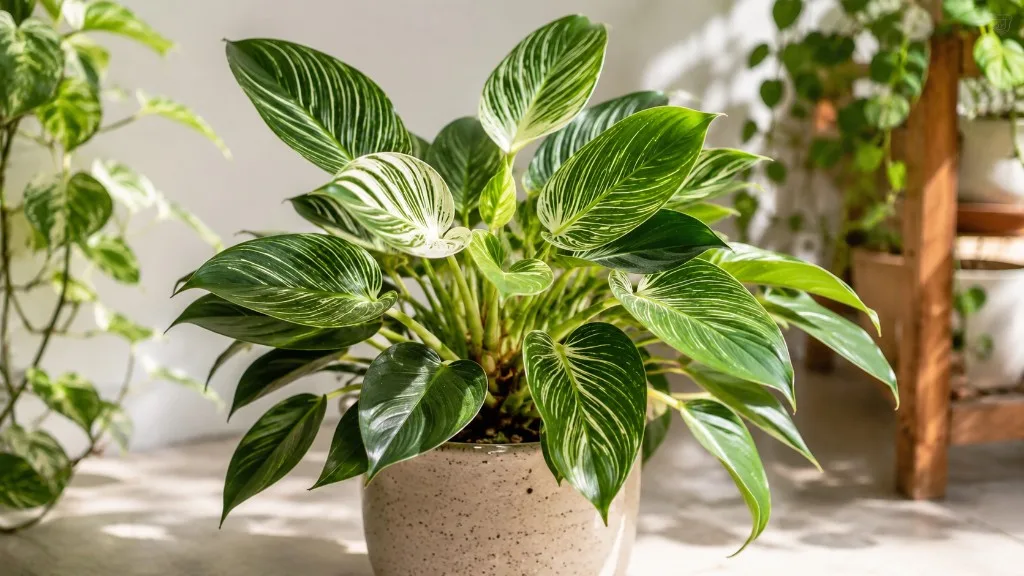
Philodendron Birkin
Likely causeMay 2, 2023 · A pot that's too small can restrict root growth, leading to a lack of nutrients and water. On the other hand, a pot that's too large might retain too much moisture, putting your plant at risk of root rot.
Quick fixConfirm diagnosis on your Philodendron Birkin, then address the most likely care or pest factor described in current extension guidance.
 Medium
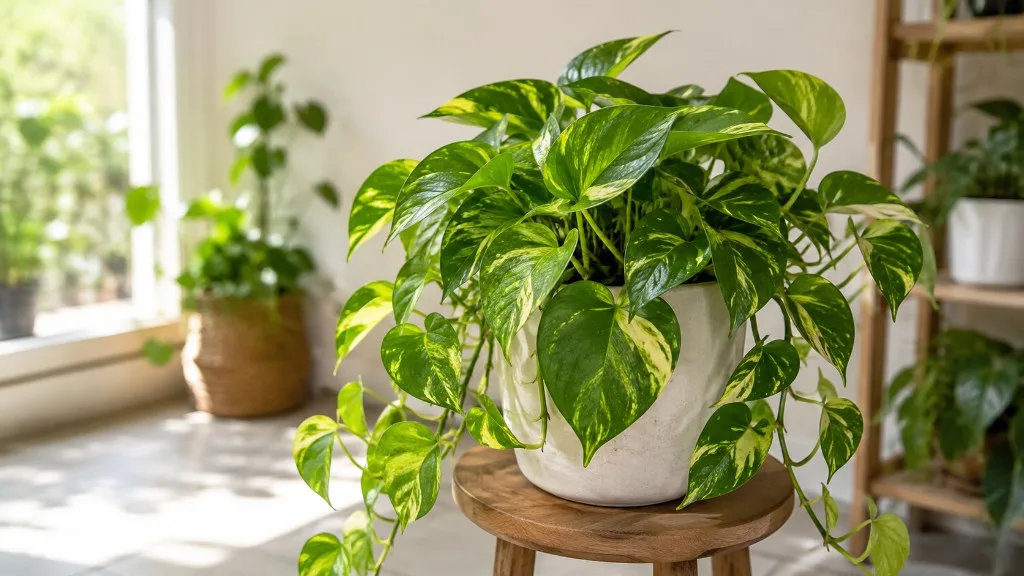
Pothos
Likely causeJun 5, 2026 · Pothos prefer a slightly snug pot that's only 1-2 inches larger in diameter than their root ball. Getting the pothos pot size right matters more than most people realize. A pot that's too big holds excess moisture around the r
Quick fixConfirm diagnosis on your Pothos, then address the most likely care or pest factor described in current extension guidance.
 Medium
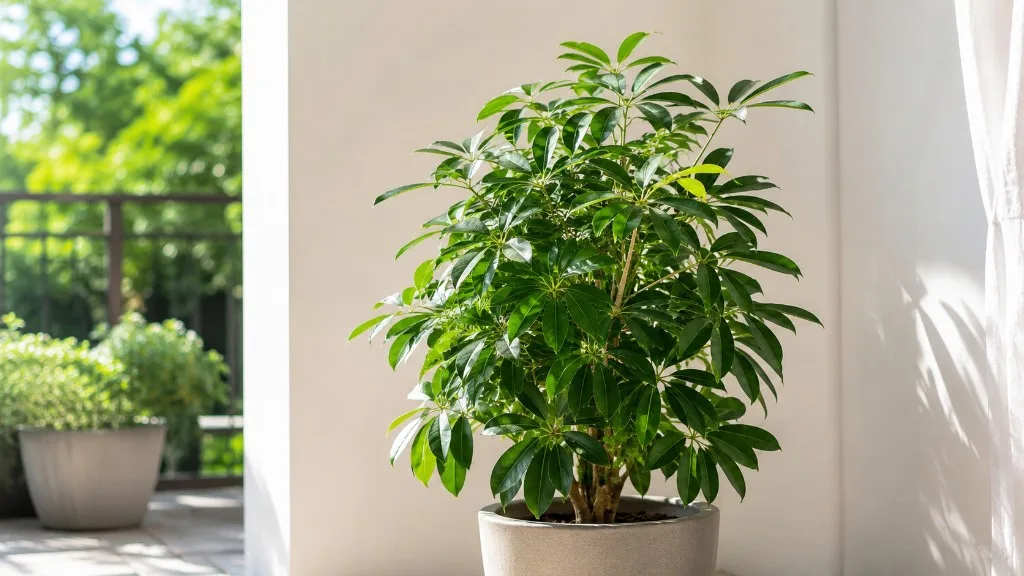
Schefflera
Likely causeFeb 14, 2026 · The large Schefflera actinophylla shows off long, shiny, oval green leaves that hang like an umbrella from a central stalk, while the smaller Schefflera arboricola (or dwarf schefflera) has …
Quick fixFollow extension or botanical guidance for Schefflera pot too small; adjust care before applying broad treatments.