14 Plants That Repel Spiders Indoors and Out
Learn which 14 aromatic plants are often used to deter spiders, where they grow best, which can be unsafe around pets, and what works more reliably.
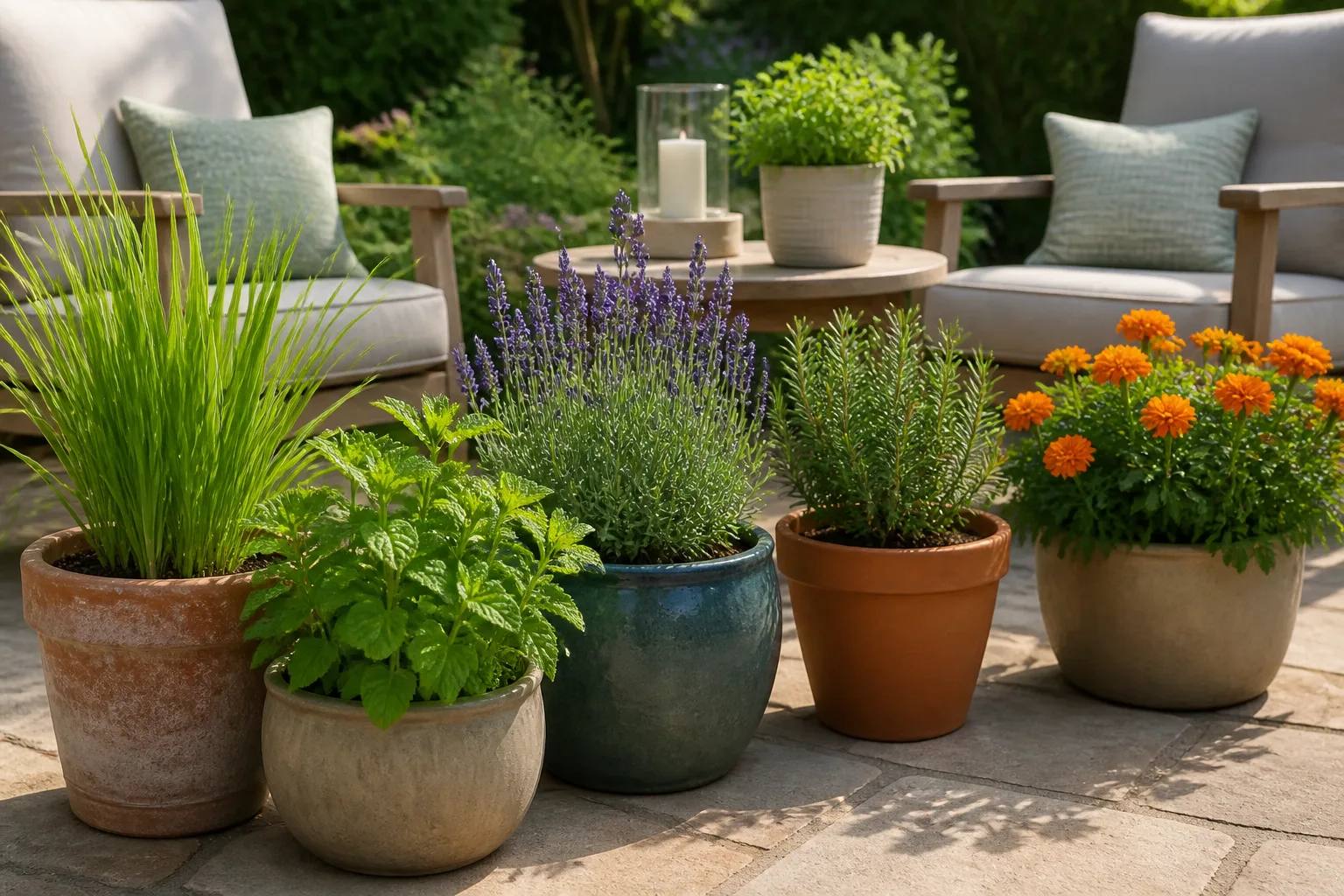
A pot of mint by the door may smell fresh and earn its place in the garden, but it should not be expected to stop spiders from crossing a threshold. Basil, lavender, rosemary, and other fragrant plants are often described as spider repellents; the more useful question is whether a living plant releases enough of the right compounds, for long enough, to change spider activity in a real room or yard. There is not good evidence that any of these plants reliably protects a home.
That does not make the list pointless. These 14 plants offer fragrance, culinary leaves, flowers, pollinator value, or attractive container growth, and a few may be worth trying near a doorway if you already want them. The practical approach is to choose plants for your light, climate, pets, and gardening habits, then use proven exclusion and cleanup steps for spiders.
The short answer: plants are a soft design choice, not reliable control
The plants most often promoted as spider deterrents include mint, lavender, basil, rosemary, lemon balm, lemon verbena, sage, dill, chives, catnip, chrysanthemums, marigolds, citronella grass, and eucalyptus. Their leaves contain aromatic compounds, but that fact alone does not show that a healthy plant repels spiders at a useful distance. A plant that smells strong when you rub a leaf is not necessarily releasing a consistent, concentrated scent cloud around a window or patio.
University extension guidance for spiders in homes emphasizes removing webs and clutter, sealing cracks, and tightening screens and doors. Utah State University Extension also advises sweeping or vacuuming corners and using carefully placed sticky traps for wandering spiders; neither it nor Colorado State University Extension presents a potted herb as a control measure. So grow these plants because they suit your space, and consider any spider effect a possible bonus rather than a dependable outcome. (Colorado State University Extension; Utah State University Extension)
Why aromatic leaves do not create a spider-proof boundary
Aromatic plants store volatile compounds in their foliage. A person may notice the scent after brushing a rosemary stem or crushing mint, but the amount released by an intact potted plant varies with species, temperature, light, moisture, airflow, and whether the leaves are disturbed. Outdoors, breezes disperse odors; indoors, a plant several feet from a sill does not create an invisible seal across the opening.
Concentrated essential oil is a different material from a living plant. The oil is extracted and applied at a much higher concentration to a surface, which is why articles about peppermint-oil sprays cannot establish that a mint plant has the same effect. Even advice about oil sprays describes a temporary measure that needs repeat application and does not eliminate spiders; it also raises concerns about pets, people sensitive to strong odors, and surface damage. (Homes & Gardens’ discussion of peppermint oil)
No one should infer that every spider responds to the same odor, or that a plant makes an entryway spider-free. Spiders differ in behavior, and many wander indoors while following prey or seeking shelter. If a plant appeals to you, put it where its scent and leaves are pleasant to brush past—not where you need a guaranteed pest barrier.
14 plants often chosen for their scent
The most sensible way to compare these plants is by what they can offer as plants: useful leaves, fragrance when handled, seasonal color, or a container that can move with the weather. The short notes below help you select one that fits. They are not a ranking of spider-repelling strength, because reliable comparative evidence for living plants is lacking.
Culinary herbs for pots and doorways
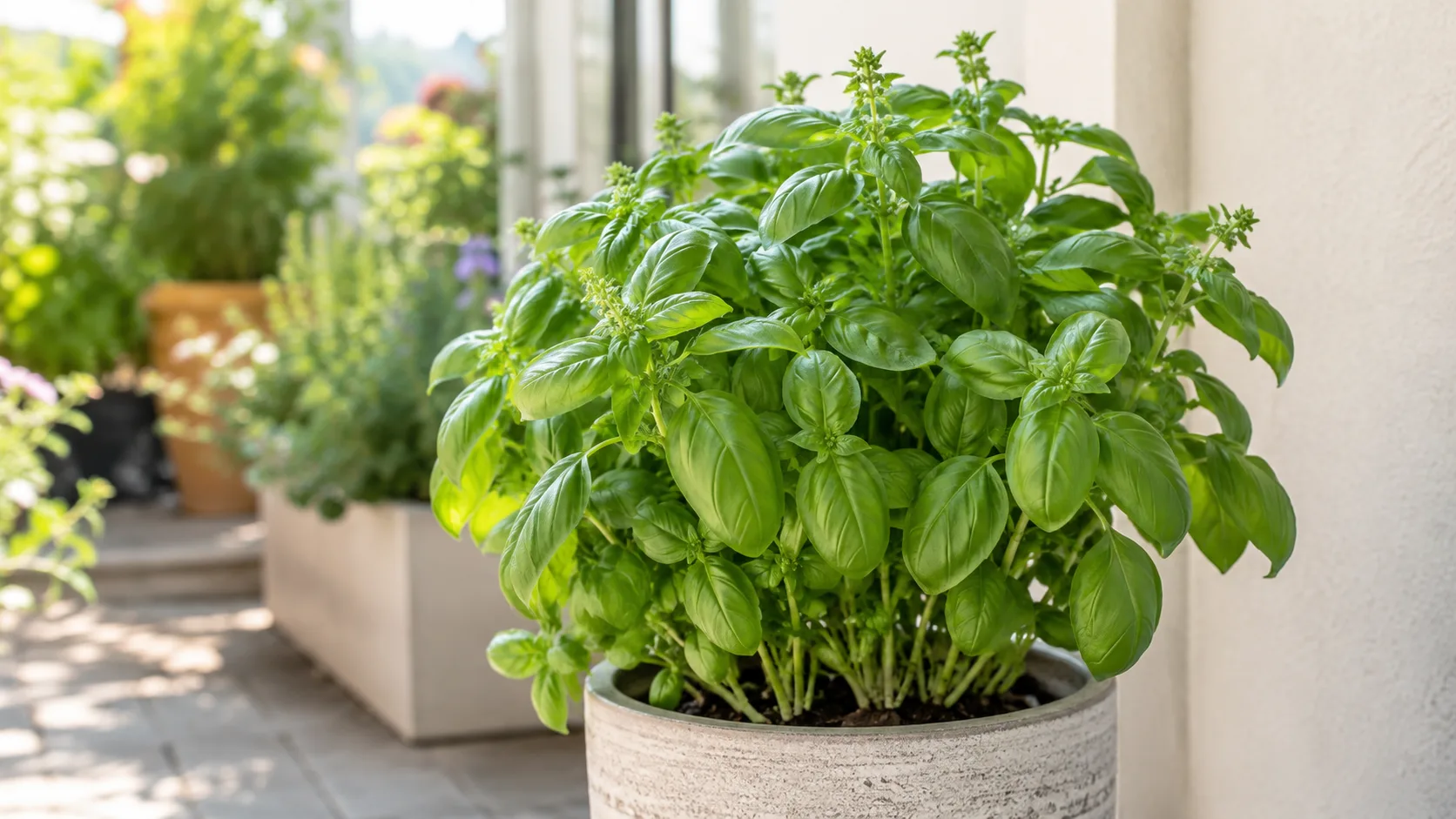
1. Basil (Ocimum basilicum) is a tender, sun-loving herb that suits a warm, bright patio pot or a very sunny kitchen window. Pinch the growing tips for a bushier plant and harvest leaves regularly; a dim indoor corner usually leads to weak, stretched growth. Treat its sweet, peppery scent as a gardening and cooking benefit, not protection from spiders.
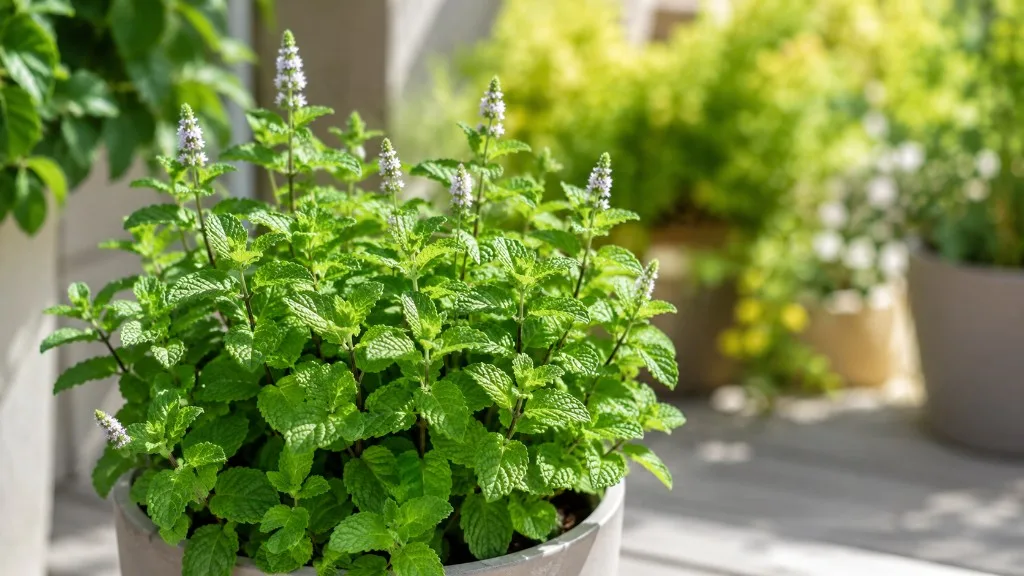
2. Mint (Mentha spp.) tolerates more shade and moisture than Mediterranean herbs, and its leaves release a strong aroma when brushed. Grow it in its own container: runners can quickly take over an open bed, while a small pot lets you keep it near a seat or doorway. It is easy to grow, but not a reliable spider barrier.
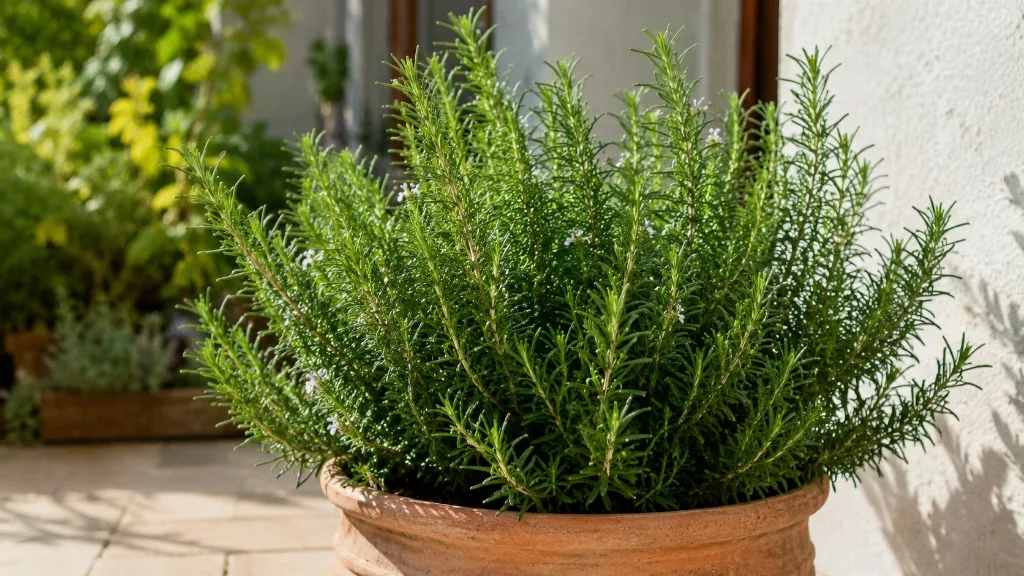
3. Rosemary (Salvia rosmarinus) needs abundant sun and sharply drained soil, so it is a better outdoor herb in warm, dry sites than a low-light houseplant. In cold regions, grow it in a pot that can move to a bright, cool indoor location for winter, and avoid leaving the roots constantly wet. Its woody, resinous foliage is aromatic when touched.
4. Lemon balm (Melissa officinalis) has a fresh lemon scent and grows in sun or partial shade, making it easier to place than rosemary or lavender. It can spread by seed and creeping stems, so a container is a tidy option near an outdoor sitting area. Choose it for tea and fragrant leaves, not because it has been shown to keep spiders away.
5. Lemon verbena (Aloysia citrodora) is a tender, shrubby herb whose leaves smell strongly lemony when crushed. Give it full sun, warmth, and consistent moisture in a free-draining pot; bring it under cover before frost in colder climates. Gardening Know How describes it as cold-sensitive and warm-preferring, so it is a poor choice for an unheated, dim room. (Gardening Know How’s growing guide)
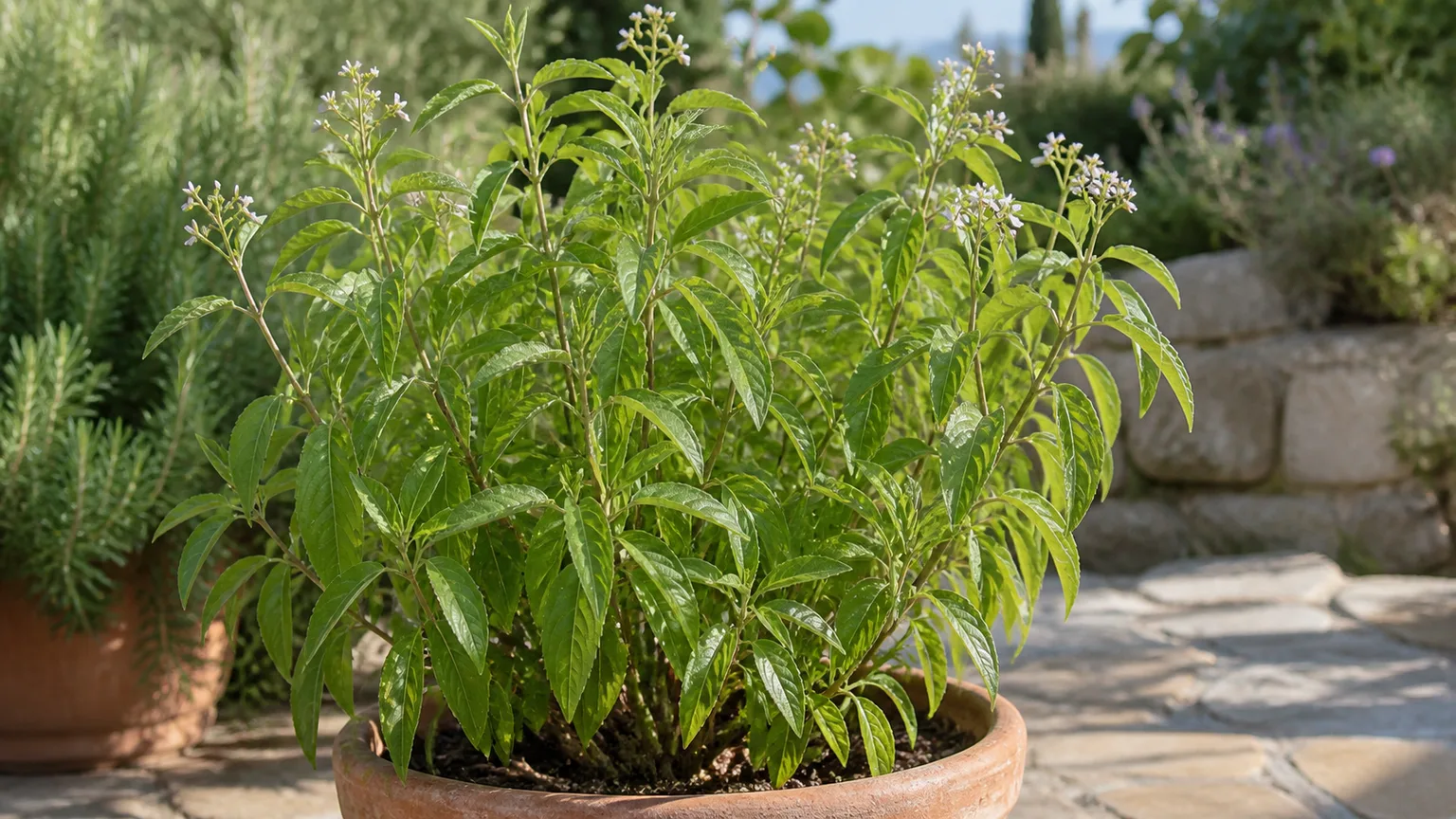
6. Garden sage (Salvia officinalis) is a perennial herb for a sunny spot with good drainage. Once established, it handles drier conditions better than mint or lemon balm, and its textured leaves are easy to harvest for cooking. It is more at home outdoors or in a bright container than in an ordinary shaded room.
7. Dill (Anethum graveolens) is an annual that grows quickly from seed and needs sun, room, and regular moisture while young. It can become tall and flower, attracting beneficial insects; sow more seed through the season if you want a succession of fresh foliage. It is a useful kitchen-garden plant, though not a lasting indoor option.
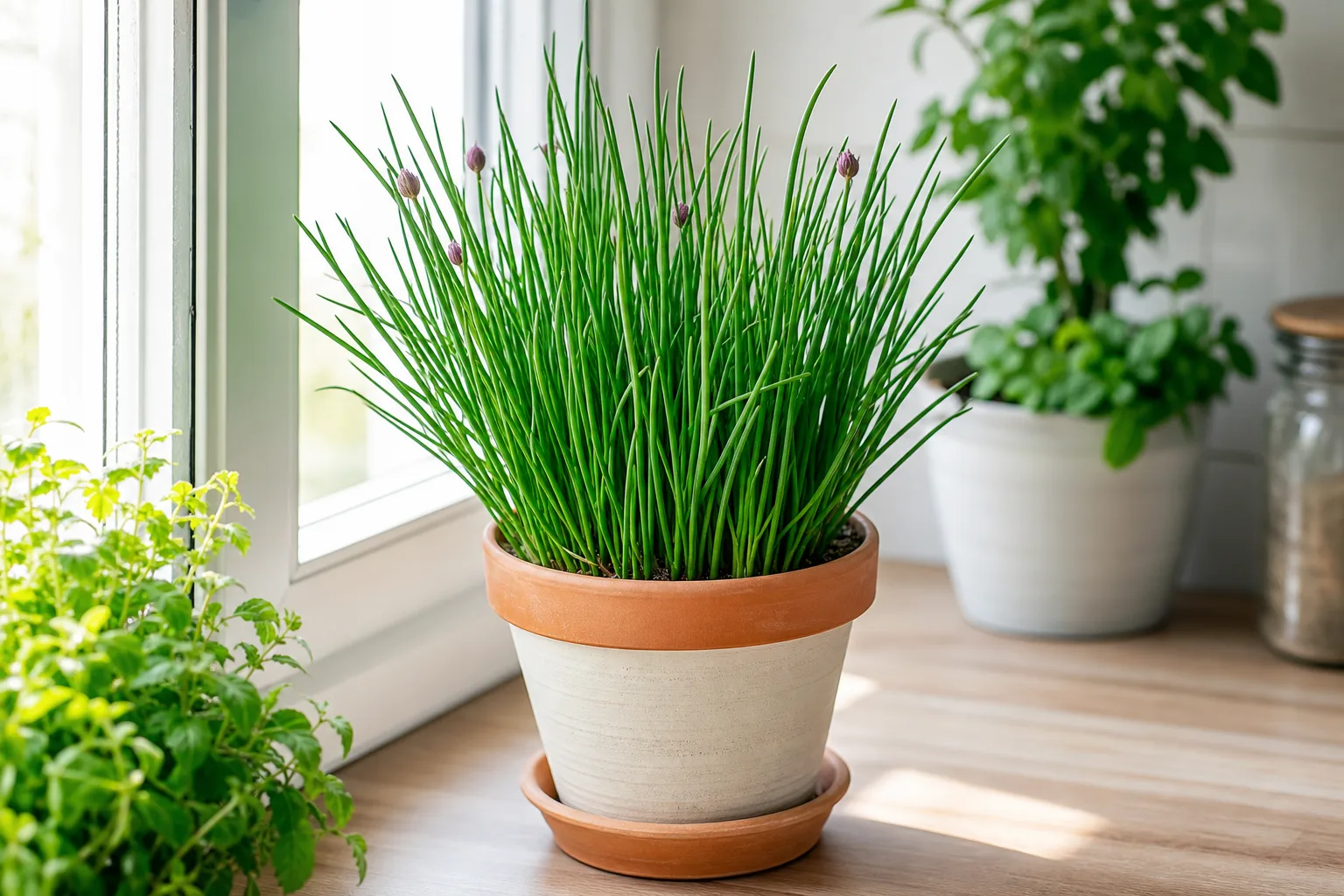
8. Chives (Allium schoenoprasum) form compact perennial clumps with onion-scented leaves, and they can grow in pots or a garden bed in sun to light shade. Clip only what you need and divide congested clumps when growth slows. Their tidy habit is practical beside a kitchen door, but do not plant them where pets can chew them; chives are toxic to cats and dogs. (ASPCA plant profile for chives)
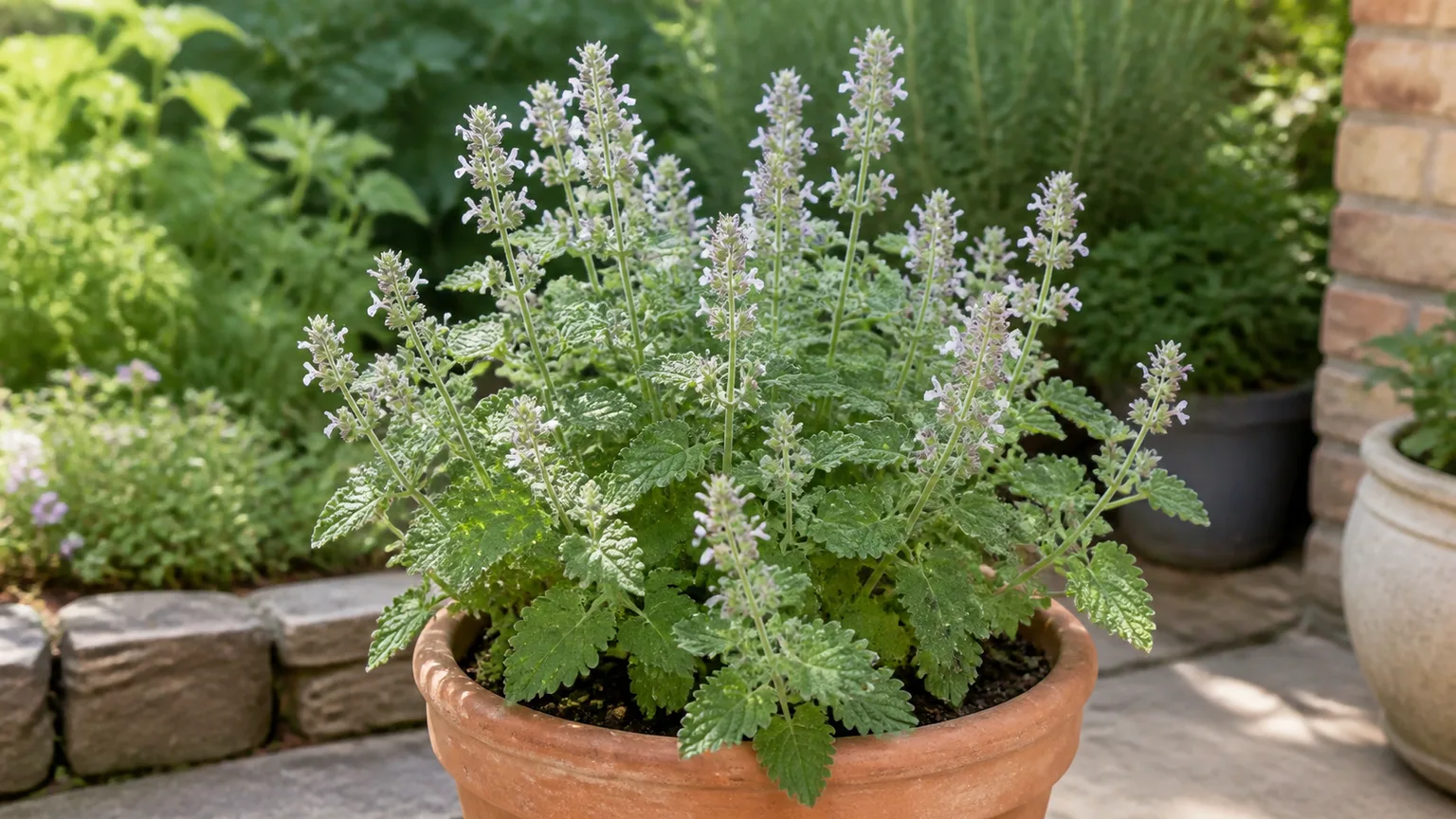
9. Catnip (Nepeta cataria) is a hardy, sun-loving mint relative that can spread and may attract neighborhood cats. A pot contains its growth and lets you move it if cats flatten or chew it. If you have cats, think about whether you want to invite more feline attention before placing it beside a doorway or outdoor chair.
Flowering plants and scented foliage
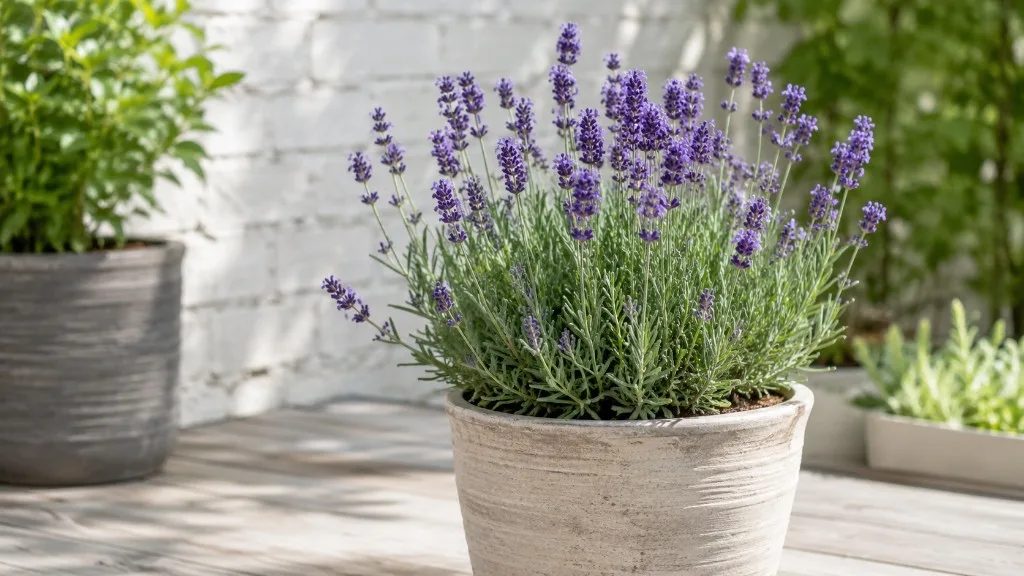
10. Lavender (Lavandula spp.) needs strong sun and excellent drainage; soggy soil and humid, poorly ventilated sites are common causes of decline. English lavender is a familiar culinary and fragrant choice, while other species may suit warmer or more humid climates. Its flowers and foliage make it a strong patio plant, but ASPCA lists lavender as toxic to cats and dogs, so avoid it where pets can nibble. (ASPCA plant profile for lavender)
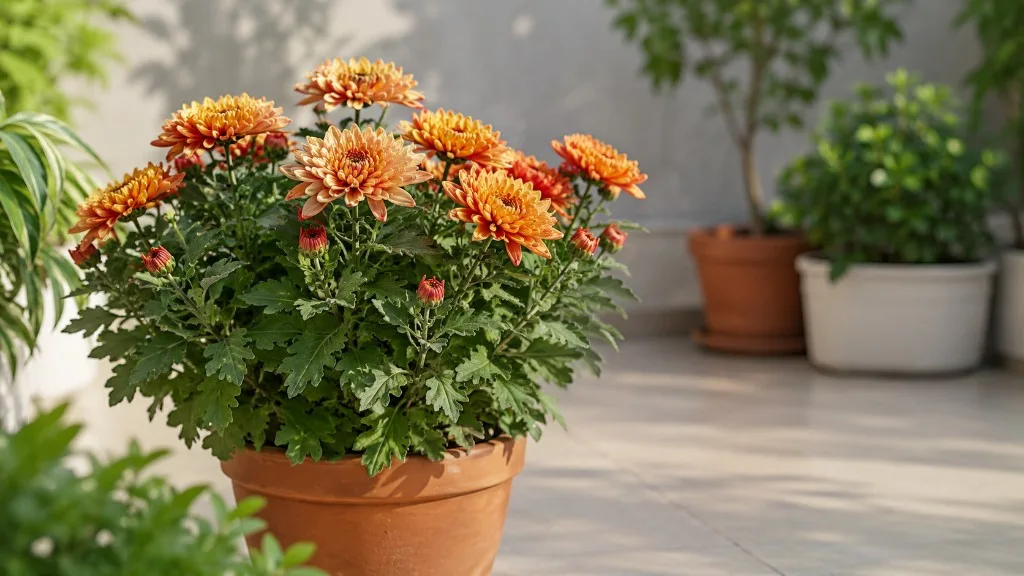
11. Chrysanthemums (Chrysanthemum spp.) bring fall color to a sunny porch or entry step, and their foliage has a noticeable scent when handled. Many nursery mums are sold as seasonal container plants rather than dependable, long-lived perennials; water them before the potting mix dries completely. Mums are toxic to cats and dogs according to ASPCA, which matters if you display them at a pet-height entrance. (ASPCA plant profile for chrysanthemum)
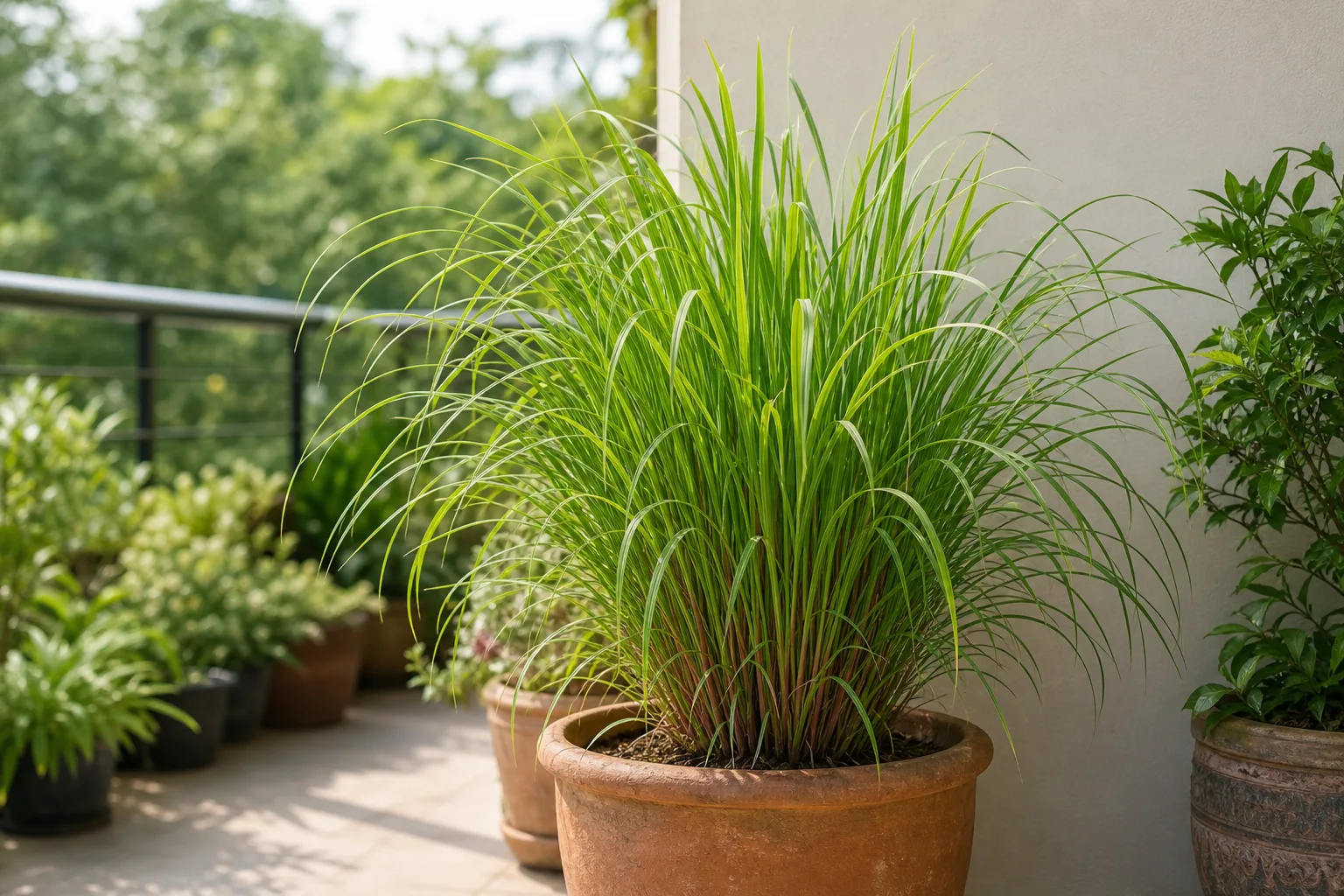
12. Citronella grass (Cymbopogon nardus) is a large, warm-season grass with lemon-scented foliage, best grown in a roomy pot or tropical garden. It needs warmth, sun, and more water than drought-tolerant herbs, and it will not survive hard frost outdoors. Do not confuse the actual grass with scented geraniums marketed as “mosquito plants”; neither common-name similarity nor a citrus smell proves spider control.
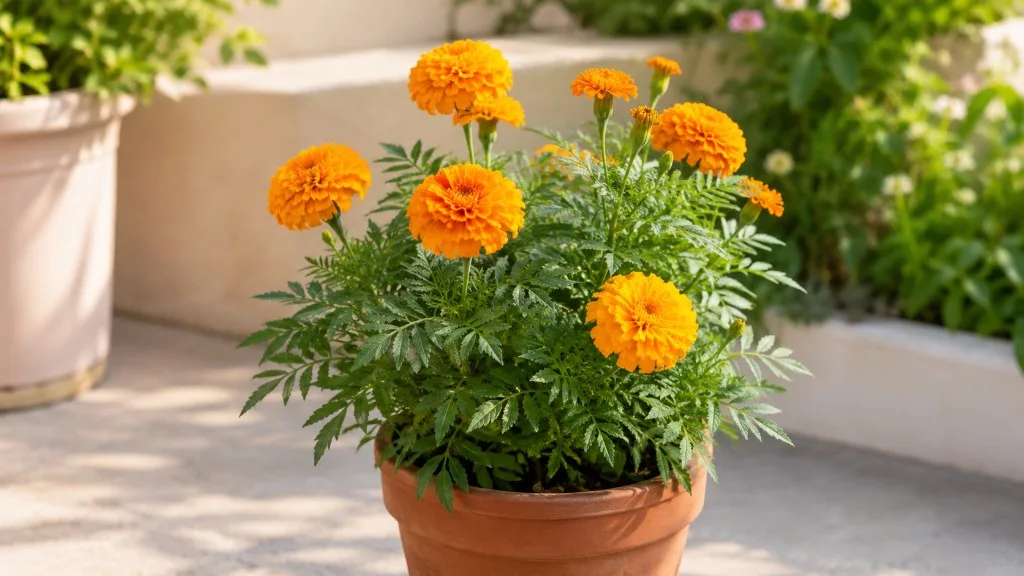
13. Marigolds (Tagetes spp.) are sun-loving annuals for beds and pots, and the foliage—not just the blooms—carries much of their characteristic scent. They are easy seasonal color, but crowded, stressed plants attract pests and can look ragged by late summer. Choose them for a bright border or container, not as an invisible fence around doors.
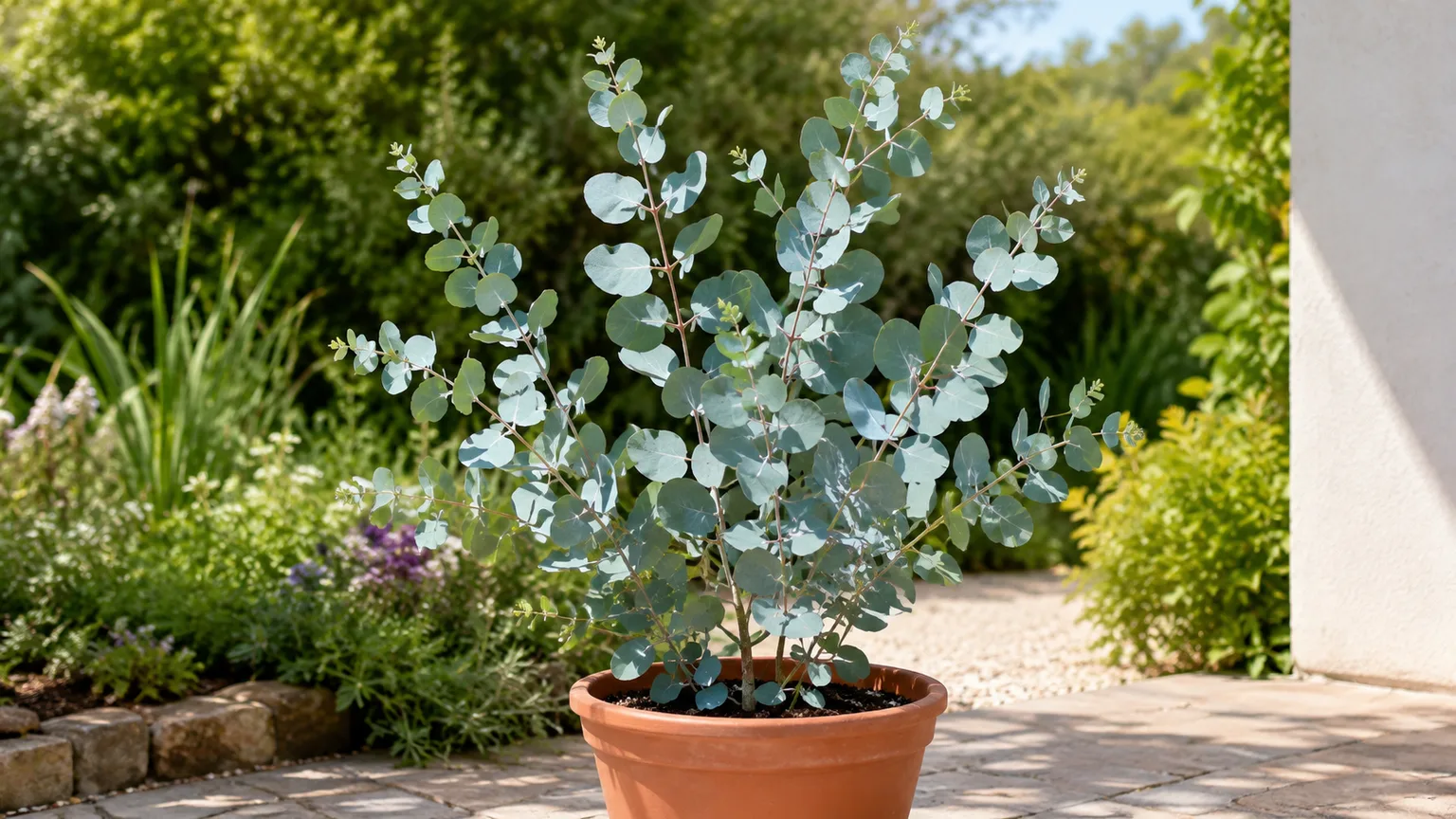
14. Eucalyptus (Eucalyptus cinerea) is grown for its silvery aromatic foliage, but it is a tree that can outgrow an ordinary room and needs strong light. A container can limit its size for a time, yet it still needs bright conditions and careful overwintering in cold climates. ASPCA lists eucalyptus as toxic to cats and dogs, so it is not a casual choice for an accessible indoor corner. (ASPCA plant profile for eucalyptus)
Homes & Gardens advises placing aromatic herbs where people can appreciate their scent—along paths, in sunny courtyards, or in a pot by a back door—and notes that many Mediterranean herbs prefer sun and free-draining soil. That is a good planting principle, but it is about enjoying the plant and supporting healthy growth, not establishing a spider-proof line. (Homes & Gardens guide to aromatic herbs)
Match the plant to the location, not to a pest promise
Bright indoor ledges and protected rooms
If you want a fragrant plant indoors, first check the light. Basil, rosemary, and eucalyptus commonly struggle in a dark hallway; a south- or west-facing window, supplemental grow light, or outdoor summer placement may be necessary. Mint and lemon balm can tolerate somewhat less sun, but they still need enough light to maintain compact, healthy growth.
Many herbs sold in small pots are young plants, not naturally miniature varieties. A basil or mint plant can quickly outgrow a narrow windowsill, and eucalyptus is especially likely to need more room and light than a typical indoor display provides. A movable container gives you options as the season changes, but do not carry a plant indoors if you cannot give it the light and airflow it needs.
Keep pots where they will not block a door, window, or screen. Do not set a plant on a narrow sill where it can be knocked down, and avoid leaving saucers full of water where roots stay soggy or insects breed. If spiders are appearing in a room, moving a plant beside the window may make the room more pleasant, but inspect the frame and screen for gaps rather than assuming the pot will deter them.
Entryways, patios, and garden borders
A container at the front step is a convenient way to grow mint, basil, or seasonal mums where you can water and harvest them. Pick a position based on the plant: lavender, rosemary, and sage usually want sun and fast drainage; mint and lemon balm are more forgiving in partial shade; citronella grass and lemon verbena need warmth and protection from cold. The wrong plant in the wrong exposure becomes a maintenance problem without improving spider control.
You do not need a continuous ring of herbs around the foundation. A crowded border can create shaded, undisturbed pockets, and dense vegetation touching siding can conceal webs or entry gaps. Keep plantings trimmed enough to maintain airflow and visibility, and leave access to screens, vents, and the foundation so you can inspect and maintain them.
Grow aromatic plants without creating new problems
Plant health is a better reason to select a plant than an unverified pest claim. A useful sequence is to note the hours of direct sun, whether the soil dries quickly or stays wet, winter lows, and how often you want to water; then match those conditions to the herb or flowering plant. Homes & Gardens notes that many aromatic herbs prefer sunny positions and free-draining soil, while mint and lemon balm can tolerate partial shade and moister conditions. (Homes & Gardens aromatic-herb guidance)
Before buying, compare the mature size with the spot you have in mind. A large citronella grass or eucalyptus can overwhelm a small sill, whereas chives and a compact basil pot are easier to move; a sprawling lemon balm or mint plant is simplest to contain in its own planter. For a doorway, leave enough room to open the door fully and keep the pot from leaning against a screen or siding.
Containers are especially practical for mint and lemon balm because they contain vigorous growth, and for tender plants such as lemon verbena or citronella grass because you can move them before cold weather. Use a pot with drainage holes and a mix suited to the plant; do not force drought-adapted lavender into a constantly damp herb planter. Check soil moisture with a finger before watering rather than following a fixed calendar, since pot size, sun, wind, and season change how quickly a container dries.
Harvest or lightly brush foliage only when you want the scent or leaves. Cutting or crushing leaves releases aroma briefly, but repeated damage can weaken a plant and does not create lasting control. If your goal is harvesting, keep culinary herbs away from pesticide-treated areas and wash edible leaves as you normally would.
Pet and child safety deserves a plant-by-plant check
“Natural” does not mean safe to chew. ASPCA identifies lavender, mint, chrysanthemums, eucalyptus, and chives as toxic to cats and dogs; the reported effects and toxic compounds differ by species. For example, ASPCA notes large ingestions of mint can cause vomiting and diarrhea, while chives can cause more serious blood-cell effects. Use the individual plant profiles rather than assuming all herbs are harmless because they are used in food. (ASPCA: lavender, mint, chrysanthemum, eucalyptus, and chives)
Keep plants, fallen leaves, and pruning waste out of reach of pets and young children when the species is toxic or uncertain. Common names can refer to different plants, so confirm the botanical name on the tag before purchase. If a pet eats part of a plant and shows symptoms, contact a veterinarian or animal poison-control service promptly; do not wait for a supposed repellent effect to matter.
Essential oils deserve even more caution than intact foliage. They are concentrated extracts, not simply “stronger plants,” and can be irritating or harmful if swallowed or applied to skin. Do not diffuse or spray them around pets based on a plant list, and never substitute a homemade oil mixture for a labeled product or veterinary advice.
What to do when spiders actually enter
Seal access and remove shelter
Start where spiders or webs are appearing. Vacuum webs and egg sacs, clean clutter from corners and storage areas, and look for gaps around window frames, doors, pipes, and foundation openings. Repair screens, fit door sweeps, and seal suitable cracks; these changes directly interrupt routes into the home. Colorado State University Extension also recommends keeping nearby shelter such as wood piles and debris away from the house and reducing prey insects that can support spiders. (Colorado State University Extension spider guidance)
If an occasional spider wanders inside, use a cup and stiff card or a vacuum rather than spraying a room indiscriminately. Sticky traps can catch wandering spiders, but place them where children and pets cannot reach them and check them frequently. For repeated sightings, first identify whether the issue is a route, a webbing site, clutter, or an insect prey source; the right fix depends on where spiders are showing up.
If you suspect a medically important spider or a bite with serious symptoms, do not rely on a fragrant plant or attempt a risky close-up capture. Keep people and pets away and contact a local extension office, pest professional, or medical professional as appropriate. Identification varies by region, and a photograph taken from a safe distance is more useful than handling the spider.
Keep beneficial outdoor spiders outdoors
A garden spider is a predator, not a plant disease. Outdoor spiders feed on other invertebrates and can be part of a balanced garden, so a web in a shrub or corner of a shed does not automatically call for removal. Decide whether a web is in a doorway, walkway, or frequently used seating area before disturbing it.
Where webs repeatedly form around a porch light, reduce the insects that gather there by switching off unnecessary lights or using fixtures that direct light downward. Trim vegetation back from siding, clear dense clutter next to the foundation, and remove webs from high-traffic spots. Those steps change shelter and prey conditions; a row of herbs cannot do that job by itself.
Claims to treat cautiously
Be wary of statements that one “strongest” plant repels every spider, that plants prevent spiders from entering a house, or that a scent continues working at a fixed distance all season. A living plant’s aroma changes with the weather and whether its leaves are disturbed, while spider activity depends on species, prey, shelter, and access. Without a controlled comparison of healthy plants in real indoor and outdoor settings, ranking these 14 by repellent strength would be false precision.
Also distinguish a spider from a spider mite. Spider mites are tiny plant-feeding pests that damage foliage; true spiders are arachnids that catch other animals. A fragrant herb will not treat spider mites, and a pesticide or oil used on plants must be chosen for the target pest and applied according to its label. If the real issue is webbing or spiders entering a room, correct the entry or shelter conditions instead of spraying leaves.
If you are curious whether a pot changes activity at your own doorway, treat it as an observation rather than a test that proves repellency. Note where webs appear for a few weeks before moving a plant, then keep track of web locations, cleaning, lighting, and weather after the move. Those factors can change at the same time, and an individual spider may simply relocate; a quiet corner is not evidence that all spiders avoid that plant. Use the observation to decide whether you like the placement, while keeping screens and seals as your real prevention plan.
Conclusion
Basil, lavender, mint, rosemary, and the other 10 plants on this list can make useful herbs, fragrant foliage, or colorful containers, but there is no dependable evidence that a live plant will keep spiders out of a home. Choose one that suits your sunlight, climate, watering routine, and household—not a promise that scent alone will control a pest.
For fewer indoor spiders, seal openings, maintain screens and door sweeps, remove webs and clutter, and reduce sheltered spots near the foundation. Then grow the plants you enjoy in places where they can thrive, and treat any spider-deterring effect as an uncertain extra.



