Herbs for Each Zodiac Sign: A 12-Sign Guide
Explore herbs traditionally paired with all 12 zodiac signs, learn why lists vary, and choose plants that fit your garden’s light, climate, and space.
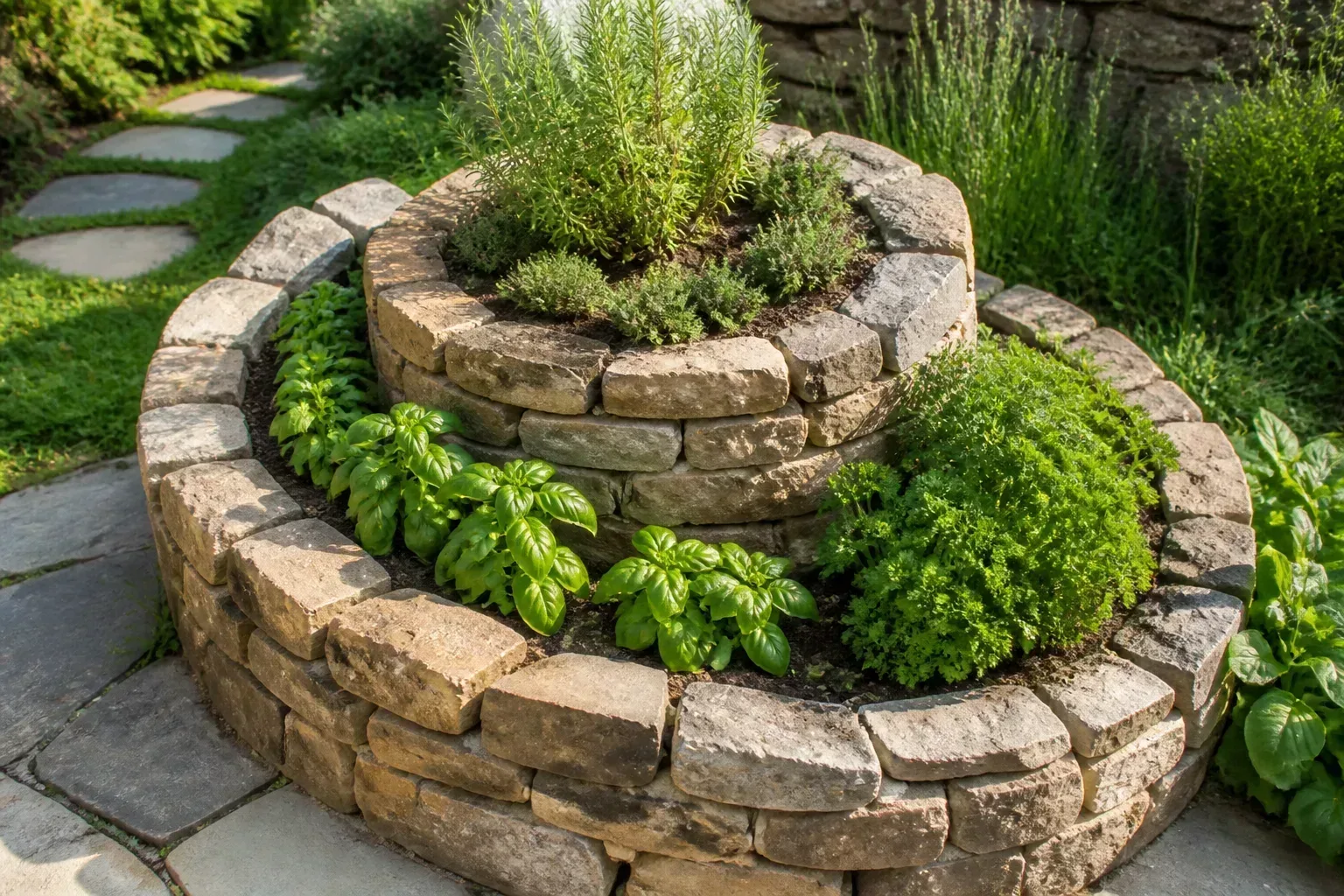
Herb-and-horoscope charts pair plants with the 12 zodiac signs as a form of folklore, symbolism, or modern garden inspiration. The lists can be fun to browse, but they are not a scientific guide to personality, health, or plant performance—and there is no single universally accepted chart. One list may give Aries rosemary while another gives it to Capricorn; that variation is part of the tradition, not a problem you need to solve.
Below, each sun sign has a small selection of plants commonly linked with it in contemporary herb correspondence lists. The explanations treat the match as a symbolic association: rosemary’s evergreen structure can suggest persistence, for example, but it does not grow differently for someone born under a particular sign. Common Western tropical date ranges are approximate; the exact calendar boundary may vary by year, and zodiac signs are not the same thing as the astronomical constellations with matching names. NASA explains that Earth’s axial precession slowly shifts the equinox points against the background stars. (NASA: The Precession of the Earth’s Axis)
How to read herb and zodiac correspondences
The history behind these pairings is real as cultural history, but that does not make every claim in an old herbal scientifically established. Across different periods, writers connected plants with planets, signs, seasons, qualities, and ritual practices. A scholarly analysis of ancient texts documents several overlapping systems in which plants could be associated with zodiac signs or planets, while a study of Nicholas Culpeper’s 17th-century herbal notes that only a portion of the plants in that book received zodiac signs as well as planetary rulers. That is evidence of varied historical practice—not a universal chart handed down unchanged. (“Herbs as pharmaka: between Medicine, Astrology and Magic,” Studia Ceranea; “Dr Reason and Dr Experience: Planetary Rulers in The English Physician,” University of Lancashire)
Modern lists are usually interpretive. An author may pair a sign with an herb because of an old planetary association, a season, a flower color, a scent, a shape, or a symbolic theme. Those are different reasons, and they can lead to different charts. Treat the suggestions below as a starting point for choosing a theme, not as a rule that determines what you should grow.
That distinction matters when a list moves from symbolism into claims about the body. A double-blind study published in Nature tested whether astrologers could match natal charts to personality profiles; it did not study herbs or herb-to-sign pairings. It is a useful example of scientific scrutiny of a claim about natal astrology, but it is not a horticultural experiment. No sign pairing should be used as a medical recommendation or as proof that a plant will have a particular effect. (Carlson, “A double-blind test of astrology,” Nature)
The associations in this guide are therefore framed as cultural or symbolic. “Herb” is also used broadly: some entries are culinary herbs, while others are flowers, shrubs, vegetables, or traditional herbal plants. If you want a living collection, choose from the plants you can identify and grow safely in your conditions.
Herbs traditionally paired with the 12 zodiac signs
The dates below are conventional Western sun-sign ranges, included only to help orient readers. Different astrological systems use different boundaries, and a person born close to a transition may need a birth time and location to determine a chart. The plant examples are not exclusive: the same herb may appear under several signs across different traditions.
Aries: Rosemary, basil, and nettle
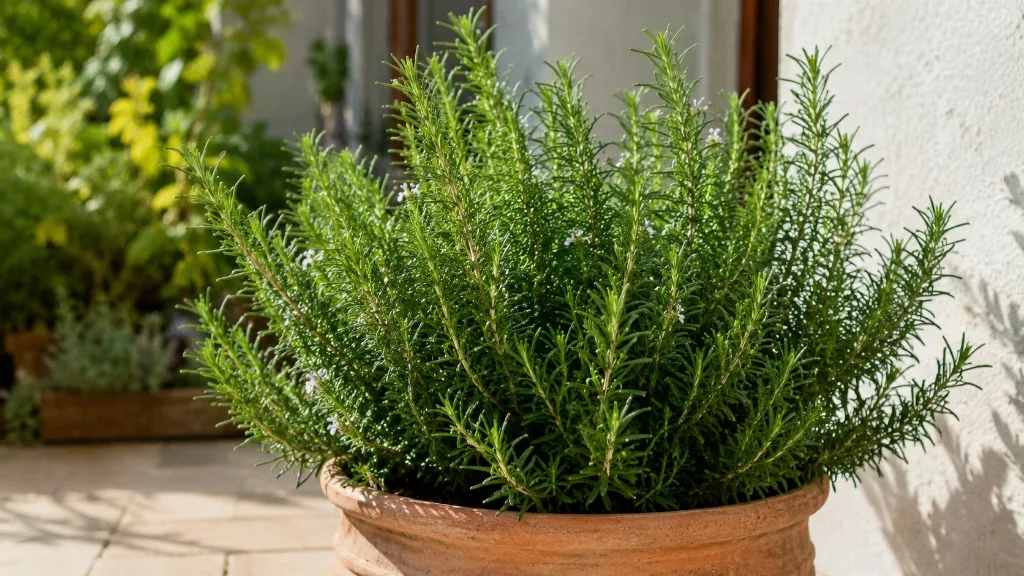
Common dates: about March 21–April 19. Contemporary lists often pair Aries with rosemary (Salvia rosmarinus), basil (Ocimum basilicum), and stinging nettle (Urtica dioica). A symbolic reading might link the strong fragrance and upright, evergreen shape of rosemary with the sign’s familiar springtime imagery of beginnings and momentum. That is a poetic fit, not a claim about the plant’s effect on an Aries gardener.
For a real garden, rosemary is the most structured of these choices: it becomes a woody shrub in mild climates and suits a sunny, sharply drained spot. North Carolina Extension describes rosemary as a full-sun plant that prefers well-drained soil and can struggle in wet conditions. Basil is a tender warm-season annual in many regions, so plant it after frost danger has passed. Nettle is a very different proposition: the common name usually means a stinging species, and it should not be casually handled or planted where children and pets brush past. If the sign theme is enough, a pot of culinary basil or rosemary gives you the visual and aromatic connection without turning the bed into a wild-plant collection. (NC State Extension: Rosemary; University of Minnesota Extension: Growing basil)
Taurus: Mint, thyme, and violet
Common dates: about April 20–May 20. Taurus lists often include mint (Mentha species), thyme (Thymus vulgaris), violet (Viola species), marshmallow (Althaea officinalis), and catnip (Nepeta cataria). The traditional pairing can lean into lush foliage, grounded growth, or a pleasant scent. These are symbolic associations rather than a botanical category: the plants do not share one set of growing needs.
Mint and thyme are useful contrasts. Many mints spread by runners and are easiest to contain in a pot, while thyme tends to stay low and prefers a sunnier, drier site with good drainage. Violet may mean several cultivated species, and not every ornamental violet should be treated as an edible plant. Marshmallow here refers to the flowering species Althaea officinalis, not the confection. If you want one uncomplicated Taurus-themed container, thyme provides compact structure and mint adds a fragrant leaf, but keep the mint in its own pot so it does not overrun the arrangement.
Gemini: Dill, parsley, and anise
Common dates: about May 21–June 20. Gemini correspondences commonly include dill (Anethum graveolens), parsley (Petroselinum crispum), anise (Pimpinella anisum), lavender, and marjoram. A symbolic interpretation may favor finely divided leaves, flower umbels, or the contrast between an herb’s fresh foliage and its seed heads. Dill and parsley are practical choices for a kitchen garden, although they do not have identical schedules: dill is typically grown as an annual, while parsley is often biennial and may overwinter in mild climates.
Pay attention to the name “anise.” Anise is Pimpinella anisum, a seed spice in the carrot family. Anise hyssop is Agastache foeniculum, a different plant in the mint family, grown for aromatic foliage and flowers. A nursery label with a botanical name avoids buying the wrong plant. Dill, parsley, and anise also have delicate, upright flower structures, so a small group can give a Gemini-themed bed a light, branching look without requiring any claim about the sign itself.
Cancer: Sage, lemon balm, and aloe
Common dates: about June 21–July 22. Cancer-associated lists often include culinary sage (Salvia officinalis), lemon balm (Melissa officinalis), aloe (Aloe vera), bay laurel (Laurus nobilis), parsley, and oats harvested at the “milky” stage. In symbolic writing, the group may be presented as protective, home-centered, or soothing. Those descriptions belong to the folklore, not to proven effects on a person or a plant.
The garden choices differ sharply. Lemon balm is a leafy perennial in the mint family with a lemon scent; North Carolina Extension notes that it can self-seed and spread by rhizomes, making a container a sensible choice in many gardens. Sage is a woody culinary perennial that prefers sun and drainage. Aloe is a succulent houseplant in climates where frost is a risk, and it does not want the same watering routine as a leafy herb bed. “Milky oats” is a stage-specific traditional name for green oat seed, not a separate ornamental herb. For a simple Cancer-inspired window or patio collection, use one growing environment at a time rather than grouping plants just because their names share a horoscope list. (NC State Extension: Lemon balm)
Leo: Sunflower, chamomile, and tarragon
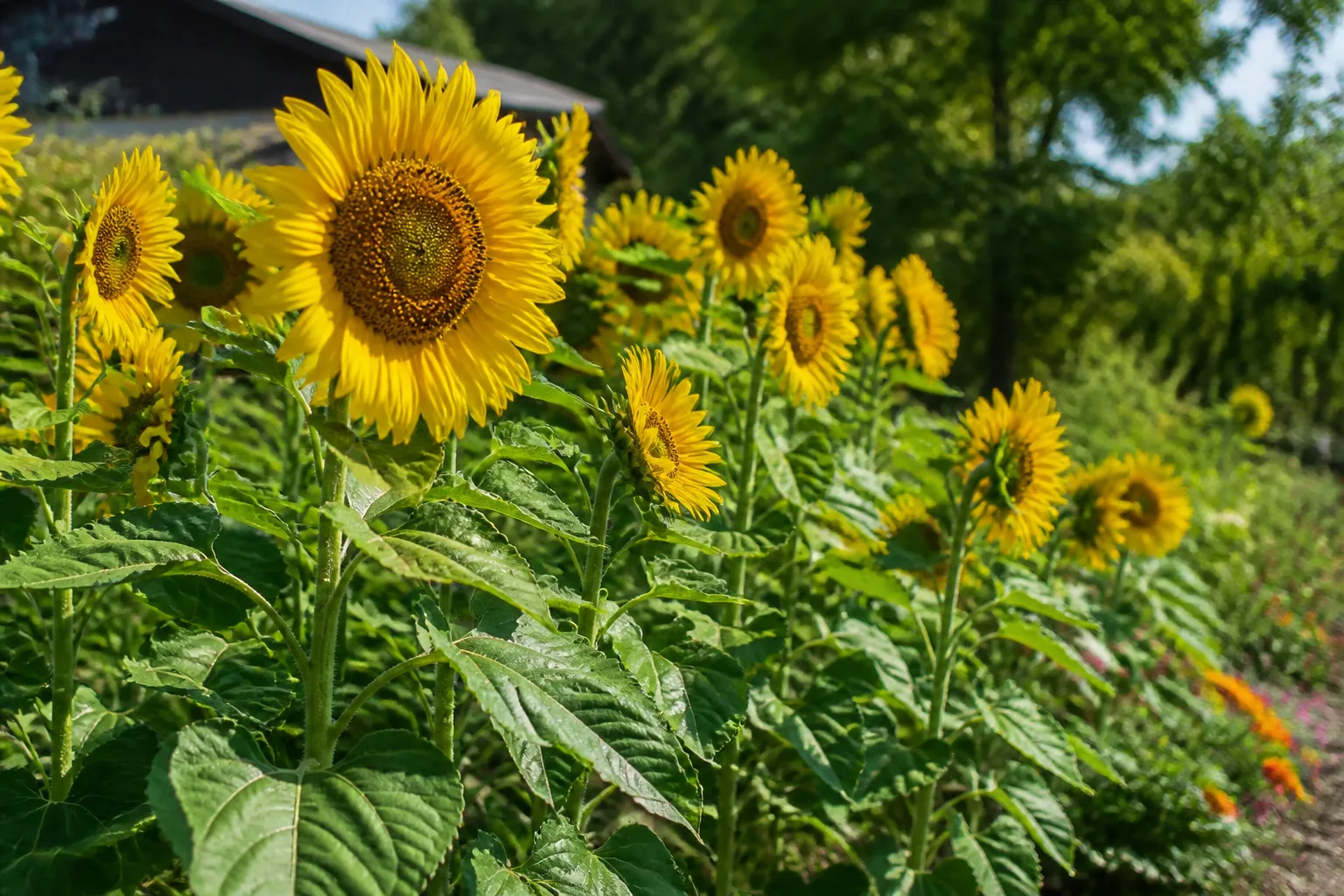
Common dates: about July 23–August 22. Leo lists often include sunflower (Helianthus annuus), chamomile, tarragon (Artemisia dracunculus), lemon balm, and sometimes St. John’s wort (Hypericum perforatum) or eyebright (Euphrasia species). Sunflower is the clearest visual emblem: its large flowering head can become a bright focal point, which is why it appears in garden-themed interpretations. That does not make it a culinary herb, and it does not imply that a sunflower is ruled by a person’s birth sign.
If you want edible leaves, grow a named culinary tarragon rather than assuming every plant sold under “tarragon” is the right flavor type. Chamomile also has more than one common species: German chamomile (Matricaria chamomilla) is usually grown as an annual, while Roman chamomile (Chamaemelum nobile) is a low perennial. St. John’s wort and eyebright belong to herbal traditions but are not casual substitutes for kitchen herbs; a sign chart is not an instruction to ingest, brew, or apply them. A sunflower paired with a clearly labeled culinary herb gives the Leo theme a vivid center while keeping the use of each plant clear.
Virgo: Dill, fennel, and caraway
Common dates: about August 23–September 22. Virgo’s traditional herb lists often include dill, fennel (Foeniculum vulgare), caraway (Carum carvi), mint, horehound (Marrubium vulgare), and marjoram. Several familiar seed herbs in that group belong to the carrot family, Apiaceae, and have finely divided foliage or umbrella-shaped flower clusters. That shared visual structure can make them a tidy, botanical way to theme a small plot; the zodiac connection itself remains symbolic.
Dill and fennel are not interchangeable in a bed. Both can grow taller than expected and may self-seed, and fennel can become a substantial perennial or annual depending on the cultivar and climate. Caraway is often grown for its seeds and has a slower, different life cycle from a quick basil crop. Check the mature height and spacing before placing them together, because a tightly packed “organized” garden can become crowded once the plants flower. If you are unsure about a wild plant that resembles a carrot-family herb, do not identify it by leaf shape alone or harvest it for food; use labeled nursery seed or starts.
Libra: Thyme, catnip, and bee balm
Common dates: about September 23–October 22. Libra pairings can include thyme, catnip, lady’s mantle (Alchemilla species), elderberry (Sambucus species), and bergamot or bee balm (Monarda species). A balanced planting might use a low thyme edge beneath a taller flowering plant, turning the symbolic idea of balance into an actual layered border. The garden design is your choice; the sign does not determine the plant’s needs.
Clarify “bergamot” before buying. In herb gardens, bergamot often means bee balm, a North American Monarda with showy blooms. The name can also refer to the bergamot orange (Citrus bergamia), a citrus tree with different climate needs. Catnip is a member of the mint family and can spread; it may also attract neighborhood cats, so consider where you place it. Lady’s mantle is an ornamental perennial, while elderberry becomes a large shrub rather than a compact herb. The easiest Libra-inspired plan is usually a small scale contrast: one low culinary thyme and one ornamental flowering perennial with a label that gives its species.
Scorpio: Sage, coriander, and cayenne
Common dates: about October 23–November 21. Scorpio lists often feature sage, coriander (Coriandrum sativum), cayenne pepper (a Capsicum annuum cultivar group), catnip, basil, and nettle. A symbolic arrangement may emphasize strong scent, color, or heat. If you prefer a useful kitchen garden, coriander and cayenne are clear culinary crops, but their growing seasons and harvest parts differ: coriander produces edible leaves commonly called cilantro as well as seeds, while cayenne is grown for its fruit.
The plant’s ordinary care still comes first. Cilantro tends to bolt as temperatures rise, so in hot weather it is often more successful as a cool-season crop or in a spot with some afternoon protection. Peppers need warm soil and a sunny growing season; sage is a perennial shrub in suitable climates and will not appreciate constantly wet soil. The word “nettle” may refer to different species, and stinging nettle is a poor choice for a path edge or casual culinary bed. Use a marked cultivar and follow local growing guidance instead of choosing a plant for dramatic or medicinal-sounding symbolism.
Sagittarius: Basil, borage, and saffron
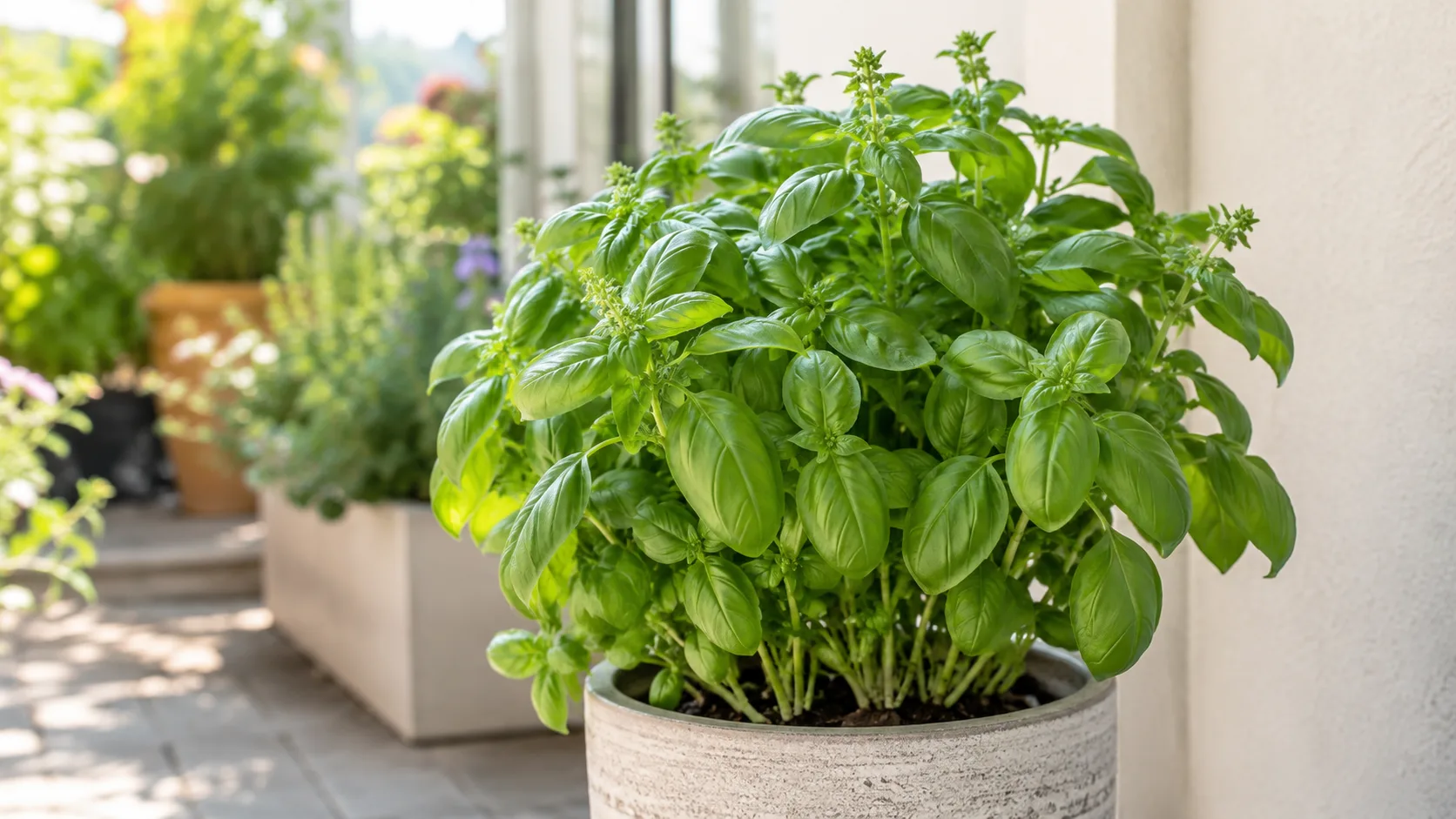
Common dates: about November 22–December 21. Sagittarius correspondence lists often include sage, basil, borage (Borago officinalis), saffron (Crocus sativus), chervil, and ashwagandha (Withania somnifera). A garden-minded symbolic reading can use borage’s star-shaped flowers or basil’s vigorous warm-season growth as a visual cue for exploration and abundance. Those associations are interpretive, not botanical facts about the sign.
Basil and borage are easier to understand as garden plants than saffron or ashwagandha. Basil is a warm-season annual in many climates. Borage is an annual flowering herb that can self-seed, so allow space or remove seed heads if you do not want volunteers. Saffron crocus is grown for a very small harvest of stigmas and needs a suitable climate and well-drained planting site; it is not a generic substitute for ornamental crocus. Ashwagandha is a warm-climate plant used in herbal products, not a routine culinary herb. If you grow it, treat it as an identified ornamental or specialty plant and do not infer safe use from its place in an astrology chart.
Capricorn: Rosemary, chamomile, and marjoram
Common dates: about December 22–January 19. Capricorn lists commonly include rosemary, chamomile, marjoram, caraway, tarragon, and occasionally red beet (Beta vulgaris). The list can create a winter-garden theme through evergreen rosemary, but it mixes woody perennials, annual flowers, leafy herbs, and a root crop. The useful interpretation is a contrast of form and season, not a rule that these plants share a single care routine.
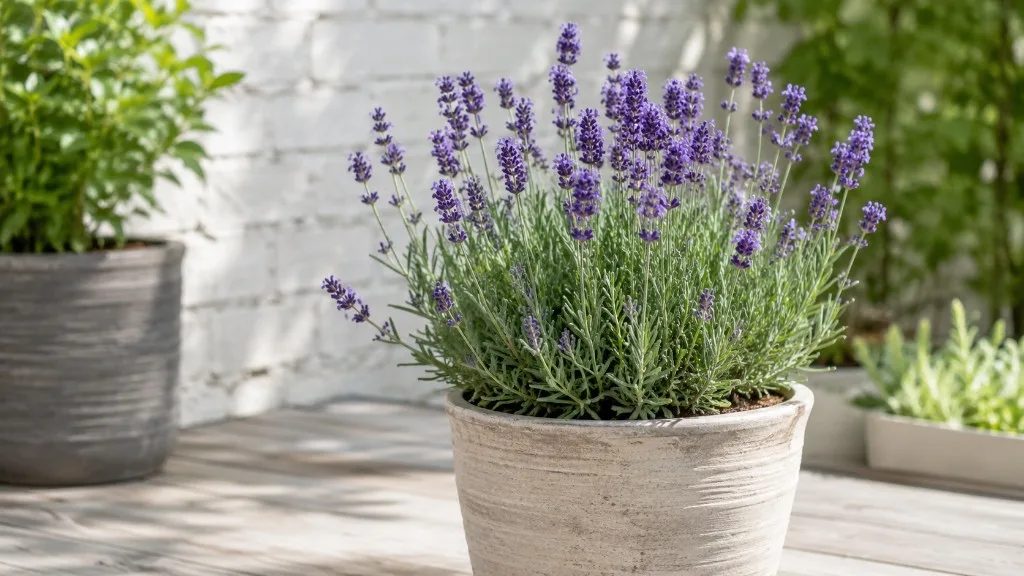
Rosemary can hold its structure year-round in warm enough climates, but its hardiness varies and it may need protection or a container that can be moved indoors in cold-winter areas. The Royal Horticultural Society recommends a sunny position for lavender, another common Mediterranean-style herb, and rosemary similarly benefits from sun and drainage; check a cultivar’s local hardiness rather than relying on the zodiac pairing. Chamomile is a lighter annual or perennial ground-level choice depending on the species. Marjoram is a tender perennial in cold regions and may be grown as an annual. A compact Capricorn planter can combine one woody evergreen with one seasonal flowering herb, then leave the beet out unless you have room for a vegetable bed. (RHS: How to grow lavender; NC State Extension: Rosemary)
Aquarius: Rosemary, fennel, and violet
Common dates: about January 20–February 18. Aquarius lists may pair rosemary or fennel with violet, valerian (Valeriana officinalis), comfrey (Symphytum officinale), or Queen Anne’s lace (Daucus carota). Some of those are better treated as reference points than as garden recommendations. The latter plants can be difficult to identify safely from common names alone, are not ordinary culinary herbs, or need more space than a small herb bed. A clearly labeled rosemary or cultivated fennel can carry the theme without requiring a collector’s garden.
This is a good sign list for noticing how elastic the word “herb” becomes. Rosemary is a culinary shrub; fennel can be grown for leaves, seeds, or its swollen stem depending on cultivar; violet is usually an ornamental; and comfrey is a large, vigorous perennial. Queen Anne’s lace is the common name for wild carrot and should not be casually gathered or eaten, since unrelated plants can look similar. Penn State Extension specifically identifies poison hemlock as a look-alike, so a horoscope chart is no substitute for reliable plant identification. (Penn State Extension: Poison hemlock identification) If you want violet, buy a named cultivated species and grow it as an ornamental unless you have independently confirmed that a specific variety is suitable for food. No symbolic pairing makes an unidentified plant safe.
Pisces: Lemon balm, borage, and rose
Common dates: about February 19–March 20. Pisces pairings often include basil, lemon balm, borage, sage, and rose. Some lists say “rose oil,” but an oil is a product, not a garden herb; for planting, think of a rose (Rosa species) or a fragrant rose cultivar. A symbolic reading may favor soft fragrance, blue flowers, or plants that spill gently over a container, but the selection is yours.
Lemon balm gives a leafy, lemon-scented option and borage adds blue, star-shaped flowers. Both need room: lemon balm can spread by seed and rhizomes, while borage may reseed if flowers are left to mature. Roses range from compact patio plants to large shrubs and climbers, so check the mature size and disease resistance of the cultivar before buying. Essential oils and concentrated herbal preparations have separate safety considerations from growing a plant; this chart is not advice to apply, inhale, or ingest them. For a small Pisces-themed pot, use one identified culinary herb and a compact flowering plant suited to your climate.
Choose plants for your actual garden
Once you have picked a symbolic pairing, make the horticultural choice by species and site. A horoscope list can put sun-loving rosemary beside a plant that prefers more consistent moisture, or place a tender plant beside a winter-hardy perennial. Treat each plant as an individual and check its botanical name, mature size, hardiness, and local growing guidance before you buy it.
Start with light. Many culinary herbs grow best with at least six hours of direct sun, while indoor windows can provide much less light than they appear to. The University of Minnesota Extension notes that most herbs need six or more hours of sun and well-drained soil; it also distinguishes warm-season herbs such as basil from cooler-season crops such as parsley and dill. Those are useful starting points, not universal rules for every cultivar or climate. (University of Minnesota Extension: Growing herbs in home gardens)
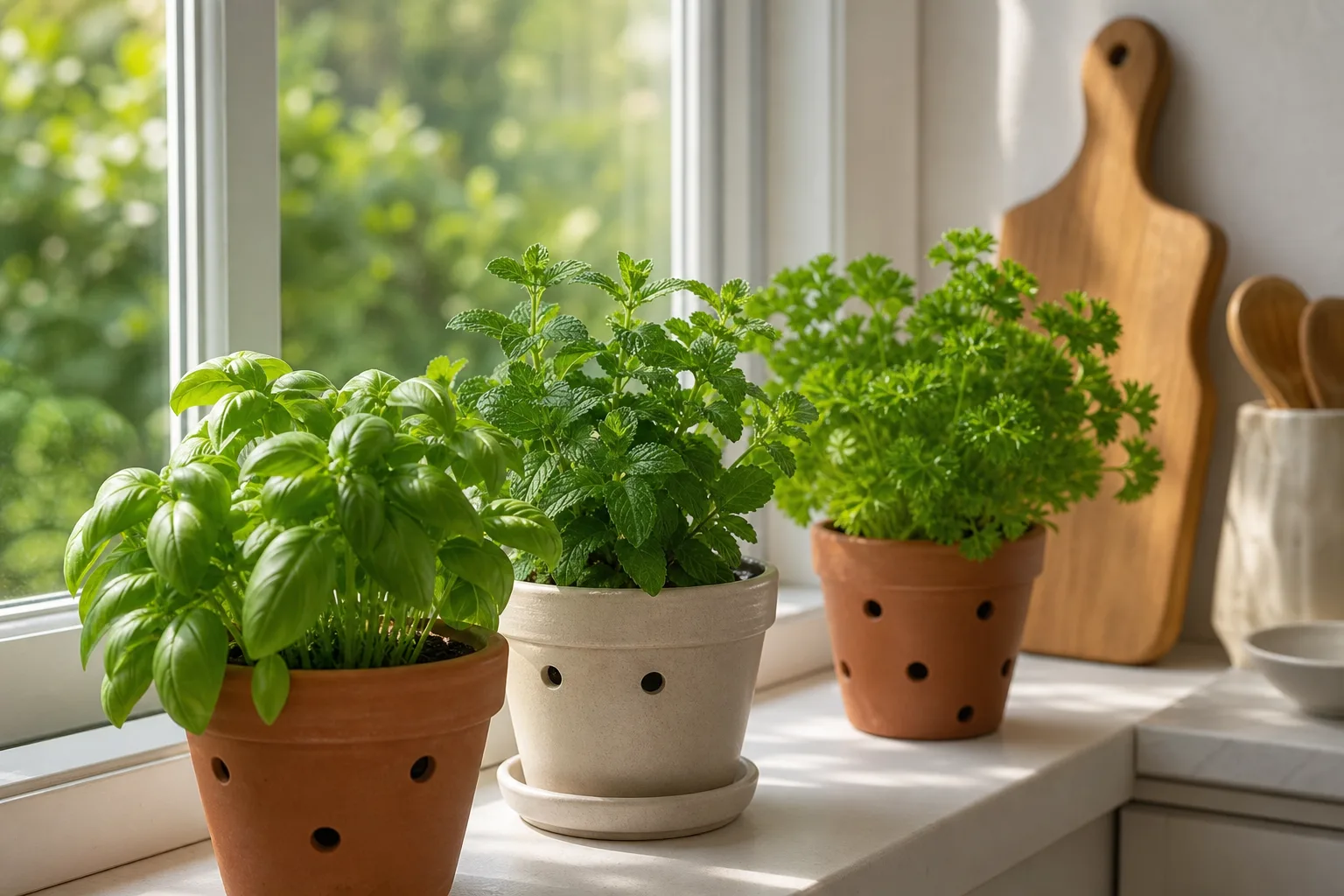
Then check water and drainage. Rosemary, thyme, and lavender are poor matches for a permanently soggy pot, while a leafy herb may wilt quickly in a tiny container during hot weather. Use pots with drainage holes and choose a growing medium for the plant rather than keeping every zodiac herb in one oversized bowl. A collection grouped by sign can still sit together on a shelf, but each pot should let you water and tend the species appropriately.
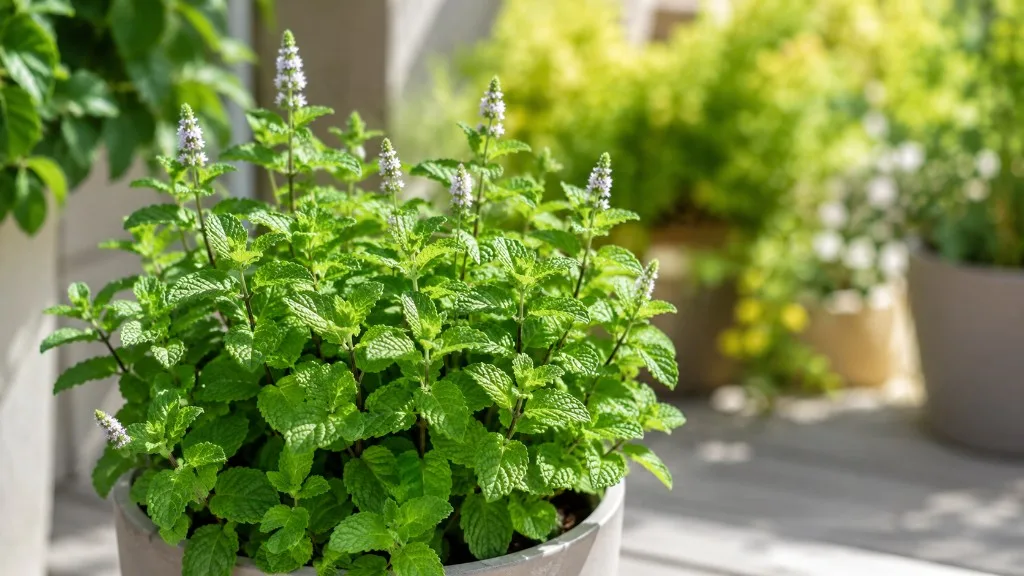
Account for spread and climate. Mint and lemon balm are easier to manage in separate containers because they can spread beyond the space where they were planted. Rosemary, bay laurel, and some sages become woody shrubs in mild climates, but may need overwintering or protection in colder regions. Basil is frost-sensitive; fennel can grow large; and annual herbs can reseed. A species’ label and extension guidance are more useful than a sign when estimating mature size or winter survival. (NC State Extension: Lemon balm; University of Minnesota Extension: Growing herbs)
Finally, separate symbolism from use. Some plants on traditional lists are ornamental, wild, or used in herbal products rather than as everyday food. Common names can also cover several species. Do not eat a plant because a chart calls it an herb, and do not forage from a picture or a name alone. If your goal is cooking, choose a cultivar sold and labeled for culinary use. If you are considering a plant for health purposes, get advice from a qualified clinician or pharmacist rather than relying on astrological correspondences.
Make a zodiac-inspired herb garden
You do not need twelve beds or every plant named on a correspondence list. A small theme garden works better when it uses one manageable plant per sign, a few favorite symbols, or a selection from one element group. Pick a visual thread—fragrance, flower color, leaf shape, or evergreen structure—and make that the design idea. The symbolism can guide the label or layout while real plant needs guide placement.
For a windowsill, choose two or three compact culinary herbs with similar light and watering needs, such as basil and parsley if the window is bright enough. A supplemental grow light may be necessary in a dim room, especially during winter. For an outdoor pot, rosemary and thyme can make a sun-loving pair where the climate suits them, while mint and lemon balm should each have their own container. In a mixed border, put taller plants such as fennel or sunflowers toward the back so they do not shade low-growing thyme or violets.
Use labels for both names: the sign association and the botanical name. A simple tag might read “Gemini — dill (Anethum graveolens)” or “Libra — bee balm (Monarda), not bergamot citrus.” That small step keeps a playful chart from turning into plant confusion next season. Add a note about whether each selection is edible, ornamental, annual, or perennial, and check that claim against the exact plant you bought.
If you are gifting the garden, let the recipient choose the association rather than treating the sign as a personality diagnosis. A birthday herb pot can be thoughtful because someone likes its scent, color, or kitchen use. It does not need to “fit” the recipient according to a horoscope, and a different herb is equally valid if it grows better in the available space.
Conclusion
Herb correspondences for horoscope signs are best enjoyed as folklore and garden symbolism. The lists vary because they come from different authors and traditions, and they do not show that a sign changes a plant’s growth or health effects. Choose a pairing that appeals to you, confirm the plant’s identity, and let its real needs—light, drainage, climate, space, and intended use—determine how you grow it.