German Chamomile Care: A Practical Growing Guide
Matricaria chamomilla
Learn how to grow German chamomile from seed in full sun and free-draining soil, water its shallow roots, harvest flowers, and manage self-seeding.
German Chamomile Care: A Practical Growing Guide
Start with wateringThe most common care mistake for ChamomileWatering guide →Chamomile care essentials
Light
Water
Keep the upper soil evenly moist but not saturated while seedlings establish. Mature German chamomile tolerates short dry spells; water during prolonged dry weather, especially in containers.
Soil
Light, free-draining loam or sandy soil; German chamomile can grow in poorer soils but does not tolerate waterlogged ground
Humidity
Temperature
Fertilizer
About Chamomile
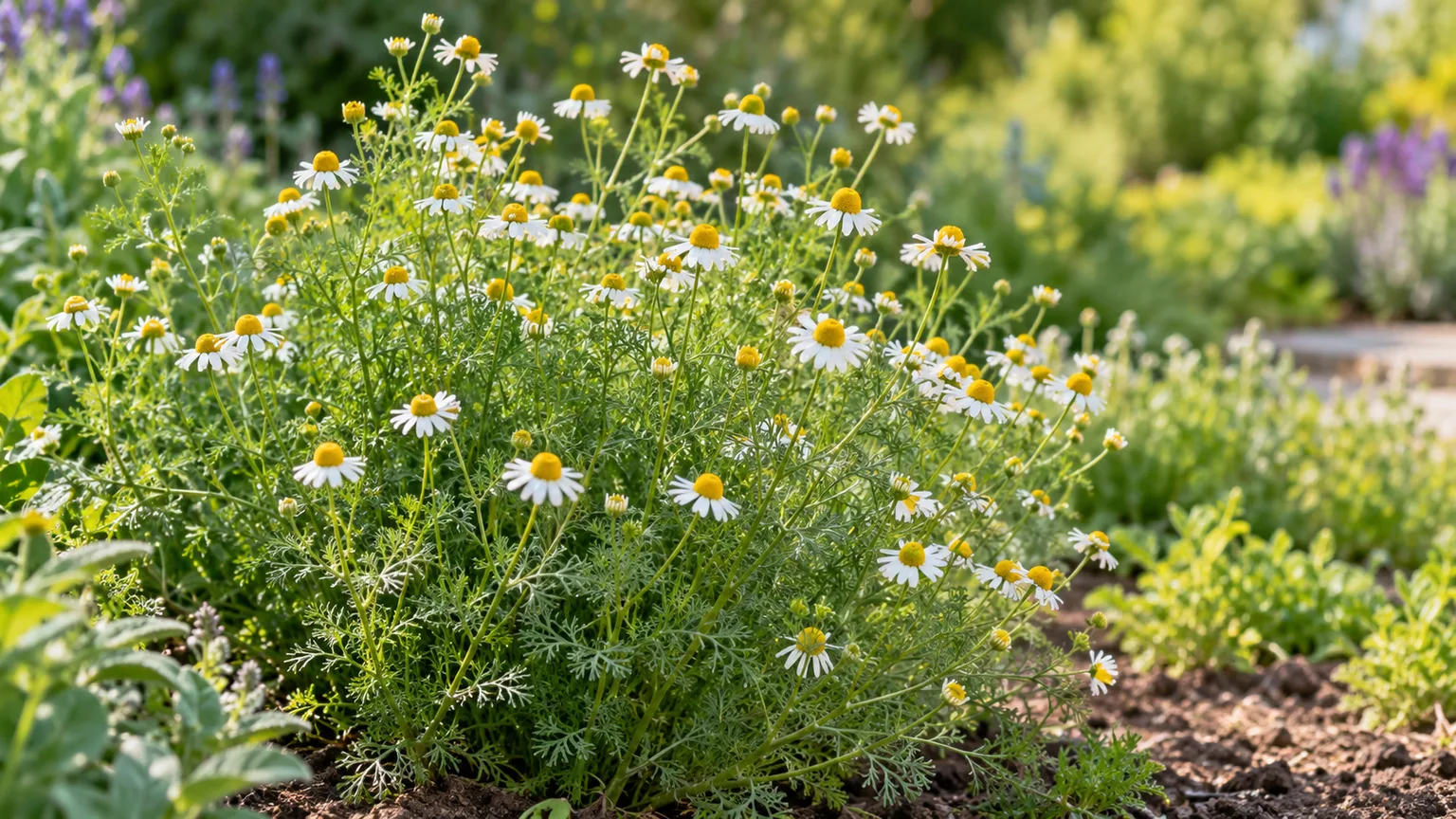
Chamomile is native to Southern and eastern Europe and western Asia, typically reaches Usually 30–60 cm tall and 10–50 cm wide, depending on conditions indoors, with fast from seed; flowers can begin about ten weeks after sowing in suitable conditions growth. Chamomile has a upright, branching, aromatic leaved annual herb with shallow, spreading roots; readily self seeds growth habit and part of the Asteraceae family. It is also known as German chamomile, Scented mayweed, Annual chamomile, and Sweet false chamomile.
| Detail | Information |
|---|---|
| Also known as | German chamomile, Scented mayweed, Annual chamomile, Sweet false chamomile |
| Native region | Southern and eastern Europe and western Asia |
| Mature size | Usually 30–60 cm tall and 10–50 cm wide, depending on conditions |
| Growth rate | Fast from seed; flowers can begin about ten weeks after sowing in suitable conditions |
| Growth habit | Upright, Branching, Aromatic Leaved Annual Herb With Shallow, Spreading Roots; Readily Self Seeds |
| Scientific name | Matricaria chamomilla |
| Family | Asteraceae |
German Chamomile Care: A Practical Growing Guide
German chamomile at a glance
German chamomile, Matricaria chamomilla, is a fast-growing annual herb with finely divided leaves and small white-and-yellow flower heads. Give it a sunny position and soil that drains freely; keep seedbeds and young plants evenly moist, then water established plants during longer dry spells. Its shallow roots make the surface layer of soil the part to watch, while persistent saturation is a more serious risk than a brief dry interval. The UW–Madison Extension profile describes the annual habit, shallow spreading roots, and easy self-seeding that shape its care.
The useful starting move is to sow a small patch directly where you want it to flower. German chamomile grows quickly from seed, may begin flowering in about ten weeks under suitable conditions, and can return from dropped seed if you leave a few flower heads to mature. The RHS growing guide covers sowing and transplanting; its care advice is for chamomile generally, so check the botanical name when choosing seed.
Identify the plant you are growing
“Chamomile” is a common name shared by different plants. This guide focuses on German chamomile, Matricaria chamomilla, also sold under the older names Matricaria recutita and Chamomilla recutita. Its upright, branching annual growth differs from Roman chamomile, Chamaemelum nobile, which is a creeping perennial. Their flowers look alike, but their long-term uses and pruning needs are not interchangeable. NC State Extension lists German chamomile under its botanical name and notes that it is often confused with Roman chamomile NC State Extension.
Read the seed packet or plant label before purchasing. If you want a tea-flower crop that grows tall from seed and completes its life in one season, look for Matricaria chamomilla. If you want low groundcover that spreads across a path or lawn, that is generally a Roman chamomile use. The RHS also distinguishes the annual German type from perennial common chamomile in its growing guide. This site’s Chamomile hub is specifically about German chamomile.
Understand its annual life cycle
German chamomile germinates, grows, flowers, sets seed, and dies back as an annual. It can appear perennial in a garden when dropped seed sprouts the next year, but the original plant is not a long-lived clump. In mild weather it may keep producing flowers for an extended period; once seeds mature, the plant’s life cycle is nearing completion. UW–Madison Extension describes its quick growth from seed and late-season seed set UW–Madison Extension.
This timing changes how you respond to decline. A mature plant turning tired after flowering is not necessarily suffering from a care failure. If you want another flush of blooms, pick flowers regularly and prevent most seed heads from ripening. If you want a naturalized patch, let selected heads dry and scatter seed. The annual cycle is different from Roman chamomile’s perennial mat, so do not plan on dividing a German chamomile clump for next season.
Choose a sunny, open site
A garden bed with full sun, open air movement, and free-draining soil is the most dependable location. German chamomile grows in meadows and disturbed ground in its naturalized range; it is not a plant that needs rich garden soil or a humid indoor corner. The RHS plant profile recommends a sunny position and records a broad range of soil conditions, while NC State describes the plant as thriving in full sun and well-drained soil NC State Extension.
Choose a spot where a shallow-rooted seedling will not be buried by vigorous neighbors. Chamomile is small when it first emerges, and weeds can shade or outcompete it before its branching stems fill out. A narrow bed edge, herb plot, or open container is easier to monitor than a dense mixed border. For light-specific placement and window choices, see the German chamomile light guide.
Give it the light it needs
Outdoor German chamomile flowers best in a bright, sunny position. It can tolerate some variation, but a shaded site may produce loose stems and fewer flowers, which reduces both display and harvest. Fine Gardening’s grower account describes sowing in full sun and harvesting the resulting flowers Fine Gardening; NC State also lists full sun as the preferred exposure NC State Extension. In hot climates, a little relief from the harshest afternoon heat may help a container, but do not replace brightness with deep shade.
Indoors, it is possible to start seed, but a finished chamomile plant is usually better outdoors. If starting seedlings on a windowsill, give them the brightest available light and move them outside gradually after hardening off. Weak, stretched seedlings usually need more light rather than additional fertilizer. The dedicated light guide explains how to judge a bright site and avoid abrupt exposure changes.
Water shallow roots without waterlogging
Keep the seed-starting surface lightly moist until germination, then water seedlings when the top layer begins to dry. Once plants are established in a bed, rain may supply most of their needs except during a prolonged dry spell. Because roots spread near the surface, do not assume that dry-looking topsoil means the entire root zone is parched; check the soil just below the surface and the plant’s condition. UW–Madison Extension recommends keeping upper soil moist but not wet UW–Madison Extension.
Container plants dry faster than plants in the ground. Check the mix regularly in warm, windy weather and water thoroughly when it is beginning to dry, letting excess drain through the pot. Do not keep a saucer full of water beneath the container. The RHS says established plants generally need water only in dry spells and pots need closer checks RHS chamomile growing guide. For a full decision routine, use the watering guide.
Prepare the soil
Choose loose loam or sandy soil that drains readily. German chamomile tolerates relatively poor soil, and rich, wet ground can encourage lush growth at the expense of a sturdy, manageable plant. Avoid sites where water stands after rain or where compacted soil stays slick for days. The RHS profile records tolerance across acidic, neutral, and alkaline conditions, so a precise pH adjustment is rarely the first thing to fix.
If the bed is heavy clay, improve drainage across the planting area or use a raised bed rather than digging a small pocket of gritty mix into the clay. In pots, use a free-draining multipurpose compost and a container with drainage holes. NC State cautions against rich, heavy, or wet soils NC State Extension; the soil guide offers more detail on choosing and improving a growing mix.
Sow and establish seedlings
Sow outdoors in spring once the soil is warming, or start seeds indoors several weeks before the expected last frost if you can transplant carefully. Chamomile seeds are tiny and need light to germinate, so scatter them on the surface and press them gently into contact with the mix rather than burying them. Keep the surface evenly moist but not flooded. The RHS sowing instructions and UW–Madison Extension both specify surface sowing for light-dependent germination UW–Madison Extension.
Thin crowded seedlings while they are small so each plant has room to branch and air can move between stems. If you started seeds in trays, handle seedlings by the leaves, keep as much of the small root plug intact as possible, and move them before they become large. German chamomile resents root disturbance once established. A direct-sown patch avoids that transplant setback. The propagation guide walks through sowing, thinning, and seed collection.
Feed lightly, if at all
In an ordinary garden bed, German chamomile usually grows and flowers without routine feeding. A rich, high-nitrogen program can produce soft leafy stems and fewer useful flowers, so do not fertilize just because the plant is an herb. The RHS says chamomile should grow and flower well without feeding, even in poor soil RHS chamomile growing guide; UW–Madison Extension likewise notes that it grows well in poor soils and needs little fertilizer UW–Madison Extension.
A container may need a modest nutrient supply if it has been growing for a long time in depleted compost, but begin by checking drainage, light, and watering. Those factors often explain weak flowering better than a nutrient shortage. Avoid heavy doses or repeated feeding without evidence. See the fertilizer guide for cautious options and signs of overfeeding.
Grow it in a container
Choose a pot with drainage holes and enough surface area to support several branches without crowding. German chamomile has shallow, spreading roots, so a broad container can be more practical than an unusually deep one. Use fresh, free-draining potting mix; do not compact it around the seedling. Container chamomile is useful when garden soil stays wet, the bed is crowded, or you want flowers close to a kitchen door.
Because pots dry more quickly, check moisture more often than you would in a bed. A light pot can dry out rapidly in hot weather, but keeping it constantly wet invites weak roots and stem problems. Place the container where it receives generous sunlight and good air movement. Epic Gardening describes chamomile as suitable for containers when basic drainage and light are provided Epic Gardening. See the repotting guide before attempting to move an established plant; starting seed in its final pot is often simpler.
Harvest flowers and manage stems
Pick flower heads when they are close to full bloom, before they begin to fade and set seed. Snip the flower head with a short section of stem and harvest regularly if you want to encourage a longer succession of blooms. UW–Madison Extension identifies near-full bloom as the preferred harvest stage UW–Madison Extension, and Fine Gardening describes cutting flowers at peak bloom for fresh or dried use Fine Gardening. Let some flowers remain if you want seed for the following season.
Harvesting is also the main routine form of pruning. Remove damaged or diseased stems, and trim back a leggy plant lightly if it is still actively growing. Do not cut a tired annual down expecting it to return from old wood. The RHS recommends light clipping if plants become leggy and notes that frequent flower picking can extend flowering RHS chamomile growing guide. For timing and cut placement, see the pruning guide.
Decide whether to let it self-seed
If you want a recurring patch, leave a modest number of healthy flower heads until they dry and release seed. German chamomile readily self-seeds, especially in open soil; new seedlings can appear around the parent plant the following season. UW–Madison Extension notes that plants self-seed unless flower heads are removed UW–Madison Extension. This can be useful, but it may also put seedlings in paths, vegetable rows, or pots where you do not want them.
To limit volunteers, deadhead most flowers before seed ripens, pull seedlings while small, and keep a clear edge around the patch. You can save a few dry heads in a paper bag, then separate the seed once crisp and dry. Store seed cool and dry, and label it German chamomile so it is not confused with Roman chamomile. The dedicated propagation guide covers saving and sowing seed.
Diagnose common setbacks
Sparse flowers usually point first to insufficient sun, a crowded planting, or an overly rich growing medium. Pale, stretched seedlings need brighter light. Persistent wilting despite wet soil suggests roots are short of oxygen or the soil is waterlogged; improve drainage before watering more. Aphids can cluster on soft tips, and prolonged dampness with poor airflow may favor foliar disease. NC State notes occasional aphids and possible powdery mildew NC State Extension, while Epic Gardening discusses airflow as a practical way to lower disease pressure Epic Gardening.
A short dry spell is less concerning for an established bed plant than repeated saturation, although seedlings and pots need closer attention. Diagnose the soil before treating the foliage. If the plant is at the end of its annual cycle, yellowing and seed formation may be normal rather than a pest or nutrient problem. The watering and soil guides help separate these causes.
Keep pets and food use in mind
Do not assume that a chamomile safety listing applies equally to every species sold under that name. NC State lists German chamomile among plants with toxic characteristics and cautions about allergic reactions in people with ragweed allergies NC State Extension. The ASPCA Chamomile entry refers to Anthemis nobilis, which is not Matricaria chamomilla; the UW–Madison profile also distinguishes these plants UW–Madison Extension. Keep pets from chewing the plant, and contact a veterinarian after a suspected ingestion rather than trying home treatment.
Flowers are commonly used for tea, but this gardening guide is not medical advice. Use only correctly identified, clean flowers grown without unsuitable pesticides, and ask a clinician about dietary or medication concerns. A plant being traditionally brewed as tea does not establish that every preparation is safe for every person. The NCBI review summarizes chamomile’s botanical and traditional-use context, while the overview of the genus reinforces that the common name spans more than one species.
Follow its seasonal rhythm
In spring, sow seed and protect tiny seedlings from drying and competition. As stems branch, keep the bed weeded and water when the surface layer starts to dry during a dry spell. Flowering often begins in early to midsummer and can continue while conditions allow, especially when blooms are picked. In late summer, decide whether to remove heads or leave a few to mature. The RHS gives an approximate ten-week interval from sowing to first flowers under suitable conditions RHS chamomile growing guide.
When the plant finishes flowering and seed matures, pull or compost the annual unless you want it to self-sow. In cooler climates, container plants may finish earlier than bed plants because the small root zone heats and dries faster. For a continuous patch, sow a small succession rather than expecting a single plant to flower indefinitely. In tropical or warm regions, sow when weather is mild and avoid keeping seedlings in saturated monsoon soil.
Conclusion
German chamomile is easiest when treated as a sunny, free-draining annual that you grow from seed rather than as a permanent houseplant. Surface-sow the tiny seed, protect young roots from drying and disturbance, keep mature plants out of waterlogged soil, and harvest flowers close to full bloom. Feed sparingly, let only selected flower heads ripen, and make sure your seed packet says Matricaria chamomilla if that is the plant you want.
The most common preventable mistakes are burying seed, overwatering a shallow root system, crowding seedlings, and expecting a mature plant to transplant or return from old stems. Use the light, watering, soil, fertilizer, repotting, propagation, and pruning pages when you need a step-by-step decision.
How to care for Chamomile?
When should you water Chamomile?
Keep the upper soil evenly moist but not saturated while seedlings establish. Mature German chamomile tolerates short dry spells; water during prolonged dry weather, especially in containers.
- Feel the upper layer of soil or potting mix. Water the root zone when it is beginning to dry - Mature German chamomile tolerates short dry spells; water during prolonged dry weather, especially in containers.
- and let excess drain away
- Drain excess water - Mature German chamomile tolerates short dry spells; water during prolonged dry weather, especially in containers.
What soil works best for Chamomile?
Light, free-draining loam or sandy soil; German chamomile can grow in poorer soils but does not tolerate waterlogged ground
- Peat-free, free-draining multipurpose potting compost - Light, free-draining loam or sandy soil; German chamomile can grow in poorer soils but does not tolerate waterlogged ground.
- Use a container with drainage holes if growing in a pot - Light, free-draining loam or sandy soil; German chamomile can grow in poorer soils but does not tolerate waterlogged ground.
Grower notes for Chamomile
Choose the German type when you want this plant
The name chamomile can mean different plants. This hub covers German chamomile (Matricaria chamomilla), a self-seeding annual used for its flowers. Roman or common chamomile (Chamaemelum nobile) is a separate perennial, low-growing species, so check the botanical name on seed packets and plant labels.
Give it sun and free-draining soil
Plant German chamomile in a sunny, open site with light, well-drained soil. Loam or sandy soil works well, and rich soil is not essential. Its shallow roots do best when the upper soil stays lightly moist but not waterlogged.
Sow seeds on the surface
Sow directly into warm soil in spring, or start seeds indoors about six to eight weeks before the last frost. The small seeds need light to germinate, so scatter them on the surface and press them gently into the mix without covering them. Thin or transplant seedlings while they are small because mature plants do not move well.
Adjust watering as the plants mature
Keep seedbeds and young plants lightly moist during establishment. Once German chamomile is growing well, it needs little extra water except in prolonged dry weather. Containers dry faster, so check them regularly and make sure excess water can escape.
Harvest flowers near full bloom
Snip individual flower heads when they are close to full bloom for the best quality. Use them fresh or dry them on a screen in a cool, airy place. Frequent picking can extend flowering; leave some heads to mature if you want the plant to self-seed.
Leave space for pollinators and seed
The small daisy-like flowers attract bees and butterflies. German chamomile can self-seed freely, so remove spent flower heads if you want to limit new seedlings; otherwise, let a few mature and thin the volunteers next spring.
Is German Chamomile Safe for Pets?
ASPCA lists its Chamomile entry under Anthemis nobilis (Roman or garden chamomile), not Matricaria chamomilla. That entry reports toxicity to cats, dogs, and horses, but it is not a verified toxicity classification for German chamomile. Keep pets from chewing the plant and contact a veterinarian about any exposure.
The ASPCA Chamomile listing identifies Anthemis nobilis, a Roman or garden chamomile name, and reports contact dermatitis, vomiting, diarrhea, anorexia, allergic reactions, and possible bleeding tendencies with long-term use. German chamomile is Matricaria chamomilla, a separate species; do not transfer the ASPCA listing to this plant as a confirmed classification. Keep pets from chewing it and seek veterinary advice after ingestion.
Watering Chamomile
For Chamomile, feel the upper layer of soil or potting mix. Water the root zone when it is beginning to dry, and let excess drain away. and water check the upper soil and water when it begins to dry. Keep young plants lightly moist, then water established plants during extended dry periods rather than on a fixed schedule. Seedlings need steadier moisture in spring. Established plants usually need little supplemental water, but check containers more often in hot, dry weather.
| Detail | Information |
|---|---|
| How often | Check the upper soil and water when it begins to dry. Keep young plants lightly moist, then water established plants during extended dry periods rather than on a fixed schedule. |
| How to check | Feel the upper layer of soil or potting mix. Water the root zone when it is beginning to dry, and let excess drain away. |
| Seasonal changes | Seedlings need steadier moisture in spring. Established plants usually need little supplemental water, but check containers more often in hot, dry weather. |
Signs of overwatering
- Soil remains saturated or water pools around the shallow roots
- Seedlings or stems weaken in persistently wet ground
Signs of underwatering
- The upper soil dries completely during hot weather
- Young seedlings wilt during a prolonged dry spell
Soil & potting for Chamomile
Use a mix of Peat-free, free-draining multipurpose potting compost, Use a container with drainage holes if growing in a pot for Chamomile. Choose a sunny site where water drains freely. Avoid compacted, persistently wet soil. Target soil pH around Tolerates acidic, neutral, and alkaline soil conditions. Repot usually grown as an annual from seed, so regular repotting is unnecessary., ideally in move only young seedlings in spring, after hardening them off; established plants do not transplant well.
| Detail | Information |
|---|---|
| Recommended mix | Peat-free, free-draining multipurpose potting compost, Use a container with drainage holes if growing in a pot |
| Drainage | Choose a sunny site where water drains freely. Avoid compacted, persistently wet soil. |
| Soil pH | Tolerates acidic, neutral, and alkaline soil conditions |
| Repotting frequency | Usually grown as an annual from seed, so regular repotting is unnecessary. |
| Best season to repot | Move only young seedlings in spring, after hardening them off; established plants do not transplant well. |
Signs it needs repotting
- Start seeds in their final container or move seedlings while they are small
- Avoid disturbing mature plants with shallow, spreading roots