German Chamomile Watering: When and How Much
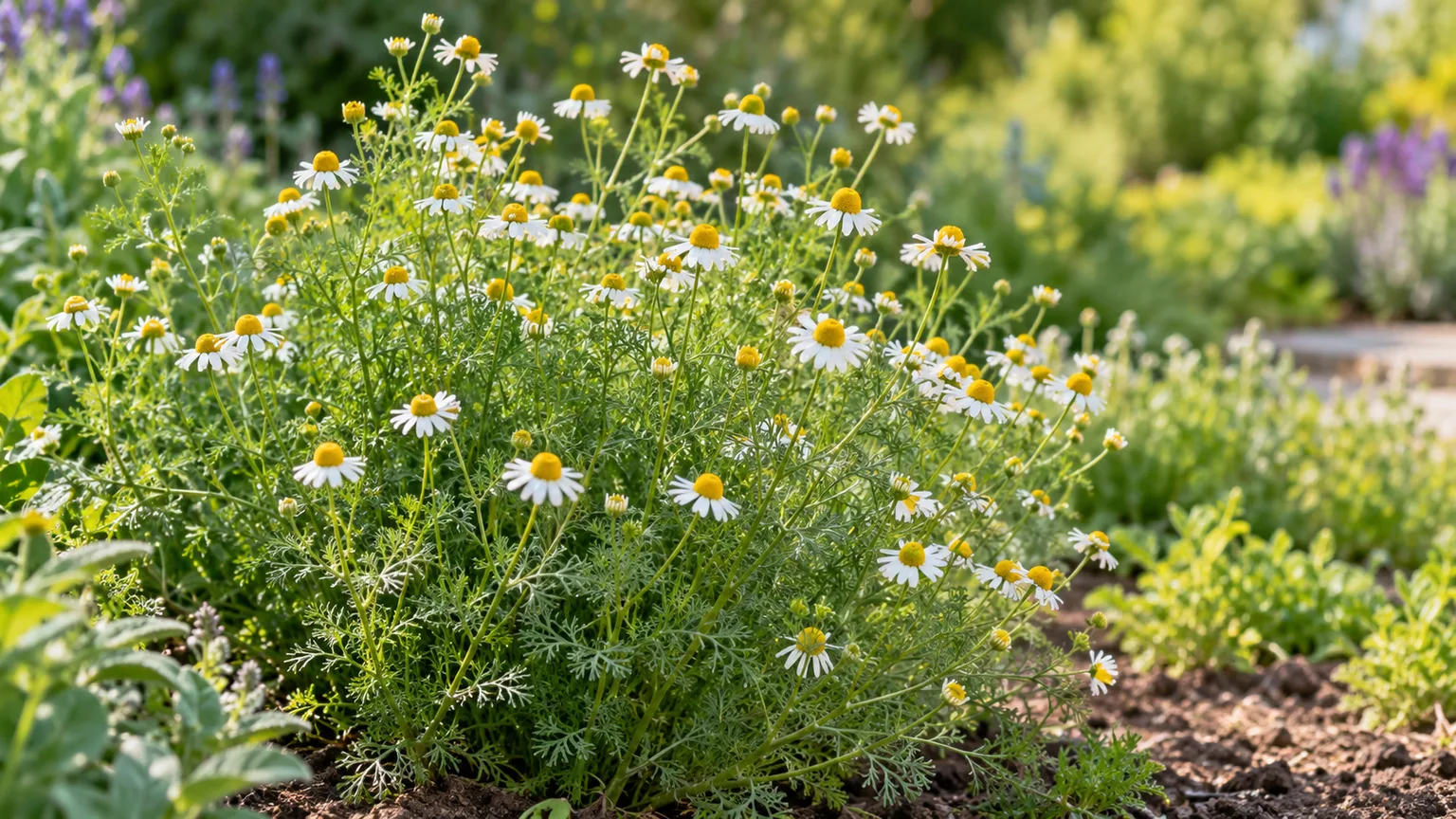
German Chamomile Watering: When and How Much
German Chamomile Watering: When and How Much
The watering rule for German chamomile
German chamomile needs steady, light moisture while seeds germinate and seedlings establish, but mature plants do not need constantly wet soil. Water a garden plant during a prolonged dry spell when the upper root zone is beginning to dry. For pots, check more often because the limited mix loses moisture faster. The UW–Madison Extension profile and NCBI review describe shallow roots, and UW recommends keeping upper soil moist but not wet, matching the practical rule: check first, then water when the plant needs it.
Avoid watering on a fixed daily schedule. Soil texture, container size, wind, heat, and recent rain all change how quickly the root zone dries. The RHS chamomile guide recommends regular moisture for young plants and closer checks for pots, while established plants need watering mainly in dry periods. For the broader care context, start with the Chamomile overview.
Why the shallow roots matter
German chamomile has thin, shallow, spreading roots rather than a deep taproot. This makes seedlings vulnerable to a dry surface layer, but it also means the plant can suffer when that same layer stays saturated and air is displaced from the soil. UW–Madison Extension describes the shallow roots and recommends irrigating the upper soil as needed UW–Madison Extension.
Check moisture near the plant’s root zone rather than judging only the surface color. A dry crust can hide damp soil just beneath it, while a surface that looks dark after watering may dry rapidly in sun and wind. Feel the top few centimeters of soil or potting mix. If it is still cool and moist, wait; if it is beginning to dry and the plant is actively growing, water gently and let excess drain.
Water seedbeds consistently
The seed stage is the period when chamomile most needs a steady routine. Surface-sown seeds must remain in contact with moist mix so they can germinate; a hard spray can wash the tiny seeds into a clump or bury them. Use a fine rose, misting nozzle, or bottom-watering tray until seedlings are established. Keep the surface damp, not puddled. The RHS sowing guidance and UW–Madison Extension both recommend surface sowing because the seeds need light UW–Madison Extension.
Once the seedlings emerge, continue checking the top of the mix. Small cells dry much faster than a garden bed, especially beside a sunny window or under a grow light. Do not leave trays standing in water all day. Empty the tray after the mix has taken up moisture, then wait until the upper layer starts to dry before watering again. The propagation guide gives the full seed-starting sequence.
Shift the routine as plants establish
Newly transplanted chamomile needs water while roots settle into the surrounding soil. Water it in after planting, then check the root zone every day or two for the first stretch of warm weather rather than assuming that rain or the first watering will carry it through. Keep the soil evenly moist while the seedling is becoming established, but do not turn the bed into a constantly wet nursery.
As the plant branches and roots extend, reduce the frequency of supplemental watering. The RHS notes that established plants generally need water only during dry spells RHS chamomile growing guide. German chamomile is an annual that grows quickly, so the same plant may move from delicate seedling care to low-input adult care in a relatively short period. For transplant timing and root handling, see the repotting guide.
Watering plants in the garden
For an established garden-bed plant, rainfall may be enough for much of the season. During a prolonged dry spell, water slowly at the base so moisture reaches the shallow root zone instead of running off the surface. A gentle soak is more useful than frequent sprinkling that wets only the top millimeters and evaporates quickly.
Check the soil before irrigating. If it is damp below the surface, wait even if the day is warm. If the soil is dry and the stems are losing firmness, water and reassess later. UW–Madison Extension recommends keeping upper soil moist but not wet UW–Madison Extension, and the RHS profile likewise describes chamomile as needing a free-draining growing medium. For drainage fixes, see the soil guide.
Adjust for containers
Pots heat up and dry out faster than open ground because less soil is available to store water. Check container chamomile frequently in warm or windy weather; small pots may need attention more often than a broad planter. Water when the mix is beginning to dry, aiming the stream at the soil rather than repeatedly soaking the foliage. Allow the container to drain fully and empty its saucer.
A pot that dries within hours may be too small, root-bound, or exposed to reflected heat. Before watering more often, move it away from hot paving or use a larger container with drainage holes. Epic Gardening discusses chamomile as a container crop and emphasizes managing the growing environment Epic Gardening. The repotting guide can help determine whether the plant is ready for a move; established German chamomile may not tolerate root disturbance well.
Use soil checks, not a fixed calendar
A calendar can remind you to inspect the plant, but it cannot tell you whether to water. Push a finger into the top layer or use a small wooden stick to check the mix slightly below the surface. In beds, compare a shaded patch of soil with the chamomile’s sunny root zone; the plant’s location may dry faster than the rest of the garden.
Then combine the soil check with weather and growth stage. Seedlings need more consistent moisture than mature plants. A container in a warm, windy spot dries faster than a bed after the same rainfall. A flowering plant near the end of its annual cycle may look tired for reasons unrelated to irrigation. The RHS growing guide and Gardening Know How both describe lower watering needs after establishment and during ordinary weather.
Apply water to the root zone
Water around the base of the plant rather than spraying flowers and foliage repeatedly. A low stream or watering can with a rose lets water soak into the soil without flattening small stems. If the top layer is dry and crusted, apply water in two gentle passes: the first wets the surface, and the second helps it soak in instead of running away.
For rows of chamomile, a drip line or soaker hose can deliver moisture close to the roots while keeping leaves drier. This is useful in humid weather when crowded plants need airflow. Epic Gardening recommends avoiding persistently wet foliage and maintaining air movement as part of disease prevention Epic Gardening. The plant’s shallow roots make a broad, gentle application preferable to a narrow jet that exposes or washes soil from the base.
Adjust for heat and wind
Hot, dry wind can increase water loss, especially from seedlings and container plants. Check the soil earlier in the day during a heat wave, and water when the root zone is actually drying. A plant that droops briefly in afternoon heat but firms again in the evening may not need additional water if the mix is already moist.
Move a container away from reflected heat if the pot and soil become excessively hot. A light layer of mulch can slow evaporation in a garden bed, but keep it away from the stems so air can reach the crown. If hot weather persists, limited afternoon shade may reduce stress without keeping the plant in deep shade. The light guide covers the balance between sun exposure and heat.
Respond to rain and cool weather
After rain, check soil moisture before irrigating. A shower may wet foliage but barely reach the root zone, or it may leave a heavy bed saturated for days. Use the soil itself as the signal. If it is cool and moist below the surface, wait; if it remains sticky and waterlogged, improve drainage rather than trying to dry it by withholding water alone.
Cool, cloudy weather slows evaporation, so a container that needed frequent checks during summer may stay moist longer. Reduce watering frequency as growth slows, but do not let newly sown trays dry completely. The RHS profile describes chamomile’s annual habit and moisture tolerance; conditions still vary by season and container size. In climates with a rainy season, raised beds and drainage holes are especially important.
Recognize too little water
A young seedling may wilt quickly when its small root zone dries. Established plants under prolonged drought can also lose firmness, and their upper soil will feel dry below the surface. The first response is to check the mix and water thoroughly if it is dry, then allow drainage. Do not immediately fertilize a wilted plant; fertilizer salts can add stress while the roots are short of water.
Repeated drought can interrupt flowering and make the plant look sparse. Gardening Know How describes established chamomile as drought tolerant, but recommends water during prolonged dry conditions Gardening Know How. That is not a reason to ignore young plants or small pots. The overview and fertilizer guide can help you assess whether poor flowering has another cause.
Recognize too much water
Persistently wet soil, algae on the surface, sour-smelling mix, and seedlings that weaken at the base suggest excessive moisture or poor drainage. Yellowing alone is not a diagnosis, but yellow leaves paired with wet soil should make you pause before watering again. Chamomile prefers soil that drains freely; NC State Extension warns against heavy or wet conditions NC State Extension, and the RHS growing guide cautions against overwatering.
If a pot is sitting in water, empty the saucer and clear blocked drainage holes. If a garden bed stays saturated, move the next sowing to a raised or better-drained area. Do not try to fix waterlogging by adding fertilizer or repeatedly disturbing roots. Use the soil guide to evaluate the growing medium and drainage path.
Restore a plant after drought stress
When the root zone is dry, water slowly until the mix is evenly moist, then let excess drain. A very dry container can become water-repellent; apply water in stages and check that it is soaking through rather than escaping down the pot wall. Keep the plant in its usual bright location while it recovers, unless excessive heat is part of the problem.
Avoid pruning heavily or feeding immediately after severe wilting. Remove only stems that are clearly dead, and wait for new growth before making broader changes. Chamomile is a fast annual, so late-season stress may coincide with natural senescence. If the plant is setting seed, its decline may be part of the life cycle rather than a failed watering routine. The pruning guide explains what to remove and when.
Fix drainage before adding water
Watering cannot correct a site where excess water has nowhere to go. In a pot, use drainage holes and free-draining mix; do not add a gravel layer as a substitute for holes. In a bed, avoid compacted low spots and choose a raised area if water remains after rain. German chamomile’s roots are shallow, so saturated surface soil can deprive them of air quickly.
If you are unsure whether the problem is drought or waterlogging, feel below the top crust and inspect the plant at the base. Dry soil plus limp stems suggests a need for water. Wet soil plus weak stems suggests drainage stress. The UW–Madison profile links the plant’s shallow roots with upper-soil moisture management, while the NC State profile supports the free-draining soil baseline.
Consider flowering and the annual cycle
German chamomile grows, flowers, sets seed, and dies within a season. A mature plant can look tired after flowering or seed set even if its watering is correct. When you want more flowers, pick blooms near full opening and keep the plant free of prolonged drought during active growth. Fine Gardening describes harvesting at peak bloom Fine Gardening, and UW–Madison Extension notes that flowering can continue until seed ripens or frost when flowers are deadheaded UW–Madison Extension.
Do not keep an annual constantly wet in an attempt to prolong its life. Continue checking the soil, harvest as desired, and let selected seed heads mature if you want volunteers next year. The overview covers its lifecycle and propagation guide explains saving seed.
Conclusion
Water German chamomile according to its growth stage and the moisture in its root zone. Keep surface-sown seed and small seedlings evenly moist; water established bed plants during longer dry spells; inspect pots more often; and let each growing medium drain fully. The shallow roots make the upper soil important, but they do not need to sit in wet soil.
When the plant wilts, check before you pour. Dry mix calls for a thorough soak; wet mix calls for a drainage check. Heat, wind, small containers, and the annual life cycle can all change how the plant looks. Use the soil, light, repotting, propagation, and pruning guides to make the next adjustment based on evidence from the plant and its growing medium.