German Chamomile Repotting: Move Seedlings, Not Mature
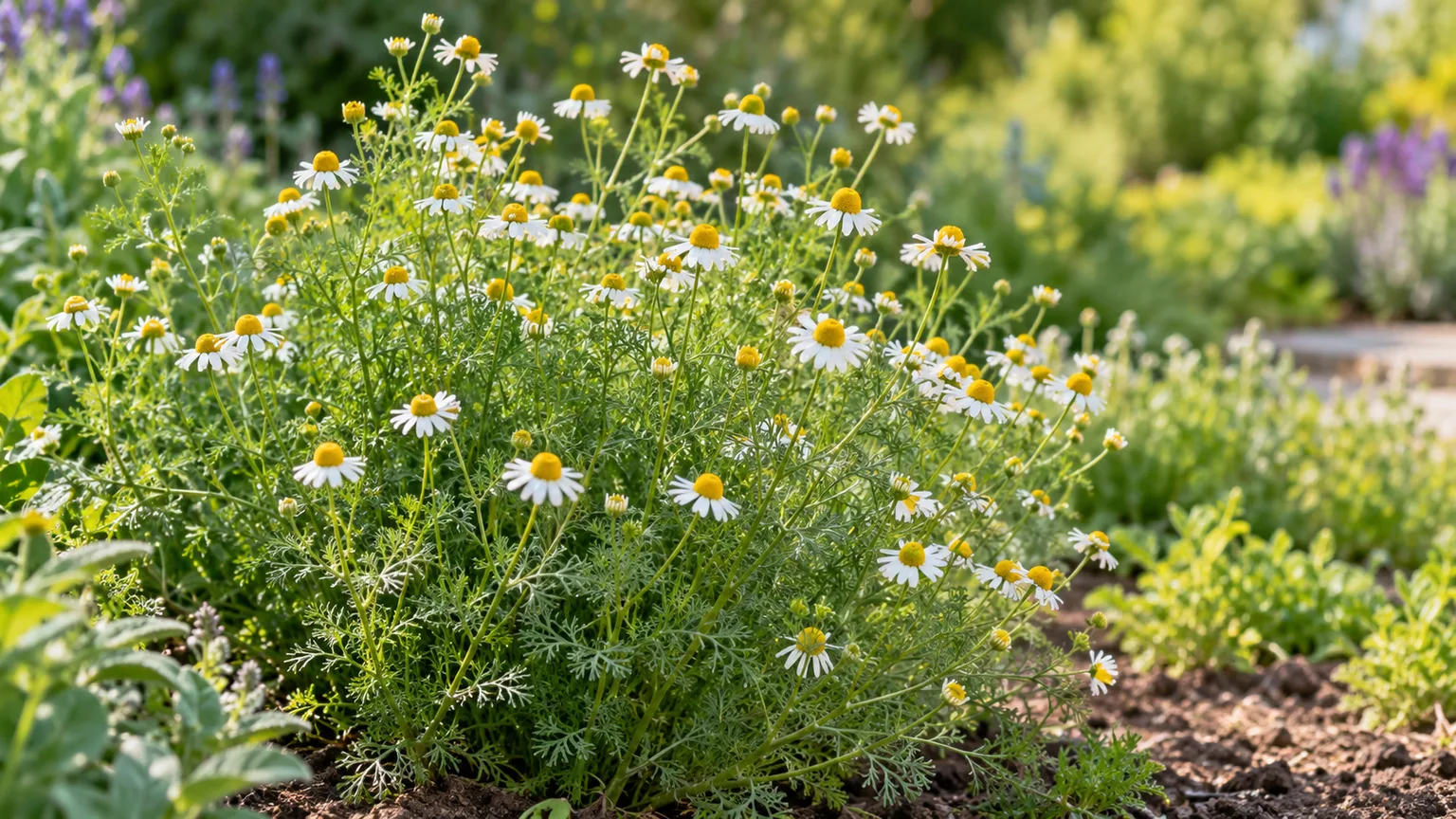
German Chamomile Repotting: Move Seedlings, Not Mature Plants
German Chamomile Repotting: Move Seedlings, Not Mature Plants
The short answer: avoid moving mature plants
German chamomile is an annual with shallow, spreading roots. It does not need routine repotting like a long-lived houseplant, and mature plants often respond poorly to transplanting. Sow seed where you want the plant to grow or move seedlings while they are small. UW–Madison Extension notes that larger plants do not transplant well UW–Madison Extension, and NC State recommends growing seedlings individually or moving them before they become large NC State Extension.
If a mature plant is struggling in its pot, first check light, drainage, and moisture. Moving it may cause more root damage than leaving it in place through the end of its season. The Chamomile overview explains its annual lifecycle; this guide focuses on the narrow window when moving a seedling is practical.
Why German chamomile dislikes disturbance
The roots of German chamomile are thin and spread near the soil surface. A large plant may have a wider root system than its visible stem base suggests, so pulling it from the ground or teasing roots apart can cause substantial disruption. The UW–Madison profile describes the shallow roots and the plant’s poor response to transplanting; the NCBI review also notes its shallow root system.
This is why the best strategy is prevention. If you know the final location, surface-sow directly there. If you want a container crop, start seed in the final pot or use individual cells that can be moved with their root plug intact. The propagation guide gives sowing steps, while the soil guide helps prepare the final mix.
Decide whether to repot or resow
Before moving a plant, ask how much of its season remains and whether the current container can still support it. If the plant is healthy and flowering, leave it where it is. If it is young, crowded, and growing in a seed tray, transplant it before roots become tangled. If an annual is near seed set, starting a fresh sowing is often more sensible than trying to rescue an established plant.
Repotting is not a cure for every yellow leaf or drooping stem. Check whether the mix is waterlogged, the pot lacks drainage, or the plant is too shaded. The watering guide and light guide cover those causes. German chamomile finishes its life cycle in one season, as described in the RHS plant profile, so plan around its timing.
Start seed in its final location
Direct sowing avoids most transplant stress. Prepare a sunny, free-draining bed, scatter seed on the surface, and press it gently into contact with the soil. Fine Gardening describes German chamomile sown outdoors and flowering later in the season [5]. Chamomile seed needs light to germinate, so do not bury it. Thin seedlings once they are large enough to handle, leaving room for airflow and branching. The RHS growing guide recommends surface sowing and spacing plants in the final site.
For a container crop, sow several seeds in a broad pot and thin the extras once they emerge. This is often easier than transplanting a mature chamomile. Use a pot with drainage holes and keep the seed-starting surface evenly moist. The watering guide explains how to maintain moisture without waterlogging.
Choose a container before sowing
Select a container that can hold the plant through its annual season. A broad pot gives the shallow roots room to spread and offers more stable moisture than a tiny nursery pot. Make sure the pot has drainage holes and use a free-draining multipurpose compost. Do not add a gravel layer at the bottom as a substitute for holes.
If you plan to move a young seedling into a larger pot, do it only when there is a clear reason, such as roots filling the starter cell or the plant needing its final outdoor position. Epic Gardening discusses chamomile as a container crop Epic Gardening, and the RHS guide recommends containers for dwarf chamomile forms. For German chamomile, use a container sized for the seedling and avoid repeated potting-up.
Move seedlings while small
The easiest transplant is a young seedling with a compact root plug. Move it once it can be handled without crushing the stem, but before it becomes a large branching plant. Water the tray beforehand so the plug holds together; lift the seedling by its leaves rather than pulling on the stem. Set it at the same depth it was growing and firm the mix gently around the root plug.
UW–Madison Extension advises starting plants in individual containers or transplanting while small UW–Madison Extension. The RHS growing guide also recommends moving seedlings when they are large enough to handle. If seedlings have become crowded in a shared tray, separate them slowly and accept that some may not recover. The propagation guide covers thinning and handling young plants.
Choose the right transplant time
For outdoor planting, wait until weather is suitable for the seedlings and the final soil is workable and draining. Chamomile is a hardy annual in many climates, but tender indoor seedlings still need acclimation. Avoid transplanting into saturated soil, extreme heat, strong wind, or immediately before a cold snap. NC State recommends starting seeds indoors before the last frost and setting plants outdoors after frost risk has passed NC State Extension.
In warmer climates, choose a mild spell and avoid leaving new transplants in intense afternoon heat. In regions with hot rainy seasons, use a raised, well-drained bed and wait for a period when the soil is not saturated. The RHS guidance recommends hardening off young plants before planting them outside.
Harden seedlings off
Seedlings raised indoors have not experienced outdoor sun, wind, or temperature shifts. Harden them off gradually for several days: begin in a sheltered bright place for a short period, then increase time outside and exposure before planting. Bring them back under cover if conditions become harsh. Do not place a tender seedling directly from a dim windowsill into all-day sun.
The RHS recommends hardening off young chamomile before planting RHS chamomile growing guide. This acclimation helps reduce wilting and leaf scorch while roots adjust to the new site. Keep the tray evenly moist during the process, but do not leave it in standing water. The light guide describes gradual light adjustment, and the watering guide explains how to check moisture.
Prepare the new pot or bed
Prepare the destination before lifting the seedling so the roots spend as little time exposed as possible. In a pot, moisten free-draining mix lightly and make a hole large enough for the root plug. In a bed, clear weeds, loosen the surface, and confirm that water drains away. Chamomile prefers a sunny position and light, well-drained soil according to the RHS guide.
Avoid adding concentrated fertilizer to the transplant hole. Chamomile is a light feeder, and young roots can be sensitive to concentrated salts. If the soil needs improvement, amend the broader planting area rather than creating an isolated pocket. See the soil guide and fertilizer guide for material choices.
Lift and handle seedlings gently
If moving from a tray, loosen the plug from below and support it with your fingers. Keep the root mass together, and avoid pulling the plant free by its stem. If roots have grown through a drainage hole, cut the cell away rather than tearing the root mass. Set the plant at the same depth, backfill around the plug, and press lightly so there are no large air gaps.
For a seedling in a small individual pot, water first and slide the whole plug out gently. Do not tease apart roots unless the plant is still very small and they are badly circling. Mature German chamomile is not a good candidate for root pruning or division. The UW–Madison profile and NC State profile both emphasize that transplanting is best done while plants are young.
Water after transplanting
Water the seedling in immediately after planting so the new soil settles around the root plug. Then check moisture over the next few days. Keep the root zone lightly moist while the seedling establishes, but do not maintain a saturated bed or pot. Water slowly at the base and make sure the container drains.
A brief droop after moving is common, but persistent collapse in wet soil can mean the roots are damaged or short of air. Avoid pouring more water on a plant whose mix is already moist. The RHS chamomile guide recommends watering young plants until they are well-rooted and avoiding overwatering. For more detail, see the watering guide.
Reduce transplant stress
After moving a seedling, give it bright light but protect it from severe afternoon heat and wind for a short settling period. Do not immediately fertilize, prune heavily, or relocate it again. Keep neighboring weeds from shading it, and allow new growth to indicate recovery before making more changes.
If the plant stays limp despite appropriate moisture, inspect whether it was planted too deeply or placed in compacted, wet soil. Correct the growing conditions around it without repeatedly lifting the root plug. Epic Gardening emphasizes suitable growing conditions for container chamomile Epic Gardening, while the RHS guide gives the core planting and watering practices. A stressed seedling is more likely to recover when its environment stabilizes.
Know when not to move a plant
Do not repot a mature flowering plant just because the pot looks small or the stems lean. Chamomile’s roots are shallow and the plant’s life is short; support the container, improve its light, or adjust watering if those are the actual issues. If the plant is almost finished flowering, let it complete its cycle rather than risking a disruptive move.
Also avoid moving a plant that is already suffering from root rot or severe drought unless the existing medium is the source of the problem and you can preserve most of the root plug. If the root system is badly damaged, a fresh sowing may be more reliable. Gardening Know How describes chamomile as easy to grow from seed and low maintenance once established Gardening Know How.
Refresh a container between crops
After the annual plant finishes, remove the old stems and check the potting mix. If it is still loose, drains well, and has no disease history, it may be reused after removing roots and debris. If it has become dense, crusted, or water-repellent, replace or refresh it before sowing again. Wash the container if the prior plant showed disease or persistent algae.
Do not leave old roots tangled in the pot and then expect seed to establish evenly. If you want volunteers, allow a few mature flower heads to fall in the container; otherwise remove them before seeds disperse. The pruning guide covers deadheading and seed control, and the propagation guide explains how to start the next crop.
Distinguish German and Roman chamomile
Advice about dividing or relocating “chamomile” may refer to Roman chamomile, a perennial that forms spreading mats. German chamomile is an annual raised from seed and generally does not need division. Check the botanical name before following instructions about moving a mat or dividing an established plant. The RHS growing guide distinguishes the annual German species from Roman chamomile, and UW–Madison Extension explains the difference UW–Madison Extension.
If your goal is a flowering herb for the season, choose Matricaria chamomilla and start fresh seed. If you want a low perennial groundcover, research Chamaemelum nobile separately. The overview keeps the care scope clear, and the propagation guide focuses on seed rather than division.
Conclusion
German chamomile rarely needs repotting once it is established. Sow seed in the final bed or pot whenever possible, or move seedlings while small and keep their root plugs intact. Choose a sunny destination with free-draining soil, harden indoor seedlings off gradually, and water them in without leaving the root zone saturated.
When a mature plant declines, check light, water, drainage, and its annual stage before attempting a disruptive move. Many apparent repotting problems are better solved by changing the site for the next sowing. Use the soil, watering, light, fertilizer, propagation, and pruning guides to make that next crop easier to establish.