German Chamomile Light Needs: Sun, Shade, and Seedlings
German Chamomile Light Needs: Sun, Shade, and Seedlings
German Chamomile Light Needs: Sun, Shade, and Seedlings
The light target for German chamomile
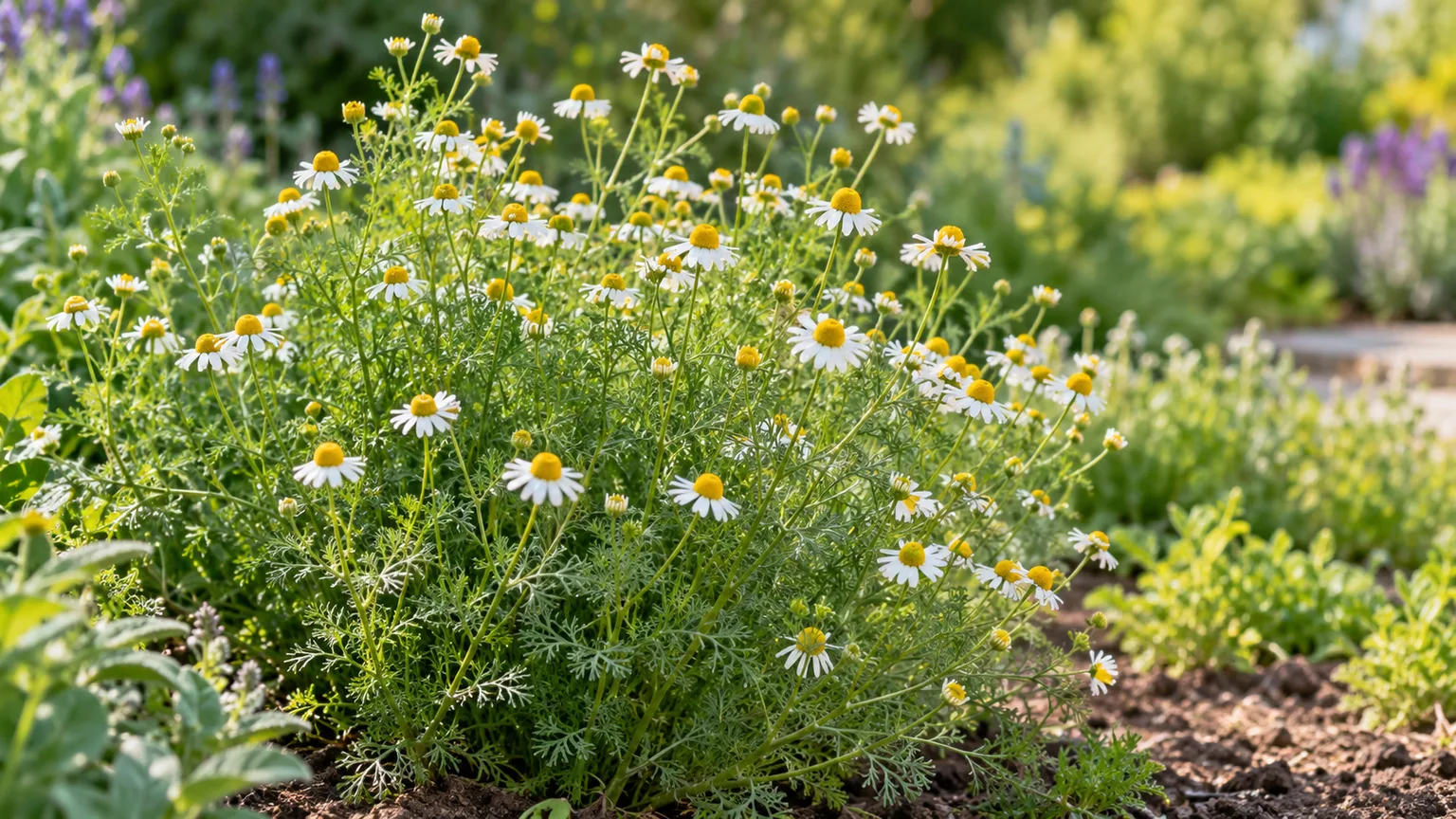
German chamomile, Matricaria chamomilla, grows and flowers most reliably in a bright, sunny position. Choose an outdoor site that receives several hours of direct sun and remains open through the day. Light matters especially when you want a compact plant with abundant flower heads; a shady corner may keep it alive but often produces softer, stretched stems and fewer blooms. The UW–Madison Extension profile and NC State Extension profile both describe full sun as the preferred exposure.
There is no need to chase an exact indoor light number for a plant that is best grown outdoors. Instead, judge the site by direct sun, growth shape, and flower production. The Chamomile overview covers the plant’s annual life cycle; this page focuses on picking the right light and correcting problems without mistaking every droop for sun damage.
Confirm the species before choosing a site
The common name chamomile can refer to more than one plant. This guide is for German chamomile, Matricaria chamomilla, an upright annual grown from seed. Roman chamomile, Chamaemelum nobile, is a creeping perennial with different landscape uses. Both can enjoy sunny conditions, but a low carpet of Roman chamomile is not the growth form you should expect from German chamomile. The RHS profile identifies German chamomile as an annual, while the RHS growing guide distinguishes it from Roman chamomile.
Check the Latin name on seed packets and nursery labels before using light advice from a general chamomile article. This is particularly important when a source discusses lawn varieties or perennial mats; those recommendations may refer to Roman chamomile. The UW–Madison Extension guide and NC State profile describe Matricaria chamomilla specifically.
What a sunny position means
For a garden bed, “sunny” means the plant receives direct light for a substantial part of the day, rather than only bright reflected light. Watch the site on a clear day: buildings, fences, and tree canopies can hide the morning or afternoon sun even when the bed looks bright from indoors. An open border or vegetable plot usually provides more useful sun than the shaded side of a porch.
The RHS recommends a sunny site for chamomile and notes that seedlings need a warm, bright location after germination RHS chamomile growing guide. NC State lists full sun for German chamomile NC State Extension. These are practical descriptions rather than a precise hour threshold. If you have a choice, select the brighter site first and use the plant’s growth and flower count to fine-tune placement.
Best outdoor garden placement
Place German chamomile where it can receive direct light without being crowded by taller herbs or vegetables. Its young seedlings are small and can disappear beneath neighboring leaves before they branch. Leave enough open space for air movement and for you to inspect the foliage. A sunny bed edge, herb garden, or container on an exposed patio makes harvesting easy while keeping the feathery stems visible.
Avoid putting the plant beneath dense tree cover or against a north-facing wall that blocks direct light for most of the day. In cooler regions, an open south- or west-facing border can warm earlier in spring. In very hot regions, late-afternoon shade can protect a pot from heat, but it should still receive bright daylight for most of the day. The soil guide explains how drainage and sun interact in a bed or container.
Full sun and flowering
German chamomile is grown for its flowers as much as its foliage. Full sun supports the flowering habit described by UW–Madison Extension UW–Madison Extension and the RHS plant profile RHS German chamomile profile. A plant in insufficient light may stretch toward the brightest opening, form longer gaps between leaves, lean, or flower less generously. Light will not override the plant’s annual life cycle, but it helps it use its growing season well.
If a healthy plant has lots of leaves but few flower heads, check whether it gets enough direct sun before adding fertilizer. Rich feeding can encourage leafy growth without fixing a dim location. Fine Gardening describes German chamomile as a full-sun annual and harvests its flowers at peak bloom Fine Gardening. For care decisions after flowering begins, see the pruning guide and fertilizer guide.
When partial shade is useful
Light shade can be a useful adjustment when summer afternoons are exceptionally hot, especially for chamomile growing in a small pot. A position with morning sun and some protection during the hottest late-day hours may reduce heat load while keeping the plant bright. Gardening Know How notes that chamomile may grow in full sun or partial shade Gardening Know How, but for flower production, shade should remain an accommodation for local heat rather than the default choice.
Do not interpret “partial shade tolerant” as “thrives in a dark room.” Indoor light through a window is much weaker than open outdoor daylight. A shaded outdoor position can still receive strong ambient light, while a room across from a window may be too dim for steady growth. If you must use shade, compare flower production and stem strength with what the plant would receive in a brighter location.
Light and hot weather
A sunny site and a hot root zone are not the same thing. German chamomile prefers bright conditions, but a dark plastic pot on scorching paving can heat and dry faster than a bed. Move containers away from reflected heat if the mix dries rapidly or stems wilt every afternoon. A light-colored pot, larger soil volume, or temporary afternoon relief can reduce stress without moving the plant to deep shade.
A brief midday droop during heat does not automatically mean the plant needs a permanent new location. Check the soil before watering: dry mix calls for irrigation, while wet mix points to heat stress or root trouble. Epic Gardening discusses the balance between light and climate in its chamomile growing guidance Epic Gardening. The watering guide helps separate heat-related wilting from a routine moisture need.
Reading the plant’s shape
Growth shape is a practical light indicator. If stems lean consistently toward one side, rotate a container gradually or move it to a brighter position. If seedlings grow tall and thin with wide gaps between leaves, increase light and avoid crowding. If flowering is sparse despite healthy leaves, consider whether nearby plants or structures shade the site during the middle of the day.
A naturally branching plant can still look loose as it grows; do not diagnose low light from one long stem alone. Compare several stems and observe new growth after you improve exposure. The NCBI botanical review describes the annual’s branched habit and shallow roots, a reminder that light decisions should be paired with suitable moisture and spacing rather than treated in isolation.
Starting seed indoors
Indoor seed starting is a temporary stage, not a reason to keep German chamomile as a low-light houseplant. Sow the tiny seeds on the surface, press them into contact with the mix, and place the tray in a bright window or under a grow light. The RHS says the seeds need light to germinate and recommends a warm, bright spot for seedlings RHS chamomile growing guide. UW–Madison Extension likewise recommends surface sowing UW–Madison Extension.
After germination, keep seedlings bright and avoid leaving trays in a dim room where stems stretch toward a distant window. A sunny windowsill can work, but glass can be cold at night and direct spring sun can warm small pots quickly. Rotate the tray if seedlings lean strongly. The propagation guide covers sowing depth, thinning, and moving young plants.
Moving seedlings outside
Seedlings raised indoors need gradual exposure to outdoor sun and wind. Harden them off over several days, beginning in a sheltered bright spot and increasing outdoor time before they go into the final bed. Avoid moving a tender tray directly from a dim room to a full day of harsh sun. The RHS recommends hardening off young plants before planting them outside RHS chamomile growing guide.
Transplant while plants are small because German chamomile has shallow roots and established specimens do not move well. After planting, water them in and watch for wilting while the roots settle. Temporary afternoon protection can help if the weather turns unusually hot immediately after transplanting. For the timing and root-handling steps, see the repotting guide.
Growing chamomile in a pot
A container makes it easy to move German chamomile into the brightest available area, but it also magnifies mistakes. Give it a position with direct sun and free air movement, then check the mix more often than you would in a garden bed. Epic Gardening discusses container cultivation for chamomile Epic Gardening; the RHS also notes that chamomile can be grown in pots, especially dwarf forms of the separate Roman species RHS chamomile growing guide. For German chamomile, choose a pot broad enough for a small cluster and ensure drainage holes are clear.
Do not move the container back and forth every day in response to mild changes. Find a bright site, observe how the plant responds, and shift it only if you see persistent heat stress or weak growth. Sudden changes in exposure can scorch leaves even when the final position is appropriate. The overview covers container care as part of the plant’s broader annual cycle.
Grow-light support
A grow light can help seedlings when a sunny windowsill is unavailable. Use a fixture designed for plant growth, keep it close enough to light the seedling canopy as directed by the manufacturer, and place it on a timer for a consistent daily schedule. Move the light as the seedlings grow so new leaves do not press against the fixture. These steps are practical seed-starting adjustments; they are not a substitute for choosing an outdoor site with natural sun after hardening off.
Watch the plants rather than guessing from the lamp’s color. A weak fixture far above the tray may still leave seedlings stretched. If foliage fades or looks dry, check both distance and watering before making a large change. The species-specific sources emphasize a bright position and outdoor sun, not a single universal lamp distance or photoperiod, so avoid treating numbers from a different crop as a chamomile prescription.
Seasonal changes in daylight
Day length and sun angle change where light falls in a garden. A bed that is sunny in May can become shaded later when nearby trees leaf out. Check the actual planting spot again if stems begin leaning or flowering slows, especially when a garden structure casts a longer shadow than it did earlier in the season.
In regions with hot summers, a little afternoon shade can protect a container during heat waves. In cooler climates, maximize sun to encourage timely flowering before cold weather returns. The RHS profile describes German chamomile as an annual, so light should support one season’s growth rather than a wintering indoor plant. Start a fresh sowing next season if your first crop finishes early.
Diagnose pale, stretched, or scorched growth
Pale, stretched stems and weak flowering are more consistent with inadequate light than with too much sun. Scorched patches or leaves that suddenly bleach after a move can indicate abrupt exposure, especially if the plant came from a shaded nursery. A single wilted afternoon is less diagnostic; inspect the soil and pot temperature before changing the light plan.
Look at new growth after adjusting placement. If stems become sturdier and flowers increase, the brighter site is helping. If tips crisp despite moist soil and the container is hot, protect the root ball from reflected heat or give limited afternoon shade. The UW–Madison profile and NC State profile support the sunny, free-draining baseline; neither suggests keeping German chamomile in deep shade.
Correct light problems gradually
If a plant has been growing in shade, move a container into brighter conditions in stages over several days. For a bed plant, remove nearby weeds and branches that block light, or sow the next batch in a more open location. Do not compensate for dim conditions with extra fertilizer or more frequent watering; those changes can add stress without solving the cause.
If sun scorch follows a sudden move, return the plant to bright but gentler exposure, remove only dead tissue, and let healthy leaves recover. The plant is an annual, so avoid severe interventions late in its life cycle. For overall conditions, revisit the overview and check whether moisture or soil is contributing to the symptoms.
Conclusion
Grow German chamomile in a bright, sunny outdoor site if you want strong, dependable flowering. Partial shade can be a useful response to extreme summer heat, particularly for pots, but it should not turn into a dim permanent location. Start seeds in a bright window or under a grow light, harden seedlings off, and judge the result by sturdy stems and flower production.
When symptoms appear, check the plant’s location, soil moisture, and pot temperature together. Leaning seedlings need more useful light; scorched leaves after a sudden move need gradual acclimation; afternoon drooping in a hot pot needs a soil check before you water. Use the watering, soil, repotting, propagation, and pruning guides to match the next step to the actual cause.