German Chamomile Pruning: What to Cut First
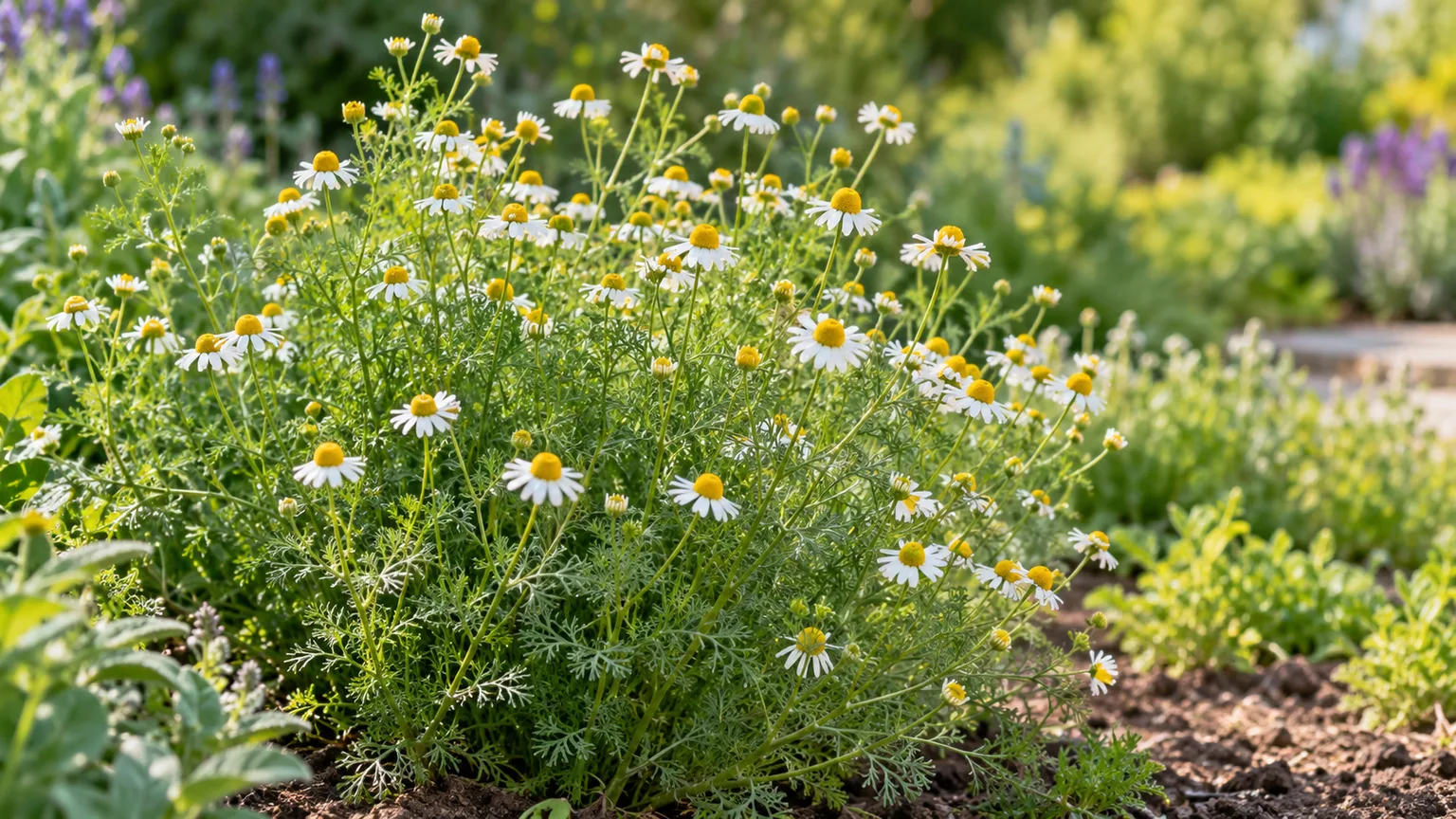
German Chamomile Pruning: What to Cut First
German Chamomile Pruning: What to Cut First
Quick answer: harvest and deadhead, do not hard-prune
First, inspect the plant and remove only stems that are clearly dead, broken, or diseased, using clean scissors. German chamomile is an annual herb, not a woody shrub that needs regular structural pruning. For healthy plants, the useful cuts are flower harvesting, deadheading when you want to limit seed, and a light trim if stems become leggy. The UW–Madison Extension profile recommends harvesting flower heads near full bloom and notes that flowering can continue when plants are deadheaded.
The plant naturally branches and flowers through its season, then sets seed and dies. A hard cut cannot turn it into a perennial or reliably restart a plant that has finished its life cycle. Decide whether your priority is flowers, a tidier shape, or seed for next season before cutting healthy stems.
The first cut to make
Look over the plant and remove one dead or damaged stem at its base or at the nearest healthy branching point. Do not shear the whole plant just because some flowers have faded. This small clean-up cut improves the immediate appearance while preserving leaves and developing flower buds.
If the plant is healthy and you want flowers, start with the oldest fully open flower heads instead. If you want seed, leave selected heads in place. The Chamomile overview describes how the annual flowering and seed cycle affects those choices.
Assess the plant and your goal
Before pruning, check whether the stems are firm, whether new flower buds are forming, and whether the plant is near the end of its season. German chamomile has shallow roots and grows quickly from seed. A drooping plant may be dry, waterlogged, or heat-stressed rather than in need of a cut. Correct the cause before shaping healthy growth. Use the watering guide if soil moisture is uncertain.
Next, decide what you want from the plant. Harvesting near full bloom gives you flowers for fresh or dried use. Deadheading removes spent flowers before seed forms. Leaving a few heads supports self-sowing or seed collection. A light trim can tidy a leggy plant while it is actively growing, but it cannot fix deep shade or root problems. The light guide helps diagnose stretched growth before cutting.
When to trim German chamomile
Trim during active growth when the plant has healthy green stems and enough time left in the season to keep flowering. Pick flowers as they open, and remove damaged material whenever you find it. The RHS says light clipping can help if plants become leggy and that regular harvesting can increase flower production RHS German chamomile profile.
Avoid major cuts late in the season when stems are drying and seed heads are forming. That decline may be normal for an annual rather than a sign that the plant needs rejuvenation. The RHS plant profile identifies German chamomile as an annual. If you want seed, stop deadheading a few flower heads and let them ripen instead of trimming them all away.
Harvest flowers to encourage continued bloom
The most useful routine pruning is harvesting flowers near full bloom. Choose open heads with fresh white rays and a yellow center, then cut or pinch each head with a short piece of stem. UW–Madison Extension identifies near-full bloom as the best harvest stage UW–Madison Extension, and Fine Gardening describes cutting flowers at peak bloom for fresh or dried use Fine Gardening.
Harvest in small passes rather than stripping every flower at once. This leaves developing buds and some foliage in place while you collect the open heads. The RHS notes that more flower harvesting can encourage continued production RHS German chamomile profile. If the plant is small, take only the flowers you need and give it time to branch and form new buds.
Where and how to cut
Use clean, sharp scissors or small snips and cut the short flower stalk just above a side branch or healthy set of leaves. You do not need a long stem for drying or tea, and leaving too much stalk can make the clump look untidy. Hold the flowering stem steady so you do not pull the shallow root system from loose soil.
If you are collecting a large quantity, gather flowers when they are dry and place them in a clean basket. Avoid crushing the foliage or cutting into several neighboring branches while reaching for one head. Fine Gardening describes snipping flower heads and drying them on a screen Fine Gardening; the propagation guide covers leaving selected heads for seed.
Decide whether to deadhead or save seed
Deadhead spent flowers if you want to reduce self-sowing and keep the plant focused on continued flowering. Cut the flower head once its white rays fade and before the center dries and releases seed. UW–Madison Extension notes German chamomile readily self-seeds unless flower heads are removed UW–Madison Extension.
If you want volunteers or seed for next year, leave a few healthy heads on the plant until they dry. Mark or choose them near the edge so you do not accidentally harvest them. The RHS recommends collecting chamomile seed in late summer for sowing the following spring RHS German chamomile profile. Epic Gardening also describes the species as a self-seeding annual Epic Gardening. Do not try to save every head and deadhead the entire plant at the same time; choose a mix that suits your goal.
Lightly trim a leggy plant
A leggy plant has long, loose stems that may lean or flop. First check whether it is receiving enough direct sun; pruning in a dim spot will not correct the cause, and regrowth may stretch again. If it is actively growing in good light, shorten only the longest healthy stems by a modest amount, cutting just above a side branch or leaf junction. The RHS advises clipping chamomile back lightly if it becomes leggy RHS German chamomile profile.
Do not shear the whole plant into a low mound. German chamomile has a naturally upright, branching habit, and a severe haircut can remove many flower buds at once. If a stem is too weak to support its flowers, remove that one stem or provide light support rather than repeatedly shortening all growth. The light guide explains how to improve exposure for future growth.
How much growth to remove
There is no reliable universal percentage for German chamomile. For routine harvest, remove only open flower heads and keep most green foliage intact. For a tidy-up, make one light cut to the longest or damaged stem, then step back and reassess. This keeps enough leaves and growing points for the plant to continue its annual growth.
If the plant is already flowering heavily, spread harvest across multiple days instead of stripping it. If it is young or stressed, limit pruning to dead or broken material. The plant’s shallow roots and short life make repeated severe cutting a poor strategy. The UW–Madison profile and NC State profile describe an annual grown from seed, not a woody perennial intended for hard renewal cuts.
What not to cut
Do not remove every flower head if you want seed or self-sown plants next season. Do not cut healthy stems to the soil line, and do not prune a plant hard because it has finished blooming. Those cuts remove the foliage needed for seed maturation and may simply shorten the annual’s remaining life.
Avoid cutting wet, diseased-looking tissue with dirty tools and then moving straight to healthy stems. Clean the blades between affected plants. Do not mistake normal end-of-season yellowing for a pruning problem. NC State lists German chamomile as a seed-grown annual NC State Extension, and the NCBI review provides botanical context for its annual growth habit.
Tools and clean cuts
For a small chamomile patch, clean scissors or hand pruners are enough. Use a sharp blade so the cut is neat rather than crushed. Wipe soil and plant debris from the blades, and clean them between plants if you are removing diseased material. This reduces the chance of carrying contamination to healthy stems.
A large harvest can be collected by hand, but a comb-like harvest tool is unnecessary for a few pots. Keep cut flowers in a clean container and avoid dropping them onto soil if you plan to dry them. Epic Gardening describes hand-picking flowers for small harvests Epic Gardening. The soil guide covers preventing soil splash and keeping the crown well drained.
Recovery and aftercare
After a light trim or harvest, keep the plant in its usual sunny spot and water according to the soil rather than giving it extra water automatically. Do not fertilize just because you cut flowers; German chamomile generally needs little or no feeding. The RHS states it can grow and flower without feeding RHS German chamomile profile. Check for new buds and firm stems over the following days while the plant is still in active growth.
A healthy annual may continue flowering after regular harvest, but recovery depends on season, weather, and plant age. If you see new flowers, the cut was compatible with continued growth. If stems keep collapsing or yellowing, inspect moisture, light, and drainage before making further cuts. The watering, fertilizer, and repotting guides help address those underlying factors.
When not to prune
Do not prune a plant that is severely wilted, waterlogged, newly transplanted, or already near the end of its annual cycle unless you are removing dead or diseased growth. Let it stabilize first. A heavy cut compounds stress and rarely solves the actual problem. If the plant is finished flowering and setting seed, leave heads you want to save and remove the rest only if you are controlling volunteers.
Also avoid pruning for bushiness if the plant is growing in deep shade. Improve light for the next flush or next sowing instead. German chamomile is easy to raise from seed, so a fresh plant may be simpler than trying to restore a mature one. Gardening Know How describes chamomile as a low-maintenance seed-grown herb Gardening Know How.
Related German Chamomile guides
Use the overview to understand flowering, annual decline, and seed set. Follow the light guide before cutting stretched stems, and check the watering guide before pruning a wilted plant. The propagation guide explains seed saving, while the soil and fertilizer guides cover conditions that affect recovery.
If you are moving a small seedling, use the repotting guide rather than cutting roots or dividing an established plant. German chamomile does not need a separate heavy pruning schedule; harvest, occasional deadheading, and selective removal of unhealthy stems are usually enough.