German Chamomile Fertilizer: Feed Less, Grow Better
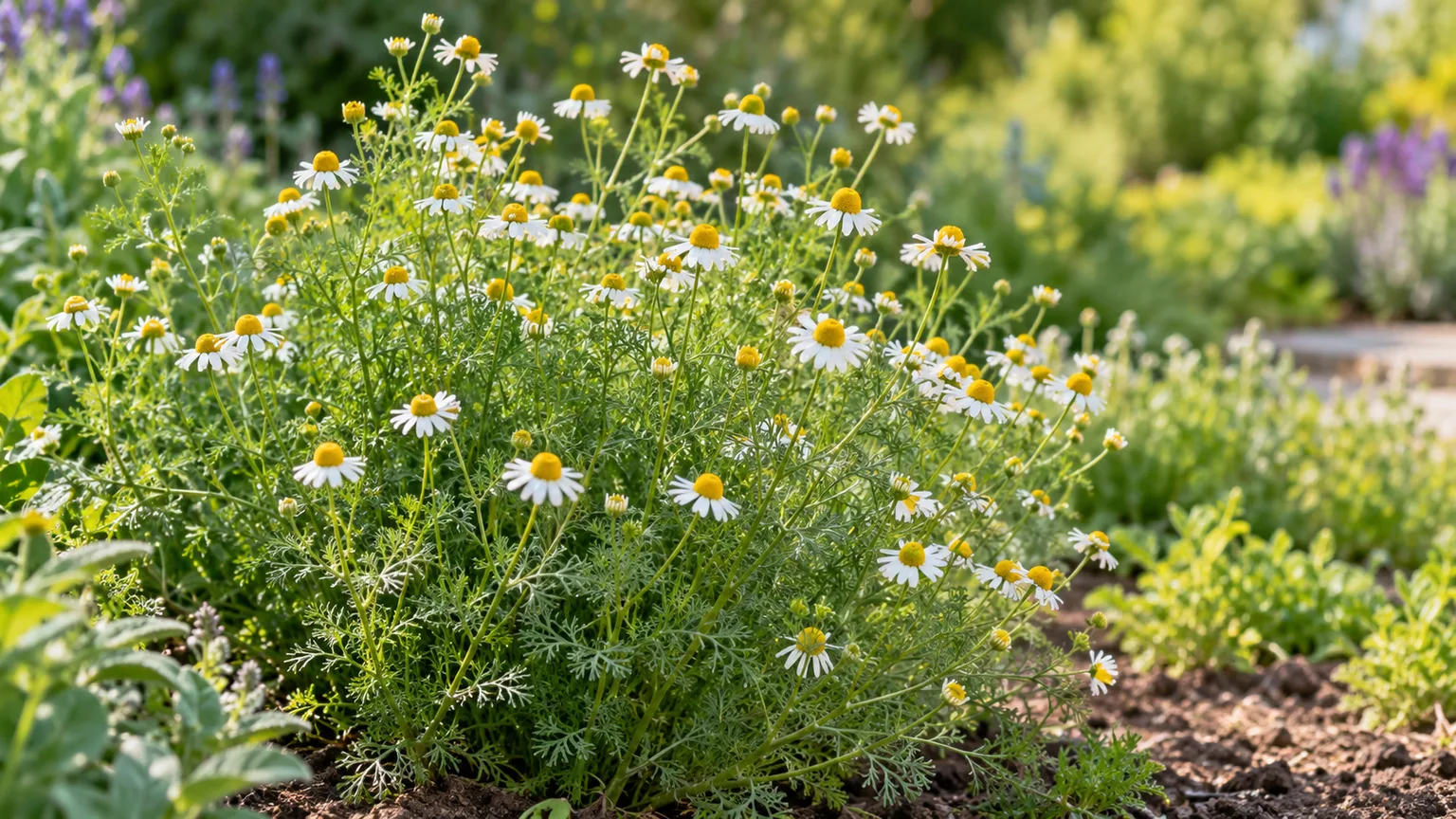
German Chamomile Fertilizer: Feed Less, Grow Better
German Chamomile Fertilizer: Feed Less, Grow Better
The short answer on fertilizer
German chamomile usually needs little or no fertilizer. It grows and flowers in relatively poor soil, so a regular feeding schedule is not part of basic care. The RHS chamomile guide says the plant should flower well without feeding, and UW–Madison Extension notes that it grows well in poor soil and needs little fertilizer. Begin by checking light, drainage, and watering before you reach for a bottle.
A plant that is healthy, branching, and producing flowers does not need extra nutrients simply because it is an herb. Too much fertilizer can encourage soft leafy growth and fewer flowers. Use the Chamomile overview to understand its annual life cycle, then feed only if you can identify a plausible nutrient limitation.
Why German chamomile is a light feeder
German chamomile, Matricaria chamomilla, is an annual that grows quickly from seed and completes its cycle in one season. It is adapted to open, disturbed areas and can grow in soils that would not support a demanding crop. NC State Extension describes it as tolerant of poorer soil RHS chamomile growing guide, while the RHS profile emphasizes light, well-drained growing conditions rather than high fertility.
This does not mean nutrients never matter. It means routine feeding is unlikely to improve a plant that already has suitable soil, sun, and moisture. Commercial production studies may use nutrient regimes to target flower yield or oil composition; those findings are not a home-garden feeding prescription. The NCBI review covers commercial and botanical cultivation context, while the Fine Gardening account describes a small garden crop grown for flowers.
Start with the growing medium
Before feeding, inspect the soil or potting mix. A wet, compacted bed can prevent roots from taking up nutrients even when the soil contains them. A very dry container can also restrict uptake. Correct drainage and watering first, and confirm that the plant receives enough sun. The soil guide and watering guide explain those checks.
In a garden bed, German chamomile often needs no amendment if the soil is light and drains freely. In a pot, the original nutrients in the mix may decline over time, but chamomile is an annual and typically spends only one season in that container. The RHS profile notes its annual habit; avoid turning a short-lived plant into a complicated feeding project.
Do not feed seeds or new seedlings heavily
Chamomile seeds do not need fertilizer to germinate. Sow them on the surface of a fine seed-starting mix and keep them lightly moist. The RHS notes seed compost has relatively low nutrient levels because high fertility can harm seedlings RHS German chamomile profile. That is a useful reminder not to add concentrated fertilizer to a seed tray.
Once seedlings produce true leaves, they can grow in ordinary multipurpose mix or prepared garden soil. If a seedling is pale or stretched, check light, crowding, and watering before suspecting a nutrient deficiency. A young plant with very little root mass can be damaged by concentrated fertilizer salts. The propagation guide describes the seedling stages and light guide covers weak, stretched growth.
Feeding plants in garden soil
For a healthy garden-bed plant, skip routine feeding. German chamomile can grow and flower without regular fertilizer, even in poor soil, according to UW–Madison Extension and the RHS growing guide. If the bed is unusually depleted or a soil test identifies a deficiency, follow the test recommendation rather than applying a generic all-purpose product. A modest amount of mature compost before sowing can improve soil structure, but it is not a requirement for the plant.
Avoid adding manure or high-nitrogen fertilizer just to make stems grow faster. Lush vegetative growth can shade flowers, flop in wind, and make harvesting harder. NC State’s profile describes German chamomile as tolerant of poor soil RHS chamomile growing guide. If the plant is small and slow, compare its light exposure and root conditions with the overview before changing fertility.
When a container may need nutrients
A container may need occasional replenishment if the plant has grown for months in depleted mix and other factors are in order. Look for a combination of weak growth and pale older leaves rather than one isolated yellow leaf. Confirm the pot drains, the plant is not chronically dry or wet, and it receives strong light. Epic Gardening describes chamomile as a low-fertility herb NC State Extension, so any feeding should be restrained.
If you decide to feed, choose a balanced, complete fertilizer labeled for edible herbs or flowering annuals and apply it at the lowest label rate appropriate for containers. Do not mix a concentrated solution by guesswork. Water the pot first if the mix is bone dry, then apply fertilizer to moist soil and allow drainage. If the plant is near the end of its annual cycle, feeding is unlikely to provide a useful return.
Choose a restrained fertilizer
There is no chamomile-specific home-garden fertilizer formula established by the sources used for this guide. A modest, complete product is safer than a high-nitrogen formula, and a well-built potting mix may need no supplement at all. Follow the product label, use a conservative rate, and avoid applying several products together.
Organic labels do not automatically mean risk-free or suitable for every edible crop. Use only products intended for food gardens, follow the label’s timing and handling directions, and keep granules off leaves and flowers. For an outdoor bed, mature compost incorporated before sowing is usually a simpler option than repeated liquid feeds. The RHS growing guide states that ordinary chamomile care does not require feeding.
Avoid excess nitrogen
High nitrogen can push chamomile toward lush foliage rather than a balanced plant with flowers. Gardening Know How warns that too much fertilizer can create weakly flavored foliage and fewer blooms Fine Gardening. If leaves are plentiful but flowers scarce, do not add more feed. Check whether the plant is shaded, crowded, or at a stage when it has not yet begun flowering.
A new seedling naturally produces leaves before it flowers, so do not read that early stage as a nutrient problem. If a mature plant is leafy but not blooming, confirm direct sun and avoid high-nitrogen lawn or vegetable fertilizer drifting into the bed. The light guide and pruning guide cover flowering conditions and the effect of harvesting.
Apply only during active growth
If a pot truly needs nutrients, apply fertilizer while the plant is actively growing rather than after it has begun to senesce or set its final seed. Use the product label’s interval and rate, and do not repeat a dose just because the plant has not changed overnight. Fertilizer response is not immediate, and excess salts can damage roots.
Do not feed a plant with saturated soil or severe wilting. Correct the moisture problem first and wait until growth resumes. German chamomile’s annual cycle makes timing important: there is little benefit to stimulating new leaves after the plant has finished flowering and seed is maturing. The watering guide can help identify moisture stress before you assume the plant needs nutrients.
Read symptoms before feeding
Pale growth can have several causes. If the soil is wet, root stress may limit nutrient uptake. If stems are long and weak, light is a more likely issue. If leaves are crisp and the mix is dry, correct watering. If the plant is nearing the end of the season, some decline may be normal. A symptom alone is not enough evidence to fertilize.
Look at the whole plant and its recent care. Compare older and newer leaves, inspect drainage, and note how much direct sun the plant receives. NC State mentions possible powdery mildew and occasional aphids as issues to monitor RHS chamomile growing guide, which can also change how foliage looks. Use the soil, light, and watering guides to rule out common environmental causes first.
Separate nutrient problems from light problems
A plant receiving too little sun may produce long stems and a poor flower display even when its leaves are green. Adding fertilizer can make that imbalance more pronounced. Move the next sowing to a brighter location or improve light gradually for a container plant. The UW–Madison profile and Fine Gardening both describe German chamomile as a sunny flowering annual.
If growth is compact and healthy but the plant is not flowering yet, allow time for it to mature. German chamomile can flower roughly ten weeks after sowing under suitable conditions, but actual timing changes with temperature, planting date, and light. The RHS guide reports that chamomile can begin flowering in as little as ten weeks. Avoid using fertilizer as a shortcut for time or sun.
What overfeeding looks like
Excess fertilizer can leave a crust of salts on the soil surface, scorch root tips, or cause sudden leaf-edge damage. High-nitrogen feeding may also produce abundant soft foliage with fewer flowers. If you suspect overfeeding in a pot, stop applying fertilizer and flush the mix with clean water only if the pot drains freely. Do not flush a saturated container that cannot shed the excess.
For a bed, remove visible fertilizer granules and water normally only if the soil needs it. Avoid adding compost or other supplements until the plant has recovered. If the plant is at the end of its annual season, replacing it with fresh seed may be more practical than attempting a late rescue. The repotting guide explains when a potting mix should be refreshed.
Fertilizer after flower harvest
Harvesting flowers does not automatically mean the plant needs fertilizer. German chamomile continues to make new flower heads while it is actively growing, and regular picking can extend flowering. Fine Gardening describes harvesting flowers near peak bloom Gardening Know How, while UW–Madison Extension notes flowering can continue until seed ripening or frost when deadheaded UW–Madison Extension. Continue normal soil-based watering rather than applying feed after every harvest.
If the plant is growing in a container and has been producing heavily for an extended period, check whether the mix is depleted and whether the plant remains healthy. A single conservative feeding may be reasonable if the label supports it, but do not expect it to restart an annual that is already setting seed. The pruning guide explains how flower picking and deadheading affect the plant.
Keep edible flowers clean
Chamomile flowers are commonly harvested for tea, but fertilizer labels still matter. Use only products labeled for food crops, observe any harvest interval, and keep fertilizer from contacting flower heads. Do not apply products to flowers you plan to use if the label does not permit it. Wash hands and tools after handling concentrated products.
This is a growing guide, not medical advice about chamomile tea. A plant used for a beverage does not make every fertilizer safe or every preparation appropriate for every person. Keep petals clean and correctly identify the species before harvest. The overview explains the difference between German and Roman chamomile and gives a cautious note on pet safety.
Build a low-input routine
At sowing, prepare a well-drained bed or potting mix and avoid adding excessive fertilizer. During growth, observe leaf color, stem strength, soil moisture, and flower production. If a problem appears, check light and drainage before feeding. If a container is old or depleted, use a modest, labeled product rather than a strong dose.
At the end of the season, remove spent material or let selected seed heads mature. Next season, refresh container mix if its structure has collapsed and start with new seed. UW–Madison Extension’s low-fertility guidance UW–Madison Extension and the RHS recommendation to grow chamomile without feeding RHS German chamomile profile support this restrained approach.
Conclusion
German chamomile is a light feeder that usually grows and flowers without routine fertilizer. Feed only when the growing medium is depleted and other factors—sun, drainage, and moisture—are in good order. For containers, follow an edible-crop product label conservatively; for garden beds, a well-drained site and modest soil preparation are often enough.
The main fertilizer mistake is trying to solve every weak-growth or low-flower problem with more nutrients. Extra nitrogen can produce leafy growth at the expense of flowers, while shade, waterlogging, drought, and the plant’s annual cycle can create similar symptoms. Check those conditions first, then use the soil, watering, light, overview, repotting, propagation, and pruning guides as needed.