How to Propagate German Chamomile from Seed
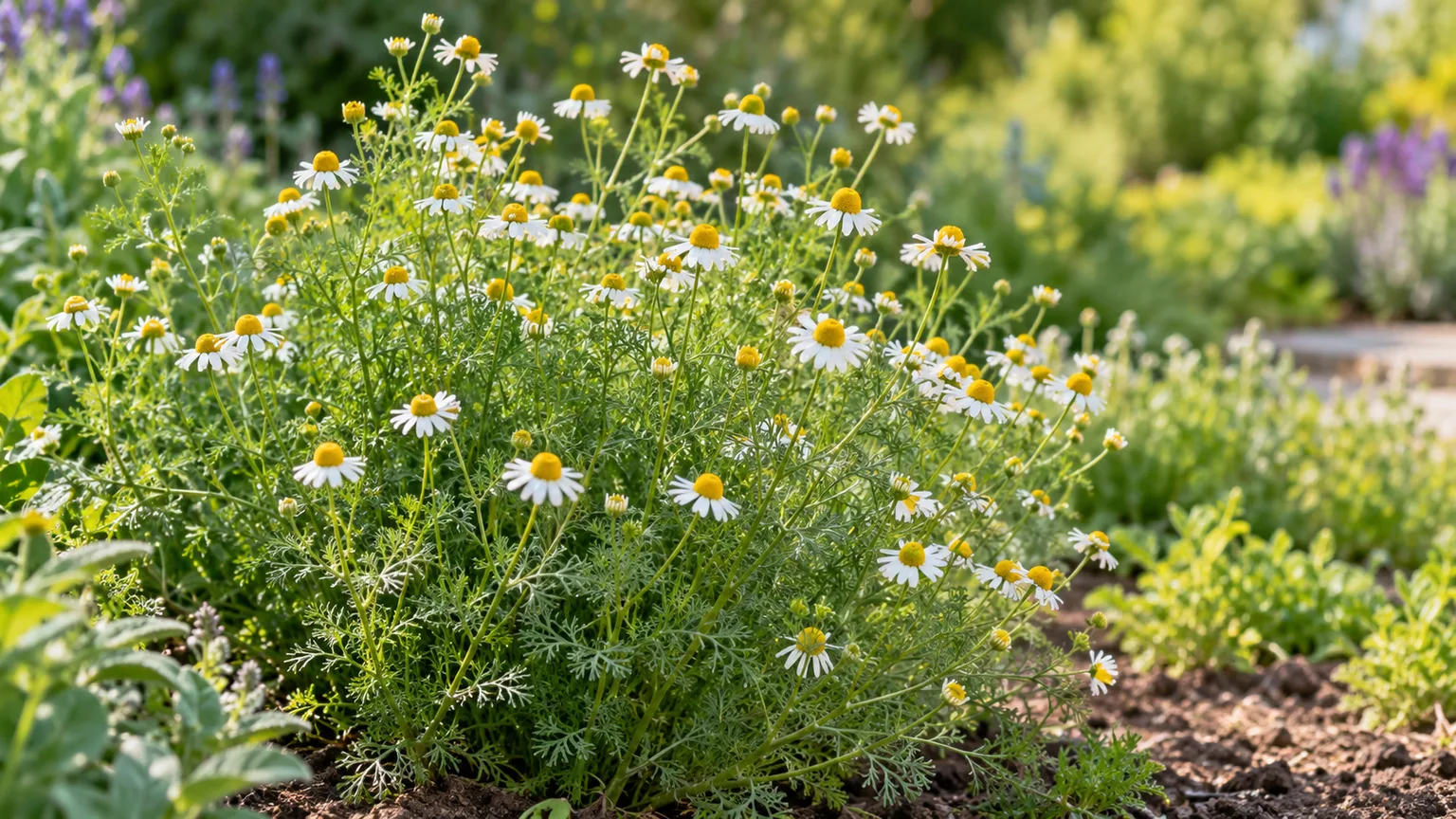
How to Propagate German Chamomile from Seed
How to Propagate German Chamomile from Seed
The right propagation method
Propagate German chamomile by seed. It is an annual that grows quickly, flowers, sets seed, and dies in one season; you do not normally divide an established plant or keep it as a perennial clump. The UW–Madison Extension guide says chamomile is propagated from seed and readily self-seeds, while the RHS profile identifies German chamomile as an annual.
If you want a controlled patch, sow fresh seed where you want it to grow or start seedlings in individual cells. If you want the plant to return on its own, let selected flower heads mature and drop seed. The Chamomile overview explains the annual life cycle; this page covers the seed method from sowing through collection.
Confirm German chamomile
Check that your seed packet says Matricaria chamomilla, also sold as Matricaria recutita. “Chamomile” alone is ambiguous: Roman chamomile, Chamaemelum nobile, is a separate perennial species that can spread by creeping stems and may be divided. German chamomile is the upright annual grown from seed. The NC State profile and RHS growing guide distinguish these species. The NCBI review also describes German chamomile as an annual seed-grown crop.
This matters because propagation advice can be species-specific. Directions to divide a mat are usually for Roman chamomile, not German chamomile. UW–Madison Extension describes German chamomile’s annual habit and shallow roots UW–Madison Extension. If you are growing a tea crop or flower patch, select the correct botanical name before using any seed-saving or transplanting advice.
Choose indoor, outdoor, or self-sown seed
Direct sowing is the simplest method when you have a sunny bed with light, free-draining soil. You can also start seed indoors in trays or small individual pots, then transplant seedlings while they are small. A third option is to let mature flower heads drop seed and thin the seedlings that appear the following season.
Direct sowing avoids root disturbance, while indoor starting gives you more control over the planting area and germination. Self-sowing takes the least effort but is less predictable; volunteers may emerge where you do not want them. The RHS sowing guide describes indoor and outdoor routes, while Epic Gardening covers seed starting and container cultivation Epic Gardening. Choose the method that fits your garden and the amount of control you want.
Time the sowing
In cool climates, sow outdoors in spring when the soil is workable and beginning to warm, or start indoors several weeks before the last expected frost. UW–Madison Extension describes indoor sowing six to eight weeks before the average last frost and outdoor sowing around that season UW–Madison Extension. The RHS recommends sowing outdoors in warm soil from mid-spring RHS chamomile growing guide. Use your local weather and soil condition rather than following a calendar date from a different region.
In mild climates, autumn sowing can also work; UW–Madison Extension lists it as an option UW–Madison Extension. Avoid sowing into soil that is cold, saturated, or likely to wash away tiny seed. In hot regions, time sowing for a mild season when seedlings can establish before intense heat. The overview describes how climate shifts the annual growing window.
Prepare a clean seed-starting surface
Use a fine, free-draining seed-starting compost for indoor trays, or rake the outdoor bed to a smooth surface. Remove weeds first because chamomile seedlings are tiny and easy to confuse with other sprouts. Moisten the medium before sowing so the seeds will stay in place when watered.
Do not fill the seed tray with rich, heavily fertilized soil. Seedlings need contact with moisture and light more than a large nutrient supply. The RHS notes that seed compost contains lower nutrient levels and advises surface sowing RHS chamomile growing guide. For outdoor beds, choose a sunny site with good drainage; the soil guide covers preparing the planting area.
Surface-sow tiny seeds
Scatter seed thinly across the surface and press it gently into contact with the mix. Do not bury it under soil or compost: German chamomile seeds need light to germinate. UW–Madison Extension directly recommends surface sowing and pressing seeds into the soil UW–Madison Extension, and the RHS guide gives the same instruction.
Because the seed is very small, avoid pouring it straight from a packet into one spot. Mix a pinch with dry sand for more even distribution if helpful, then mist gently. Do not cover the seed with mulch. If you are sowing directly into a bed, mark the row so you can distinguish seedlings from weeds while they emerge.
Maintain moisture and light
Keep the surface evenly moist until germination, but do not leave the tray or bed saturated. Use a gentle mist or bottom watering so seed does not wash away. Place indoor trays in a bright location; the seed needs light, and seedlings can stretch quickly if they grow in a dim corner. The RHS growing guide recommends a bright, warm place and regular light watering.
Warm conditions can produce germination within about a week, although timing depends on temperature and seed freshness. UW–Madison Extension gives this approximate warm-condition interval UW–Madison Extension. Once seedlings appear, remove any cover used to retain moisture and provide airflow. The light guide explains bright placement, while the watering guide gives a practical moisture-check routine.
Thin crowded seedlings
When seedlings are large enough to handle, thin them so plants have room to branch and receive air. Snip unwanted seedlings at soil level rather than pulling if their roots are tangled with the ones you are keeping. In a garden row, leave enough spacing for mature plants to spread without becoming a dense, damp mass. The RHS recommends thinning seedlings once they can be handled RHS chamomile growing guide.
Crowding can make it difficult to water evenly and can increase competition for light. If you are growing in a pot, keep only a small number of well-spaced plants rather than allowing every seed to mature in one container. The RHS profile describes the plant as an upright annual; give it open space rather than treating it like a low groundcover.
Move seedlings while small
If you started seed in a communal tray, transplant seedlings while they are small and easy to lift with a root plug. Handle them by the leaves, not by pinching the stem. Water the tray ahead of time, loosen each plug gently, and replant at the same depth in a prepared bed or pot. German chamomile has shallow roots and does not transplant well once large. UW–Madison Extension recommends individual pots or transplanting small seedlings UW–Madison Extension.
Harden indoor seedlings off before planting outdoors. Gradually increase their time in a sheltered outdoor spot so they adjust to sunlight and wind. Water them in, then keep the root zone lightly moist while they establish. The RHS guide recommends hardening off plants before setting them out. See the repotting guide for root-safe moves.
Harden seedlings before planting out
Seedlings raised indoors have not experienced direct sun, wind, or daily temperature swings. Put them outside in a sheltered bright place for a short period, then increase exposure over several days. Avoid leaving them out during harsh wind, a cold snap, or severe midday heat. Bring them back under cover if conditions are unsuitable.
After hardening, plant them into sunny, free-draining soil and water in gently. Do not bury their stems deeply or break apart the root plugs. The RHS recommends hardening off chamomile seedlings before planting RHS chamomile growing guide, and NC State advises setting started plants outdoors after frost risk has passed NC State Extension. The light guide explains how to adjust exposure gradually.
Grow on in a bed or pot
In a garden bed, keep the young plants weed-free and water when the surface layer begins to dry. In a container, choose a pot with drainage holes and check moisture more often because the mix dries faster. A broad pot gives the shallow roots room, and sowing directly in the final container avoids later transplanting. Epic Gardening describes chamomile’s container and seed-growing options Epic Gardening.
Once plants are established, they need little routine feeding. Avoid pushing growth with a strong fertilizer dose. The fertilizer guide explains why high fertility is not needed. Fine Gardening describes German chamomile grown from seed for its flowers Fine Gardening, and NC State’s profile confirms its annual herb habit NC State Extension.
Save seed from mature flower heads
To save seed, leave selected flower heads on the plant until their centers and seed heads dry. Cut them into a paper bag or tray before the seeds scatter, then let them finish drying in a cool, airy place. Rub or shake the heads gently to release seed and remove larger plant debris. Store the seed dry in a labeled paper packet until the next sowing season.
Do not harvest every flower if you want seed. Pick other blooms near full flower and leave only the heads you need to mature. The UW–Madison profile notes that flowers are followed by seeds and plants self-seed unless heads are removed; the RHS describes collecting chamomile seed in late summer for the next spring RHS chamomile growing guide. Keep the label specific to German chamomile.
Manage natural self-sowing
German chamomile often returns through self-sowing rather than from the old plant. If you want a natural patch, allow a few seed heads to mature and watch for volunteers the following season. Thin the seedlings and move them while small if they appear in a crowded spot. The RHS notes that German chamomile may self-seed and that seedlings can be moved when young RHS chamomile growing guide.
If you want to prevent volunteers, deadhead most flower heads before seed ripens and remove seedlings early next season. Keep a few seed heads only if you want a backup source of seed. Epic Gardening also describes German chamomile as a self-seeding annual Epic Gardening. See the pruning guide for deadheading and the overview for the annual cycle.
Avoid division and unsuitable cuttings
Do not divide German chamomile as you would a perennial clump. The annual plant completes its cycle in one growing season, and pulling apart its shallow roots can destroy it. Rooting stem cuttings is not the standard home-garden method for this species; grow a new plant from seed instead. NC State lists propagation by seed NC State Extension, and UW–Madison Extension gives seed as the practical propagation route UW–Madison Extension.
Division instructions for Roman chamomile apply to Chamaemelum nobile, not German chamomile. Check the botanical name before using advice from a general article or a nursery tag. Gardening Know How discusses the difference between annual German and perennial Roman chamomile Gardening Know How, while the RHS guide covers seed collection for both types.
Troubleshoot poor germination
If few seeds emerge, check whether they were buried, dried out, washed away, or crowded by weeds. German chamomile seed needs light, so surface sowing is essential. Keep the surface gently moist through germination, but not flooded. If the tray is cool, germination can take longer than a week; warm-condition estimates are not a guarantee. UW–Madison Extension describes germination within about a week under warm conditions UW–Madison Extension.
If seedlings emerge but collapse, improve airflow, reduce excess moisture, and avoid overcrowding. If they grow tall and weak, provide more light. For a second attempt, use fresh seed, a clean tray, and a prepared sunny location. The RHS grow guide, NC State profile, and Epic Gardening guide provide supporting cultivation context; the light and watering guides help diagnose the usual environmental causes.
Conclusion
German chamomile is propagated from seed, not divided as a perennial clump. Surface-sow the tiny seed so it receives light, keep the surface evenly moist, and give emerging seedlings bright conditions. Thin or transplant them while small, harden them off before outdoor planting, and choose a sunny, free-draining final site.
At the end of the season, either allow selected flower heads to self-sow or collect dry seed for a controlled planting next year. Remove most heads if you want to prevent volunteers. Check the botanical name before following division advice, because Roman chamomile is a separate perennial. Use the overview, soil, watering, light, repotting, fertilizer, and pruning guides for the rest of the growing cycle.