12 Edible Flowers to Plant Now for Beautiful and Tasty Blooms All Summer Long
Choose 12 edible flowers to plant now, with practical growing, harvesting, flavor, storage, and food-safety advice for a colorful summer garden.
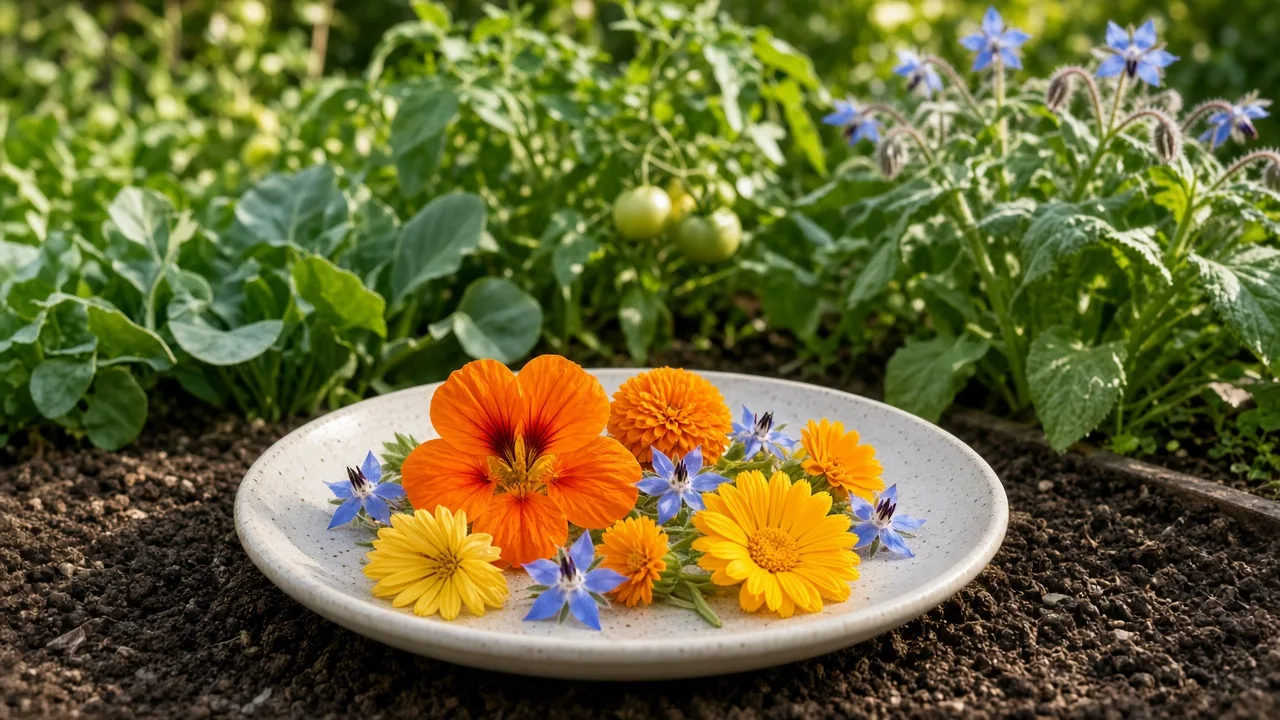
Edible flowers are most rewarding when you plan them as food crops first and ornamentals second. Choose a flower you can identify confidently, grow it where you can control its pesticide history, and plant enough to harvest without stripping every bloom from the garden. The payoff is a steady supply of color, fragrance, peppery leaves, herb-like florets, and tender blossoms for salads, drinks, desserts, and savory dishes.
The 12 flowers below are not interchangeable. Some prefer cool weather, some need real summer heat, and some are long-term shrubs or trees rather than quick annuals. I have included the edible part, the flavor to expect, the planting decision that matters most, and the safety boundary that keeps a pretty flower from becoming a questionable ingredient.
Choose a Safe Flower and a Realistic Garden Site
Start with the plant’s identity and growing history, not its color. The University of Alaska Fairbanks Cooperative Extension Service guide to edible flowers warns that many ornamental pesticides are not labeled for edible crops and that “edible” does not always mean pleasant to eat. The Royal Horticultural Society’s edible-flower guidance likewise puts accurate identification first and recommends avoiding old, dusty, roadside, or otherwise contaminated flowers.
That makes seed packets and plants explicitly sold for culinary use the easiest starting point. Do not pick a florist bouquet, a roadside bloom, or a garden-center plant when you cannot establish what was sprayed and when. If a non-culinary ornamental is the only option, treat it as decorative until you have checked the label and local guidance; rinsing a treated flower does not reliably remove systemic or residue risks.
Match the flower to your climate, space, and flavor goals
For a fast, sunny annual bed, start with calendula, nasturtium, sunflower, or zucchini. For cool weather or a small pot, violas, chives, and chamomile are easier choices. If you want flowers that return, choose established lavender, bee balm, roses, or a well-placed magnolia—but remember that a shrub or tree is a landscape commitment, not an instant summer crop.
Most edible flowers produce best with bright light, fertile soil, and good drainage, but “full sun” is not a universal command. Violas and chamomile can handle cooler conditions, lavender dislikes wet feet, and hibiscus needs warmth to make vigorous growth. When the weather is hot, a container you can move into afternoon shade may keep a cool-season flower productive longer than a bed that bakes all day.
Think about flavor before buying a mixed seed packet. Nasturtium and chive flowers are savory and assertive, calendula adds color with a peppery edge, rose and lavender are fragrant and sweet, and chamomile is best directed toward tea. A small garden with three complementary flavors will usually be more useful than 12 plants you admire but never harvest.
| Your garden goal | Best starting choices | What to watch |
|---|---|---|
| Quick results from seed | Calendula, nasturtium, sunflower, zucchini | Warm-season types wait for suitable soil and frost conditions. |
| A cool-season container | Viola, pansy, chives, chamomile | Protect cool lovers from reflected heat and repeated drying. |
| Strong savory flavor | Nasturtium, chives, bee balm | Add a little at a time; peppery or minty flowers can dominate. |
| Sweet fragrance | Rose, English lavender, chamomile | Fragrance does not override species identity or spray history. |
| A permanent garden feature | Rose, lavender, bee balm, saucer magnolia | Give woody plants room; they are not quick annual garnish crops. |
This table is a starting filter, not a promise that every cultivar behaves the same way. Seed suppliers, local extension offices, and the plant label can narrow the choice for your frost date, heat, and mature size before you spend the season rescuing a poor match.
12 Edible Flowers to Plant Now
1. Calendula
Calendula, or pot marigold (Calendula officinalis), is one of the strongest first choices for an edible flower garden. It grows quickly from seed, tolerates cool conditions better than many summer annuals, and keeps producing when you remove older flowers. Give it sun, ordinary fertile soil, and enough room for air to move through its branching stems.
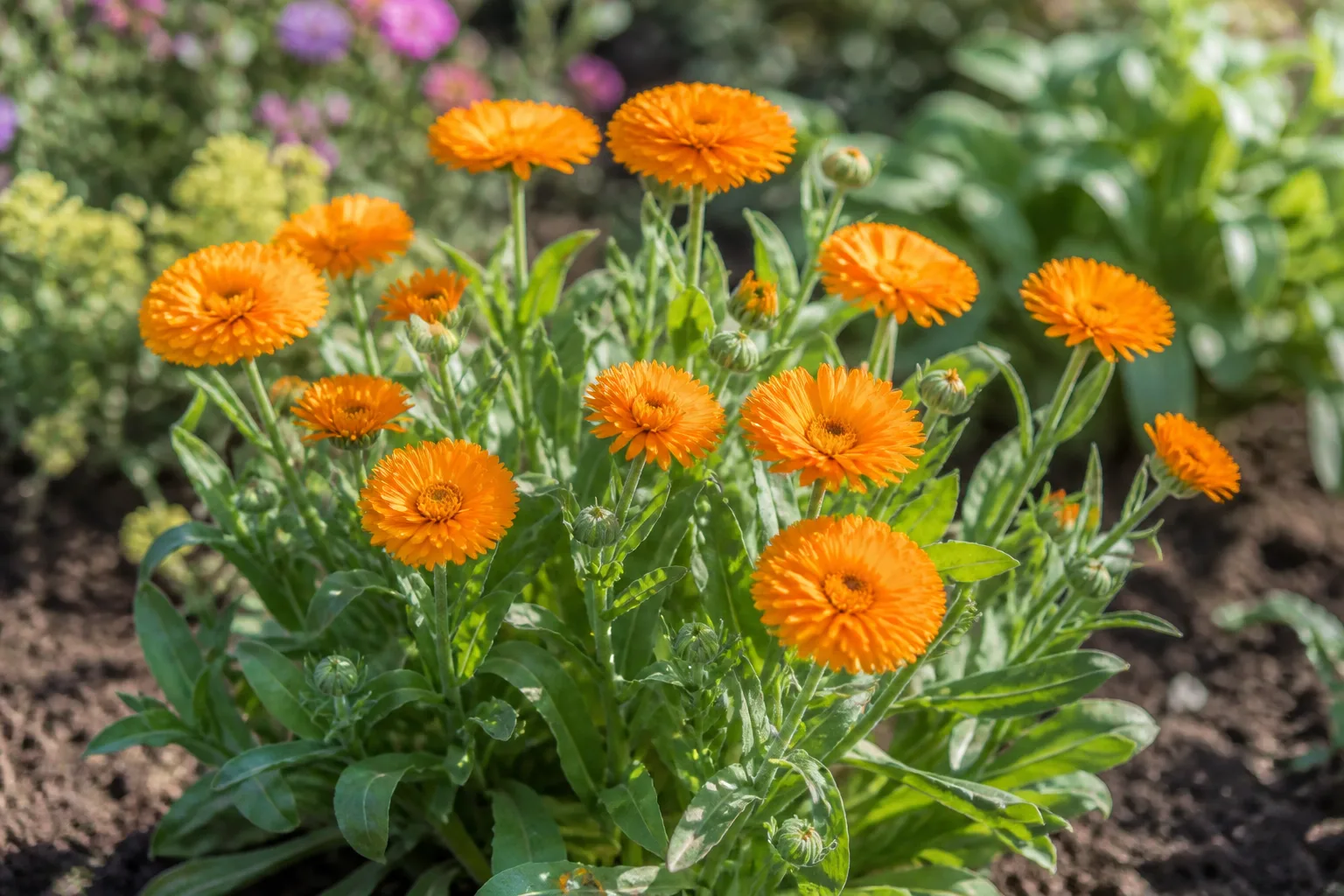
The petals are the useful part. Pull them from the green center and use them in salads, rice, soups, compound butter, or baked goods when you want saffron-like color without saffron’s intensity. The taste ranges from mild and peppery to slightly bitter, so use a small amount first and remove the pale base if it tastes harsh.
2. Roselle hibiscus
Hibiscus needs a naming check before it reaches the kitchen. Different hibiscus species and cultivars vary in use and flavor, so choose an explicitly identified culinary type; roselle (Hibiscus sabdariffa) is the classic choice for tart, ruby-colored infusions made from its fleshy calyces. It is a warm-season plant that may be grown as an annual where winters are cold and as a longer-lived plant where conditions stay mild.
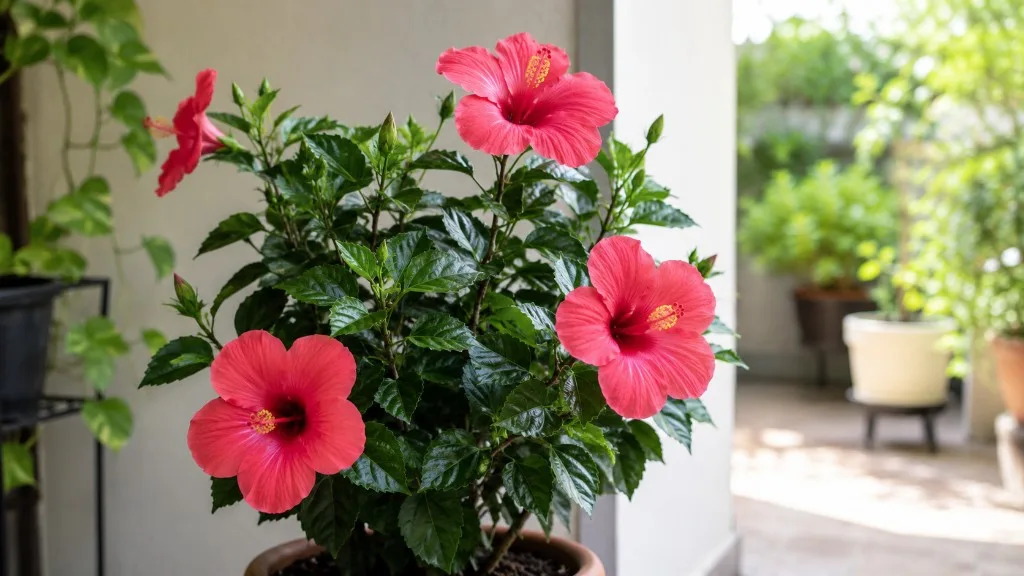
Give roselle heat, sun, steady moisture, and a long growing season. Harvest the calyces after the flower fades but before they become tough, then use them for tea, syrup, or a sour fruit-like concentrate. Do not treat every ornamental tropical hibiscus as an interchangeable substitute, and do not eat an unidentified hibiscus simply because the flowers look similar.
3. Violas and pansies
Violas and pansies are small, colorful, and unusually useful for containers. They prefer cool weather, so plant them for spring and fall color or give summer plants morning sun and protection from the hottest afternoon heat. Moist, well-drained potting mix and regular harvesting help prevent a pot from becoming crowded and tired.
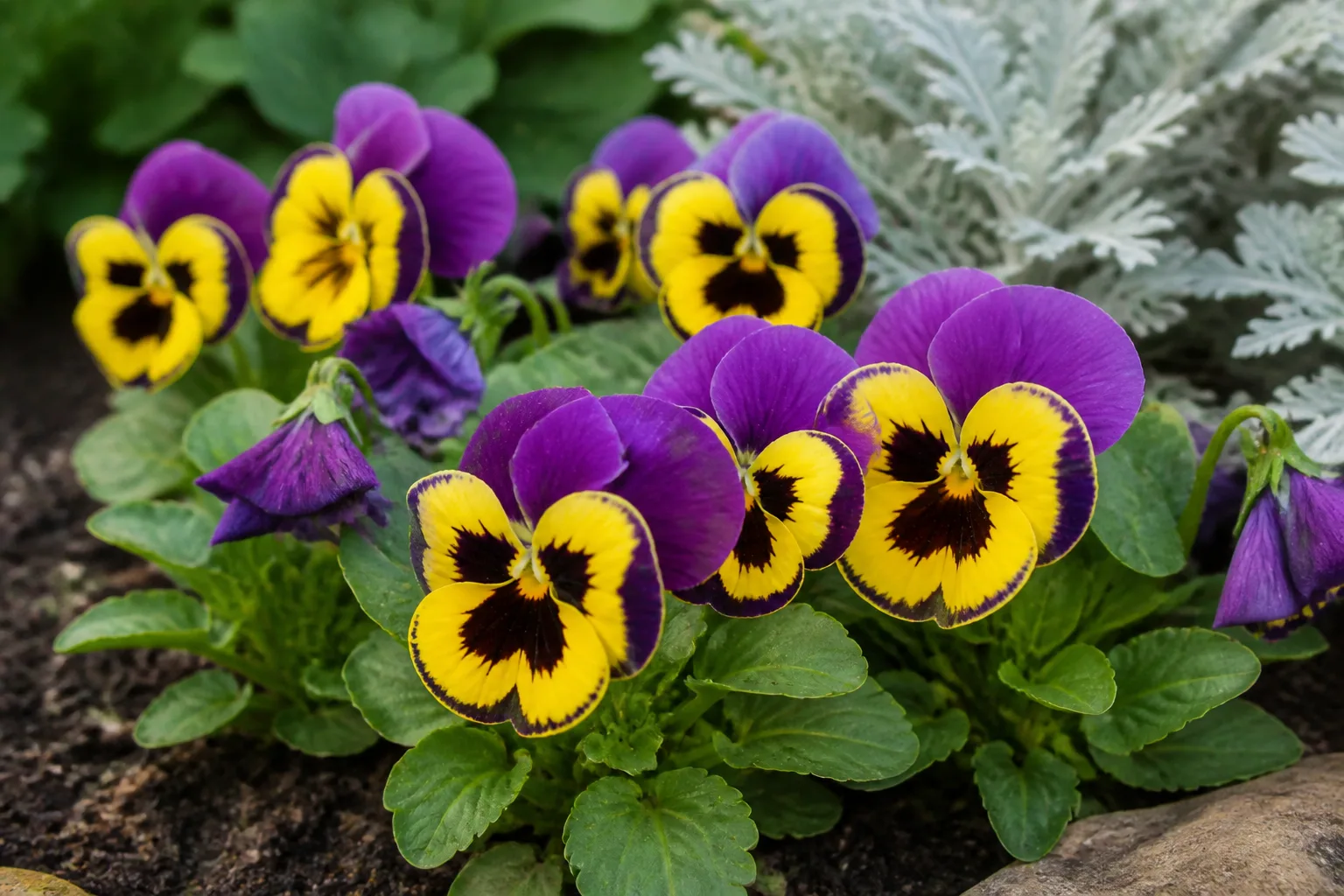
The whole flower can be used when it has been grown without unsuitable sprays, although you may remove the green calyx and stem for a cleaner dessert garnish. Their flavor is mild, slightly sweet, and sometimes wintergreen-like. Use them fresh on salads and cakes, freeze them into ice cubes, or crystallize them for a special-occasion finish.
4. Roses
Roses are a long-term investment with a simple culinary rule: fragrance is a useful clue to flavor, but species and treatment history still matter. Choose fragrant roses that you can identify, grow them away from routine ornamental sprays, and avoid any bloom from a florist or bouquet. A rose shrub also needs room for airflow, pruning, and harvest, so do not wedge it into a narrow vegetable bed.
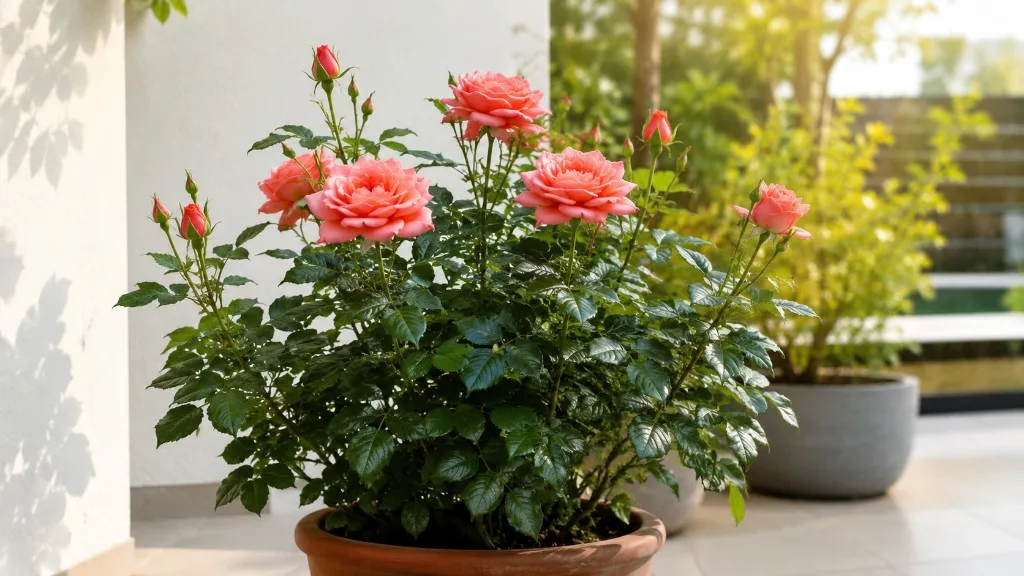
Use the petals in sugar, syrup, jelly, tea, ice cream, or a salad. Strip away the bitter white heel at the base of each petal, and remove the stamens and sepals from large flowers. Rose hips are a separate harvest with separate preparation; do not confuse eating a petal with eating the fruit that develops later.
5. Nasturtiums
Nasturtiums (Tropaeolum majus) give you more than flowers: the leaves, flowers, and immature seed pods are useful too. They are easy from seed after the danger of frost has passed, and trailing types are excellent in a pot or at the edge of a bed where stems can spill without smothering neighboring plants.
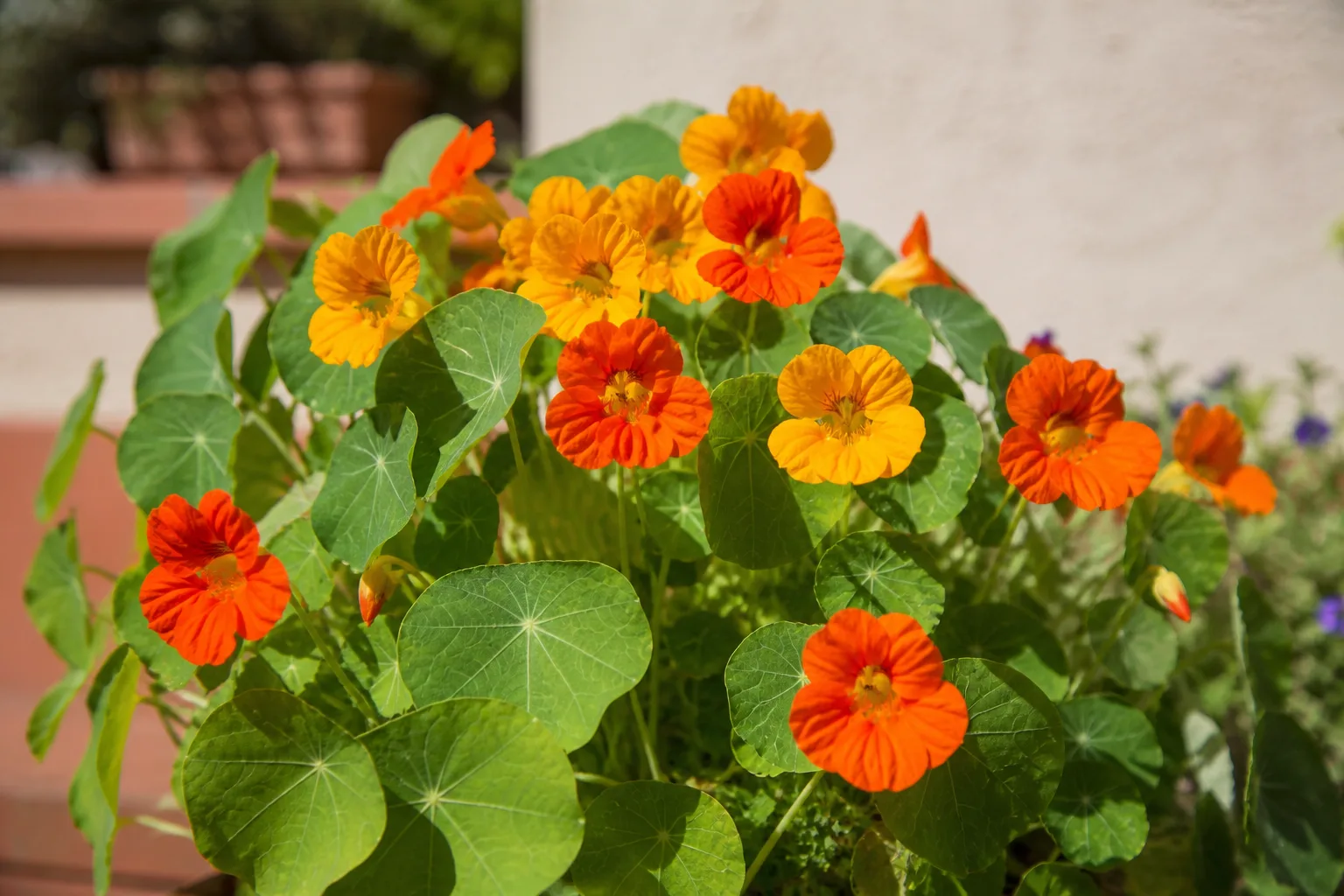
The flowers start bright and slightly sweet, then finish with a peppery, watercress-like bite. Add whole flowers to salads, tear petals over pasta, tuck a leaf into a sandwich, or pickle young seed pods as a caper-like accent. Avoid rich, heavily fertilized soil if it produces leaves at the expense of flowers, and keep containers from drying completely.
6. English lavender
English lavender (Lavandula angustifolia) is the best fit here when the goal is culinary fragrance rather than simply a purple flower. It needs full sun, sharp drainage, and a light hand with water and fertilizer. In heavy or wet soil, grow it in a raised bed or a container filled with a fast-draining mix rather than trying to correct the site with constant amendments.
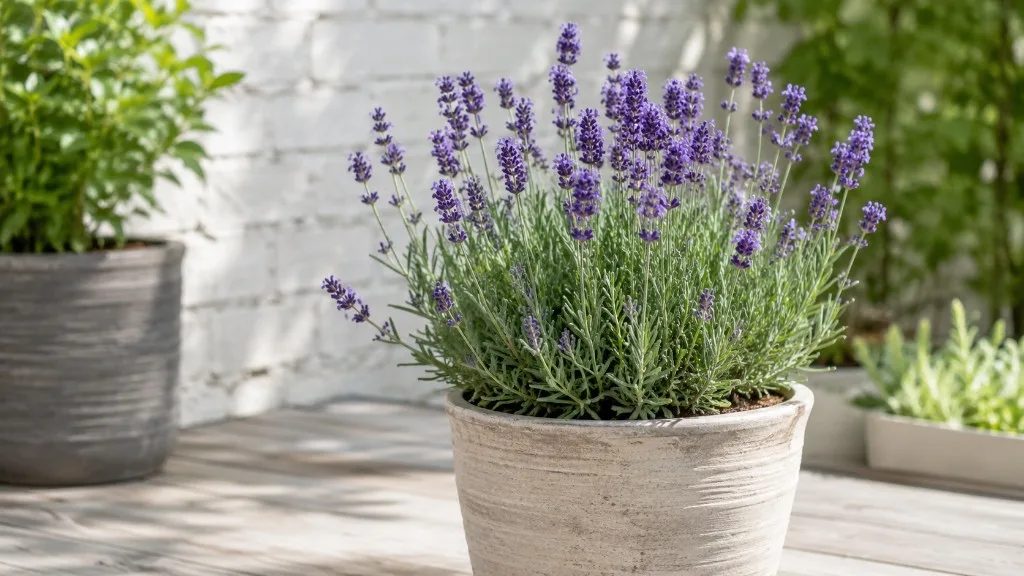
Harvest the small flowers for tea, floral sugar, syrup, shortbread, or ice cream. Lavender becomes medicinal-tasting when overused, so strip a few florets from a culinary plant and measure with restraint. Some ornamental lavenders and heavily perfumed hybrids are better enjoyed as landscape plants; verify the species and avoid flowers exposed to unsuitable sprays.
7. Chamomile
Chamomile is a compact, daisy-like choice for tea and small gardens. German chamomile (Matricaria chamomilla) grows readily from seed in a sunny, well-drained spot, while Roman chamomile is a different plant with a different growth habit. Keep the distinction clear when buying seed, especially if you want a reliable annual harvest.
Pick the flower heads when the white petals are open and the yellow centers are still fresh, then use them immediately or dry them for an infusion. Chamomile has a sweet, apple-like, meadowy flavor, but people who react to ragweed-family plants or pollen should be cautious. Start with a very small amount and stop if you notice an allergic reaction.
8. Chives
Chives are an efficient edible-flower crop because the plant already earns space as a perennial herb. In late spring or whenever the plant flowers, round purple heads rise above the hollow leaves. Give chives sun to light shade, rich soil that drains well, and regular cutting after flowering if you want tender new leaves.
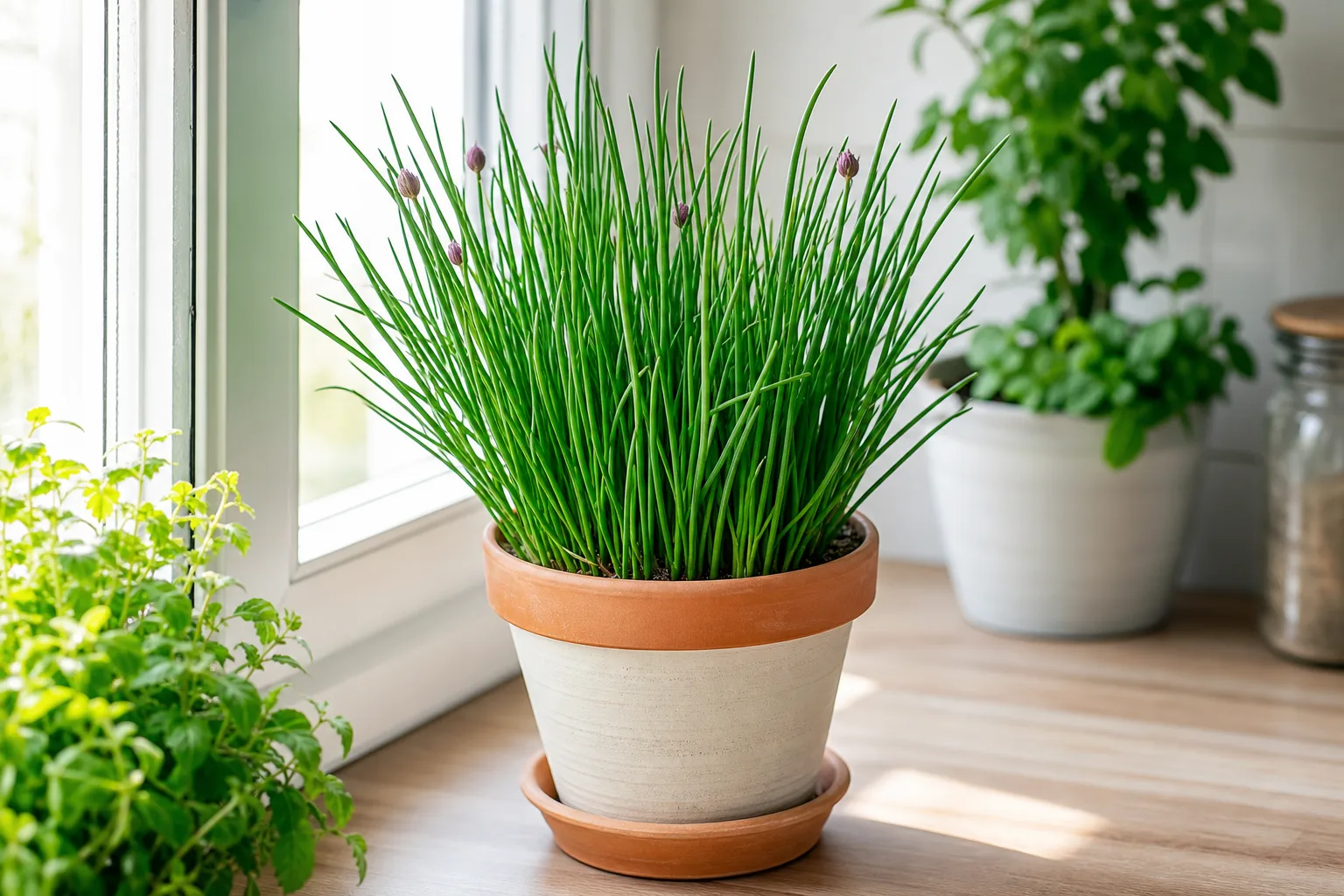
Separate the flower head into individual florets and scatter them over eggs, potatoes, salads, beans, or a savory butter. Their flavor is gentler than raw onion but unmistakably allium-like. Use the flowers fresh; they lose texture quickly once separated, although the florets can be steeped into vinegar or folded into soft butter.
9. Saucer magnolia
Saucer magnolia (Magnolia × soulangeana) is the most specialized selection on this list. It is a small tree only in the sense that some edible-flower gardens can accommodate a tree; it will not give a renter or balcony gardener a quick crop. The large spring flowers are sometimes pickled or used in small culinary preparations for their ginger-and-cardamom character, but the exact species and the tree’s treatment history are critical.
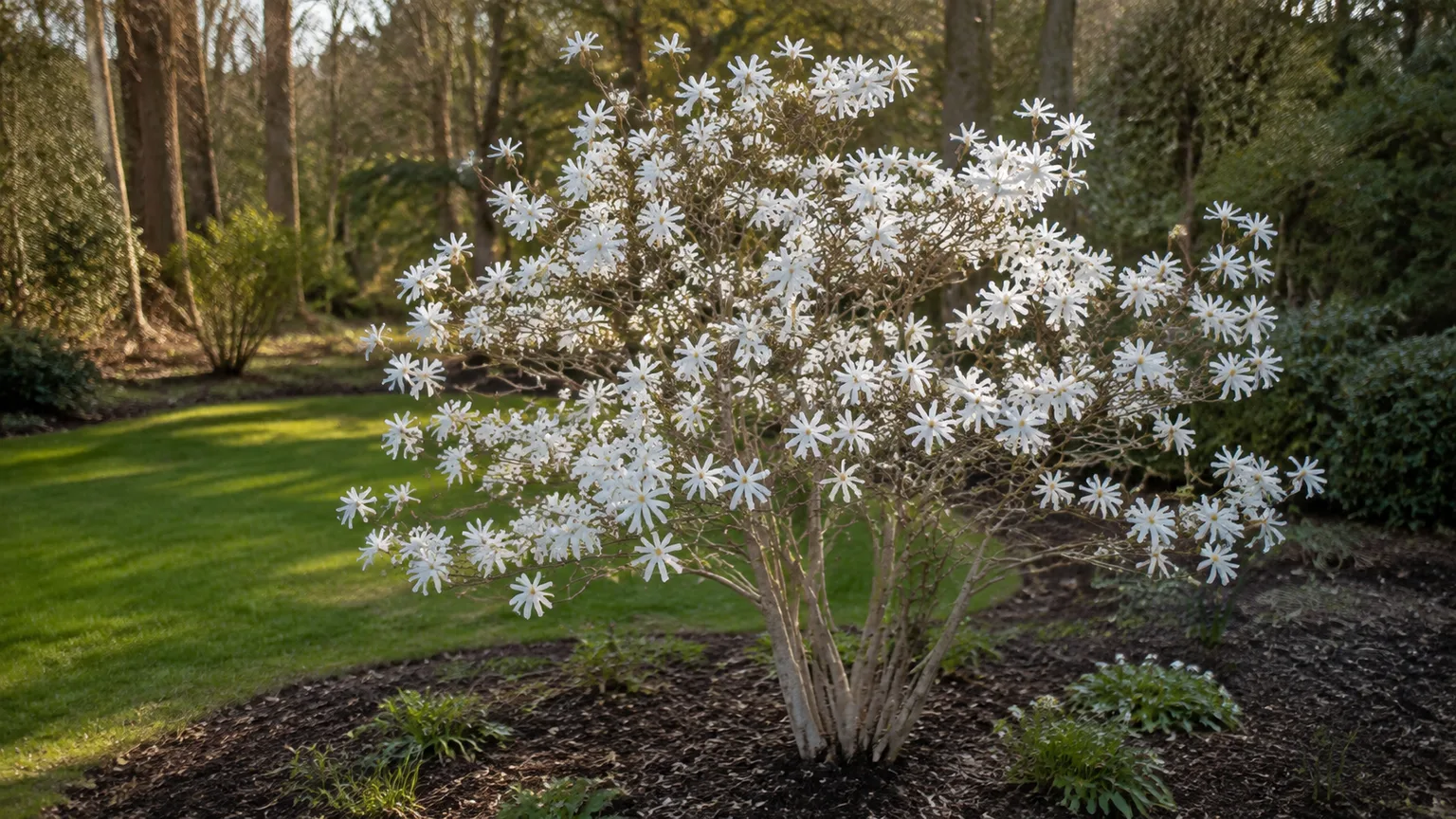
Only harvest from a positively identified, unsprayed tree that you intentionally manage for food, and use a tiny amount the first time. Do not generalize from saucer magnolia to every magnolia, and do not use flowers from a nursery display tree or a landscape with an unknown spray history. If you need edible blooms this season, choose calendula or nasturtium instead and treat magnolia as a long-term experiment.
10. Sunflowers
Sunflowers (Helianthus annuus) are easy to direct-sow once the soil is warm, and they make a strong back row for an edible garden. They need sun, room for their roots, and a site where their height will not shade small flowers. Branching varieties give more usable flower heads than a single-stem type, although the final choice depends on the space and the harvest you want.
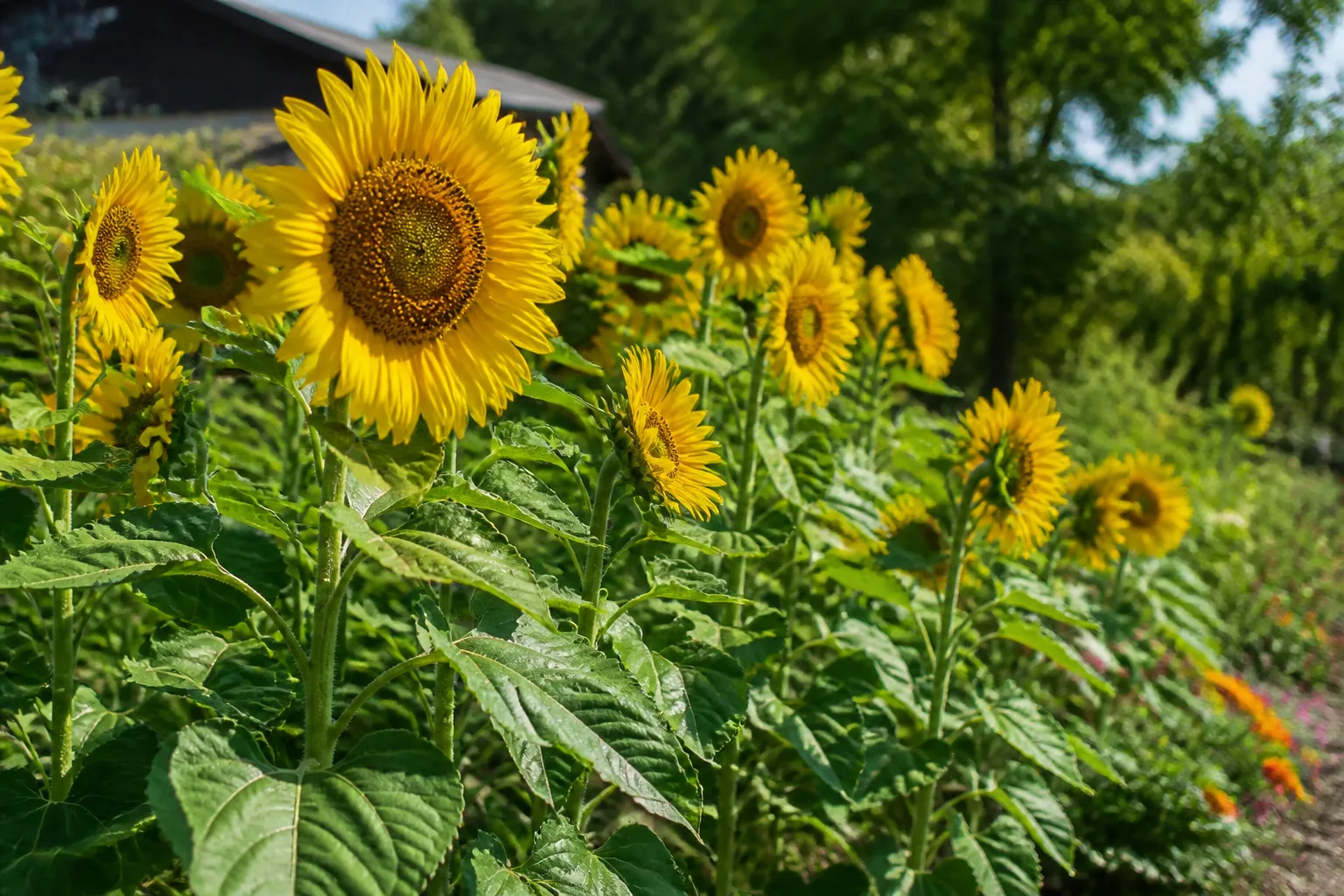
Young petals have a mild, slightly vegetal flavor and can be torn into salads or used as a garnish. Some cooks also use unopened buds like a vegetable, but start with a verified edible cultivar and cook a small portion rather than assuming every ornamental sunflower is equally pleasant. Leave enough flowers for pollinators and seed production if those are part of your garden plan.
11. Zucchini and squash blossoms
Squash and zucchini blossoms turn a vegetable bed into an edible-flower garden without needing a second ornamental crop. The male flowers sit on long, thin stems; the female flowers form at the end of a swelling that looks like a tiny zucchini. Pick mostly male flowers if you want to protect fruit production, but leave enough open male flowers for pollination.
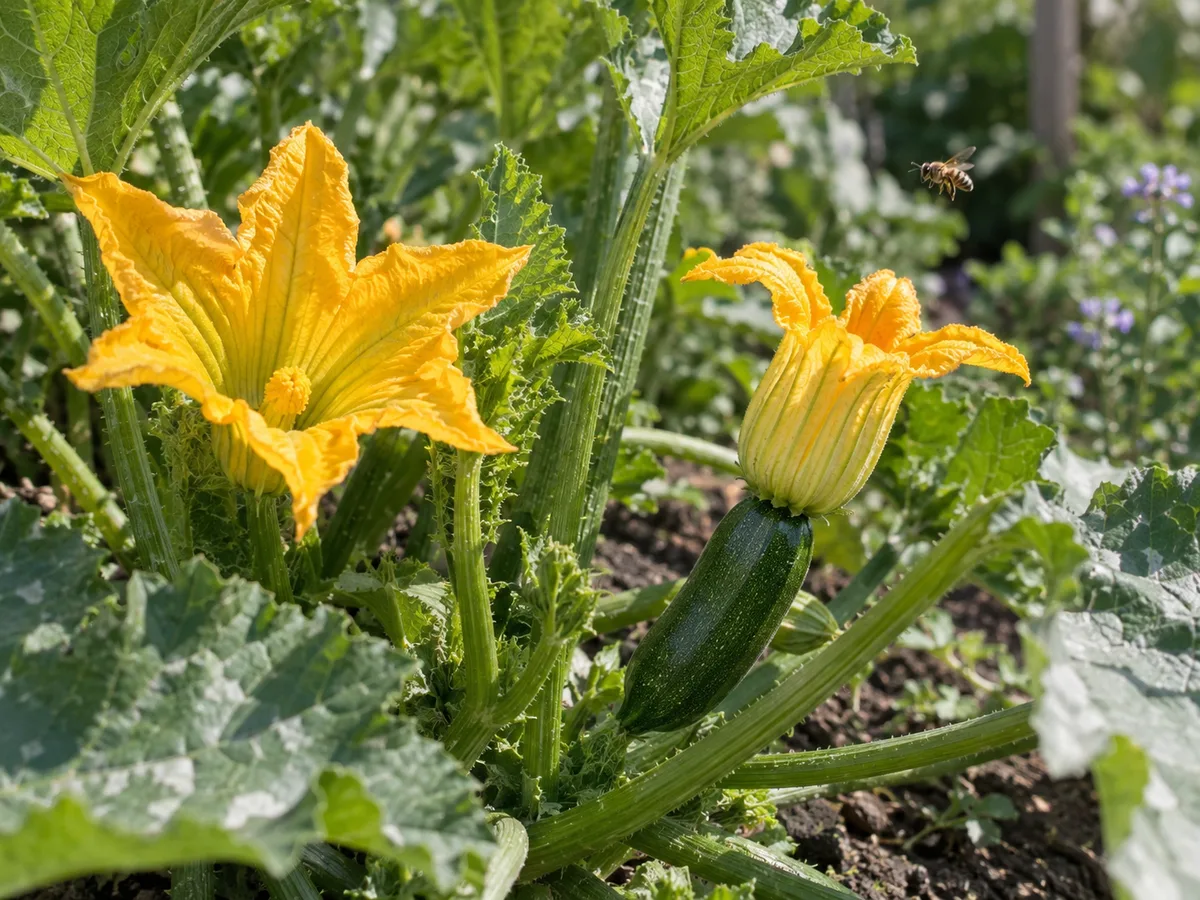
Harvest in the morning while the blooms are open and firm. Remove the interior stamen, check for insects, and use the flowers the same day in a light batter, stuffed with a savory filling, folded into eggs, or added to a warm dish. A female blossom attached to a developing zucchini can also be cooked, but cutting too many reduces the harvest you planted the squash to produce.
With squash blossoms, identifying male and female flowers helps you enjoy the blooms without sacrificing the next crop of zucchini.
12. Bee balm
Bee balm (Monarda) is a hardy perennial for a sunny border with soil that does not dry out completely. It spreads by underground stems, so give it space or divide it rather than planting it where a small container crop must stay contained. Good airflow matters because dense, stressed plants are more likely to develop powdery mildew.
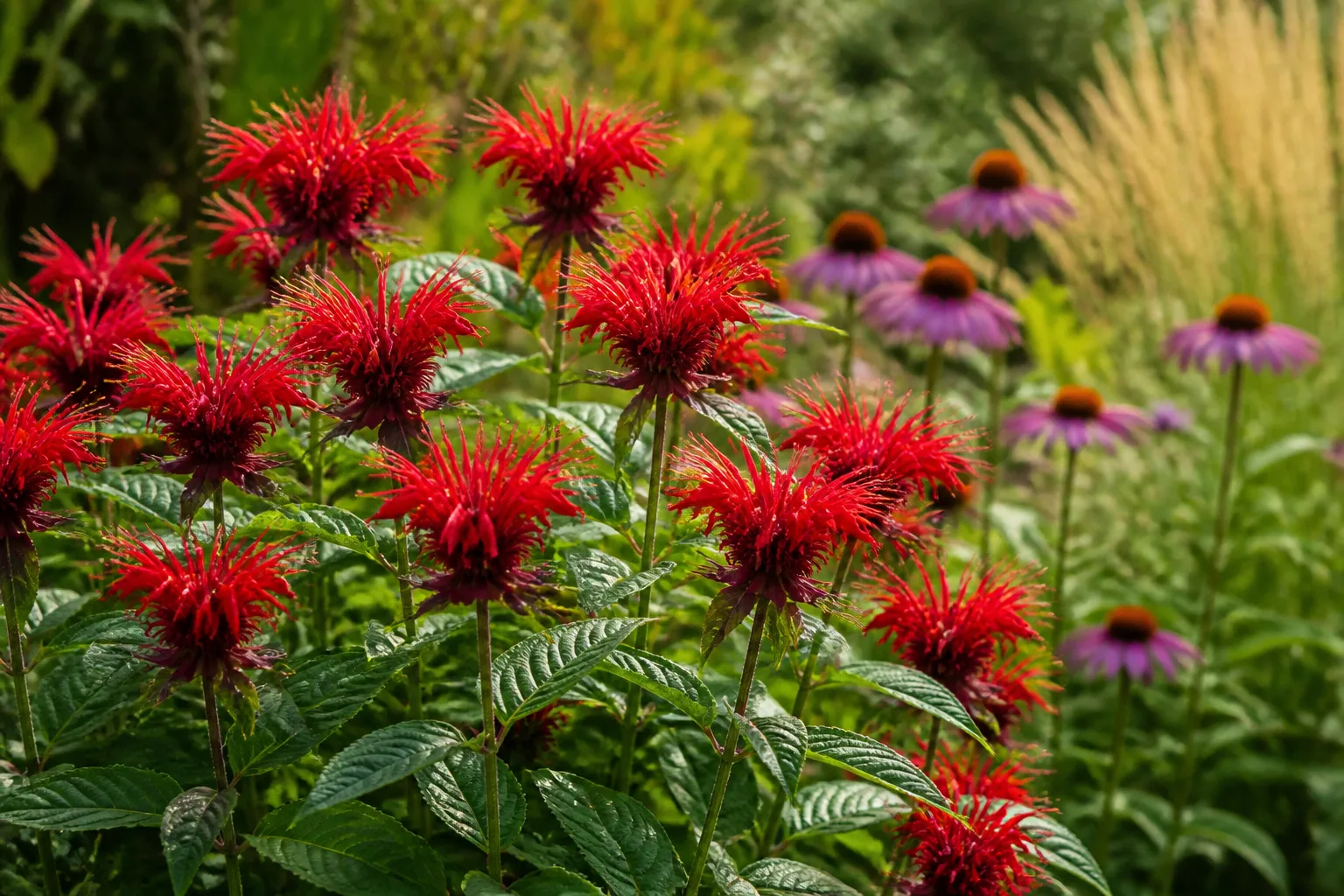
The flowers and young leaves have a minty, lightly spicy flavor with an oregano-like edge. Use individual florets in salads, steep petals and leaves for tea, or add a few to a fruit dessert where the aroma can carry without dominating. Pick flowers from plants grown without unsuitable pesticides, and remove any browned or dusty material instead of trying to rescue it for food.
Grow, Harvest, and Use Edible Flowers Safely
Plant for flowers, then harvest for flavor
Prepare the bed as you would a small produce plot: loosen compacted soil, mix in mature compost if needed, and choose a place with drainage rather than one that stays puddled after rain. Most of the annuals above want several hours of direct light. Water at the soil line when possible; the UAF guide notes that overhead irrigation can bruise delicate petals, increase soil splash, and leave foliage wet enough to encourage disease.
Use containers when you need control over soil, access, or treatment history. A pot near the kitchen door makes it more likely that you will harvest a few chive florets or nasturtium leaves for dinner. Use a container with drainage, give vigorous nasturtiums room to trail, and do not let a small pot dry repeatedly just because the plant is technically drought tolerant once established.
For a continuous supply, sow fast annuals in small batches rather than planting every seed on one day. Remove faded calendula and nasturtium flowers before they set excessive seed if you want more blooms, but leave a few for seed saving and pollinators. The BBC Gardeners’ World Magazine guide to edible flowers also emphasizes regular picking, dry-morning harvests, and the useful distinction between male and female courgette flowers.
Avoid high-nitrogen feeding that produces lush leaves with fewer flowers, and never use a pesticide unless the product is labeled for the crop and the label’s harvest interval can be followed. If a plant gives you leaves but no flowers, check light, crowding, heat, moisture swings, and whether you have been removing every bud before it opens. Moving a container, thinning seedlings, or waiting for cooler weather is often more useful than adding fertilizer.
Set up a simple harvest station before the first flush: clean scissors, a shallow bowl, a cool place to hold the flowers, and a note of the species you planted. That small bit of organization prevents the common mistake of tossing unidentified mixed blooms into a salad after several varieties have cross-seeded or been moved around the yard.
The peer-reviewed review of edible-flower safety describes the evidence as limited in some areas but still identifies the relevant hazards: plant misidentification, microorganisms, pesticide residues, and naturally occurring compounds. That is why integrated pest management—clean cultivation, inspection, hand removal, airflow, and least-disruptive controls—belongs in an edible-flower plan.
Pick, prepare, store, and serve the right parts
For fresh garnishes, pick flowers on a dry morning after dew has evaporated and before heat wilts the petals. Choose young, fully formed blooms or buds in peak condition, shake out insects, and rinse gently in cool water only when needed. Pat them dry; wet petals bruise quickly and dilute delicate flavors.
Most large flowers contribute only their petals. Remove bitter heels from roses and some dianthus, and discard stamens, pistils, and tough calyces unless the recipe specifically uses them. Chive florets can be used whole, nasturtium leaves are edible, roselle’s calyx is the prized part, and squash blossoms need their interior stamens removed before cooking. When the plant part is unclear, do not improvise.
Use fresh blooms immediately for the best texture. If you need to hold them, place them in a clean container or bag with a barely moist paper towel and refrigerate; a realistic window is roughly two to three days, depending on the flower. The RHS guide to using edible flowers offers practical ways to turn a surplus into syrup, jam, floral sugar, vinegar, tea, or frozen ice cubes, but shelf-stable preservation requires a tested recipe and process rather than a casual jar on the counter.
Finally, treat your first tasting as a small experiment. Even a correctly identified edible flower can trigger an allergy, especially for people sensitive to pollen or plants in the daisy family. Serve a modest amount, keep the preparation simple, and stop if you notice itching, swelling, breathing difficulty, stomach pain, or another concerning reaction; severe symptoms need urgent medical help.
Conclusion
The best edible flowers to plant now are the ones that fit your season, space, and kitchen. Calendula, nasturtium, viola, chives, chamomile, and zucchini blossoms are approachable first crops; roses, lavender, bee balm, hibiscus, sunflowers, and magnolia add longer-term or more specialized possibilities when their species and growing conditions are right.
Grow them as food, keep their treatment history known, harvest in cool clean conditions, and use the correct plant part. A small, well-managed planting will give you more usable flavor—and far fewer safety questions—than a crowded bed of unidentified blooms.



