13 Plants With Daisy-Like Flowers to Grow
Compare 13 plants with daisy-like flowers by bloom time, size, sun, soil, and maintenance so you can choose the right flowers for your garden.
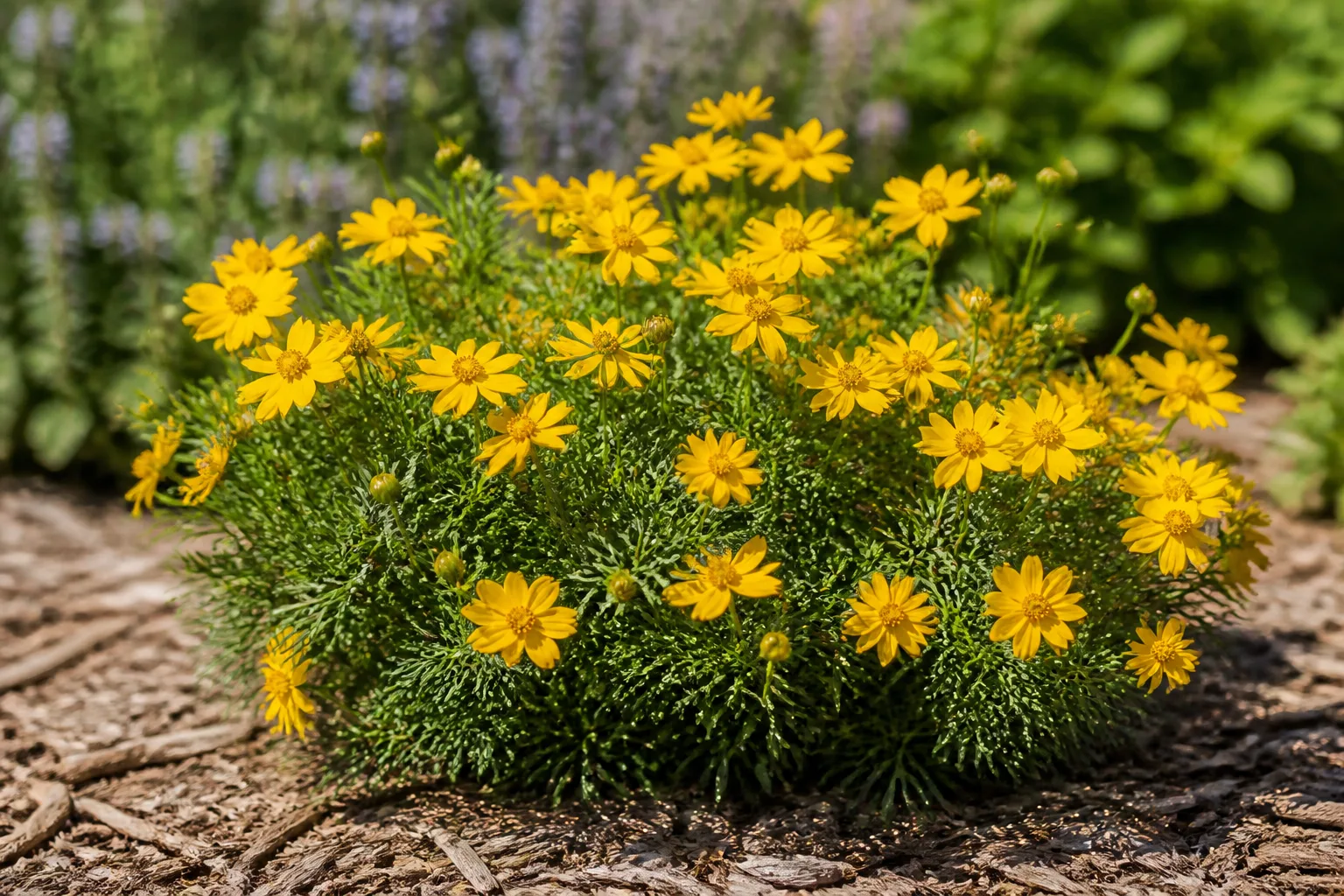
If you love the cheerful shape of a daisy but want more choices than a single white-and-yellow flower, you have a large planting palette. Plants with daisy-like flowers range from low, drought-tolerant ground covers to tall fall perennials, cool-season annuals, and tender plants that are happiest in containers.
The important distinction is that these plants are not interchangeable. A gerbera daisy can give you a huge, vivid bloom in a pot, while an aster can carry a border into fall. Coreopsis and blanket flower handle lean, dry soil; garden mums want regular moisture; German chamomile can seed itself into places where you did not plan it.
The 13 choices below are organized around those real differences. Use the quick comparison first, then read the individual profiles for the details that decide whether a plant will thrive in your garden.
| Plant | Best garden job | Typical bloom window | Main caution |
|---|---|---|---|
| Gerbera daisy | Bright containers and cutting gardens | Spring through fall in favorable conditions | Tender perennial; dislikes soggy soil |
| German chamomile | Fragrant annual or informal herb bed | Late spring through summer | Self-seeds freely |
| False sunflower | Tall yellow border or meadow planting | Summer into early fall | Can flop without sun or support |
| Calendula | Cool-season color and containers | Spring and fall, sometimes longer | Self-seeds; heat can pause flowering |
| Asters | Late-season pollinator color | Late summer through fall | Needs airflow in humid sites |
| African daisy | Cool-season annual color | Spring and fall | Often pauses in intense summer heat |
| Purple coneflower | Durable perennial and seedheads | Summer into fall | Double forms may be less useful to insects |
| Coreopsis | Long-blooming, low-water border | Summer into fall | Needs sun for a dense, floriferous habit |
| Black-eyed Susan | Tough mass planting | Summer into early fall | Can spread by seed and is sometimes short-lived |
| Blanket flower | Hot, dry, well-drained beds | Summer into fall | Heavy, wet clay shortens its life |
| Ice plant | Rock gardens and dry edges | Summer into fall | Winter wet is more dangerous than winter cold |
| Garden mum | Reliable late-season display | Late summer through frost | Many sold as annuals are not reliably hardy |
| Shasta daisy | Classic white cut flowers | Summer | Wet soil and deep shade reduce performance |
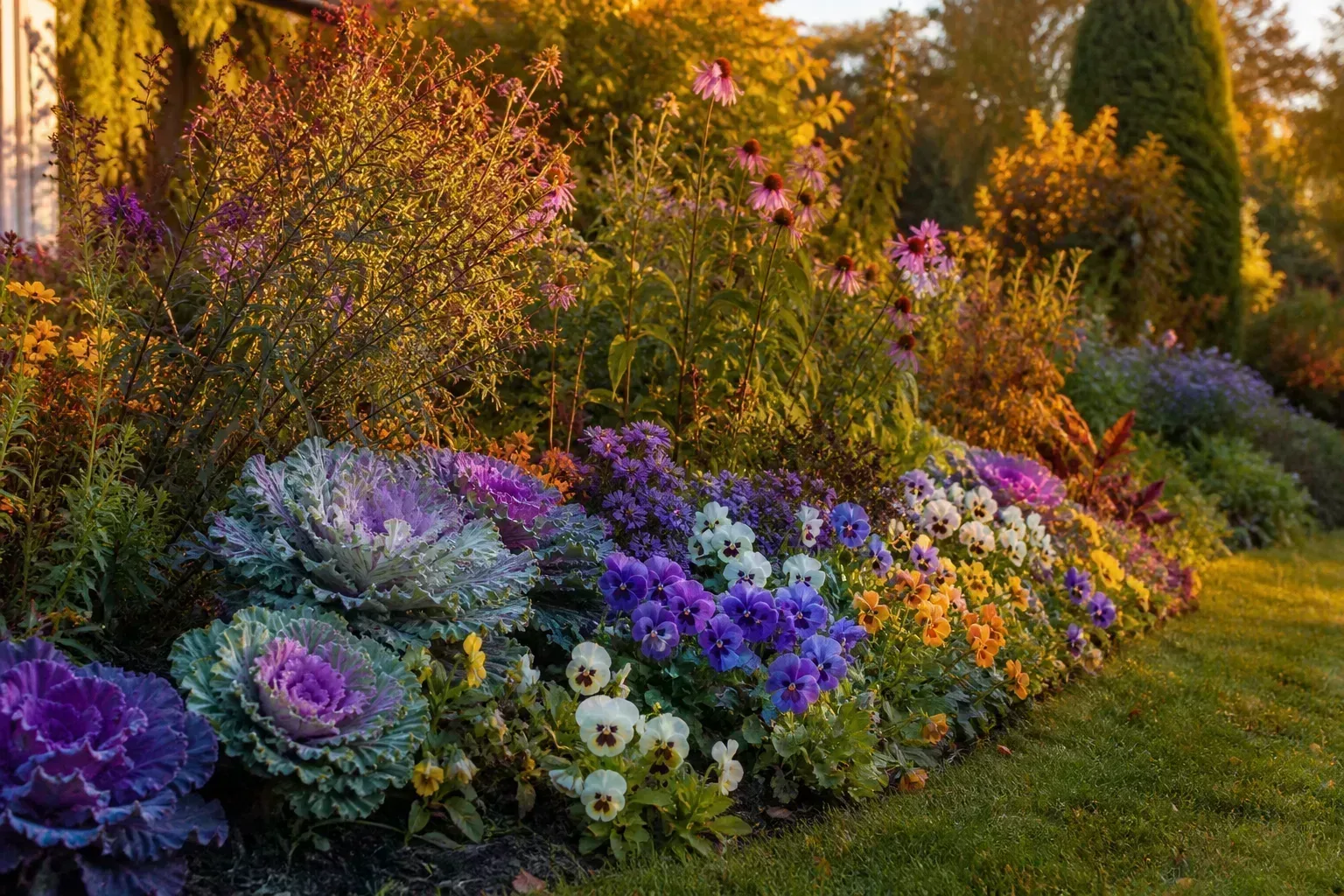
What “Daisy-Like” Actually Means
The familiar daisy head is not one oversized flower. It is a composite flower head made of many tiny disk flowers in the center, often surrounded by strap-shaped ray flowers that look like petals. That structure is typical of the Asteraceae family, which is why coneflowers, asters, sunflowers, calendula, and mums can look related even when their colors, heights, and growing habits are very different.
Flower shape affects who can use a plant. Penn State Extension explains that pollinators respond not only to color but also to floral shape, nectar accessibility, bloom timing, scent, and the quantity of flowers. Open, disk-shaped heads are generally easy for many bees and flies to use, while tubular blooms favor pollinators with the right tongue length. Penn State Extension’s guide to flower color and pollinators is a useful reminder that “bright” does not automatically mean “best for every insect.”
That is also why a double-flowered cultivar may be less useful than a single-flowered one. Extra layers of petals can hide the center and make pollen or nectar harder to reach. If wildlife value matters, choose plants with visible centers and include several flower shapes rather than filling a bed with one heavily doubled cultivar.
How to Choose a Daisy-Like Flower for Your Garden
Start with the site, then choose the color
Begin with the conditions you already have. Most of the plants on this list flower best in full sun, but “full sun” is not the same in every climate: a hot, reflected-sun patio can stress a plant that would thrive in a cooler open border. If a bed gets only morning sun, choose a plant that tolerates partial shade and expect fewer flowers than the label promises.
Drainage is the second filter. Coreopsis, blanket flower, ice plant, and many coneflowers are safer choices for a dry, fast-draining bed. Asters, mums, calendula, and chamomile prefer moisture that is available but not stagnant. The RHS notes that Leucanthemum grows best in full sun and easily drained soil, while permanently wet or excessively dry conditions reduce flowering. Its Leucanthemum plant guide is a good reference for Shasta daisy and its relatives.
Finally, decide what you want the flowers to do. Pick a compact annual for a pot, a drought-tolerant perennial for a curbside bed, a tall plant for the back of a border, or a late bloomer to keep the garden useful after summer perennials fade. A plant that looks beautiful in a catalog can still be the wrong choice if it outgrows the space, needs winter protection, or demands more water than you can provide.
13 Recommended Plants With Daisy-Like Flowers
Gerbera Daisy (Gerbera jamesonii)
Gerbera daisies are the choice when you want large, saturated flowers in red, orange, yellow, pink, or white. Their blooms can reach several inches across, and their sturdy stems make them excellent for containers and cutting gardens. They are tender perennials in warm climates and are more often grown as annuals or seasonal container plants where winters are cold.
Give gerbera bright light, moderate moisture, and potting soil that drains quickly. In hot climates, afternoon shade can prevent heat stress, but deep shade produces weak stems and fewer flowers. Water when the top layer of soil begins to dry, and keep water out of the crown; constantly wet soil is a faster route to root problems than a brief dry spell.
Deadhead by cutting the entire spent stem near the base. This keeps the plant focused on new buds and prevents a container from looking tired, but do not expect a gerbera to behave like a hardy border perennial outside its climate range.
German Chamomile (Matricaria chamomilla)
German chamomile makes a softer, more informal version of a daisy, with small white rays, yellow centers, and airy stems that can reach roughly 1 to 2 feet. It works well in an herb garden, a cutting patch, or a sunny area where a light, meadow-like texture is welcome. It is commonly treated as an annual, although it can return through self-sown seedlings.
Sow it in full sun in soil that drains well. The plant does not need rich soil to flower, and heavy feeding can encourage floppy growth rather than a better display. Its fine foliage and small flowers are easy to overlook when planted alone, so a drift or edge planting usually looks more intentional than one isolated plant.
The trade-off is seed. Allowing flowers to mature can give you next year’s plants, but it can also put seedlings into paths and neighboring beds. Deadhead before seed ripens if you want a tidy, controlled planting; leave a few stems if you are happy with an informal patch.
False Sunflower (Heliopsis helianthoides)
False sunflower is a tall perennial for gardeners who want golden-yellow daisy-like flowers without growing an annual sunflower. The branching stems can form a strong back-of-border or meadow presence, and the flowers continue through much of summer into early fall when the plant receives enough light and moisture.
Plant it in full sun and give it average, well-drained soil. It tolerates less-than-perfect ground, including periods of drought once established, but regular moisture produces a fuller, longer-lasting show. Plants grown in too much shade often stretch toward light and may need staking.
This is a better choice for a naturalistic or cottage-style planting than for a narrow foundation bed. Shear or deadhead some spent flowers to encourage branching and a tidier second flush, but leave a portion of the seedheads if birds and winter structure matter more than a perfectly clean border.
Pot Marigold (Calendula officinalis)
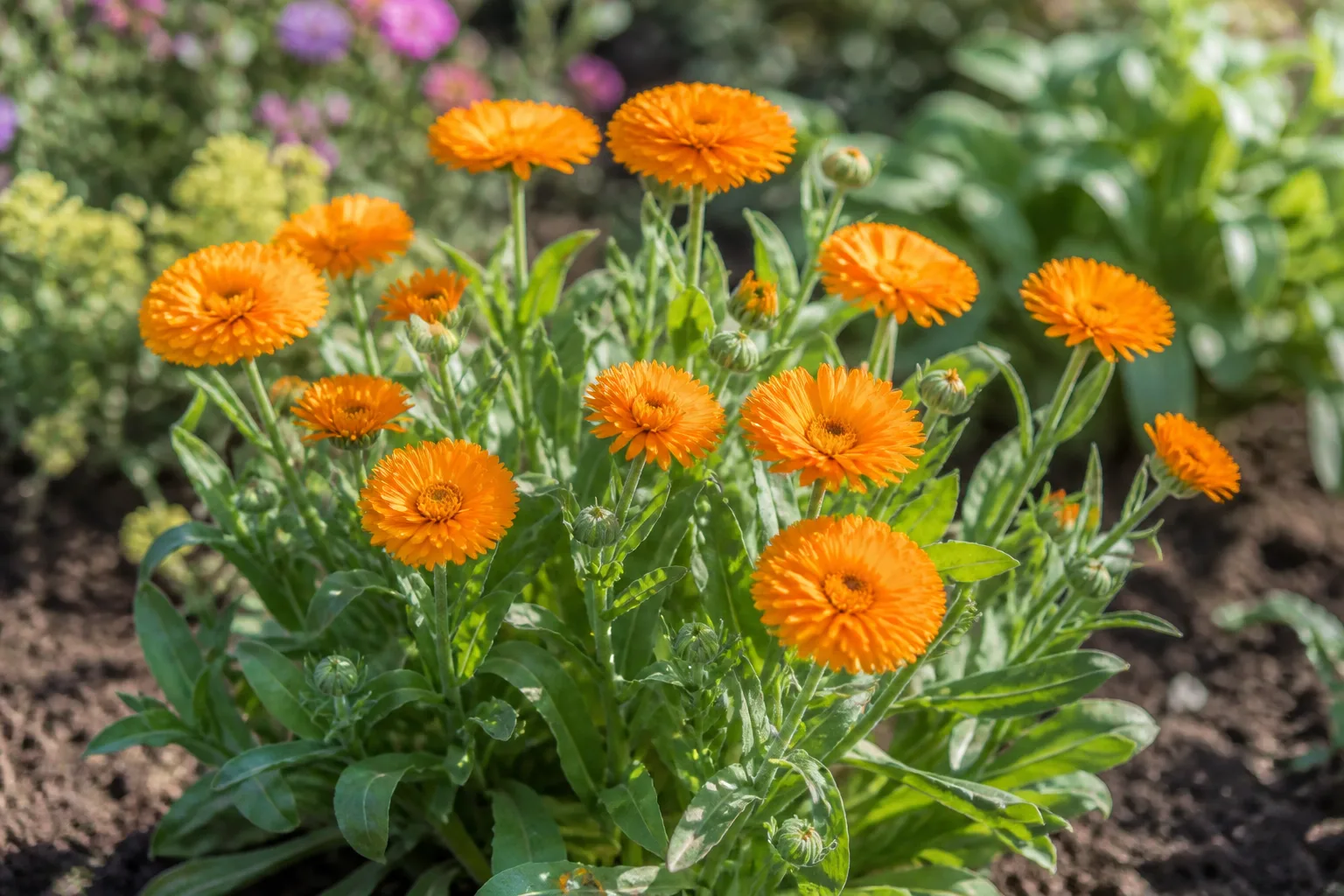
Calendula, or pot marigold, has warm yellow-to-orange flower heads and a useful cool-season habit. In climates with hot summers, it often flowers most strongly in spring and fall; in mild conditions, it can bloom for a much longer stretch. It grows well in beds, window boxes, and containers, making it one of the most flexible annual choices here.
Give calendula full sun to light shade and soil that drains well but does not dry to dust. It can tolerate ordinary garden soil, though a container mix with good drainage makes watering easier. Remove faded flowers regularly when your goal is more blooms rather than seed.
Calendula readily self-seeds when flowers are left to mature. That is a benefit if you want an inexpensive recurring display, but volunteer seedlings may not appear exactly where you want them. Also keep “pot marigold” separate from Tagetes marigolds when shopping; the common names are similar, but the plants are different genera with different flower shapes and uses.
Asters (Symphyotrichum species)
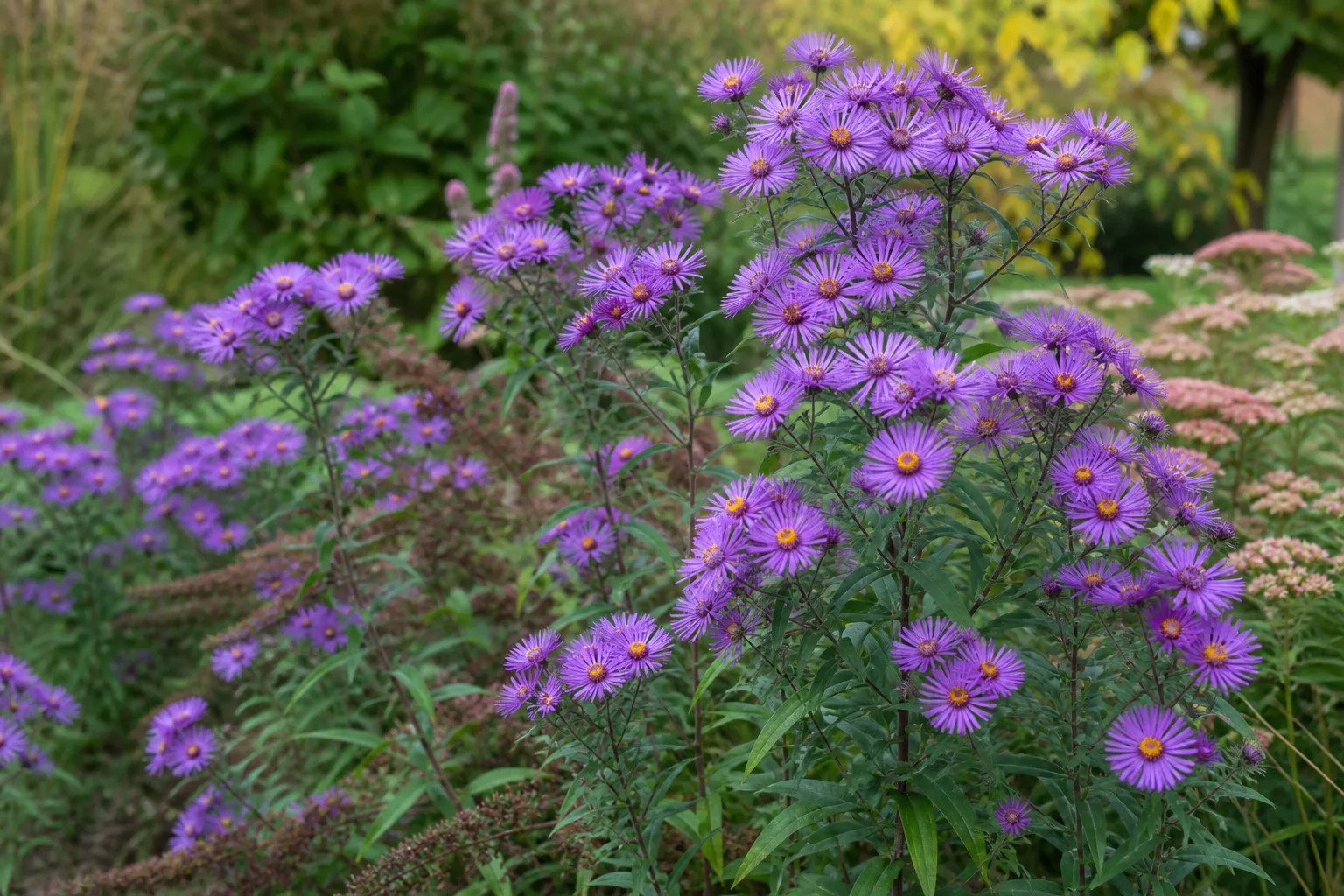
Asters are among the best plants with daisy-like flowers for late-summer and fall color. Their purple, blue, pink, or white rays surround yellow centers, and a mature clump can become a valuable landing area when many early-season flowers are finished. The plants range from compact cultivars to tall species that belong at the back of a border.
Choose a cultivar by mature height, not just by the flower photo. Compact asters work in small beds and containers; tall New England types may need pinching earlier in the season or support later. Give them sun and air movement, and water at soil level during dry weather. Humid, crowded conditions can encourage powdery mildew even when the plant is otherwise healthy.
BBC Gardeners’ World Magazine describes Michaelmas daisies as reliable late-summer and autumn bloomers that are popular with bees and butterflies, while also recommending moist but well-drained soil and cutting back after flowering. Its Michaelmas daisy guide is helpful when comparing compact and tall cultivars.
African Daisy (Osteospermum hybrids)
African daisies bring unusual colors to the list, including lavender, pink, white, orange, and flowers with contrasting centers. They are usually grown as annuals outside mild climates and are especially useful for spring and fall containers because many varieties pause when summer heat is intense.
Use a sunny position and a fertile, well-drained potting mix. Keep plants evenly watered while they are establishing, then let excess water drain freely; a saucer that stays full after watering can damage roots. In very hot weather, moving a container to bright morning sun with afternoon protection can restore flowering better than adding more fertilizer.
Deadhead faded flowers and trim stretched stems lightly to encourage branching. If you need one plant that carries color through the hottest part of summer without a pause, choose a heat-tolerant annual instead; African daisies are at their best when the nights are not excessively hot.
Purple Coneflower (Echinacea purpurea)
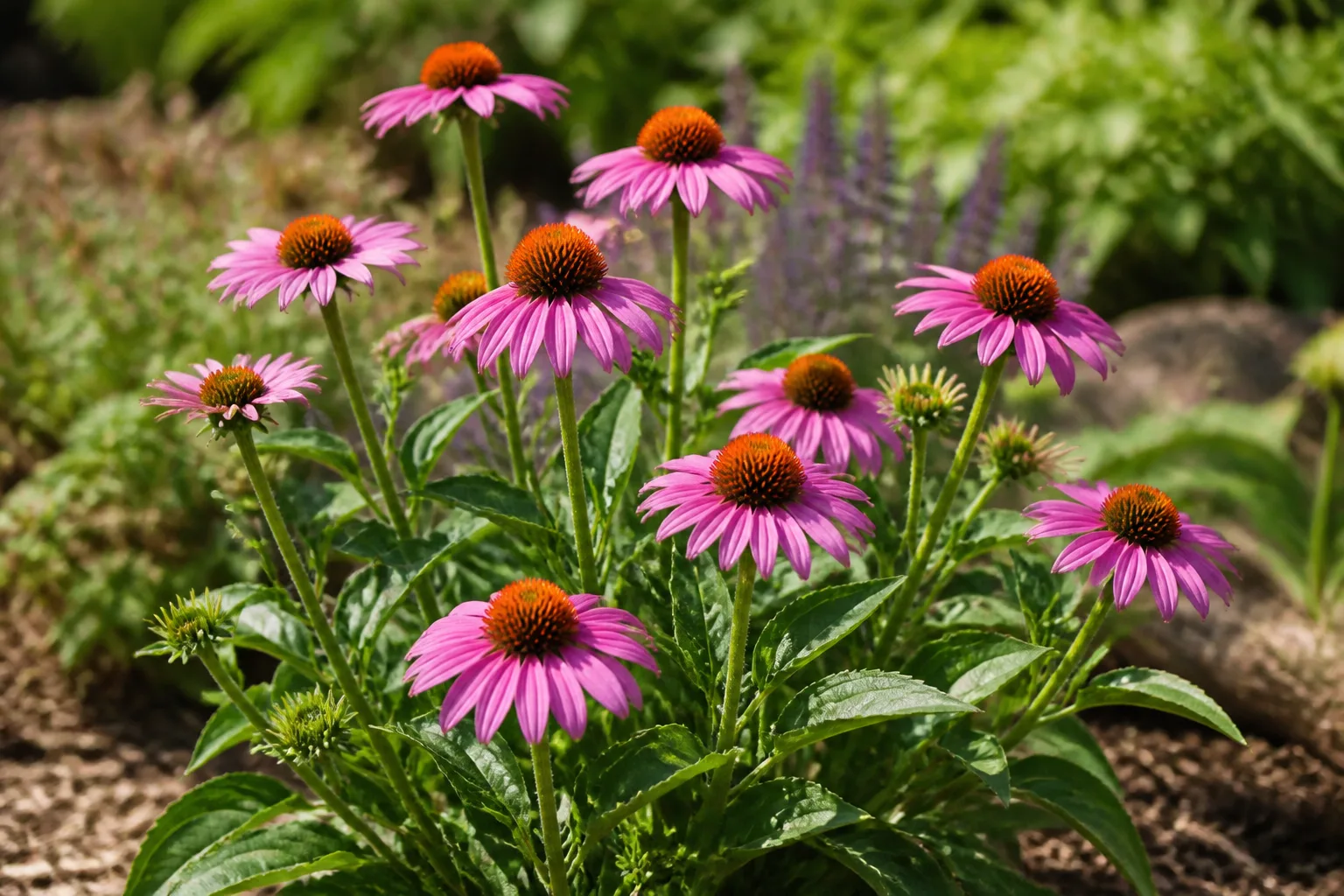
Purple coneflower is a dependable perennial with pink-purple rays that angle away from a raised central cone. It handles full sun, average soil, and dry spells once established, and it gives the garden a second season of interest when the cones remain standing after the petals drop.
Plant it in soil that drains well and avoid overwatering newly established crowns. A little afternoon shade can help in very hot climates, but too little light encourages tall, weak stems. Divide crowded clumps every few years if the center thins, preferably when the plant is not in full bloom.
Single-flowered forms expose their centers and are the better default for a wildlife garden. Leave healthy seedheads through winter for structure and birds, or deadhead only part of the plant if you want a balance of new flowers and natural food.
Coreopsis (Coreopsis species)
Coreopsis, also called tickseed, is one of the strongest choices for a sunny, dry, low-maintenance border. Its yellow, orange, pink, or bi-colored flowers sit above fine or narrow foliage, depending on the species and cultivar. Many varieties bloom for weeks and can rebloom after shearing.
Give it full sun and sharply or moderately well-drained soil. Coreopsis tolerates heat and lean ground better than many moisture-loving perennials, but “drought tolerant” does not mean “never water”: soak the root zone during prolonged drought, especially in the first growing season.
Deadhead individual flowers for a tidier display, or cut the plant back by about one-third after the first flush if it becomes ragged. Avoid heavy nitrogen fertilizer, which can create lush foliage at the expense of flowers. A compact cultivar is easier to manage than a tall species in a narrow bed.
Black-Eyed Susan (Rudbeckia hirta)
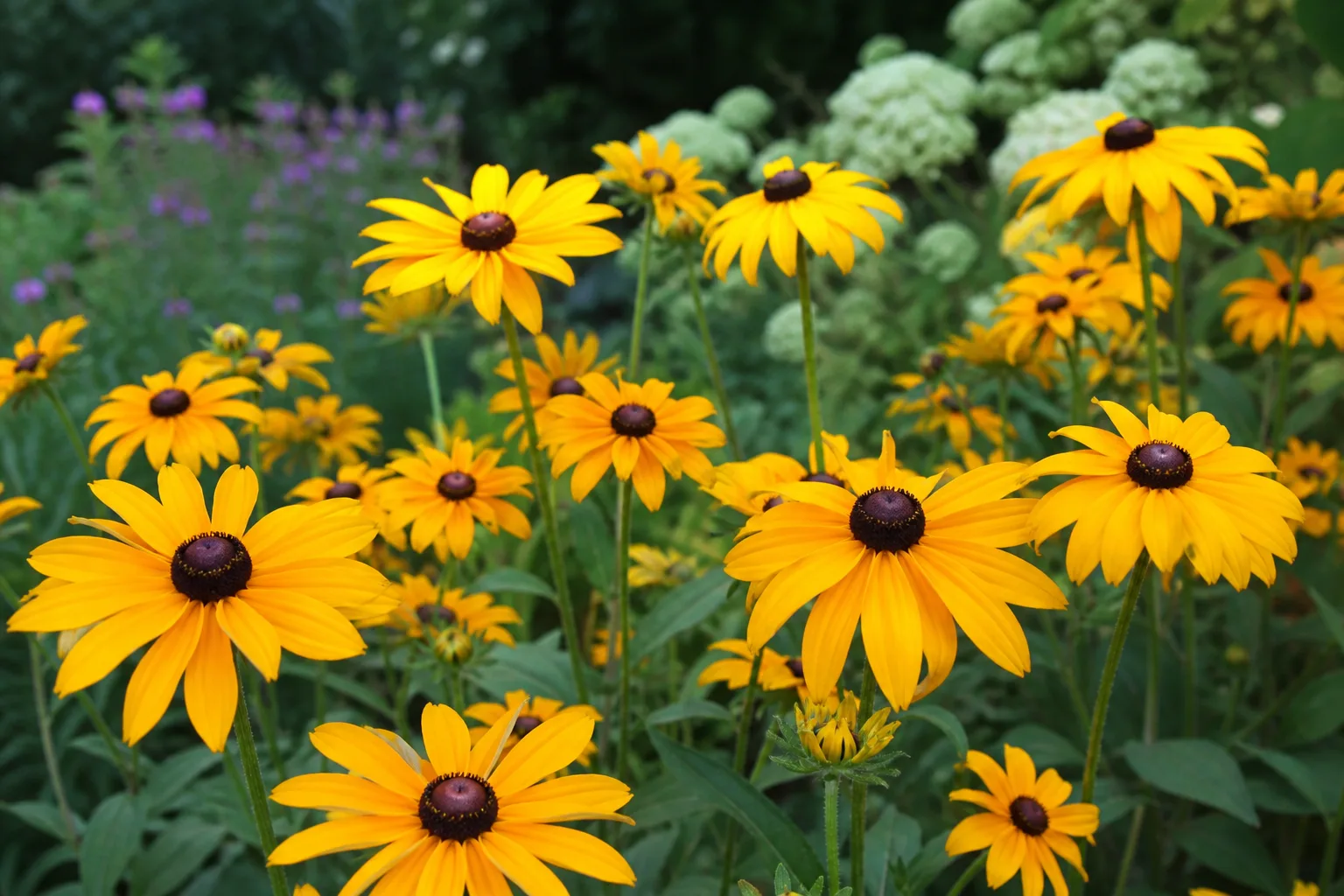
Black-eyed Susan gives you bright yellow rays around a dark brown center and a long summer display. Rudbeckia hirta is often short-lived or biennial, but it can return through self-seeding, which is why a small group may turn into a generous patch over time.
Grow it in full sun and ordinary, well-drained soil. It tolerates heat and some drought after establishment, but plants in containers or sandy beds need more frequent checking. Space them so foliage can dry after rain; crowded, constantly wet growth is more likely to look tired late in the season.
Deadhead for more flowers and fewer seedlings, or leave a portion of the cones standing for birds. If the plant disappears after a severe winter, that is not necessarily a failure: replacement seedlings may already be developing nearby.
Blanket Flower (Gaillardia hybrids)
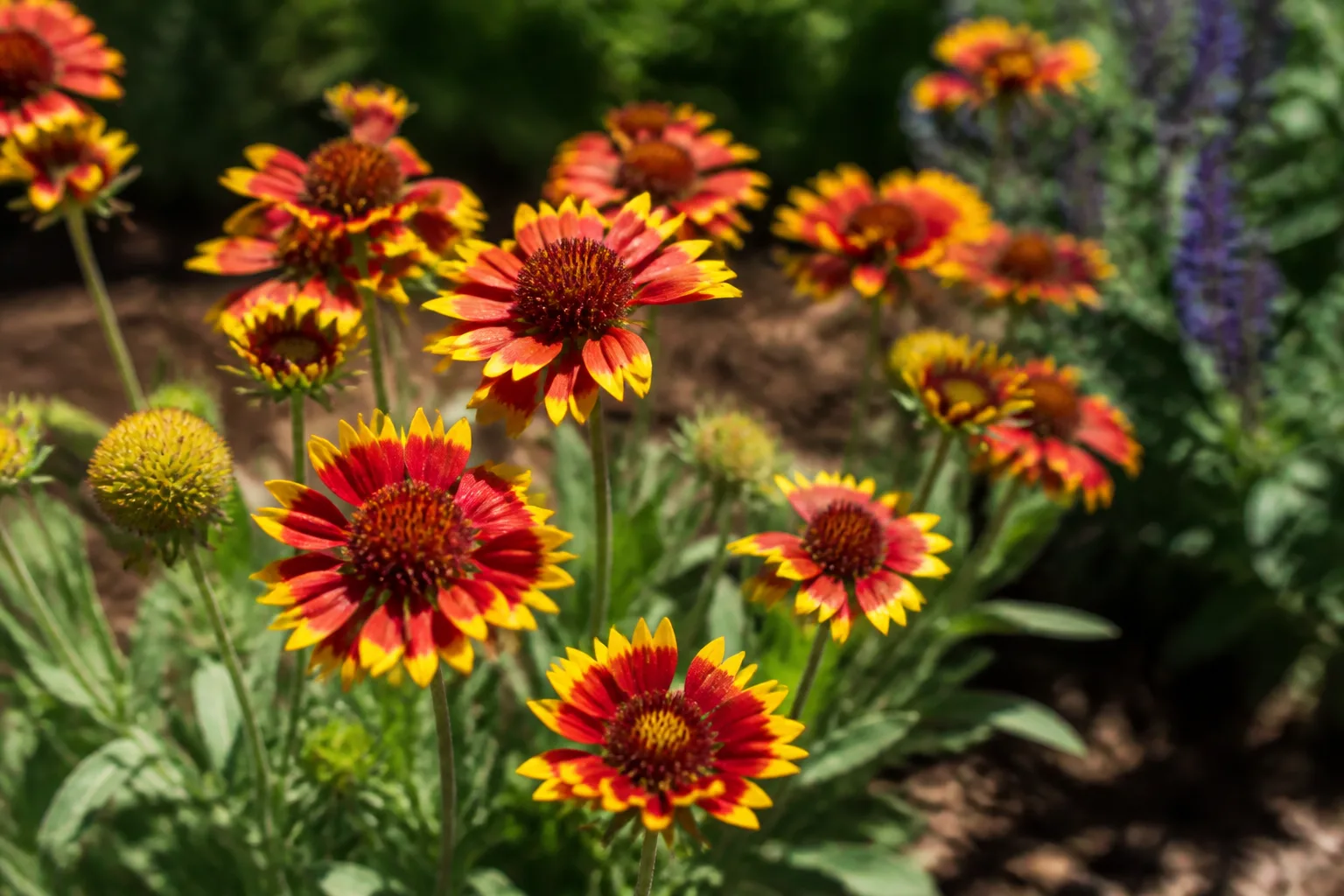
Blanket flower is a vivid choice for hot, sunny places. Its red, orange, yellow, or bicolored rays create a warm, layered look around a central disk, and the flowers can continue from summer into fall when the soil drains quickly.
Plant it in full sun and resist the urge to improve a very sandy or lean bed with lots of water-holding material. Blanket flower performs poorly in heavy clay that stays wet, especially through winter. A raised or gravelly edge is often a safer location than the richest part of the garden.
It is usually a short-lived perennial, but good drainage and occasional self-seeding can keep the planting going. Remove old flowers if you want to direct energy into more bloom; leave a few if you like the seedheads and want volunteers.
Ice Plant (Delosperma cooperi)
Ice plant is the low-growing, succulent option for a rock garden, gravel border, retaining wall, or container edge. Its magenta-to-purple daisy-like flowers appear above fleshy foliage, and the plant can make a dense mat where tall perennials would be out of scale.
The key is not simply sun but fast drainage in every season. Use a gritty soil mix, raise the planting area if necessary, and avoid a low pocket that stays wet after snow or rain. In colder areas, winter moisture may kill the plant even when its nominal cold tolerance looks adequate.
Water deeply but infrequently once established, and let the soil dry between soakings. Ice plant is a poor match for a frequently irrigated flower bed, but an excellent match for a sunny, lean, sharply drained site where many conventional daisies would rot.
Garden Mum (Chrysanthemum × morifolium)
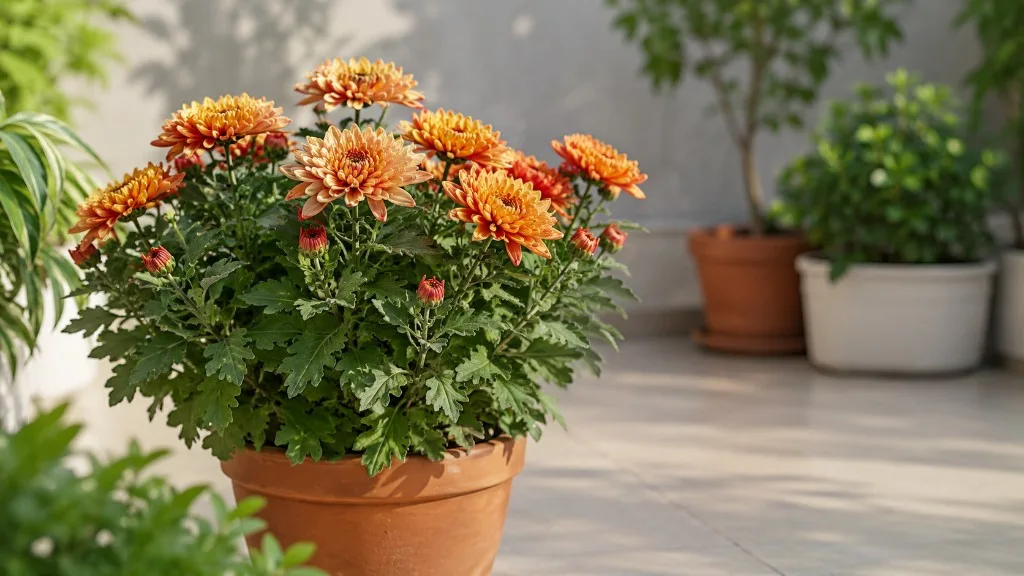
Garden mums supply a dense flush of daisy-like flowers in late summer and fall, with colors ranging from white and yellow to bronze, pink, red, and purple. They are especially useful for filling a seasonal gap after summer perennials fade, but the label “hardy mum” is not a guarantee that every plant will survive winter in every location.
Plant mums in full sun and fertile, well-drained soil that stays evenly moist. Water deeply during dry spells, mulch lightly after the soil cools, and avoid wet crowns. Pinching the growing tips in late spring or early summer produces a shorter, more branched plant; pinching too late can remove the buds you wanted for fall.
Treat a blooming autumn mum as a seasonal display unless you know the cultivar is hardy for your climate and can plant it early enough to establish roots. Many late purchases have spent their energy on flowers and do not have enough time to root before hard freezes.
Shasta Daisy (Leucanthemum × superbum)
Shasta daisy is the closest visual match to the classic white daisy: large white rays, yellow centers, upright stems, and a strong presence in a perennial border or cutting garden. It flowers best in full sun, though light shade can work in climates where afternoon heat is severe.
Give it well-drained soil and steady moisture during establishment, then avoid both extremes. The RHS describes Leucanthemum as a sun-loving, easy-to-grow group that dislikes permanently wet soil and deep shade. A second growing reference from the RHS also shows why cultivar choice matters: heights range from compact plants to forms around a metre tall.
Deadhead spent flowers to extend the display, and divide crowded clumps when the center becomes weak or bare. Shasta daisies can be short-lived compared with tougher prairie perennials, so division and good drainage are more useful than simply adding fertilizer.
How to Combine Them Into a Bed That Keeps Blooming
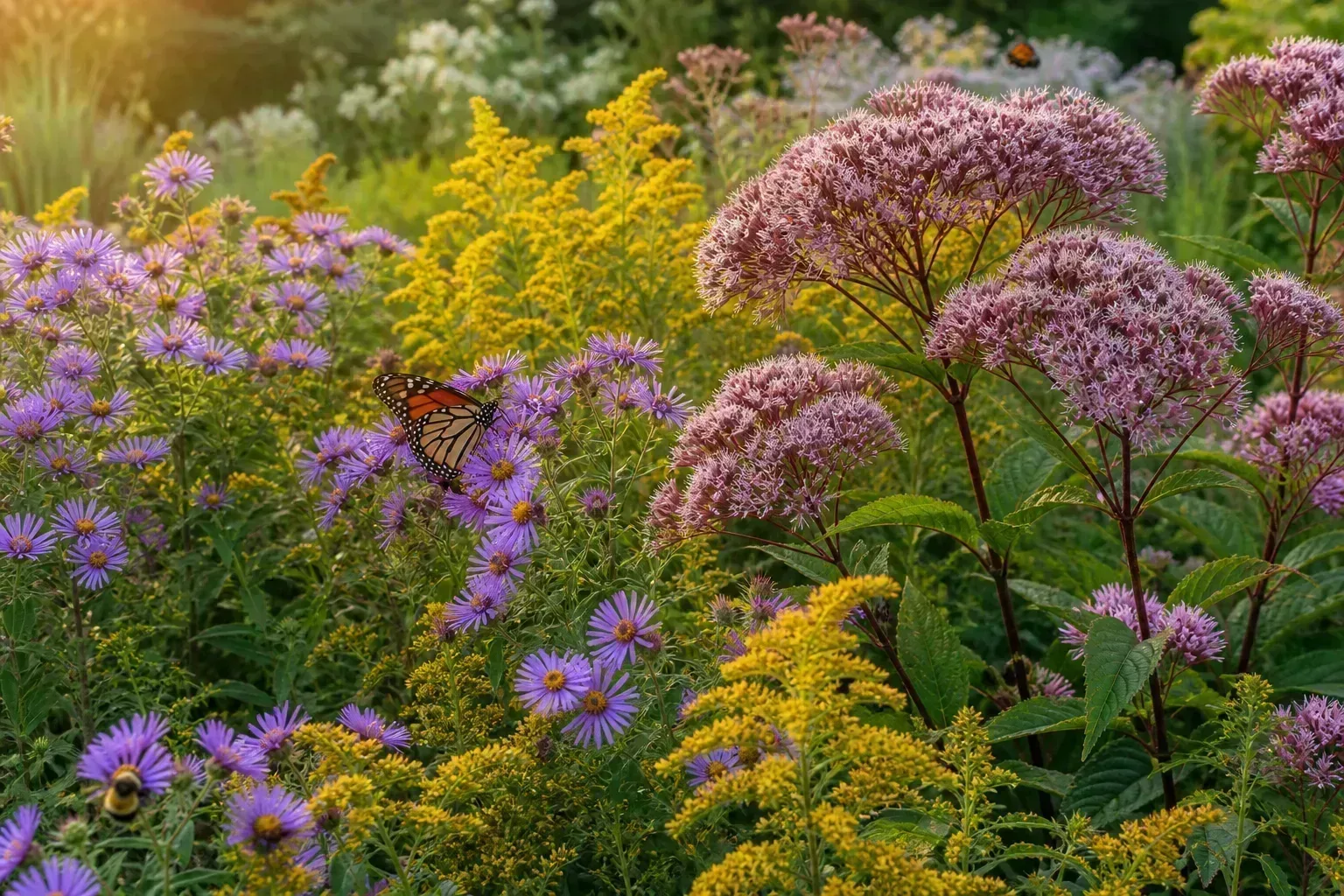
The best daisy-like flower bed is not a row of 13 unrelated plants. It is a sequence of shapes, heights, and bloom windows. Penn State Extension recommends using diverse plants, keeping several kinds in bloom from early spring through late fall, and planting at least three of one kind together when space allows. Its pollinator-garden guidance explains why a drift is easier for pollinators to find than scattered single plants.
For a sunny, average-moisture border, put asters and garden mums toward the back, Shasta daisies, false sunflowers, coneflowers, and black-eyed Susans in the middle, and coreopsis or calendula toward the front. Use blanket flower and ice plant in the driest, fastest-draining section rather than watering the whole bed to suit them. Gerbera and African daisies can fill pots near the border where you can move or replace them as seasons change.
Use three decision rules when planting:
- Group plants by water needs. Do not put ice plant beside mums and then try to keep every plant equally wet.
- Plant in repeated clumps. Three coreopsis plants or a small drift of asters looks more intentional and provides a clearer floral target than 13 isolated specimens.
- Stagger maintenance. Deadhead the plants you want to rebloom, but leave some coneflower, Rudbeckia, and aster seedheads for winter structure and birds.
Fall cleanup deserves special care. Penn State Extension recommends waiting until spring to cut perennial gardens because pollinators can overwinter in hollow stems, attached plant material, and leaf litter. Remove diseased stems promptly, but otherwise leave healthy stalks standing until late winter or early spring, then cut them as new growth begins.
If a plant flops, diagnose the site before reaching for fertilizer. Too much shade, excessive nitrogen, wet soil, overcrowding, or a naturally tall cultivar can all produce weak stems. Moving the plant or choosing a shorter form is often a more lasting fix than staking every season.
Conclusion
The best plants with daisy-like flowers are the ones that solve a specific garden problem. Choose coreopsis, blanket flower, coneflower, or ice plant for a sunny, dry site; calendula, chamomile, gerbera, or African daisy for flexible seasonal color; and asters, mums, Rudbeckia, false sunflower, or Shasta daisy when you want a longer border display.
Start with two or three plants that share the same soil and watering needs, then repeat them in small groups. That approach gives you more flowers, simpler care, and a garden that looks designed rather than crowded with every daisy-shaped bloom at once.



