Gerbera Daisy Care: Light, Water, Soil, and Flowering
Gerbera jamesonii
Grow Gerbera daisies with bright light, well-drained soil, and careful watering. Learn when to shade, deadhead, repot, and protect tender plants from frost.
Gerbera Daisy Care Guide
Start with wateringThe most common care mistake for Gerbera DaisyWatering guide →Gerbera Daisy care essentials
Light
Full sun in mild conditions; morning sun with afternoon shade in hot climates
Water
Keep the root zone lightly and evenly moist while the plant is actively growing, but let the surface begin to dry before watering again. Water the soil rather than the leaves or crown, and empty standing water from the saucer. Gerberas are prone to crown and root rot in persistently wet, poorly ventilated conditions.
Soil
Use a fertile, organic-rich but freely draining mix. Gerberas need moisture during growth, yet saturated soil around the crown and roots encourages rot. A peat-free, loam-based container compost or a quality potting mix with added drainage material works well.
Humidity
Temperature
Fertilizer
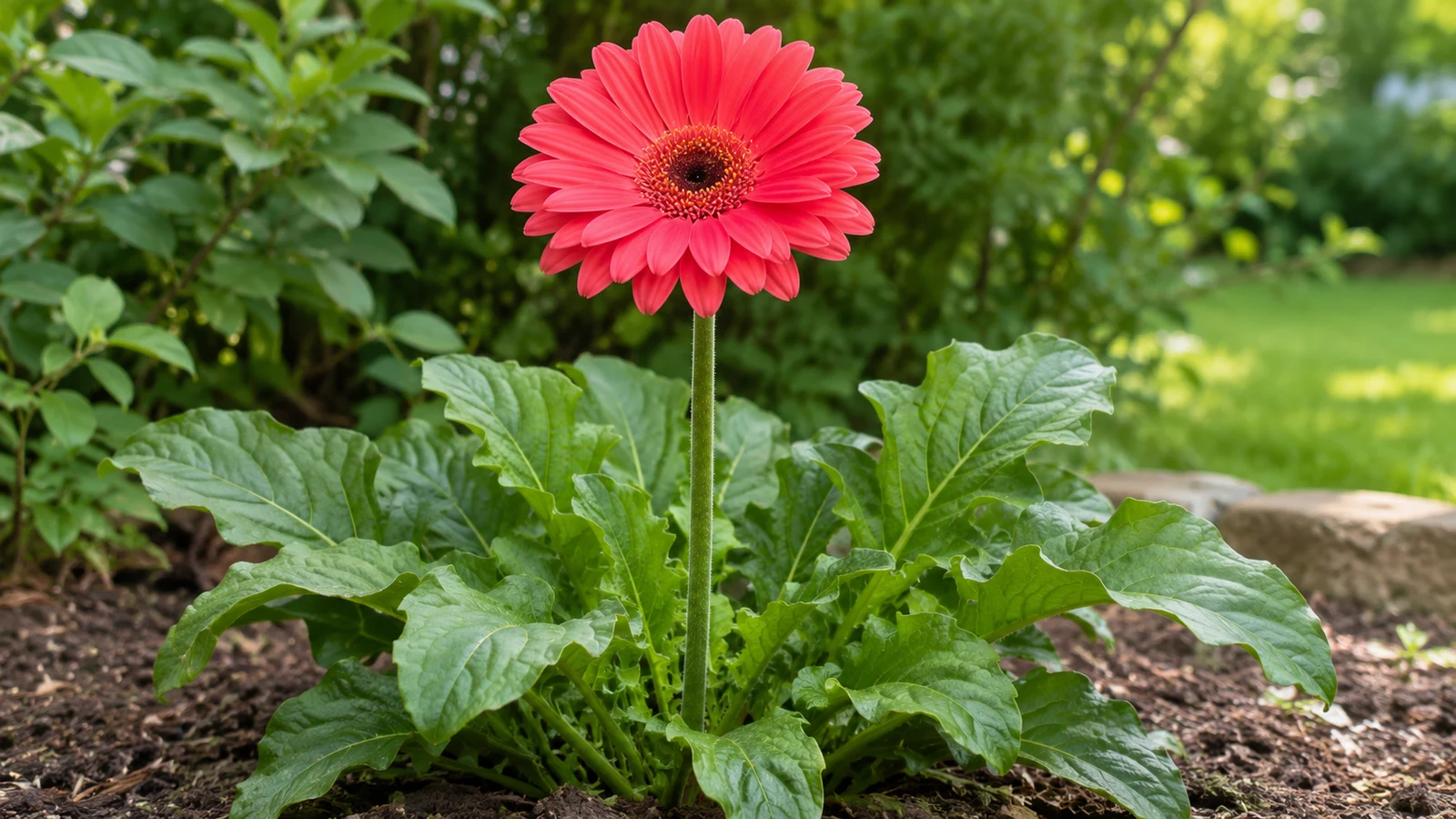
About Gerbera Daisy
Gerbera Daisy is native to Southern Africa, especially South Africa, typically reaches Usually about 10–18 in (25–46 cm) tall and 9–12 in (23–30 cm) wide; modern cultivars vary indoors, with moderate; seedlings may flower in about 14–18 weeks under suitable conditions growth. Gerbera Daisy has a clump forming herbaceous perennial; tender cultivars are often grown as annuals in cold winter regions growth habit and part of the Asteraceae family. It is also known as Barberton daisy, Transvaal daisy, and Gerber daisy.
| Detail | Information |
|---|---|
| Also known as | Barberton daisy, Transvaal daisy, Gerber daisy |
| Native region | Southern Africa, especially South Africa |
| Mature size | Usually about 10–18 in (25–46 cm) tall and 9–12 in (23–30 cm) wide; modern cultivars vary |
| Growth rate | Moderate; seedlings may flower in about 14–18 weeks under suitable conditions |
| Growth habit | Clump Forming Herbaceous Perennial; Tender Cultivars Are Often Grown As Annuals In Cold Winter Regions |
| Scientific name | Gerbera jamesonii |
| Family | Asteraceae |
How to care for Gerbera Daisy?
How much light does Gerbera Daisy need?
Full sun in mild conditions; morning sun with afternoon shade in hot climates. Partial shade. Bright indoor light. direct sun
- Full sun in mild conditions - Full sun in mild conditions; morning sun with afternoon shade in hot climates.
- morning sun with afternoon shade in hot climates - Full sun in mild conditions; morning sun with afternoon shade in hot climates.
- Partial shade - Partial shade.
- Bright indoor light - Bright indoor light.
- direct sun - direct sun.
When should you water Gerbera Daisy?
Keep the root zone lightly and evenly moist while the plant is actively growing, but let the surface begin to dry before watering again. Water the soil rather than the leaves or crown, and empty standing water from the saucer. Gerberas are prone to crown and root rot in persistently wet, poorly ventilated conditions.
- Feel the mix about an inch below the surface. When it is beginning to dry - Keep the root zone lightly and evenly moist while the plant is actively growing, but let the surface begin to dry before watering again.
- water the potting mix at the edge of the plant and let excess water drain freely. Keep the crown at or slightly above the soil surface - Water the soil rather than the leaves or crown, and empty standing water from the saucer.
- Drain excess water - Keep the root zone lightly and evenly moist while the plant is actively growing, but let the surface begin to dry before watering again.
What soil works best for Gerbera Daisy?
Use a fertile, organic-rich but freely draining mix. Gerberas need moisture during growth, yet saturated soil around the crown and roots encourages rot. A peat-free, loam-based container compost or a quality potting mix with added drainage material works well.
- Use a fresh - Use a fertile, organic-rich but freely draining mix.
- free-draining potting mix in a container with open drainage holes - A peat-free, loam-based container compost or a quality potting mix with added drainage material works well.
- Set the crown at soil level or just above it, not beneath the mix. - Gerberas need moisture during growth, yet saturated soil around the crown and roots encourages rot.
Grower notes for Gerbera Daisy
Check the label for the cultivar’s mature size
Gerbera jamesonii is the species commonly associated with Barberton or Transvaal daisies, while many nursery and seed-catalogue plants are cultivated hybrids. Most garden forms stay around 10–18 inches tall, but flower and plant size varies; use the named cultivar label when spacing a bed or choosing a container.
Balance bright light with summer heat
Full sun encourages flowering in mild conditions. In very hot weather, protect plants from intense afternoon heat with light shade, while keeping enough morning light and airflow for the crown and foliage to dry. Indoors, use a bright windowsill and shield the leaves from scorching midsummer sun through glass.
Keep water away from the crown
Water the mix rather than pouring into the leaf centre. Planting with the crown slightly raised, using a draining mix, and spacing garden plants for airflow all reduce the long periods of dampness linked with crown and root rot. Do not leave a pot in a full saucer.
Treat most gerberas as tender plants
The RHS describes most gerberas as tender. In frost-prone areas, grow them in a pot that can be moved to a bright, frost-free place or enjoy them as seasonal bedding. Only selected hardy cultivars are suitable for year-round outdoor planting, and they still need protection from cold and winter wet.
Remove finished flower stems cleanly
Snip a faded flower stem down near its base to keep the clump tidy and encourage continued flowering. Remove yellow or mould-damaged leaves as well, and avoid leaving wet plant debris packed around the crown.
Pet safety depends on the animal and exact plant
ASPCA lists Gerbera jamesonii as non-toxic to cats, dogs, and horses. Those lists do not verify safety for rabbits or birds, so do not assume the result covers every household animal. Any plant material can still upset a pet’s stomach if eaten.
Is Gerbera Daisy safe for pets?
ASPCA lists Gerbera jamesonii (Gerber or Barberton daisy) as non-toxic to cats, dogs, and horses. Its plant lists do not establish safety for rabbits or birds. ASPCA also notes that eating any plant material may cause stomach upset, so discourage chewing and contact a veterinarian after a concerning ingestion.
ASPCA includes Gerbera jamesonii, also called Gerber or Barberton daisy, in its non-toxic lists for cats, dogs, and horses. The classification is not extended here to rabbits or birds, which were not covered by those lists. Any plant material may cause gastrointestinal upset when eaten.
Watering Gerbera Daisy
For Gerbera Daisy, feel the mix about an inch below the surface. When it is beginning to dry, water the potting mix at the edge of the plant and let excess water drain freely. Keep the crown at or slightly above the soil surface. and water check container soil every few days in warm, bright weather and water when the top inch or two has dried. Garden beds may need less frequent watering after establishment, depending on rainfall, soil, and heat. Water less in cool or dormant periods without letting the root ball become bone dry. Water more consistently during active growth and flowering, especially in containers during warm weather. Reduce watering in cool winter conditions, when growth and flowering slow, and never leave the pot standing in water.
| Detail | Information |
|---|---|
| How often | Check container soil every few days in warm, bright weather and water when the top inch or two has dried. Garden beds may need less frequent watering after establishment, depending on rainfall, soil, and heat. Water less in cool or dormant periods without letting the root ball become bone dry. |
| How to check | Feel the mix about an inch below the surface. When it is beginning to dry, water the potting mix at the edge of the plant and let excess water drain freely. Keep the crown at or slightly above the soil surface. |
| Seasonal changes | Water more consistently during active growth and flowering, especially in containers during warm weather. Reduce watering in cool winter conditions, when growth and flowering slow, and never leave the pot standing in water. |
Signs of overwatering
- The crown or lower leaf bases stay wet, soften, or darken.
- Leaves wilt even though the mix remains wet.
- Grey mould or persistent spotting appears in stagnant, humid conditions.
Signs of underwatering
- The upper soil is dry and leaves or flower stems droop.
- The pot becomes very light and the plant recovers after thorough watering.
Soil & potting for Gerbera Daisy
Use a mix of Use a fresh, free-draining potting mix in a container with open drainage holes., Set the crown at soil level or just above it, not beneath the mix. for Gerbera Daisy. Excellent drainage; do not bury the crown or let containers sit in water. Target soil pH around Slightly acidic to near-neutral mixes suit many cultivated gerberas; avoid adjusting pH without a soil test. Repot repot when roots fill the container or the mix has broken down, rather than on a fixed schedule. Established clumps can be divided in early spring when new growth begins., ideally in early spring, before vigorous new growth.
| Detail | Information |
|---|---|
| Recommended mix | Use a fresh, free-draining potting mix in a container with open drainage holes., Set the crown at soil level or just above it, not beneath the mix. |
| Drainage | Excellent drainage; do not bury the crown or let containers sit in water |
| Soil pH | Slightly acidic to near-neutral mixes suit many cultivated gerberas; avoid adjusting pH without a soil test |
| Repotting frequency | Repot when roots fill the container or the mix has broken down, rather than on a fixed schedule. Established clumps can be divided in early spring when new growth begins. |
| Best season to repot | Early spring, before vigorous new growth |
Signs it needs repotting
- Roots circle the pot or emerge through its drainage holes.
- The mix dries unusually quickly or has become compacted.
- A mature clump is crowded and flowering less freely.