60 Types of Red Flowers for Your Garden
Find red flowers for sun, shade, containers, borders, and cutting gardens, with practical notes on bloom timing, site fit, and important growing cautions.
Red flowers range from clear scarlet and tomato red to burgundy, brick, and coral. Some plants bloom red across much of a species; others are red only in selected cultivars. Bougainvillea is a useful distinction: its bright color comes from papery bracts around small flowers. Read the plant label for the cultivar as well as the botanical name, and remember that a photograph can make a flower look more crimson or more orange than it appears in your garden.
Use this list to shortlist plants by season and growing conditions. Bloom dates shift with climate, elevation, and weather, so treat seasons as a guide rather than a calendar promise. The RHS recommends planning a border with different flowering times and flower forms; that approach gives red color a longer run than planting a single dramatic variety. RHS guide to planning perennial borders also groups colors broadly, a reminder to check a specific cultivar before buying.
Choose red flowers by site, season, and job
Start with climate and light
Begin with the conditions the plant will actually get. Count direct-sun hours in midsummer, note whether the bed stays wet after rain, and compare your winter lows with the plant’s hardiness. A tender tropical may flourish in a warm courtyard yet fail in a cold-winter border; in a cooler region, the same plant may be a seasonal pot specimen that comes indoors or is replaced next year.
Light needs are not interchangeable. Camellias, hellebores, and bleeding hearts can work in filtered or partial shade, while zinnias, lantana, and most flowering roses need a brighter position to bloom well. For wet soil, consider cardinal flower near a rain garden rather than trying to make a dry-site plant tolerate soggy roots. In containers, use a pot with drainage and a mix suited to the plant; a red flower does not compensate for a bad site match.
Match bloom timing and garden use
Decide whether you want one concentrated show or a sequence. Early bulbs, spring shrubs, summer perennials, and fall mums can hand off color across a season. For a small bed, choose plants with different heights and forms; for cutting, prioritize long stems and repeated flowers; for a wildlife planting, select plants suited to local conditions and avoid treating every ornamental cultivar as a native species.
Also choose how much upkeep you will accept. Some flowers ask for deadheading or staking, bulbs may need lifting in cold climates, and vigorous vines can require firm boundaries. If space is limited, a compact cultivar in a pot can be a better red accent than a large shrub with a color you love but nowhere to grow.
Red-flowering trees, shrubs, and climbers
Trees and shrubs with a lasting presence
-
Frangipani — Plumeria rubra. A tropical small tree with fragrant red clusters in summer and fall, frangipani suits frost-free gardens and sunny patios. Many cultivars blend red with yellow or white, so buy by flower photo and cultivar label. In cooler climates, grow it in a movable container and protect it from cold.
-
Royal poinciana — Delonix regia. This broad-canopied tropical tree carries vivid red-orange flowers in summer in hot, sunny climates. Its mature spread is the deciding factor: it needs room overhead and laterally, not a narrow foundation strip. Treat it as a tree for frost-free regions rather than a cold-climate container plant.
-
Azalea — Rhododendron spp. Look for a red-flowering cultivar such as ‘Red Formosa’ or a red Encore selection; the species group also includes pink, white, and purple flowers. Azaleas suit acidic, evenly moist but well-drained soil and filtered sun. They are not a good choice for pets that chew plants, according to ASPCA pet-plant advice.
-
Camellia — Camellia spp. Red forms of both fall-flowering sasanqua and winter-to-spring japonica camellias bring color when many beds are quiet. Give them partial shade, shelter from drying winds, and acidic soil that drains. Cultivar and species determine the bloom window; the RHS spring-flowering camellia guide notes the range of flower colors and the value of choosing a suitable flowering type.
-
Coral bean — Erythrina herbacea. This southeastern North American native bears red tubular flowers that can draw hummingbirds, with the strongest show usually in spring and sometimes a later flush. It prefers sun and well-drained soil and can die back after cold in the northern part of its range. Its seeds are poisonous; UF/IFAS’s guide to red plants advises keeping them away from children and pets.
-
Crape myrtle — Lagerstroemia spp. Red-flowering cultivars such as ‘Victor’ and ‘Red Rocket’ bloom in summer, but plants vary from compact shrubs to small trees. Choose a named size for the spot, give it full sun, and let its natural branching shape develop. Avoid topping a tree-form crape myrtle; select a smaller cultivar if the space is limited.
-
Crimson bottlebrush — Melaleuca citrina (syn. Callistemon citrinus). The scarlet stamens form brush-shaped flower spikes, often in spring and again in fall in mild climates. This evergreen shrub favors sun and well-drained soil; cold tolerance depends on climate and siting. Use it where its mature shrub size fits, and verify the botanical name because nursery labels may use either genus.
-
Flowering quince — Chaenomeles speciosa. Cultivars such as ‘Scarlet Storm’ bring red or scarlet flowers to bare branches in early spring, often before leaves emerge. The thorny, multi-stemmed shrub works as a low screen or barrier in a sunny border. Give it room to branch, and prune after bloom if shaping is needed so you do not remove the next spring’s display.
-
Lantana — Lantana camara. Red cultivars such as ‘Dallas Red’ often open with multicolored clusters rather than a uniform red ball. Lantana loves sun and heat; in cold-winter gardens it is commonly grown as an annual or overwintered in a pot. It can spread in warm regions, and NC State Extension’s profile notes toxic parts and possible skin irritation.
-
Oleander — Nerium oleander. Red forms flower over a long warm-season period on an evergreen shrub that tolerates heat and coastal conditions. Give it full sun and enough space, or grow a compact cultivar in a carefully managed container. Every part is highly poisonous, and NC State Extension’s oleander profile warns against burning its prunings; skip it where people or animals could chew the plant.
-
Rhododendron — Rhododendron spp. Red spring cultivars such as ‘Baden Baden’ make a bold evergreen or deciduous shrub for cool, partly shaded sites. Give roots acidic, humus-rich soil and steady moisture without waterlogging. Mature size varies enormously between species and cultivars, so confirm the eventual height and width before placing one near a path or window.
Flowering shrubs and vines for smaller spaces
The shrubs above range from compact flowering quince to tropical trees. For a wall, fence, or narrow border, vines can make a vertical red accent, but plan for their support and spread before planting. Keep a climber on a sound trellis rather than assuming it will stay within a small space.
Red perennials and tender plants for repeat displays
Spring and shade-garden choices
-
Anemone — Anemone coronaria. Red poppy-like anemones grow from corms and flower in spring, with a low, airy form for the front of a bed or a cutting patch. They need drainage as well as moisture during growth. In cold areas, plant at the locally recommended time and protect or lift corms if winter conditions exceed their tolerance.
-
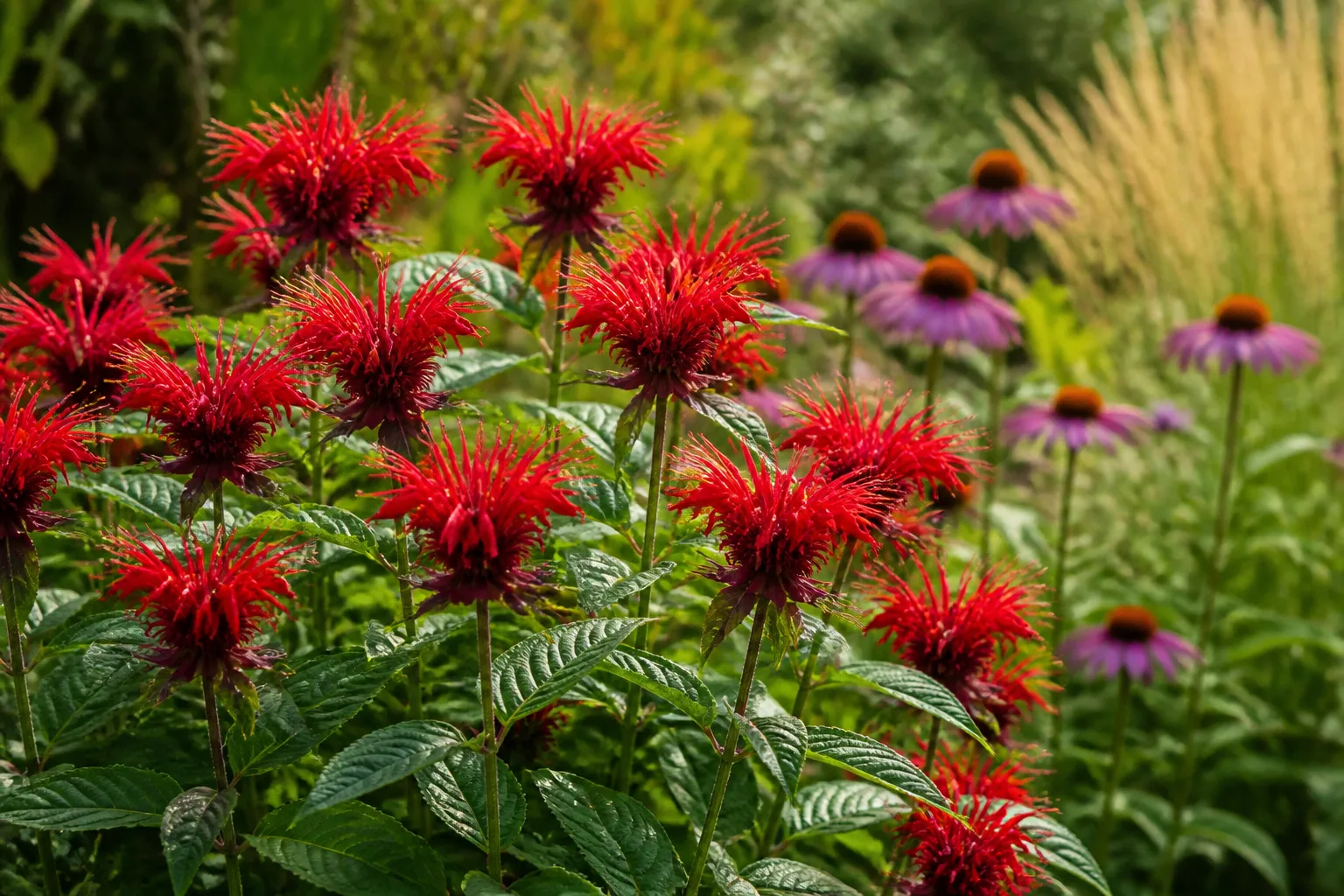
Bee balm — Monarda spp. Red bee balm, especially scarlet-flowered M. didyma selections, carries shaggy blooms above aromatic foliage in summer. It suits a sunny or lightly shaded pollinator border with consistent moisture. Give plants airflow and divide crowded clumps; dense, stressed growth is more prone to powdery mildew than an open, well-sited patch.
-
Blanket flower — Gaillardia spp. Red and red-yellow blanket flowers bring daisy-like blooms to sunny, lean, well-drained ground from summer into fall. Many are short-lived perennials rather than permanent clumps, which is a useful trade-off in a hot, dry border. Deadhead for a tidier look, or leave some seed heads if you want self-sown replacements.
-
Bleeding heart — Lamprocapnos spectabilis. The familiar arching sprays usually come in pink and white; red-toned selections such as ‘Valentine’ have deeper cherry flowers. Plant in rich, moist soil with partial shade for spring color. In hot summers, foliage may go dormant after flowering, so place it among later perennials that can fill the gap.
-
Bougainvillea — Bougainvillea spp. Red bougainvillea earns its color from large papery bracts, not the tiny flowers at their centers. In warm climates it can climb or sprawl over a strong support; elsewhere use a sunny, movable pot and protect it from frost. Expect thorns and vigorous growth, and let the soil drain between waterings.
-
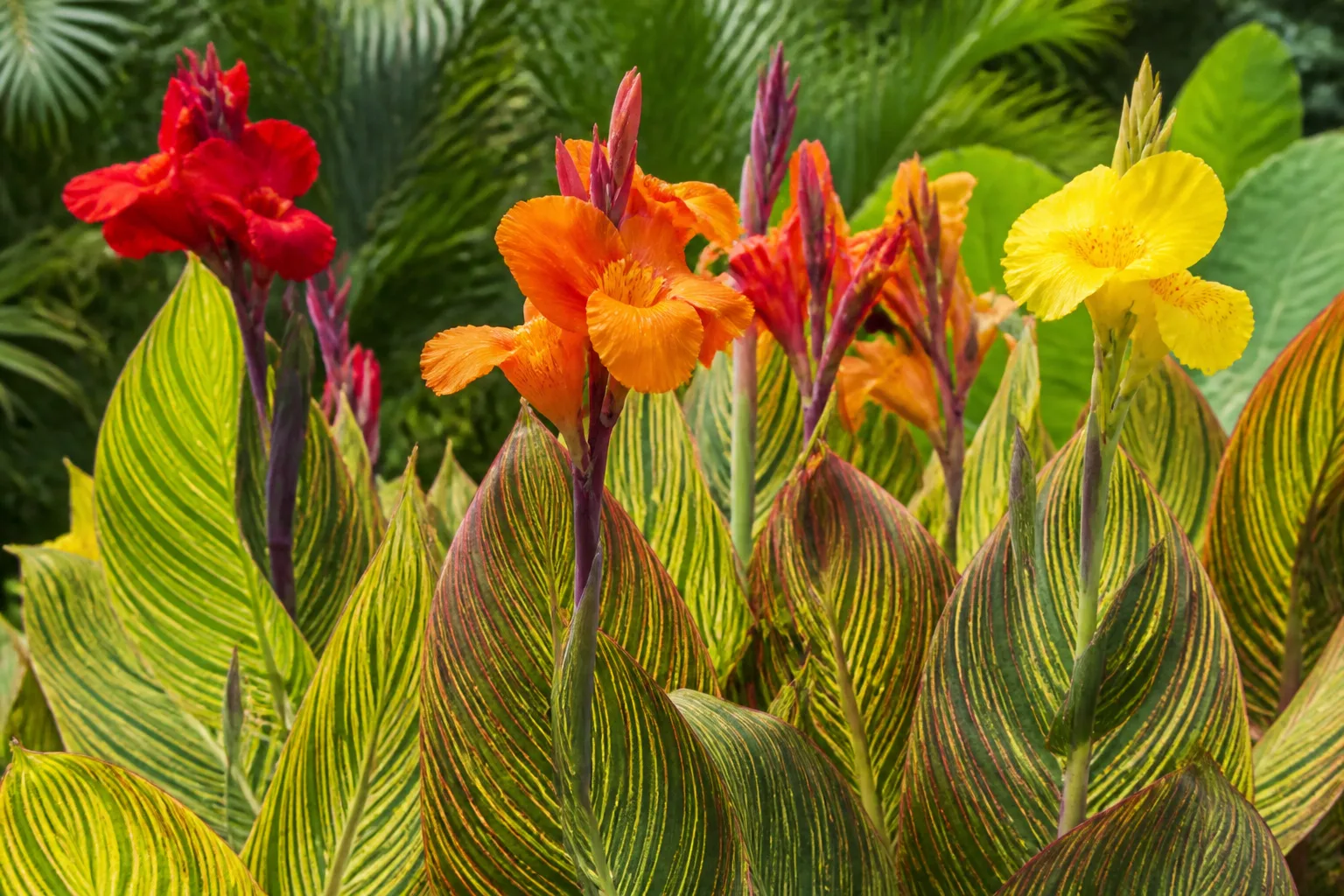
Canna lily — Canna hybrids. Red canna cultivars put tropical-looking flowers above broad leaves, sometimes with yellow or orange in the same bloom. They need warmth, sun, and regular moisture. In regions with hard freezes, lift and store the rhizomes or grow them in pots that can be moved under cover. The pictured plant shows the red-orange range rather than a solid-red cultivar.
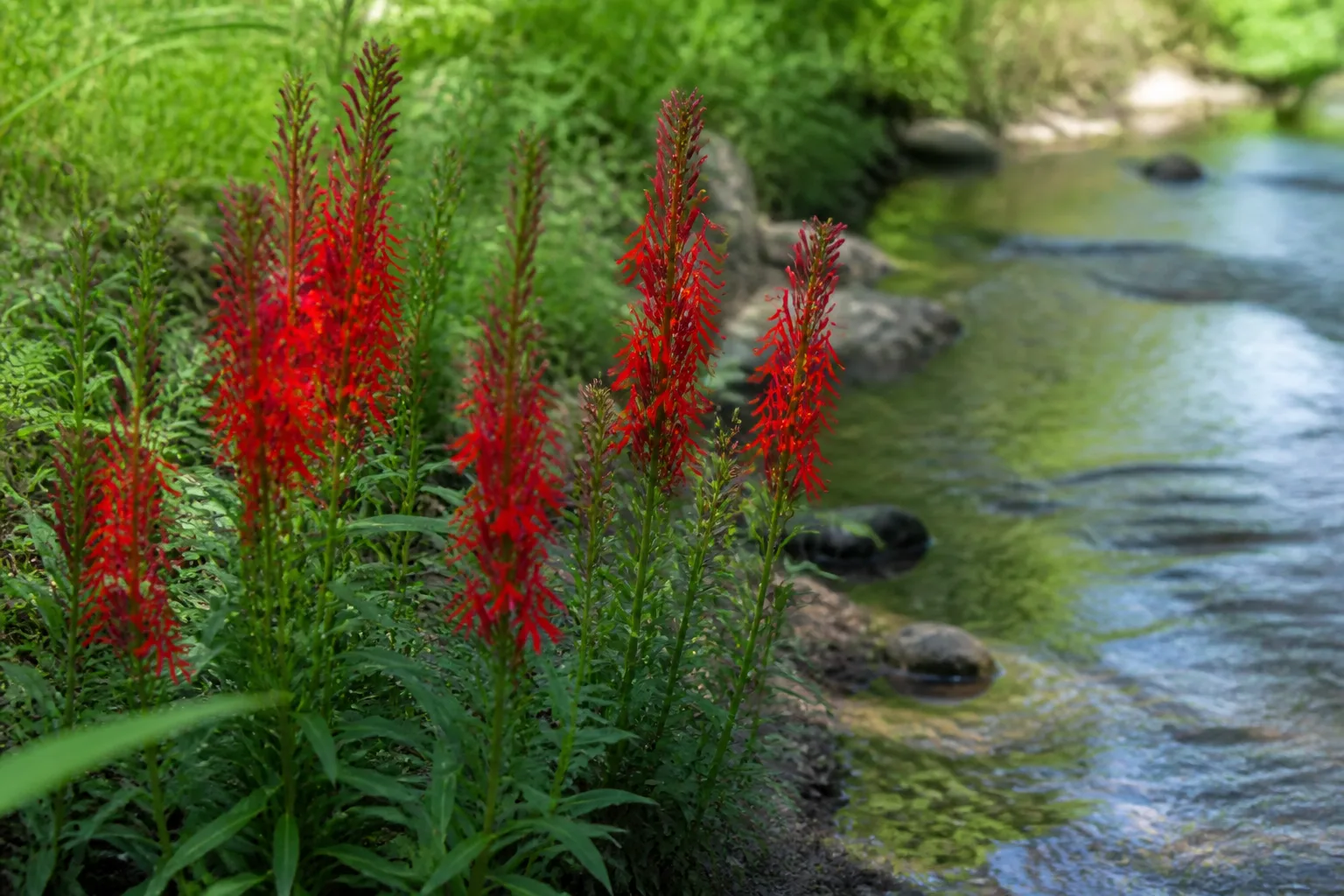
- Cardinal flower — Lobelia cardinalis. This North American native sends vivid red tubular flowers up tall stalks in late summer, often attracting hummingbirds. Its key requirement is reliably moist soil: use a pond edge, rain garden, or damp border, not a dry gravel bed. Morning sun with some afternoon shade is helpful in hot climates.
-
Carnation — Dianthus caryophyllus. Red carnations have ruffled, often fragrant flowers on stems suited to cutting, usually blooming in spring or early summer. They perform best in bright light and gritty, well-drained soil; heavy wet ground shortens their life. Garden cultivars vary in cold tolerance and stem length, so distinguish a hardy border type from a greenhouse florist variety when shopping.
-
Clematis — Clematis spp. Red-flowered clematis cultivars include large-flowered and smaller-flowered forms, blooming in spring, summer, or late summer depending on the species and pruning group. Train the vine onto a sturdy support, keep roots cool with mulch or low groundcover, and check the plant tag before pruning. Cutting at the wrong time can remove the season’s flower buds.
-
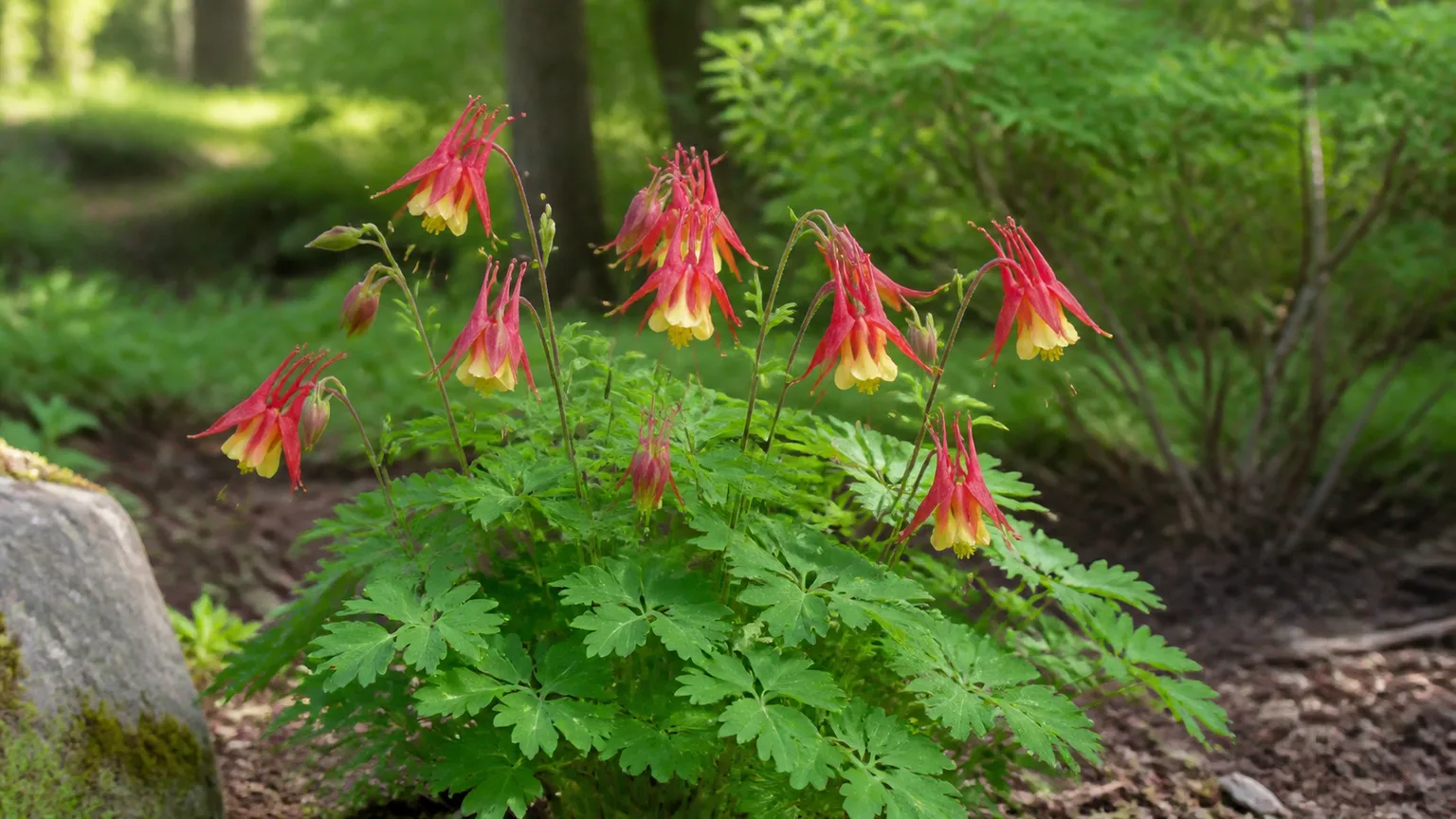
Columbine — Aquilegia spp. Eastern red columbine, A. canadensis, has red outer petals and yellow centers, making it a natural choice for a spring woodland edge. It tolerates part shade and often self-sows, though individual plants are not long-lived. Let seedlings settle where they appear or remove extras before they crowd slower woodland plants.
-
Coral honeysuckle — Lonicera sempervirens. This North American native vine has tubular red flowers in spring and often again later, followed by small berries. It needs a trellis or fence and blooms best with good light, though roots appreciate an evenly moist site. Choose it over a nonnative invasive honeysuckle for a wildlife-friendly vertical accent.
-
Coreopsis — Coreopsis spp. Most coreopsis are yellow, but red cultivars such as ‘Hot Paprika’ and ‘Red Satin’ add warm daisy-like color in summer and often into fall. Give them sun and drainage; the named cultivar may be more compact than a species description suggests. Shear spent flowers lightly to refresh the clump, but avoid keeping the soil constantly wet.
-
Crocosmia — Crocosmia spp. ‘Lucifer’ is a tall, arching cultivar with scarlet tubular flowers from midsummer toward fall. It makes a strong back-of-border accent and can be cut for a vase. Plant corms in sun and moist but well-drained soil; clumps expand, so divide them or grow smaller cultivars in containers if spread is a concern. the RHS crocosmia growing guide describes crocosmias as late-season border plants and notes that compact forms suit large pots.
-
Dahlia — Dahlia spp. Red dahlias such as ‘Bishop of Llandaff’ give summer-to-frost color, often with dark foliage that deepens the contrast. They need sun, steady moisture, and support if stems grow tall. In climates with freezing winters, treat tubers as tender: lift and store them after frost or buy new plants each spring.
-
Daylily — Hemerocallis spp. Red cultivars provide a succession of buds through summer, even though each individual flower lasts only a day. Plant in sun or light shade and divide crowded clumps when flowering declines. Daylilies are not true lilies, but they are toxic to cats; check the specific species and keep pets from chewing them.
-
Freesia — Freesia spp. Red freesia bears fragrant, funnel-shaped flowers on slender stems and is valued for cutting. It is best in mild-winter gardens or as a seasonal corm grown in a pot. Give it bright light and drainage, then time planting to your climate; wet, cold soil is a common way to lose the corms.
-
Gerbera daisy — Gerbera jamesonii. Red gerberas have bold daisy heads and make an immediate container or cutting-garden focal point, flowering from late spring through fall in favorable conditions. They need strong light but dislike a crown buried under wet mix, so plant at the same depth it was growing and water at the base. In cold climates, grow as an annual or protected pot plant.
-
Gladiolus — Gladiolus hybrids. Red gladiolus cultivars send tall flower spikes upward from corms in summer and early fall and are useful for cut stems. Plant a few corms at intervals rather than all at once for a longer run of flowers. Full sun and a sheltered position reduce flopping; stake exposed rows and check local guidance on overwintering corms.
-
Hardy hibiscus — Hibiscus moscheutos. Cultivars such as ‘Luna Red’ have very large red flowers and are hardy herbaceous perennials in suitable climates. Give them full sun, rich soil, and dependable moisture. They emerge late in spring and die back in winter, so mark their position rather than digging in the bed too early.
-
Hardy mum — Chrysanthemum hybrids. Red garden mums bring late-season color as many summer plants fade. For a perennial display, choose a cultivar sold as a garden mum for your area and plant early enough for roots to establish before winter. Florist mums selected for indoor display may not overwinter reliably outdoors.
Summer border and pollinator plants
-
Hellebore — Helleborus spp. Red hellebores are usually deep wine, burgundy, or plum rather than clear scarlet, and some flowers face downward. They bloom in late winter or spring in cool shade with humus-rich, well-drained soil. Choose an established plant for a quicker show; newly planted hellebores can take time to settle.
-
Maltese cross — Lychnis chalcedonica. Flat-topped clusters of scarlet flowers make this upright perennial easy to spot in a cottage border. It blooms in summer in sun and moist, well-drained soil. Allow room for its vertical stems, and deadhead if you do not want seedlings; the related genus includes other colors, so verify the species and label.
-
Oriental poppy — Papaver orientale. The classic red forms have large, papery spring flowers with dark centers. Their foliage often fades after flowering, so plant them among later-emerging companions rather than expecting a full green mound all season. They prefer sun and drainage, and mature clumps resent frequent disturbance.
-
Penstemon — Penstemon spp. Red beardtongues offer upright spikes of tubular flowers from late spring into summer, and work in sunny borders and pollinator plantings. Because hardiness and lifespan differ widely among species, choose a locally proven cultivar and give it sharp drainage, especially in winter. Avoid burying the crown or keeping the bed wet.
-
Pentas — Pentas lanceolata. Clusters of small red star flowers keep coming in warm weather and can draw butterflies. Pentas is tropical, blooming through summer and often to frost; in cold climates it is grown as bedding or a patio pot, then protected or replaced. Give it sun for stronger flowering and water when the top of the container mix begins to dry.
-
Peony — Paeonia spp. Red peonies range from bowl-shaped herbaceous hybrids, such as ‘Red Charm’, to woody tree peonies; they usually bloom in late spring or early summer. Give them sun, drainage, and room for the mature clump. Plant herbaceous peony eyes shallowly; burying them too deeply can prevent flowers. A mature plant may bloom for only a short period, so pair it with later perennials.
-
Peruvian lily — Alstroemeria hybrids. Red alstroemerias have patterned, freckled petals and sturdy stems that can last well in a vase; many bloom from late spring into fall in mild climates. They prefer sun on the flowers and cooler, moist roots in draining soil. The fleshy roots dislike disturbance, so place them where the clump can stay for years and follow cultivar-specific hardiness advice.
-
Red hot poker — Kniphofia spp. Summer-blooming, torch-like spikes often blend red buds into orange or yellow flowers rather than staying a single shade. These sun-loving perennials suit warm, well-drained borders and gravel gardens. Leave room for the evergreen foliage fan and remove spent spikes; compact cultivars work better than large forms in smaller beds.
-
Rose — Rosa spp. Red roses include repeat-blooming shrubs, climbers, and classic long-stem cultivars that can flower from late spring into fall, depending on type and climate. Choose a type by space and care, not color alone: a compact shrub rose is easier in a small bed than a climber needing a support. Full sun, airflow, and deep watering at the soil help keep foliage healthier.
-
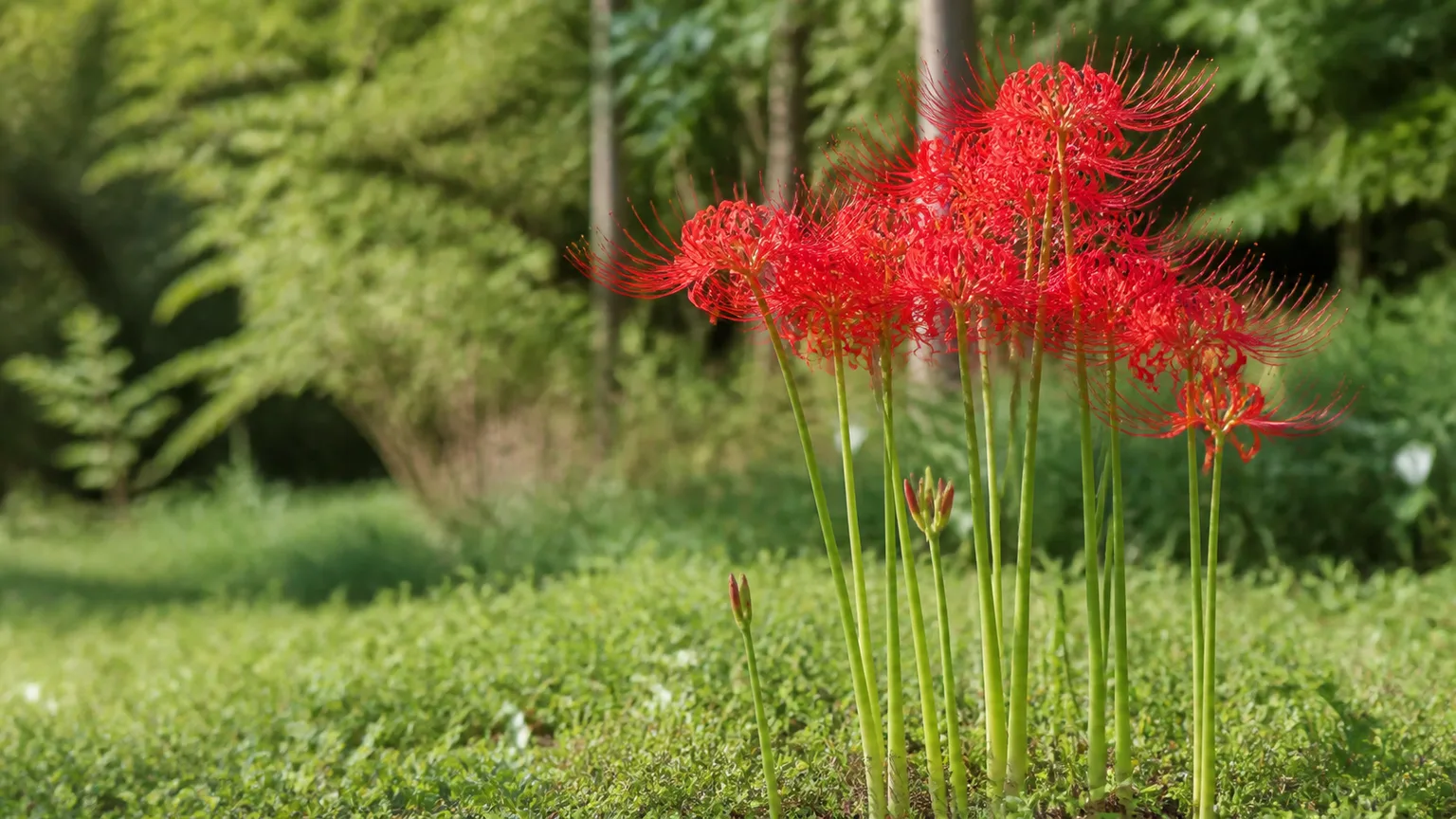
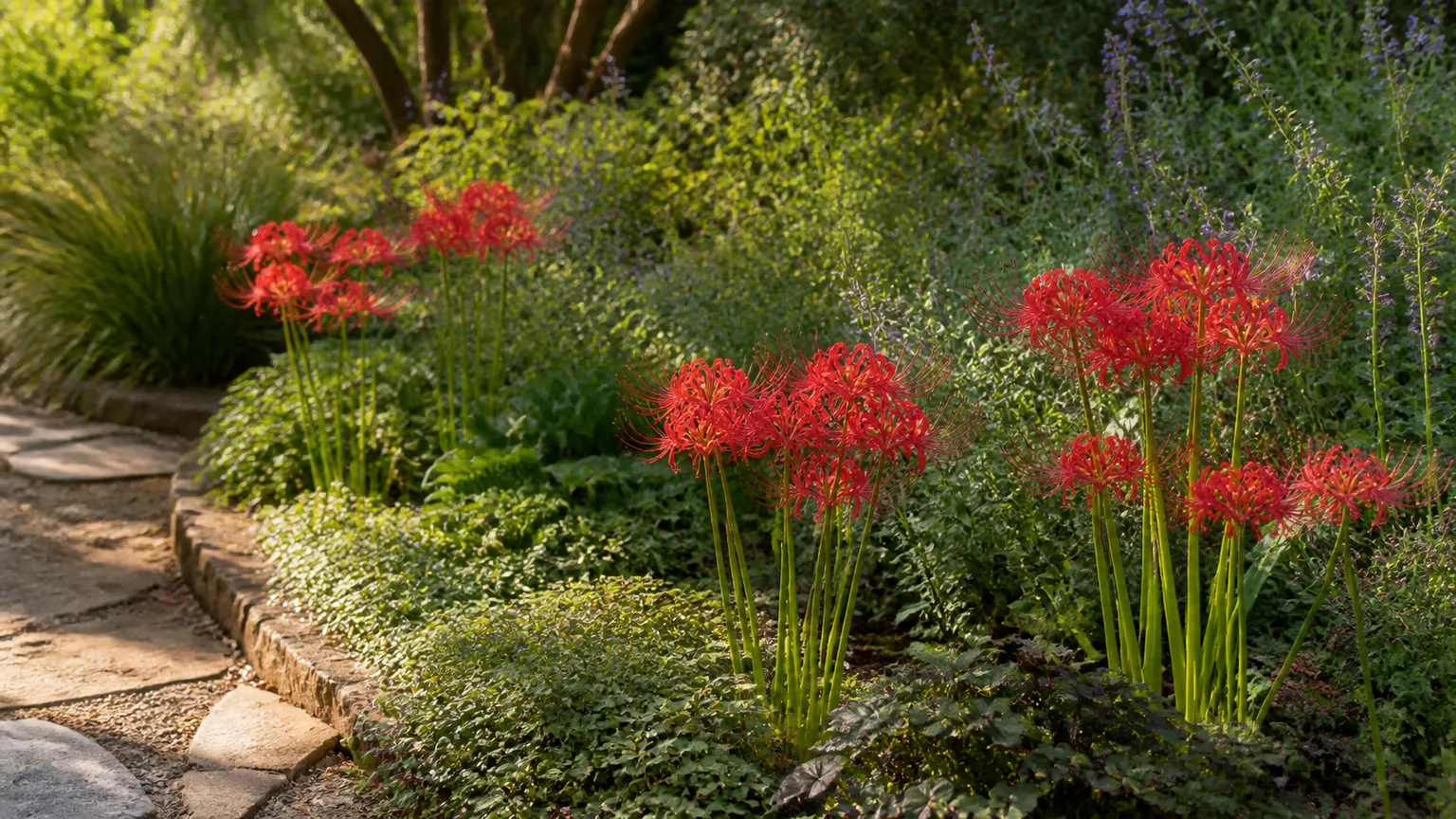
Red spider lily — Lycoris radiata. Its vivid red flower stalks often appear in late summer or fall before the leaves return, giving this bulb a surprising, leafless look. Plant it where the spring foliage can mature undisturbed. It suits a woodland edge or lightly shaded border in climates where the bulbs are hardy.
-
Tiger flower — Tigridia pavonia. Each flower is short-lived, but several blooms can open in succession from a summer-planted corm. Red tiger flowers have a spotted central cup and three broad outer petals. Give them warmth, sun, and well-drained soil; in cold regions, lift the corms before freezing weather.
-
Red trillium — Trillium erectum. This woodland native opens a dark red flower above three leaves in spring. It needs humus-rich soil, shade, and time to establish; it is not a quick-fill groundcover. Buy nursery-propagated plants rather than digging wild specimens, and avoid disturbing the rhizome once planted.
-
Trumpet creeper — Campsis radicans. Red cultivars such as ‘Atropurpurea’ and ‘Crimson Trumpet’ carry tubular summer flowers that appeal to hummingbirds. Give the vigorous vine a strong, freestanding support and room to spread; root suckers and seedlings can escape a small bed. NC State Extension’s trumpet creeper profile warns that it spreads aggressively and performs best with full sun for flowering.
-
Tulip — Tulipa spp. Red tulips offer a crisp spring accent in formal beds, pots, and cutting rows. Many modern hybrid tulips are strongest in their first year, so plant fresh bulbs for reliable color or select types described as perennializing for your region. Give bulbs a sunny, well-drained summer-dry site.
-
Yarrow — Achillea millefolium. Red yarrow cultivars add flat flower clusters above feathery foliage in summer. Their color may soften toward pink or bronze as flowers age. Plant in sun and lean, draining soil; vigorous clumps can spread, so edge them or divide when they move beyond their allotted space.
Late-summer and fall color
The dates above overlap because climate and cultivar move the calendar. In a cool climate, summer bloomers may peak later; in a hot region, spring flowers may finish early. Use repeat-flowering plants and a few late performers, then check local nursery schedules for the bloom window where you live. A staggered planting is more reliable than expecting one plant to flower continuously.
Annuals and bulbs for flexible red color
Tall stems, texture, and cutting-garden flowers
-
Amaranth — Amaranthus cruentus. ‘Red Garnet’ and ‘Hopi Red Dye’ are grown for upright or hanging red flower clusters and seed heads from summer into fall, not just conventional petals. The heat-loving annual makes a tall accent and a useful dried stem. Give it sun and room; ornamental varieties should not automatically be treated as food crops.
-
Annual geranium — Pelargonium spp. Red zonal pelargoniums are reliable for sunny window boxes, containers, and edging, with flowers from spring until frost when cared for well. “Geranium” is the common retail name, but these are Pelargonium, distinct from hardy cranesbill geraniums. Let the mix partly dry between waterings, remove spent flower heads, and protect plants from frost if overwintering them.
-
Begonia — Begonia spp. Red wax, tuberous, and fibrous begonias can brighten shaded pots or beds from summer until frost, though their light tolerance varies by type. Give them loose, well-drained mix and avoid leaving the crown waterlogged. Read the label for sun exposure: a wax begonia and a tuberous begonia do not have identical needs.
-
Calibrachoa — Calibrachoa hybrids. The small petunia-like red flowers spill over baskets and container edges from spring into fall in warm weather. They need sun, regular feeding, and good drainage; a waterlogged pot can collapse a plant quickly. Their trailing habit is useful in a mixed container, while an upright thriller can keep the composition from looking flat.
-
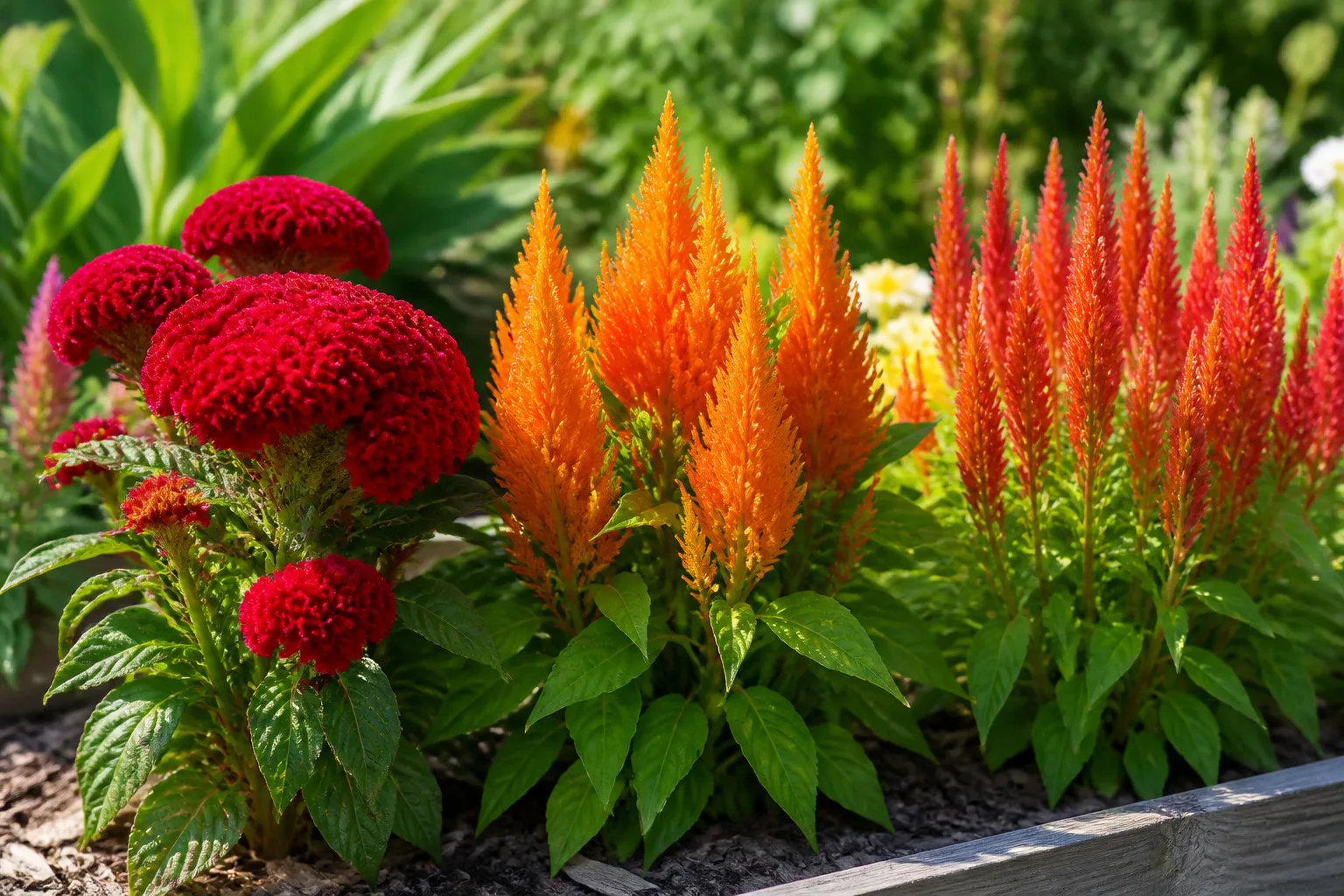
Celosia — Celosia spp. Scarlet plumes bring upright color and strong texture to a sunny summer bed. Celosia likes warmth and well-drained soil, and its flower heads can be cut or dried. Cultivars range from compact edging plants to tall stems, so check mature height before placing one in front of shorter flowers.
-
Cockscomb — Celosia argentea var. cristata. This crested form of celosia produces folded, velvety red flower heads rather than plume-shaped spikes. It likes heat and sun, making it a good late-spring planting after cold nights pass. Leave space for airflow and use the dried heads in arrangements if you want color after frost.
-
Common poppy — Papaver rhoeas. The annual corn poppy’s scarlet, crepe-paper petals suit informal patches and pollinator beds. Sow it directly where it is to bloom because seedlings dislike root disturbance. It thrives in cool-season conditions and can self-seed freely, so deadhead before seed if you want to limit volunteers.
-
Impatiens — Impatiens spp. Red impatiens provide bedding color from spring into fall where direct sun is limited, especially in containers and sheltered borders. Standard busy Lizzie types prefer shade and even moisture; New Guinea types usually tolerate more sun. Give them an airy, well-drained position and water the root zone when the surface begins to dry.
-
Nasturtium — Tropaeolum majus. ‘Empress of India’ and ‘Indian Chief’ offer deep red flowers against dark foliage. Bush forms edge a bed; trailing forms spill from pots or climb a light support. They flower well in sun and relatively lean soil, often in spring and again in fall where summers are hot. Avoid overly rich feeding, which can favor leaves at the expense of blooms.
-
Petunia — Petunia hybrids. Modern red petunias, including “Really Red” selections, are productive in sunny pots and beds. Give them drainage, steady moisture, and periodic feeding. Many newer cultivars shed spent blooms, but cutting plants back lightly when they become lanky can prompt a neater flush; check the label for the variety’s habit.
-
Ranunculus — Ranunculus asiaticus. Layered red ranunculus flowers are prized for spring bouquets. Grow them as cool-season corms: in mild-winter climates, plant in fall; in colder regions, time planting for spring and protect new growth from hard freezes. They need sun and excellent drainage and usually fade as summer heat arrives.
-
Red salvia — Salvia splendens. This bedding salvia has upright scarlet flower spikes and a long warm-season display. It is perennial only in mild climates and commonly grown as an annual elsewhere. Use it in sun or light shade with regular moisture, and pinch young plants if you want a fuller, branching habit.
-
Sweet pea — Lathyrus odoratus. Red sweet peas combine fragrance, climbing stems, and cut flowers. Sow or plant them for cool weather, give them a net or trellis early, and pick blooms often to extend flowering. They dislike hot weather, so in warm regions treat them as a spring crop rather than a summer annual.
-
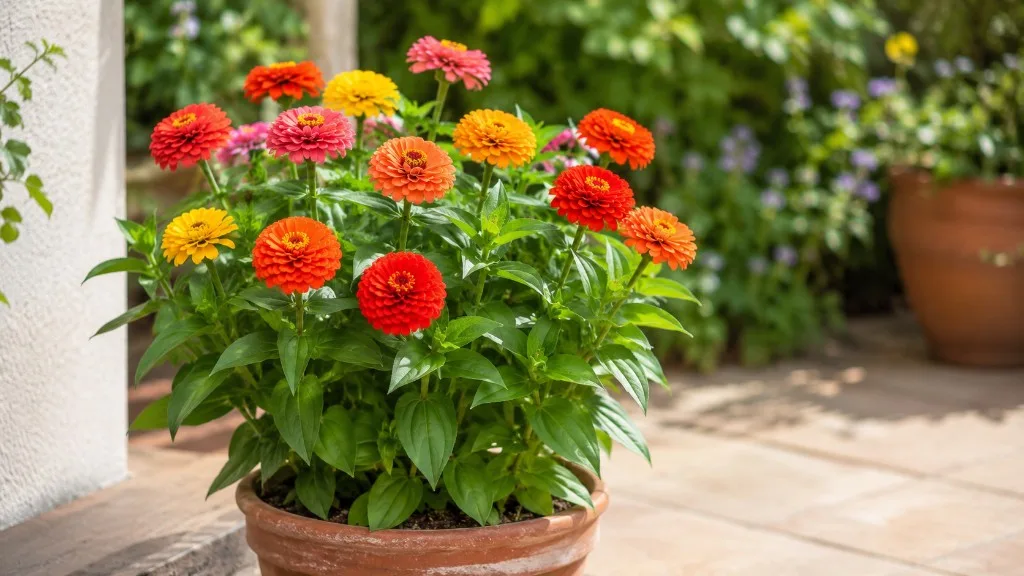
Zinnia — Zinnia elegans. Red zinnias range from compact bedding forms to tall, double-flowered cut varieties, flowering from summer until frost. Direct-sow after frost in full sun, space plants for airflow, and harvest stems frequently to encourage more flowers. Choose a height and flower form that matches the job; ‘Benary’s Giant’ is a cutting-garden type, while compact series suit pots and edges.
Bedding plants and container spillers
For pots, combine one upright flower such as salvia or celosia with a mounding plant such as geranium or begonia and a spiller such as calibrachoa or trailing nasturtium. Keep plants with similar water needs together. A small container dries faster than a border, so check it more often in hot weather and water until excess drains from the bottom.
How to combine red flowers without visual clutter
Red is not one uniform color. A scarlet flower can look orange beside a blue-red bloom; a burgundy flower can recede against dark foliage and disappear at dusk. Pick one dominant red family for a small composition, then repeat it in several places so the eye moves through the bed. Use white flowers, silver foliage, or a clear green backdrop to separate dense patches.
Build height in layers: a tall shrub or trellised vine at the back, medium perennials in the middle, and compact annuals or bulbs near the front. Pair different flower shapes—spikes, cups, daisies, and umbels—so a border has texture even when its color is restricted. Fine Gardening’s advice on using red in a garden emphasizes how red’s effect changes with its setting; test a few plants together before repeating a whole bed.
For a long season, overlap bloom windows rather than relying on one “all summer” plant. Flowering quince or tulips can start the year; roses and summer perennials carry the middle; dahlias, crocosmia, red spider lilies, and mums extend color toward fall. Keep a simple note of when each plant actually flowers in your yard, then fill the quietest month next season.
Safety, growth, and climate checks before planting
Common names are not safety labels. Oleander is highly poisonous, and coral bean seeds are poisonous; lantana also has toxic parts. Before planting where a child, dog, cat, or grazing animal has access, look up the exact botanical name in a reliable poison-control or extension database. ASPCA’s ASPCA Poison Control’s Toxic and Non-Toxic Plants database are a starting point for pets, but are not an exhaustive list. If an animal may have eaten a plant, contact a veterinarian or poison-control service promptly rather than waiting for symptoms.
Check the mature size and growth habit as carefully as the flower color. Trumpet creeper can spread beyond its trellis; some lantanas also escape cultivation in warm regions. Give these plants a contained area or choose a less vigorous alternative. For native plantings, use locally appropriate stock and do not collect wild trillium or other woodland flowers.
Finally, match hardiness to your own winter rather than relying on a generic list. Species, cultivars, drainage, snow cover, wind exposure, and summer heat all change outcomes. If a red plant is marginal for your climate, grow it in a pot that can be moved, or select a hardy substitute with the same season and shape.
Conclusion
The best red flower is the one that fits the light, soil, space, and season you can offer. Start with a named cultivar, verify the plant’s mature form and hardiness, then combine early, midseason, and late flowers for a display that does not end after one burst. A few well-placed reds with different shapes and bloom times will make a stronger garden than a crowded bed chosen by color alone.



