35 Types of Orange Flowers to Brighten Your Garden
Explore 35 orange flowers for borders, containers, pollinator gardens, and cut beds, with bloom timing, site needs, spread habits, and safety notes.
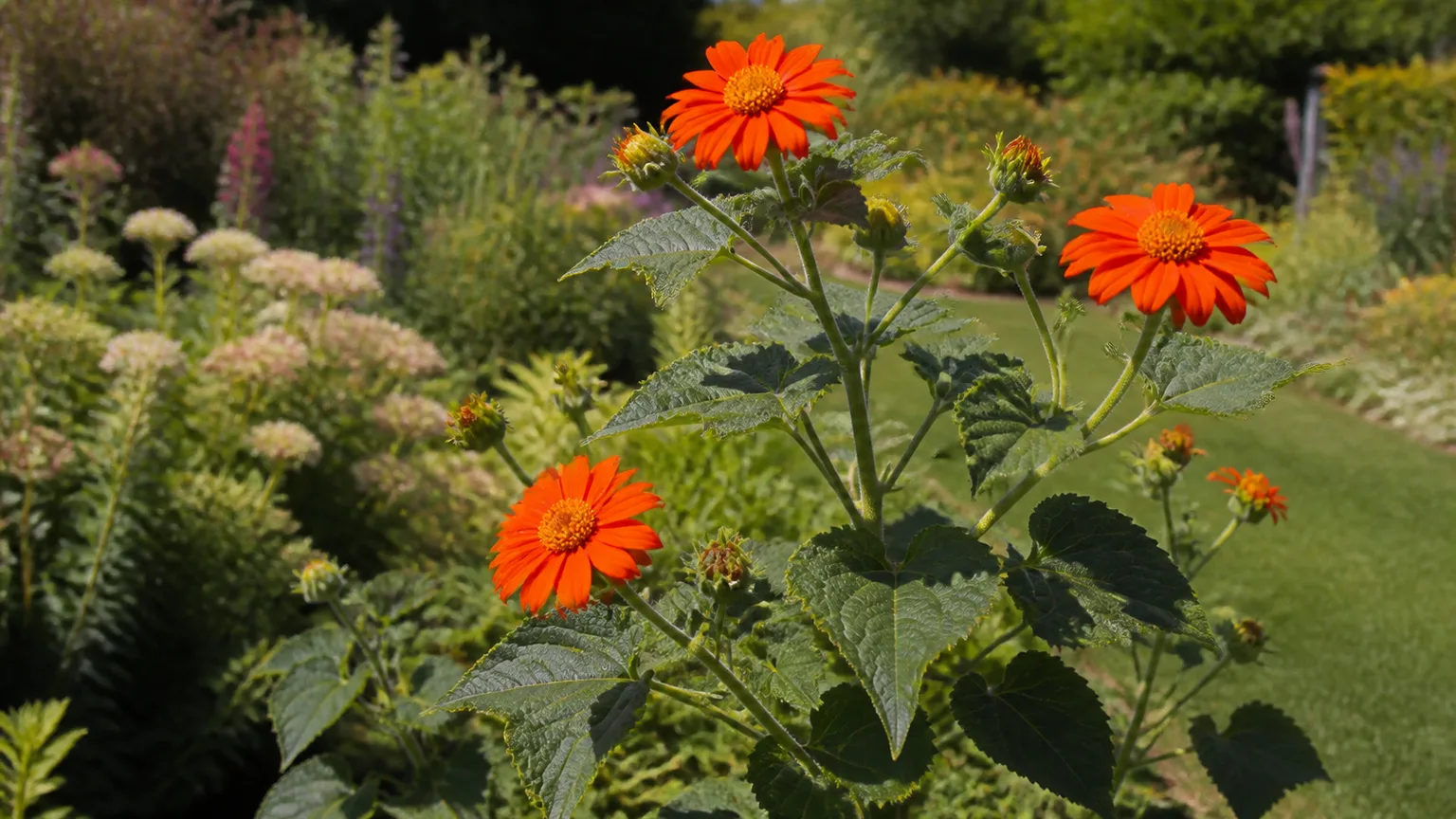
Orange flowers do more than add a hot splash of color. They can pull a dark border into focus, carry a container through summer heat, feed butterflies, or close the gap between spring bulbs and fall mums. The best choice depends less on the shade of orange than on what the plant does after you put it in the ground.
Use this list as a decision guide. Some plants below are true perennials, some are annuals outside warm climates, and a few are bulbs, corms, rhizomes, vines, or plants grown for orange fruiting structures rather than orange petals. Check your local hardiness zone and the exact cultivar before buying; “orange flower” is a color category, not a care category.
How to choose an orange flower that fits your garden
Filter by site, water, and maintenance
Start with the site you actually have. Six or more hours of direct sun suits most orange bloomers, but a sunny bed can still be wet, dry, windy, exposed, or crowded by roots. Butterfly weed and California poppy prefer sharp drainage, while canna, New Guinea impatiens, and gerbera perform better when moisture does not swing from bone-dry to saturated.
Next, decide how much editing you want to do. A dwarf marigold or zinnia can be resown every year, a daylily can return with little fuss, and a dahlia can reward you with enormous flowers but ask for staking, lifting, or tuber storage in cold regions. If a plant will outgrow a path, climb a fence, or self-sow into a meadow, that is part of its beauty and part of its maintenance plan.
Decide between annuals, perennials, bulbs, and tender plants
Annuals are the quickest route to a full season of color: zinnias, marigolds, calendula, nasturtiums, and sunflowers can fill gaps while slower perennials establish. Perennials reduce replanting but may take a season or two to look settled, and some go dormant after flowering rather than staying attractive all summer.
Bulbs, corms, rhizomes, and tubers add another layer of timing. Tulips and crown imperials are planted for spring; gladiolus corms, canna rhizomes, and dahlia tubers are usually planted after cold soil has passed. Tender plants such as bird of paradise, flowering maple, and some lantanas can be excellent in pots precisely because the pot lets you move them before frost.
Spring to early-summer orange color
Bulbs and early perennials
1. Orange Ballerina tulip (Tulipa ‘Orange Ballerina’). This tulip brings a clean cup shape and a strong spring signal to beds and containers. Plant bulbs in fall in sharply drained soil, and leave the foliage in place until it yellows so the bulb can recharge; pair it with a later-emerging perennial that hides the fading leaves.
2. Aurora crown imperial (Fritillaria imperialis ‘Aurora’). Its hanging orange bells are architectural rather than dainty, making it useful where a spring border needs height. Give the bulb sun to part shade and excellent drainage, and place it where you can appreciate the flowers from below instead of burying it behind low plants.
3. Orange lily (Lilium bulbiferum var. croceum). This early-summer lily has open orange flowers marked with darker accents. It works in a perennial border with morning sun or light afternoon shade, but plan the surrounding planting so the foliage can remain until it naturally turns yellow.
4. ‘Prince of Orange’ oriental poppy (Papaver orientale ‘Prince of Orange’). The crepe-paper petals make this a high-impact choice for late spring or early summer. Oriental poppies often look best when allowed to finish their brief display and then disappear into neighboring foliage, so do not plant one in the front of a bed that must look full every month.
5. California poppy (Eschscholzia californica). For a dry, sunny, low-fuss patch, California poppy is hard to beat. Its orange cups close in dull weather, it dislikes soggy soil, and leaving some seed heads can give you a self-renewing drift instead of a sterile one-season display.
6. ‘Frizzle Sizzle Orange’ pansy (Viola × wittrockiana). Pansies are cool-season color machines, especially in containers and window boxes. Use them in fall or early spring, give them even moisture, and replace them when summer heat turns the display tired rather than expecting a cool-weather plant to perform like a zinnia.
7. Calendula (Calendula officinalis). Pot marigold is an easy seed-grown annual with edible-flower potential when grown without prohibited sprays. It likes sun to light shade and moderate moisture, and repeated sowings can keep orange and yellow flowers moving through spring and fall in climates with hot summers.
8. Montbretia (Crocosmia ‘Lucifer’). Arching swordlike leaves and red-orange flowers make montbretia especially effective beside grasses or blue perennials. It grows from corms, can spread into a clump over time, and may need winter mulch or lifting in colder parts of its range.
Summer pollinators and native-garden standouts
Perennials and self-seeders
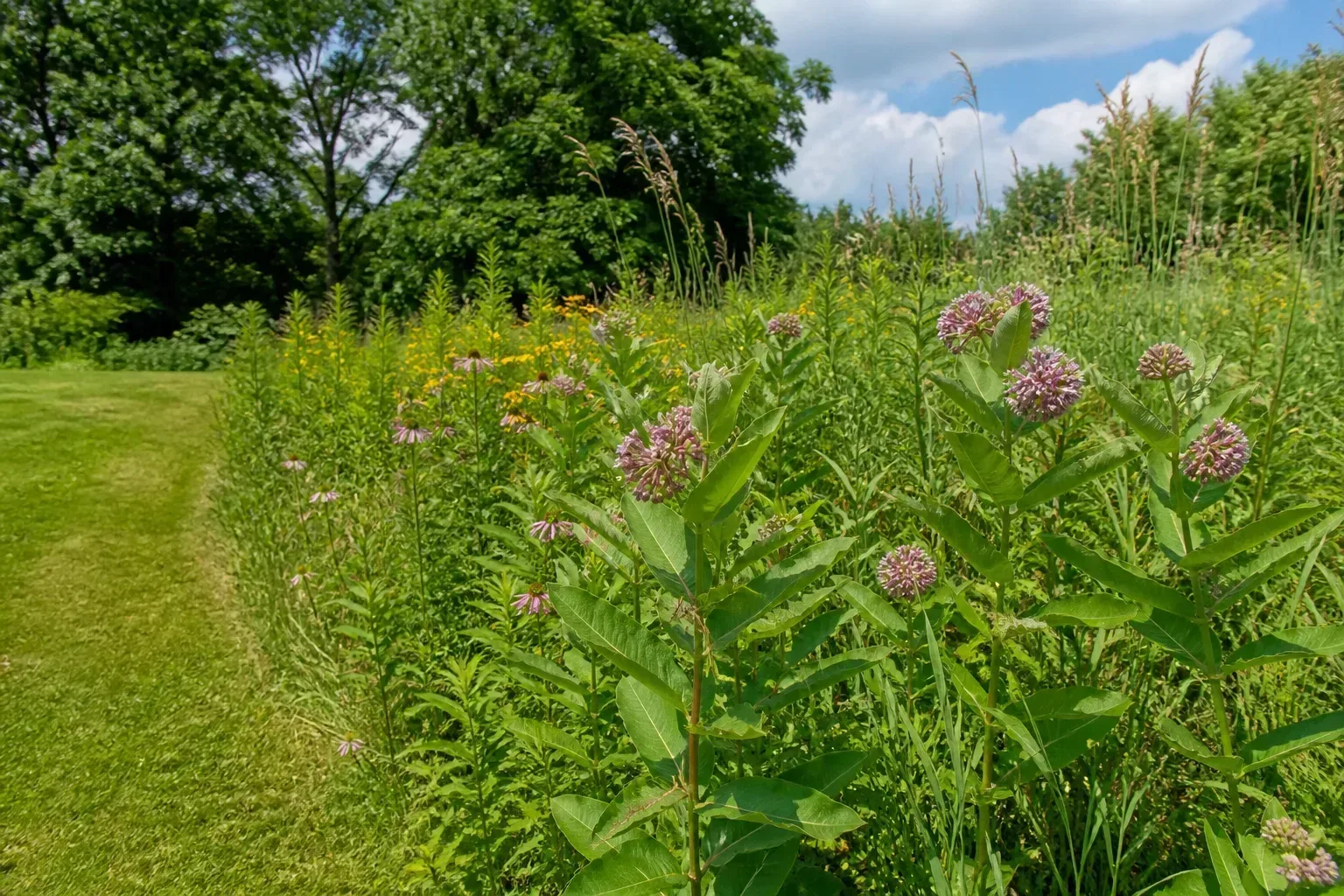
9. Butterfly weed (Asclepias tuberosa). This North American native is one of the strongest reasons to plant orange: it supplies nectar and serves as a monarch host plant. NC State Extension notes that it handles full sun, poor dry soil, and drought, but its deep taproot dislikes transplanting and seed-grown plants may take two to three years to flower; read the extension profile for its establishment and handling limits.
10. Mexican sunflower (Tithonia rotundifolia). This tall annual earns a place at the back of a sunny border, where its orange-red flowers can feed butterflies without shading smaller plants. It is a fast, heat-loving choice for a one-season screen, but give it room because it can become four to six feet tall.
11. Firebird coneflower (Echinacea ‘Firebird’). Orange coneflowers bring the familiar raised cone shape into a warmer palette. Give them full sun and well-drained soil, resist overwatering, and leave a few seed heads after bloom for birds and winter structure.
12. Black-eyed Susan (Rudbeckia cultivars). Orange-leaning selections such as ‘Cherokee Sunset’ and ‘Prairie Glow’ are usually shorter-lived than the toughest yellow species, but they provide a long summer-to-fall show. They are useful in a meadow-style bed where a little variation looks intentional and deadheading is optional rather than mandatory.
13. Early Sunrise tickseed (Coreopsis grandiflora ‘Early Sunrise’). Tickseed is a practical choice for sandy or ordinary well-drained soil, with bright blooms that can continue from early summer toward fall. Shear or deadhead after a flush if you want a neater rebloom, but do not turn a drought-tolerant plant into a constantly wet one.
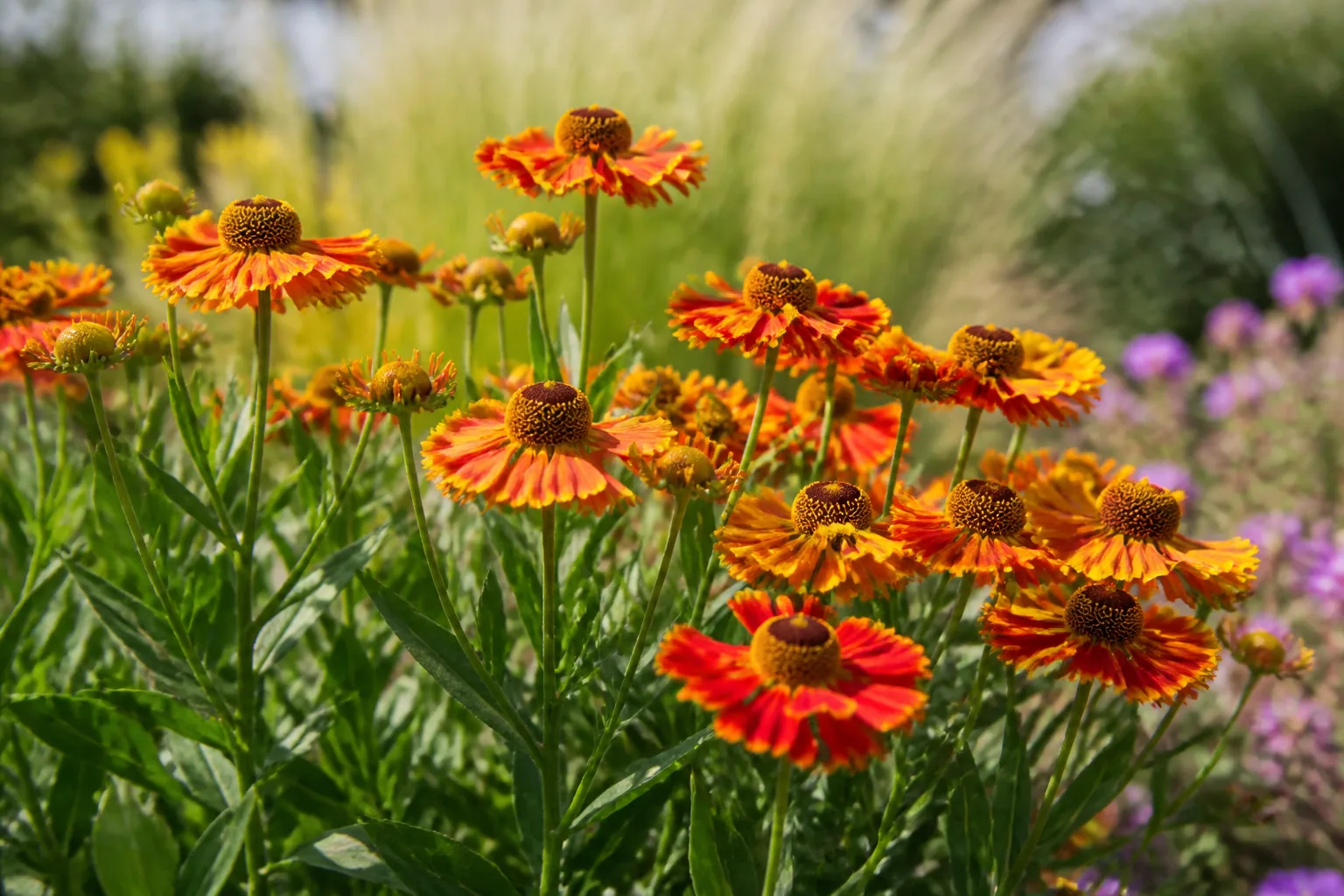
14. Potter’s Wheel sneezeweed (Helenium autumnale ‘Potter’s Wheel’). Sneezeweed carries warm orange and yellow flowers into late summer, when early perennials are fading. It prefers sun and consistent moisture, so plant it near plants with similar water needs rather than next to lavender or California poppy.
15. Bright Sunset daylily (Hemerocallis ‘Bright Sunset’). Daylilies are dependable clumping perennials that tolerate heat and a wide range of soils. Each bloom is brief, but new buds keep the display moving; divide crowded clumps when flowering and vigor decline instead of dividing on a fixed calendar.
16. Tapatio bearded iris (Iris ‘Tapatio’). Bearded iris gives you a different orange shape: upright standards, drooping falls, and a strong horizontal fan of leaves. It needs sun and drainage around the rhizomes, and the flowers often look best when the plant is given space rather than buried in a crowded cottage border.
Annuals and tender plants
17. Orange King zinnia (Zinnia elegans ‘Orange King’). Zinnias are among the most useful orange flowers for beginners because they grow quickly from seed, tolerate summer heat, and provide long stems for cutting. Sow after frost in successive batches, keep air moving around the plants, and harvest flowers often to encourage more stems.
18. Marigold (Tagetes spp.). French, African, and signet marigolds offer different heights and flower sizes, from low edging to tall golden-orange punctuation. They are valuable for color and habitat, but do not treat a few border plants as a guaranteed pest barrier; choose them for the sun, drainage, and long bloom they genuinely provide.
19. Nasturtium (Tropaeolum majus). Nasturtiums bring orange flowers, round leaves, and a trailing or mounding habit that works in raised beds and hanging containers. They bloom better in ordinary or lean soil than in heavily fertilized soil, and in very hot climates afternoon shade can prolong the display.
20. Carnation (Dianthus caryophyllus). Orange carnations offer fragrance and strong cut-flower value, especially where summers are not relentlessly humid. Give them full sun, rich but well-drained soil, and enough airflow to keep the foliage from staying wet after irrigation.
21. Mandarin Sunset rose (Rosa ‘Mandarin Sunset’). Orange roses range from apricot to fiery red-orange and can be shrub, climber, or hybrid tea types. Choose the habit before the color: a climber needs support and pruning space, while a compact shrub can anchor a mixed border without swallowing its neighbors.
22. Trumpet vine (Campsis radicans). Its summer trumpets are excellent hummingbird magnets, but this is a plant for a strong trellis and a gardener willing to patrol the edges. NC State Extension describes the vine as vigorous, heavy, and prone to suckering and self-seeding, so use its extension profile to plan support and containment before planting it beside a small shed or narrow path.
23. Bird of paradise (Strelitzia reginae). This tropical produces orange-and-blue flowers with a sculptural silhouette that looks almost too dramatic for an ordinary bed. Grow it outdoors only where winters permit, or keep it in a bright container that can move indoors; it is a foliage plant first when light is too weak for reliable flowers.
24. Gloriosa sunflower (Helianthus annuus ‘Gloriosa’). Orange sunflower cultivars can be lower branching or very tall, so read the mature height before planting along a walkway. They are quick annuals for full sun, useful for cut flowers and seed-eating birds, and best sown where a temporary screen will not shade smaller plants.
Orange flowers for containers, patios, and small gardens
Portable and part-shade choices
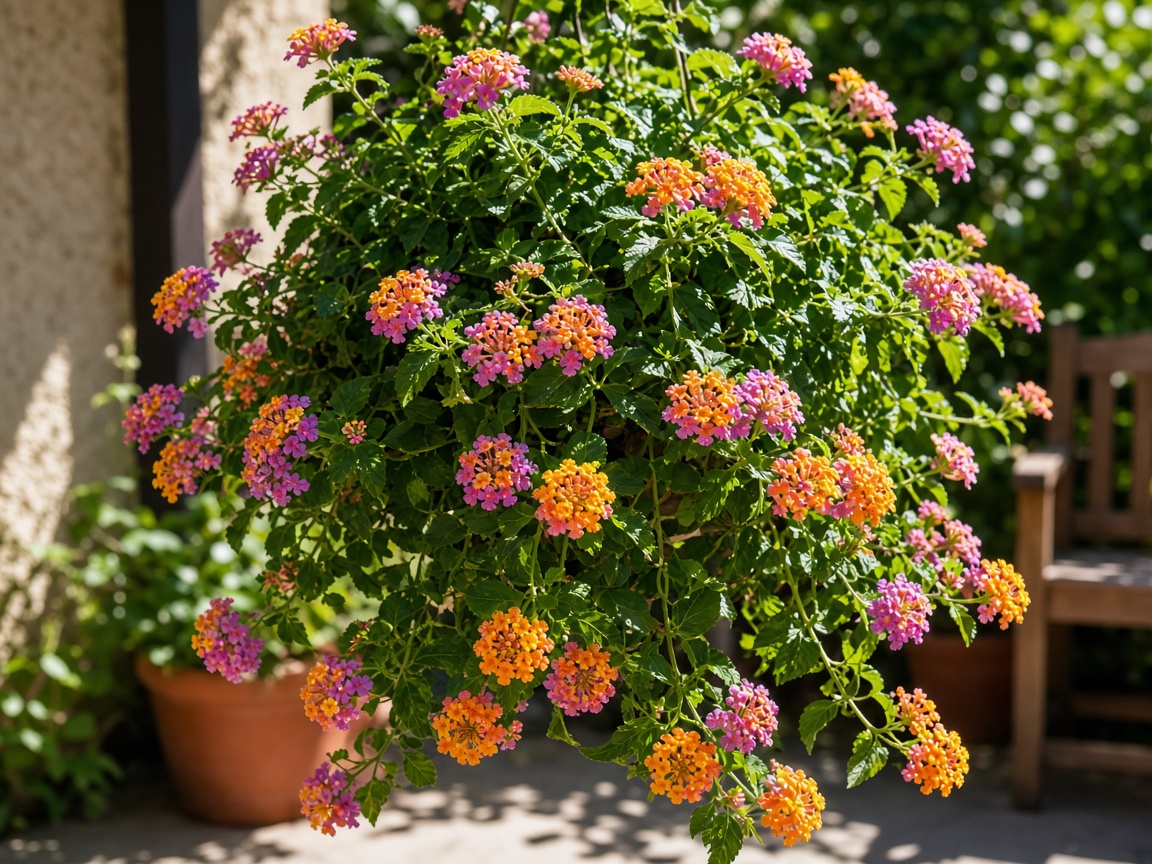
25. Lantana (Lantana camara). Lantana handles heat, bright sun, and containers with good drainage, and its flower clusters often shift between orange, yellow, and red as they age. Treat it as a seasonal container plant in frost-prone areas and deadhead only when you want a tidier look; ASPCA lists lantana as toxic to dogs, cats, and horses, with clinical signs and poison-control guidance here.
26. New Guinea impatiens (Impatiens hawkeri). These are useful when a patio receives bright filtered light rather than all-day sun. They prefer consistent moisture and shelter from the hottest afternoon exposure, so put them in a pot you can water separately from drought-tolerant marigolds or lavender.
27. ‘Orange Glow’ begonia (Begonia ‘Orange Glow’). Begonias supply long-lasting color in containers and part-shade beds, but saturated soil and stagnant air invite rot and mildew. Use a porous mix, avoid packing plants tightly, and move the pot under cover during prolonged wet weather.
28. ‘Garvinea Orangina’ gerbera daisy (Gerbera jamesonii). Gerberas make enormous, clean-centered flowers that feel almost fluorescent in orange. They need more even moisture than many drought-tolerant annuals, so they are easiest in a container with drainage and a consistent watering routine rather than in a bed that swings between dust and rain.
29. Flowering maple (Abutilon × hybridum). The bell-shaped flowers hang from maplelike foliage and look especially good at eye level on a porch. This subtropical plant is frost-tender; grow it as a seasonal accent or overwinter it in a bright, cool room, and pinch lightly if you need a bushier shape.
30. ‘Cleopatra’ canna lily (Canna ‘Cleopatra’). Cannas combine bold foliage with orange-and-yellow flowers and can become a dramatic container centerpiece. Keep the soil evenly moist during active growth, give the rhizomes room, and lift or store them in cold climates if you want to preserve a tender clump.
Late-season and cut-flower favorites
Tuber, corm, and long-stem stars
31. ‘Fireglow Bronze’ chrysanthemum (Chrysanthemum morifolium ‘Fireglow Bronze’). Garden mums are the classic late-season reset button for a tired border or porch pot. Buy cultivars labeled for your climate, pinch young plants before midsummer for branching, and remember that a pot sold in full bloom may not establish as a hardy perennial if planted too late.
32. ‘Finishing Touch’ gladiolus (Gladiolus ‘Finishing Touch’). Gladiolus sends tall spikes of orange flowers from spring-planted corms, making it excellent for cutting and vertical rhythm. Stagger corm plantings for a longer harvest, stake windy sites, and lift the corms before hard frost where they are not winter hardy.
33. ‘Chinese Lantern’ dahlia (Dahlia ‘Chinese Lantern’). Dahlias give you the widest range of orange flower forms, from compact bedding types to dinner-plate giants. Plant tubers in warm soil, provide support for tall varieties, and lift or protect the tubers in cold winter climates; in exchange, you get a long cut-flower season if you keep harvesting.
Orange fruits, lanterns, and seed-pod surprises
34. Chinese lantern (Physalis alkekengi). The small flowers are not the main event: papery orange-red calyces form lanternlike structures after bloom. Give this perennial a contained space or a large pot because it can spread by underground stems, and do not treat the attractive husks as edible simply because some related Physalis fruits are.
35. American bittersweet (Celastrus scandens). This native vine is grown for yellow-orange fruit capsules that split open in fall, not for a showy orange flower. Provide a sturdy support and verify that you are buying American bittersweet rather than invasive oriental bittersweet; the distinction matters for both habitat and long-term management.
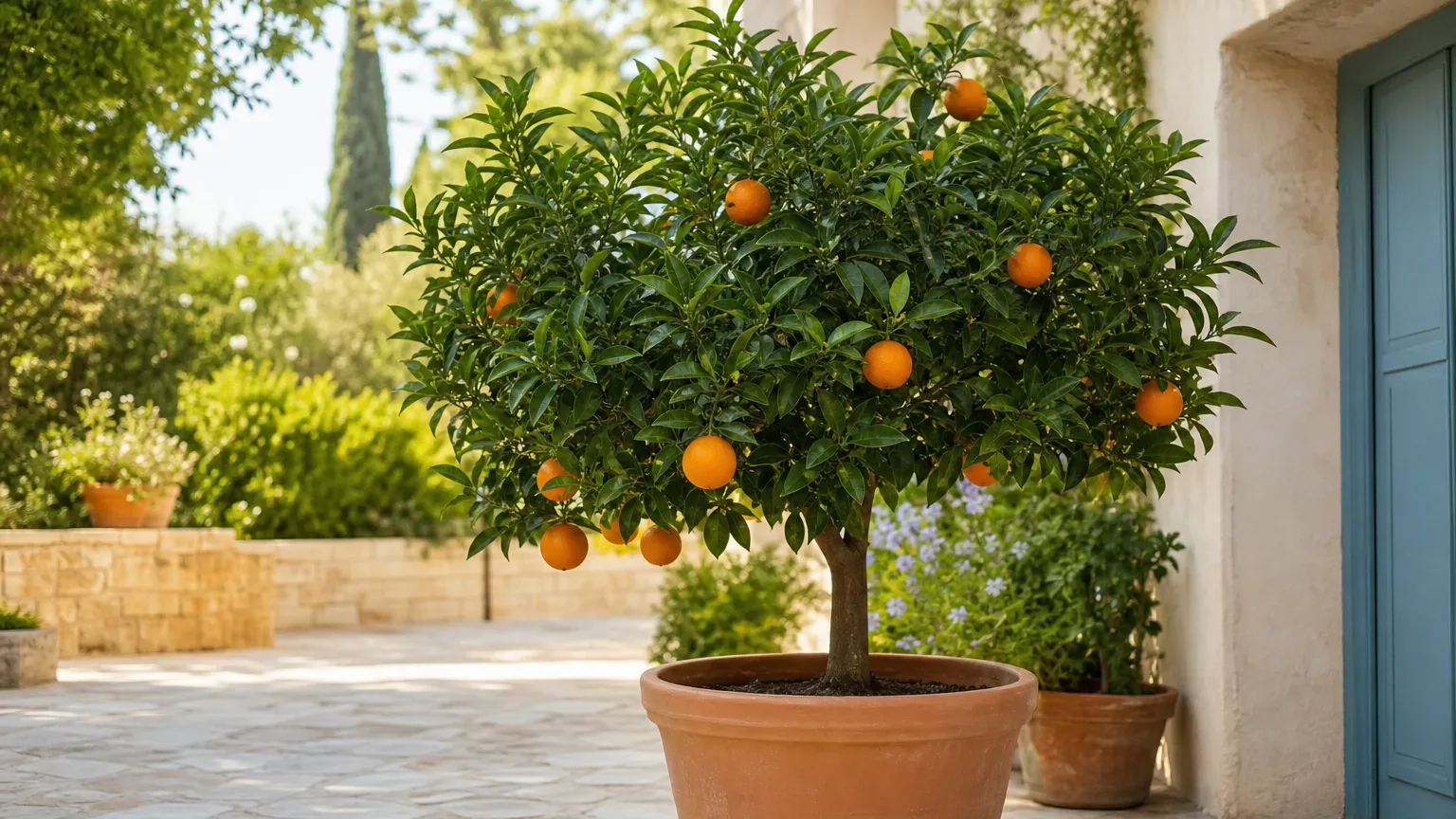
Orange blossom is another useful clarification: the flower of an orange tree is white and fragrant, while the fruit is orange. If you want citrus scent rather than orange petals, grow a suitable citrus tree in a climate or container arrangement that can meet its light and winter needs.
Safety, spread, and maintenance before planting
Toxicity and skin-irritation checks
Color is not a safety signal. The list includes plants that can be toxic to pets or people, including lantana, lilies, tulips, daylilies, begonias, chrysanthemums, irises, gladiolus, dahlias, and some milkweeds. Toxicity can vary by species, plant part, and animal, so check the exact botanical name in a veterinary poison database before planting where pets graze; keep bulbs, tubers, and fallen plant material out of reach.
Some risks are not about eating. Butterfly weed sap may irritate skin, and trumpet vine leaves can cause redness or itching for sensitive gardeners. Wear gloves when handling unfamiliar plants, wash after pruning, and do not let a child or pet sample a flower because it “looks like” an edible calendula or nasturtium.
Spread deserves the same honesty. Trumpet vine can send runners beyond the trellis, Chinese lantern can move through a border, and American bittersweet needs correct sourcing. Deadheading limits seed in some plants, but it will not stop underground runners; use a root barrier, a mowing boundary, or a container when the plant’s growth habit calls for one.
For pollinator gardens, a mix of bloom periods is more useful than a single orange mass. Alsip Nursery’s practical pollinator guidance recommends overlapping flowers from spring through fall, grouping plants so pollinators can find them, limiting pesticides while plants bloom, and leaving some seed heads for birds and beneficial insects.
Quick chooser for all 35 orange flowers
| If you want… | Start with… | Watch for… |
|---|---|---|
| Fast color from seed | Calendula, marigold, zinnia, sunflower, California poppy | Direct-sow after the soil and frost timing fit your climate. |
| A returning perennial | Butterfly weed, daylily, coneflower, tickseed, sneezeweed, iris | Confirm hardiness and give each plant its preferred drainage. |
| Spring flowers | Tulip, crown imperial, orange lily, oriental poppy, pansy | Bulbs need fall timing; pansies prefer cool weather. |
| Butterfly habitat | Butterfly weed, coneflower, Mexican sunflower, zinnia, sneezeweed | Include bloom succession and leave some seed heads. |
| Hummingbird traffic | Trumpet vine, canna, lantana, Mexican sunflower | Trumpet vine needs serious containment; tender plants need frost planning. |
| A patio pot | Lantana, pansy, nasturtium, impatiens, begonia, gerbera | Match the watering schedule instead of combining dry- and moisture-loving plants. |
| Cut flowers | Dahlia, gladiolus, zinnia, sunflower, carnation, rose | Stake tall stems and harvest early in the day for the longest vase life. |
| Fall color | Chrysanthemum, dahlia, sneezeweed, marigold, zinnia, gladiolus | Frost can end a tender display overnight. |
| Architectural height | Canna, sunflower, bird of paradise, crown imperial, flowering maple | Put tall plants at the back or in containers where they will not block windows. |
| Interesting fruit or pods | Chinese lantern, American bittersweet, orange tree | The orange feature may be a calyx, fruit, or seed capsule rather than a flower. |
How to combine orange with other colors
Orange is most comfortable when the neighboring colors have a job. Blue and purple flowers create the strongest contrast, so pair orange marigolds or zinnias with salvia, catmint, or blue cornflower when you want the orange to look brighter without adding more red. White and silver foliage soften the heat: dusty miller, white alyssum, or pale grasses make a hot border feel deliberate.
For a sunset palette, layer orange with yellow, copper, coral, and burgundy, then add dark foliage to prevent the bed from becoming a flat block of warm color. A single orange plant repeated three or five times usually looks more designed than ten unrelated orange cultivars scattered one each.
Use height and texture as the final filter. Put gladiolus, sunflower, canna, or tall dahlia behind low calendula, pansy, nasturtium, or signet marigold. Let one fine-textured plant, such as ornamental grass or dill, break up broad leaves and large blooms.
A practical planting plan for one season
For a sunny border, begin with one structural perennial, one long-blooming annual, and one late-season closer. A workable combination is butterfly weed or coneflower for the perennial layer, orange zinnias and marigolds for quick summer color, and sneezeweed or a hardy mum for the late season. Add a few tulips in fall if you want the color to start before the annuals are ready.
For a patio container, choose one plant with the watering habit you can actually maintain. A large pot can hold lantana with trailing nasturtium, or gerbera with a compact annual that also likes even moisture. Do not combine lantana and gerbera just because both are orange; the first prefers a drier, hotter rhythm while the second resents repeated drought.
Plant in groups, label anything that needs lifting, and leave enough empty soil to water without washing it out of the pot. Scout weekly for wilt, crowding, and stems that need support. The most successful orange garden is not the one with the most varieties; it is the one where every plant has a place, a season, and a maintenance plan.
Conclusion
The best orange flowers are the ones that solve your garden’s next problem: butterfly weed for a sunny dry pollinator patch, zinnias and marigolds for fast annual color, tulips for spring, lantana for a hot container, dahlias for cutting, or sneezeweed and mums for the season’s final glow. Once you sort by light, moisture, space, winter behavior, and safety, the list of 35 becomes much easier to use.
Choose two or three plants that share a site and bloom window, repeat them in a small drift, and add one contrasting color. That simple structure gives orange flowers the support they need to look bright without making the garden feel random.